
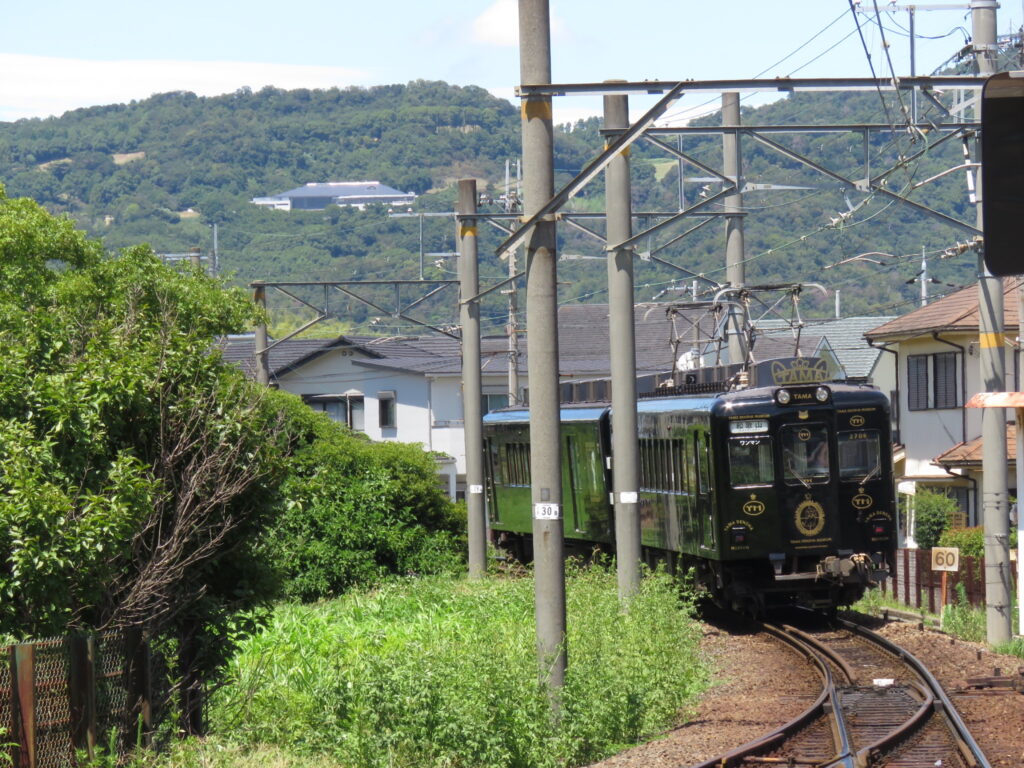
A Scenic Railway Journey Through Myth, History, and the Origins of Japan
Most visitors know the Kishigawa Line for its famous stationmaster cats and charming local trains. Yet beyond the playful image lies one of Wakayama’s oldest cultural landscapes. Following the railway from Wakayama Station into the countryside leads travelers to three remarkable shrines that preserve some of Japan’s oldest myths and religious traditions.
Within just a short train ride, visitors can explore Hinokuma & Kunikakasu Jingu, Kamayama Shrine, and Itakiso Shrine—three sacred places connected by history, mythology, and the origins of the Japanese nation.
Unlike many famous shrine destinations crowded with tourists, these shrines remain peaceful places where local people continue centuries-old traditions.
The Kishigawa Line: More Than a Local Railway
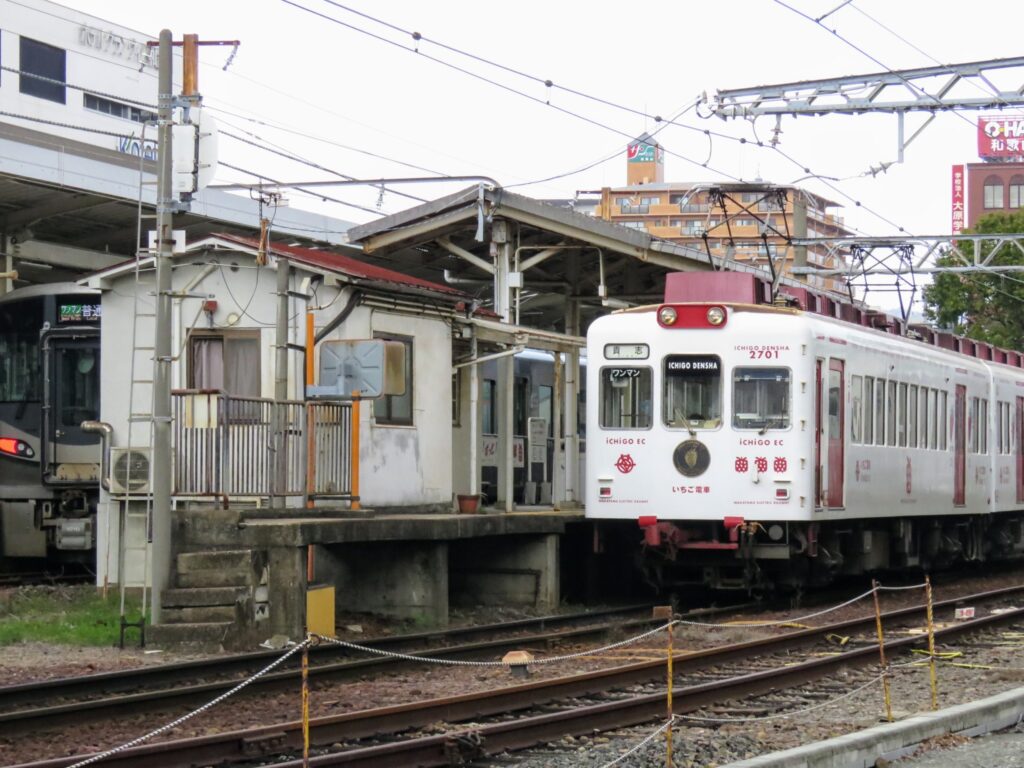
The Kishigawa Line stretches from Wakayama Station to Kishi Station, passing through quiet residential neighborhoods, rice fields, orchards, and traditional communities. Riding the line offers a glimpse into everyday life in Wakayama while connecting several of the region’s most important spiritual sites.
Because each shrine is located near a station, the route makes an ideal self-guided cultural journey that combines slow travel with local history.
Hinokuma & Kunikakasu Jingu: A Shrine Equal in Prestige to Ise
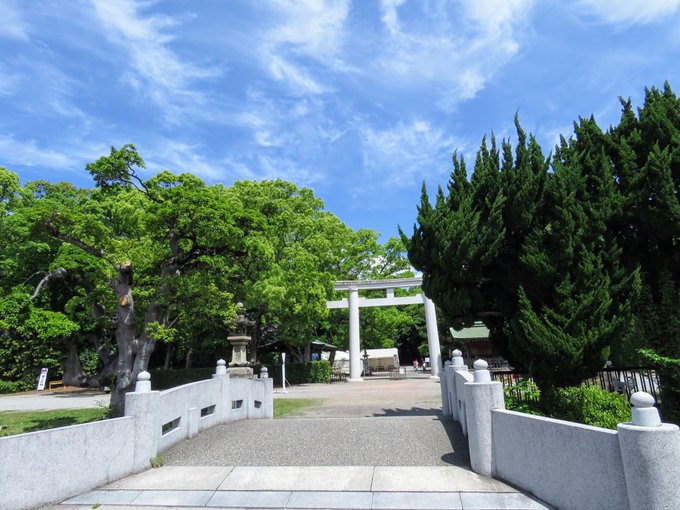
Your first stop is Hinokuma Jingu and Kunikakasu Jingu (Nichizen-gu), located only a short walk from Nichizen-gu Station.
Among Japanese people, these twin shrines have long been regarded as exceptionally sacred. Historically, they were considered to possess a divine status comparable to that of Ise Grand Shrine, the home of Amaterasu, the Sun Goddess.
According to Japanese mythology, the sacred mirrors enshrined here are closely connected with the divine mirror that became one of Japan’s Three Sacred Treasures. Because of this connection, the shrines have been revered since ancient times as guardians of the nation’s spiritual foundation.
For centuries, emperors and aristocrats sent offerings here just as they did to Ise, reflecting the extraordinary prestige these shrines once held.
Walking through the quiet grounds today, visitors often notice the contrast between the site’s immense historical importance and its peaceful atmosphere.
Note: Since the precinct is very sacred, visitors are not allowed to take photo.
Kamayama Shrine: Resting Place of Prince Itsuse
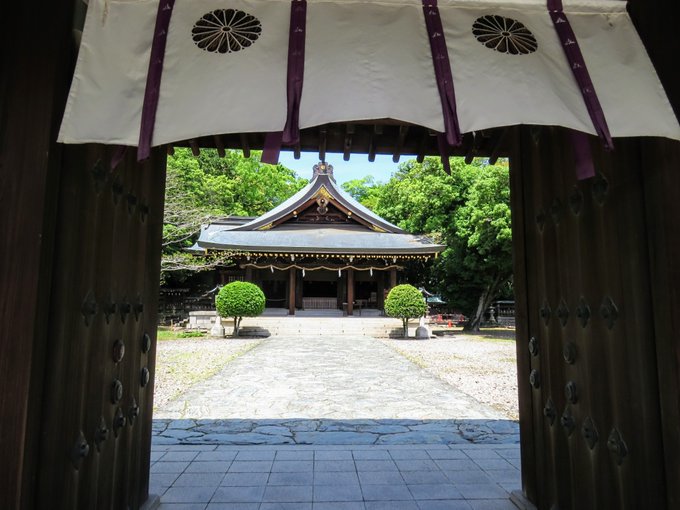
A few stations farther south stands Kamayama Shrine, with a tomb dedicated to Prince Itsuse no Mikoto (Hikoitsuse no Mikoto).
According to the Kojiki and Nihon Shoki, Prince Itsuse was the elder brother of Emperor Jimmu, Japan’s legendary first emperor.
During the eastern expedition that eventually established the imperial line, Prince Itsuse was mortally wounded in battle. Tradition holds that he died in Wakayama, and Kamayama Shrine marks the location of his burial mound.
For this reason, the shrine is not simply dedicated to a mythological figure—it is regarded as the resting place of a prince whose sacrifice enabled Emperor Jimmu’s journey to continue.
The tranquil forest surrounding the shrine creates a solemn atmosphere that encourages visitors to reflect on the earliest legends surrounding Japan’s founding.
Itakiso Shrine: Home of the God Who Gave Trees to Japan
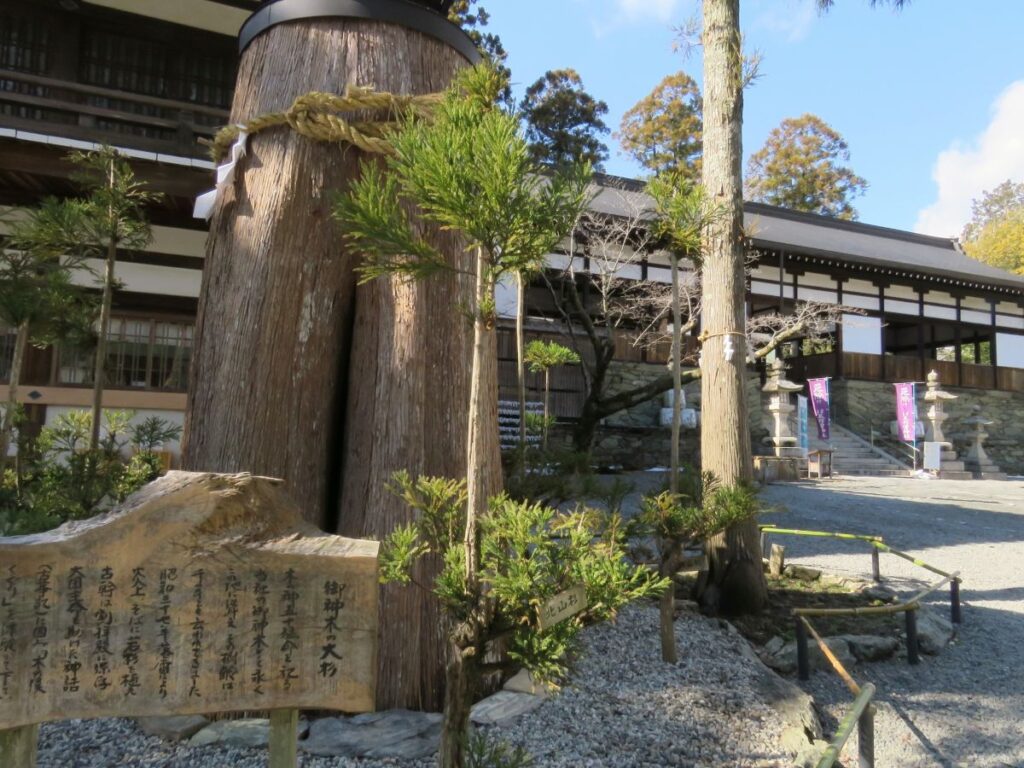
Continuing along the Kishigawa Line brings travelers to Itakiso Shrine, dedicated to Itakeru no Mikoto, one of Wakayama’s most beloved deities.
According to mythology, Itakeru no Mikoto descended from heaven carrying countless seeds of trees. Rather than planting them in Korea, where he had first arrived, he chose to spread them throughout the Japanese archipelago, covering the land with forests.
Because of this legend, he is worshipped as the god of forests, timber, woodworking, architecture, and environmental protection.
For a country where wood has shaped everything from homes and shrines to temples and everyday tools, this mythology carries profound cultural significance.
Visitors will notice ema (wooden prayer plaques) and prayers related to safe construction, forestry, carpentry, and the protection of nature, reflecting the deity’s continuing importance in modern Japan.
Experiencing Wakayama’s Living Spiritual Landscape
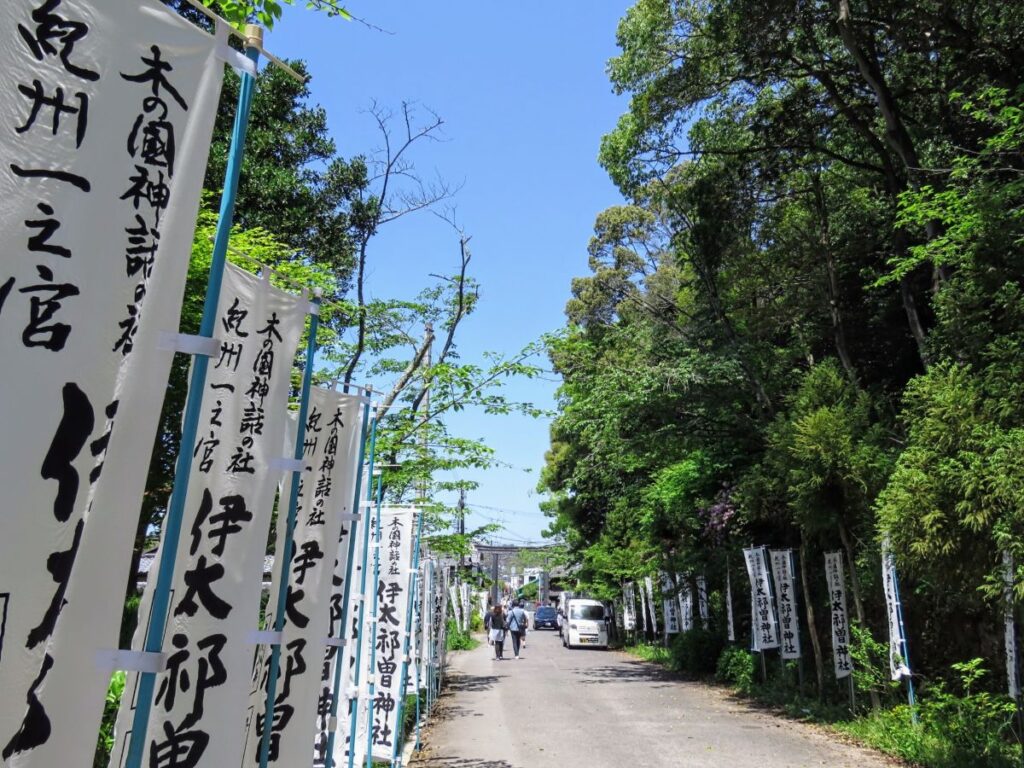
Although each shrine has its own unique story, together they reveal a remarkable narrative.
At Hinokuma & Kunikakasu Jingu, visitors encounter one of Japan’s highest-ranking ancient shrines.
At Kamayama Shrine, they stand before the traditional tomb of the prince who gave his life during Japan’s mythical founding.
At Itakiso Shrine, they meet the deity who transformed Japan into a land of forests.
These are not isolated tourist attractions but parts of a continuous sacred landscape that has shaped Wakayama’s identity for over a thousand years.
A Journey Beyond the Famous Destinations
Many visitors to Kansai focus on Kyoto, Nara, or Ise. Yet the Kishigawa Line offers a quieter alternative—one where mythology, history, local life, and beautiful rural scenery naturally come together.
Whether you are interested in Japanese mythology, Shinto traditions, photography, or simply experiencing a slower pace of travel, this railway journey reveals a side of Wakayama that many international visitors never discover.
Sometimes the most meaningful journeys are not measured by distance, but by the stories waiting at each station.
Explore Wakayama’s Three Ancient Shrines with my Curated Kii Peninsula Journey.
Related Posts
- The Forgotten Queen of Wakayama
- Why Were Pilgrims Willing to Walk on Kumano Kodo for Weeks?
- Why Nature in Wakayama Is Different
No responses yet