
Exploring Old Houses, Pilgrimage Routes, and Everyday Culture in Wakayama
When people imagine the Kumano Kodo, they often picture misty mountain trails deep in the forests of the Kii Peninsula. But long before pilgrims reached the sacred mountains, they walked through villages, farming communities, merchant districts, and coastal roads where ordinary life unfolded beside the route.
In the western part of Kiiji Road, traces of this world still remain. Historic roads, traditional residences, and preserved farmhouses reveal another side of pilgrimage culture—one rooted not only in spirituality, but also in everyday life. These places offer a glimpse into the communities that welcomed travelers, supplied goods, and maintained the networks that connected people across the region.
This journey is not simply about visiting historical buildings. It is about understanding the world that supported movement, belief, trade, and survival along the ancient roads of Wakayama. By exploring these landscapes, visitors can discover how pilgrimage was woven into the daily lives of ordinary people, creating a cultural heritage that extends far beyond the famous mountain paths themselves.
A Different Way to Experience the Kumano Kodo
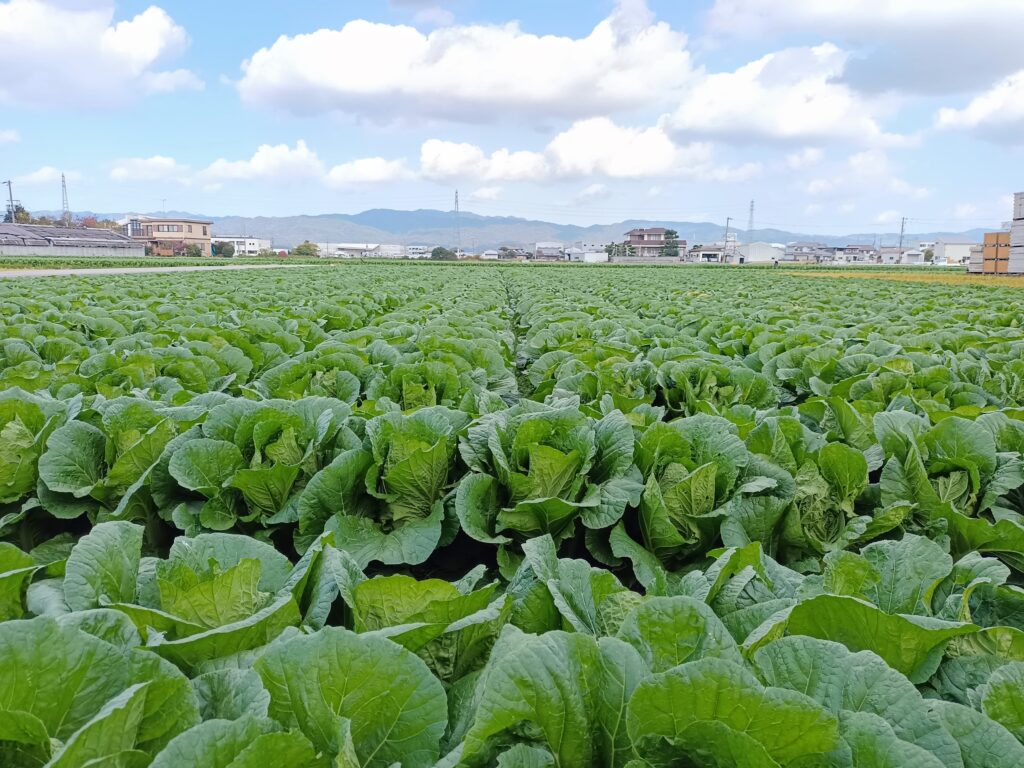
Most visitors experience the Kumano Kodo through hiking, and understandably so—the mountain landscapes are extraordinary. Yet the pilgrimage network was never only about mountains. It also depended on farmers producing food, merchants supporting travelers, villages maintaining roads, river transport, coastal trade, and communities shaped by the rhythms of the seasons.
The Kii Road region preserves many of these quieter layers of history. Historic settlements, traditional buildings, and rural landscapes reveal how pilgrimage was supported by the daily lives of ordinary people. These places help visitors understand that the Kumano Kodo was not simply a route through the mountains, but a living network that connected communities across the region.
Rather than focusing only on sacred destinations, this experience explores the landscapes between them. It highlights the cultural and economic foundations that allowed people, goods, and ideas to move through Wakayama for centuries.
For travelers interested in slow travel, cultural landscapes, traditional architecture, everyday Japanese history, and living heritage, this side of Wakayama offers something increasingly rare: space, silence, and continuity. It is an opportunity to experience not only where pilgrims were going, but also the world they passed through along the way.
Walking the Ancient Kiiji Road
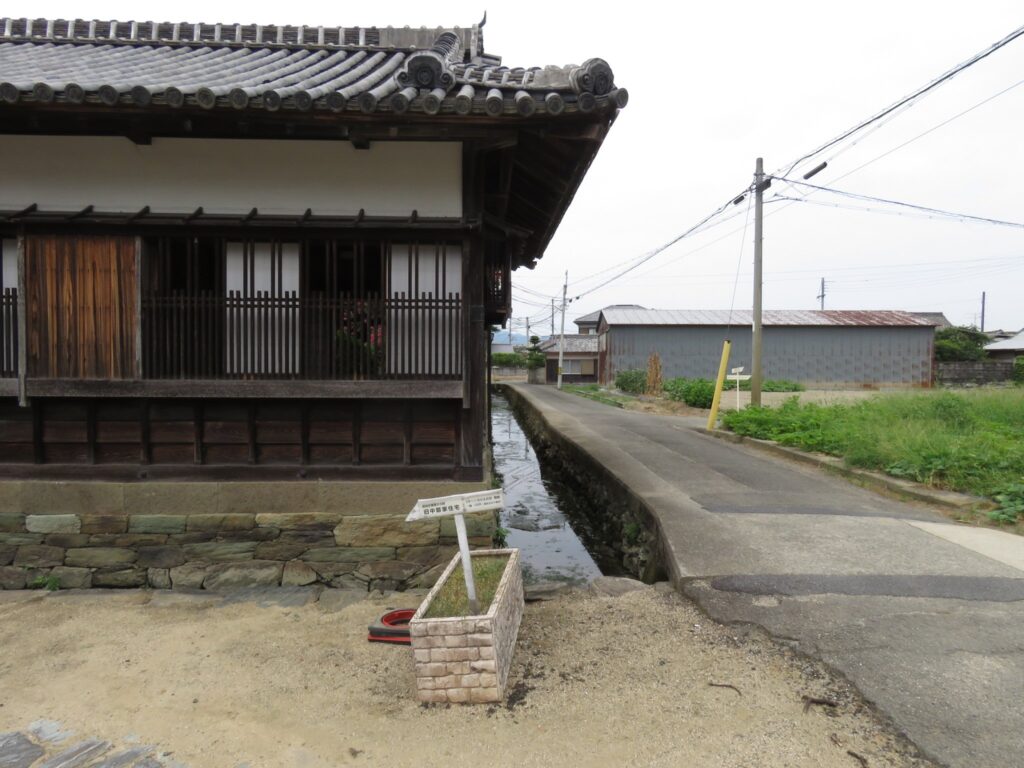
Kiiji was once one of the main approaches to the sacred Kumano region. Unlike the dramatic mountain sections further south, this route passed through populated areas connected to agriculture, trade, and everyday travel. For many pilgrims, these communities formed an essential part of the journey, providing food, lodging, and a connection to the wider world beyond the mountains.
Walking here today reveals a gentler historical landscape. Narrow village roads, small shrines beside the path, old stone markers, agricultural scenery, and quiet residential districts all contribute to an atmosphere that feels both historical and lived-in. Rather than encountering history as something preserved behind barriers, visitors experience it as part of an active community.
The atmosphere feels less like a monument and more like a living continuation of the past. This is one of the most fascinating aspects of Wakayama: history has not been completely separated from daily life. The same roads, landscapes, and local traditions that once supported travelers continue to shape the region today, creating a sense of continuity that is increasingly difficult to find elsewhere.
Inside a Headman Residence
The World of the Nakasuji Family
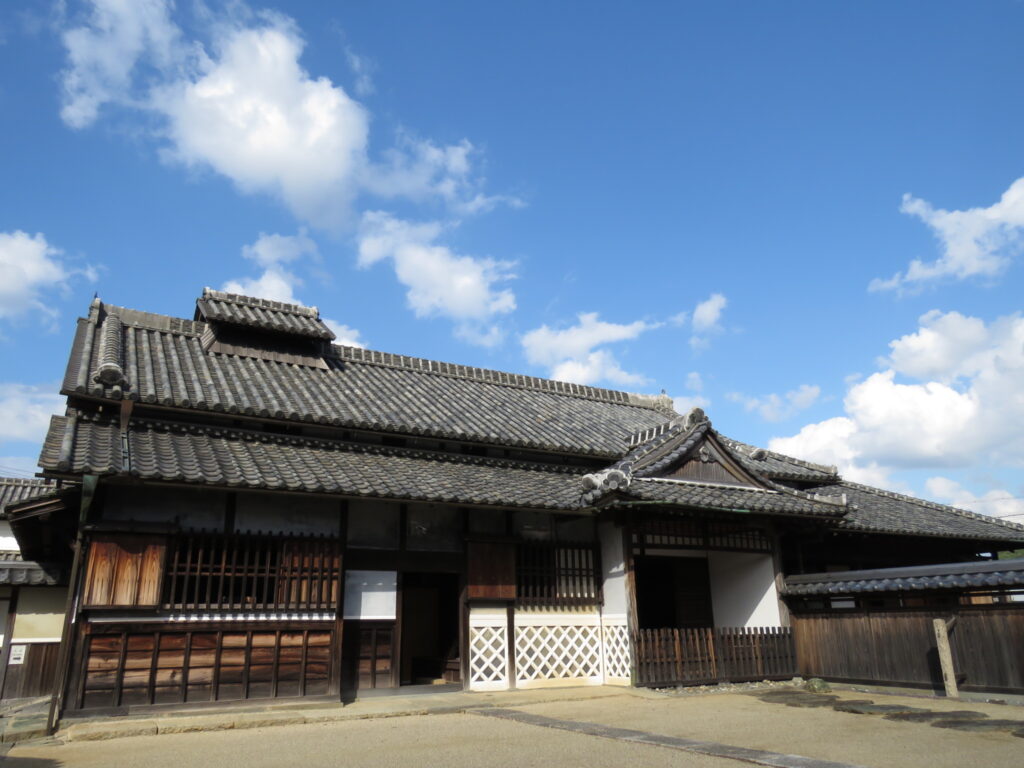
At the Former Nakasuji Family Residence, visitors encounter another layer of life along the Kiiji Road. The residence reflects the world of influential local families who supported regional society through agriculture, administration, and community leadership. It offers valuable insight into how wealth, responsibility, and daily life were interconnected in rural Wakayama.
Inside the house, numerous details reveal how people once lived. Tatami rooms open toward carefully designed gardens, wooden corridors bear the marks of generations of use, and storage spaces hint at the management of goods and important documents. The kitchens and work areas were designed around seasonal agricultural labor, while the overall architecture reflects both the local climate and the social structures of the time.
Rather than viewing the building simply as a museum piece, visitors can begin to imagine the rhythms of everyday life that once filled its rooms. Meals were prepared in accordance with the agricultural calendar, administrative discussions took place between local leaders, and seasonal work changed the atmosphere of the household throughout the year. The residence also provides a glimpse into the lives of local samurai families, many of whom balanced agricultural responsibilities with their duties as warriors and administrators.
This perspective transforms architecture into lived history. The building is not merely a collection of preserved rooms, but a window into the social and economic world that supported communities along the Kiiji Road for generations.
Opening Hours: 9:00 AM–4:30 PM (last entry at 4:00 PM), open on Saturdays, Sundays, and public holidays from March through November.
Folk Houses and Rural Memory
Exploring the Kii Fudoki-no-Oka Area
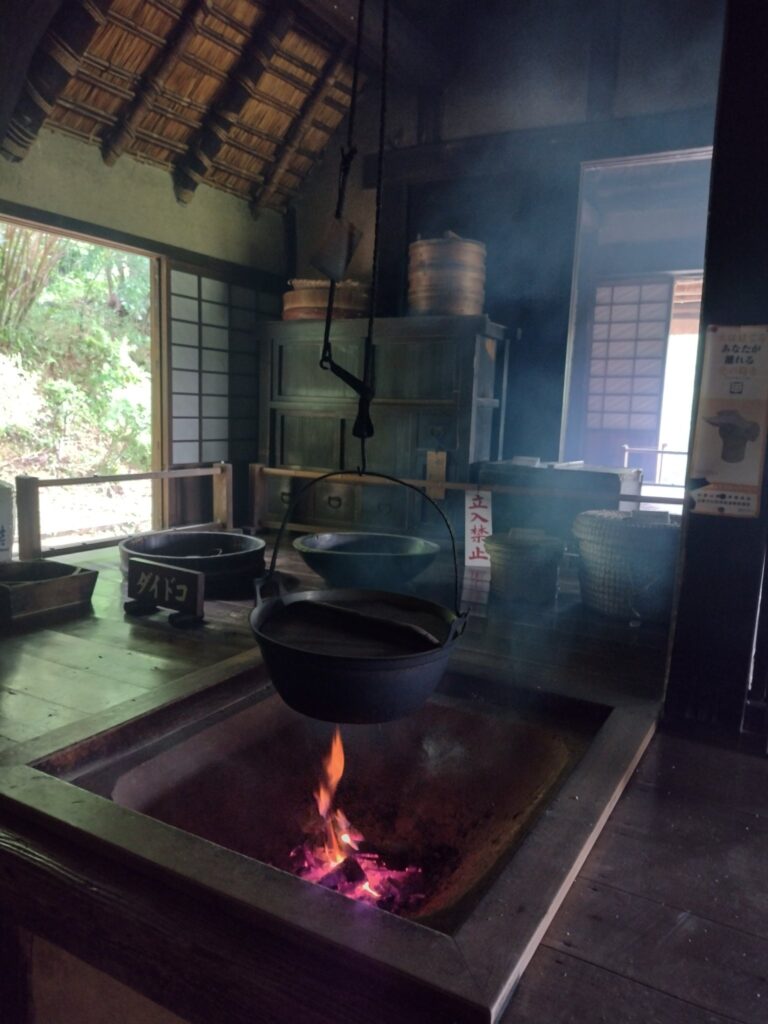
At Wakayama Prefectural Kii Fudoki-no-Oka, visitors can explore preserved traditional houses that offer insight into the agricultural communities that shaped the region for centuries. These buildings reflect the practical knowledge and ingenuity that enabled people to live and work in harmony with their environment across generations.
Inside the houses, visitors can discover features that supported everyday life, including irori hearths used for cooking and warmth, thatched roofs adapted to the local climate, and tools associated with farming and food preservation. The layout of the homes also reveals how families organized spaces for multi-generational living and how seasonal patterns influenced both work and domestic life.
For many international visitors, these houses provide one of the clearest windows into historical Japanese daily life. Rather than focusing on elites or famous historical figures, they highlight the experiences of ordinary people whose labor and knowledge sustained local communities.
Perhaps most importantly, they demonstrate that pilgrimage routes were never isolated spiritual corridors. The Kumano Kodo existed within a network of villages, farms, and trading communities that supported travelers and maintained the roads. The relationship was mutual: the road depended on the village, and the village was connected to the opportunities and exchanges that the road brought. Understanding this connection adds a deeper dimension to the story of pilgrimage in Wakayama.
The Hidden Story Behind Pilgrimage
The story of pilgrimage is often told through its sacred destinations. Yet the landscapes between those destinations are equally important. Who fed the travelers? Who repaired the roads? Who carried goods through the region? And how did local communities interact with the pilgrims who passed through their villages? These questions reveal a deeper and more complex story of movement, exchange, and daily life.
By combining ancient roads, merchant residences, rural architecture, and folk culture, this journey explores pilgrimage not only as a religious act but also as part of a broader cultural and economic network. The route was sustained by countless individuals whose work supported travelers, connected communities, and shaped the region over generations.
This broader perspective is especially valuable for travelers seeking a deeper understanding of Japanese history. Rather than focusing solely on sacred sites, it highlights the human networks that made pilgrimage possible. Through this lens, the Kumano Kodo becomes more than a spiritual path—it emerges as a living system that connected people, landscapes, beliefs, and livelihoods across Wakayama. meaningful for travelers seeking a deeper understanding of Japan beyond famous landmarks.
For Deeper Exploration
Travelers interested in this experience may also enjoy exploring related cultural layers across Wakayama and the Kii Peninsula.
Explore the Spiritual Networks of Wakayama
After experiencing the everyday world of the Kii Road, continue deeper into Wakayama’s religious landscapes through journeys connected to:
- Negoro Temple
- Kokawa Temple
- Medieval Buddhist networks
- Pilgrimage culture and mountain religion
Related article:
Fruit, Faith and Pilgrimage in Wakayama
Discover Wakayama Through Food and Daily Rhythm
The lives supported by these old roads also shaped local food culture.
From café mornings to riverside evenings, Wakayama’s everyday atmosphere can still be experienced through:
- Local ramen culture
- Seasonal fruit cafés
- Traditional shopping streets
- Riverside nightlife
Related article:
A Day in Wakayama Through Local Taste
Explore Craft Culture Connected to Faith and Daily Life
Religious culture also influenced regional craftsmanship.
Visitors interested in architecture and historical living culture may enjoy discovering:
- Kuroe
- Negoro lacquer traditions
- The relationship between temples, daily tools, and Japanese aesthetics
Related article:
From Sacred Mountains to Lacquerware Towns
More Than a Historical Walk
This experience is not about checking famous landmarks off a list.
Instead, it invites travelers to slow down and observe:
- The relationship between roads and villages
- The connection between movement and settlement
- The architecture of ordinary life
- The landscapes that supported pilgrimage culture for centuries
In Wakayama, history still survives not only in monuments, but in atmosphere, rhythms, and spaces shaped quietly over time.
For travelers seeking a deeper and more human understanding of Japan, the ancient Kii Road offers a journey beyond the familiar image of the Kumano Kodo.
Interested in Exploring the Kiiji Road Region?
Private cultural tours can be customized around:
- Kumano Kodo history
- Traditional architecture
- Folk culture and rural life
- Photography and slow travel
- Pilgrimage landscapes
- Seasonal local experiences
- Wakayama’s hidden historical layers
Whether as a half-day exploration or part of a wider Kii Peninsula journey, the Kiiji Road region offers a quieter, deeper side of Japan that many travelers never discover.
Plan your custom journey of local culture in Wakayama.
No responses yet