
The Hidden Cultural Journey from Koyasan to Kuroe
Many travelers visiting Japan encounter the spiritual atmosphere of Koyasan or the pilgrimage routes of the Kumano Kodo.
But fewer realize that the cultural influence of these sacred mountains once extended far beyond the temples themselves.
Along the rivers and towns of northern Wakayama, Buddhism, craftsmanship, trade, and daily life became deeply interconnected.
One of the most fascinating examples of this cultural flow can be found in the journey from Koyasan to Negoro Temple, and eventually to the lacquerware town of Kuroe.
This is not simply a story about temples or crafts.
It is a story about how spiritual culture became part of everyday life in Wakayama.
Beyond Koyasan
The Rise of Another Shingon Buddhist Center
In the 12th century, the monk Kakuban emerged as one of the most influential reformers of Shingon Buddhism.
Originally active on Koyasan, Kakuban sought to renew Buddhist practice and teaching.
However, tensions within the religious establishment eventually led to conflict.
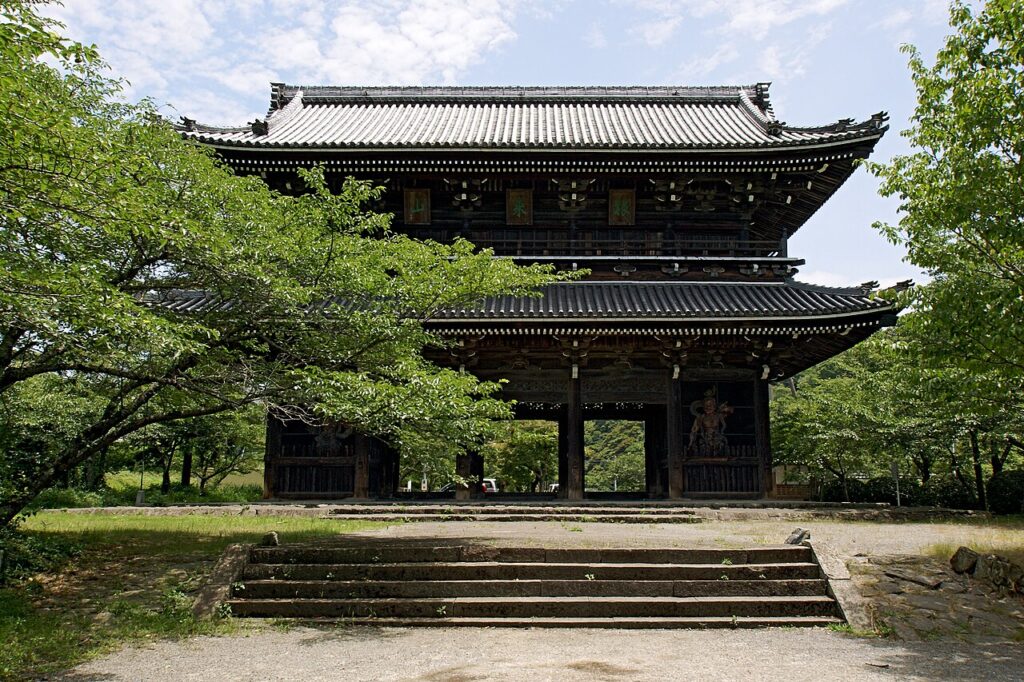
His followers later moved down from the sacred mountains and helped establish what would become Negoro Temple.
Unlike the secluded atmosphere of Koyasan, Negoro developed into a large religious city connected to river transport, agricultural land, scholarship, and political power.
At its height, Negoro was not simply a temple complex.
It was:
- A center of Buddhist learning
- A powerful religious network
- A community of warrior monks
- A hub connected to wider trade and culture throughout medieval Japan
This “living religious city” offers visitors a very different perspective from the quiet image often associated with Japanese temples.
The Birth of Negoro Lacquerware

As temple culture expanded, so did the need for practical objects used in daily religious life.
This gave rise to what is now known as Negoro lacquerware, or Negoro-nuri.
Unlike decorative luxury lacquerware created purely for display, Negoro lacquerware was deeply practical:
- Bowls used by monks
- Trays for temple meals
- Everyday utensils for communal life
Over time, the red lacquer surface would naturally wear away, revealing darker layers beneath.
Rather than seeing this aging as damage, people came to appreciate the beauty of use, time, and imperfection.
Today, many visitors connect this aesthetic to ideas such as:
- Wabi-sabi
- Patina and aging
- Slow living
- Handcrafted simplicity
But originally, these objects were simply part of daily life inside a functioning religious community.
From Temple Culture to Everyday Craft
The Lacquerware Town of Kuroe
Traveling south toward Kuroe, visitors can see how lacquer culture gradually moved beyond temple life and became part of ordinary society.
Kuroe developed as one of Wakayama’s major lacquerware production centers, eventually becoming famous for Kishu Shikki Laquerware.
Even today, the area still preserves:
- Traditional workshops
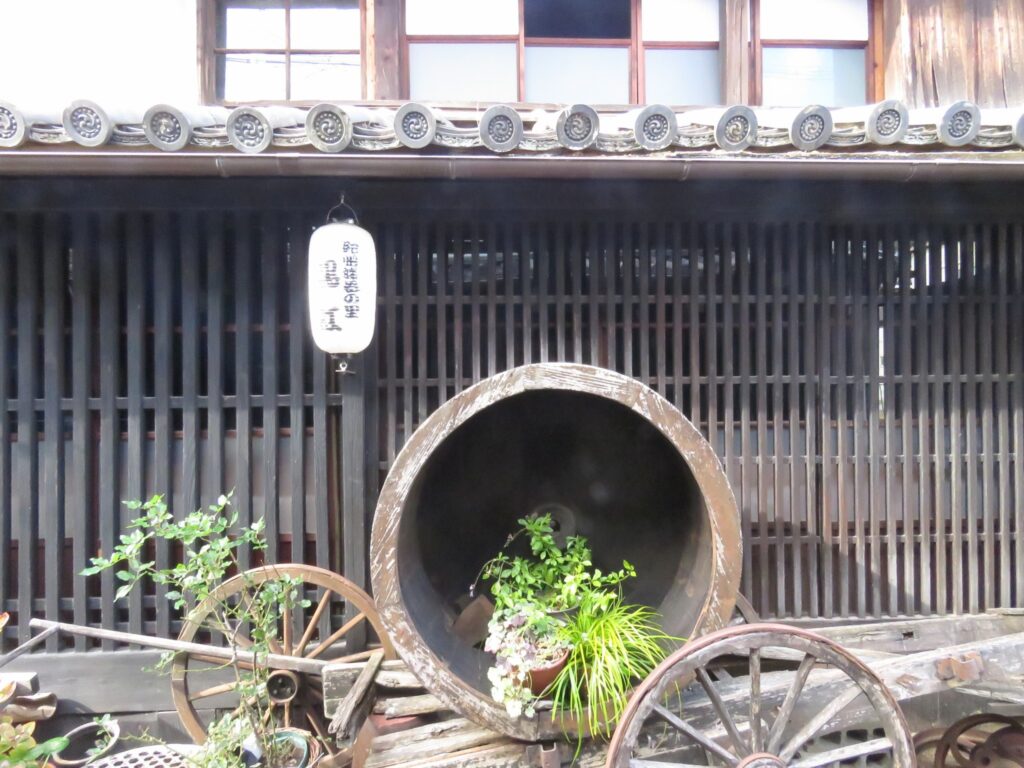
- Historic merchant houses
- Narrow streets shaped by craftsmanship and trade
- A quieter atmosphere rarely found in larger tourist cities
What makes Kuroe especially fascinating is that the craft culture still feels connected to daily life rather than isolated inside museums.
This continuity reflects one of the deeper themes of Wakayama itself:
the blending of spirituality, craftsmanship, food culture, and ordinary living.
Lacquerware and Japanese Food Culture
In Japan, lacquerware was never separated from food culture.
The beauty of a bowl or tray was meant to enhance:
- Seasonal cuisine
- Temple meals
- Tea culture
- Hospitality
- Everyday dining rituals
In Wakayama, this connection becomes especially meaningful when paired with:
- Fermented foods
- Umeshu culture
- Seafood traditions
- Shojin ryori temple cuisine
- Local seasonal ingredients
Rather than viewing lacquerware as an isolated craft, visitors begin to understand it as part of a larger cultural ecosystem shaped by landscape, religion, and time.
Suggested Cultural Itinerary
Morning — Sacred Mountain Legacy
Negoro Temple
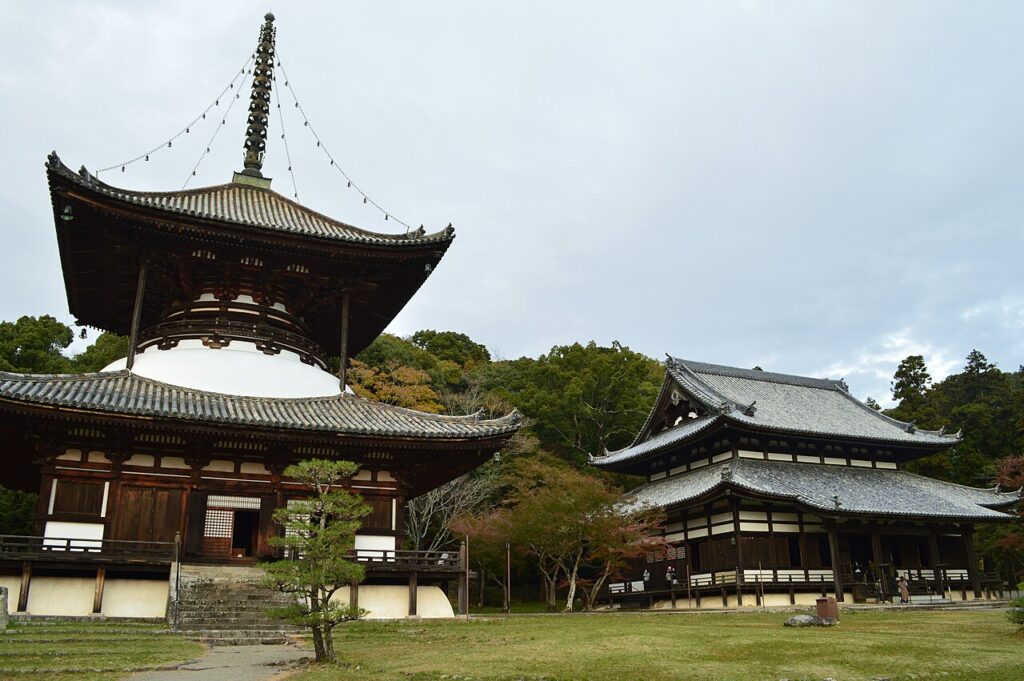
- Explore the temple grounds and Great Pagoda
- Learn about Kakuban and the history of medieval Buddhist networks
- Discover the origins of Negoro lacquerware and monastic daily life
Afternoon — Craft and Everyday Beauty
Kuroe
- Walk through historic lacquerware streets
- Visit local workshops and galleries
- Experience how craftsmanship still shapes local identity today
Optional Evening Experience
- Seasonal Japanese cuisine served with lacquerware
- Sake or umeshu pairing experiences
- Cultural dining focused on Wakayama ingredients and table aesthetics
Further Exploration
Travelers interested in this cultural route may also enjoy:
- “Fruit, Faith and Pilgrimage in Wakayama” — exploring Kokawa Temple, orchard landscapes, and pilgrimage culture
- “A Day in Wakayama Through Local Taste” — connecting local cuisine, fermentation, and regional identity
A Different Side of Japan
This journey is ideal for travelers seeking:
- Slow cultural travel
- Japanese craftsmanship
- Spiritual history
- Photography and atmosphere
- Rural cultural landscapes
- Experiences beyond major tourist destinations
Rather than simply visiting famous landmarks, this route invites travelers to follow the movement of culture itself:
from sacred mountains,
to temple cities,
to the objects people still use in daily life today.
→You can choose your journey according your purposes;
・Curated Kii Peninsula Journey
・Creative Residency in Wakayama
No responses yet