
Many travelers visiting Japan focus on famous cities such as Kyoto or Osaka.
But beyond the major tourist routes lies another side of Japan—one shaped not by spectacle, but by the relationship between land, food, knowledge, and everyday life.
In Kinokawa City, the culture of the Kinokawa has connected medicine, agriculture, travel, and seasonal living for centuries.
This journey explores:
- The legacy of pioneering doctor Hanaoka Seishu
- Historic roads once used by travelers and merchants
- Local food culture rooted in the region’s fertile river basin
- Wakayama’s famous fruit landscapes and seasonal flavors
This is not simply a sightseeing tour.
It is a journey through the living culture of the Kinokawa region.
The Legacy of Hanaoka Seishu
Medicine, Plants, and Human Compassion
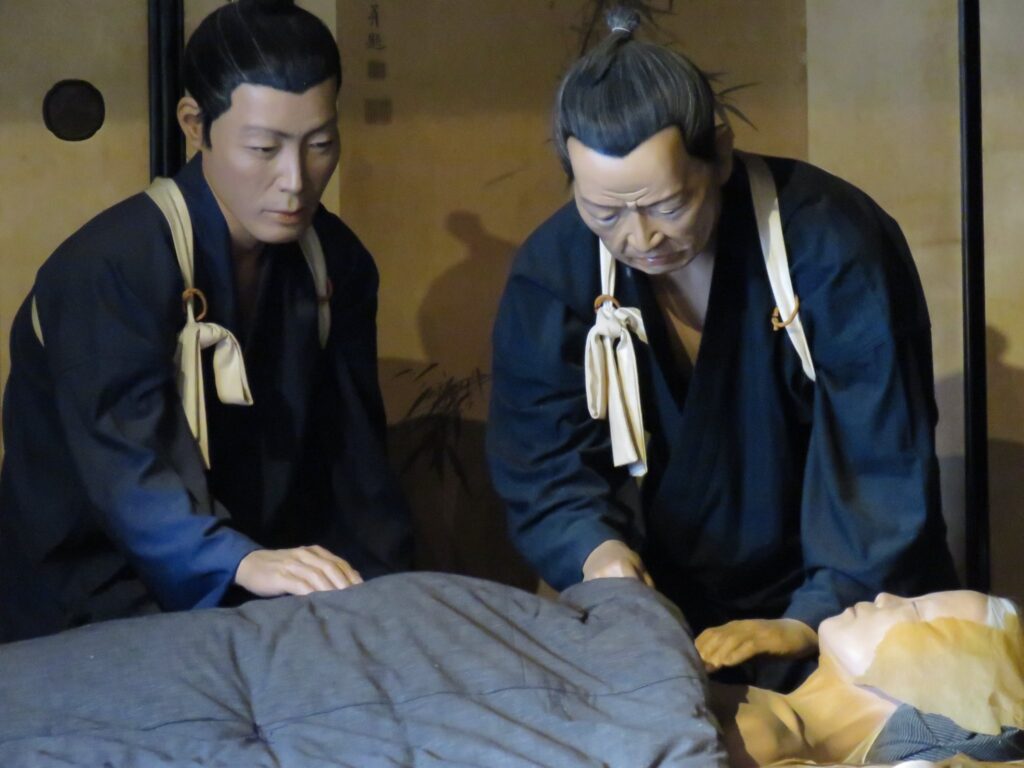
The story begins at Seishu no Sato, dedicated to the life and work of Hanaoka Seishu.
In 1804, Hanaoka Seishu performed what is considered the world’s first successful surgery using general anesthesia—decades before similar procedures became common in Western medicine.
But his story is not only about medical innovation.
It is also about:
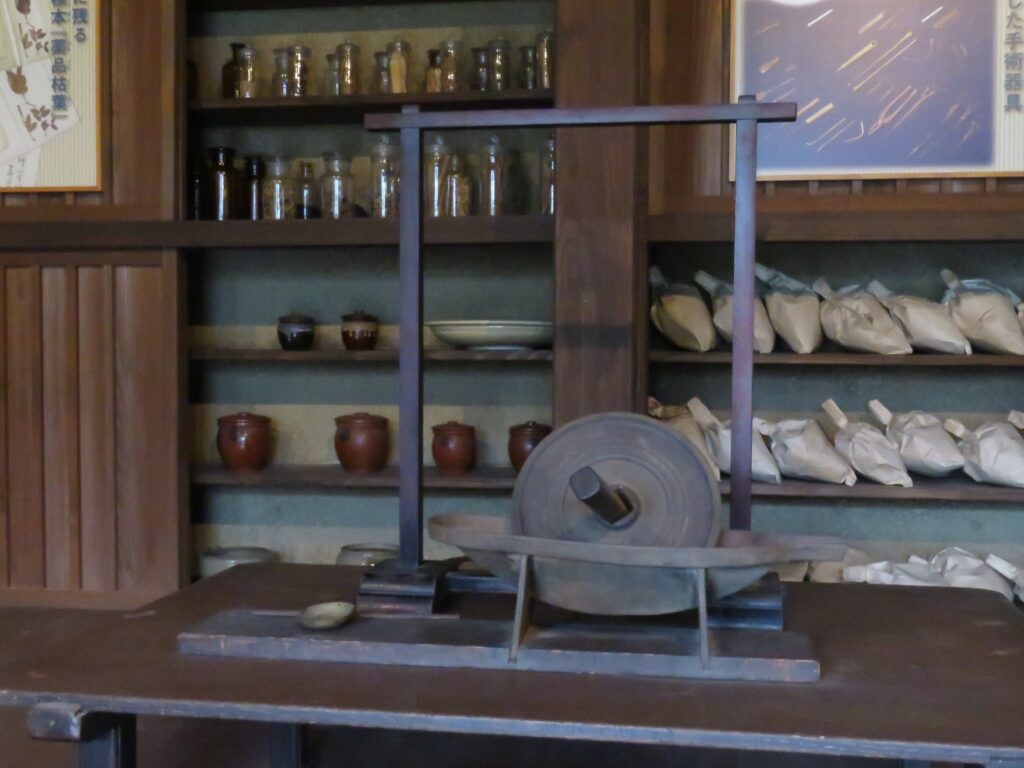
- Herbal knowledge
- Rural medical practice
- Family support and sacrifice
- The relationship between nature and healing
- The intellectual networks of Edo-period Japan
Walking through the reconstructed clinic and traditional buildings offers a deeper understanding of how medicine once emerged from close observation of both people and plants.
For many international travelers, this becomes one of the most unexpected cultural discoveries in Wakayama.
Lunch Rooted in Local Life
Seasonal Cuisine at Seishu no Sato
Rather than a luxury dining experience, lunch here reflects something more meaningful:
the connection between local food, health, and everyday life.
The buffet restaurant at Seishu no Sato uses regional ingredients and seasonal produce from the surrounding area.
This part of the experience naturally connects with Hanaoka Seishu’s legacy:
- Plants and healing
- Seasonal nutrition
- Agricultural knowledge
- The culture of sustaining life through food
Instead of separating “history” from modern life, the meal becomes part of the story itself.
Travelers can experience how the fertile Kinokawa region continues to nourish communities today through agriculture and local cuisine.
A Historic Road Along the River
Discovering Former Nate-juku Honjin
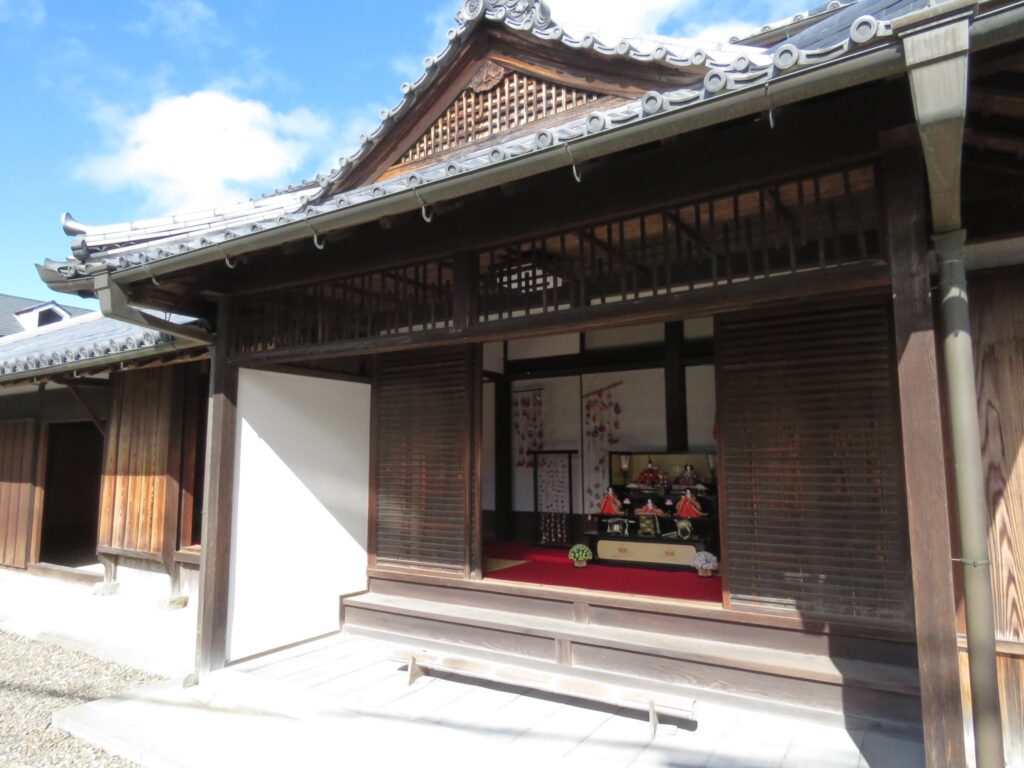
In the afternoon, the journey continues to Former Nate-juku Honjin, a former post-town inn connected to Edo-period travel of the feudal lords.
This area once stood along an important route linking:
- Wakayama Castle town
- The Kinokawa basin
- Pilgrimage routes
- Commercial networks connecting Osaka, Yamato, and the Kii Peninsula
Here, travelers gain insight into how ideas, medicine, goods, and people moved across the region.
Rather than isolated landmarks, these places formed part of a larger cultural corridor shaped by the river itself.
The atmosphere remains quiet and deeply local, offering a slower and more reflective alternative to Japan’s crowded tourist centers.
Fruit Culture and the Landscape of Kinokawa
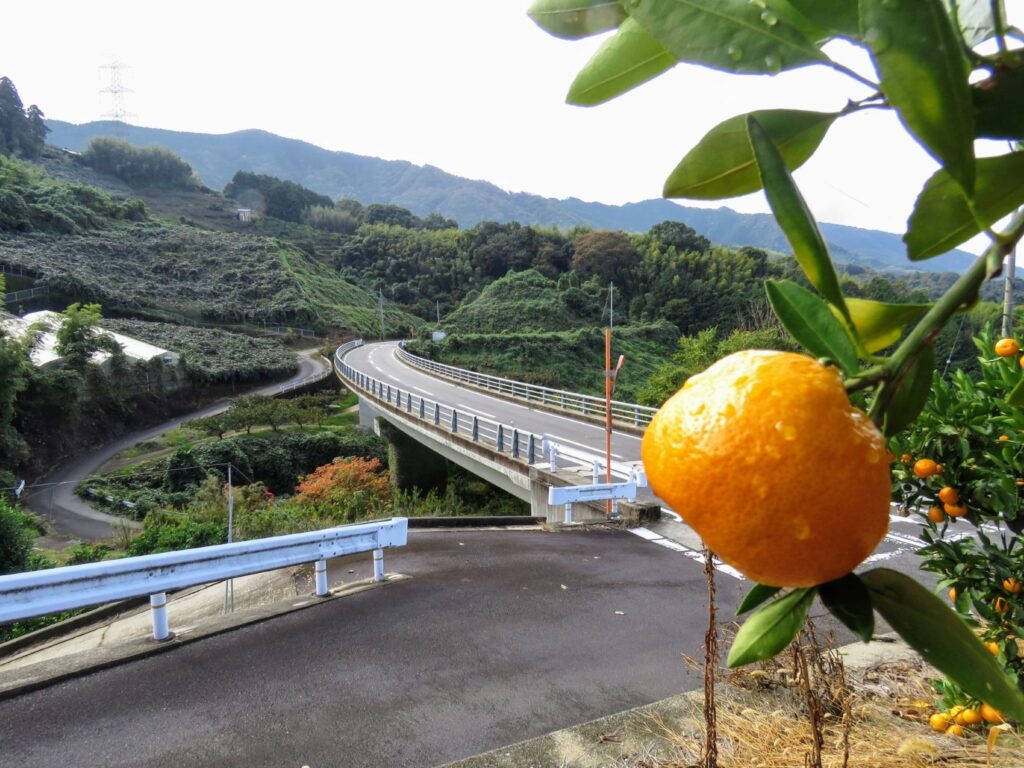
The Kinokawa region is also one of Wakayama’s most important fruit-producing areas.
Depending on the season, travelers may encounter:
- Peach orchards in summer
- Persimmon landscapes in autumn
- Strawberries in winter and spring
- Citrus fruits grown in the warm climate of Wakayama
A stop at a local farmers market or fruit stand reveals another side of the region:
not tourism created for visitors, but agricultural life that continues to shape the local rhythm of the landscape.
This connection between river, soil, climate, and cultivation is one of the defining characteristics of Kinokawa culture.
Ending the Day with Fruit and Landscape
Kannonyama Fruit Parlor
The tour concludes at Kannonyama Fruit Parlor, where seasonal fruit is transformed into beautifully prepared desserts and parfaits.
More than simply a café stop, this experience highlights:
- The quality of Wakayama fruit culture
- The importance of seasonality in Japanese food culture
- The relationship between farming and hospitality
After a day exploring medicine, travel culture, and local food traditions, the fruit parfait becomes a fitting final expression of the region itself:
carefully cultivated, seasonal, and deeply connected to the land.
Read: Taste of Time: Fermentation Journey in Wakayama
Umeshu & Pairing Experience in Wakayama
Fruit, Faith and Pilgrimage in Wakayama
A Different Kind of Day Trip from Osaka
One of the strengths of this experience is accessibility.
Located within reach of Osaka and Wakayama City, the Kinokawa region offers a quieter alternative for travelers seeking:
- Cultural depth
- Local encounters
- Seasonal food experiences
- Slow travel beyond major tourist destinations
Rather than rushing between famous landmarks, this journey invites travelers to experience how culture continues to live within the landscape itself.
→Plan your private cultural tour around Kinokawa Area
No responses yet