
The Evolution of Kuroe Lacquerware in Modern Culinary Culture
A Craft That Was Never Meant to Be Displayed
In many parts of Japan, traditional crafts are preserved behind glass.
But in Kuroe, lacquerware followed a different path.
It was never meant to be admired from a distance.
It was made to be used—every day, in ordinary life.
This origin is what makes Kuroe lacquerware uniquely relevant today.
Because in modern gastronomy, the most valued tools are not decorative objects—
they are functional elements that shape the dining experience.
Everyday Origins, Professional Potential
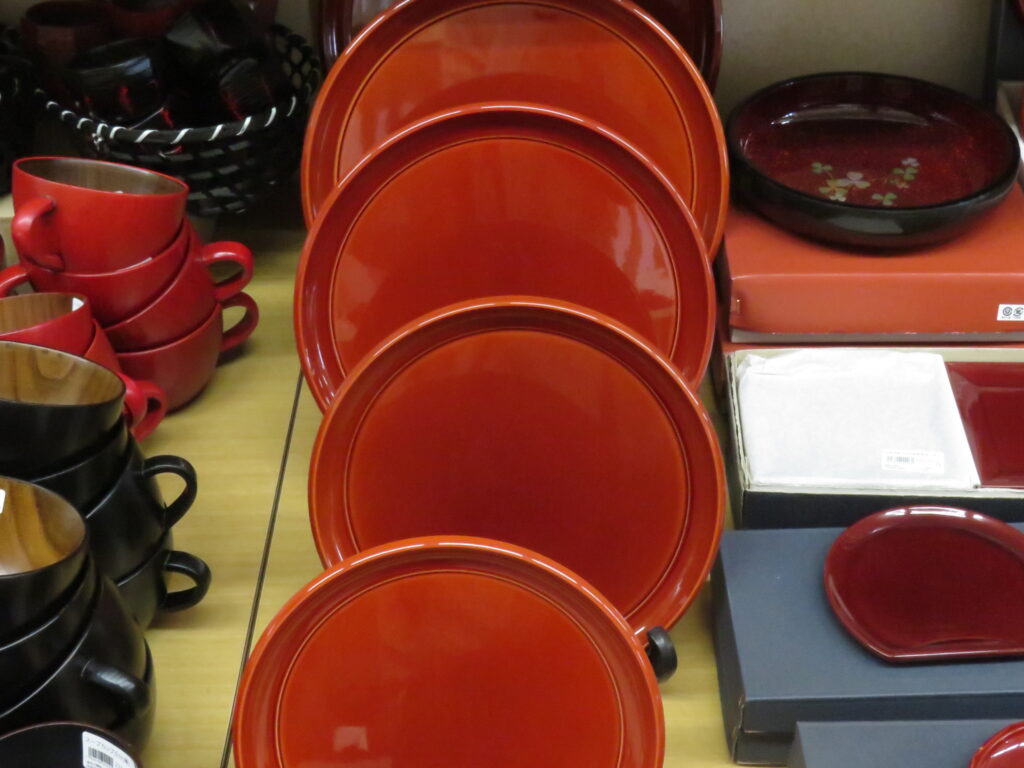
Kuroe developed as a production center for durable, practical lacquerware.
This created characteristics that are now highly valued in professional kitchens:
- Lightweight for efficient service
- Resistant to temperature changes
- Comfortable to hold and use
- Designed for repeated, long-term use
What was once “ordinary tableware” has become
👉 a highly refined tool for modern dining environments
A Shift: From Domestic Use to Global Fine Dining
For decades, lacquerware was associated with tradition—sometimes even seen as outdated.
But that perception is changing.
Today, chefs are re-evaluating materials not only for aesthetics, but for:
- Texture and tactility
- Interaction with food
- Long-term usability
- Emotional impact on the guest
In this context, lacquerware offers something unique:
👉 It does not compete with the dish
👉 It completes it
Innovation Within Tradition
One of the most important developments in Kuroe today is innovation in material and design.
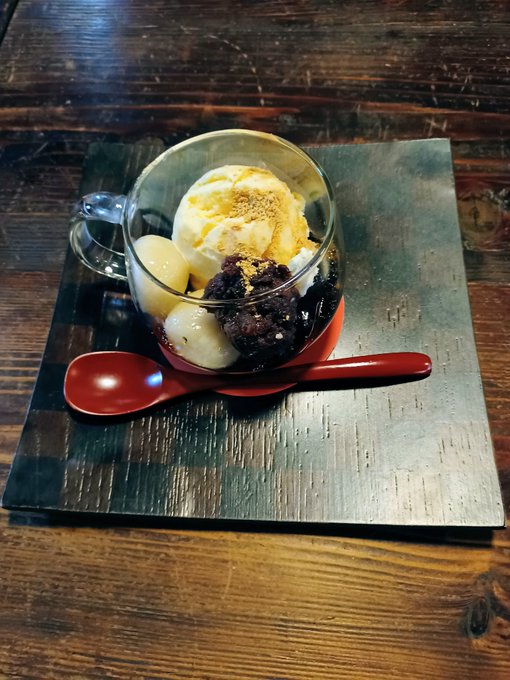
At Nuri Koubou Fujii, traditional urushi techniques are being applied to glass.
This creates a completely different kind of object:
- Transparency combined with depth
- Light interacting with lacquer surfaces
- A fusion of traditional craft and contemporary design
For chefs and designers, this opens new possibilities:
👉 plating that interacts with light
👉 tableware that feels both modern and rooted in tradition
From Local Workshops to International Collaboration
Kuroe is no longer only a domestic production area.
Brands such as Yamaga Shikki-ten is actively expanding into international contexts.
At Milan Design Week 2025,
they collaborated with a Michelin Guide-listed kaiseki restaurant in Milan’s Tortona district.
This kind of collaboration signals an important shift:
- Lacquerware is entering global design conversations
- It is being evaluated alongside contemporary tableware
- It is no longer limited to “Japanese cuisine” contexts
👉 It is becoming a universal medium for culinary expression
Why This Matters for Chefs and Buyers
For professionals in the culinary and hospitality industries, this evolution changes how lacquerware should be understood.
It is no longer:
- A seasonal or ceremonial item
- A purely traditional object
Instead, it is:
👉 A flexible, design-driven, functional tool
👉 Compatible with modern and international cuisine
👉 Capable of expressing brand identity
👉 Plan a Private Sourcing Visit
Customization and Production Flexibility
Kuroe’s distributed production system allows for a level of flexibility that is highly valuable for B2B clients.
Available options often include:
- Custom sizing for specific dishes
- Finish variations (matte, gloss, textured)
- Logo or brand integration
- Small-lot production for boutique restaurants
This makes it possible to move beyond off-the-shelf products and create
👉 tableware that is fully integrated into your concept
Experiencing the Craft in Context
Understanding lacquerware through images or catalogs is not enough.
Its true value becomes clear when you:
- Hold it
- Use it
- See how it interacts with food and light
In Wakayama, it is possible to visit workshops, meet artisans, and explore products directly.
Many chefs who initially visit the region for fermentation culture—especially in 湯浅町—discover lacquerware as a natural extension of their sourcing journey.
From Craft to Culinary Language
Kuroe lacquerware is no longer just a regional craft.
It is becoming part of a broader shift in how chefs think about presentation:
👉 from decoration to interaction
👉 from objects to experience
👉 from tradition to evolving practice
Start Sourcing Kuroe Lacquerware for Your Business
Discover how Kuroe lacquerware can fit your restaurant, brand, or project.
- Direct introductions to workshops
- Custom order consultation
- Small-batch and private label options
👉 Contact us to explore how Kuroe lacquerware can become part of your culinary identity.
No responses yet