
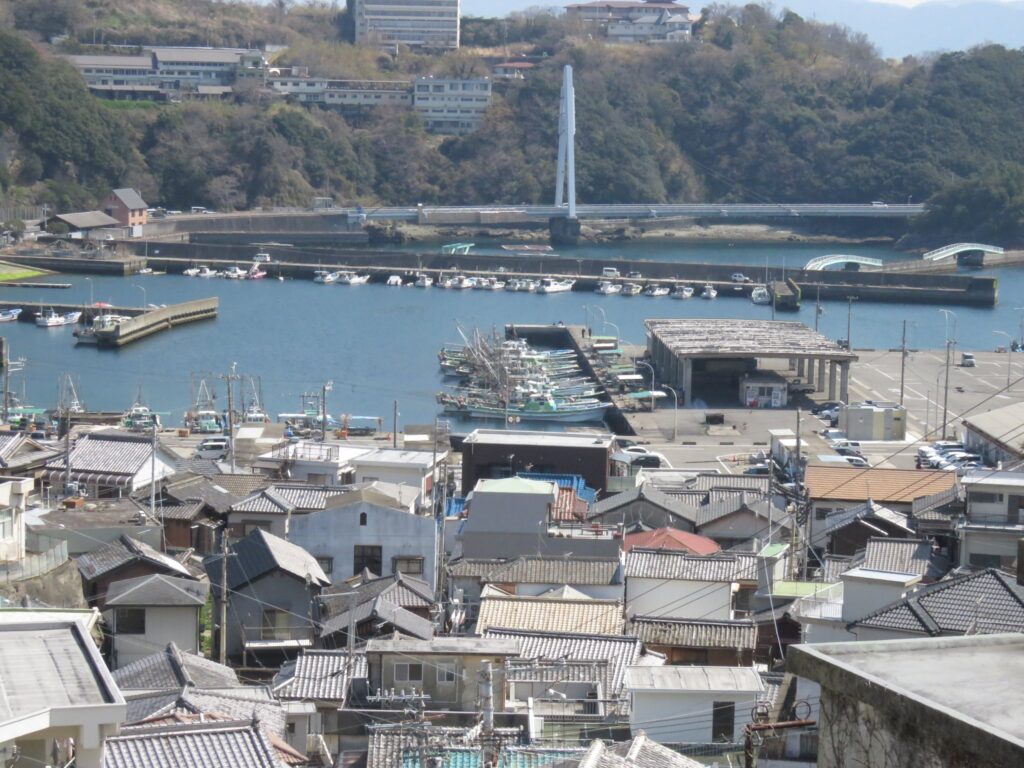
Experience the Sea, Food, and Community of One of Japan’s Most Characterful Coastal Settlements
When many travelers imagine a fishing village in Japan, they picture a quiet harbor lined with boats and seafood restaurants.
But in Saikazaki, a small fishing community on the coast of Wakayama, the sea is not simply scenery.
It is part of everyday life.
Here, fishing boats leave before sunrise. Families have long depended on the rhythms of the sea. Fresh catches move from boat to market to table within hours. Even today, traces of older traditions remain visible in the narrow lanes and steep streets that climb the hillside above the harbor.
This is not simply a fishing trip.
It is an opportunity to experience how a coastal community lives with the sea.
Morning: Heading Out onto the Water
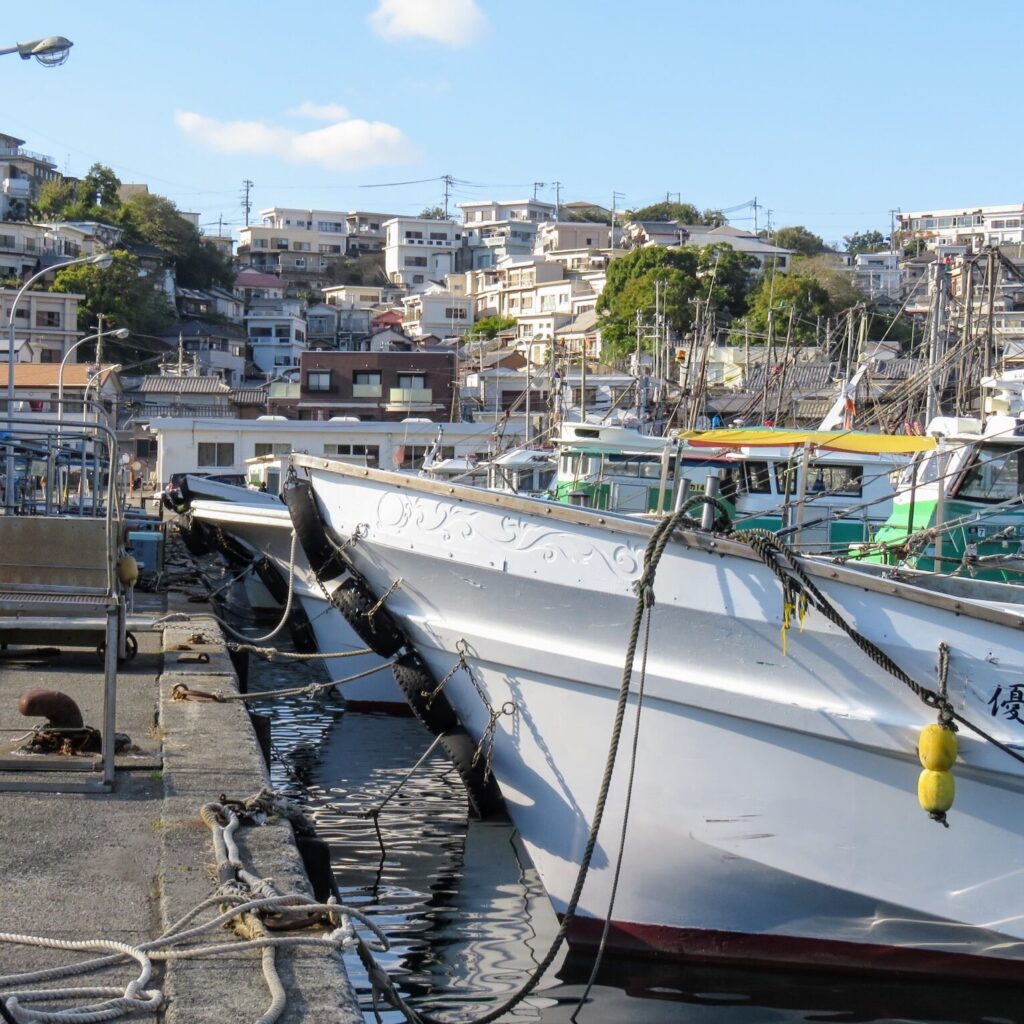
The day begins at the harbor.
Fishing boats gently rock beside the quay as fishermen prepare their gear and check the conditions of the sea.
Boarding a local boat offers a different perspective on Wakayama.
Looking back toward the coastline, you can see how the village grew around the harbor, protected by the surrounding hills and facing the rich fishing grounds of the Kii Channel.
Whether you catch fish or not is only part of the experience.
More important is understanding the relationship between the people and the sea.
For generations, these waters have provided food, livelihoods, and a connection between communities along the coast.
As the boat moves across the water, conversations naturally turn to local fishing traditions, seasonal species, and the changing character of the sea throughout the year.
From the Sea to the Table
Back on shore, the story continues.
In many places, fish arrive at restaurants through long supply chains. In Saikazaki, the connection between sea and table feels far more immediate.
If conditions allow, fish caught during the morning can be prepared by a local restaurant.
Alongside your catch, seasonal seafood sourced from local fishermen may appear on the table.
The meal becomes more than lunch.
It becomes part of the day’s narrative.
You have seen the water where the fish lived, the harbor where they were landed, and the people whose work brings them to the table.
This direct connection is increasingly rare in modern travel.
Discovering the Tradition of Hata-uri
One of Saikazaki’s most distinctive cultural traditions is known as hata-uri.
Historically, women carried freshly caught fish from the harbor into nearby neighborhoods, selling directly to households.
Long before supermarkets existed, this was how many local families purchased seafood.
The practice was not merely commerce.
It was a social network.
The fish seller knew her customers. News traveled alongside the day’s catch. Communities stayed connected through these daily interactions.
Although modern life has changed much, the tradition remains an important symbol of the village’s identity.
Learning about hata-uri offers insight into how coastal communities functioned before the convenience of contemporary retail systems.
It is a reminder that food culture is also community culture.
Walking Through the Village
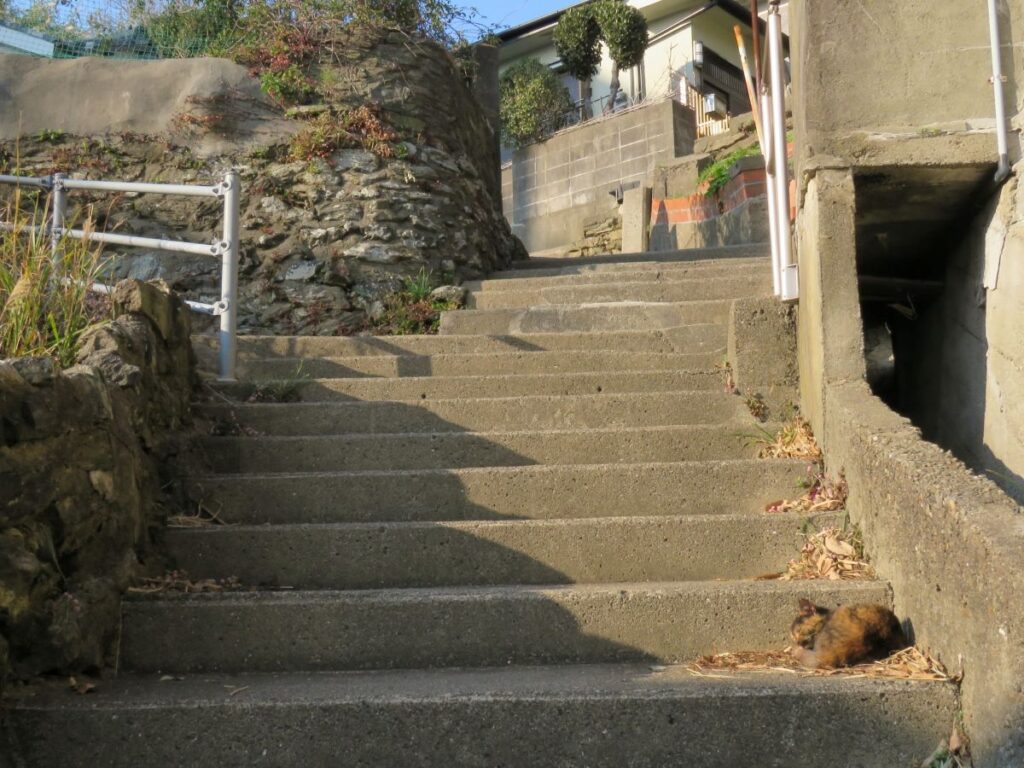
After lunch, explore Saikazaki on foot.
The village is built on steep slopes overlooking the harbor, creating a landscape unlike most fishing towns in Japan.
Narrow lanes weave between closely packed houses.
Small shrines, drying nets, fishing equipment, and everyday scenes reveal themselves around each corner.
Walking here feels less like visiting a tourist destination and more like entering a living neighborhood.
The village has often been compared to Mediterranean fishing settlements because of its dramatic topography and relationship with the sea.
Yet its atmosphere remains distinctly Japanese.
This is a place where people still greet neighbors in the street, where fishing remains part of local identity, and where the pace of life follows rhythms that feel increasingly uncommon in modern cities.
Looking Out from the Lighthouse
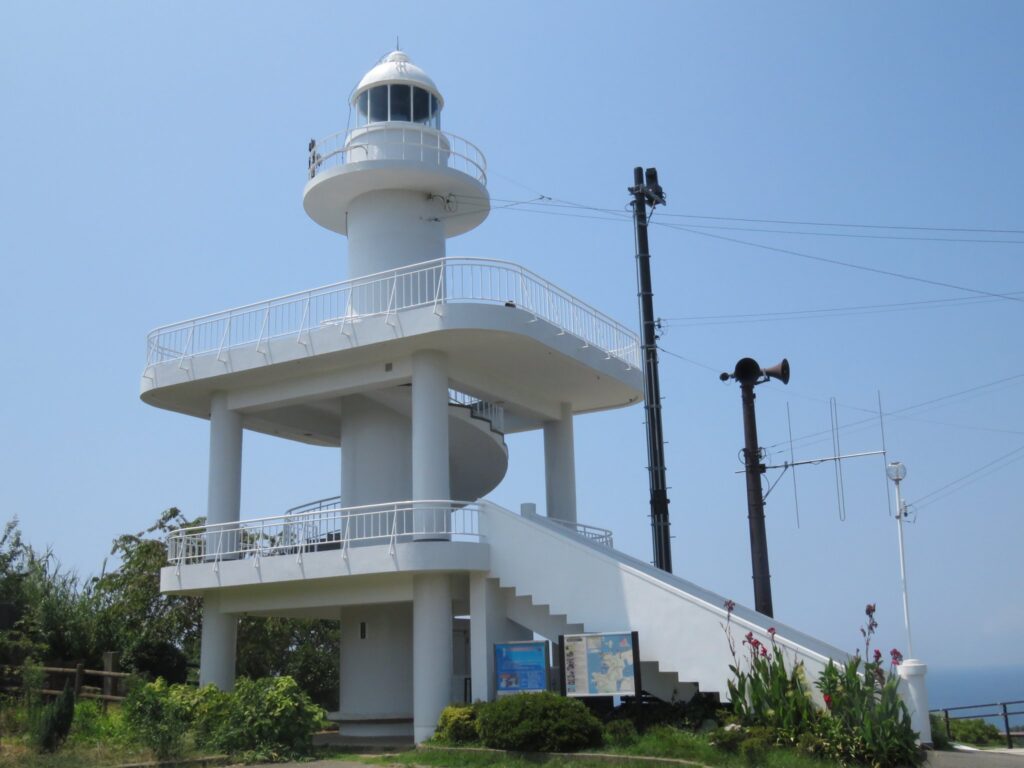
A short climb leads to Saikazaki Lighthouse.
From here, the view opens dramatically.
The fishing village spreads below.
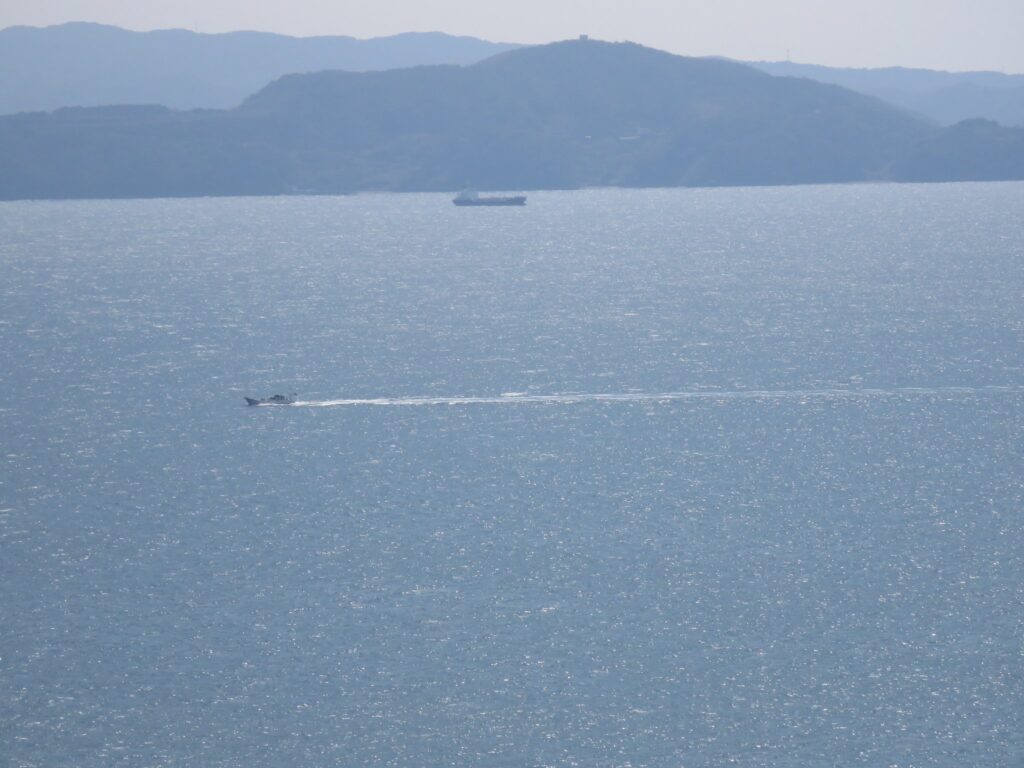
The Kii Channel stretches toward Awaji Island and Shikoku.
Fishing boats leave faint trails across the water.
From this vantage point, it becomes easier to understand why communities settled here and how the sea continues to shape local life.
The lighthouse is not simply a scenic viewpoint.
It provides a wider perspective on everything experienced throughout the day.
The harbor, the boats, the fishermen, the seafood, and the village itself all become part of a single connected landscape.
Coffee and Conversation

Before returning, stop at a local café overlooking the sea.
This final pause reflects an important aspect of slow travel.
Not every meaningful experience needs to be scheduled.
Sometimes the most memorable moments emerge from simply sitting, watching the harbor, and reflecting on the day.
The view may include fishing boats returning home, local residents going about their routines, or the changing colors of the afternoon light on the water.
In a destination such as Saikazaki, these ordinary moments are often what travelers remember most.
More Than a Fishing Experience
At first glance, this might appear to be a fishing tour.
But the experience is ultimately about something much broader.
It is about understanding how food, landscape, work, and community remain connected.
It is about seeing where seafood comes from before it reaches the plate.
It is about learning how fishing villages have adapted while preserving parts of their identity.
Most importantly, it is about spending time in a place where the relationship between people and the sea remains visible in everyday life.
For travelers seeking a deeper understanding of coastal Japan, Saikazaki offers something increasingly rare:
not a performance of tradition, but a living community still shaped by the rhythms of the sea.
Plan your coastal journey in Saikazaki:
Related Posts
- Best Areas to Stay in Wakayama, Japan
- Sea, Faith, and Fishing Life in Wakaura
- Beyond the Language Barrier: Experiencing Local Japan Through Experts
No responses yet