
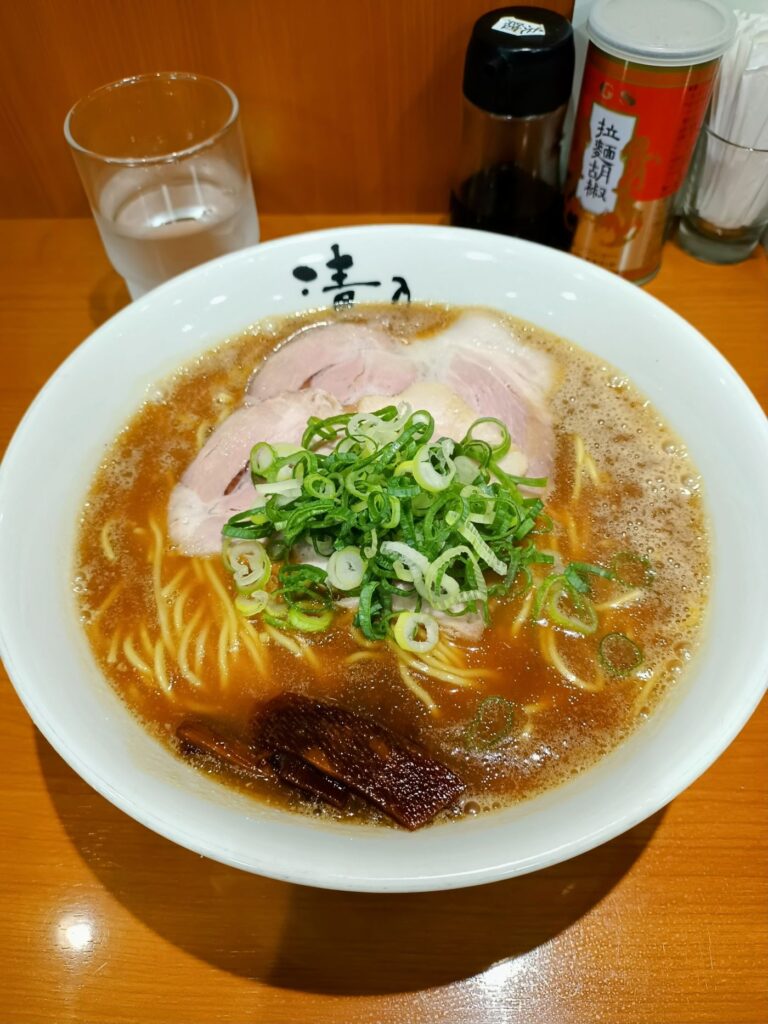
From Sapporo’s Miso Ramen to Wakayama’s Chuka Soba
Ramen is often introduced as one of Japan’s most popular foods. But there is another way to look at it: ramen is also a map of Japan.
Travel from Hokkaido to Kyushu and the bowl changes with the landscape, climate, local industries, and food culture. In the north, miso ramen developed into a rich and warming style. In Fukushima, Kitakata became known for its distinctive noodles and simple, comforting bowls. In Fukuoka, pork-bone ramen developed into several closely related but distinct local traditions. Along the Seto Inland Sea, Onomichi created its own interpretation of soy-based ramen with seafood and pork back fat.
And in Wakayama, what is usually called “Wakayama Ramen” is locally known as chuka soba—a deeply regional style built around pork and soy sauce.
If you are traveling through Japan, trying regional ramen is therefore more than a way to find a good lunch. It can be a delicious way to understand the character of each place.
Here are six regional ramen styles worth traveling for.
1. Sapporo Ramen: Miso, Butter and the Taste of Hokkaido
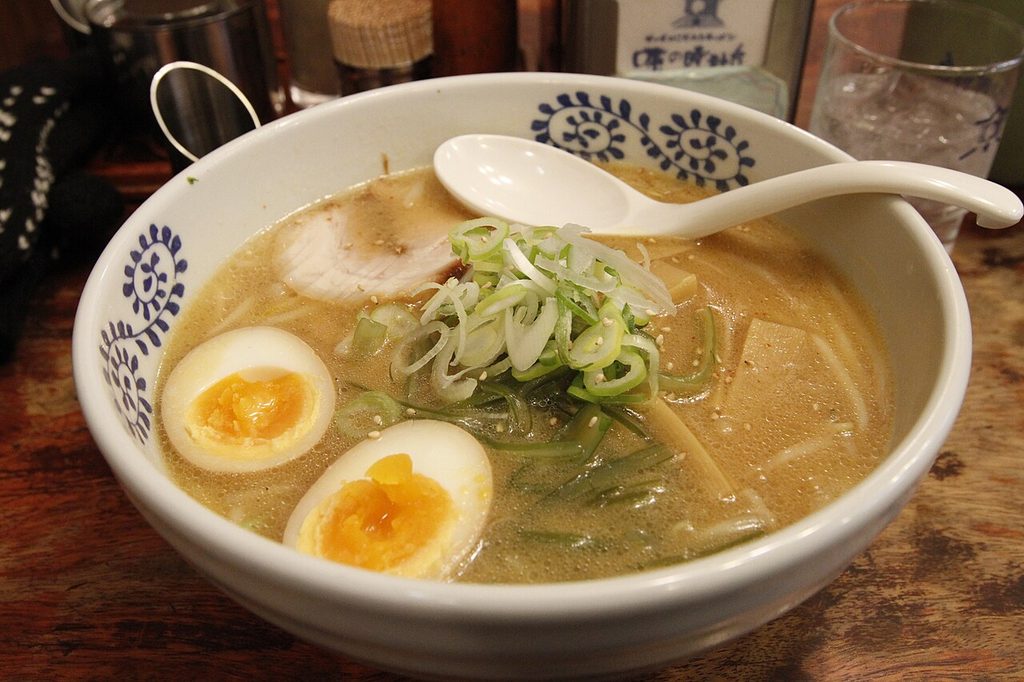
When many travelers think of Hokkaido, they think of snow, cold winters, seafood, dairy products, and wide-open landscapes.
Sapporo ramen fits remarkably well into that image.
Sapporo is particularly famous for miso ramen, generally served in a rich, hearty broth. Corn and butter are commonly associated with the style, although they are not essential ingredients in every bowl.
The appeal is partly about flavor, but also about climate. A hot bowl of substantial ramen makes intuitive sense in a city where winter temperatures can fall well below freezing.
Sapporo’s ramen culture also reflects the scale of Hokkaido’s largest city. Ramen is not simply a local specialty served to tourists; it is part of the everyday urban food scene.
For travelers, Sapporo ramen is therefore a good introduction to Hokkaido itself: warming, substantial, and strongly connected with the region’s food identity.
What to look for: miso-based broth, substantial noodles, and toppings such as corn or butter.
2. Kitakata Ramen: Simple, Rustic and Deeply Local
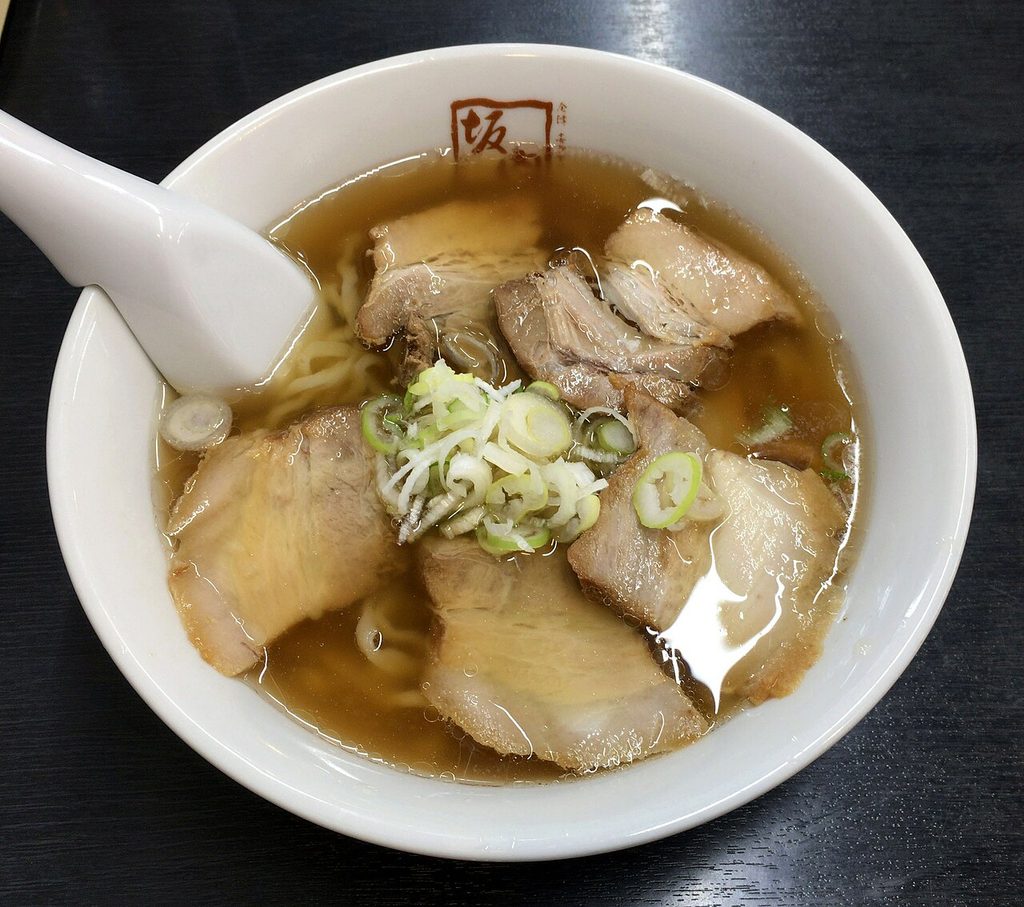
Kitakata is a small city in Fukushima Prefecture that has become famous throughout Japan for its ramen.
Unlike the massive urban environment of Sapporo, Kitakata’s ramen tradition is closely associated with a smaller regional community.
One of its defining characteristics is its thick, curly noodles, usually served in a relatively simple soup. The style is often based around soy sauce, with pork and other ingredients contributing depth.
What makes Kitakata interesting for a traveler is the relationship between the ramen and the town itself.
You do not have to visit a major metropolitan center to experience an important Japanese food culture. Kitakata demonstrates how a regional dish can become part of a town’s identity and eventually attract visitors from across Japan.
This is one of the recurring themes of Japanese regional food: what looks like an ordinary local meal can become a cultural symbol when you understand where it came from.
What to look for: thick, curly noodles and a simple, savory broth.
3. Nagahama Ramen: A Small Bowl with a Big Ramen Culture
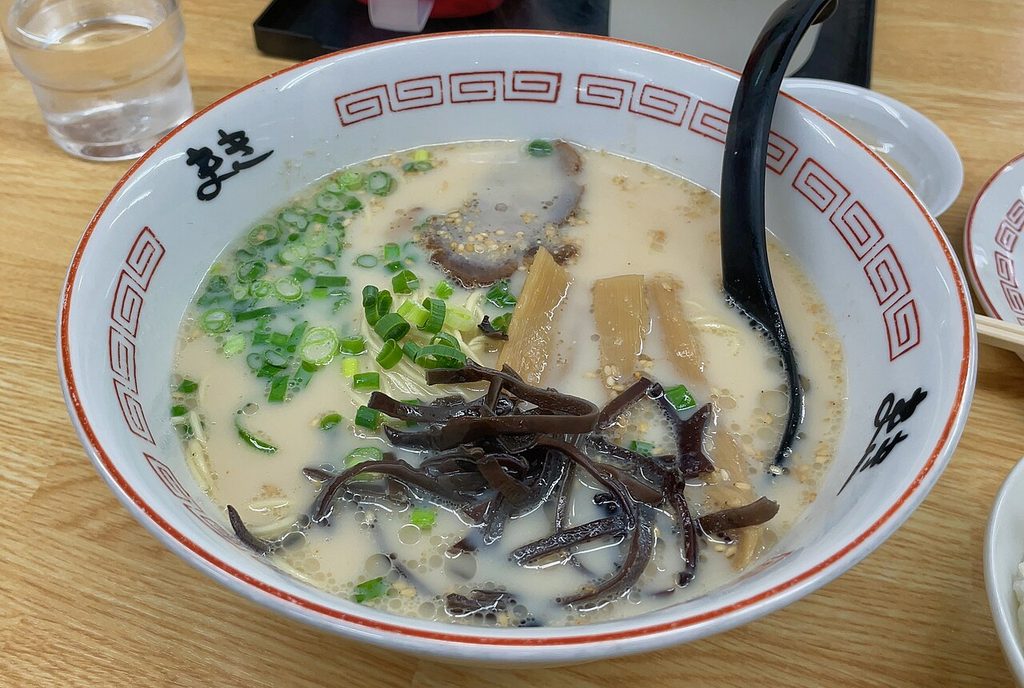
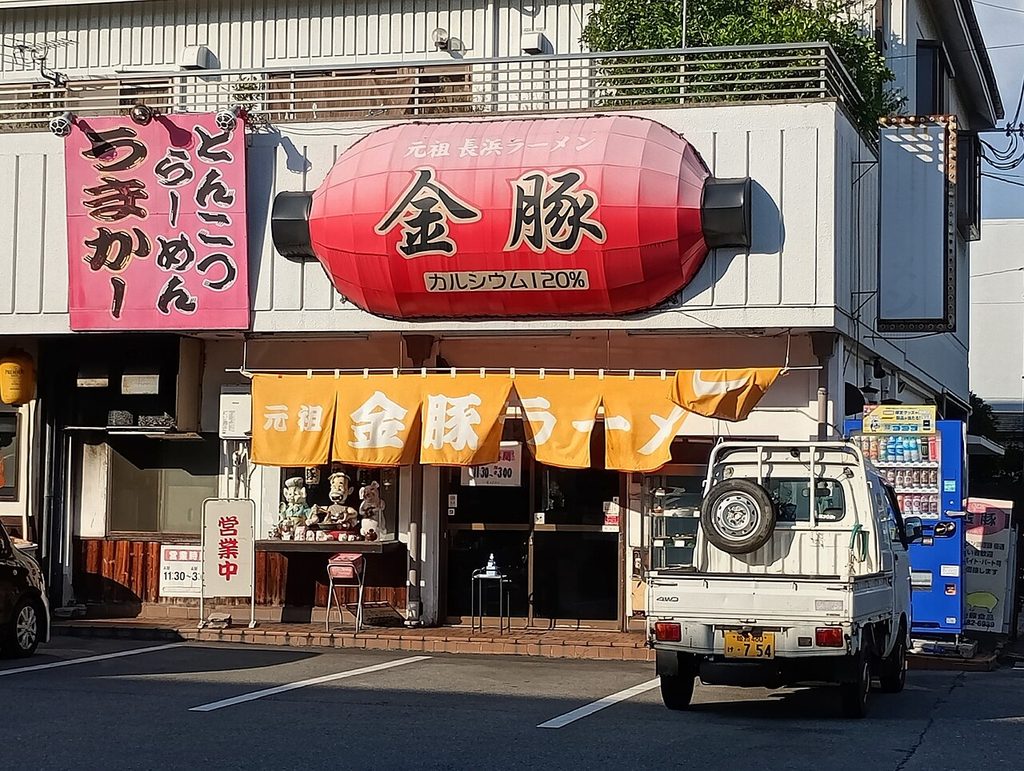
There is an important detail to clarify here: Nagahama Ramen refers to Nagahama in Fukuoka Prefecture, not Nagahama in Shiga Prefecture.
Nagahama is associated with Fukuoka’s fish-market district, and its ramen culture developed around the needs of people working there.
The style is characterized by thin noodles and a pork-bone-based broth. The noodles cook quickly, making the style particularly well suited to a fast-paced working environment.
This is one reason regional ramen is so fascinating.
The ingredients alone do not explain a food tradition. You also have to consider who was eating it, where they were working, and what kind of daily life surrounded the food.
Nagahama Ramen is therefore a good example of ramen as working-city culture.
It also helps explain why Fukuoka has developed several distinctive ramen traditions rather than a single standardized “Fukuoka ramen.”
What to look for: very thin noodles, pork-bone broth, and a quick, casual style of eating.
4. Hakata Ramen: Tonkotsu, Thin Noodles and Kaedama
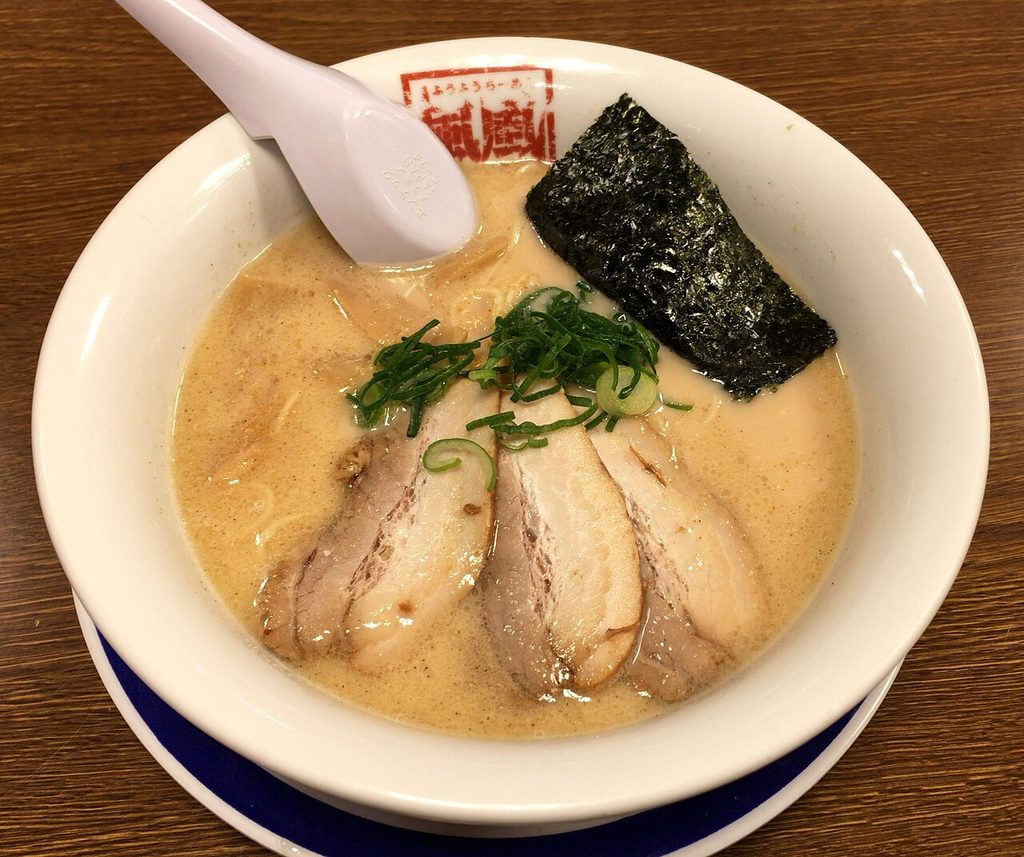
Hakata Ramen is probably the most internationally recognizable of the regional styles on this list.
It is famous for its cloudy tonkotsu broth, made by cooking pork bones to produce a rich, intensely flavored soup. The ramen is usually served with thin, straight noodles and relatively simple toppings.
One of the traditions associated with Hakata ramen is kaedama, or ordering an additional portion of noodles after finishing the first serving.
This makes the experience quite different from a large bowl designed to be eaten all at once.
Hakata ramen also belongs to the broader food culture of Fukuoka, a major city historically connected to trade and exchange with the Asian mainland. The city’s famous yatai food stalls are another part of this informal and highly accessible eating culture.
For visitors, Hakata ramen is a reminder that some of Japan’s most influential food traditions developed not in isolated rural areas, but in busy port cities where people, ingredients, and ideas constantly moved.
What to look for: creamy tonkotsu broth, thin noodles, and the possibility of kaedama.
5. Onomichi Ramen: Seafood, Shoyu Soy Sauce and Pork Back Fat
Onomichi, in Hiroshima Prefecture, is one of Japan’s most atmospheric small cities.
Built around hills overlooking the Seto Inland Sea, it is known for temples, narrow streets, historic houses, and views across the islands.
Its ramen has developed a character that reflects this environment.
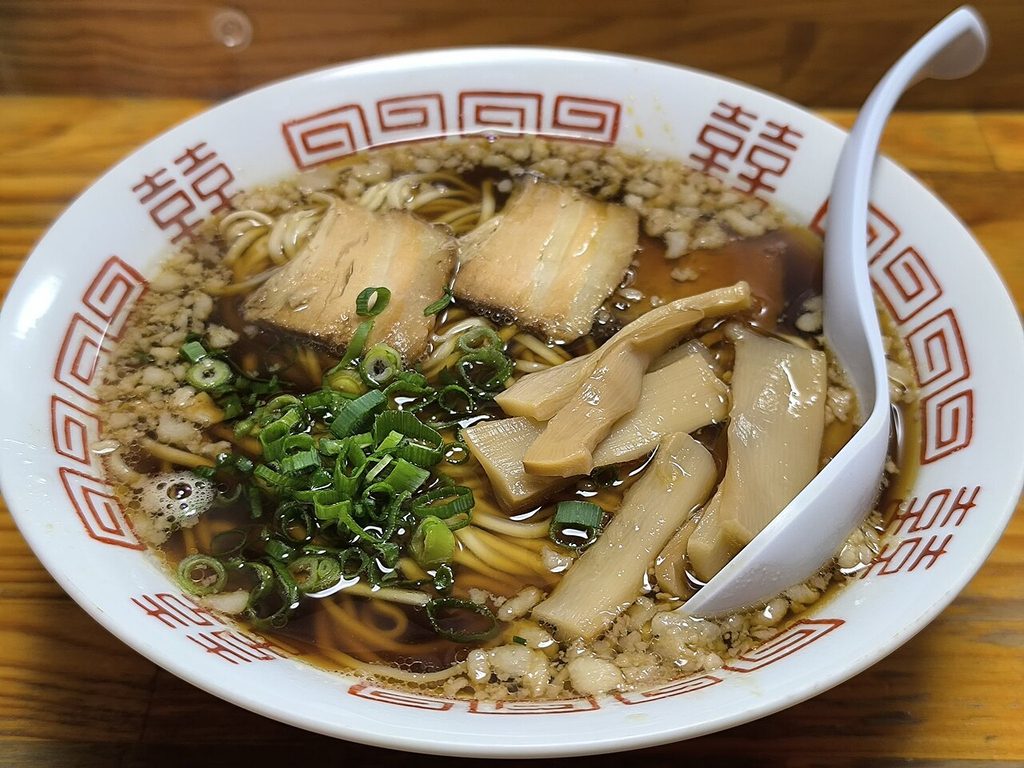
Onomichi Ramen is generally based on a soy sauce broth, often incorporating seafood-based elements, with small pieces of pork back fat floating on the surface.
The result is a bowl that can feel both light and rich at the same time.
This combination is particularly interesting because Onomichi is not simply a “ramen destination.” Visitors can walk through the historic town, explore its temples and hills, and then sit down for a bowl of local ramen.
The food makes more sense when experienced within the landscape.
That is another reason to seek out regional ramen while traveling: the best food experiences often become more memorable when you encounter them in the place where they developed.
What to look for: soy sauce broth, seafood elements, and small pieces of pork back fat.
6. Wakayama Ramen: Chuka Soba, Pork and Shoyu Soy Sauce
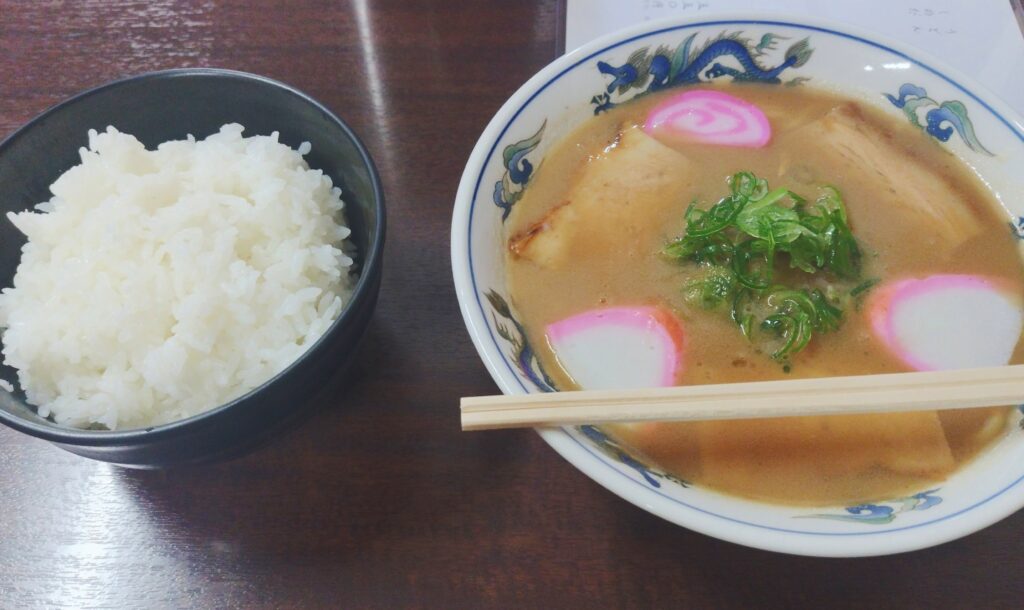
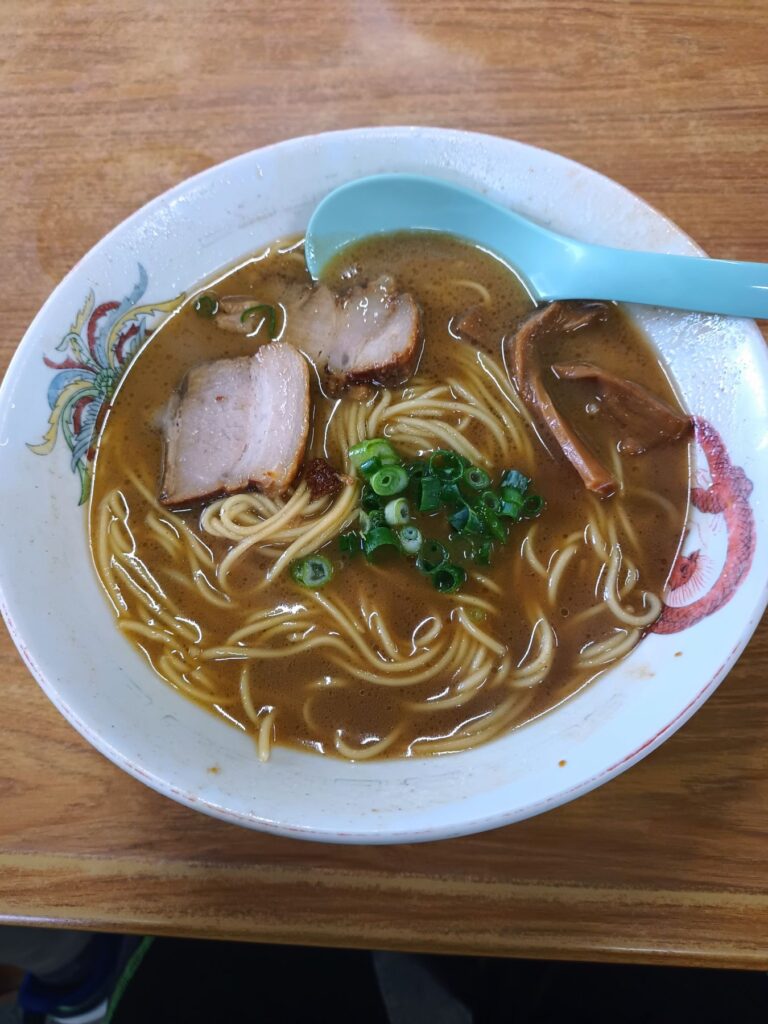
In Wakayama, what visitors usually call Wakayama Ramen is often simply called chuka soba by local people.
The style is particularly interesting because two broad traditions are commonly discussed.
One is often called the Shako-mae style, associated with a clearer, soy-sauce-forward soup. The other is the Ide style, known for a richer combination of pork-bone broth and soy sauce.
Although the distinction can be simplified when explained to visitors, both demonstrate the same basic idea: Wakayama ramen developed its own local interpretation of pork and soy sauce.
The noodles are generally thin and straight, and the bowl is often accompanied by foods that may surprise visitors who expect ramen to be a complete meal on its own.
In many traditional ramen shops, you may find hayazushi, or mackerel pressed sushi, and boiled eggs available on the table.
This is part of what makes eating chuka soba in Wakayama different from simply ordering “Wakayama-style ramen” somewhere else in Japan.
Ramen as part of everyday Wakayama
Wakayama’s ramen culture is also interesting because of its connection with ordinary local life.
The dish was historically sold from food stalls, and its identity developed through everyday eating rather than through a modern tourism campaign. Wakayama ramen became nationally recognized much later, particularly after its appearance in the 1990s ramen boom.
Today, the style is one of the foods most strongly associated with Wakayama.
But there is a deeper reason to try it here.
Wakayama is a place where food, geography, and everyday life are closely connected. Soy sauce has a long history in the Kii Peninsula, while fishing, agriculture, fermentation, and local food production have all shaped the region’s cuisine.
A bowl of chuka soba is therefore not an isolated attraction. It is one small part of a much larger food culture.
And that makes Wakayama particularly interesting for travelers who want to go beyond simply checking famous Japanese dishes off a list.
What to look for: pork and soy sauce broth, thin straight noodles, and local accompaniments such as hayazushi.
Related post
Why Wakayama Ramen Is Different
Six Bowls, Six Different Japan Experiences
These six ramen styles are not simply six variations of the same dish.
| Region | Ramen style | Characteristic features | What it tells you about the place |
|---|---|---|---|
| Sapporo | Miso Ramen | Miso broth, hearty toppings | Cold climate and Hokkaido food culture |
| Kitakata | Kitakata Ramen | Thick curly noodles, simple broth | Small-town regional food culture |
| Nagahama | Nagahama Ramen | Thin noodles, pork-bone broth | Working port and fish-market culture |
| Hakata | Hakata Ramen | Tonkotsu, thin noodles, kaedama | Fukuoka’s urban and food-stall culture |
| Onomichi | Onomichi Ramen | Soy sauce, seafood, pork back fat | Seto Inland Sea landscape and local cuisine |
| Wakayama | Chuka Soba | Pork, soy sauce, thin noodles | Local everyday food and Kii Peninsula food culture |
The differences may seem subtle at first.
But once you start traveling through Japan, these small differences become part of the experience. A different noodle, a different broth, a different topping—or even the way people order another serving—can reveal something about the place.
Regional Ramen Is a Reason to Travel
Japan’s regional food culture is often introduced through famous dishes: kaiseki in Kyoto, okonomiyaki in Hiroshima, takoyaki in Osaka, or ramen in Fukuoka.
But regional ramen offers another perspective.
It encourages you to ask a different question:
Why did this particular bowl develop here?
The answer can lead you to climate, agriculture, fishing, trade, migration, industry, working life, and local history.
That is why a ramen trip does not necessarily need to be a dedicated food tour.
You might hike in the mountains of Fukushima and eat Kitakata ramen afterward. You might explore Onomichi’s historic streets before sitting down for a bowl overlooking the Seto Inland Sea. In Wakayama, you might combine chuka soba with a visit to the historic streets of Yuasa, where traditional soy sauce production offers another perspective on the region’s food culture.
The meal becomes part of the journey rather than the destination itself.
From Famous Ramen to the Places Behind It
For many first-time visitors to Japan, the most famous destinations are Tokyo, Kyoto, Osaka, and perhaps Hiroshima or Nara.
But food can be a reason to look further.
If you are interested in ramen, there is no reason to stop at the most famous bowl in the most famous city. Some of the most interesting experiences happen when the food takes you somewhere less obvious.
Wakayama is one example.
Here, chuka soba can become an entry point into a wider journey through the Kii Peninsula—one that might include historic towns, pilgrimage routes, coastal landscapes, local food producers, temples, and everyday life.
The ramen is only the beginning.
And perhaps that is the best way to think about regional food in Japan:
Don’t just ask what to eat. Ask where the food came from—and what the place can tell you.
Learn more about my Curated Kii Peninsula Journey.
Related Posts
- 5-Day Unique Food Journey in Wakayama: Ramen, Seafood and Shoyu Sauce
- 5-Day Food Journey Through Wakayama: From Mountains to Ocean
- Where to Buy Fresh Fruit in Wakayama: A Local Guide to Markets, Roadside Stations, and Hidden Farm Stands
No responses yet