
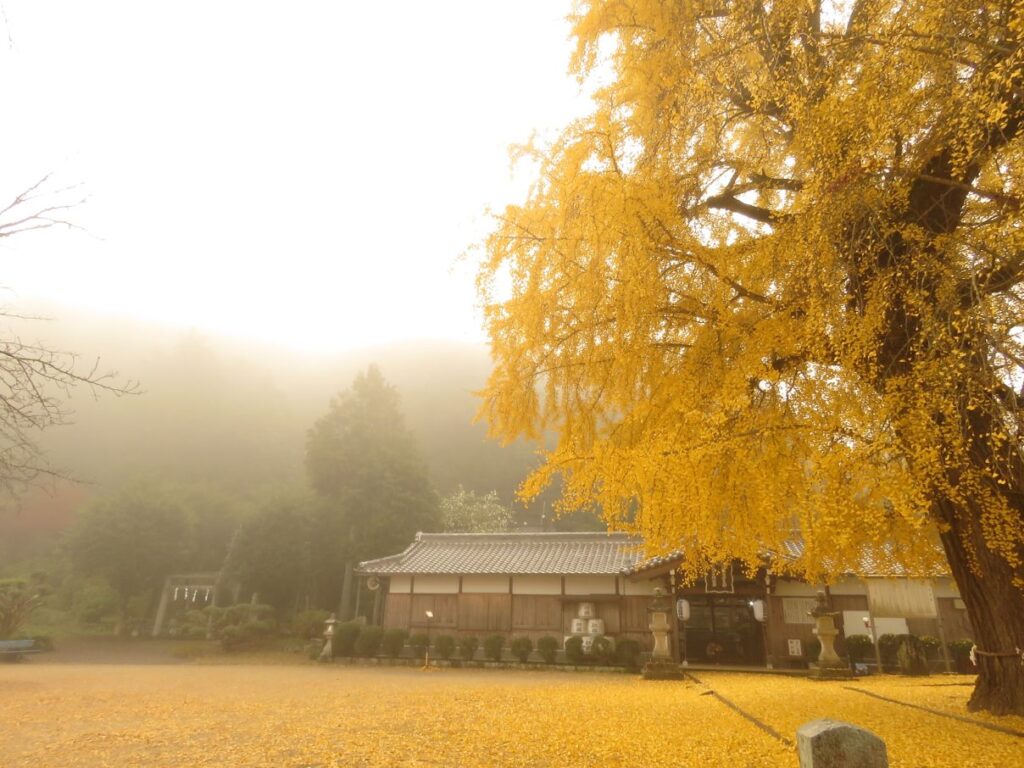
Japan is often introduced through its four seasons.
Cherry blossoms in spring. Summer festivals. Autumn foliage. Snow-covered temples in winter.
But the seasons in Japan are about much more than scenery.
They shape what people eat, when communities gather, what farmers harvest, and how people spend their time. A year in Japan is not simply a sequence of weather changes. It is a rhythm of food, work, festivals, landscapes, and traditions.
For travelers, this offers another way to experience the country.
Instead of asking, “What are the best places to visit in Japan?”, you can ask a different question:
What is happening in everyday Japanese life at this time of year?
From the first spring vegetables to summer festivals, autumn harvests, and winter hot springs, following the seasons can lead you away from Japan’s most familiar tourist routes and closer to local life.
Spring: New Beginnings, Fresh Food & the Return of Outdoor Life
Spring is perhaps the most internationally recognizable season in Japan.

Cherry blossoms attract visitors from around the world, but the significance of spring extends far beyond sakura.
It is a season of beginnings.
School and business years traditionally begin in April. Farmers prepare fields for another growing season. Mountains become greener, and people begin spending more time outdoors after winter.
Cherry blossoms are only the beginning
For visitors, hanami—the custom of enjoying cherry blossoms—is an obvious way to experience spring.
But look beyond the famous viewing spots.
In smaller towns, cherry trees can be part of ordinary neighborhood life: along a river, beside a temple, around a school, or on a hillside overlooking farmland.
The experience can be much quieter than visiting one of Japan’s famous sakura destinations.
A walk through a rural landscape can also reveal something that a famous cherry blossom park cannot: how seasonal scenery fits into everyday life.
Spring food
Japanese cuisine changes noticeably with the seasons.
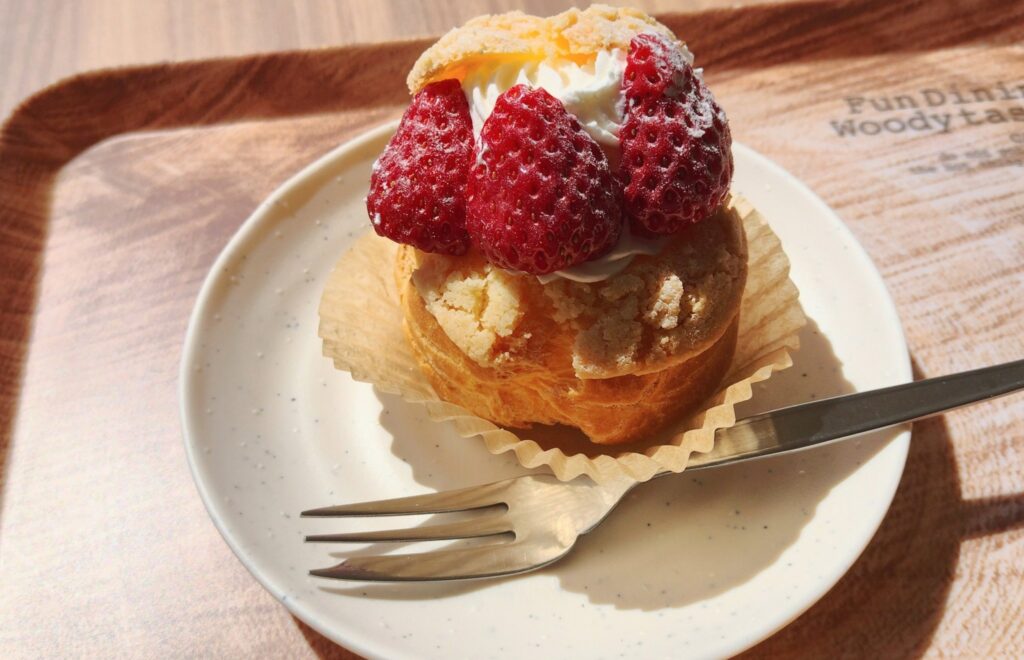
Spring brings young vegetables, mountain plants, bamboo shoots, strawberries, and other seasonal ingredients. In rural areas, the arrival of new produce is closely connected with local agriculture.
This is one reason seasonal Japanese food is so closely connected with place.
A vegetable does not simply appear on a restaurant menu. It may come from a nearby farm, a particular valley, or a particular season.
In Wakayama, for example, spring is also part of the agricultural cycle that makes the prefecture one of Japan’s important fruit-producing regions.
For a traveler interested in local life, visiting an agricultural area during the growing season can reveal a side of Japan that is easy to miss in the major cities.
Relate post:
A Satoyama Slow Journey Through Central Wakayama: Sea, Citrus, History & Ume
Summer: Festivals, Water, Food & Community
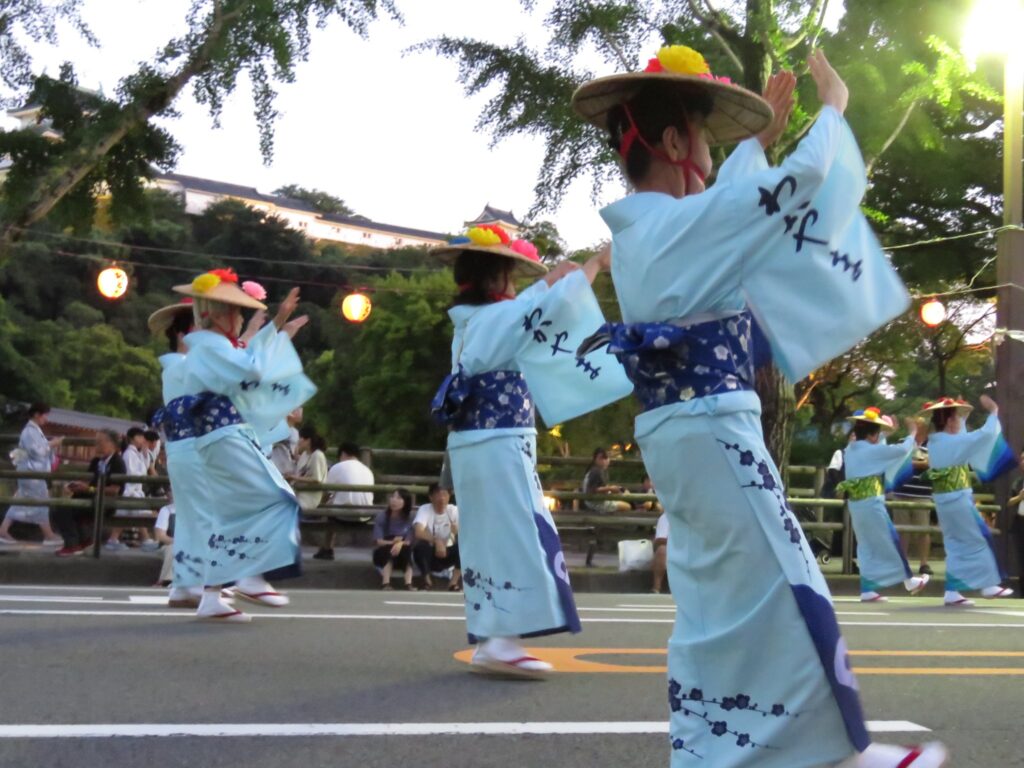
Summer in Japan can be hot and humid.
But it is also one of the most social seasons of the year.
Across the country, communities hold festivals, fireworks displays, dances, and neighborhood events. Streets that appear quiet during the day can become gathering places after sunset.
Experience a Japanese summer festival
Summer festivals are particularly interesting for travelers because they are not simply performances designed for tourists.
They often involve local residents directly.
People prepare food stalls, carry portable shrines, perform traditional dances, help organize events, and meet neighbors.
The experience is less like visiting a museum and more like temporarily entering the rhythm of a community.
In Wakayama, local summer festivals such as the Kishu Odori “Bundara-bushi” offer an opportunity to see this community dimension of Japanese summer.
The important thing is not necessarily to understand every ritual.
Sometimes it is enough to watch how people gather, eat, talk, dance, and spend an evening together.
Summer food
Summer also changes the way people eat.
Cold noodles, chilled tofu, seasonal fish, watermelon, shaved ice, and other refreshing foods become particularly appealing.
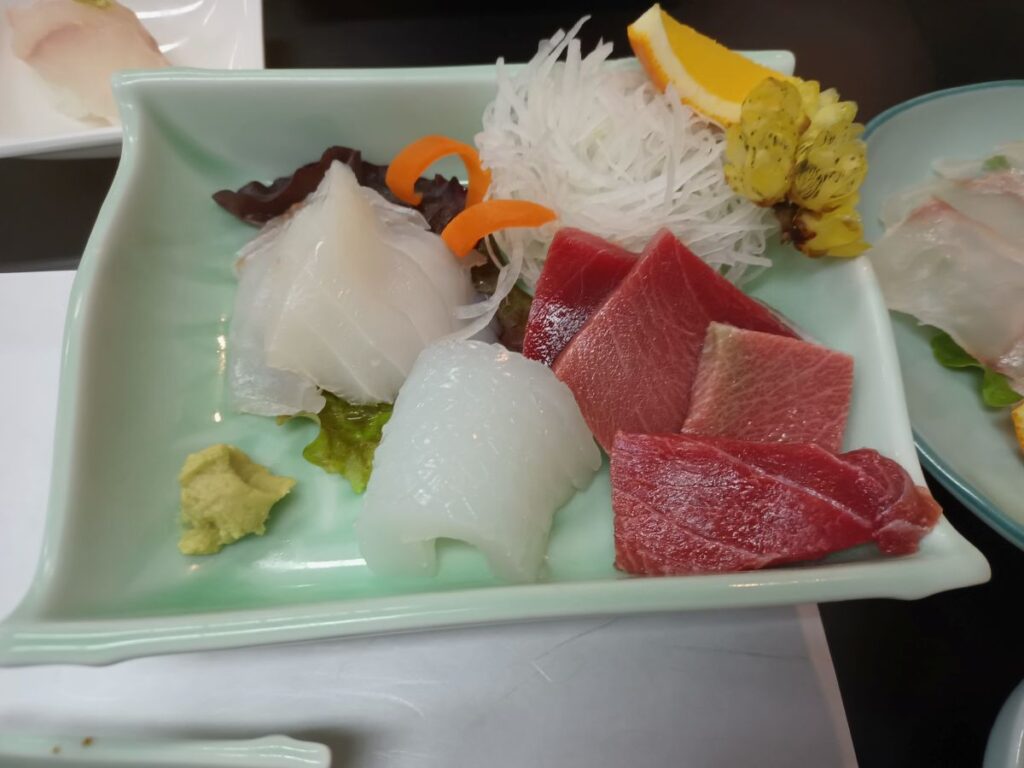
In coastal regions, seafood is another important part of summer life.
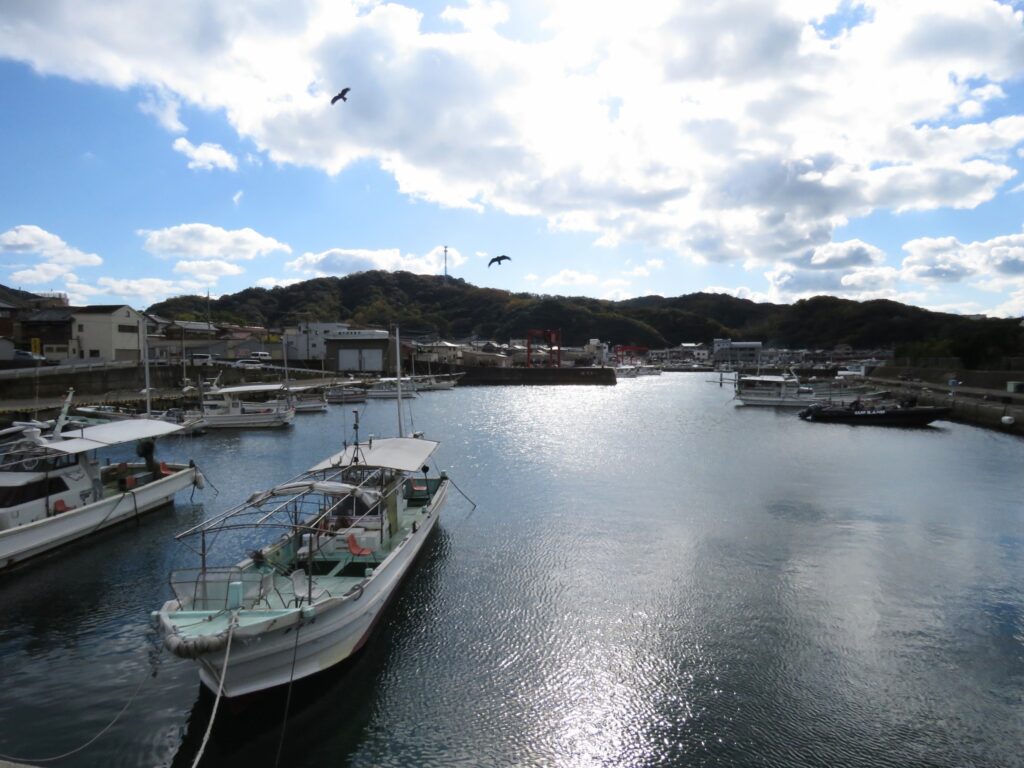
Wakayama’s fishing communities provide an interesting contrast to the inland agricultural landscapes of the prefecture. A visit to a fishing village can combine the sea, local food, working harbors, and everyday life.
Places such as Saikazaki, near Wakayama City, show how closely food and landscape can be connected.
Summer by the sea
For travelers staying longer, summer can also be a season for experiencing Japan’s relationship with water.
Swimming, kayaking, SUP, surfing, fishing, and coastal walks are not simply isolated activities. In the right setting, they can become ways of understanding the landscape.
The sea is part of the local economy, food culture, history, and daily life.
Related post:
Best Coastal Cycling Routes in Japan: 7 Places to Ride by the Sea
Autumn: Harvests, Mountains & the Taste of Place
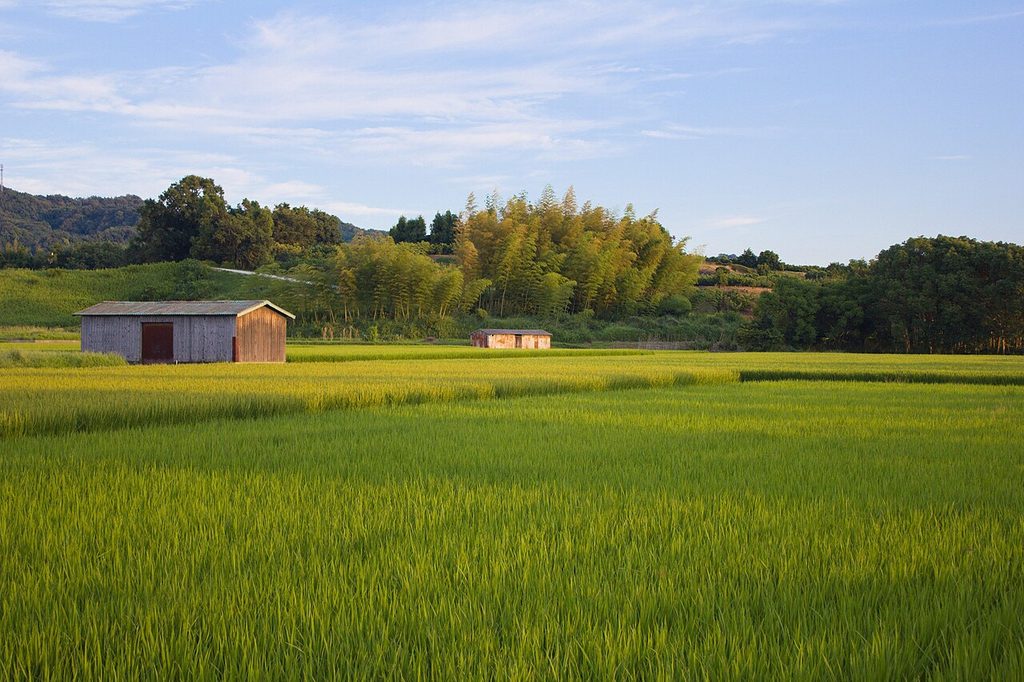
If spring represents new beginnings, autumn is a season of abundance.
Rice is harvested. Fruit ripens. Mountains begin to change color. Local markets fill with seasonal produce.
For travelers interested in food and rural life, autumn is one of the most revealing times to explore Japan beyond the cities.
Japan’s harvest season
Autumn foods vary considerably by region.
Rice, mushrooms, sweet potatoes, chestnuts, persimmons, grapes, apples, pears, and many other crops appear depending on the local climate.
This is where geography becomes especially important.
The food on a Japanese table often tells you something about the landscape around it.
Mountain regions produce different foods from coastal communities. Northern Japan has a different agricultural calendar from southern Japan. Even neighboring valleys can specialize in different crops.
Fruit and rural life in Wakayama
Wakayama is particularly interesting from this perspective.
The prefecture is known for fruit production, including mandarins, peaches, persimmons, and ume.
In areas such as Kinokawa, agriculture is not simply an industry separate from tourism. It is part of the landscape itself.
Orchards, farm roads, irrigation, local markets, and seasonal foods all become part of the experience of traveling through the region.
For visitors, this creates an opportunity to experience a different Japan: not the Japan of famous monuments, but the Japan that produces the food appearing on the table.
Autumn hiking
Autumn is also an ideal time to walk.
Japan’s mountains and countryside offer countless opportunities for hiking, from short local walks to multi-day pilgrimage routes.
The Kumano Kodo in Wakayama is one of the country’s best-known examples, but the idea of walking through a landscape can be applied much more broadly.
A trail can connect villages, shrines, forests, farms, and historic roads.
Walking slowly allows travelers to notice things that are easy to miss from a train or car.
Related post:
Kumano Kodo Guide: Walking Through Japan’s Living Traditions
Winter: Hot Springs, Preserved Foods & Quiet Landscapes
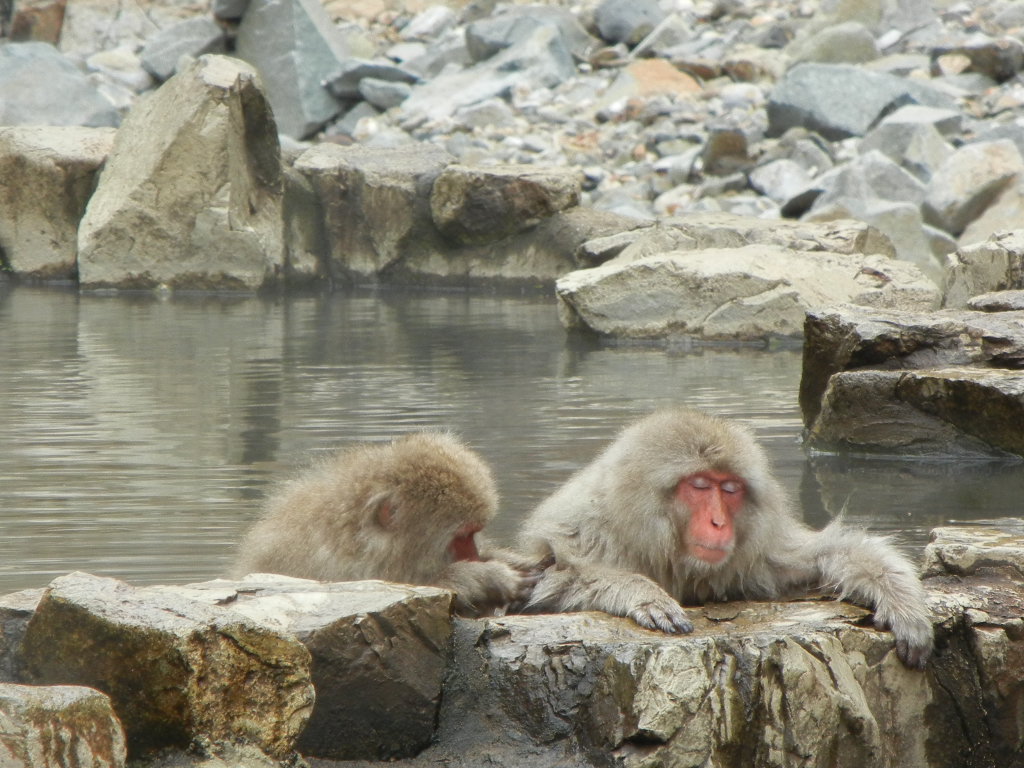
Winter reveals another side of Japan.
The pace slows in many rural areas. Mountains become quieter, daylight becomes shorter, and food becomes more warming and substantial.
It is also the season when the Japanese tradition of hot spring bathing becomes particularly appealing.
Winter and onsen culture
A Japanese hot spring experience is about more than sitting in hot water.
Traditionally, visiting an onsen can be part of a slower rhythm: arriving at a hot spring town, walking through the neighborhood, bathing, eating a seasonal meal, and spending a quiet evening.
Some of Japan’s most famous hot spring destinations are heavily visited.
But smaller onsen communities can offer a different experience.
In Wakayama, Ryujin Onsen provides an example of a mountain hot spring destination where bathing can be combined with forests, rivers, walking, and rural landscapes.
The attraction is not simply the bath itself.
It is the change of pace.
Winter food
Winter also brings its own food culture.
Hot pots, grilled fish, root vegetables, fermented foods, citrus, and other seasonal ingredients become part of everyday meals.
Preservation traditions are particularly important in Japan.
Miso, soy sauce, pickles, dried fish, umeboshi, and other preserved foods developed partly from the need to store food across the seasons.
They also became distinctive regional flavors.
In Wakayama, the culture surrounding ume and soy sauce provides particularly interesting examples.
The historic town of Yuasa is associated with the development of Japanese soy sauce culture, while Wakayama’s ume production has contributed to the region’s distinctive food traditions.
Food, in other words, can be a way of reading history.
Related post:
Best Winter Hot Springs in Japan: 8 Onsen Towns for a Snowy Japanese Escape
More Than Four Seasons: The Japanese Calendar
One reason Japan’s seasonal culture is so rich is that the year is not experienced simply as four large blocks.
Traditional calendars divide the year into smaller seasonal moments.
The arrival of the first flowers, the beginning of rice planting, the appearance of particular fish, the first autumn harvest, and the changing color of leaves can all mark a transition.
This sensitivity to small changes is reflected in Japanese food, poetry, gardens, festivals, and everyday expressions.
It is also why the concept of shun—eating ingredients at their seasonal peak—is so important in Japanese cuisine.
Rather than trying to eat everything at any time of year, there is value in waiting for the right moment.
That idea can also change the way you travel.
Instead of asking what is available all year, ask:
What is this place offering right now?
Festivals as a Window Into Local Life
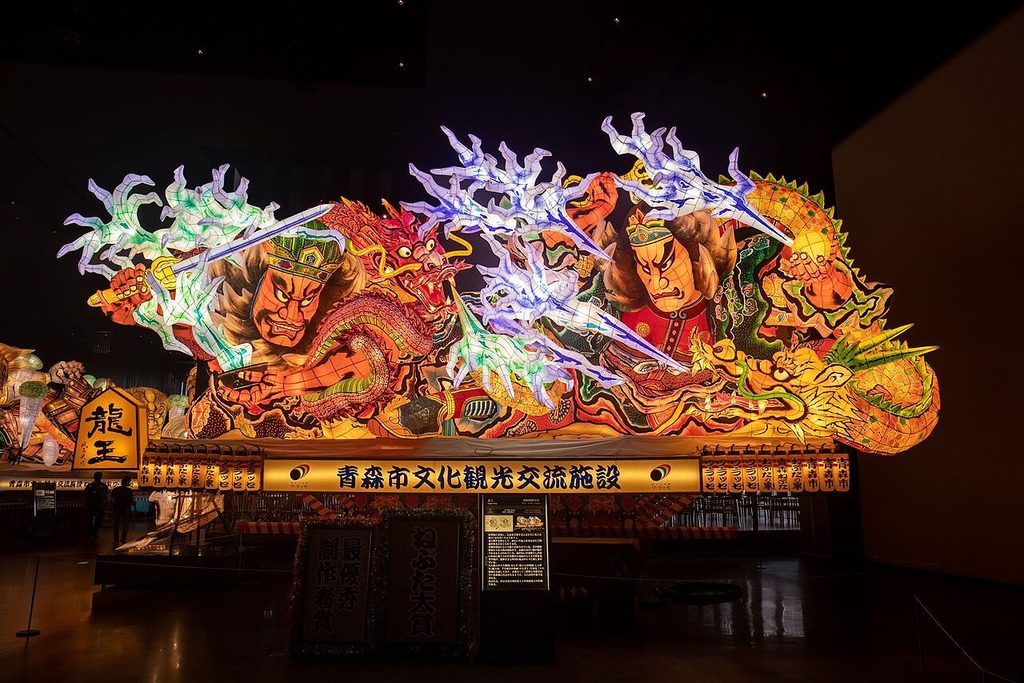
Japan has thousands of festivals, from enormous national events to small local celebrations.
Some are connected to shrines and temples. Others developed around agriculture, fishing, historical events, or neighborhood traditions.
For travelers, the most interesting festivals are not necessarily the largest.
A small local festival can reveal how a community organizes itself.
Who participates?
Who prepares the food?
Who carries the shrine?
Who plays the music?
Which traditions are maintained by older residents, and how are younger generations involved?
These questions can transform a festival from something to photograph into something to understand.
In this sense, festivals are a window into the social structure of a place.
They show that local culture is not simply something preserved in museums. It is something people continue to do.
Follow the Food Through the Seasons
One of the easiest ways to experience Japan’s seasonal rhythm is through food.
Rather than searching for the same dishes throughout the year, follow the ingredients.
In spring, look for newly harvested vegetables and mountain plants.
In summer, explore seafood, chilled dishes, and local fruit.
In autumn, visit agricultural regions during the harvest season.
In winter, look for hot pots, preserved foods, citrus, and warming regional dishes.
This approach can take you far beyond the famous restaurants of Tokyo, Kyoto, and Osaka.
It may lead instead to a farmers’ market, a small family restaurant, a fishing port, a local bakery, a traditional food producer, or a countryside lunch.
The meal becomes a way of understanding the place.
Experiencing Japan Through a Full Year
A short visit to Japan inevitably focuses on highlights.
A longer stay changes the question.
Instead of asking what you can see, you begin to notice what changes.
The same neighborhood looks different in April and December.
A mountain trail changes with the weather.
A market sells different produce.
A restaurant changes its menu.
A local festival appears once a year.
A fishing port has different rhythms depending on the season.
This is one reason slow travel can offer something that a conventional itinerary cannot.
You begin to recognize the repetition.
And repetition creates familiarity.
A Year of Local Life: One Possible Journey
Imagine spending a year in Japan not as a continuous vacation, but as a series of seasonal encounters.
Spring
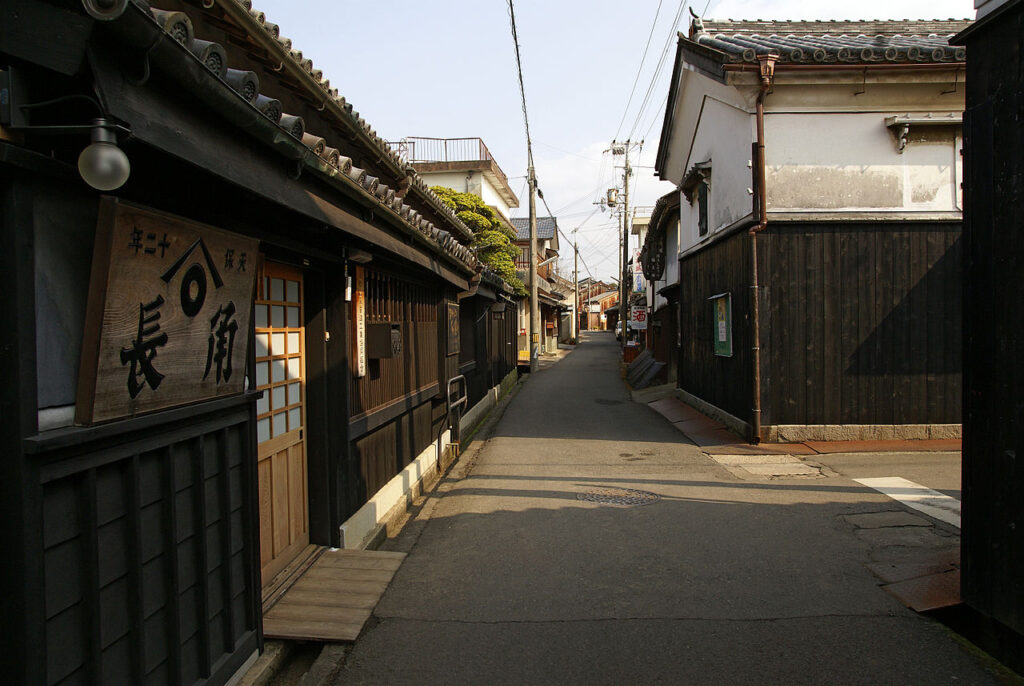
Walk through a historic town as the countryside turns green, eat the first seasonal produce, and experience cherry blossoms away from the busiest viewing spots.
Related post:
7 Hidden Historic Towns in Kansai: Discover a Different Side of Japan
Summer
Spend an evening at a local festival, explore a fishing village, swim or kayak along the coast, and eat seasonal seafood.
Related post:
Beyond the Onsen: A Slow Adventure Stay in Southern Wakayama
Autumn
Walk through mountain or agricultural landscapes, visit orchards during harvest, and taste foods associated with the region.
Related post:
Autumn in Wakayama: A Slow Journey Through Mountains, Pilgrimage & Local Life
Winter
Stay at a hot spring, walk through a quiet town, eat warming local dishes, and learn how preserved foods have sustained regional food cultures.
Each experience is relatively simple.
But together they create something much deeper:
an understanding of how a place changes through time.
Why Wakayama Is Interesting for Experiencing Japan’s Seasons
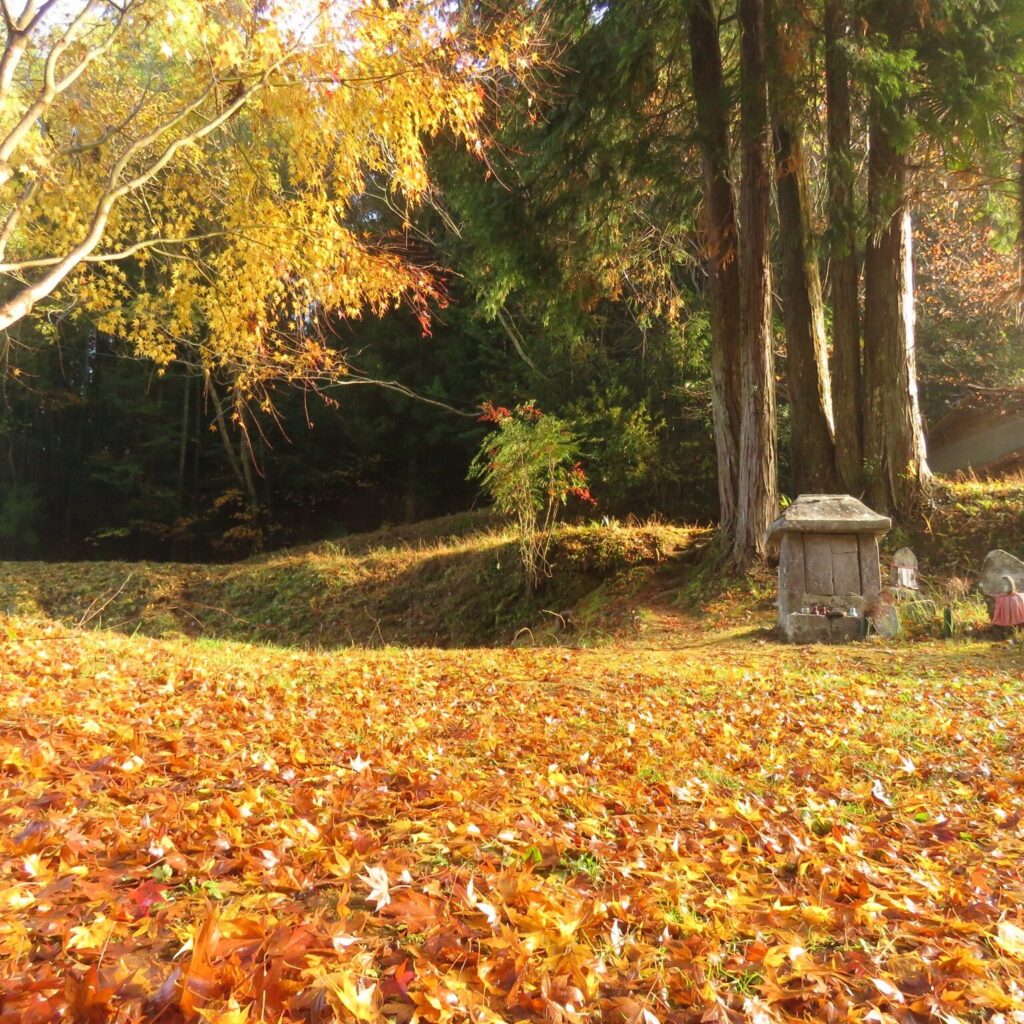
Wakayama is particularly suited to this way of traveling because several different landscapes exist within a relatively compact region.
There are coastal fishing communities, historic towns, agricultural plains, forested mountains, pilgrimage routes, hot springs, temples, and rural villages.
The region also connects naturally with seasonal food.
Fruit production, seafood, fermentation, soy sauce, ume, local vegetables, and traditional preserved foods provide different ways to encounter the landscape.
This means that a journey through Wakayama does not have to revolve around a single famous attraction.
Instead, a traveler can follow a theme across the region.
A spring agricultural landscape can lead to a local meal.
A coastal walk can lead to a fishing village.
A pilgrimage route can lead to a historic town.
A winter hot spring can become part of a longer stay.
The destination changes, but the underlying rhythm remains.
Travel Japan by Its Seasons, Not Just Its Sights
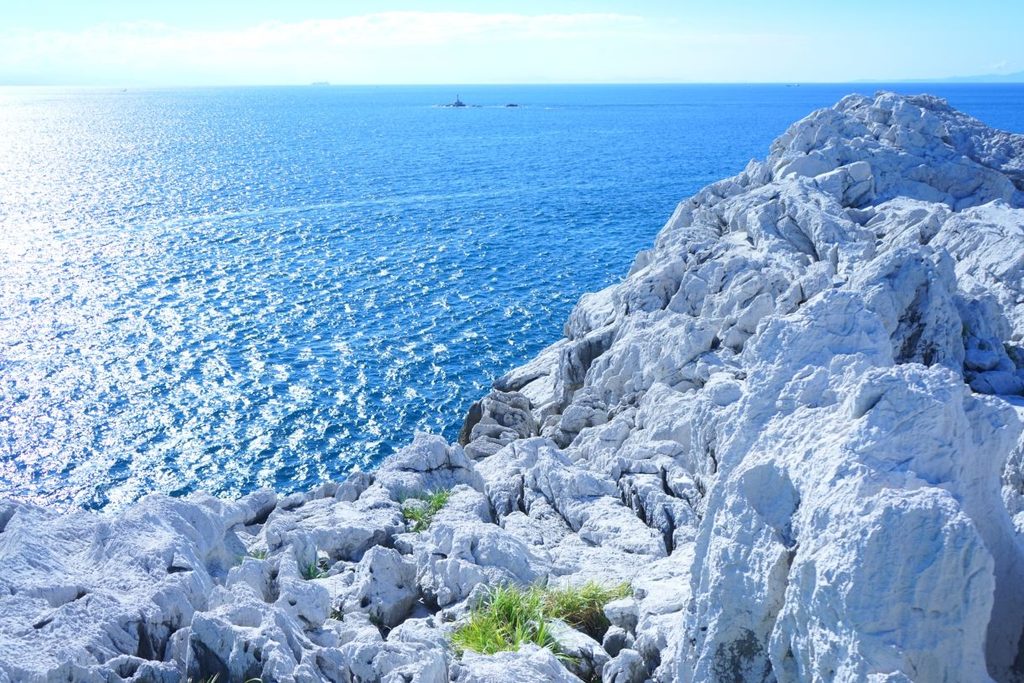
Japan is often described through its iconic places.
Tokyo.
Kyoto.
Mount Fuji.
Hiroshima.
Koyasan.
Kumano.
These places are important, but they are only part of the story.
Another way to understand Japan is to follow the year itself.
Watch what people eat.
Notice what grows.
Walk when the weather changes.
Join a festival.
Visit a market.
Stay in a hot spring town.
Talk to local people.
Return to the same place at a different time of year.
Over time, the country begins to feel less like a collection of destinations and more like a living landscape.
That may be the most rewarding way to experience local life in Japan:
not simply seeing a place, but noticing how it changes, returns, and continues through the seasons.
Related Posts
- A Guide to Seasonal Fruits in Wakayama
- Japan’s UNESCO World Heritage Sites: Sacred Mountains, Ancient Pilgrimage Routes & Living Traditions
- 5 Regional Flavors That Tell the Story of Washoku
No responses yet