
From Historic Castle Towns to Fishing Villages and Regional Food Traditions
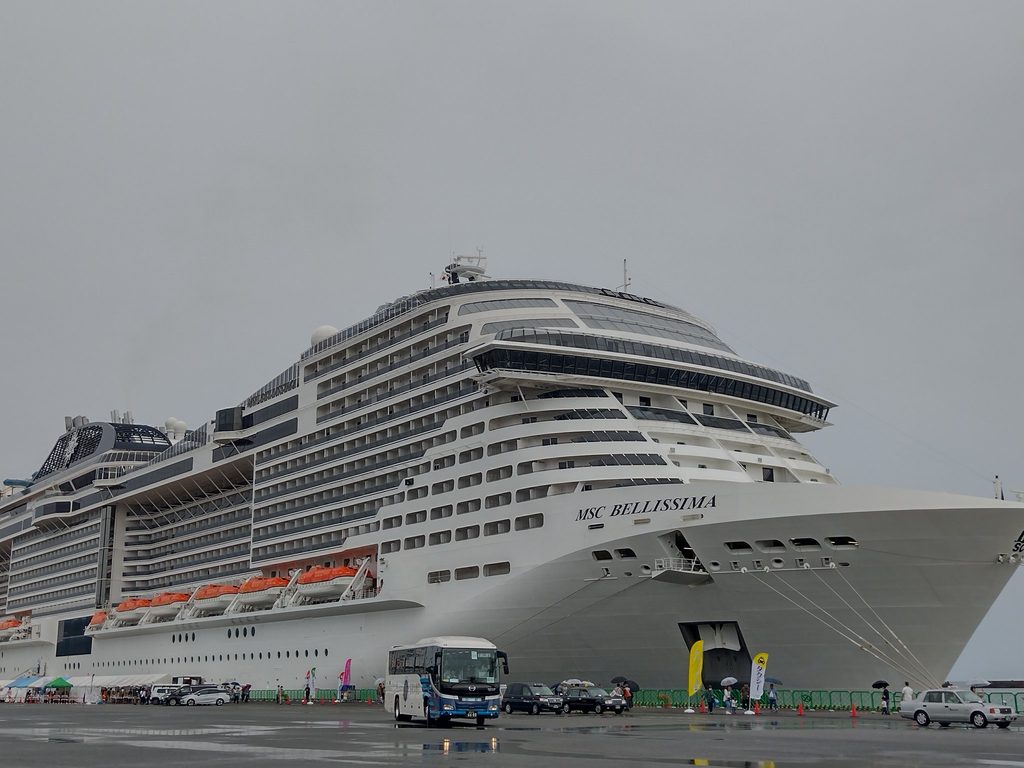
Japan is a country of remarkable regional diversity. Traveling by cruise offers a chance to experience this variety one port at a time, from northern fishing towns and historic trading cities to subtropical islands and coastal communities.
But a memorable port day does not always require a long journey inland or an ambitious checklist of famous attractions.
Sometimes, the most rewarding experiences are closer to the harbor: a seafood market, a historic neighborhood, a local train ride, or a meal that tells the story of the region.
Here are eight Japanese cruise destinations where you can discover different aspects of the country’s culture, landscapes, and food.
1. Hakodate: Seafood, Historic Streets & Northern Japan
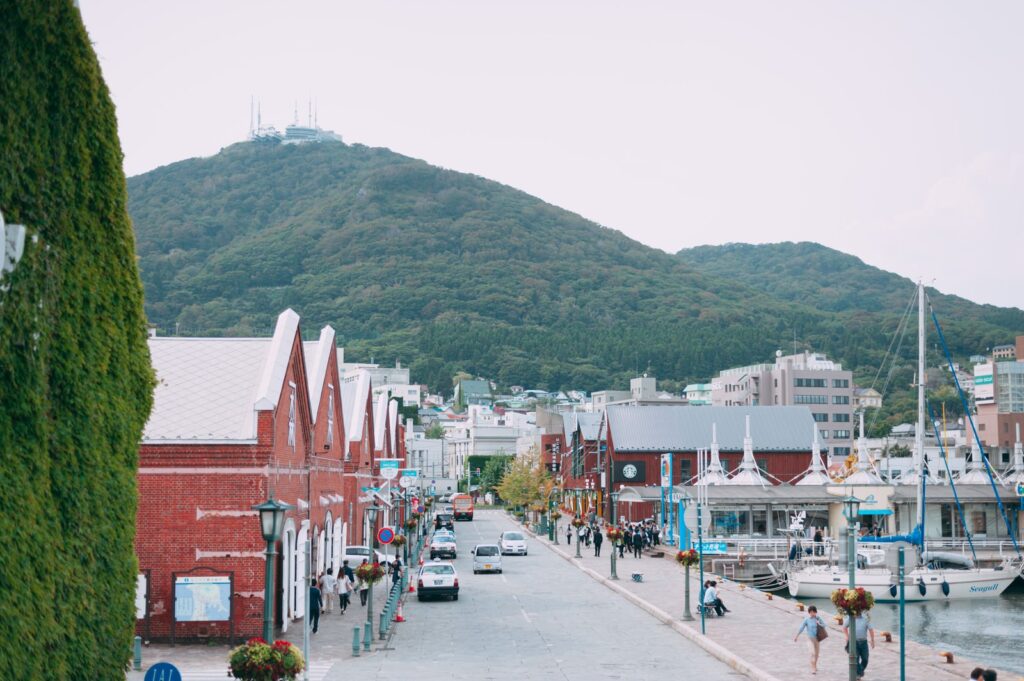
Located in southern Hokkaido, Hakodate developed as an important trading port and retains a distinctive mix of Japanese and Western architectural influences.
Its historic Motomachi district offers hillside streets, old churches, and buildings associated with the city’s international connections.
For food lovers, the Hakodate Morning Market is a major attraction. Visitors can enjoy seafood rice bowls featuring ingredients such as crab, sea urchin, and salmon roe.
The waterfront warehouses also provide opportunities to explore local shops and dining.
What to experience: Historic port architecture, seafood, and the atmosphere of a northern Japanese trading city.
2. Aomori: Seafood Markets & the Nebuta Festival
Aomori, at the northern tip of Honshu, offers a distinctive introduction to Japan’s northern culture.
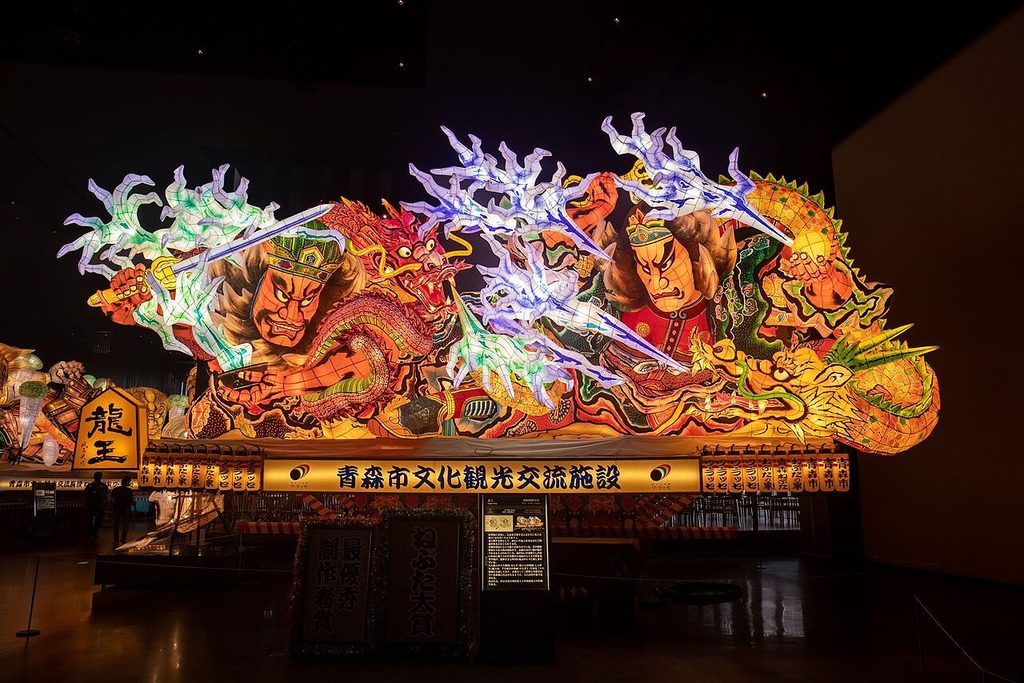
The city is known for the Nebuta Festival, when enormous illuminated floats depicting dramatic figures move through the streets. Outside the festival season, visitors can explore Nebuta-related exhibits and learn about the craftsmanship behind the event.
Aomori’s seafood culture is another highlight. At the Furukawa Fish Market, visitors can sample a variety of ingredients and regional flavors.
The city is also a gateway to the natural landscapes of northern Japan.
What to experience: Festival culture, seafood, and the traditions of Japan’s northern communities.
3. Yokohama: Modern Japan & International Port Heritage
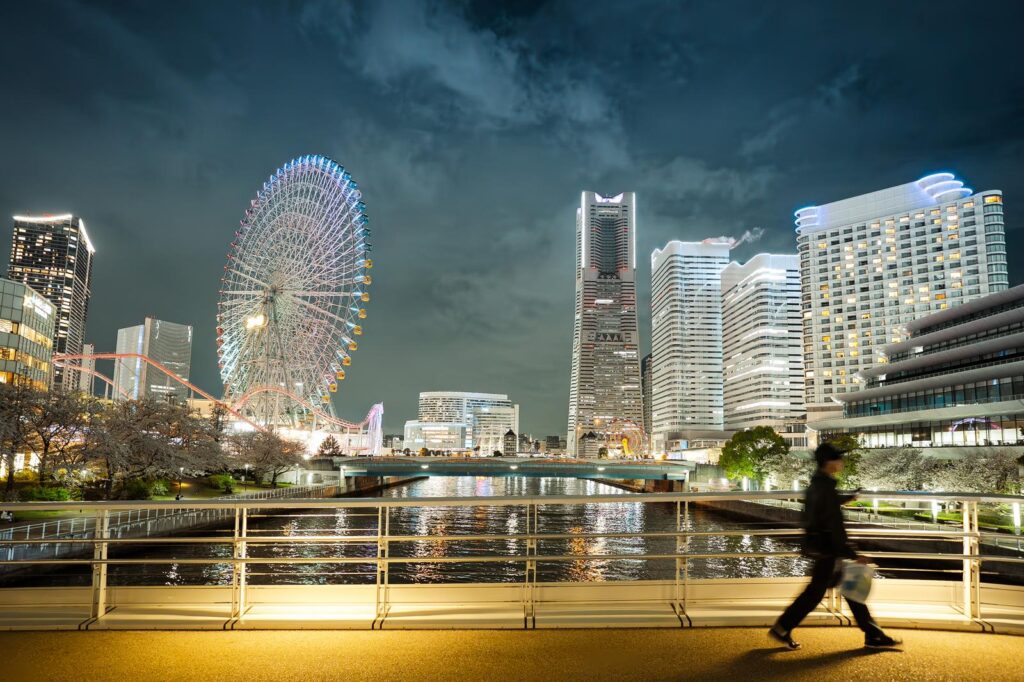
Yokohama offers a different perspective on Japan: a modern waterfront city shaped by international trade and cultural exchange.
The city’s historic port districts feature red-brick warehouses, waterfront promenades, and architecture associated with its development as an international trading port.
Yokohama Chinatown provides another dimension, with restaurants and shops reflecting Chinese culinary traditions in Japan.
Travelers with a longer port call may also consider excursions beyond the city, including Tokyo. However, travel time and the ship’s departure schedule should be considered carefully.
What to experience: International port history, waterfront architecture, and a diverse food scene.
4. Kobe: Sake, Japanese Cuisine & Harbor Culture
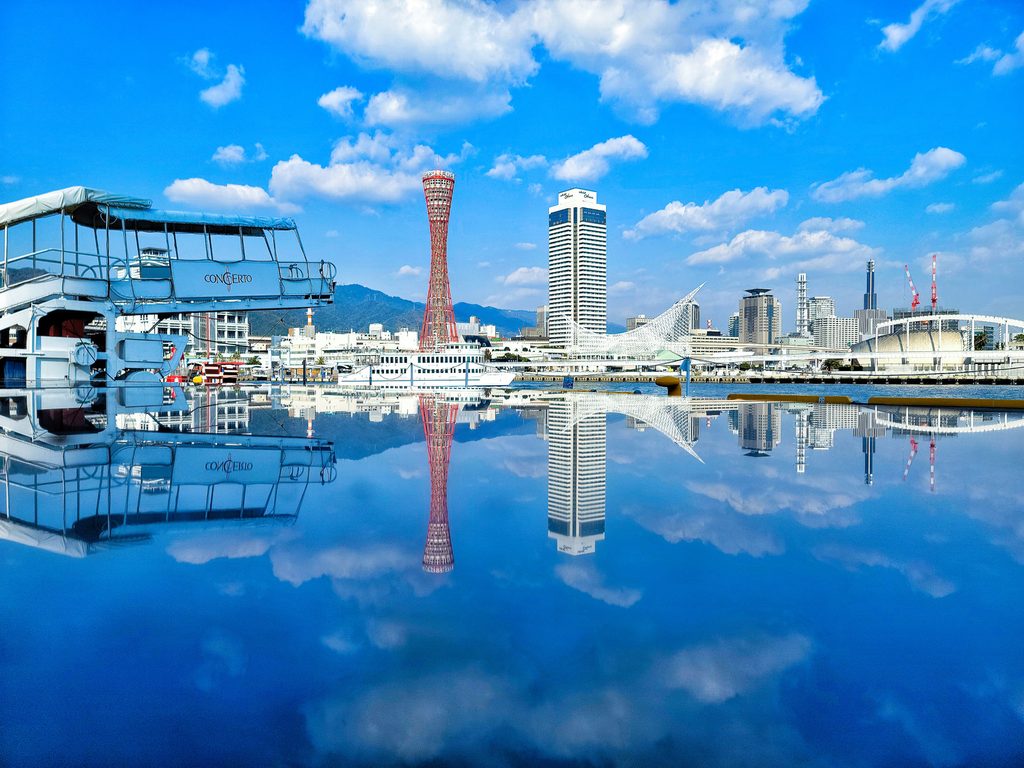
Kobe is a port city where maritime history, mountain scenery, and food culture come together.
The city is internationally associated with Kobe beef, but its culinary identity extends beyond this famous specialty.
The Nada district is one of Japan’s major sake-producing areas. Brewery museums and related cultural sites offer opportunities to learn about the relationship between rice, water, brewing techniques, and regional identity.
Within the city, visitors can also explore the harbor, traditional gardens, and the lively Nankinmachi Chinatown.
Kobe can also serve as a gateway to Kyoto and Osaka, although those excursions require additional transportation and careful time planning.
What to experience: Sake culture, regional cuisine, historic gardens, and a port city shaped by international connections.
5. Hiroshima: Peace, History & Island Landscapes
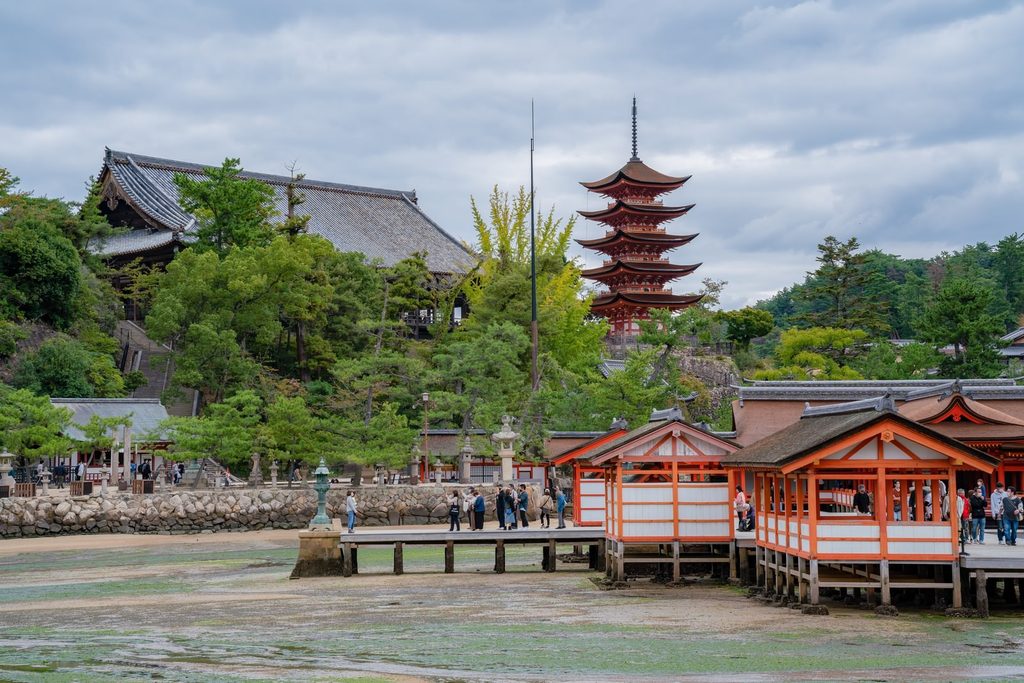
Hiroshima offers a powerful combination of modern history, traditional culture, and natural scenery.
The Peace Memorial Park and its surrounding sites provide opportunities to learn about the atomic bombing of 1945 and the city’s subsequent reconstruction.
For a different perspective, visitors can travel to Miyajima, known for Itsukushima Shrine and its famous torii gate near the sea.
Hiroshima is also associated with okonomiyaki, a savory dish prepared with ingredients such as cabbage, noodles, and various toppings.
Because Hiroshima’s major attractions can involve different transportation routes, travelers should consider whether to focus on the city or combine it with an island visit.
What to experience: Peace history, island scenery, shrine architecture, and regional food.
6. Nagasaki: International History & Distinctive Food Culture
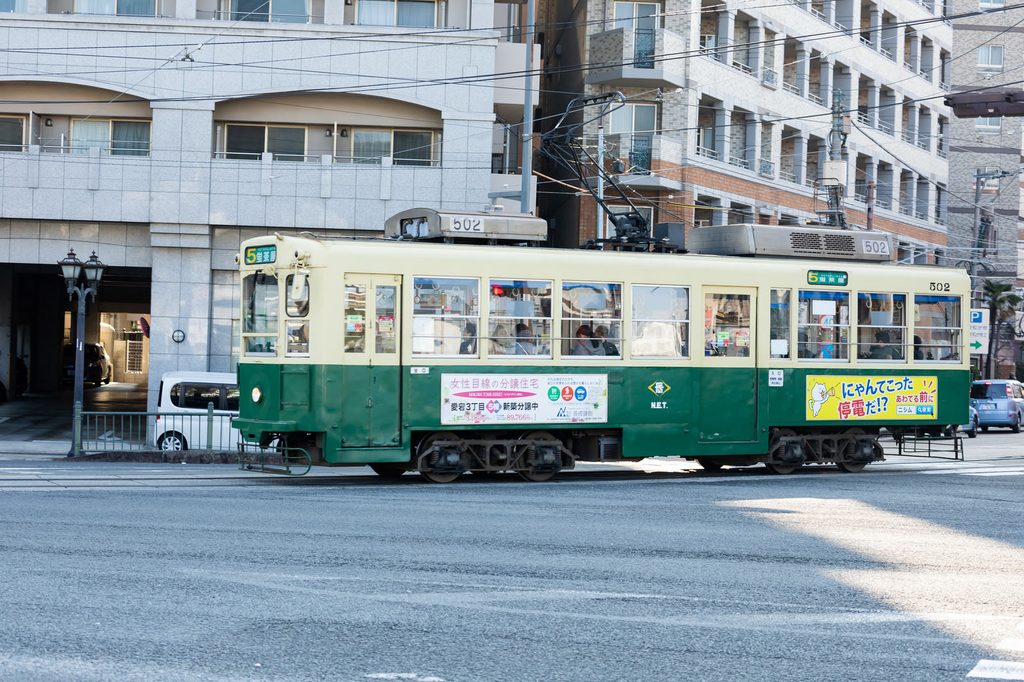
Nagasaki has a long history of international exchange. Its natural harbor and trading connections helped shape a distinctive urban culture, architecture, and cuisine.
Visitors can explore Dejima, associated with Japan’s historical trade with the Dutch, and discover how foreign influences became part of local life.
The city’s culinary traditions reflect these connections. Champon, a noodle dish featuring vegetables and seafood, is one of Nagasaki’s best-known specialties.
Nagasaki’s harbor setting also makes it an appealing place to explore on foot or by streetcar.
What to experience: International trading history, historic neighborhoods, and food shaped by cultural exchange.
7. Kagoshima: Volcanic Landscapes & Southern Japanese Cuisine
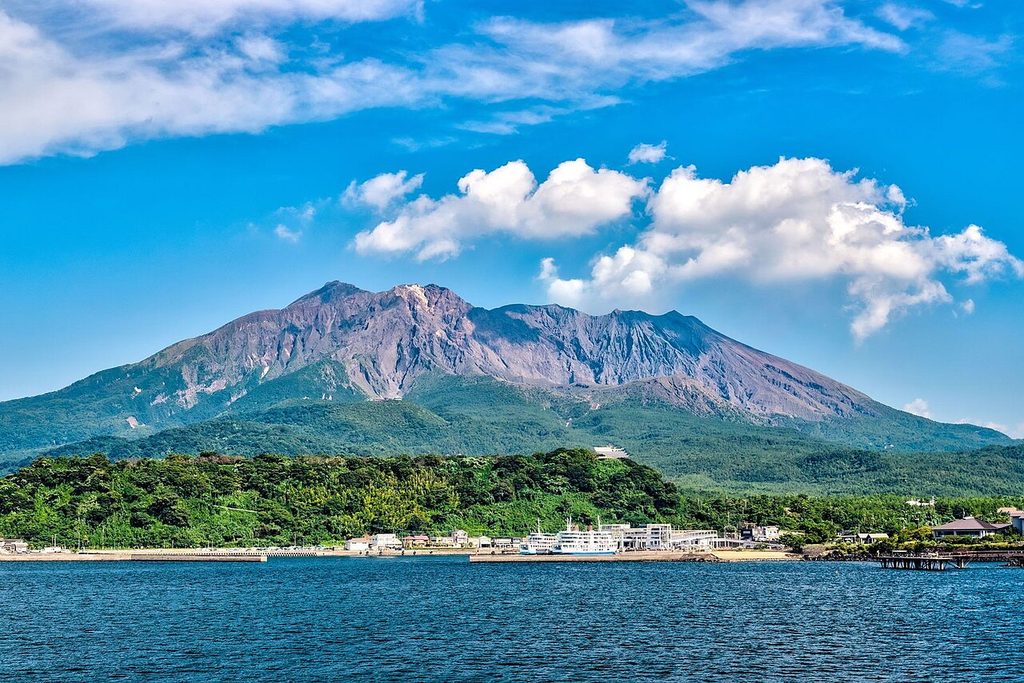
Kagoshima offers a dramatic landscape shaped by the presence of Sakurajima, an active volcano across the bay from the city.
The volcano is part of everyday life in the region and provides a striking backdrop for exploring southern Kyushu.
Visitors can discover Sengan-en, a historic Japanese garden associated with the Shimadzu family, and enjoy regional cuisine.
Kagoshima is known for specialties including kurobuta pork and local shochu, a distilled spirit with deep roots in southern Japan.
For travelers interested in landscapes and regional food, Kagoshima offers a different perspective from Japan’s more familiar urban destinations.
What to experience: Volcanic scenery, samurai-era history, gardens, and southern Japanese food culture.
8. Wakayama: A Castle Town, Sacred Coast & Local Food
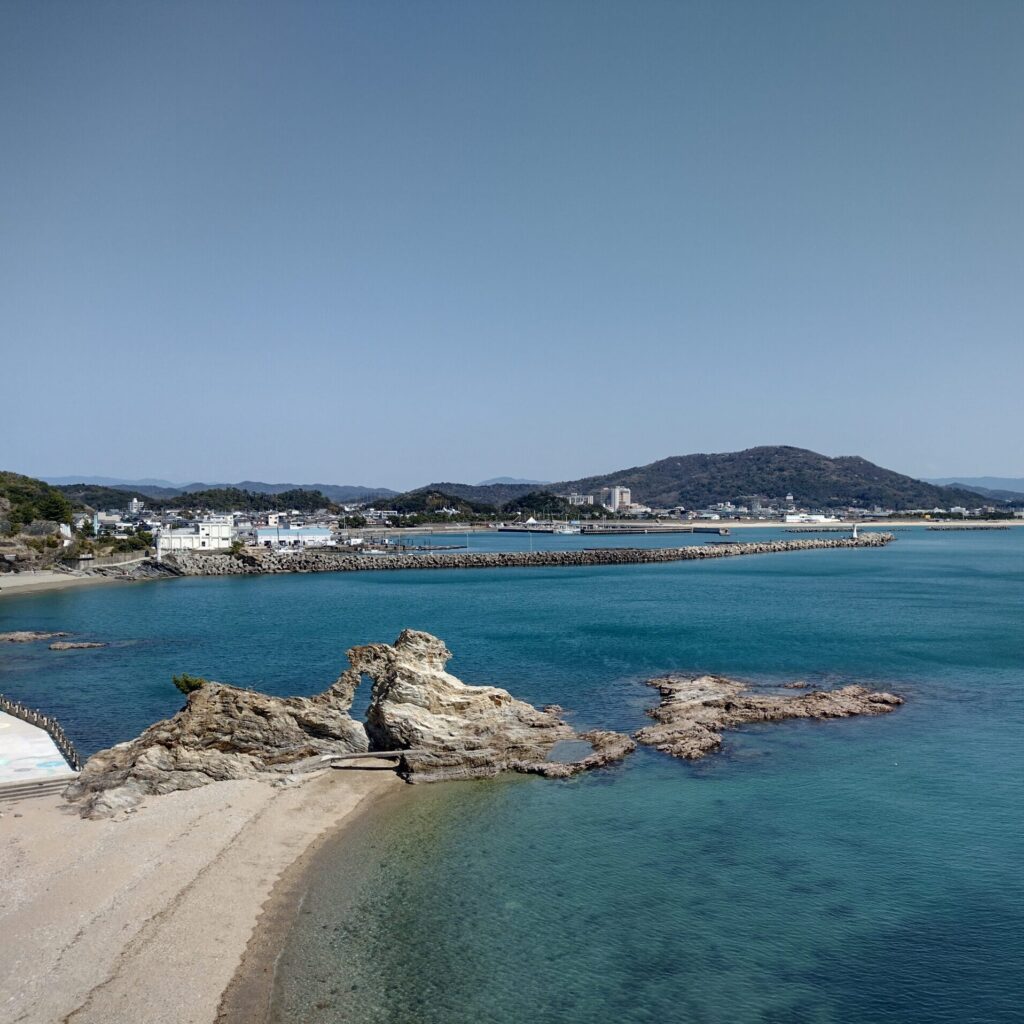
Just south of Osaka, Wakayama offers a different kind of port experience: a chance to explore a historic castle town, a celebrated coastal landscape, and the everyday culture of a regional Japanese city.
For cruise passengers arriving at Wakayama Port, the city and its surrounding areas offer several ways to spend a port day without making a long excursion to another major destination.
Wakayama Castle: Discover a Historic Castle Town
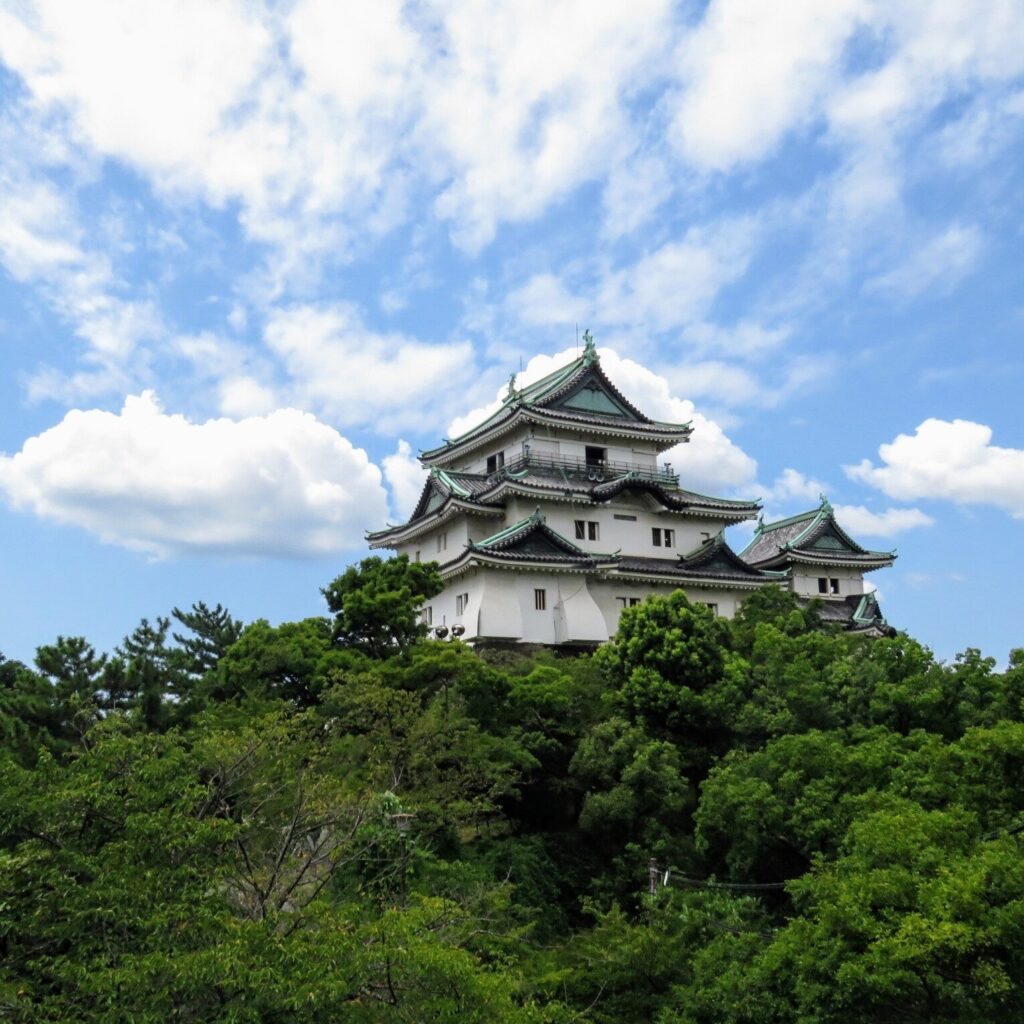
Wakayama Castle stands at the heart of the city and offers an introduction to the region’s samurai history.
The surrounding park provides space to walk, while the castle itself offers a chance to explore the history of the Kishu Tokugawa family and the development of the castle town.
Rather than treating the castle as an isolated attraction, visitors can use it as a starting point for discovering the city’s streets, local shops, and food culture.
Related post
What to Do in Wakayama City: A Samurai Culture Day Around Wakayama Castle
Wakaura: A Sacred Coast with a Long Cultural History
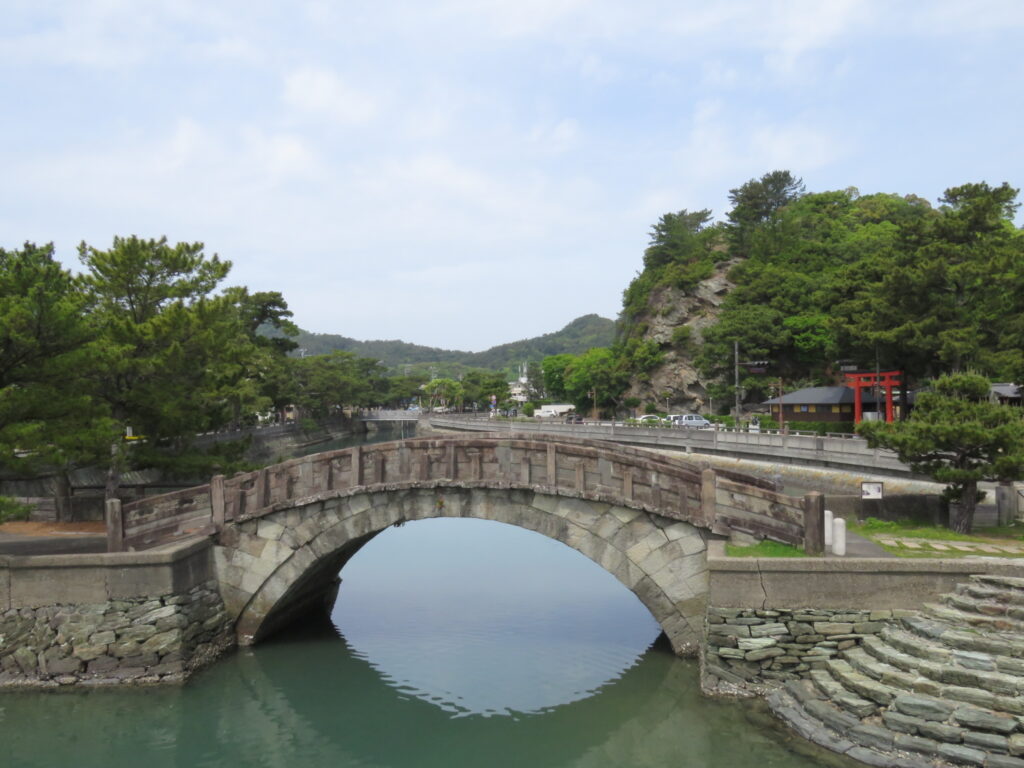
Wakaura, south of central Wakayama, is a coastal landscape celebrated in Japanese poetry and associated with centuries of religious and cultural traditions.
Its combination of islands, hills, shrines, and sea views offers a different experience from the urban atmosphere of the castle town.
Nearby Saikazaki, a traditional fishing community, provides another perspective on life along the coast.
For travelers who enjoy walking, scenery, and local history, Wakaura can be an appealing part of a port-day itinerary.
Related post
Sea, Faith, and Fishing Life in Wakaura
The Kishigawa Line: A Local Train Journey
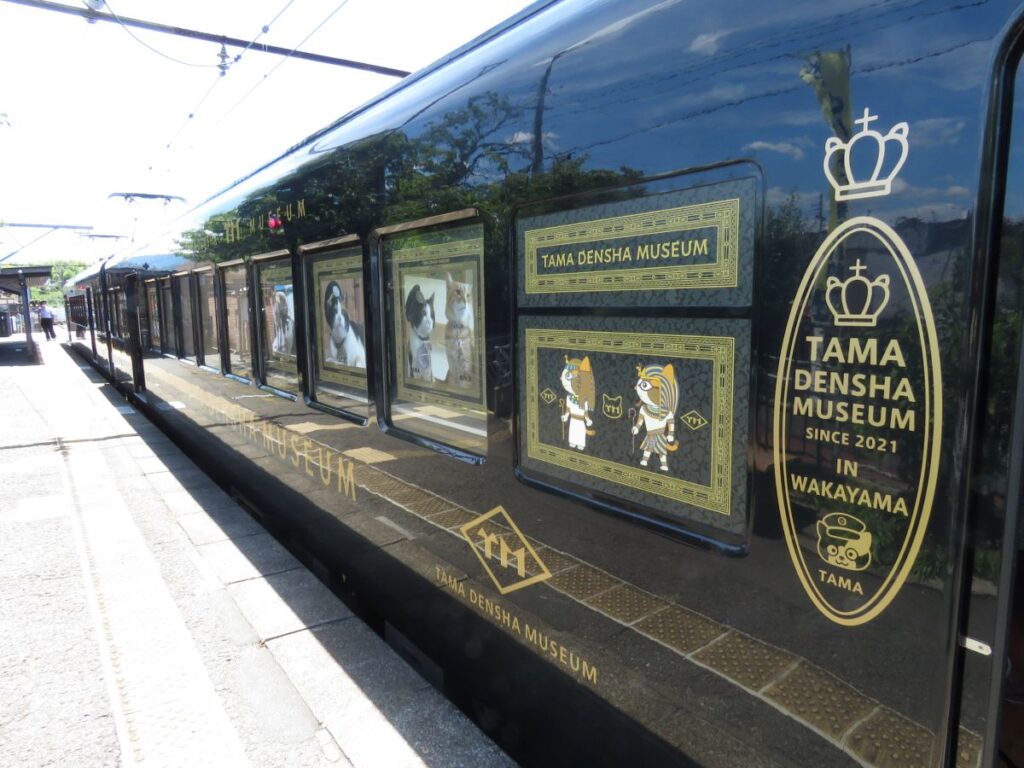
For a more local experience, consider a ride on the Kishigawa Line of the Wakayama Electric Railway.
The line connects Wakayama with the countryside around Kinokawa City. Its distinctive themed trains, including the Medetai Train, make the journey part of the experience.
Depending on the time available, travelers can enjoy a short train ride or explore the rural landscape beyond the city center.
This is a chance to experience a different side of Japan: not just the famous destinations, but the everyday railway connections that link local communities.
Related post
The Kishigawa Line: The Local Railway Saved by a Cat
Wakayama Ramen & Seafood: Taste the Region
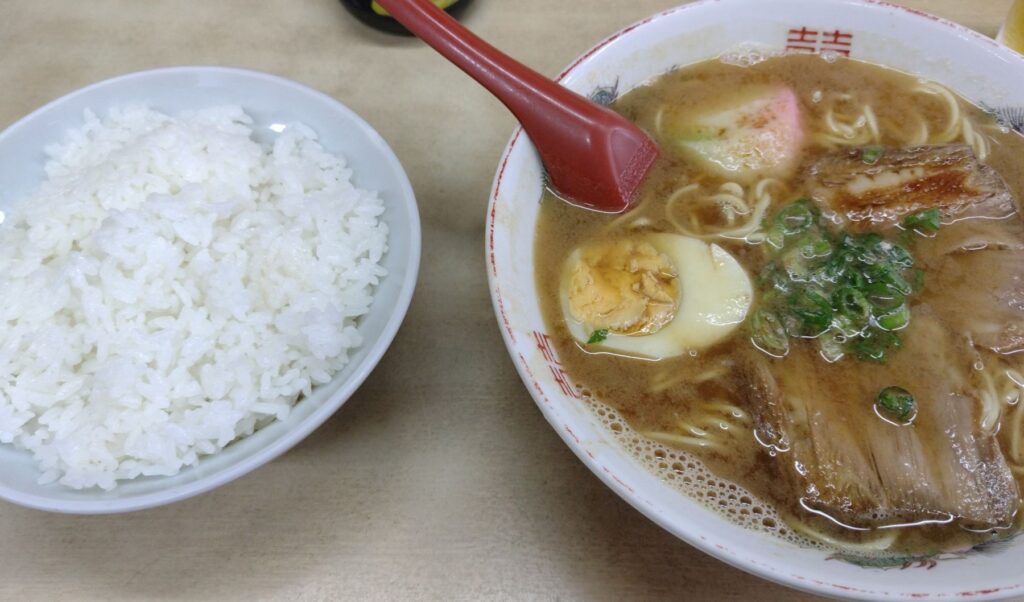
Wakayama’s food culture is another reason to spend time ashore.
Wakayama ramen, commonly associated with a pork-bone and soy-sauce-based broth, is one of the city’s best-known regional specialties.
Seafood offers another way to experience the region’s coastal identity. Depending on the restaurant and season, visitors may find fresh fish and other local seafood dishes.
Rather than simply choosing the most famous restaurant, travelers can enjoy discovering how the city’s food reflects its position between the sea, the surrounding countryside, and the wider Kii Peninsula.
Planning a Wakayama Port Day
A visit to Wakayama can combine several different experiences:
- A walk around Wakayama Castle and its surrounding historic area.
- A coastal excursion to Wakaura and the Saikazaki fishing village.
- A ride on the Kishigawa Line for a glimpse of rural Wakayama.
- A meal featuring Wakayama ramen or regional seafood.
The right combination depends on the ship’s schedule, the port’s actual berth, and available transportation.
For travelers who prefer a more personal experience, a private guided excursion can bring together local history, coastal scenery, food, and everyday culture in a single visit.
What to experience: Castle-town history, coastal landscapes, local railway culture, Wakayama ramen, and seafood.
Related post
Why Wakayama Ramen Is Different
How to Choose the Right Shore Excursion in Japan
Every cruise port offers a different balance of attractions, transportation, and local experiences.
Before choosing an excursion, consider three things:
1. How much time do you have ashore?
A short port call may be best suited to nearby attractions and local food. Longer calls can allow for more extensive excursions, but travel time should always be included.
2. What kind of experience are you looking for?
Some travelers want to visit famous landmarks. Others prefer regional cuisine, historic neighborhoods, nature, or encounters with local culture.
3. How much transportation is involved?
A destination that looks close on a map may require transfers, buses, or a substantial amount of walking. Check the actual berth and transportation arrangements rather than relying on the port’s general location.
For cruise travelers, a satisfying day ashore is not necessarily about seeing as many places as possible. It is about choosing an experience that fits the available time and offers a meaningful glimpse of the region.
Discover Japan One Port at a Time
From Hakodate’s seafood markets to Nagasaki’s international history, from Kagoshima’s volcanic landscapes to Wakayama’s castle town and sacred coast, Japan’s cruise ports reveal many different ways of living, eating, and relating to the landscape.
Each port offers its own story.
And sometimes, the most memorable part of a cruise is not the journey between destinations, but the few hours spent discovering the character of a place just beyond the harbor.
Explore Wakayama with a Local Guide
If your cruise calls at Wakayama, a privately guided experience can help you explore beyond the usual sightseeing route.
From Wakayama Castle and Wakaura to local food and the Kishigawa Line, a curated shore excursion can be shaped around your interests and the time available ashore.
Discover more: Wakayama Cruise Port Guide: Best Shore Excursions & Cultural Experiences
Related Posts
- Best Winter Hot Springs in Japan: 8 Onsen Towns for a Snowy Japanese Escape
- Best Satoyama Destinations in Japan: 7 Places for Hiking, Cycling & Slow Stays
- Beyond Tokyo and Kyoto: 6 Places to Experience a Different Japan
No responses yet