

Discover pilgrimage roads, mountain villages, island art, traditional crafts, and ancient forests beyond Japan’s famous cities
When people dream about visiting Japan, the journey often begins with Tokyo and Kyoto.
Tokyo offers neon-lit streets, contemporary culture, shopping, and an extraordinary urban energy. Kyoto offers temples, gardens, traditional architecture, and centuries of refined culture.
Both are remarkable.
But they are only two versions of Japan.
Beyond these famous cities lies another Japan — one of pilgrimage roads and fishing villages, remote mountain communities, island art, traditional craftsmanship, and forests that seem almost timeless.
If you want to experience a Japan that feels less like a checklist of famous sights and more like a journey into the country’s landscapes and local cultures, here are six places worth discovering.
1. Wakayama — Where Pilgrimage Meets Local Life
Experience: Pilgrimage, landscape, food & everyday life
For travelers looking for a different side of Japan, Wakayama may be one of the most rewarding places to explore.
Located south of Osaka on the Kii Peninsula, Wakayama is a place where mountains and the ocean are closely connected. Its landscapes have been shaped not only by nature, but also by centuries of pilgrimage, fishing, farming, religious practice, and local craftsmanship.
The most famous example is the Kumano Kodo, a network of ancient pilgrimage routes crossing the Kii Peninsula.
But the experience goes far beyond simply walking a trail.
You can walk through cedar forests toward ancient shrines, stay in small communities along the pilgrimage routes, soak in traditional hot springs, and eat food rooted in the region’s mountains and ocean.
Elsewhere in Wakayama, you can explore coastal towns such as Wakaura, discover the historic birthplace of Japanese soy sauce in Yuasa, visit fishing villages, taste locally produced ume and citrus, or explore traditional lacquerware in Kuroe.
This is a Japan where culture is often embedded in the landscape rather than displayed behind glass.
You may begin the day walking an old pilgrimage road and finish it eating local food in a small town.
That combination is what makes Wakayama different.
Related post:
Is Wakayama Worth Visiting? Hidden Culture Beyond Osaka and Kyoto
Why go?
Wakayama is particularly appealing if you want to:
- Walk through historic landscapes
- Experience Japanese pilgrimage culture
- Discover local food and fermentation traditions
- Visit fishing and farming communities
- Enjoy nature without giving up cultural experiences
- Slow down and spend several days in one region
Rather than asking, “What are the must-see sights in Wakayama?”, a better question is:
“How would you like to experience this part of Japan?”
You might walk, eat, cycle, visit temples and shrines, explore traditional towns, or simply spend time by the sea.
That flexibility makes Wakayama particularly well suited to travelers who have already experienced Japan’s major cities and want something deeper.
2. Naoshima & the Setouchi Islands — When Art Becomes Part of Island Life

Experience: Contemporary art, architecture & island life
What happens when an island becomes an art space?
In the Setouchi Inland Sea, the answer can be found on islands such as Naoshima.
Here, contemporary art is not confined to a conventional museum. Museums, sculptures, architecture, abandoned buildings, and even the surrounding landscape become part of the experience.
But Naoshima is interesting precisely because it remains an inhabited island.
You can move between art installations and small communities, ride a bicycle along quiet roads, look across the Inland Sea, and experience the contrast between contemporary architecture and traditional island life.
The result is very different from visiting a major museum in Tokyo.
The journey itself becomes part of the artwork.
Why go?
Choose the Setouchi islands if you are interested in:
- Contemporary art
- Architecture and design
- Photography
- Island landscapes
- Slow cycling
- Small communities and rural Japan
It is a particularly good choice for travelers who want to combine culture with scenery without spending their entire trip inside cities.
3. Iya Valley, Tokushima — A Journey into Remote Mountain Japan

Experience: Deep mountains, traditional villages & rural life
There is another Japan hidden deep in the mountains of Shikoku.
The Iya Valley is a dramatically mountainous region of steep valleys, forests, winding roads, and scattered settlements.
The landscape immediately changes the rhythm of travel.
Instead of moving between major attractions, you follow mountain roads, cross traditional vine bridges, explore small settlements, and discover how people adapted to an extraordinarily challenging environment.
The famous Kazurabashi bridge is an attraction in its own right, but the greater experience is simply being in a landscape where mountains still dominate everyday life.
Iya offers a glimpse into a rural Japan that is difficult to understand from Tokyo or Kyoto.
Here, geography is not just scenery.
It has shaped how people built houses, cultivated land, traveled, and organized their communities.
Why go?
Iya is ideal for travelers seeking:
- Mountain landscapes
- Traditional rural communities
- Hiking and outdoor experiences
- A quieter pace
- Japanese countryside beyond the major tourist routes
It is especially rewarding for travelers who enjoy understanding how people live in a particular landscape, rather than simply photographing it.
4. Kanazawa — Discover Japan Through Craft & Aesthetics

Experience: Craftsmanship, gardens, food & refined culture
Kanazawa is sometimes described as an alternative to Kyoto.
But it is more interesting to think of it on its own terms.
The city developed a sophisticated culture of craftsmanship, gardens, cuisine, tea, and traditional arts. Gold leaf, lacquerware, ceramics, textiles, and other crafts remain closely associated with the region.
A visit can therefore become an exploration of Japanese craftsmanship.
You can walk through historic districts, visit gardens, see artisans at work, taste regional cuisine, and discover how traditional aesthetics continue to influence contemporary life.
For travelers interested in Japanese design and craftsmanship, Kanazawa offers a different perspective from the monumental temples and famous gardens of Kyoto.
Why go?
Kanazawa is a particularly good choice for:
- Traditional Japanese crafts
- Architecture and gardens
- Food culture
- Tea culture
- Design and aesthetics
- Travelers interested in the relationship between art and everyday life
It also offers an interesting reminder that Japan’s traditional culture was never limited to Kyoto.
Different regions developed their own artistic languages.
5. Takayama & Hida — Discover the Culture of a Mountain Town

Experience: Historic townscapes, craftsmanship & mountain food
Takayama is another place where geography has shaped culture.
Surrounded by the mountains of central Japan, the historic town developed as a regional center for commerce and craftsmanship.
Its beautifully preserved streets are now popular with visitors, but the deeper appeal lies in the relationship between the town and the surrounding Hida region.
Traditional wooden buildings, sake breweries, morning markets, woodworking traditions, local festivals, and mountain cuisine all tell part of the story.
Rather than seeing Takayama simply as a collection of old buildings, look at it as a town created by people who lived and traded in a mountainous region.
Then the streets begin to make more sense.
Why go?
Takayama and Hida are ideal for travelers interested in:
- Traditional Japanese townscapes
- Local craftsmanship
- Sake and food culture
- Mountain communities
- Historic festivals
- Rural landscapes
It is also an excellent place to slow down after spending time in Japan’s larger cities.
6. Yakushima — Walk Through an Ancient Forest

Experience: Ancient forests, wilderness & island ecology
For a completely different experience, travel south to Yakushima.
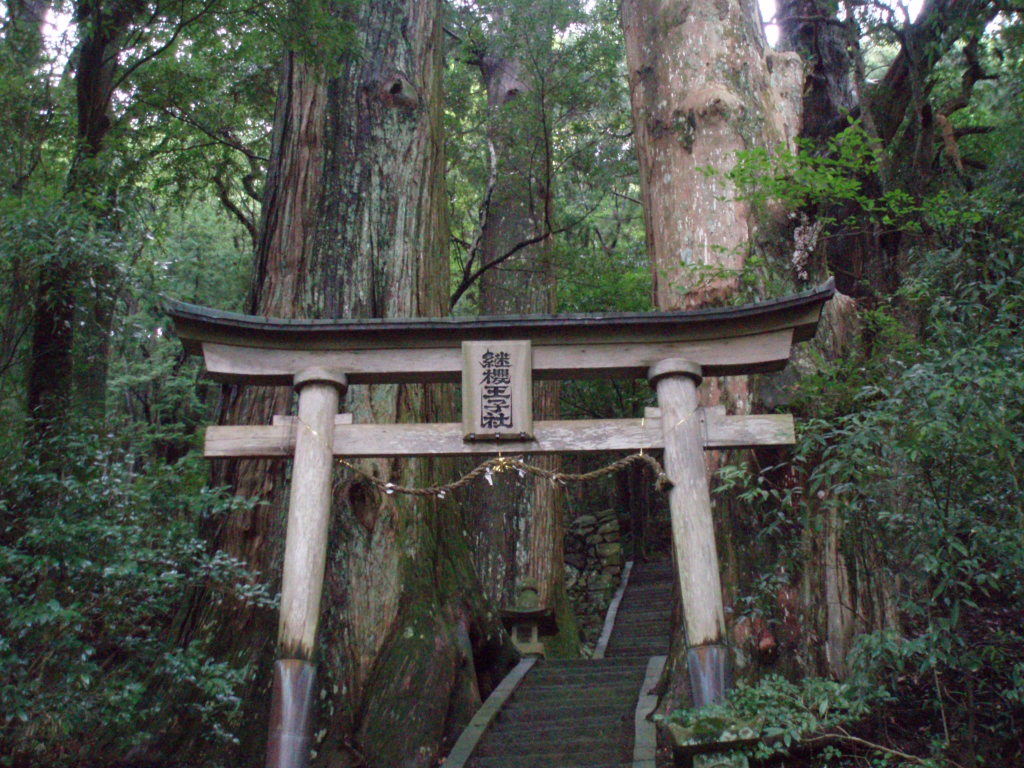
The island is famous for its ancient cedar trees and extraordinary forests, but what makes Yakushima special is the feeling of entering a different ecological world.
Mountains rise dramatically from the sea, creating a landscape of exceptional biodiversity.
Walking through the forest can feel very different from visiting a Japanese garden or temple.
There is no carefully framed view.
Instead, there are moss-covered rocks, streams, enormous trees, rain, mist, and constantly changing light.
The experience is physical as much as visual.
You walk into the forest rather than simply looking at it.
For travelers who want to understand Japan through its natural environment, Yakushima offers one of the country’s most powerful experiences.
Why go?
Yakushima is ideal for:
- Hiking
- Forests and wildlife
- Photography
- Outdoor adventure
- Ancient trees
- Travelers who want to experience Japan’s wilderness
It is the most nature-focused destination on this list.
Six Places, Six Different Japans
These six destinations show why it is difficult to describe Japan through Tokyo and Kyoto alone.
Each reveals a different relationship between people, landscape, and culture.
| Destination | A Different Japan |
|---|---|
| Wakayama | Pilgrimage, local life & coastal culture |
| Naoshima & Setouchi | Art, architecture & island life |
| Iya Valley | Remote mountains & rural communities |
| Kanazawa | Craftsmanship & refined aesthetics |
| Takayama & Hida | Mountain towns & traditional craftsmanship |
| Yakushima | Ancient forests & wilderness |
The important thing is that none of these places needs to replace Tokyo or Kyoto.
They complete the picture.
Tokyo shows you Japan’s extraordinary modern energy.
Kyoto reveals one of its great historical and cultural centers.
But travel beyond them, and you begin to see something else:
Japan as a collection of landscapes, communities, traditions, and ways of life.
Which One Should You Choose?
It depends on what kind of Japan you want to experience.
Want to walk through history?
→ Wakayama
Want art and architecture?
→ Naoshima & Setouchi
Want remote mountain Japan?
→ Iya Valley
Want traditional craftsmanship?
→ Kanazawa
Want a historic mountain town?
→ Takayama & Hida
Want ancient forests and wilderness?
→ Yakushima
And if you are looking for a destination where several of these elements come together — pilgrimage, mountains, ocean, food, traditional culture, and local life — Wakayama deserves a particularly close look.
It is not simply a place to add to a Japan itinerary.
It is a different way of experiencing Japan.
Related post:
10 Days in Wakayama: A Slow Travel Experience Beyond the Golden Route
No responses yet