
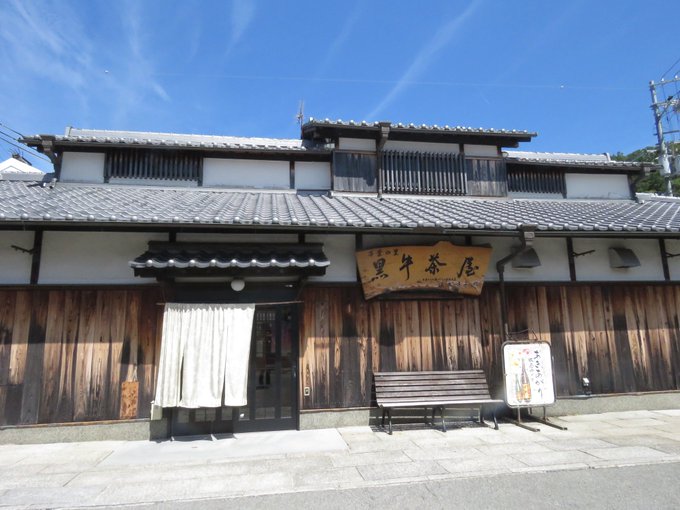
A Journey Through Local Spirits, Shrine Legends, and the Lacquerware Town of Kuroe
Many visitors to Japan associate sake tasting with famous regions such as Kyoto or Niigata.
But in Wakayama, one of the most memorable experiences can be found in the historic town of Kuroe, where local craftsmanship, spiritual traditions, and food culture come together.
Here, visitors can enjoy tasting flights of Wakayama’s sake and umeshu while exploring a town that has been producing lacquerware for centuries.
At the heart of this experience is Kuroushi (Black Bull), one of Wakayama’s best-known sake brands.
Enjoy Sake and Umeshu Tasting at Kuroushi Chaya
Located in the old lacquerware district of Kuroe, Kuroushi Chaya offers visitors the opportunity to sample various kinds of sake and umeshu produced by Meisyu Kuroushi.
For travelers unfamiliar with Japanese alcohol, tasting several styles side by side reveals how dramatically aromas and flavors can differ.
Depending on the season and availability, visitors may discover:
- Junmai sake with rich umami
- Fresh seasonal sake
- Aged varieties
- Umeshu made with Wakayama-grown plums
- Limited editions available only locally
Rather than simply drinking, the experience becomes a way to understand the agricultural and fermentation traditions that shape Wakayama.
Why Is It Called “Black Bull”?
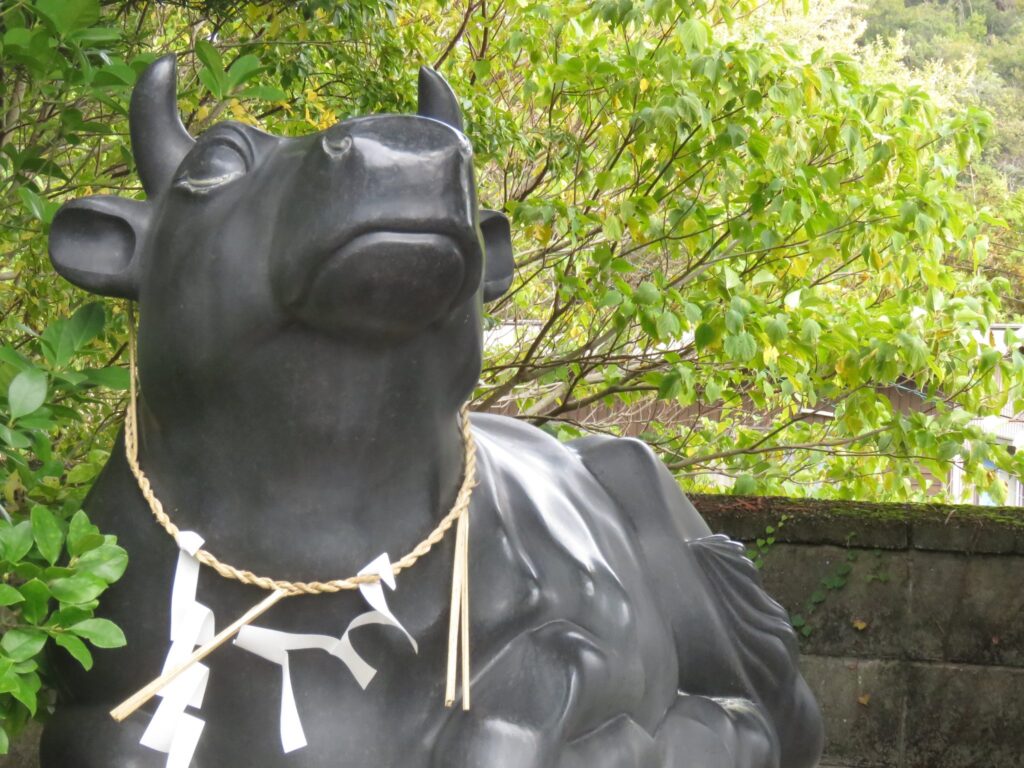
The name Kuroushi (Black Bull) does not come from the animal itself.
Its origin is deeply connected to the history of Kuroe.
Near the town stands Nakagoto Shrine, an ancient shrine whose sacred object is said to be associated with a black ox.
According to local tradition, the black ox became a symbol of protection and good fortune for the community.
Over time, the image of the black bull became closely linked with the identity of the area, eventually inspiring the name of the sake brand.
Today, the label continues to preserve this connection between local belief and everyday culture.
Visit Nakagoto Shrine
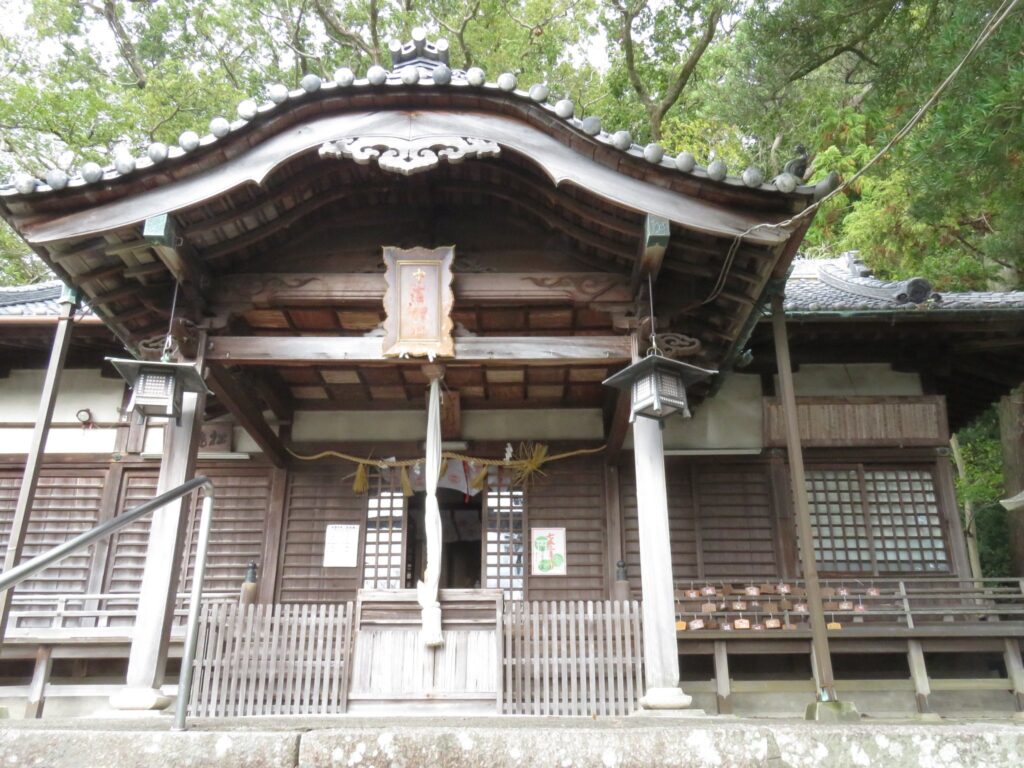
A short walk from the tasting area leads visitors to Nakagoto Shrine, a quiet shrine hidden within the historic neighborhood.
Unlike Japan’s large and famous shrines, Nakagoto Shrine reflects the intimate relationship between local communities and their traditions.
For centuries, people involved in trade and craftsmanship in Kuroe have lived alongside this shrine.
Visiting it provides a deeper understanding of the cultural background behind the name “Kuroushi.”
Explore the Historic Lacquerware Town of Kuroe
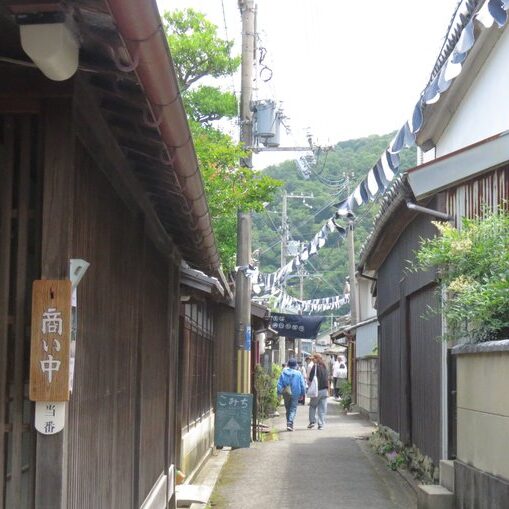
Long before modern factories, Kuroe developed as one of Japan’s important lacquerware production centers.
Even today, many traditional buildings survive along the streets.
Walking through Kuroe, visitors can discover:
- Historic merchant houses
- Traditional workshops
- Small cafés inside renovated buildings
- Shops selling Kishu lacquerware
- Quiet streets largely untouched by mass tourism
Unlike famous tourist districts, Kuroe offers a chance to experience everyday Japan at a slower pace.
More Than a Tasting Experience
What makes Kuroe special is that the experience does not end with a glass of sake.
Within walking distance, visitors can connect:
Local alcohol → Shrine traditions → Craft culture → Daily life
This layered experience reveals something essential about Wakayama.
Culture here is not separated into categories.
Food, faith, craftsmanship, and community have developed together over centuries.
A Hidden Cultural Stop Near Wakayama City
Located only a short distance from Wakayama City and easily combined with visits to Wakaura or the Kii Road, Kuroe offers a different side of Japan.
For travelers seeking experiences beyond crowded tourist destinations, an afternoon in Kuroe provides a chance to slow down, taste local flavors, and discover the stories hidden behind them.
Sometimes, understanding a place begins with a single cup of sake.
Explore Kuroe through my Curated Kii Peninsula Journey
Or Slow Living Stay.
Related Posts
- Omakase in Wakaura: A Curated Journey Through Local Taste and Landscape
- From Osaka to Kumano: The Journey Begins at Fujishiro Oji
- From Supermarket to Sake Bar: Eating Like a Local in Wakayama
No responses yet