
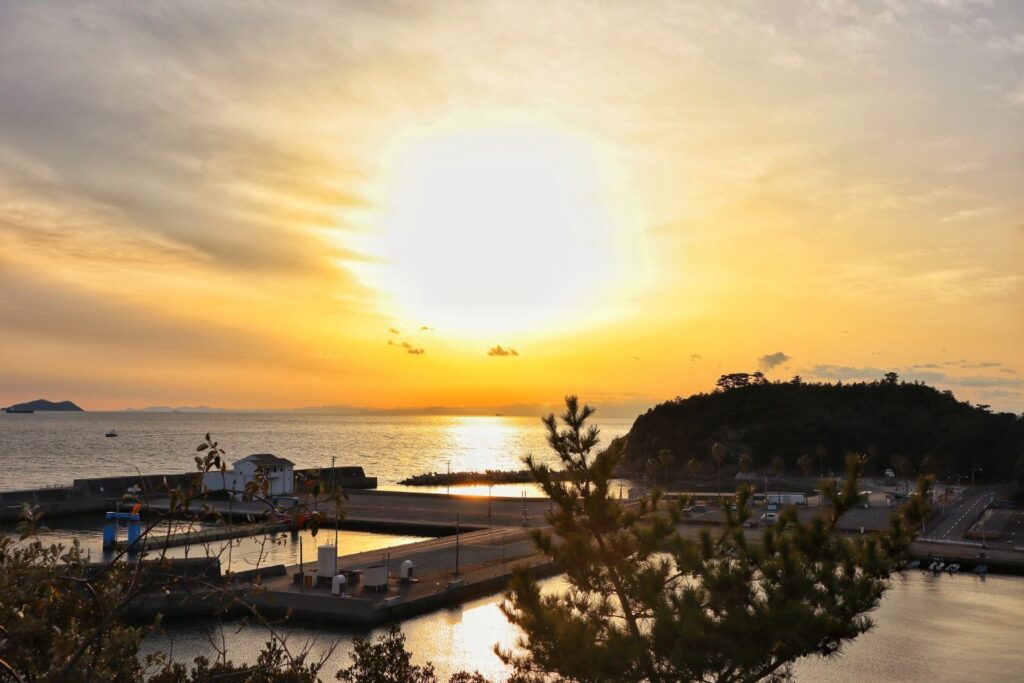
Japan is often presented through its most famous seasonal moments: cherry blossoms in Kyoto, autumn colors in Nikko, snow in Hokkaido, or summer festivals in Tokyo and Osaka.
But there is another way to experience the seasons.
Instead of traveling to Japan to see one spectacular moment, you can choose a place where the landscape, food, traditions, and everyday life change gradually throughout the year. Stay for several days. Walk without rushing. Eat what is in season. Follow a local road, river, coastline, or mountain path.
This is the idea behind a slow, seasonal journey in Japan.
Here are eight places where the changing seasons are not simply something to photograph, but part of the experience of being there.
1. Hokkaido — Wide Landscapes and the Rhythm of the Far North
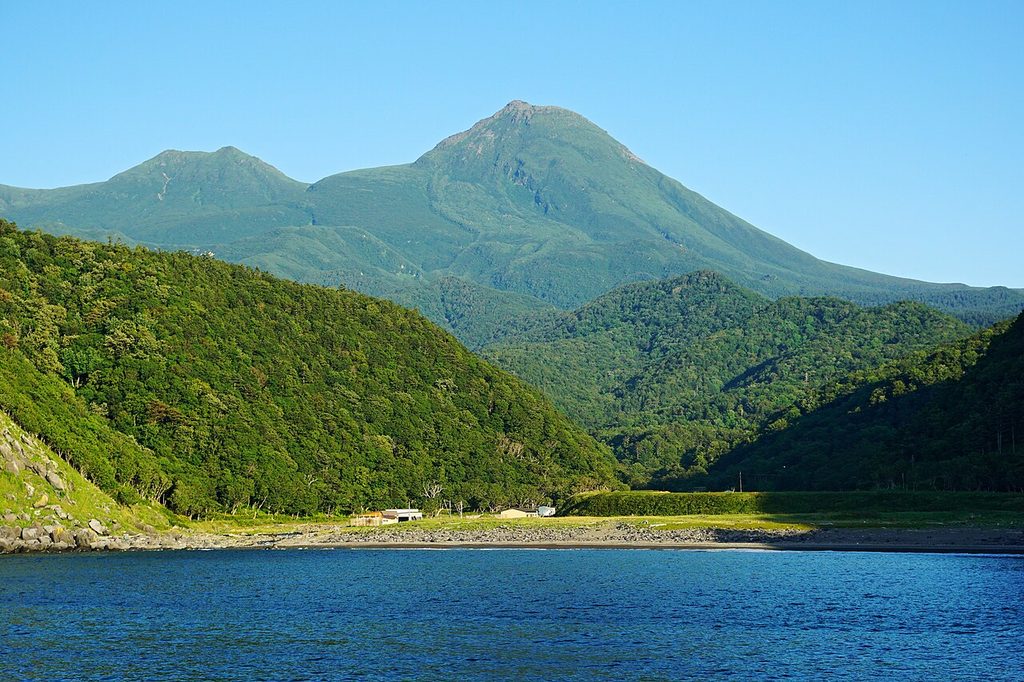
Hokkaido is one of the easiest places in Japan to feel the scale of the seasons.
Summer brings long days, green farmland, flowers, and outdoor activities. Autumn arrives with brilliant colors across the mountains, while winter transforms the landscape with deep snow and frozen rivers. Spring is shorter and more tentative, with the countryside gradually emerging from winter.
Rather than trying to cover the whole island, choose one region and stay for several nights.
Around Furano and Biei, for example, the landscape itself becomes part of the journey: farmland, rolling hills, small roads, local food, and changing light.
The experience is less about checking off attractions and more about watching a rural landscape change from morning to evening and from one season to another.
2. The Kiso Valley — Walking Through an Old Mountain Landscape
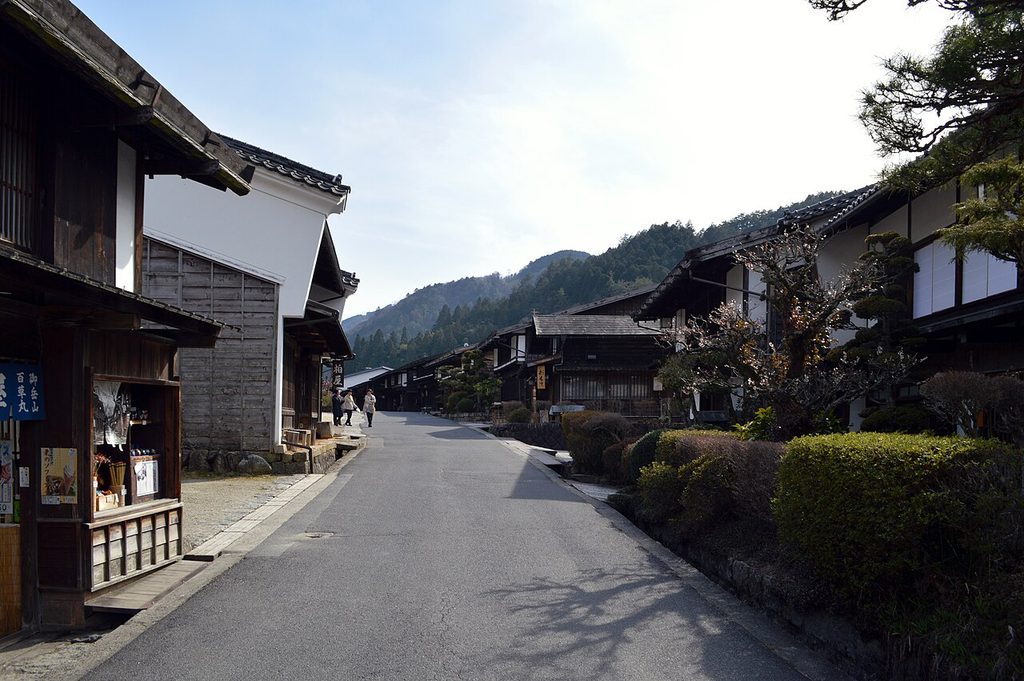
The Kiso Valley in central Japan is ideal for travelers who want to experience Japan slowly on foot.
The historic Nakasendo connected Kyoto and Edo, and sections of the old road can still be walked between mountain towns such as Magome and Tsumago.
Spring and autumn are particularly appealing for walking, while summer brings deep green forests and cooler mountain air.
The important thing is not simply the historic post towns themselves.
Walking between them allows travelers to experience the landscape that once shaped movement through the region: forests, streams, farmland, mountain settlements, and narrow roads.
A slow journey here can easily become a few days rather than a single day trip.
3. The Tango Peninsula — A Quieter Coastal Japan

On the Sea of Japan coast of Kyoto Prefecture lies a very different side of Kyoto.
The Tango Peninsula combines fishing villages, small ports, rice fields, beaches, and mountain landscapes. Its appeal changes with the seasons.
Summer is a natural time for exploring the coast, while autumn brings cooler walking conditions and changing colors. Winter is particularly interesting for travelers interested in seafood and the atmosphere of a Japanese coastal community.
Instead of treating the peninsula as a collection of sightseeing spots, stay in one village or small town and use it as a base.
Walk along the coast in the morning, eat locally caught seafood, visit a small shrine, and return to the same landscape at sunset.
That repetition is part of the experience.
4. Ohara and the Northern Countryside of Kyoto

Kyoto does not have to mean the crowded center of the city.
Travel north and the character of the landscape changes quickly. Around Ohara, mountains, temples, gardens, farms, and small settlements create a much slower environment.
Spring brings fresh greenery and flowers. Summer is lush and humid. Autumn transforms the surrounding mountains and temple gardens, while winter can bring a quiet, almost monochrome atmosphere.
The value of a place like Ohara is precisely that it allows travelers to experience the relationship between nature, agriculture, religion, and everyday life without leaving the wider Kyoto region.
For a traveler spending a week or more in Kansai, it can provide a completely different rhythm from central Kyoto.
5. Wakanoura, Wakayama — A Seasonal Journey Between Sea and Culture
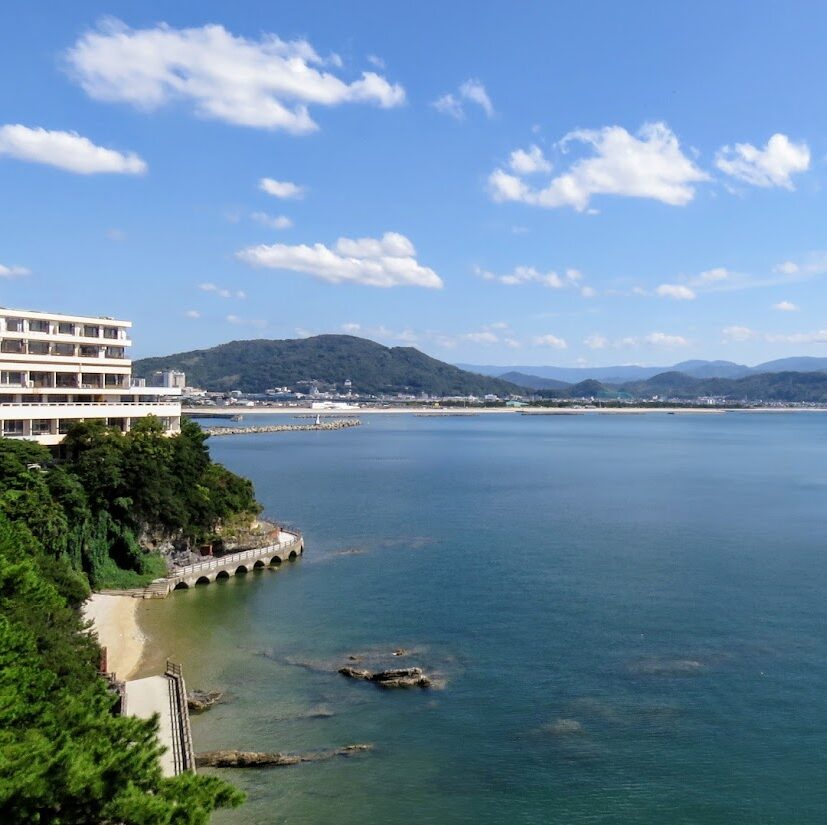
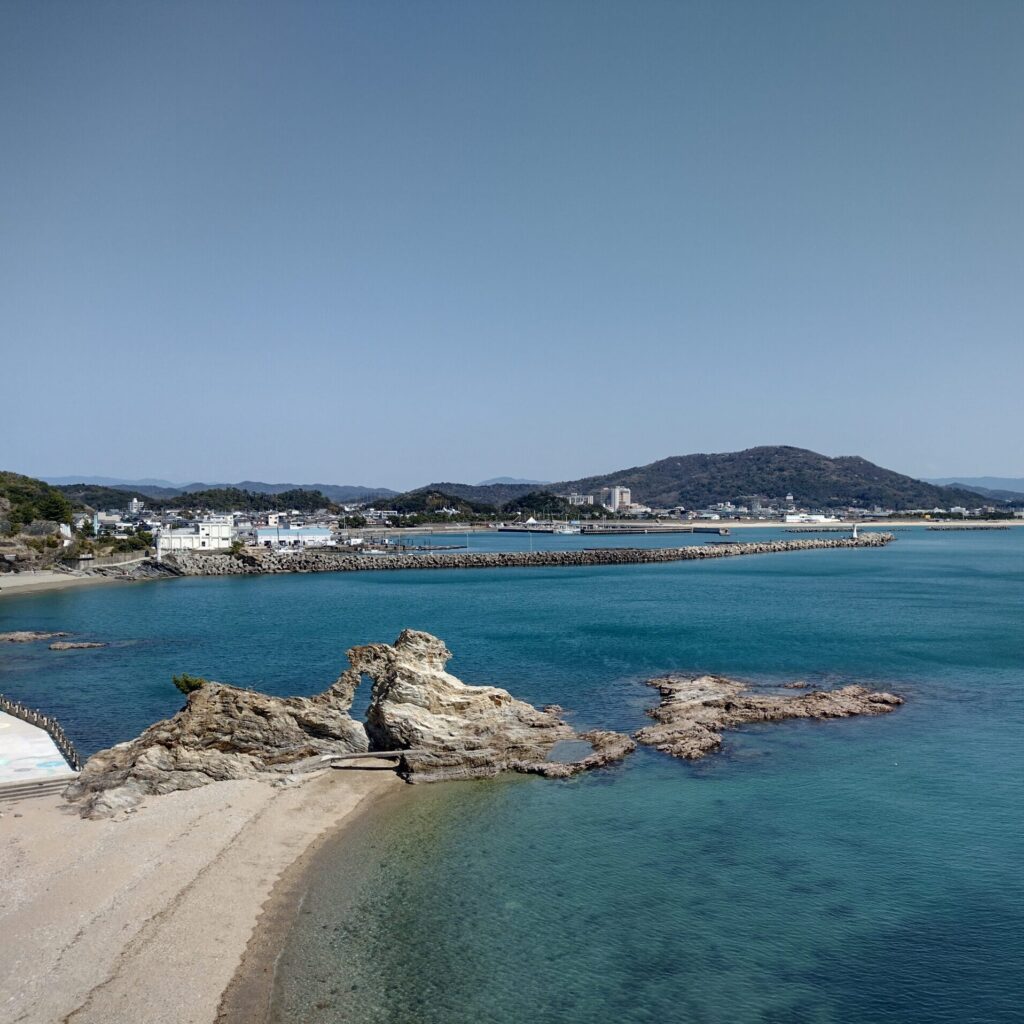
On the coast of Wakayama City, Wakanoura offers a particularly gentle form of slow travel.
The bay has long been associated with landscape, poetry, and cultural inspiration. Today, visitors can combine coastal walks with temples, traditional culture, local food, and time by the water. The area also offers marine activities for travelers who want to experience the bay more actively.
But Wakanoura is most interesting when you do not try to see everything at once.
Walk along the coast. Visit a shrine or temple. Stop for lunch. Spend time looking across the bay. Explore nearby neighborhoods and return later in the day when the light has changed.
Spring is particularly attractive for walking and flowers, while summer brings a stronger connection with the sea. Autumn is ideal for comfortable walks and landscape photography, and winter offers a quieter coastal atmosphere.
Wakanoura can therefore be experienced not as a single attraction, but as a landscape to return to.
It is also close enough to Wakayama City that travelers can combine coastal time with local restaurants, historic neighborhoods, gardens, and everyday city life.
For visitors who want to understand a quieter side of Japan without going deep into the countryside, this combination is particularly accessible.
Related post:
Sea, Faith, and Fishing Life in Wakaura
6. Ryujin, Wakayama — Forests, Hot Springs, and Mountain Time
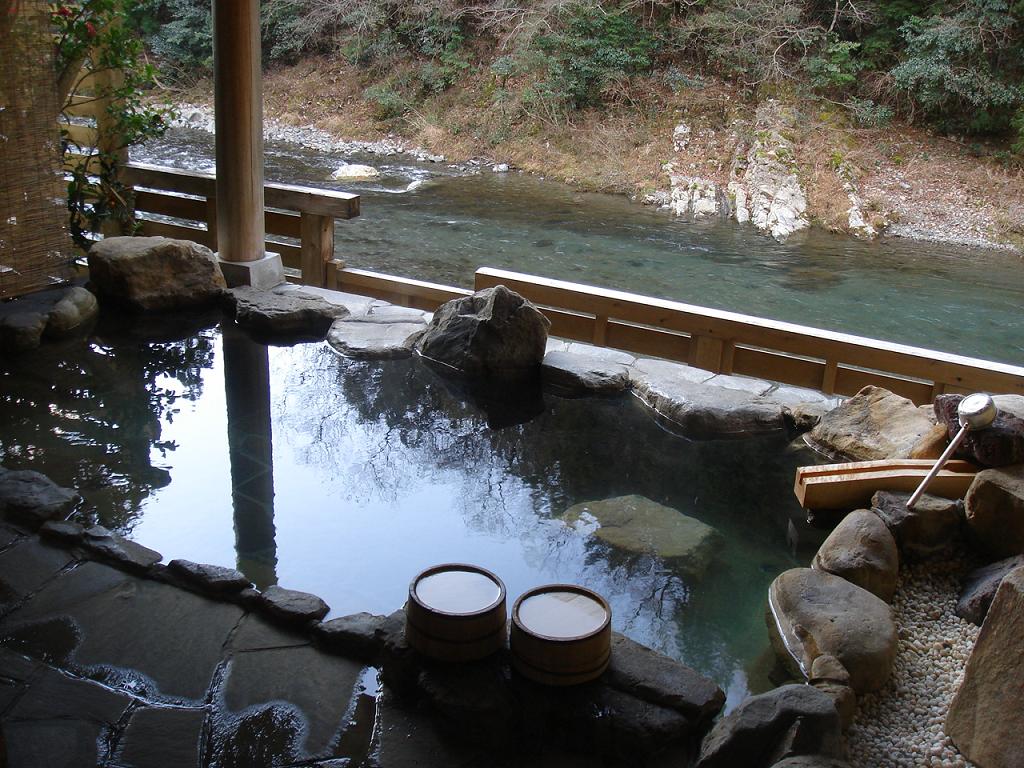
Deep in the mountains of Wakayama, Ryujin offers a completely different seasonal experience from the coast.
Ryujin Onsen is a traditional hot spring area along a mountain river, surrounded by forests. Visitors can stay at ryokan, enjoy the hot springs, walk through the surrounding landscape, and slow down for a few days.
The seasons are especially important here.
Summer brings cool mountain air and dense greenery. Autumn transforms the surrounding mountains with color, while winter creates a much quieter atmosphere around the hot spring village.
The nearby Koya-Ryujin Skyline is particularly known for its autumn foliage, with the colors typically reaching their peak from late October.
Ryujin works especially well as a place to do less.
A morning walk. A long bath. A local meal. Time beside the river. Perhaps another walk in the afternoon.
This is not a destination that needs to be filled with activities.
The mountain itself provides the rhythm.
Related post:
Best Winter Hot Springs in Japan: 8 Onsen Towns for a Snowy Japanese Escape
7. The Iya Valley — Living With the Mountains

Deep in Shikoku, the Iya Valley is one of Japan’s most atmospheric mountain regions.
Steep mountains, rivers, traditional settlements, old paths, and small-scale agriculture create a landscape where geography has strongly influenced how people live.
Spring and autumn are especially attractive for walking, while summer offers a greener and cooler mountain environment.
Rather than visiting only for a famous bridge or viewpoint, consider staying in the valley and exploring its smaller roads and villages.
A slow journey here is about understanding why houses, fields, roads, and settlements developed where they did.
The landscape becomes much more meaningful when you have time to move through it slowly.
Related post:
Best Satoyama Destinations in Japan: 7 Places for Hiking, Cycling & Slow Stays
8. Aso, Kyushu — Volcanoes, Grasslands, and Seasonal Landscapes
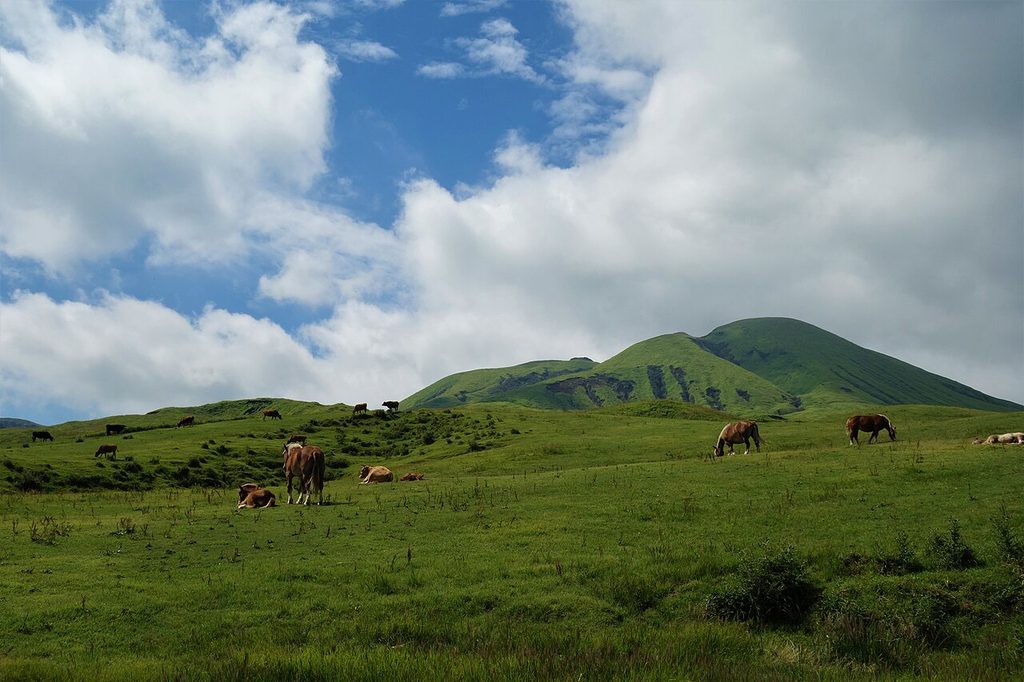
Aso offers one of the most unusual rural landscapes in Japan.
The enormous volcanic caldera contains grasslands, farms, villages, hot springs, and mountains. The landscape is open and expansive in a way that feels very different from the forested mountains found elsewhere in Japan.
The scenery changes throughout the year.
Fresh greenery appears in spring, summer brings expansive grasslands, and autumn brings warmer colors and clearer mountain views. Winter can reveal another, quieter side of the volcanic landscape.
Aso is particularly rewarding when combined with local food and hot springs rather than treated simply as a scenic viewpoint.
Spend several days moving slowly through the caldera, stopping at farms, small towns, walking routes, and onsen.
The journey becomes a way of understanding how people have lived with a powerful volcanic landscape.
Why Slow Travel Works Especially Well in Japan
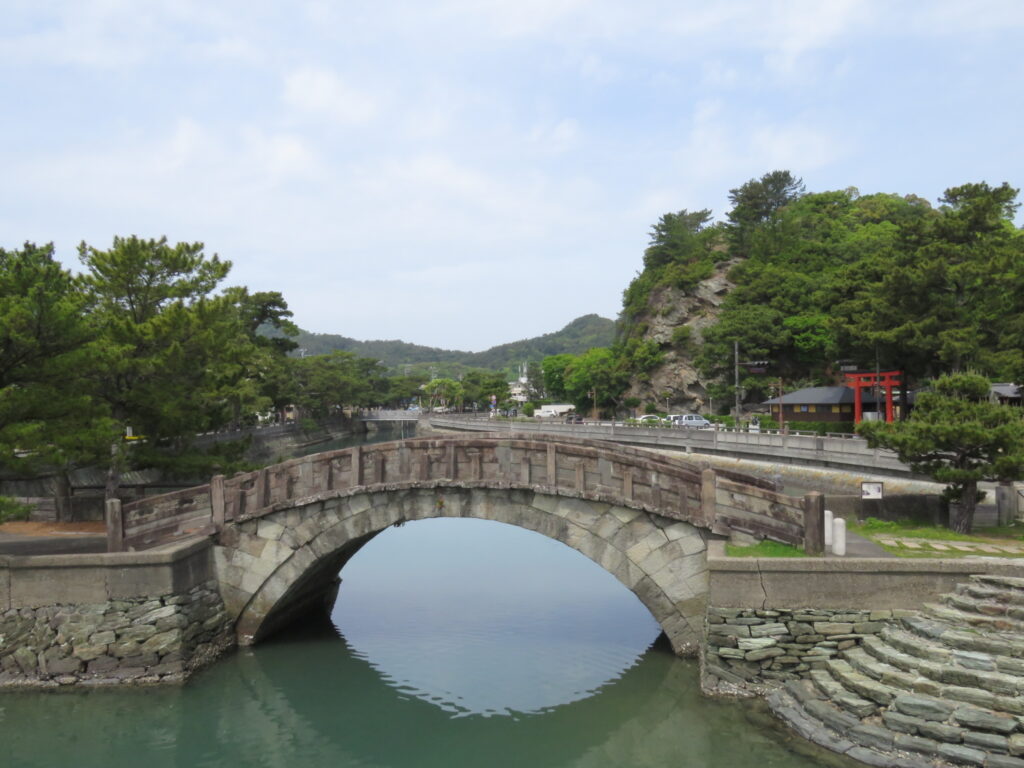
Japan’s seasons are often presented as spectacular events.
Cherry blossoms.
Autumn leaves.
Snow.
Summer festivals.
But the deeper experience is often found in what happens between those famous moments.
Fruit ripens.
Rice is planted and harvested.
Fishing changes with the season.
Mountain roads become green and then red.
Local dishes change.
Festivals return each year.
Hot springs feel different in winter than in summer.
These repeating patterns create a kind of rhythm that is easy to miss when traveling quickly.
This is why staying several nights in one region can reveal more than moving between several famous destinations.
You begin to notice not only what is there, but how the place changes.
Choosing a Place for Your Seasonal Journey
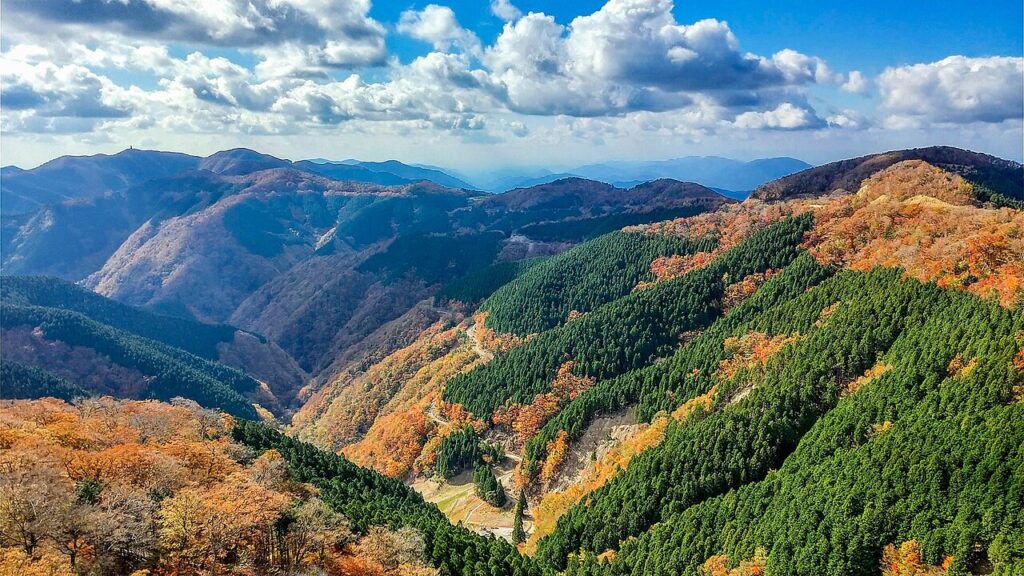
The best destination depends on what kind of rhythm you want.
If you want open landscapes and dramatic seasonal change, Hokkaido or Aso may suit you.
If you want walking and historic landscapes, the Kiso Valley is a natural choice.
If you want coastal life, Tango or Wakanoura offer a slower relationship with the sea.
If you want mountains and hot springs, Ryujin or the Iya Valley provide a very different pace.
And if you want to combine slow travel with a major cultural destination, the countryside around Kyoto offers an easy way to step outside the city’s busy center.
The key is not to ask, “How many places can I see?”
Instead, ask:
“Where would I enjoy spending several days, and what changes there with the seasons?”
That question leads to a very different kind of journey.
A Different Way to Experience Japan
Slow travel does not necessarily mean traveling far from the famous destinations.
Sometimes it simply means staying longer.
A coastline becomes more interesting when you walk it twice.
A mountain village becomes more meaningful when you wake there.
A local restaurant tells a different story when you return the following evening.
And a landscape becomes part of your journey when you have enough time to notice how light, weather, food, and daily life change around it.
Japan is a country of strong seasonal rhythms.
The most rewarding journey may be the one that gives those rhythms enough time to reveal themselves.
Check my Curated Kii Peninsula Journey for slow travel in Wakayama.
Related Posts
- Quiet Places Near Kansai Airport: 7 Slow Travel Destinations Beyond Osaka, Kyoto & Nara
- 10 Days in Wakayama: A Slow Travel Experience Beyond the Golden Route
- Why Wakayama Is One of Japan’s Best Destinations for Slow Travel
- Like Living in Wakayama: A Slow Travel Experience Beyond Japan’s Crowds
No responses yet