
Discover a Different Side of Japan Through Slow Travel and Local Life
When planning a trip to Japan, it is tempting to visit as many places as possible.
Three days in Tokyo. Two days in Kyoto. A night in Osaka. Then perhaps Hiroshima, Kanazawa, or the Japanese Alps.
Japan has so much to offer that spending several days in a single destination can feel like a missed opportunity. With an efficient railway network and countless famous attractions, moving from one city to another seems like the natural way to explore the country.
But what if you traveled differently?
What if, instead of asking how many places you could visit, you asked how well you could get to know one?
Staying in one place for several days—or even a few weeks—can reveal a side of Japan that is difficult to experience when every morning begins with packing your suitcase and heading to the next destination.
You begin to notice the rhythm of daily life. You discover how the landscape shapes local food, how history survives in ordinary streets, and how people continue traditions that rarely appear in guidebooks.
In this kind of travel, the destination is no longer simply a collection of attractions. It becomes a place to understand.
1. Japan Is More Than a Collection of Famous Destinations
Japan is often presented as a series of must-see places.
Travelers visit Kyoto for temples, Tokyo for urban culture, Hokkaido for nature, and Hiroshima for its history. Each destination has its own identity, and visiting several regions can provide a fascinating introduction to the country.
However, a destination’s character is not always revealed by its most famous attractions.
Consider Kyoto. You can visit its major temples, photograph traditional streets, and experience a tea ceremony in a single day. But understanding how religious institutions shaped the surrounding communities, how seasonal ingredients influence local cooking, or how traditional businesses have adapted to modern life requires a different kind of attention.
The same is true throughout Japan.
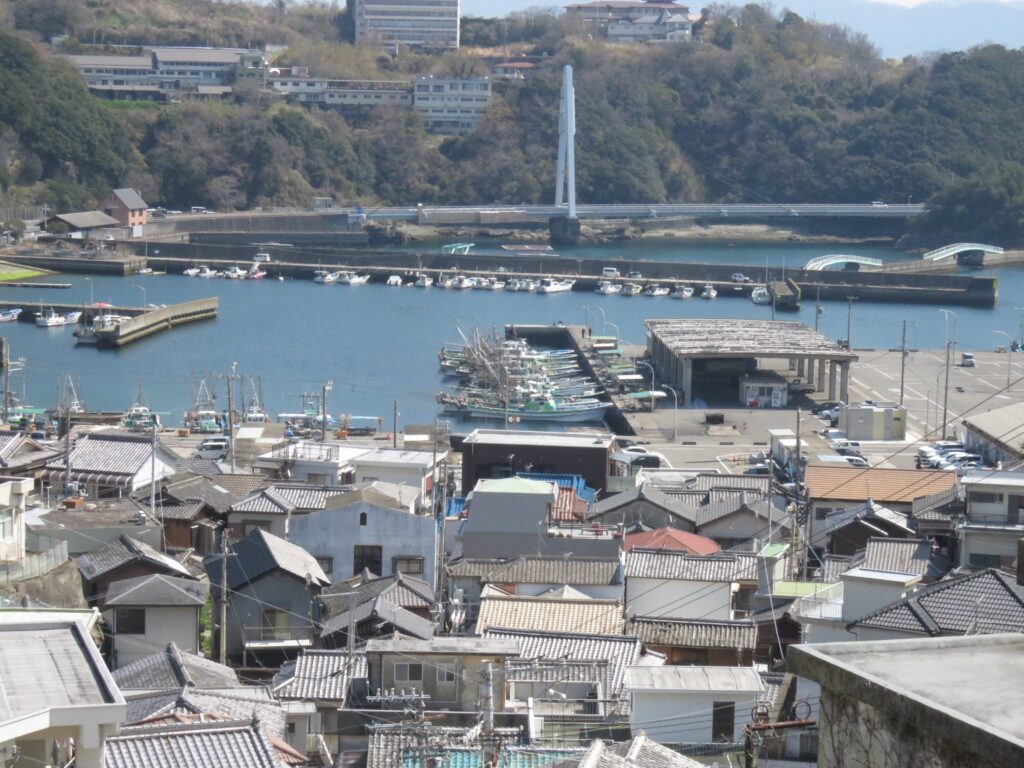
A fishing village is more than a scenic harbor. Its food culture reflects the sea, its architecture responds to the local environment, and its daily routines follow the rhythms of fishing and the seasons.
A historic town is more than a preserved street. Its development may be connected to trade routes, religious pilgrimages, local industries, or the movement of goods between coastal communities and inland regions.
These connections are easier to discover when you have time to explore beyond the main attractions.
The longer you stay, the more opportunities you have to understand the relationships between a place, its people, and their way of life.
2. What Changes When You Stay for Several Days?
The first day in a new destination is often spent getting oriented.
You learn how to use local transportation, find somewhere to eat, and visit the places you planned to see. Your attention is focused on practical details and unfamiliar surroundings.
By the second or third day, something begins to change.
You recognize the streets around your accommodation. You know which station exit to use. You may return to a café you enjoyed the previous morning or discover a small restaurant that was not mentioned in your guidebook.
These experiences may seem ordinary, but they create a different relationship with a destination.
Instead of constantly reacting to new surroundings, you begin to feel comfortable enough to explore without a fixed plan.
Perhaps you notice a local market on your way to a historical site. You discover that a temple is connected to a nearby pilgrimage route. A conversation about a regional dish leads you to learn about the area’s agricultural history.
One discovery creates another.
This is one of the most rewarding aspects of slow travel: you have time to follow your curiosity rather than simply complete an itinerary.
You do not need to abandon sightseeing or spend every day doing nothing. You can still visit important cultural sites, explore nature, and enjoy memorable meals.
The difference is that these activities become part of a more relaxed and connected experience.
3. Discover the Connections Between Food, Landscape, and Local Culture
Food is one of the easiest ways to begin understanding a place.
Yet regional cuisine often makes more sense when you explore the landscape and history behind it.
In coastal communities, the availability of seafood influences local cooking traditions. In agricultural areas, seasonal harvests shape what appears on restaurant menus and at local markets. In historic trading towns, ingredients and techniques may reflect centuries of exchange with other regions.
These relationships are especially interesting in Japan, where regional food cultures can vary considerably over relatively short distances.
Follow the Story of Shoyu Soy Sauce in Yuasa
In Wakayama Prefecture, the historic town of Yuasa offers an example of how a familiar ingredient can lead to a deeper understanding of a place.
Yuasa is widely associated with the development of Japanese soy sauce, or shoyu. Its traditional brewing culture is connected to the history of fermented foods and the movement of ingredients and techniques through the Kii Peninsula.
Walking through the old town, you can explore historic streets and traditional buildings while considering how a regional industry developed and why it became part of the town’s identity.
The experience becomes even richer when you look beyond the breweries themselves.
How did the town’s location influence commerce? What role did fermentation play in regional food culture? How did a product made in one community become an essential part of Japanese cooking?
These questions connect an everyday seasoning to a much larger story about geography, technology, trade, and taste.
Rather than treating Yuasa as a quick stop on the way to another destination, staying nearby or allowing sufficient time for exploration gives you an opportunity to appreciate these connections.
Related post: Yuasa Travel Guide: Discover the Birthplace of Shoyu Soy Sauce
Experience a Fishing Village Beyond the View
The same approach works in fishing communities such as Saikazaki in Wakayama City.
From a scenic viewpoint, a fishing village may appear to be a picturesque collection of houses overlooking the sea. But its deeper character emerges when you look at the relationship between the harbor, the surrounding landscape, local livelihoods, and food.
The shape of the coastline influences where people live and work. The fishing industry affects the availability of seafood. The rhythm of daily life is connected to weather, tides, and the practical demands of working at sea.
A walk through the community, followed by a meal featuring local seafood, can reveal more than a photograph of the harbor ever could.
You begin to see the landscape not merely as scenery, but as a place where people have built their lives.
This is the difference between visiting a place and beginning to understand it.
Related post: Saikazaki Fishing Village: Discover Wakayama’s Hidden Coastal Gem
4. Let Nature Become Part of Your Daily Rhythm
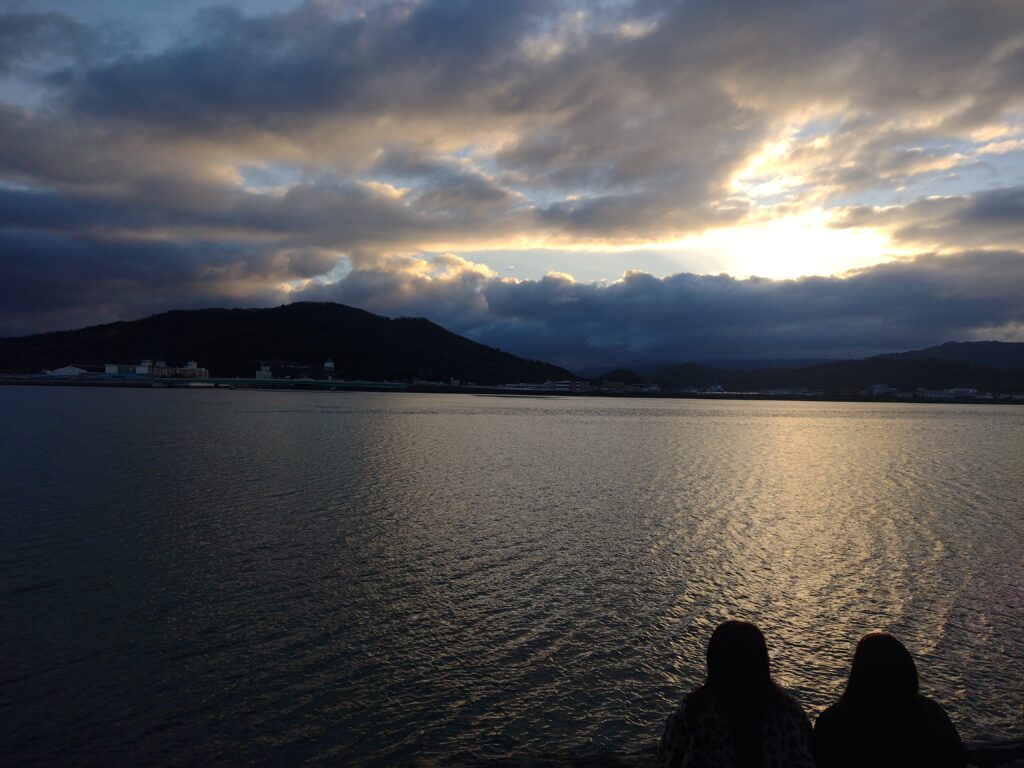
Slow travel is not limited to historic towns, food, or cultural experiences.
It can also change the way you experience nature.
When travelers visit a famous natural attraction on a tight schedule, the goal is often to reach a particular viewpoint, complete a hike, or take photographs before moving on.
There is nothing wrong with this. Some landscapes deserve to be seen even when time is limited.
But staying longer allows you to experience the surrounding environment in different ways.
You might take a short walk in the morning, spend the afternoon exploring a nearby town, and return to the coast in the evening. On another day, you could follow a forest trail, visit a local hot spring, or simply enjoy a slower morning before deciding what to do.
The same landscape can feel different depending on the weather, the season, and the time of day.
A coastal path is not just a route between two points. It can become part of your daily routine. A mountain trail can offer both physical activity and an opportunity to understand the relationship between communities and their surrounding environment.
Walk Beyond the Main Pilgrimage Route
Wakayama is particularly interesting for travelers who enjoy walking.
The prefecture is home to the Kumano Kodo pilgrimage routes and Koyasan, both internationally recognized destinations associated with Japan’s religious heritage.
Yet the experience of walking in Wakayama does not have to begin and end with its most famous routes.
The historic Kiiji route, which formed part of the wider pilgrimage network leading toward Kumano, passes through communities where religious history, local landscapes, and everyday life remain closely connected.
Around Kainan and Yuasa, walking can be combined with visits to historic settlements, coastal scenery, local food, and traditional industries.
This creates an alternative to the idea that a walking holiday must be devoted exclusively to hiking.
You can spend part of the day on a trail and the rest exploring the culture that developed around it.
For travelers who enjoy walking but also want to understand the places they pass through, this combination offers a more varied and rewarding way to experience the region.
Related post: Beyond the Kumano Kodo: Life Along the Ancient Kiiji Road
5. Find Cultural Experiences Outside Japan’s Best-Known Cities
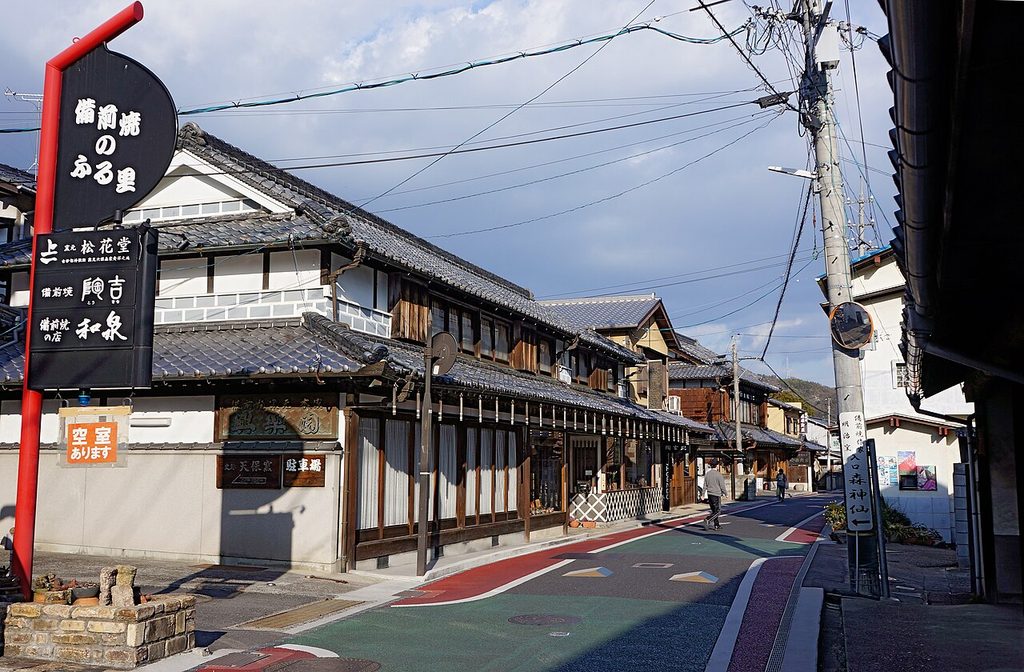
Kyoto and Tokyo offer extraordinary opportunities to experience Japanese culture. Their museums, temples, restaurants, workshops, and cultural institutions deserve their reputations.
However, many traditional activities are not exclusive to these major destinations.
You can explore Japanese crafts, learn about regional food traditions, experience traditional performing arts, and participate in cultural workshops in smaller cities and rural communities.
In Wakayama, for example, visitors may be able to experience activities such as:
- Traditional Japanese crafts: Discover lacquerware, paper-making, and other regional craft traditions.
- Japanese performing arts: Experience activities such as wadaiko drumming or traditional swordsmanship, depending on local availability.
- Food culture: Learn about fermentation, regional ingredients, and the traditions behind local dishes.
- Tea and traditional arts: Explore tea culture, calligraphy, flower arrangement, or other cultural activities offered by local practitioners.
- Historic town walks: Learn how trade, pilgrimage, religion, and local industries shaped the development of regional communities.
Availability varies by location, date, and provider, so some experiences require advance arrangements.
The important point is not that these activities are necessarily better than their equivalents in larger cities.
It is that they can take on a different meaning when experienced within the communities and landscapes where local traditions have developed.
A craft workshop becomes more interesting when you understand the role of the craft in everyday life. A regional dish becomes more memorable when you learn about the ingredients and the people who produce them.
Culture is not only something preserved in museums. It is also something practiced, adapted, and passed on through everyday life.
Related post: Traditional Crafts to Experience in Japan: 7 Hands-On Experiences Beyond the Tourist Trail
6. Why Smaller Regional Cities Can Be Ideal for Slow Travel
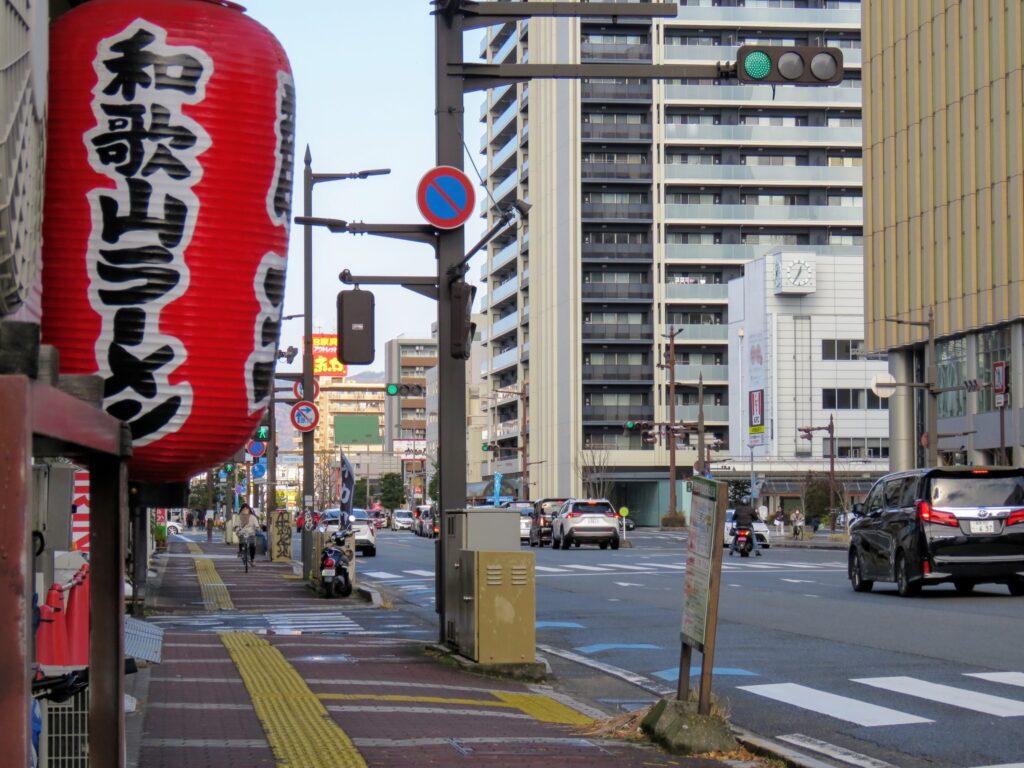
A major city can be an excellent base for exploring a large metropolitan area. But travelers interested in local culture, nature, and a slower pace may find that smaller regional cities offer a different kind of convenience.
A well-chosen base can provide access to several kinds of experiences without requiring a change of accommodation every night.
In Wakayama City, for example, travelers can explore the historic castle town, visit the coastal landscape of Wakaura, discover the fishing community of Saikazaki, and take excursions to other parts of the prefecture.
The city also offers access to wider Kansai travel networks, making it possible to combine a quieter stay with visits to major destinations elsewhere in the region.
Farther south and east, other parts of Wakayama offer different possibilities.
Yuasa is associated with traditional soy sauce brewing and historic townscapes. Koyasan offers a distinctive mountain environment shaped by Buddhist institutions and pilgrimage. The Kumano region combines forest landscapes, religious heritage, and long-established routes of travel.
These destinations are not interchangeable. Each has its own character, and some journeys between them require careful planning.
That is precisely why choosing a base around your interests can be more rewarding than attempting to cover the entire prefecture in a few days.
You can spend enough time in one area to understand it, then move to another when you are ready.
Slow travel does not mean staying in one place forever. It means giving each place enough time to become more than a name on your itinerary.
Related post: 3 Days in Wakayama City: A Slow Journey Through Castle, Coast & Local Life
7. How Long Should You Stay in One Place in Japan?
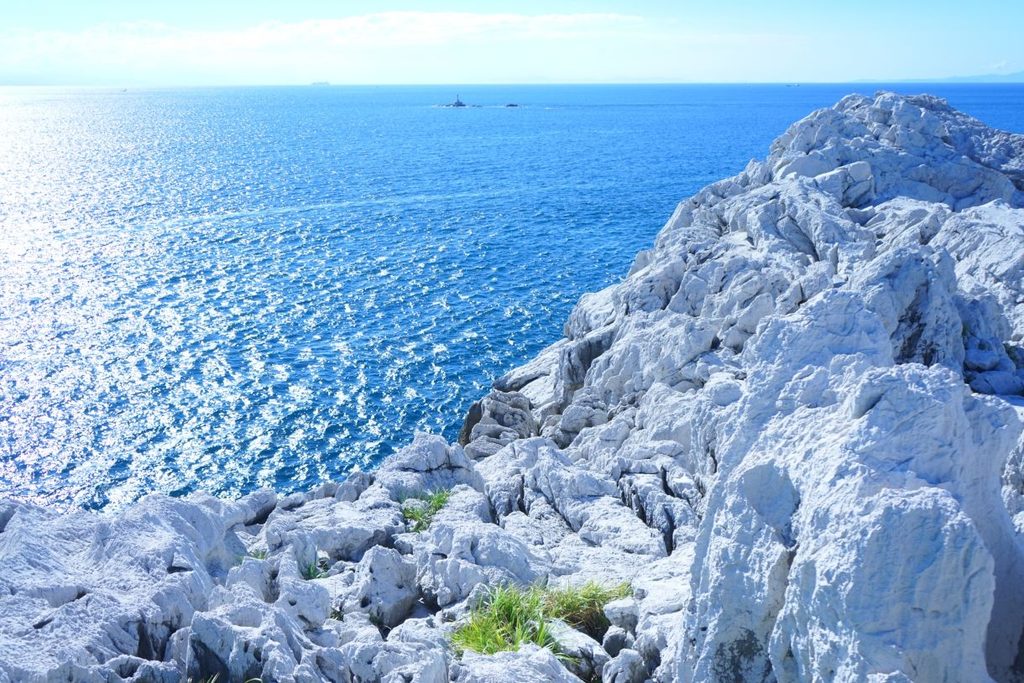
There is no single ideal length of stay. The right amount of time depends on your interests, travel style, and the kind of experience you want.
However, the following approaches can help you plan.
Two or Three Nights: A More Relaxed Short Stay
Even a short stay can feel different when you avoid changing hotels every night.
Choose one base and explore its surroundings at a comfortable pace. Visit the main attractions, but leave room for a local meal, a walk through an unfamiliar neighborhood, or an activity that takes longer than expected.
For example, a few nights in Wakayama City could combine the castle town, Wakaura’s coastal landscape, and local food culture.
This approach works well for travelers who have limited time but want to experience more than the major sights.
Four to Seven Nights: Explore a Region in Greater Depth
With four to seven nights, you can begin to connect different aspects of a region.
You might combine walking and cultural experiences with visits to historic towns, local producers, coastal communities, or natural landscapes.
You also have more flexibility to respond to weather and personal interests.
If you discover that you particularly enjoy a local craft, a certain style of food, or a particular walking route, you can spend more time exploring it instead of moving on according to a predetermined schedule.
For many travelers, this is a practical balance between variety and depth.
Two Weeks or Longer: Experience Everyday Life
A stay of two weeks or more creates opportunities for a different relationship with a destination.
Instead of planning every day as an excursion, you can establish a routine.
You might walk in the morning, visit a local market, spend time in a café, explore a nearby town, or take occasional trips to more distant areas.
Some days can be active. Others can remain largely unplanned.
Over time, familiar places begin to feel different. You may notice seasonal changes, recognize the rhythm of a neighborhood, or develop a clearer understanding of how local people use the spaces around them.
This kind of stay is especially appealing to travelers interested in cultural immersion, creative projects, wellness, or simply experiencing Japan at a less hurried pace.
It does not require you to pretend to be a local. You remain a visitor, but one with enough time to look beyond the usual visitor experience.
8. Slow Travel Does Not Mean Doing Less
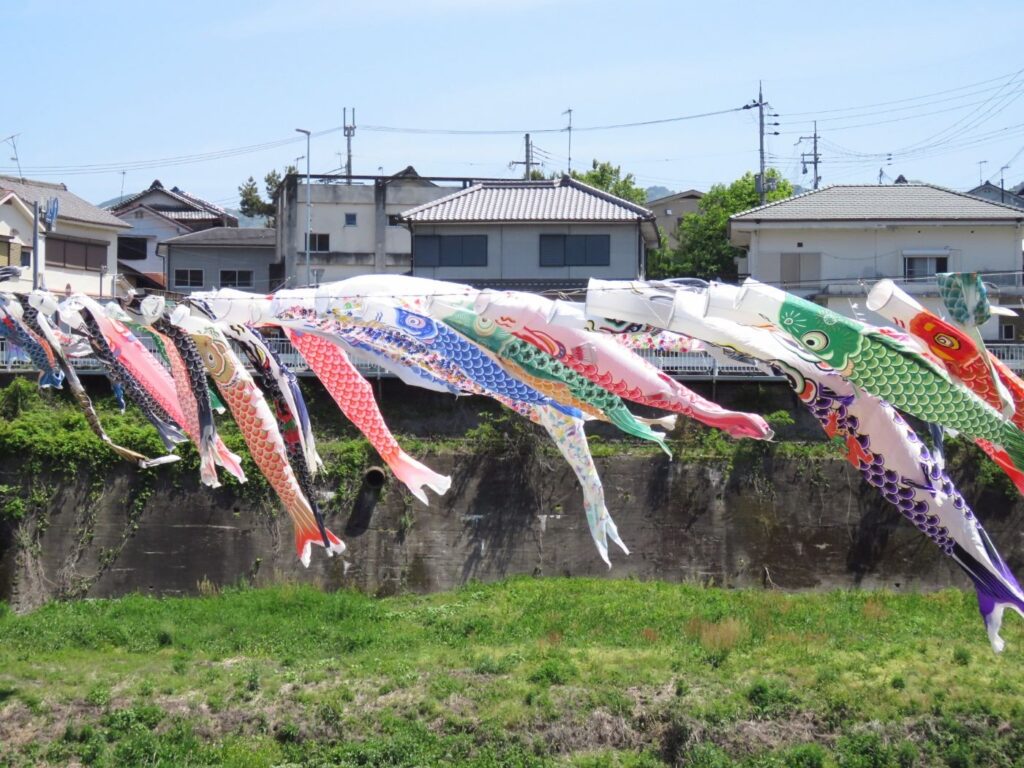
One common misunderstanding is that slow travel means spending an entire holiday sitting in one place.
In reality, a slower itinerary can contain a wide range of activities.
You can hike, cycle, visit temples, explore gardens, take part in workshops, discover local restaurants, and learn about regional history.
The difference lies in how these activities are connected.
Instead of rushing from one attraction to another, you give yourself time to understand what you encounter. You can follow a historical theme across several locations, explore the relationship between food and landscape, or combine an outdoor activity with a visit to the community around it.
A day might include a morning walk along a pilgrimage route, lunch featuring regional ingredients, and an afternoon exploring a historic town.
Another day might involve nothing more ambitious than visiting a market, enjoying a long lunch, and walking along the coast.
Both can be valuable parts of the same journey.
The goal is not to minimize activity. It is to make your time feel less fragmented.
This is particularly important in a country as culturally varied as Japan, where a single region can contain centuries of history, distinctive food traditions, changing landscapes, and communities with very different ways of life.
You do not need to see everything.
You need enough time to discover what interests you.
9. How to Plan a Slow Travel Experience in Japan
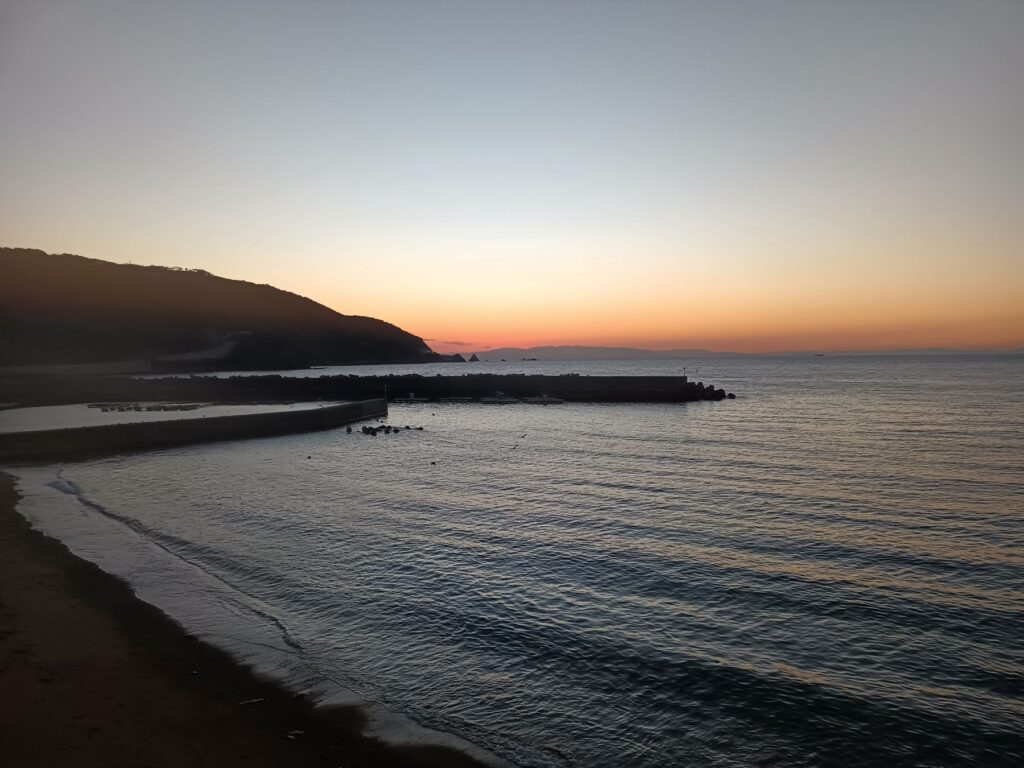
If you want to spend more time in one place, a few practical decisions can make the experience more rewarding.
Choose a Base for Its Surroundings, Not Just Its Main Attraction
A destination does not need to have dozens of famous sights to be a good place to stay.
Instead, consider what you can experience within a reasonable distance.
Are there walking routes, historic neighborhoods, local food traditions, craft workshops, coastal landscapes, or rural communities nearby?
Can you spend several days exploring different aspects of the region without repeating the same experience?
A place with a variety of cultural and natural environments may be more suitable for a longer stay than a destination whose appeal is concentrated in a single attraction.
Plan a Few Anchors, Not Every Hour
Choose a small number of experiences that matter most to you.
These might include a guided walk, a temple visit, a food-related experience, or a workshop with a local practitioner.
Arrange these in advance when necessary, then leave space around them.
Unstructured time is not wasted time. It gives you the flexibility to explore a place at your own pace.
Consider Local Transportation
Japan’s public transportation network makes independent travel possible in many regions, but rural areas can require more planning than major cities.
Train services may be less frequent, and some attractions are difficult to reach without a bus, bicycle, or other local transportation.
Before choosing your base, check the connections between the places you want to visit.
A well-planned stay can reduce unnecessary transfers while still allowing you to explore beyond the immediate neighborhood.
Look for Connections Between Experiences
Rather than collecting unrelated activities, consider what connects them.
If you are interested in Japanese food, explore the ingredients, producers, and landscapes behind regional cuisine.
If you enjoy hiking, learn about the history of the routes and the communities that developed around them.
If traditional crafts interest you, look at how local industries shaped the town and how artisans continue their work today.
These connections create a more coherent experience and often lead to discoveries you would not have anticipated.
Leave Room for the Unexpected
Perhaps the most important advice is also the simplest: do not plan every moment.
A conversation, an interesting side street, an unexpected seasonal dish, or a change in the weather may lead you somewhere worthwhile.
The freedom to follow these small discoveries is one of the greatest advantages of staying longer.
10. Why Wakayama Is Worth Exploring Slowly

Wakayama, on the Kii Peninsula south of Osaka, offers an interesting setting for travelers who want to experience Japan beyond its best-known urban destinations.
Its appeal is not limited to any single attraction.
The prefecture brings together sacred mountains, pilgrimage routes, coastal communities, historic towns, traditional food industries, forests, agricultural landscapes, and a range of local cultural practices.
These elements can be explored separately, but they become more meaningful when you have time to understand their relationships.
At Koyasan, the religious landscape invites you to consider how Buddhist institutions shaped life in the mountains.
Along the Kumano Kodo, walking connects you with a network of routes through landscapes that have drawn pilgrims for centuries.
In Yuasa, the history of soy sauce brewing offers a way to explore the relationship between food, commerce, and place.
In Wakaura and Saikazaki, the coast provides a different perspective on the relationship between landscape, local livelihoods, and regional food culture.
Elsewhere, traditional craft industries, agricultural communities, and historic roads reveal other dimensions of life in the prefecture.
Wakayama is also accessible from the wider Kansai region, including Osaka and Kansai International Airport. Depending on your itinerary, it can be incorporated into a broader trip through western Japan or become the focus of a longer stay.
The key is to resist the temptation to treat every location as a quick stop.
A few days exploring one area may reveal more about its character than a rushed itinerary covering the entire prefecture.
And if you have more time, you can gradually expand your journey, discovering how different parts of Wakayama are connected by history, landscape, food, and everyday life.
11. Travel at the Rhythm of the Place
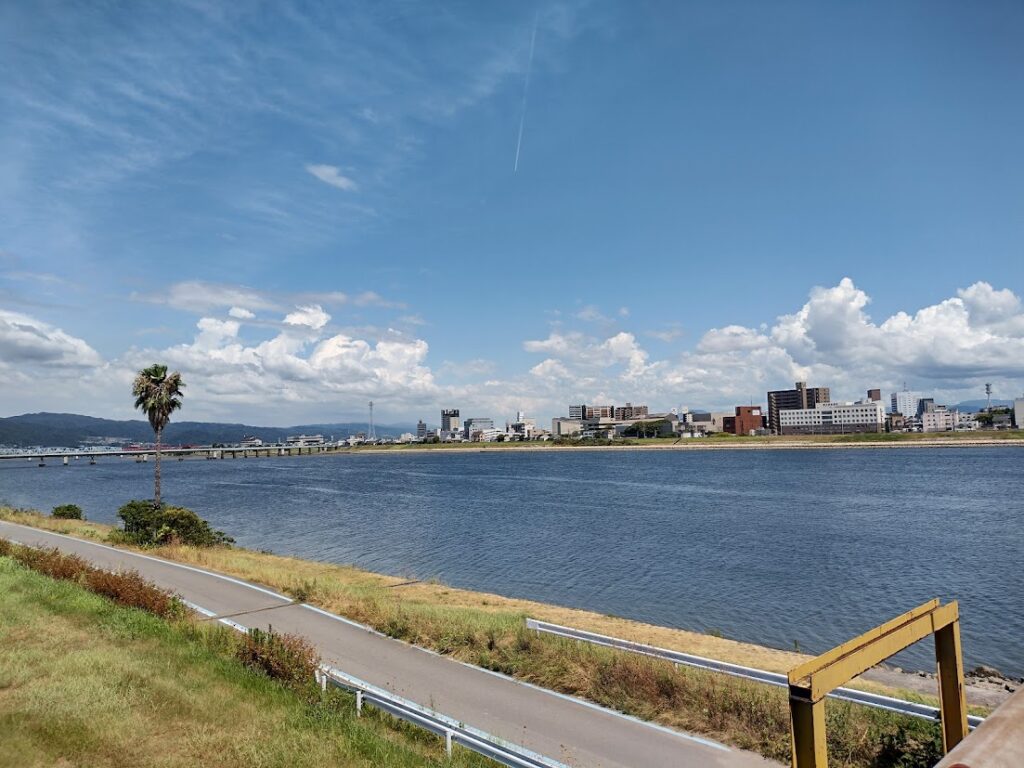
There is a particular pleasure in waking up without needing to catch an early train to another city.
You can take your time over breakfast, walk through familiar streets, and decide how to spend the day based on your interests rather than a strict timetable.
Some days will lead to memorable discoveries. Others may seem ordinary.
But those ordinary moments are often part of what makes a longer stay meaningful.
You begin to understand that a place is not defined only by its landmarks. It also exists in the spaces between them: in the neighborhood where people shop, the path used for a morning walk, the local restaurant that changes its menu with the seasons, and the traditions that continue without being performed for visitors.
This is one way to experience Japan beyond the usual sightseeing itinerary.
You do not have to give up the famous destinations. You simply allow yourself enough time to discover what lies around them.
And sometimes, the most memorable part of a journey is not the number of places you visited, but the feeling that you had time to be somewhere.
Experience Japan Beyond the Itinerary
If you are interested in slow travel, local culture, walking, food, and the everyday life of regional Japan, Wakayama offers many possibilities.
You might spend a few days exploring the coast and historic towns, combine pilgrimage routes with local cultural experiences, or build a longer stay around the activities and landscapes that interest you most.
There is no single way to experience the region. The right journey depends on your pace, interests, and the amount of time you have.
Through Curated Kii Peninsula Journey, I help travelers explore Wakayama through its cultural landscapes, local food, history, nature, and everyday life.
Rather than simply arranging a sequence of sightseeing stops, the aim is to create a journey that connects places and experiences in a way that suits your interests.
For travelers who want to stay longer, Wakayama Living Concierge offers a different approach: exploring the possibilities of spending more time in the region and experiencing it at a less hurried pace.
Accommodation and transportation are arranged independently by travelers, while local guidance and experience planning can help make the stay more meaningful.
You do not need to see all of Japan in one trip.
Sometimes, the best way to discover a country is to choose one place, stay a little longer, and allow its stories to unfold.
Explore Wakayama at your own pace, and discover a side of Japan that reveals itself when you have time to look.
Learn about Curated Kii Peninsula Journey or Wakayama Short Living Concierge
Read more about Slow Travel in Japan
- Slow Travel in Japan: 7 Places to Experience Local Life
- Why Wakayama Is One of Japan’s Best Destinations for Slow Travel
- 1-Week Slow Travel in Wakayama
- Like Living in Wakayama: A Slow Travel Experience Beyond Japan’s Crowds
No responses yet