

Japan is often associated with fast trains, crowded cities, famous temples, and carefully planned itineraries.
But there is another side of Japan that is much slower.
In small mountain towns, fishing villages, historic settlements, rural farming communities, and pilgrimage regions, daily life still follows the seasons. Local food comes from nearby fields and waters. Traditional crafts are connected to particular places. Old roads and pilgrimage routes continue to link communities.
For travelers who want to experience local life in Japan, these places offer something that a short sightseeing stop often cannot.
This is where slow travel in Japan becomes especially rewarding.
Rather than trying to visit as many destinations as possible, slow travel gives you time to stay longer, walk, eat locally, meet people, and understand how a place has developed.
Here are seven destinations in Japan where you can experience a slower and more local side of the country.
What Is Slow Travel in Japan?
Slow travel is about spending more time in fewer places.
Instead of moving from Tokyo to Kyoto, Osaka, Hiroshima, and another destination every few days, you might spend several nights in one region and explore it at a more relaxed pace.
The goal is not simply to avoid crowds.
It is to understand the connection between people, landscape, food, history, culture, and the seasons.
A slow traveler might:
- Walk an old pilgrimage route
- Stay in a traditional inn or temple lodging
- Visit a local market
- Eat regional food
- Visit a small brewery or food producer
- Explore a fishing village
- Cycle through farming communities
- Learn about traditional crafts
- Spend time in a historic town
- Return to the same neighborhood or restaurant more than once
Japan is particularly well suited to this style of travel because regional differences remain remarkably strong.
The food, architecture, festivals, agriculture, crafts, and religious traditions of one region can be very different from those of another.
1. Wakayama — Experience Mountains, Pilgrimage and Coastal Life
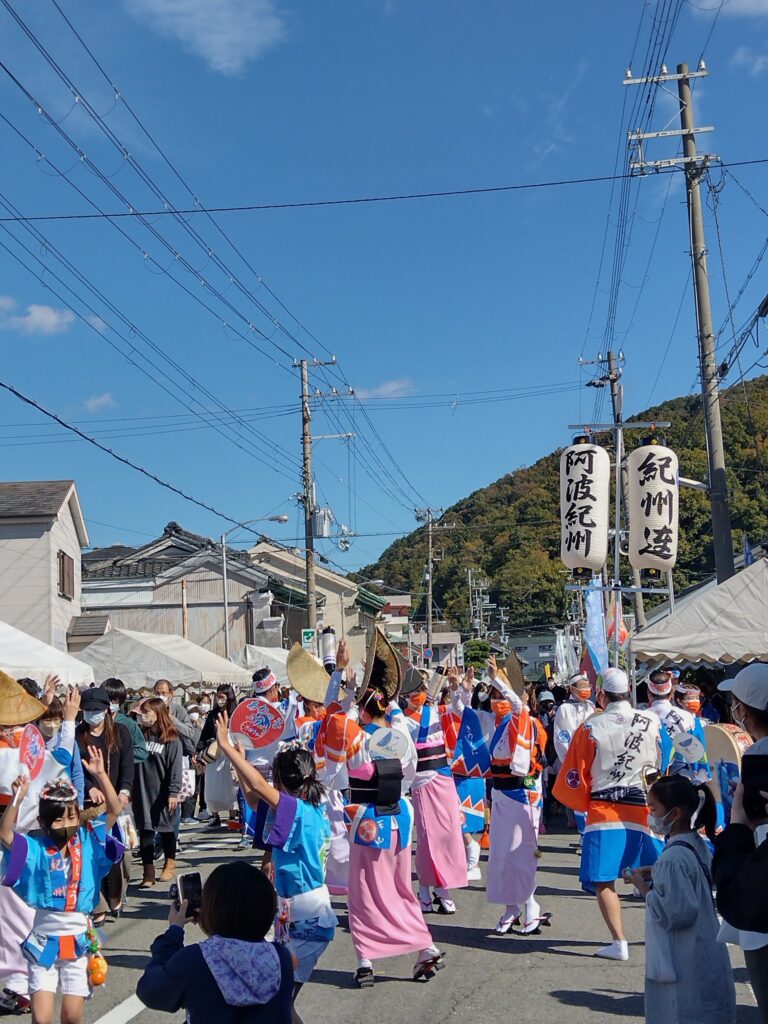
For travelers looking for slow travel destinations in Japan, Wakayama deserves serious consideration.
Located south of Osaka on the Kii Peninsula, Wakayama combines mountains, forests, pilgrimage routes, Buddhist temples, fishing villages, historic towns, agriculture, hot springs, and a long Pacific coastline.
What makes Wakayama particularly interesting is the connection between these different landscapes.
In Koyasan, Buddhist culture has shaped the mountain community for more than 1,200 years. Travelers can stay at temple lodgings, experience shojin ryori, and explore an active religious landscape rather than simply visiting a collection of historic buildings.
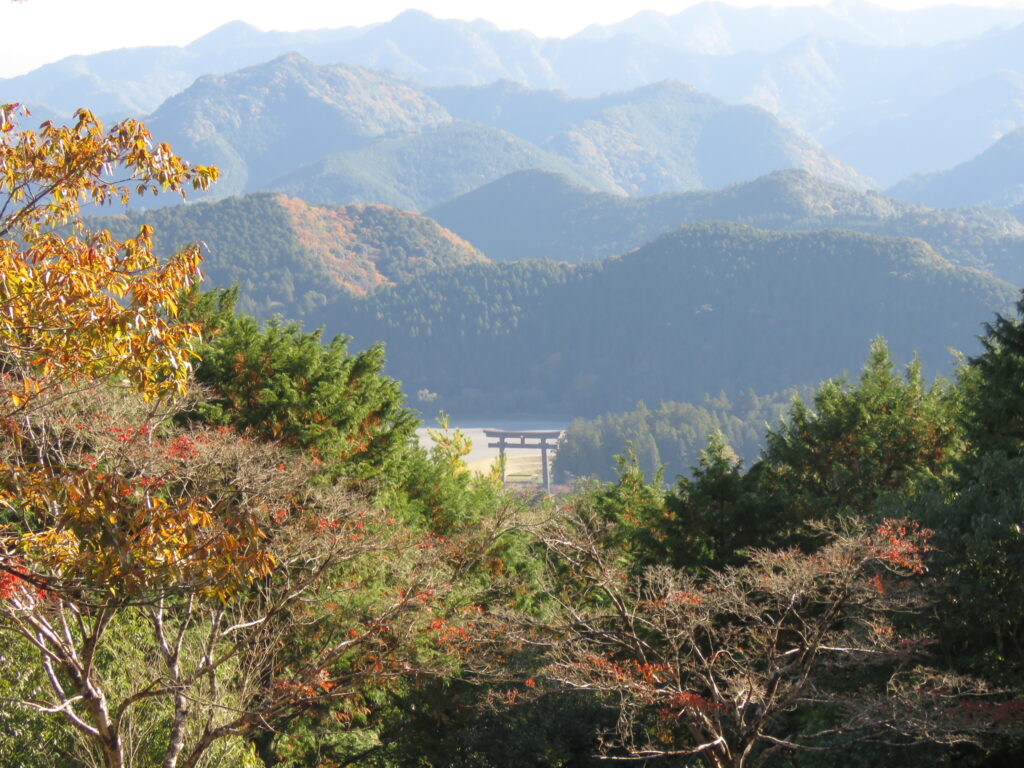
In the southern part of the prefecture, the Kumano Kodo provides another way to experience the region. Walking through forests, villages, and mountain passes gives travelers a sense of how pilgrimage has been connected to the landscape for centuries.
Along the coast, communities such as Wakaura and Saikazaki reveal a different side of Wakayama. Fishing, seafood, boats, coastal landscapes, and local food remain closely connected to everyday life.
In Yuasa, travelers interested in Japanese food culture can explore the history of traditional soy sauce production and the role of fermentation in regional cuisine.
The result is a destination where you can experience several aspects of local Japanese life without constantly changing prefectures.
Why Wakayama is good for slow travel
A longer stay can combine:
- Buddhist culture in Koyasan
- Walking the Kumano Kodo
- Fishing villages and coastal communities
- Traditional food culture in Yuasa
- Fruit-growing and farming regions
- Rural satoyama landscapes
- Hot springs in mountain communities
- Local food and history in Wakayama City
- Coastal scenery around Shirahama and southern Wakayama
It is also more accessible than many international visitors realize.
Wakayama can be reached from Osaka and Kansai International Airport (KIX), making it relatively easy to include in a Kansai itinerary.
Travelers heading south can also use Nanki-Shirahama Airport, which connects the southern part of Wakayama with Tokyo Haneda and provides another gateway to the Kii Peninsula.
This creates an interesting possibility for a slow journey: enter Wakayama from the Osaka/Kansai Airport side and leave from southern Wakayama, rather than treating the region as a day trip from Osaka.
For travelers who want to spend several days or longer in one region, that flexibility is a major advantage.
How long should you stay in Wakayama?
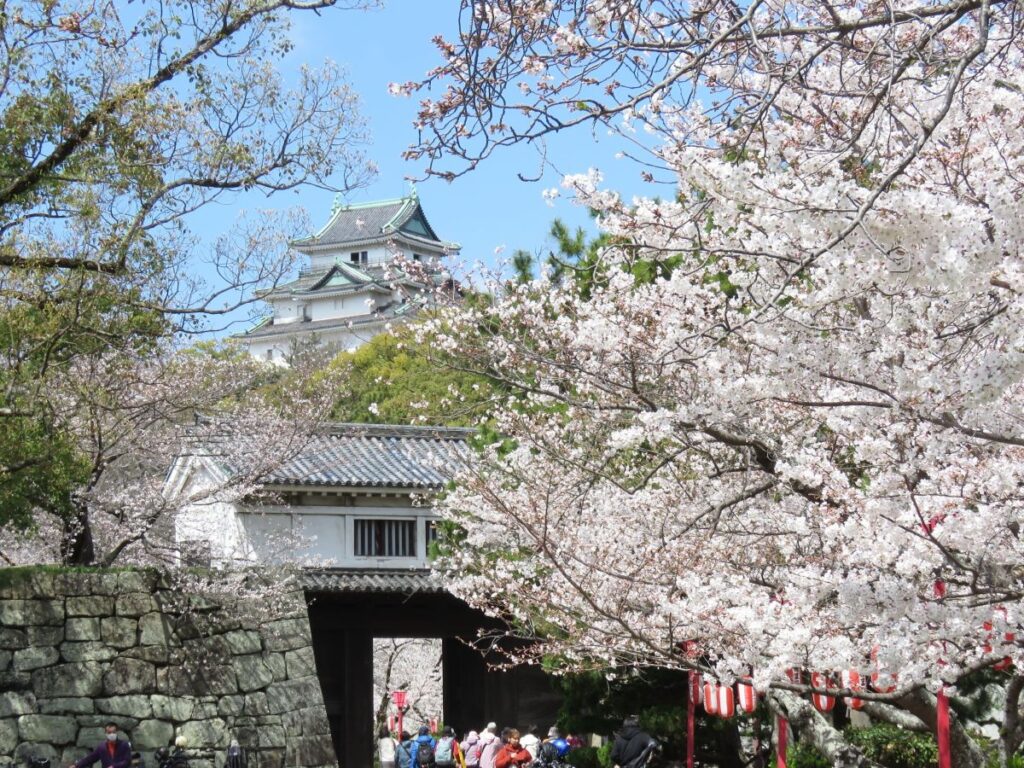
Rather than trying to see the entire prefecture in two days, consider staying for four days to a week or longer.
A journey might combine:
Koyasan → Kumano → coastal Wakayama → Wakayama City
Or you could base yourself in one area and explore its surrounding communities more deeply.
Wakayama is particularly suitable for travelers who want to combine nature, spirituality, food, walking, and local culture rather than focus on one type of attraction.
Related post: Best Areas to Stay in Wakayama, Japan
2. Hida-Furukawa — Slow Travel in Rural Gifu
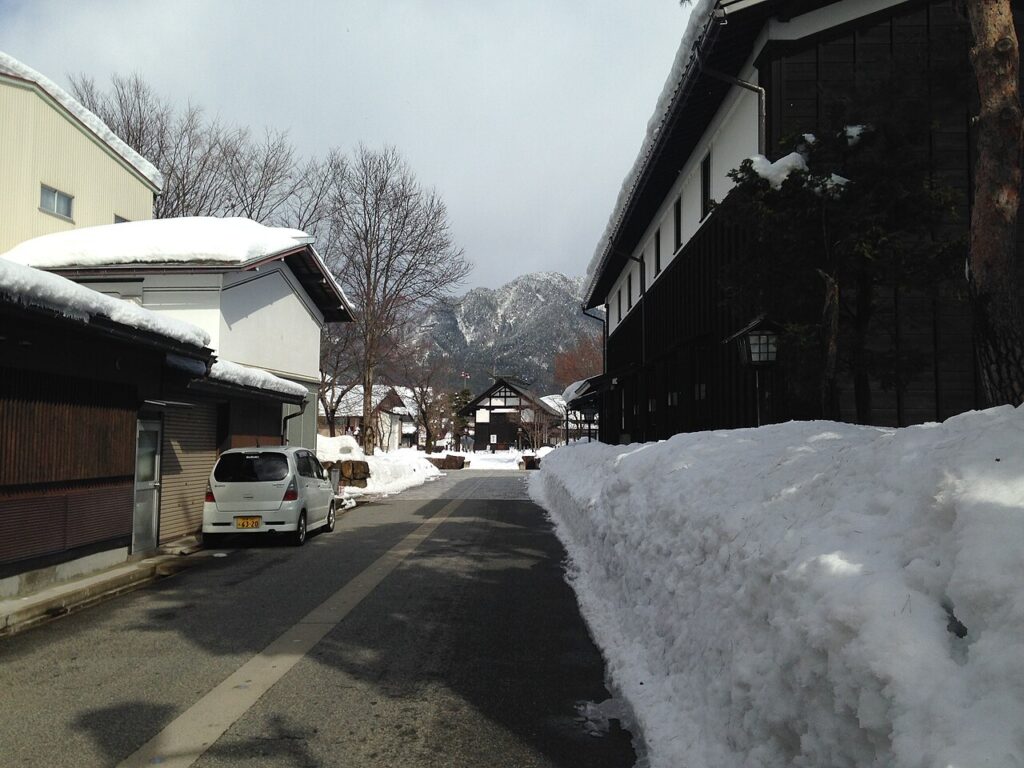
Just beyond the better-known city of Takayama, Hida-Furukawa offers a quieter introduction to rural Japan.
The town has traditional warehouses, canals, sake breweries, temples, historic buildings, and surrounding mountain landscapes.
But the appeal for slow travelers is not simply its traditional appearance.
Hida-Furukawa remains a functioning community.
You can walk through the historic center, visit local shops, explore the surrounding countryside, cycle, sample regional food, and learn how the area’s mountain environment has influenced its culture and industries.
Compared with nearby Takayama, Hida-Furukawa also offers a quieter atmosphere.
What to experience
A few days here can be used to explore:
- Historic streets and traditional buildings
- Local sake culture
- Mountain food
- Cycling routes
- Rural landscapes
- Traditional festivals
- Nearby villages and farms
Instead of treating Hida-Furukawa as a short stop between destinations, use it as a base for exploring rural Gifu.
3. Iya Valley — Discover Rural Life in Shikoku
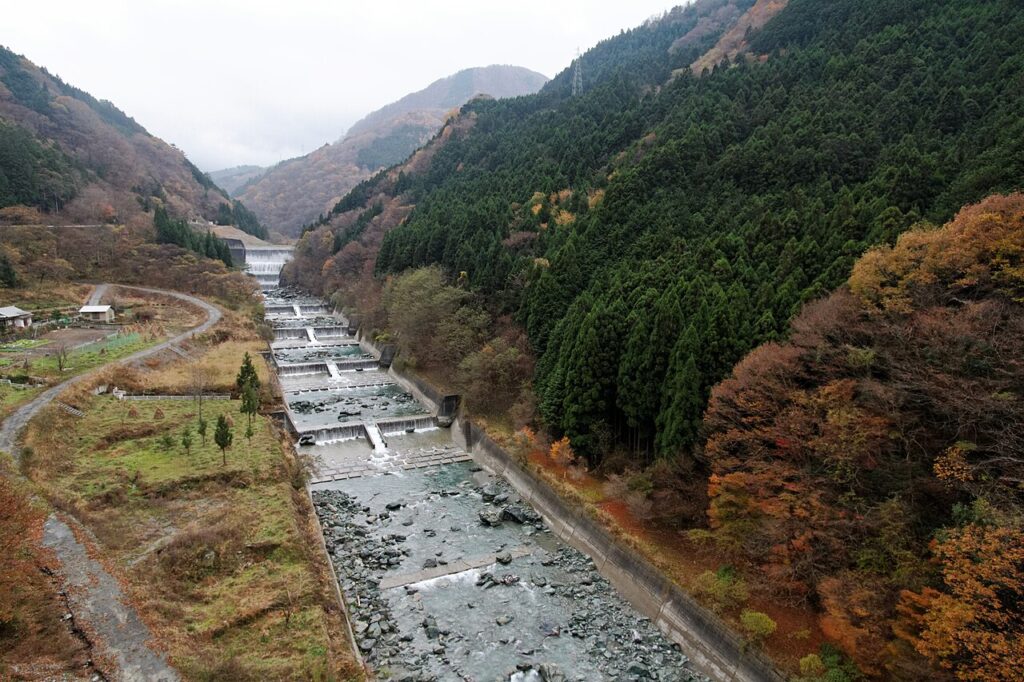
Deep in the mountains of Tokushima on Shikoku, the Iya Valley offers one of Japan’s most dramatic rural landscapes.
Steep mountains, narrow valleys, traditional houses, small agricultural communities, and winding roads define the region.
Historically, geography made the valley difficult to access and helped preserve distinctive aspects of its culture.
Today, the same geography makes Iya particularly attractive to travelers seeking authentic rural Japan away from the major tourist routes.
You can hike, explore mountain villages, visit traditional houses, try local food, and stay in rural accommodation.
But the most rewarding experience may simply be slowing down.
Walk through a village in the morning.
Have lunch featuring local ingredients.
Spend an afternoon exploring the valley.
Watch the mountains change as the weather moves through.
Why stay several nights?
Iya is not a destination that needs to be “completed.”
Its appeal lies in its landscape and atmosphere.
Two or three nights give you enough time to experience the valley at different times of day and explore beyond the most famous viewpoints.
4. Kiso Valley — Walk Through Historic Japan
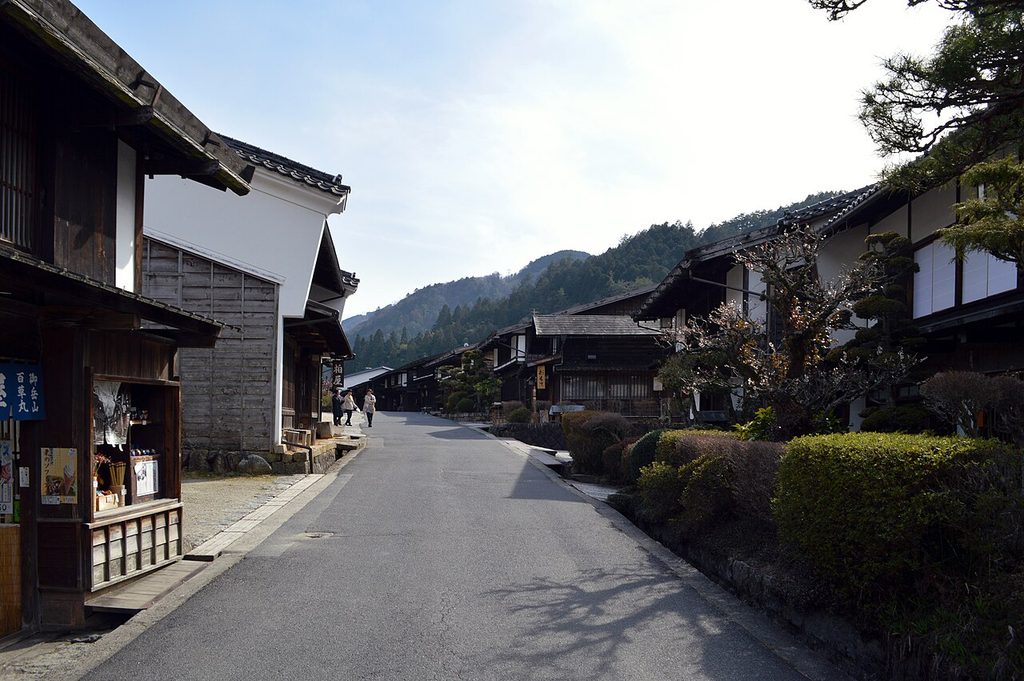
The Kiso Valley in Nagano is one of Japan’s best destinations for combining long-distance walking, history, and rural landscapes.
The valley contains sections of the historic Nakasendo, the old highway connecting Edo and Kyoto.
Towns such as Magome and Tsumago are famous for their preserved streets and traditional architecture.
But slow travel allows you to look beyond the historic buildings.
Walking between the towns through forests and villages gives you a sense of why this route existed and how people once moved through the mountains.
The journey becomes more than a visit to a historic town.
It becomes an experience of the landscape.
A slower way to experience the Nakasendo
Instead of making the Nakasendo a day trip, stay overnight in the valley.
Walk one section.
Stay at a traditional inn.
Eat local food.
Explore a small settlement.
Then continue your journey the following day.
This approach transforms a famous sightseeing route into a genuine slow travel experience.
5. Sado Island — Island Life, Agriculture and the Sea
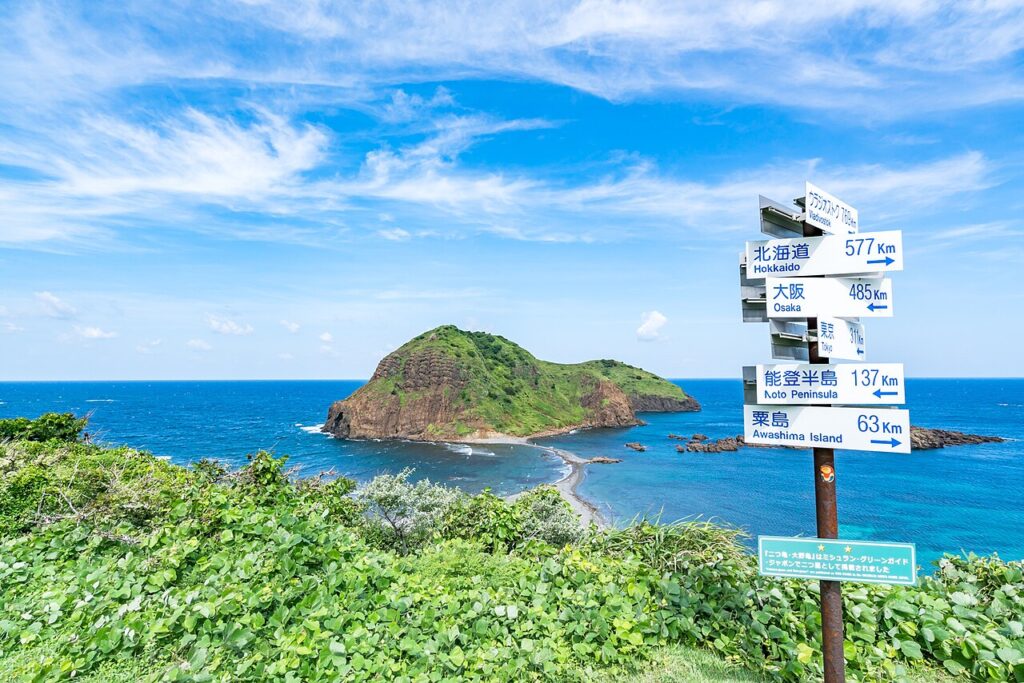
Sado Island in Niigata offers a completely different kind of slow travel experience.
Located in the Sea of Japan, Sado is large enough to contain mountains, rice fields, forests, fishing communities, coastal villages, and distinctive local traditions.
Its island geography naturally encourages a slower pace.
Rather than moving quickly from one major attraction to another, travelers can explore rural roads, coastal communities, agricultural landscapes, traditional culture, and local food.
Sado is particularly interesting for travelers who want to understand how island communities have adapted to their environment.
Experience the seasons
Rice cultivation, fishing, coastal life, festivals, and local food all change with the seasons.
That makes Sado a particularly good destination for travelers who are less interested in ticking off attractions and more interested in experiencing the rhythm of local life.
6. Uchiko — A Historic Town in Rural Ehime
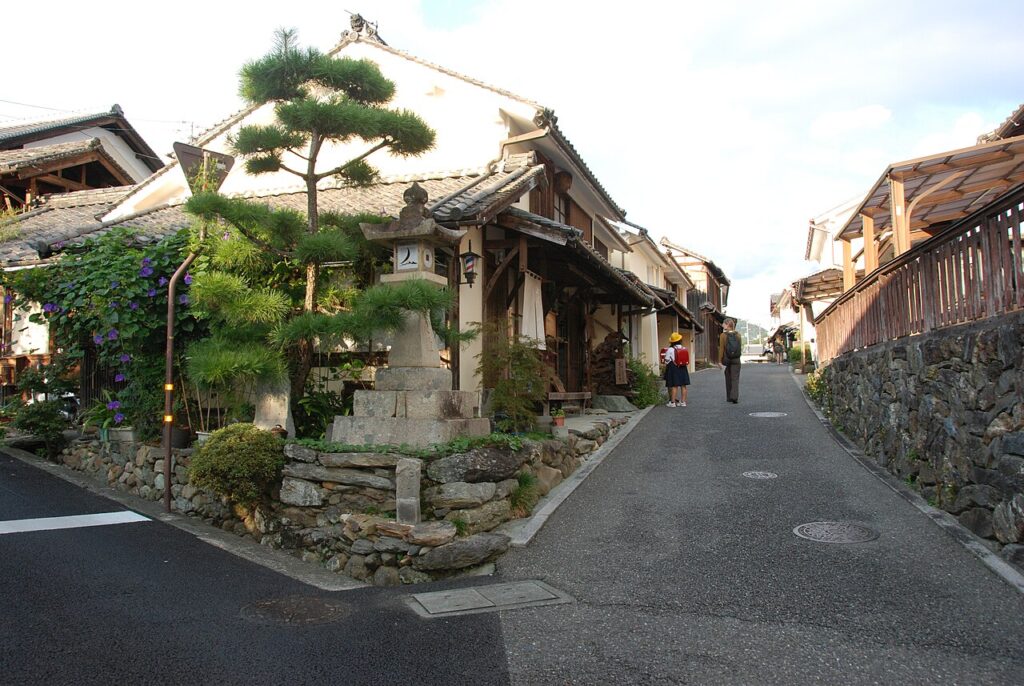
In Ehime, Uchiko offers another perspective on slow travel in Japan.
Uchiko developed as a commercial town, particularly through the production and trade of Japanese wax.
Its historic district contains merchant houses and traditional buildings that reflect that history.
But the town becomes more interesting when you look beyond its architecture.
The surrounding region remains connected to agriculture and rural communities.
This makes it possible to combine a historic town walk with local food, countryside exploration, traditional crafts, and an understanding of how the community has changed over time.
Look beyond the historic streets
Japan has many beautifully preserved historic towns.
Slow travel encourages a different set of questions:
Who lived here?
What did they produce?
How did they make a living?
What did people eat?
Which traditions remain today?
These questions turn a historic town from a place to photograph into a place to understand.
7. Noto Peninsula — Coastal Communities and Local Traditions
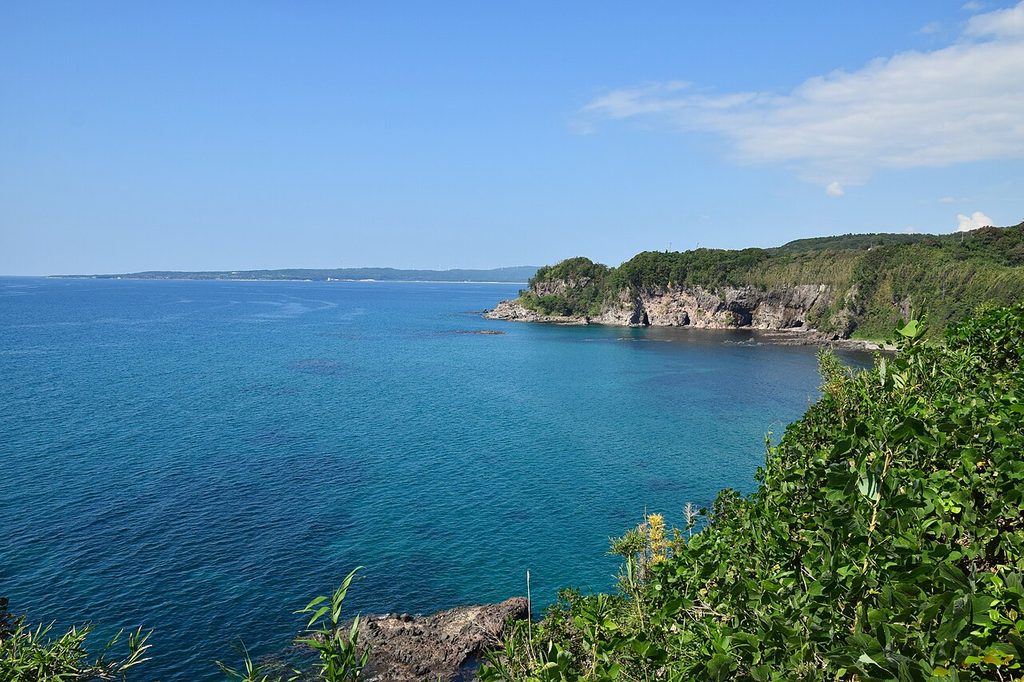
The Noto Peninsula in Ishikawa is another destination for travelers interested in the relationship between people and landscape.
Fishing, agriculture, forestry, coastal trade, traditional crafts, and distinctive local festivals have all shaped life on the peninsula.
For travelers interested in local communities in Japan, Noto offers an opportunity to look beyond the country’s major tourist destinations.
The region was severely affected by the 2024 Noto Peninsula earthquake and subsequent disasters. Conditions and access vary by area, so travelers should always check current information before planning a visit.
When destinations are open to visitors, responsible travel can also become a way of supporting local businesses and communities during recovery.
7 Slow Travel Destinations in Japan at a Glance
| Destination | Best for | Suggested stay |
|---|---|---|
| Wakayama | Pilgrimage, food, mountains, coast, local culture | 4–7+ days |
| Hida-Furukawa | Mountain towns, food, cycling, traditional culture | 2–3 days |
| Iya Valley | Rural life, mountains, hiking, traditional houses | 2–4 days |
| Kiso Valley | Walking, history, traditional towns | 2–4 days |
| Sado Island | Island life, agriculture, fishing, culture | 3–5 days |
| Uchiko | Historic towns, rural culture, food | 2–3 days |
| Noto Peninsula | Coastal communities, agriculture, crafts | 3–5 days |
The exact length matters less than the principle: give yourself enough time to experience a place rather than simply visit it.
What Makes a Place Good for Slow Travel?
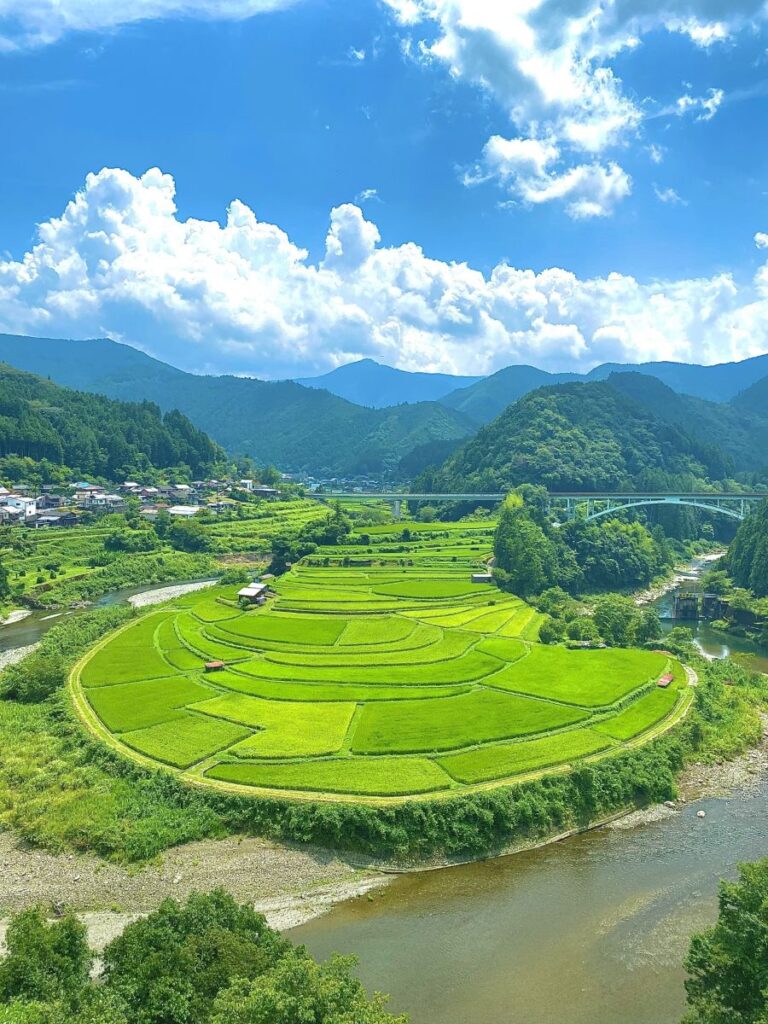
The best slow travel destinations in Japan are not necessarily the places with the most famous attractions.
Look for places where several of these elements overlap:
Local food
Food is often the easiest way to understand a region.
Look for local fish, vegetables, fruit, fermented foods, sake, soy sauce, regional noodles, and traditional dishes.
Walkable landscapes
Old roads, pilgrimage trails, historic neighborhoods, village paths, and coastal walks allow you to experience the landscape at human speed.
Traditional industries
Sake brewing, soy sauce production, lacquerware, woodworking, fishing, farming, and other local industries reveal how communities have historically used their surroundings.
Seasonal culture
Festivals, agriculture, seafood, fruit, flowers, foliage, and local events change throughout the year.
Small communities
The smaller the community, the more important it becomes to travel respectfully.
A local café, family-run inn, market, workshop, or restaurant can tell you more about everyday life than another major sightseeing attraction.
How to Plan a Slow Travel Trip in Japan
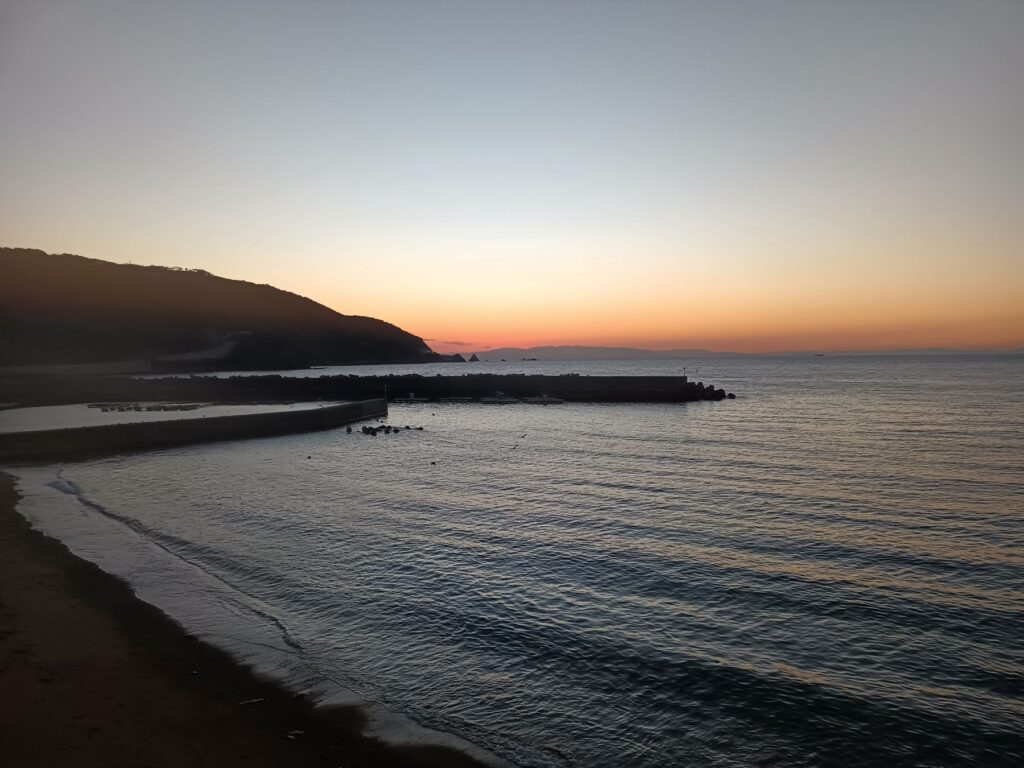
You do not need to spend a month in one location to experience slow travel.
Even a week can make a significant difference.
Instead of asking:
“How many places can I see in Japan?”
ask:
“What kind of local life do I want to experience?”
If you are interested in Japanese religious heritage, consider Koyasan and the Kumano region.
If you enjoy walking and historic routes, consider the Kiso Valley or the Kumano Kodo.
If you are interested in rural Japan, look at Iya, Hida-Furukawa, Sado, or the farming areas of Wakayama.
If food and gastronomy are important, consider regions where food traditions are directly connected to agriculture, fishing, fermentation, and local producers.
If you are interested in coastal life, look beyond famous seaside resorts and explore fishing communities.
The important thing is to choose a place based on the kind of experience you want rather than simply choosing the most famous destination.
Why Wakayama Is Especially Interesting for Slow Travel
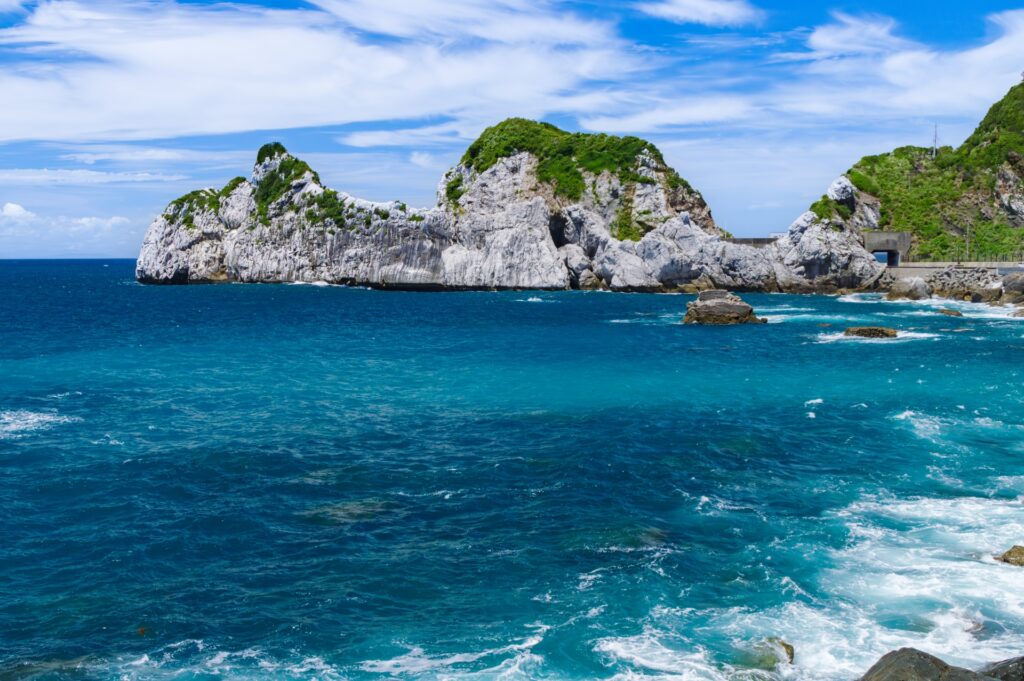
Wakayama stands out because it brings many of these experiences together within one region.
You can walk a pilgrimage route, eat locally caught seafood, visit a historic soy sauce-producing town, stay in a Buddhist temple, explore a fishing village, visit a hot spring, or cycle through rural landscapes.
And unlike some remote Japanese destinations, Wakayama can be relatively easy to incorporate into a trip through Kansai.
From Osaka and Kansai International Airport, travelers can reach northern and central parts of Wakayama.
For southern Wakayama, Nanki-Shirahama Airport provides another gateway, with flights from Tokyo and ground transportation connecting the airport with destinations across the southern Kii Peninsula.
This makes it possible to design a one-way regional journey rather than repeatedly returning to Osaka.
For example:
Kansai International Airport → Koyasan → Kumano → Southern Wakayama → Nanki-Shirahama Airport
Or:
Osaka → Wakayama City → Yuasa → Kumano → Shirahama
The point is not to see everything.
The point is to choose a route that gives you enough time to experience the places along the way.
Experience short stay in Wakayama with my Wakayama Short Living Concierge
Slow Travel in Japan Is About Paying Attention
Japan’s famous destinations are famous for good reasons.
Tokyo, Kyoto, Osaka, Hiroshima, Nara, and other major destinations offer extraordinary experiences.
But if you want to understand another side of Japan, consider leaving more space in your itinerary.
Stay in a small town.
Walk an old road.
Visit a fishing village.
Eat something produced nearby.
Spend a night in a temple.
Visit a local workshop.
Talk to a producer.
Return to the same street the next morning.
You may discover that the most memorable part of your journey is not the famous landmark you photographed.
It is the landscape, meal, conversation, or quiet morning that you would have missed if you had been moving too quickly.
That is the appeal of slow travel in Japan: not simply seeing a different Japan, but having enough time to experience how people, places, food, and seasons continue to shape one another.
Frequently Asked Questions About Slow Travel in Japan
What is the best place for slow travel in Japan?
There is no single best destination. It depends on what you want to experience. Wakayama is particularly versatile because it combines pilgrimage routes, Buddhist culture, mountains, coastal communities, local food, historic towns, and rural landscapes.
How many days do you need for slow travel in Japan?
Even three or four nights can make a difference, but one week in a region allows much more time for local experiences. Travelers staying for several weeks can go further and experience seasonal activities, rural communities, and everyday life at a much deeper level.
Where can I experience local life in Japan?
Smaller regional destinations are generally better suited to experiencing local life than major tourist cities. Wakayama, Hida-Furukawa, Iya Valley, Kiso Valley, Sado Island, Uchiko, and parts of the Noto Peninsula are good examples.
Is Wakayama good for slow travel?
Yes. Wakayama is particularly suitable because the prefecture combines mountains, pilgrimage routes, Buddhist culture, fishing communities, agriculture, historic towns, food culture, and hot springs. It is also accessible from Osaka and Kansai International Airport, while Nanki-Shirahama Airport provides another gateway to southern Wakayama.
Can I visit Wakayama without renting a car?
Yes, although a car can make exploring rural areas easier. Major destinations such as Koyasan, Wakayama City, parts of the Kumano region, and Shirahama can be incorporated into a public-transport itinerary. For more remote villages and rural experiences, local buses, taxis, cycling, or a combination of transport options may be useful.
Is slow travel in Japan expensive?
It does not necessarily have to be. Slow travel can reduce transportation costs because you move less frequently. Staying in one region, eating local food, using public transportation, and choosing small locally owned accommodations can also make a slower trip more affordable.
What is the difference between slow travel and ordinary sightseeing?
The main difference is the pace and purpose of the journey. Sightseeing often focuses on seeing important attractions. Slow travel focuses more on understanding a place through its food, people, landscape, history, and everyday life.
What is the best season for slow travel in Japan?
Every season offers different experiences. Spring is good for flowers and new agricultural activity, summer for coastal and mountain experiences, autumn for harvests and foliage, and winter for hot springs, seasonal food, and quieter destinations. The best season depends on the region and the type of local experience you want.
Related Posts
- The Best Places in Japan for a Slow, Seasonal Journey
- Best Satoyama Destinations in Japan: 7 Places for Hiking, Cycling & Slow Stays
- Quiet Places Near Kansai Airport: 7 Slow Travel Destinations Beyond Osaka, Kyoto & Nara
- A Beautiful Slow Stay in Wakayama City
No responses yet