
-1024x681.jpg)
Miso, Shoyu, Katsuobushi, Kombu, and Salt: Discover the Craft, Landscapes, and Producers Behind Japanese Cuisine
When people think of Japanese cuisine, they often think of sushi, ramen, or an elegant kaiseki meal.
But the foundations of washoku—the traditional food culture of Japan—are often found in ingredients that rarely take center stage.
Miso. Soy sauce. Dried bonito. Kelp. Salt.
These five ingredients do far more than season a dish. They reflect the landscapes, climate, agricultural practices, fishing traditions, and craftsmanship of the regions where they are produced.
For chefs, restaurant owners, food importers, and culinary buyers, understanding these regional flavors offers another way to explore Japan: not simply through finished dishes, but through the ingredients, techniques, and people behind them.
This journey introduces five essential flavors of Japanese cuisine, from the miso breweries of central Japan to the historic soy sauce town of Yuasa in Wakayama.
1. Miso: The Regional Diversity of Japanese Fermentation
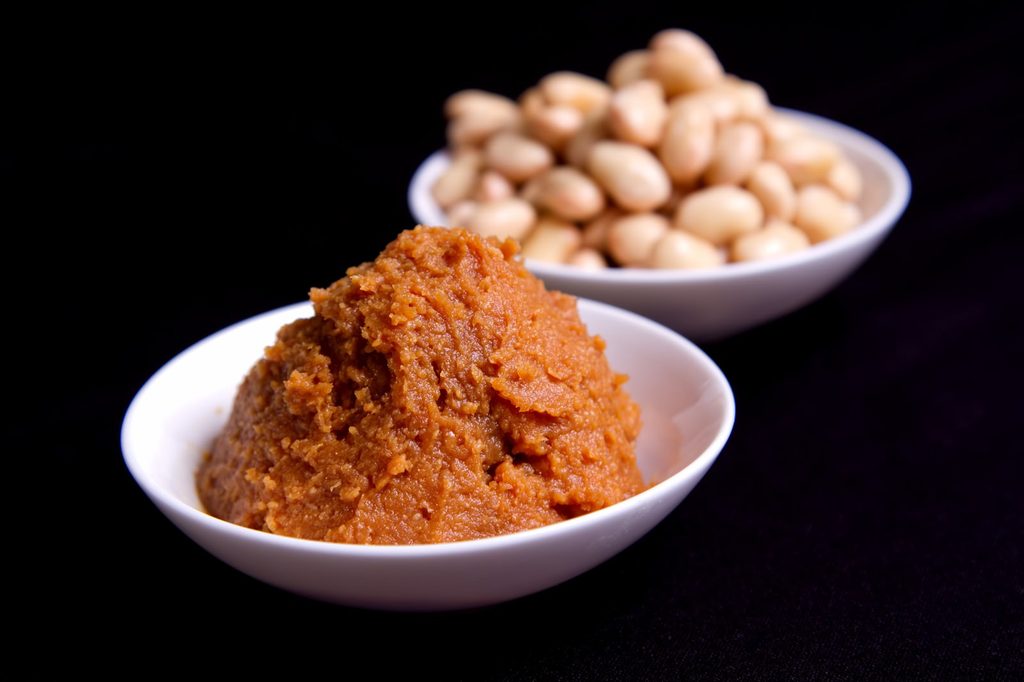
Key regions: Nagano, Aichi, and other parts of central Japan
Miso is one of the most recognizable ingredients in Japanese cooking, yet there is no single flavor that defines it.
Made through the fermentation of soybeans, salt, and koji, miso varies considerably according to its ingredients, fermentation period, and regional traditions.
Some varieties are light, sweet, and delicate. Others are dark, dense, and intensely savory.
Shinshu Miso: The Mountain Climate of Nagano
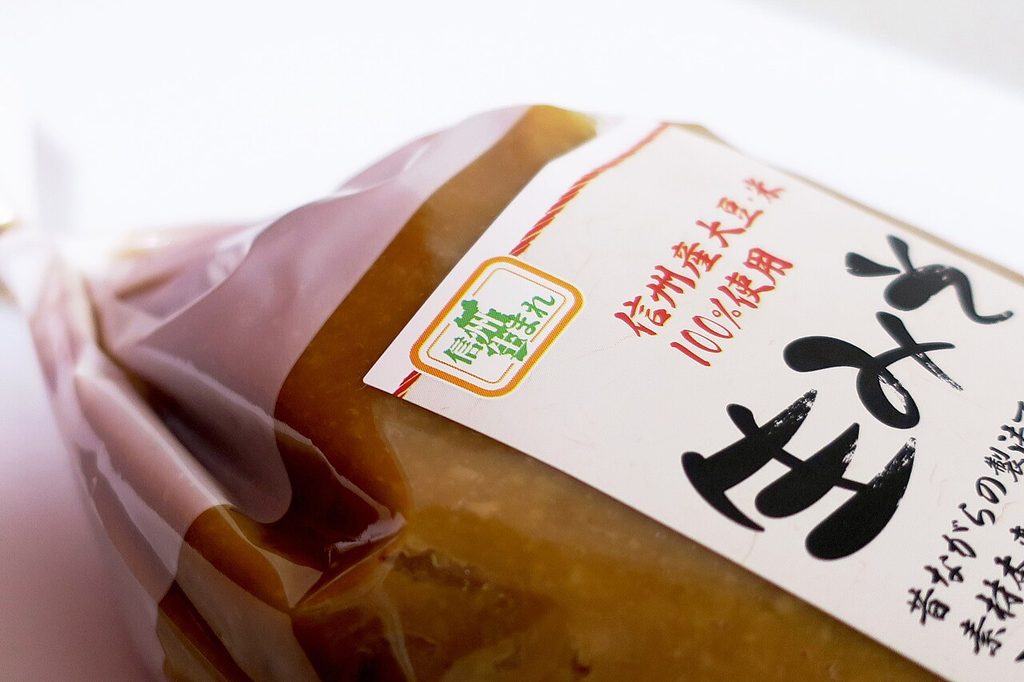
is particularly associated with Shinshu miso, a rice-koji miso traditionally produced in the mountainous region of central Japan.
The area’s climate and food traditions helped shape a miso culture that became widely distributed throughout Japan.
Shinshu miso is generally known for its relatively light color and balanced savory flavor, making it suitable for everyday cooking as well as professional kitchens.
For chefs, it offers an opportunity to explore how fermentation can create depth without overwhelming other ingredients.
Hatcho Miso: A Different Fermentation Tradition
In , Hatcho miso represents a different approach.
Traditionally made primarily from soybeans and salt, it is fermented and aged for an extended period. Its dark color and concentrated flavor distinguish it from many rice-based miso varieties.
The contrast between Shinshu miso and Hatcho miso illustrates an important principle of Japanese food culture: the same basic ingredient can produce very different culinary results through different fermentation methods.
A Gastronomic Perspective
For culinary professionals, miso is not simply a soup ingredient.
It can be explored as:
- A seasoning for vegetables, seafood, and meat.
- A source of umami in sauces, dressings, and marinades.
- A fermented ingredient for contemporary menu development.
- A regional product whose flavor reflects its production method.
Visiting a miso brewery can help buyers understand the relationship between raw materials, koji, fermentation, aging, and the finished product.
2. Shoyu: The Historic Soy Sauce Culture of Yuasa
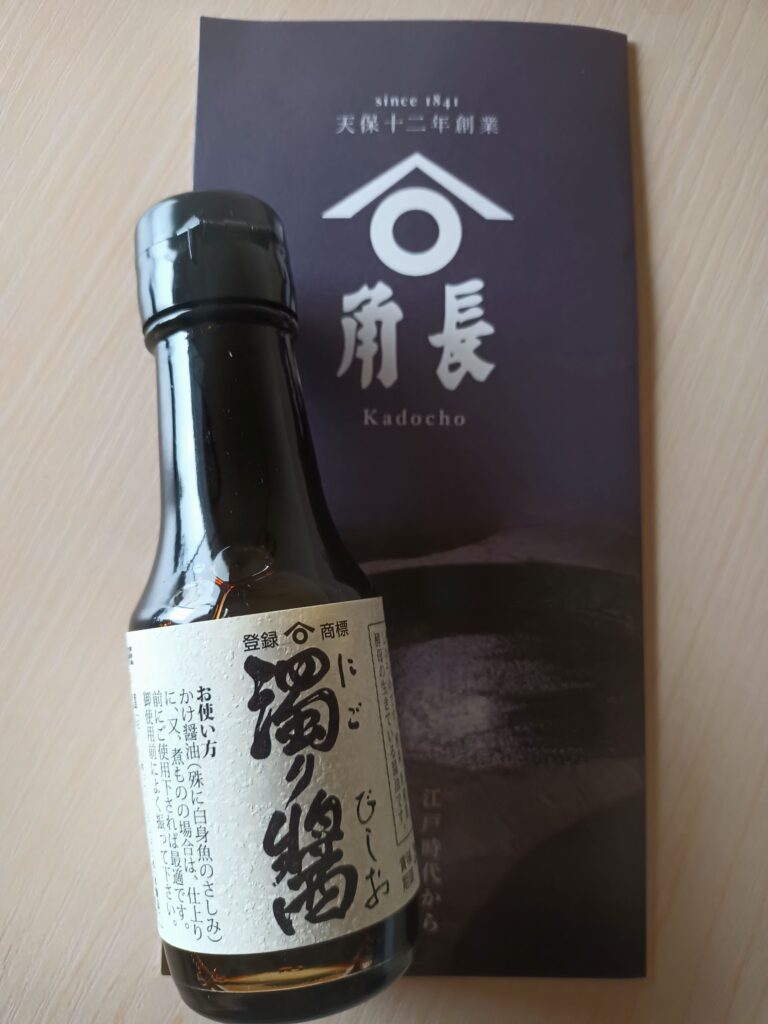
Key region: Yuasa, Wakayama Prefecture
Soy sauce is one of the defining seasonings of Japanese cuisine.
It appears in sushi, sashimi, simmered dishes, marinades, dipping sauces, and countless regional preparations.
Yet soy sauce is not a uniform product. Its flavor, aroma, color, and texture depend on ingredients, brewing methods, fermentation, and aging.
For those interested in the origins and development of Japanese food culture, one particularly significant destination is .
Why Yuasa Matters
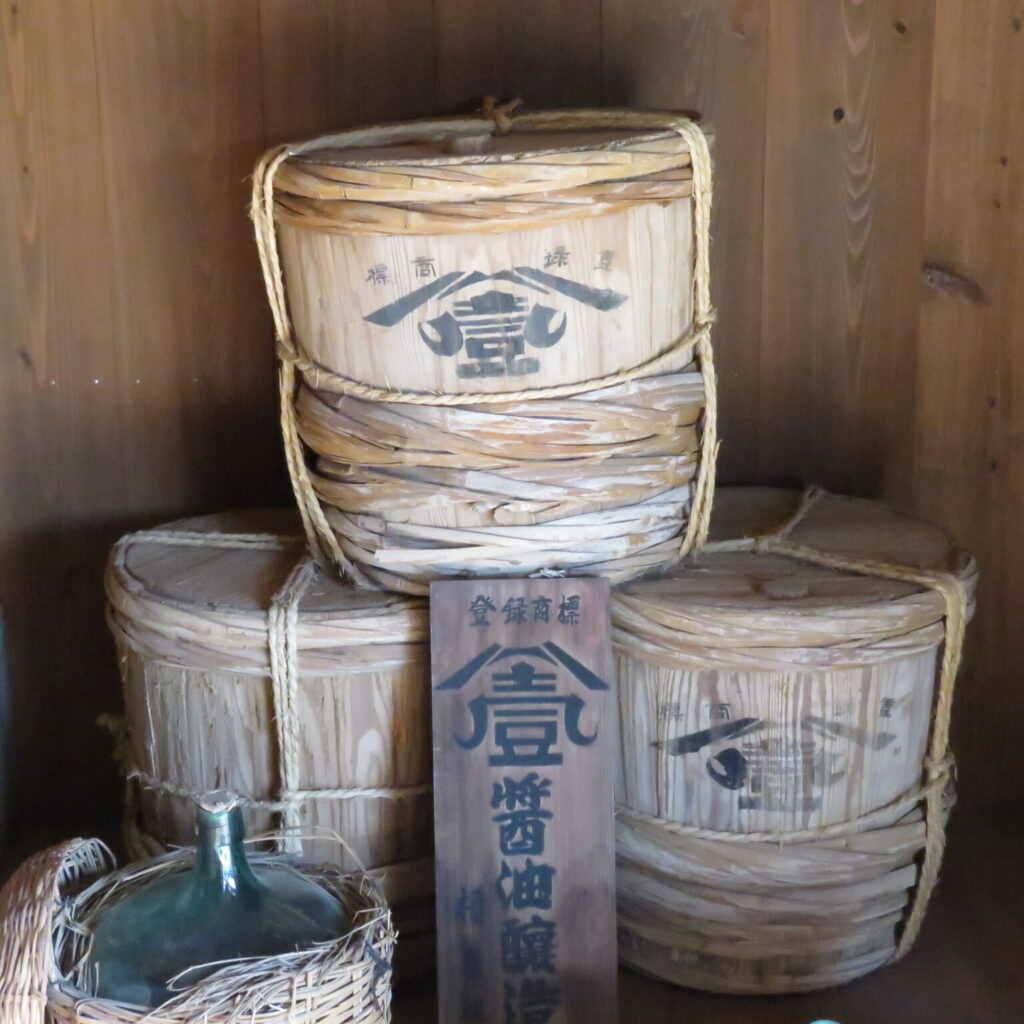
Located on the coast of Wakayama Prefecture, Yuasa is widely recognized as an important birthplace of Japanese soy sauce brewing.
Its historic streets preserve the atmosphere of a traditional brewing town, where the production of fermented foods developed alongside commerce and everyday life.
The town’s soy sauce tradition is commonly associated with the spread of techniques related to Kinzanji miso, a fermented soybean preparation.
According to the traditional account, the liquid that accumulated during miso production helped inspire the development of soy sauce brewing.
The story connects an ingredient familiar to chefs around the world with a much more specific regional history.
What Makes Traditional Shoyu Sauce Worth Exploring?
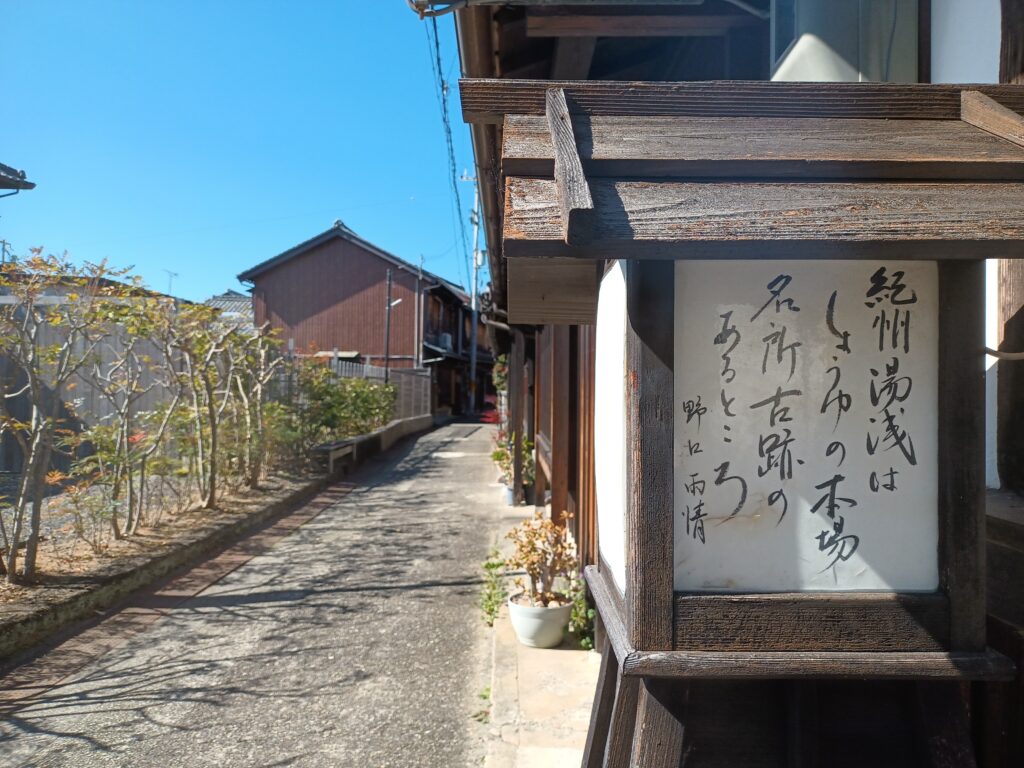
Traditional soy sauce production can involve several stages:
- Preparing soybeans and wheat.
- Cultivating koji mold.
- Mixing the koji with salt water to create moromi.
- Allowing the mixture to ferment and mature.
- Pressing, filtering, and finishing the resulting soy sauce.
The length of fermentation and the production method influence the final flavor.
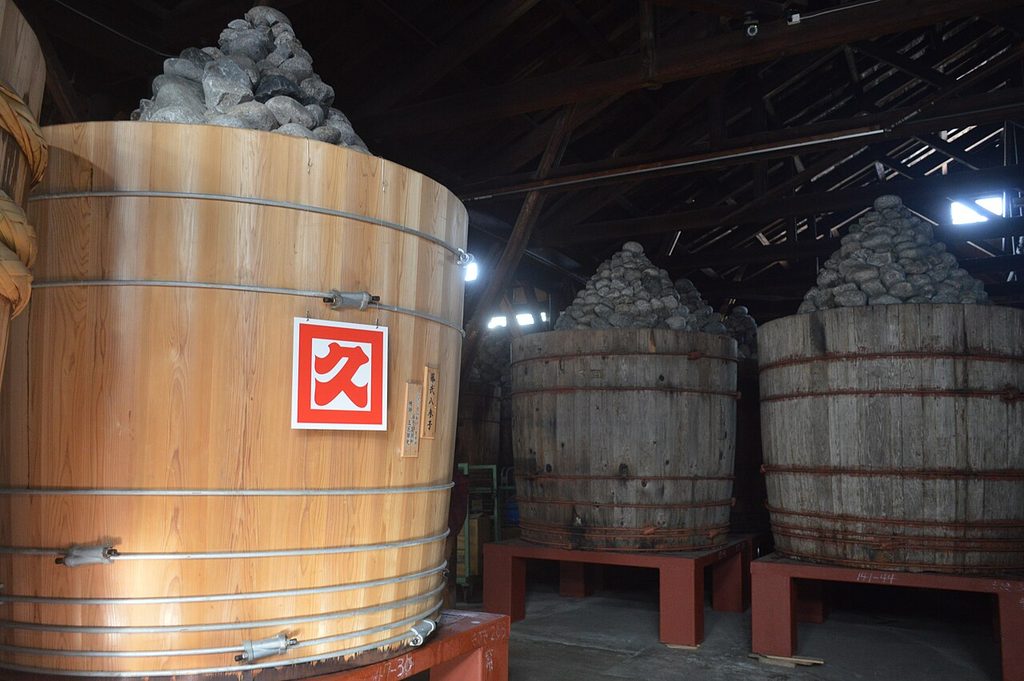
Some traditional breweries continue to use wooden fermentation vats, which are part of a broader craft tradition involving materials, microorganisms, and accumulated production knowledge.
These details are particularly relevant to chefs and buyers looking for products with distinctive characteristics and a clear production story.
From a Historic Town to a Professional Kitchen
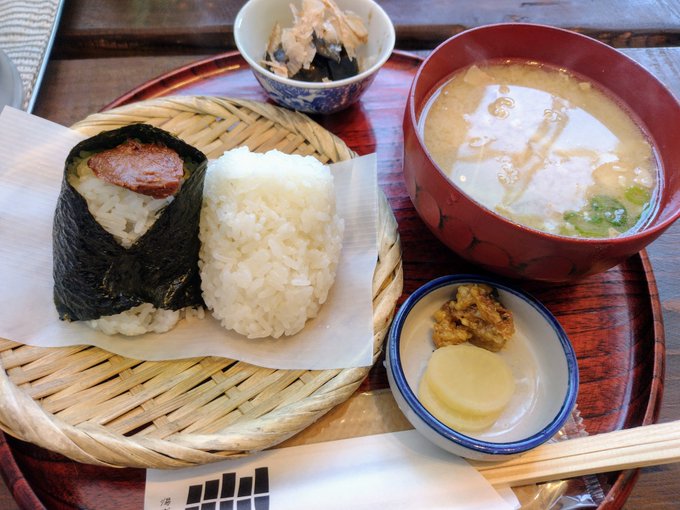
For a restaurant owner, visiting Yuasa can provide more than an opportunity to taste soy sauce.
It offers a chance to ask questions that matter in professional food development:
- Which ingredients are used, and where do they come from?
- How does fermentation time affect flavor?
- What distinguishes one brewery’s product from another?
- Which varieties work well with seafood, vegetables, or meat?
- What are the possibilities for wholesale or export?
The answers can help inform decisions about menu development, product selection, and the way a restaurant communicates the story of its ingredients.
A Visit to Yuasa
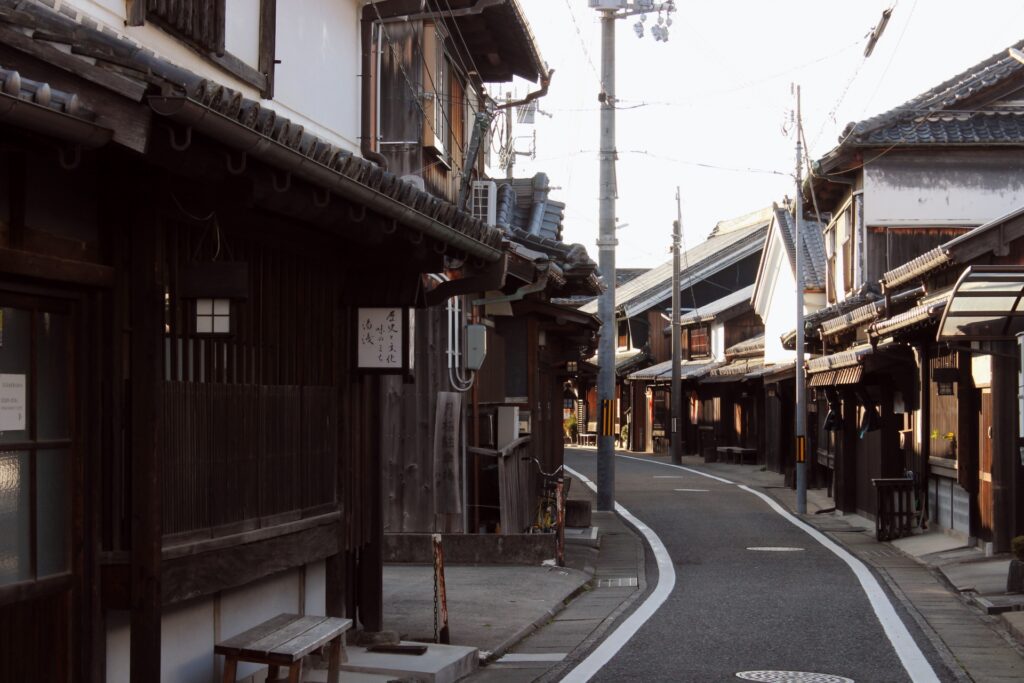
Walking through Yuasa’s historic streets and visiting a working brewery, where visits are available, provides a more direct understanding of the relationship between place and production.
The experience becomes especially meaningful when tasting is combined with conversations about brewing methods, ingredients, and the brewery’s history.
For culinary professionals, Yuasa offers an opportunity to encounter soy sauce not simply as a familiar condiment, but as a regional craft shaped by time and place.
Explore the possibility of a private culinary journey in Yuasa: a guided experience combining the historic town, traditional brewing culture, and conversations about the ingredients behind Japanese cuisine.
Related post
Yuasa Travel Guide: Discover the Birthplace of Shoyu Soy Sauce
3. Katsuobushi: The Art of Concentrated Umami
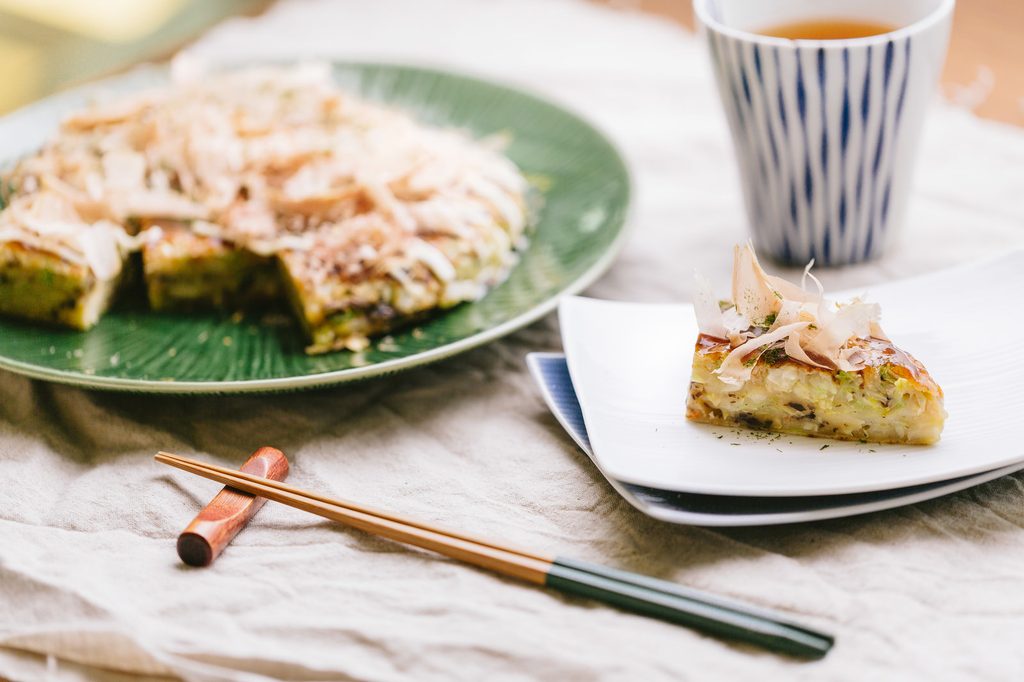
Key regions: Makurazaki and Yamakawa, Kagoshima Prefecture
<AsyncImageGroup query={[“katsuobushi dried bonito blocks shavings”,”Makurazaki Kagoshima katsuobushi production”,”traditional Japanese bonito smoking drying process”]} aspectRatio=”16:9″ numPerQuery={1}/>
Katsuobushi, or dried bonito, is one of the key ingredients behind dashi, the stock that forms the foundation of many Japanese dishes.
It is made from bonito that is cooked, smoked, dried, and, in some varieties, further treated through mold-based maturation.
The process transforms a fresh fish into a remarkably concentrated ingredient.
Makurazaki and Yamakawa
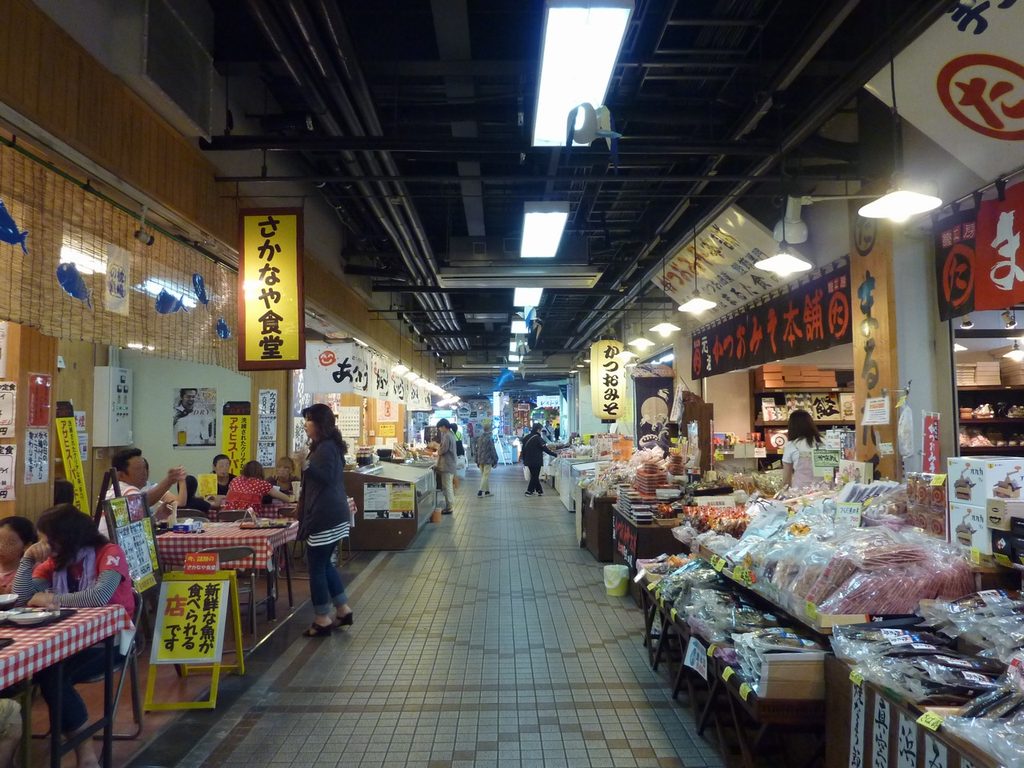
In southern , the coastal communities of and are particularly associated with katsuobushi production.
Their location on the southern coast of Kyushu connects the industry to the region’s fishing traditions and maritime economy.
Production involves a series of skilled processes, including cutting, cooking, smoking, drying, and, for honkarebushi, further maturation.
The resulting products differ in moisture content, aroma, and flavor.
Why Katsuobushi Matters to Chefs
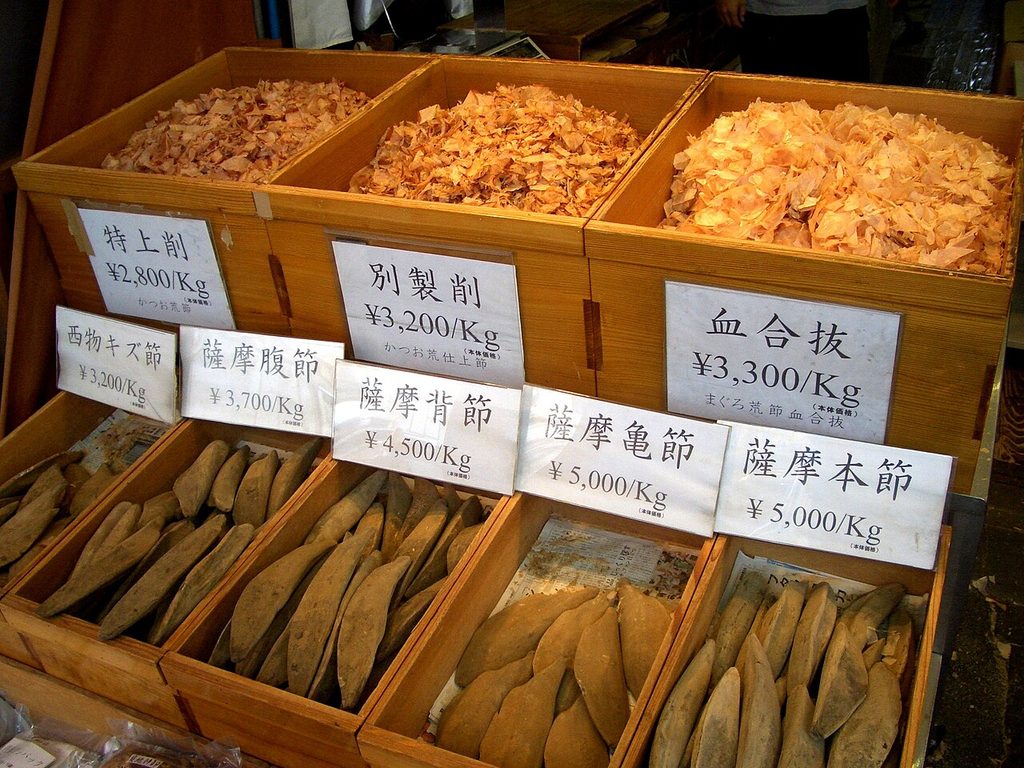
Dashi is often described as a simple stock, but its character depends heavily on the ingredients used.
Katsuobushi contributes a distinctive combination of savory depth and smoky aroma.
For professional kitchens, understanding the production of dried bonito can help explain why two dashi preparations made with apparently similar ingredients may produce very different results.
Katsuobushi can be explored through:
- Freshly shaved bonito and its aroma.
- Differences between production and maturation methods.
- The interaction between bonito and kombu.
- Regional variations in dashi preparation.
- Applications in soups, sauces, and contemporary cuisine.
The Value of Seeing the Production Process
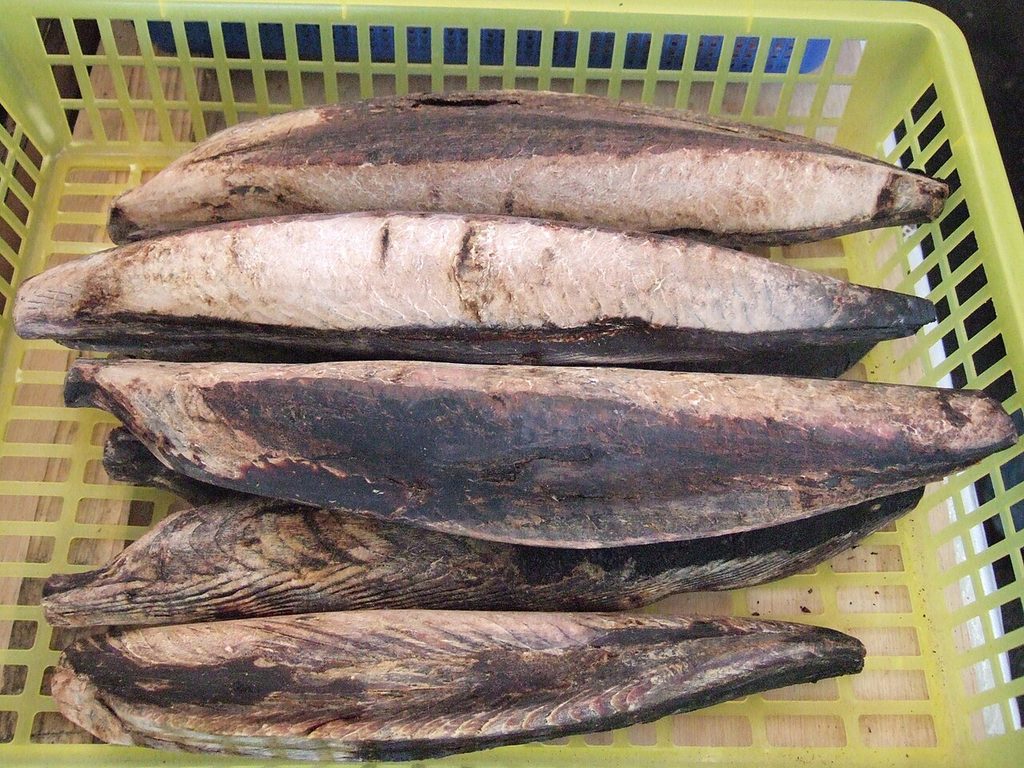
For a chef or buyer, a visit to a production area can reveal how much skilled labor lies behind a seemingly simple ingredient.
The transformation from fresh fish to a hard, concentrated block of dried bonito is an example of how Japanese food culture has developed techniques for preserving ingredients while intensifying their flavor.
4. Kombu: The Sea Behind Japanese Umami
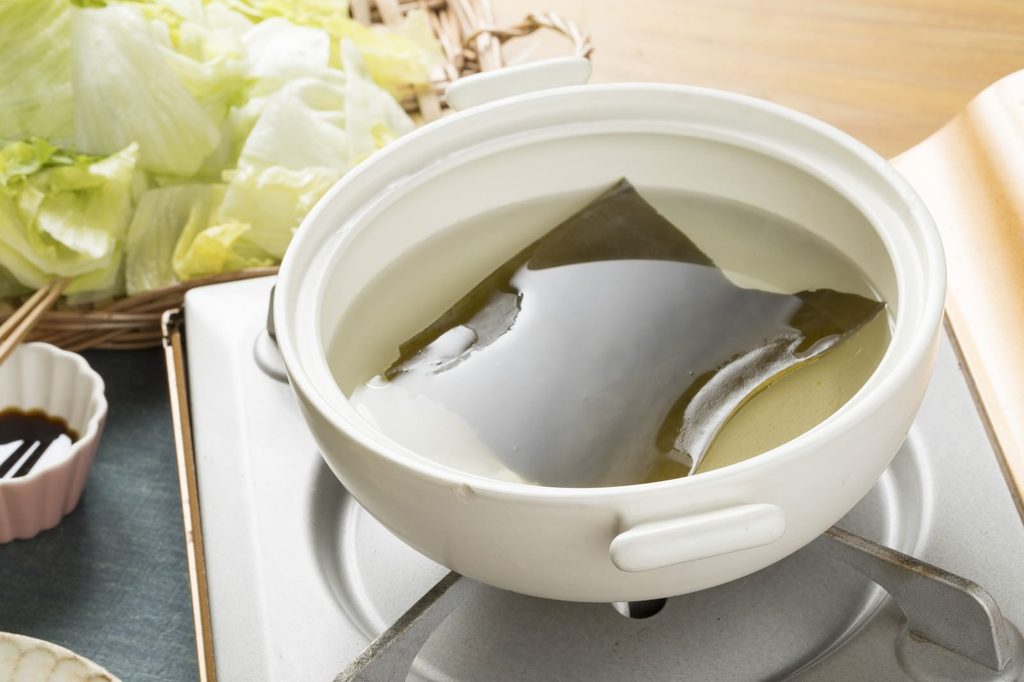
Key region: Hokkaido
Kombu is a type of edible kelp and one of the most important sources of umami in Japanese cuisine.
It is particularly associated with dashi, where it contributes glutamate, creating a savory foundation that can be combined with ingredients such as katsuobushi.
Unlike many seasonings, kombu does not need to be heavily processed to influence the character of a dish. Its quality and variety can make a significant difference.
Hokkaido: A Landscape of Kelp
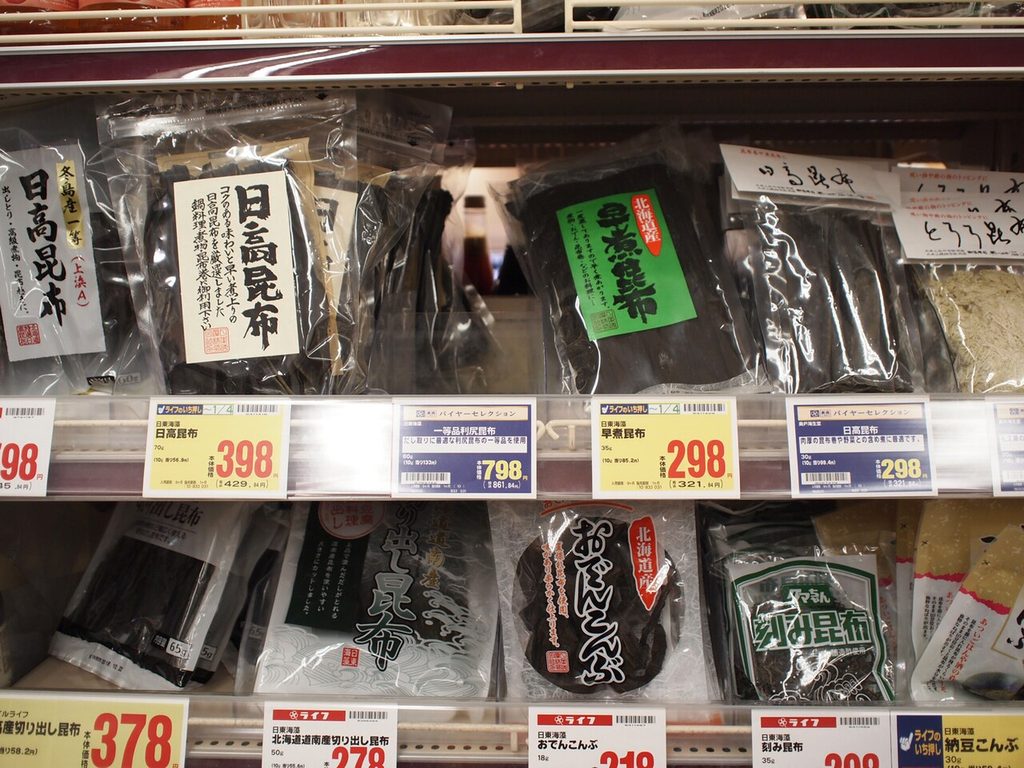
is Japan’s principal kombu-producing region.
Its extensive coastline and cold northern waters support several varieties of kelp, each with distinctive culinary characteristics.
Among the well-known types are:
- Rishiri kombu, associated with a clear, refined dashi.
- Rausu kombu, often valued for its rich, savory flavor.
- Hidaka kombu, widely used in everyday cooking and simmered dishes.
These varieties are not interchangeable in every application. Their differences offer chefs a way to select ingredients according to the intended flavor and style of a dish.
Kombu and the Science of Dashi
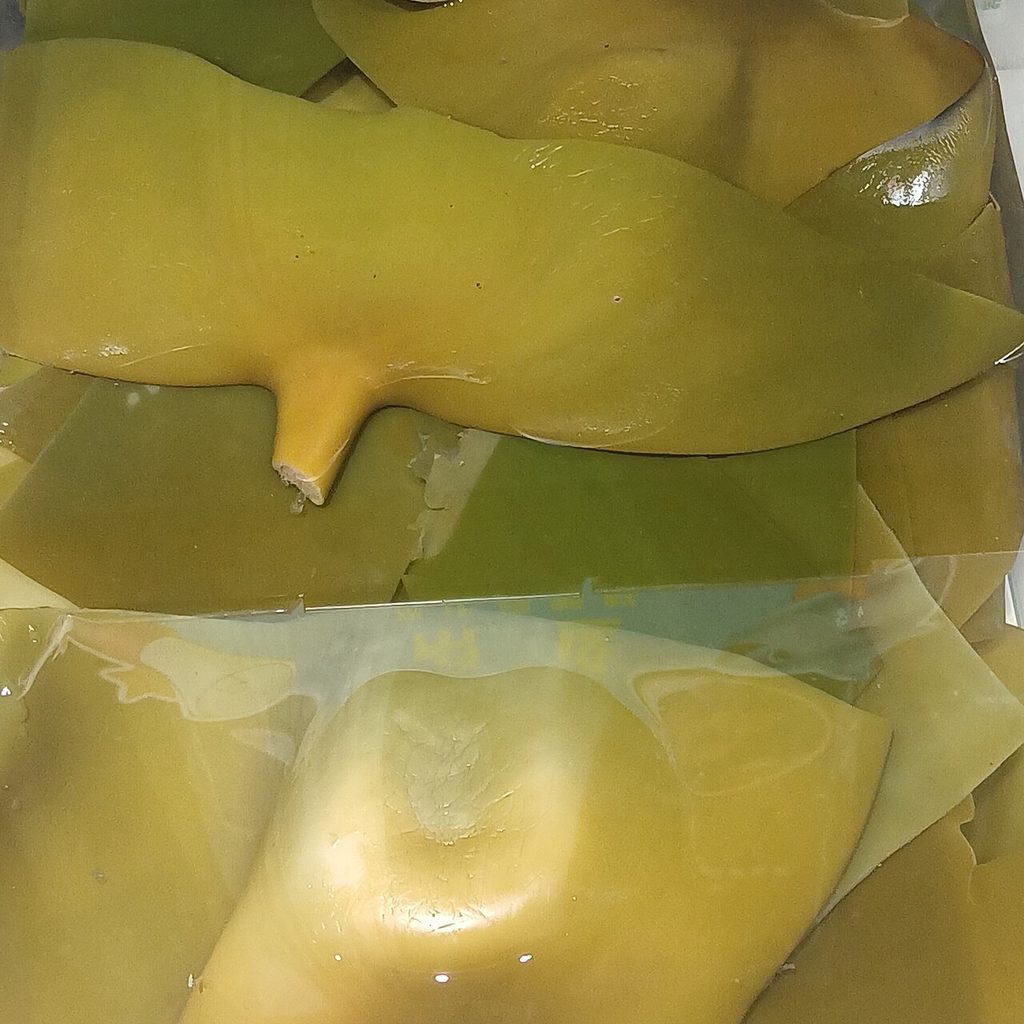
Kombu is rich in glutamate, one of the compounds responsible for umami.
When combined with katsuobushi, which contributes different savory compounds, it can create a more complex flavor profile.
This is one reason dashi is so important to Japanese cuisine: it builds depth without necessarily relying on heavy seasoning.
From Coastal Harvesting to Culinary Application
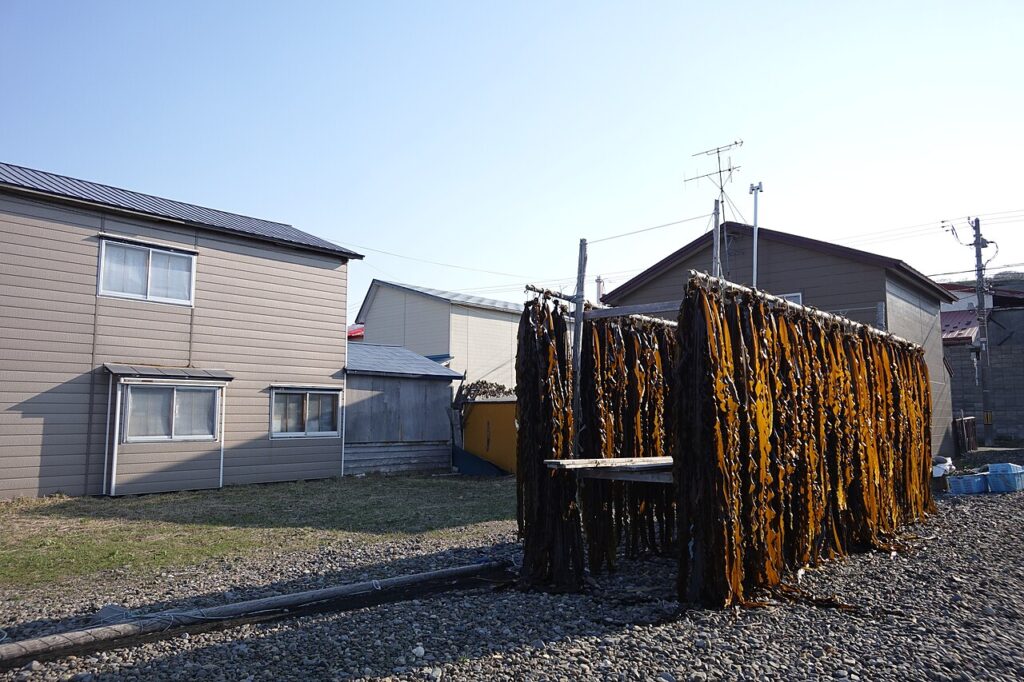
Kombu’s story begins in the sea, but its culinary role extends into professional kitchens around the world.
For chefs, exploring kombu can involve questions about:
- Species and regional origin.
- Harvesting and drying techniques.
- Storage and preparation.
- Extraction temperature and time.
- Pairing with bonito, vegetables, and other ingredients.
Understanding these differences can help culinary professionals use kombu more deliberately, whether preparing traditional dashi or developing new applications.
5. Salt: The Essential Flavor of Japan’s Coasts
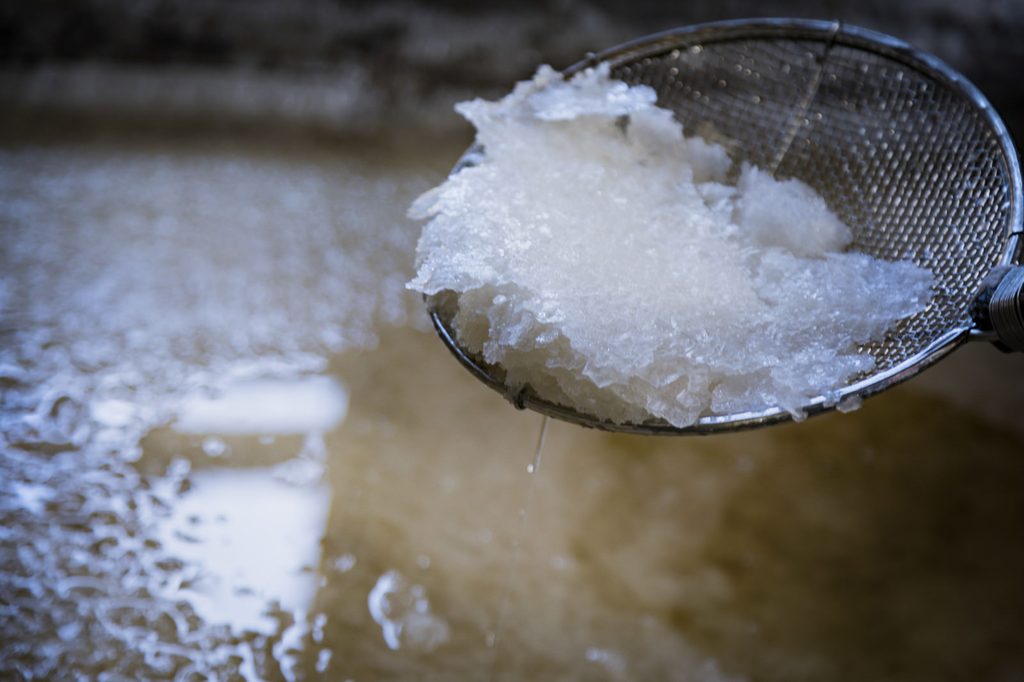
Key regions: Noto Peninsula, Ishikawa; Ako, Hyogo; and other coastal areas
Salt is perhaps the most fundamental ingredient in this journey.
It is essential for seasoning, preservation, fermentation, and the development of many traditional Japanese foods.
Yet salt itself has a regional history.
Japan’s long coastline has supported a variety of salt-making traditions, shaped by local geography, available energy, and the methods used to concentrate seawater.
Noto Peninsula: Salt and Coastal Life

The has a well-known tradition of traditional salt production.
One method associated with the region involves concentrating seawater and using heat to produce salt.
Salt-making is closely connected to the coastal environment, where access to seawater and the practical knowledge of local producers have shaped production over generations.
The 2024 Noto Peninsula earthquake and subsequent disasters also brought attention to the vulnerability of local communities and the importance of preserving regional industries.
Ako: A Major Salt-Producing Area

In , salt production has a long history.
The area’s geography and salt-making industry have contributed to its association with Japanese salt.
Modern salt production can differ considerably from traditional methods, so understanding the process behind a particular product is important when comparing salts for culinary use.
Salt as More Than Seasoning
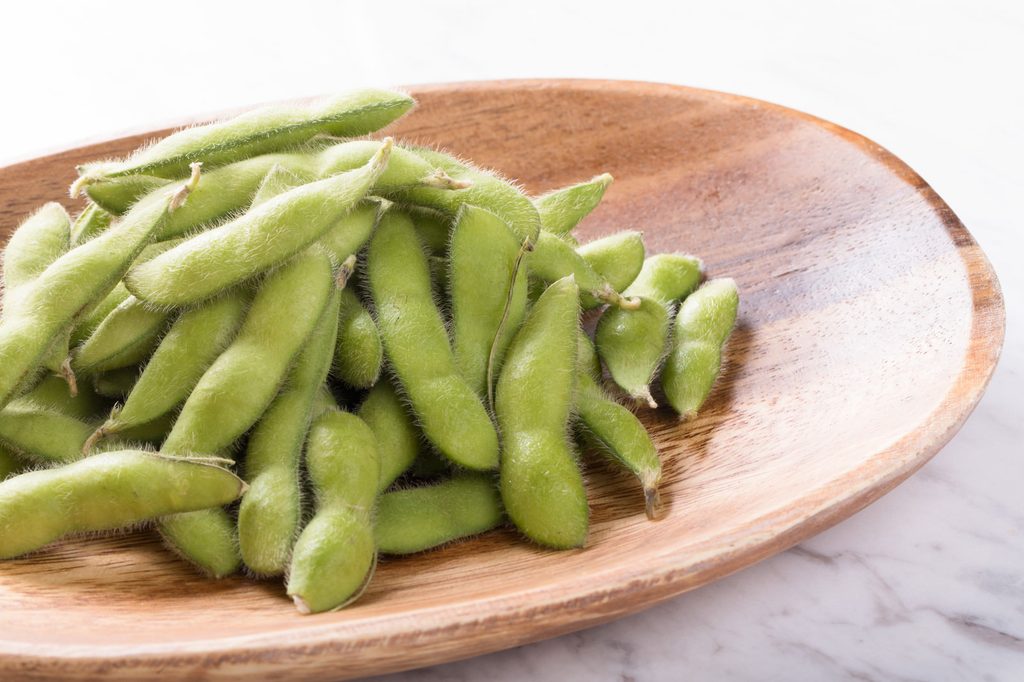
For chefs and food buyers, salt influences far more than basic taste.
It plays a role in:
- The preservation of fish and vegetables.
- Fermentation and the production of miso and soy sauce.
- The extraction and balance of flavors.
- Texture and moisture management.
- The finishing of dishes.
Different salts may vary in crystal size, mineral composition, moisture, and production method.
These differences can influence how a salt behaves in a kitchen, although they should not be confused with a guarantee of superior quality.
Visiting a Salt-Producing Region
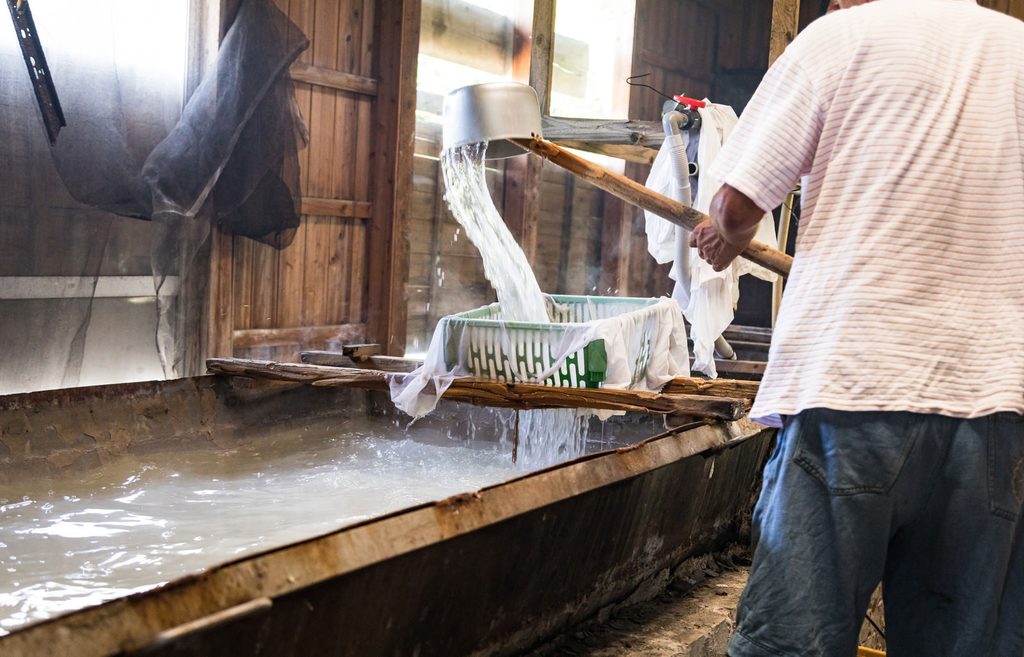
A visit to a salt-making area can connect an everyday ingredient to its landscape and production process.
For culinary professionals, this is an opportunity to understand not only the finished product but also the choices behind it: where the seawater comes from, how it is concentrated, and how the salt is prepared for use.
Five Ingredients, Five Ways to Understand Washoku
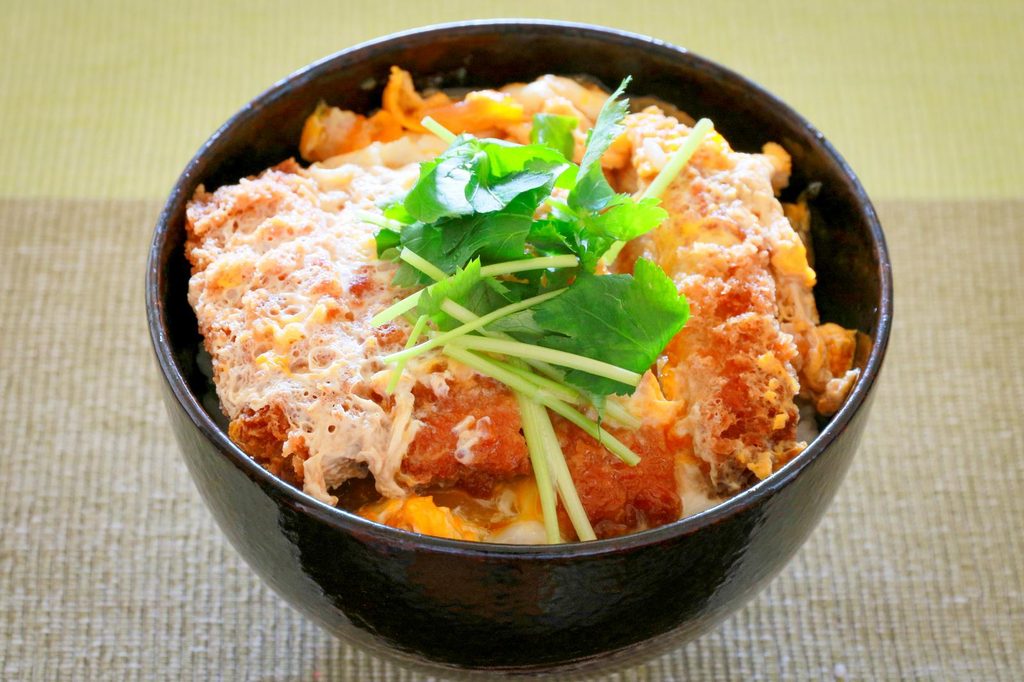
Miso, shoyu, katsuobushi, kombu, and salt are often treated as separate ingredients.
But they are also connected.
Salt supports fermentation. Fermentation creates miso and soy sauce. Kombu and katsuobushi form the basis of many dashi preparations. These ingredients, in turn, influence the flavor of countless regional dishes.
Together, they reveal a food culture shaped by preservation, seasonality, craftsmanship, and the careful use of local resources.
For chefs and buyers, exploring these ingredients region by region can provide a deeper understanding of Japanese cuisine—and new perspectives on how to use, source, and communicate the products behind it.
A Culinary Journey Through Wakayama
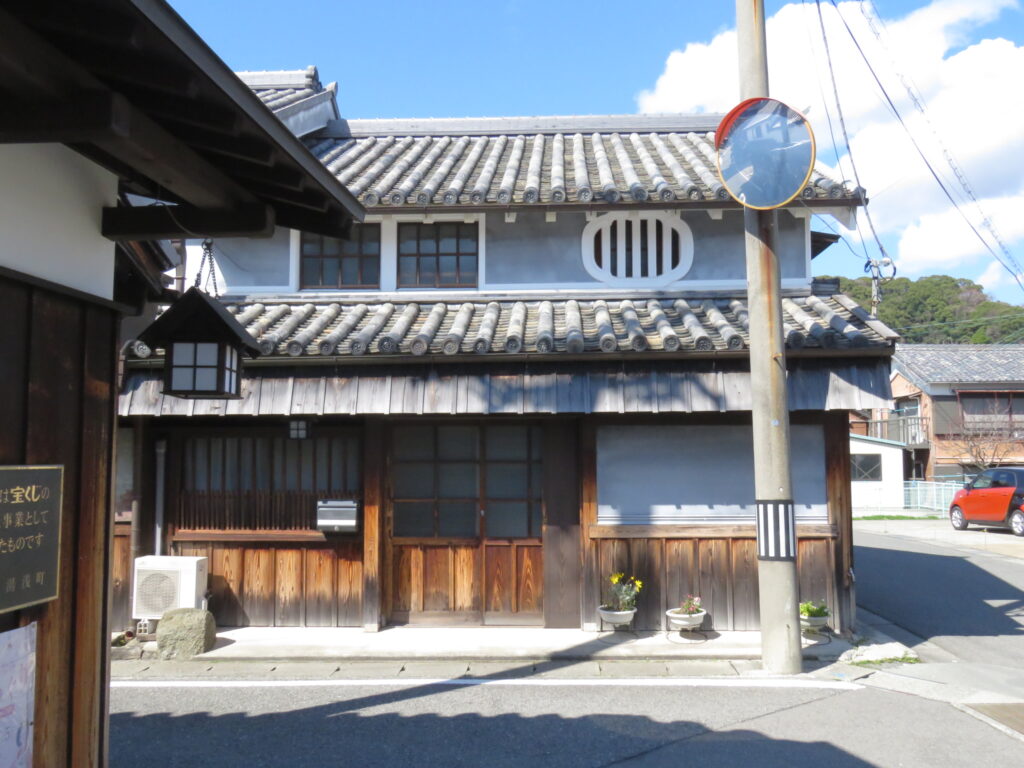
Among these five ingredients, shoyu offers a particularly direct connection to Wakayama.
The historic town of Yuasa brings together fermentation, traditional architecture, regional commerce, and the everyday culture of a coastal community.
It can also serve as a starting point for a broader exploration of the Kii Peninsula, where food culture intersects with fishing villages, agricultural landscapes, craft traditions, and historic routes.
For culinary professionals, this creates possibilities beyond a conventional sightseeing itinerary.
A private guided experience can be shaped around the interests of a chef, restaurant owner, or buyer—whether that means exploring traditional soy sauce brewing, learning about regional ingredients, or understanding how local food traditions developed.
Learn about Curated Kii Peninsula Journey
For Chefs, Restaurant Owners & Food Buyers
Curated Culinary Sourcing & Culture Journey in Wakayama
Discover the stories behind regional ingredients through guided exploration, cultural interpretation, and opportunities to learn about local producers.
Depending on availability and the interests of your group, a journey may include:
- A guided walk through Yuasa’s historic brewing district.
- Visits to traditional soy sauce breweries that receive visitors.
- Tastings and discussions about fermentation and flavor.
- Exploration of regional food culture and local ingredients.
- A broader culinary itinerary across the Kii Peninsula.
Producer visits, tastings, and business discussions require advance coordination and confirmation. The experience is designed around cultural interpretation and guided exploration; it does not itself guarantee wholesale supply, export arrangements, or commercial agreements.
Interested in exploring Wakayama’s food culture for your restaurant or business?
Contact Hiroyuki Dobashi, National Government Licensed Guide Interpreter, to discuss a private culinary journey.
Learn about Culinary Sourcing & Culture Journey
Related Posts
- Regional Ramen in Japan: 6 Local Bowls Worth Traveling For
- 5-Day Unique Food Journey in Wakayama: Ramen, Seafood and Shoyu Sauce
- Best Tuna Cutting Shows in Wakayama: Markets, Times & Tips
- Shoyu Is More Than Soy Sauce
- Japanese Shoyu Soy Sauce Suppliers: A Regional Guide with a Focus on Yuasa
No responses yet