

Japan is a country that can be explored by train, car, bicycle, or on foot.
But walking changes the way you experience it.
When you travel on foot, distances become meaningful. A mountain gradually rises in front of you. A village appears after a forest. A shrine emerges at the end of a road. You notice how landscapes change, how people live, and how food, religion, and history are connected to the places you pass through.
Japan has many long-distance walking routes, from ancient pilgrimage roads to coastal trails and historic highways.
Some take days or even weeks to complete. Others can be explored section by section, combining walking with trains and local stays.
Here are seven routes to consider if you want to experience a different side of Japan on foot.
1. Kumano Kodo: From Osaka to the Sacred Mountains of Kumano
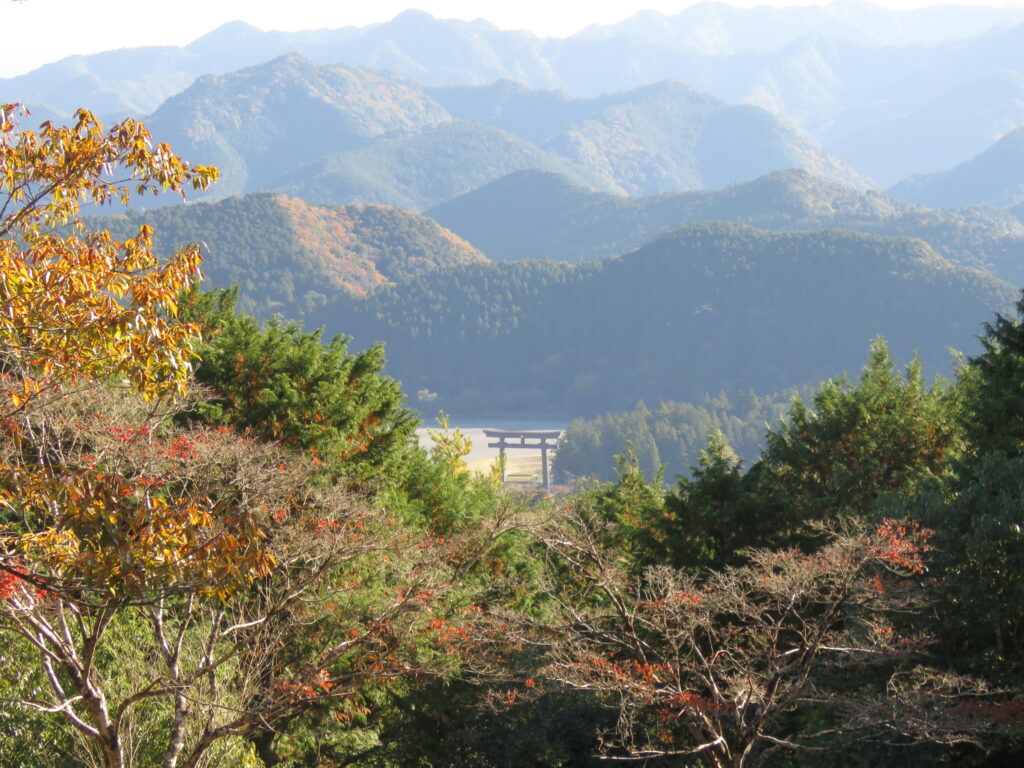
Kumano Kodo is probably Japan’s best-known pilgrimage network for international travelers.
Most visitors, however, encounter it only after they have already reached the mountainous Kii Peninsula.
There is another way to think about the journey.
You can begin much farther north, in Osaka, and gradually make your way south through the Kii Peninsula.
Osaka → Kiiji Route → Nakahechi → Kumano Sanzan
This creates a much longer story than simply hiking a famous section of the Kumano Kodo.
From Osaka toward Kumano
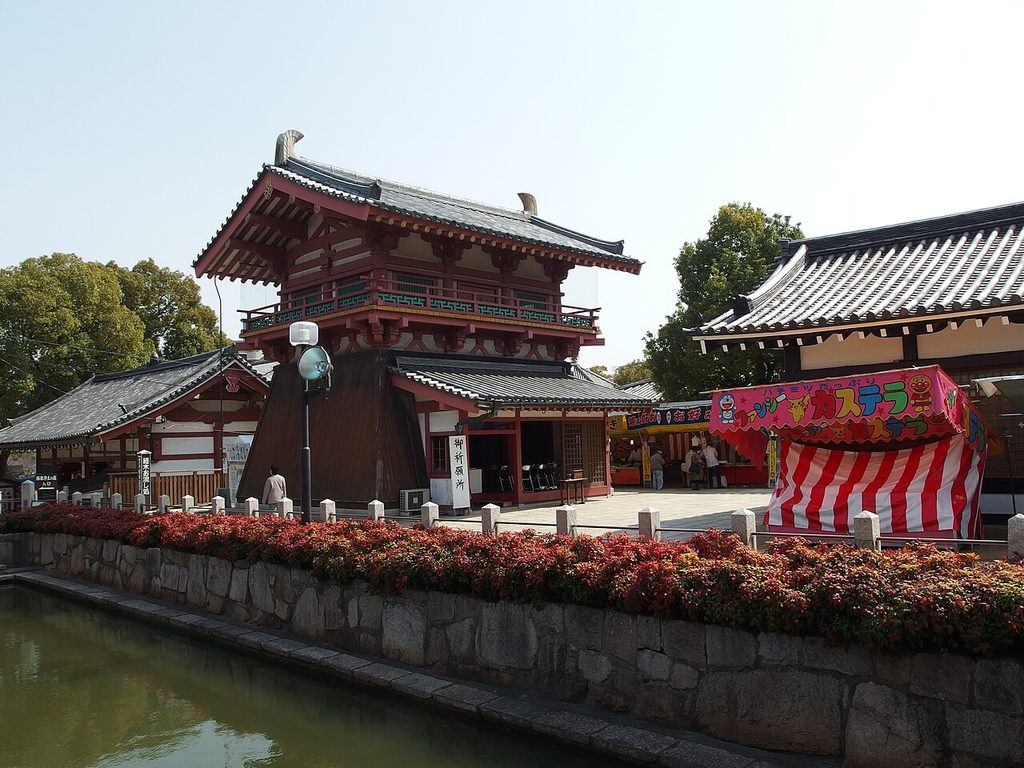
The journey begins with the Kiiji Route, the western approach to Kumano.
Unlike the forested mountain trails that many visitors associate with the Kumano Kodo, the Kiiji Route passes through coastal communities, towns, villages, agricultural landscapes, and areas where people still live and work.
This makes it particularly interesting for travelers who want to understand Japan rather than simply hike through wilderness.
Parts of the route overlap with modern roads and remain connected to everyday life. The old pilgrimage road was never simply turned into a museum; it continues to exist alongside contemporary communities.
Along the way, you may encounter small historical traces that are easy to overlook: stone markers, Jizo statues, former teahouse sites, and remnants of settlements that once supported travelers.
History here is not concentrated in one monument.
It is embedded in the landscape.
The Kiiji Route: Where the Journey Begins
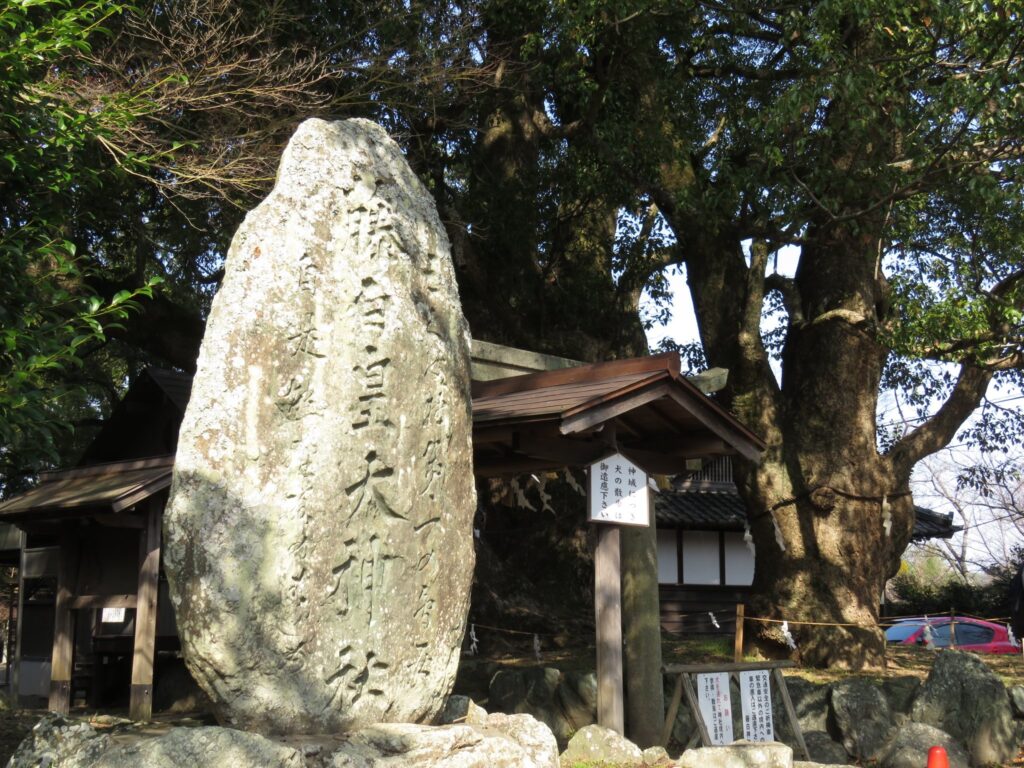
One of the most interesting places along this transition is Fujishiro Oji.
Historically, this area marked an important threshold on the journey toward Kumano.
As you continue south, the landscape gradually changes. Coastal plains and settlements give way to hills and eventually the deeper mountains of the Kii Peninsula.
The journey itself becomes part of the experience.
Rather than suddenly arriving at a sacred landscape, you gradually enter it.
Related post:
Kiiji Road Guide: The Kumano Kodo You Don’t Expect
Nakahechi: Into the Mountains
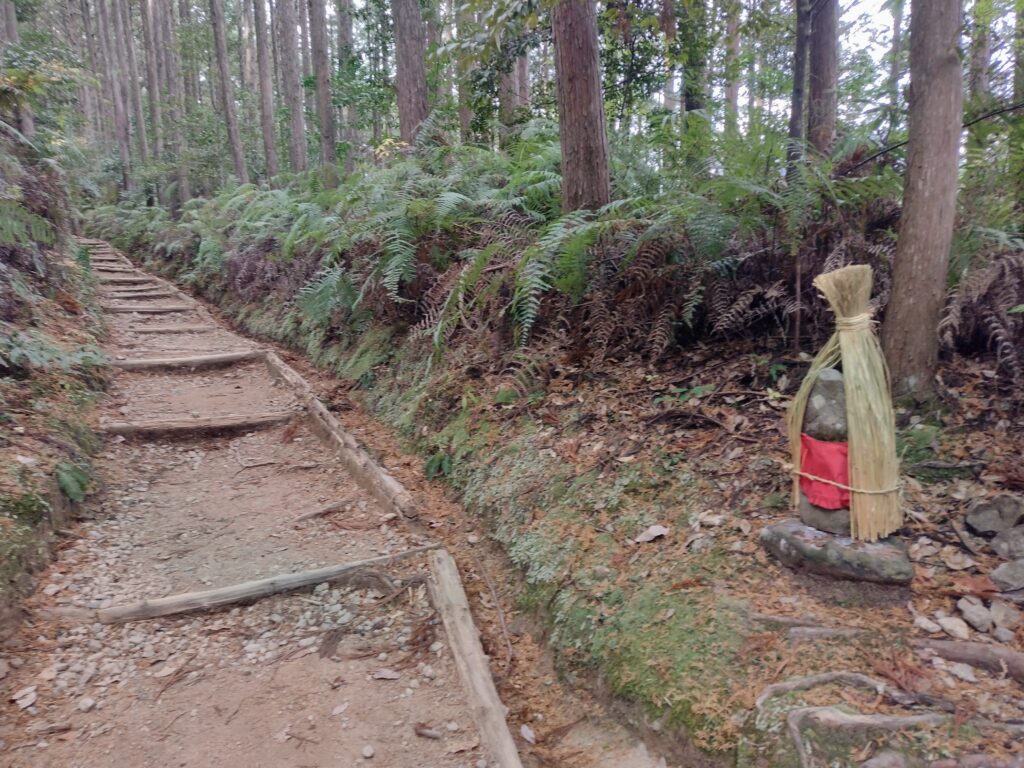
Further south, the Nakahechi Route provides the classic Kumano Kodo experience.
The path moves through forested mountains, small settlements, passes, and pilgrimage sites before reaching the sacred area of Kumano.
For many travelers, this is where the physical challenge and spiritual character of the pilgrimage become most apparent.
Walking Nakahechi for several days also creates a very different relationship with time. Instead of moving between destinations every few hours, the landscape unfolds gradually.
Related post:
Kumano Kodo Guide: Walking Through Japan’s Living Traditions
Kumano Sanzan
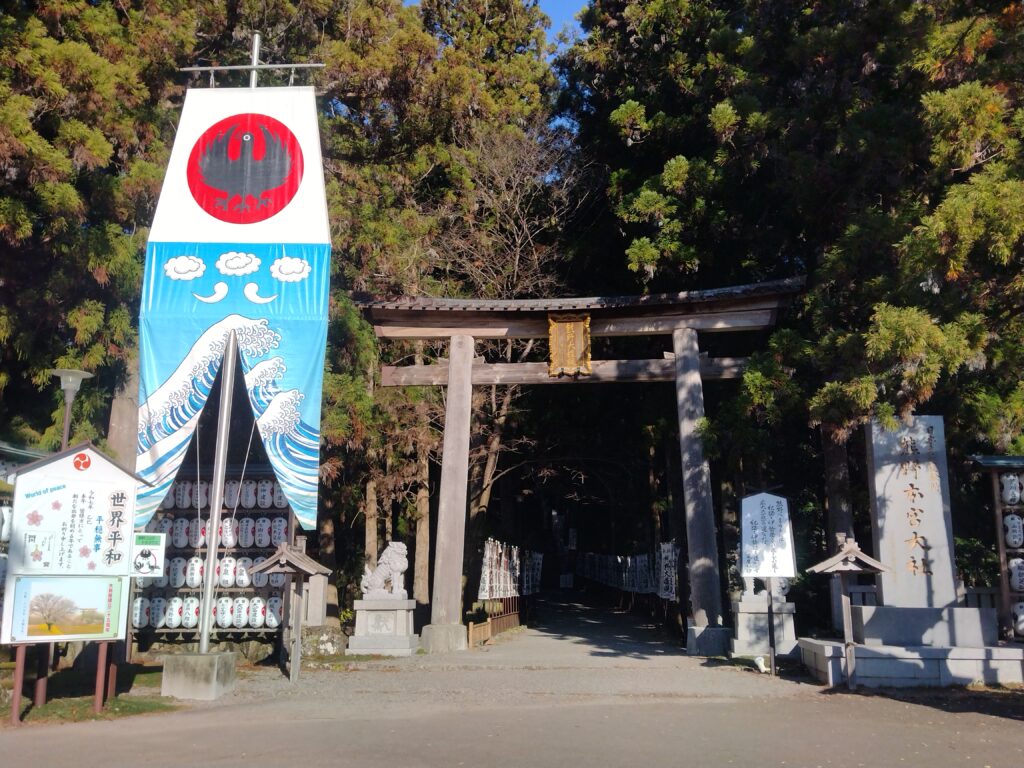
The journey eventually leads to the three major sacred sites known collectively as Kumano Sanzan:
- Kumano Hongu Taisha
- Kumano Nachi Taisha
- Kumano Hayatama Taisha
Reaching these places after walking from the north gives them a different meaning.
You have not simply arrived at three famous shrines.
You have experienced the gradual movement toward Kumano.
You Don’t Have to Walk the Entire Route
A long-distance journey does not necessarily mean walking every kilometer.
The Kumano Kodo can be experienced through a combination of:
- Half-day cultural walks
- One- or two-day sections
- Multi-day hikes
- Train journeys between walking sections
- Longer stays in towns along the route
The Kii Route is particularly suitable for travelers who want to combine walking with food, history, coastal scenery, and everyday life.
This is one reason the Kumano Kodo works so well as a slow-travel experience.
2. Shikoku Henro: A Pilgrimage Around an Entire Island
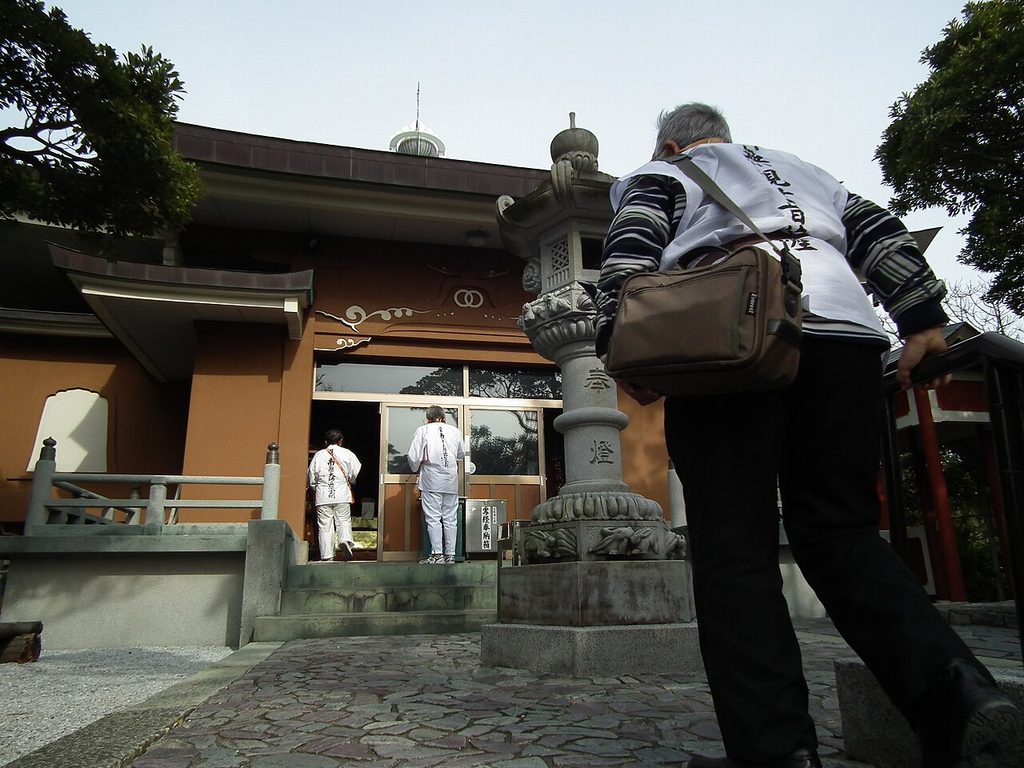
Shikoku Henro is one of Japan’s great long-distance walking journeys.
The pilgrimage connects 88 temples associated with the Buddhist monk Kukai, also known as Kobo Daishi.
The traditional pilgrimage route extends for well over 1,000 kilometers around Shikoku.
Unlike a conventional hiking trail, however, the experience is not primarily about wilderness.
You walk through cities, suburbs, villages, farmland, mountains, and coastal areas.
That mixture is part of the appeal.
A traveler walking the Shikoku pilgrimage begins to see how religious traditions are connected with ordinary communities.
You may walk through a quiet mountain road in the morning and find yourself in a residential neighborhood by the afternoon.
For travelers interested in pilgrimage culture, community, and long-distance walking itself, Shikoku offers one of Japan’s most immersive journeys.
3. Nakasendo: Walking Through Japan’s Historic Interior
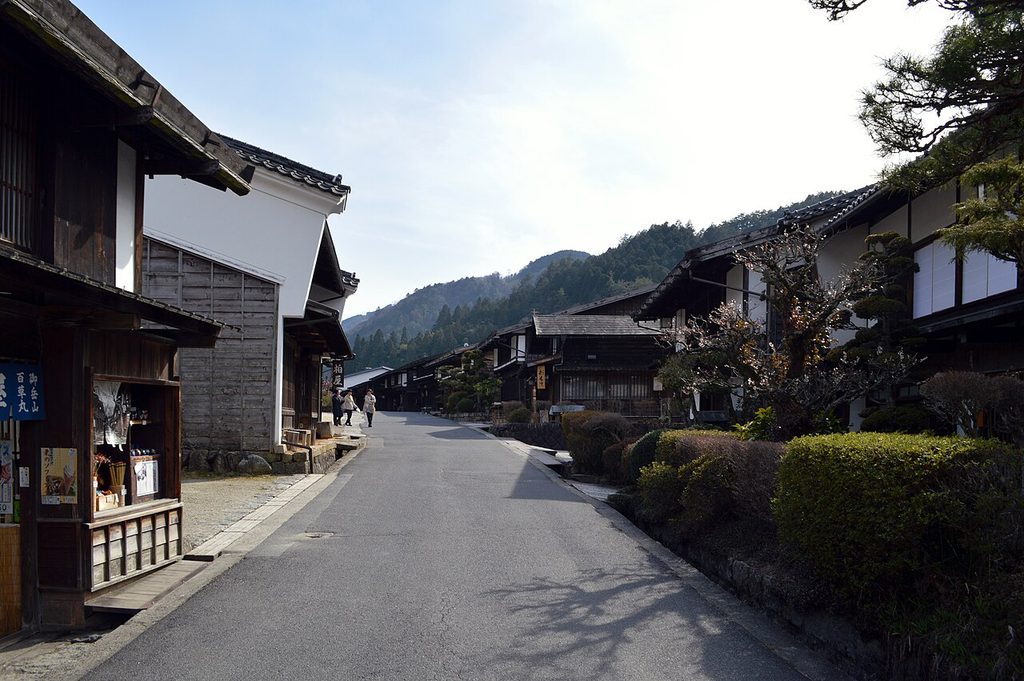
Nakasendo was one of the major routes connecting Edo, modern Tokyo, with Kyoto during the Edo period.
Today, travelers often walk selected sections rather than attempting the entire historic route.
One of the most famous areas is the Kiso Valley, where historic post towns such as Tsumago-juku and Magome-juku have preserved much of their traditional character.
The attraction here is not simply the trail.
It is the relationship between the road and the towns that developed around it.
Walking between post towns allows you to imagine how people traveled before modern transportation transformed Japan.
Forests, mountain passes, rice fields, old houses, tea houses, and historic streets become part of a continuous landscape.
For visitors interested in traditional architecture and the history of travel in Japan, the Nakasendo is an excellent introduction to long-distance walking.
4. Michinoku Coastal Trail: Walking Japan’s Pacific Coast
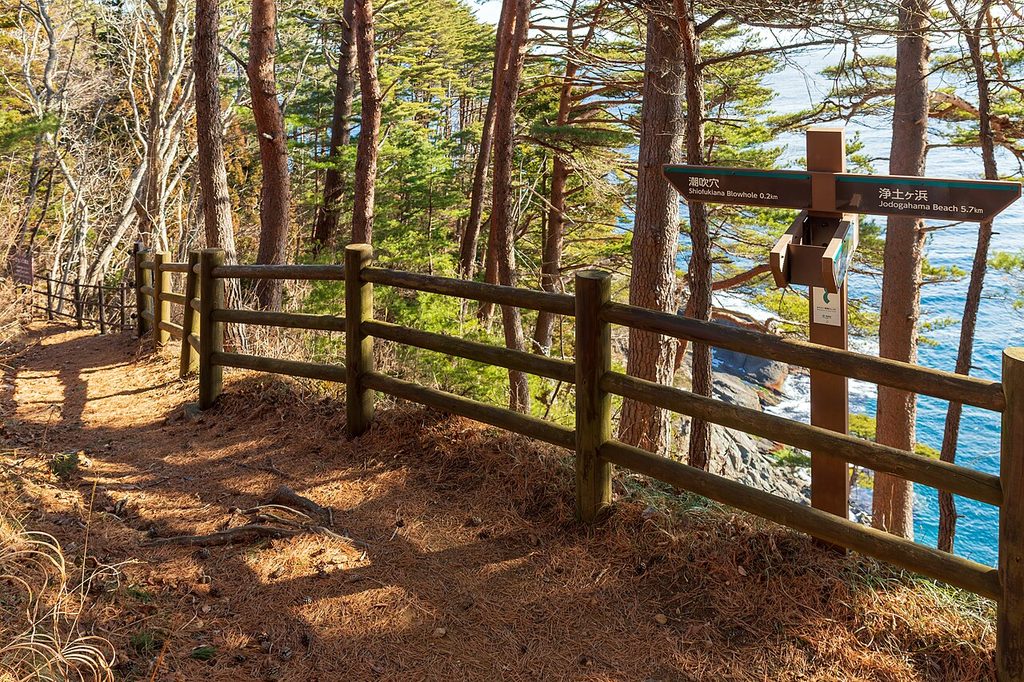
Michinoku Coastal Trail follows Japan’s northeastern Pacific coast.
The trail was created in the aftermath of the 2011 Great East Japan Earthquake and Tsunami and connects coastal landscapes across the Tohoku region.
This is a very different kind of long-distance walk from the pilgrimage routes of western Japan.
Here, the defining experience is the relationship between ocean, mountains, villages, and human resilience.
You encounter dramatic cliffs, beaches, fishing communities, forests, and coastal settlements.
Walking allows you to understand the scale of the coastline in a way that traveling by train or car cannot.
It is also an example of how a walking route can connect travel with the history and future of local communities.
For experienced walkers looking for a long coastal journey, this is one of Japan’s most distinctive choices.
5. Tokaido: Follow Japan’s Historic East-West Corridor
20250503-IMG_3722-1024x683.jpg)
Tokaido was the principal route connecting Edo and Kyoto during the Edo period.
Today, much of the original road has disappeared beneath modern cities and infrastructure.
But traces of the historic route remain.
Walking sections of the Tokaido provides an interesting contrast to the Nakasendo.
The Nakasendo takes travelers through mountain landscapes and historic post towns.
The Tokaido reveals a different Japan: coastal plains, urban areas, old settlements, rivers, temples, and historic roads absorbed into modern life.
In fact, this may be the most interesting reason to walk parts of the Tokaido.
You can see how an ancient transportation corridor became part of modern Japan.
Rather than looking for a perfectly preserved historical landscape, you are watching history being continuously adapted.
6. Shiretoko and Hokkaido: Long Walks at the Edge of the Wilderness
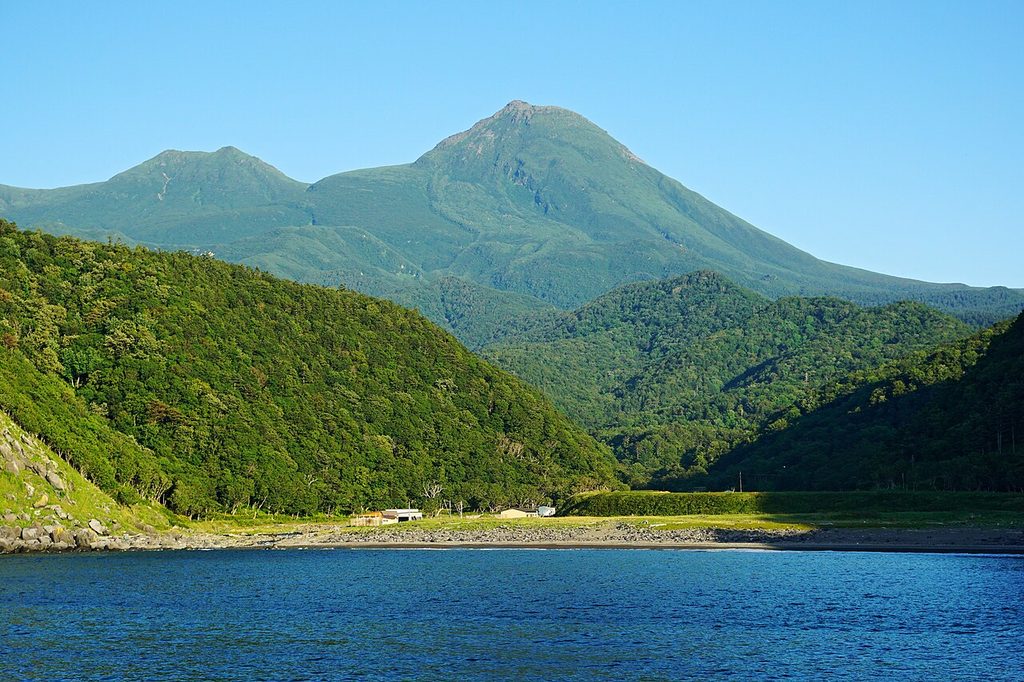
Shiretoko National Park offers a completely different experience.
In contrast to pilgrimage routes and historic roads, the emphasis here is on wilderness.
The Shiretoko Peninsula contains forests, mountains, coastline, rivers, and wildlife habitats.
Some walking routes are relatively short, while others can be combined into longer wilderness-oriented itineraries.
The experience is less about following a historic road from one settlement to another and more about entering a landscape where human presence is relatively limited.
This is a good choice for travelers whose definition of long-distance walking is closer to trekking and wilderness exploration.
It also demonstrates how diverse walking in Japan can be.
Long-distance walking does not always mean pilgrimage or historic roads.
Sometimes it means simply moving slowly through a remarkable natural landscape.
7. Kinki Nature Trail: Discovering the Quieter Side of Kansai
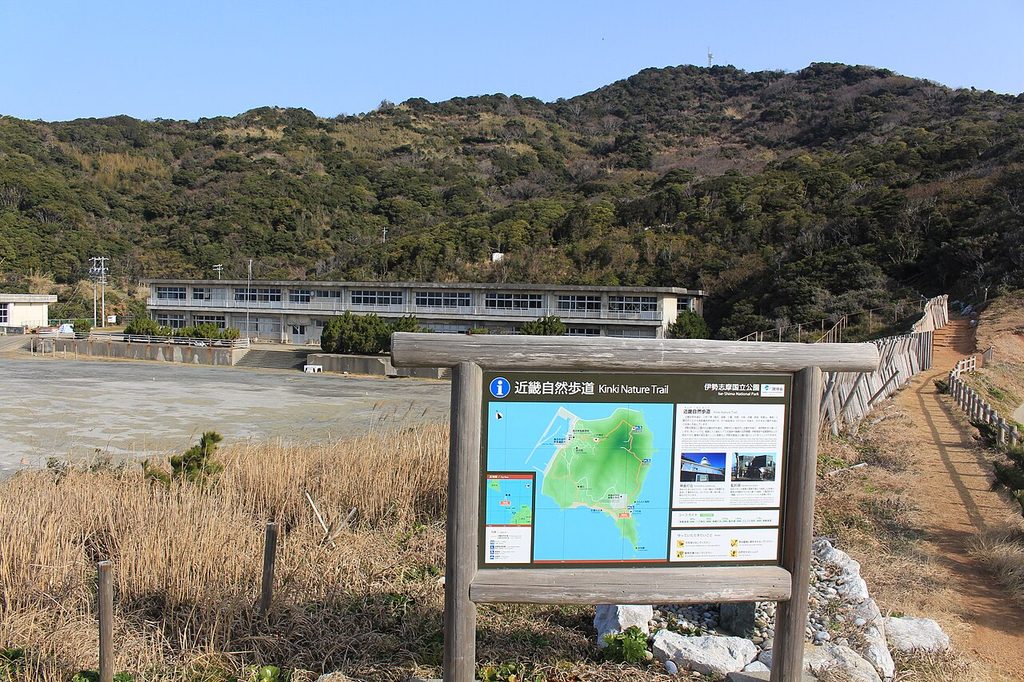
Kinki Nature Trail stretches across the Kansai region.
It is much less internationally famous than the Kumano Kodo or Nakasendo, which is precisely what makes sections of it interesting.
In Wakayama, the trail connects quieter natural environments away from the region’s most famous tourist destinations.
You can find forest landscapes, rural areas, mountains, and communities where tourism is not the primary purpose of the landscape.
For repeat visitors to Kansai, this type of trail can offer something very different from the standard Osaka–Kyoto–Nara itinerary.
It is also useful for travelers who do not necessarily want to commit to a famous multi-day pilgrimage.
You can simply choose a section and walk.
Long-Distance Walking Does Not Have to Mean Walking Every Day

One of the biggest misconceptions about long-distance walking is that you have to complete an entire route.
You don’t.
In Japan, some of the most rewarding walking journeys are hybrid journeys.
You might:
- Walk for several hours
- Take a local train
- Spend the night in a small town
- Explore a local food culture
- Walk another section the following morning
- Spend an afternoon visiting a historic site
- Continue by train the next day
This approach is particularly useful in Japan because the country’s rail network allows travelers to combine walking and public transportation.
It also makes it possible to adapt a long-distance route to your interests and physical condition.
The goal is not necessarily to collect kilometers.
The goal is to experience the journey.
What Makes Long-Distance Walking Different?
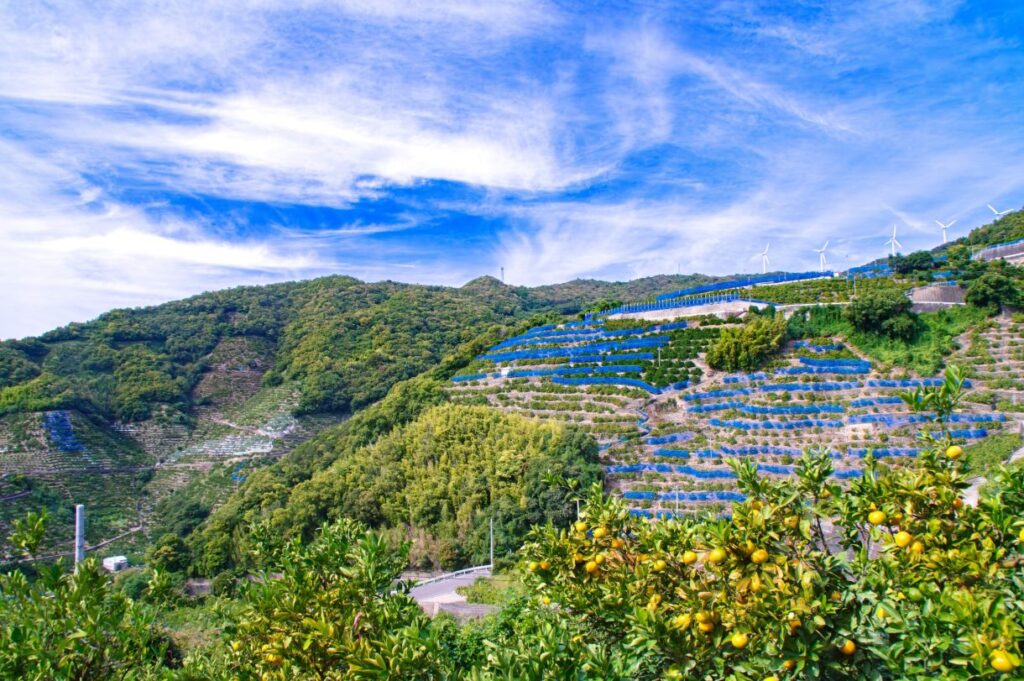
Walking changes your sense of distance.
When you travel by train, a town may disappear outside the window in a few minutes.
When you walk, you notice the transition.
A fishing village becomes farmland.
Farmland becomes forest.
The road becomes steeper.
A shrine appears.
Then another village begins.
These transitions reveal something that conventional sightseeing often hides: how different parts of Japan are connected.
This is especially visible on pilgrimage routes.
The Kumano Kodo, for example, was supported not only by religious institutions but also by the communities along the road. Small settlements, resting places, food, and accommodation all formed part of the infrastructure that made long journeys possible.
Walking therefore becomes a way of reading the landscape.
Which Japanese Walking Route Is Right for You?

If you are interested in pilgrimage and spirituality
Consider:
Kumano Kodo or Shikoku Henro
Both connect walking with religious history, but the experiences are very different.
Kumano is centered around the sacred landscapes of the Kii Peninsula, while Shikoku creates a much larger journey around an entire island.
If you love historic towns
Consider:
Nakasendo or Tokaido
These routes reveal how transportation shaped the development of towns and communities in premodern Japan.
If you want dramatic coastal scenery
Consider:
Michinoku Coastal Trail
This offers a very different perspective on Japan’s Pacific coast and the communities that live there.
If you want wilderness
Consider:
Shiretoko and Hokkaido
Here the emphasis shifts away from history and pilgrimage toward nature and remote landscapes.
If you want a quieter Kansai experience
Consider:
Kii Route or sections of the Kinki Nature Trail
These are particularly interesting for travelers who want to explore beyond the standard tourist circuit.
Why Start a Kumano Journey in Osaka?
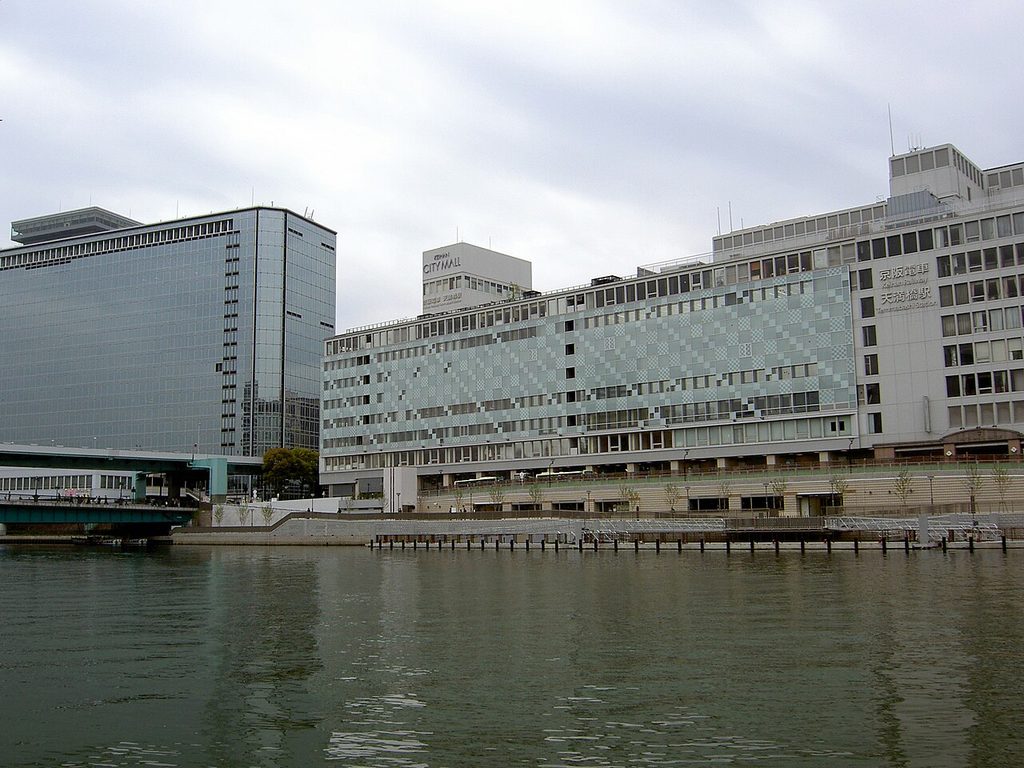
For international travelers, Kumano is often presented as a destination in the southern Kii Peninsula.
But there is another way to understand it.
Kumano is not simply somewhere you go. It is somewhere you approach.
Beginning in Osaka and gradually traveling south gives the journey a sense of direction.
The Kii Route introduces the coastal and everyday landscapes of Wakayama.
The landscape gradually changes.
The road approaches the mountains.
The Nakahechi takes you deeper into the peninsula.
And finally, you arrive at Kumano Sanzan.
The journey becomes a progression:
City → Coast → Towns → Rural Japan → Mountains → Sacred Landscape
This is perhaps the most interesting reason to think of Kumano as a long-distance walking journey rather than simply a hiking destination.
The route is not just a line on a map.
It is a change in landscape, culture, and atmosphere.
Experience the Journey, Not Just the Trail
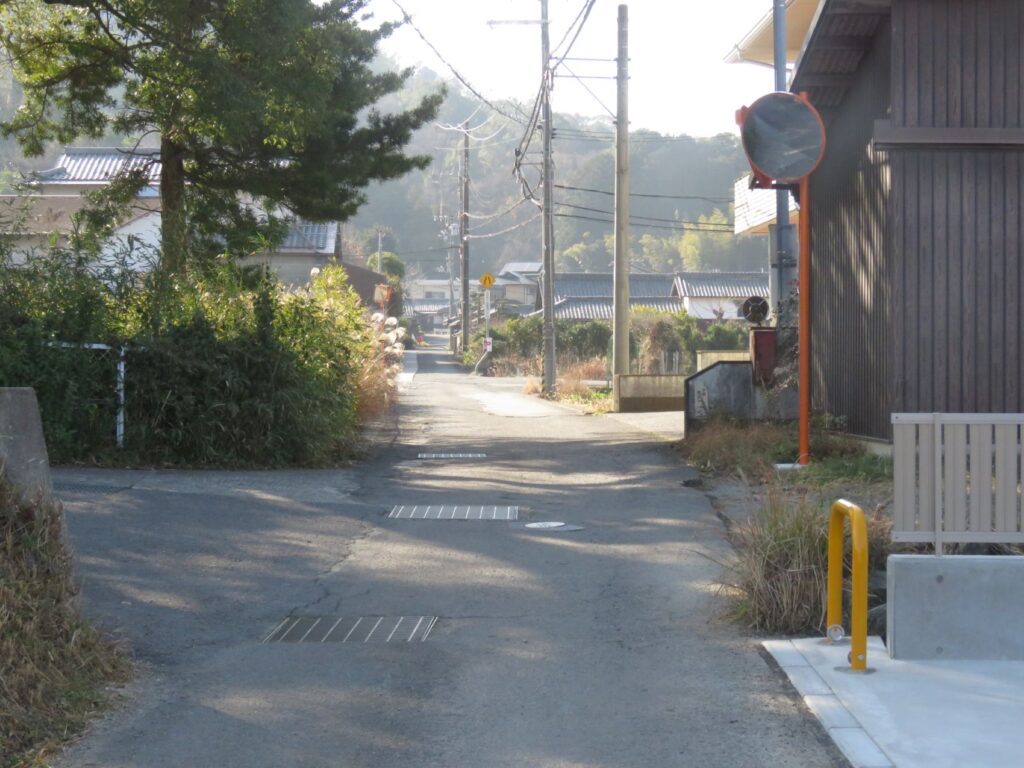
Walking independently can be deeply rewarding.
But some of the most interesting parts of a historic route are not always obvious.
A stone marker may look like an ordinary roadside object.
A small shrine may seem insignificant.
A traditional food may appear to be just another local specialty.
With historical and cultural context, however, these details begin to connect.
On the Kiiji Route, for example, traces of the old pilgrimage system are scattered among contemporary communities rather than concentrated in a single preserved historic site.
That is why walking with a local guide can change the experience.
The purpose is not simply to make sure you follow the correct path.
It is to help you understand why the path is there in the first place.
A Different Way to Experience Wakayama
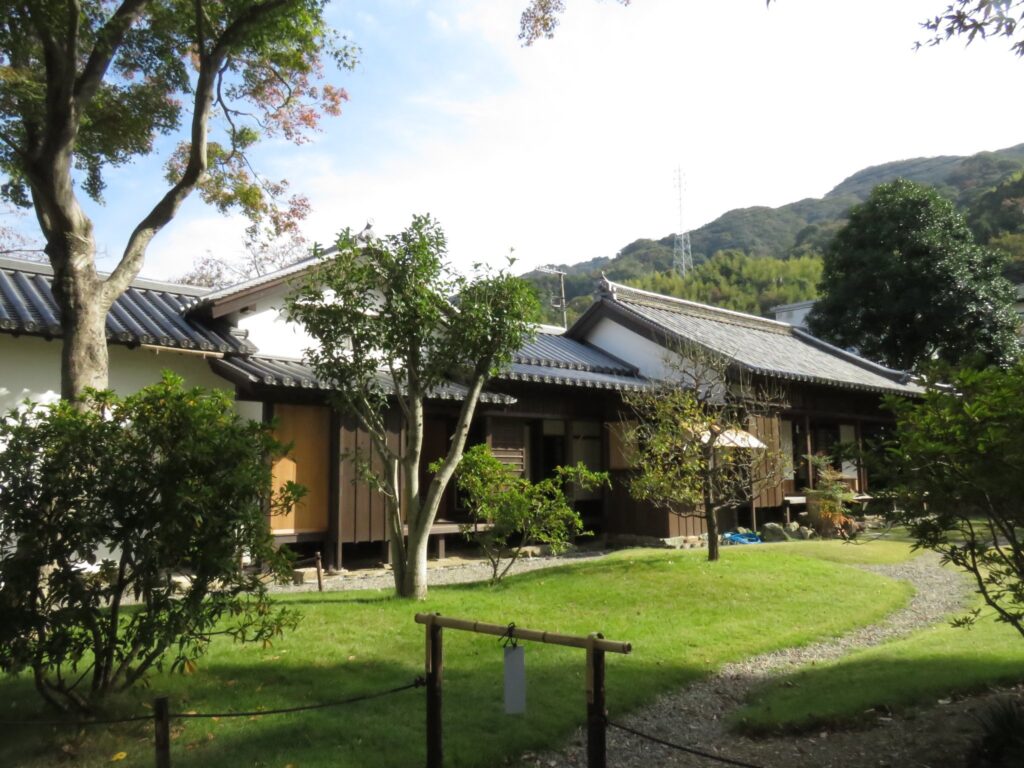
If you are planning to walk the Kumano Kodo, you do not necessarily have to spend your entire trip hiking.
You could begin with a cultural walk along the Kii Route.
You might explore historic Yuasa and its traditional food culture.
You could spend time along the coast.
You could then continue toward the mountains and walk a section of the Nakahechi.
This creates a journey that combines:
walking + history + food + local life + nature
rather than treating hiking as an isolated activity.
For travelers staying several days in the Kii Peninsula, this can be a much richer way to experience the region.
Final Thoughts: Walk Across Japan, One Landscape at a Time
Japan is famous for its trains.
But some of the country’s most interesting stories are found between the stations.
Long-distance walking allows you to slow down enough to notice those spaces.
The road between two towns.
The village beside a pilgrimage route.
The mountain pass connecting two valleys.
The fishing community along the coast.
The shrine that marks a transition between ordinary life and sacred space.
You do not have to walk hundreds of kilometers to experience this.
Sometimes a single half-day section is enough to change how you see a region.
And if you have more time, you can keep walking.
From Osaka toward Kumano.
From the Kii Route into the mountains.
From one historic town to another.
Step by step, Japan becomes less a collection of destinations and more a continuous landscape.
The journey itself becomes the destination.
Related Posts
- Best Hiking Destinations in Japan: 8 Places Beyond the Usual Trails
- Before the Kumano Walk: A Slow Cultural Day Around Kainan
- Walking Choishi-michi: Following the Pilgrims to Koyasan
- Hidden Hiking Spots in Wakayama (Beyond Kumano Kodo)
No responses yet