
Where Pilgrimage Meets Everyday Life
Not All Kumano Kodo Routes Feel the Same
When people think of the Kumano Kodo, they often imagine quiet mountain trails like the Nakahechi Route.
But there is another route—less famous, often overlooked, yet deeply revealing.
The Kiiji Road.
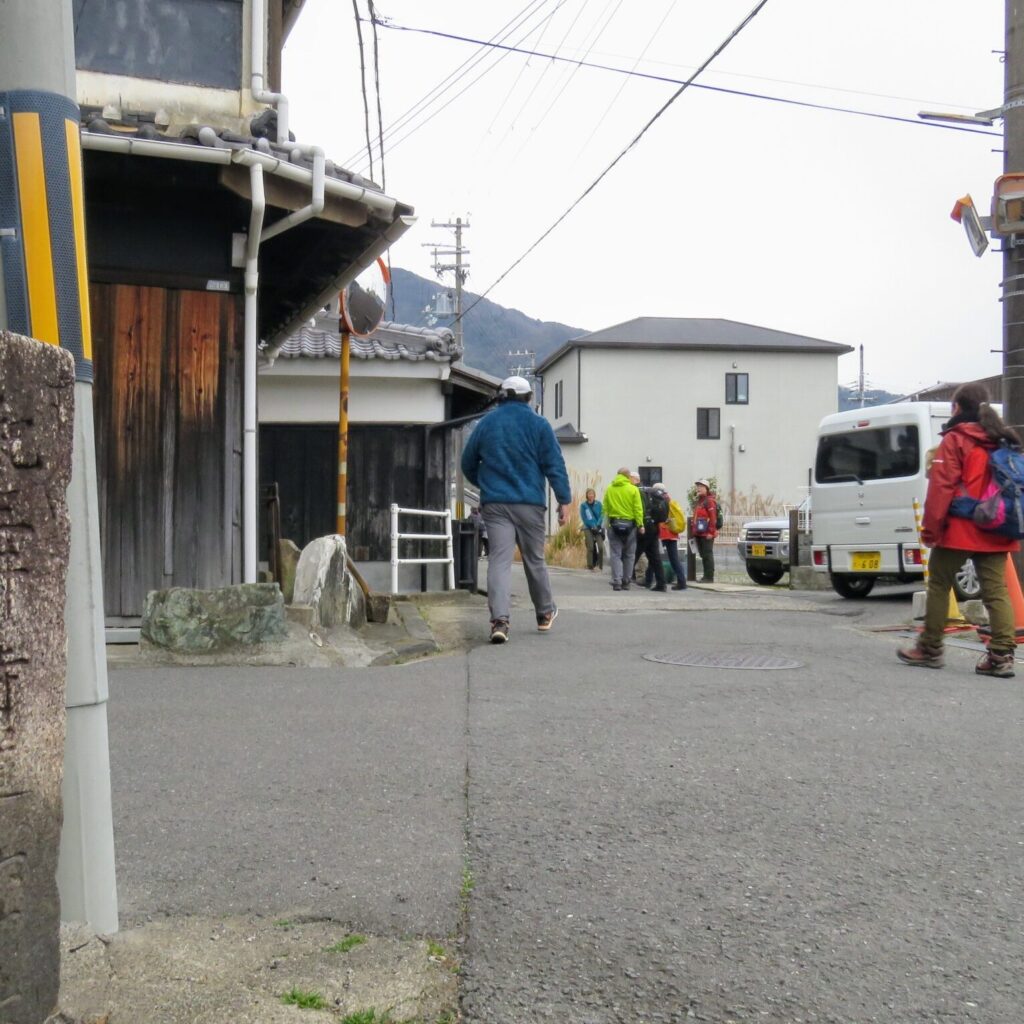
This is not a trail separated from daily life.
It is a road where pilgrimage and everyday living have coexisted for centuries.
The True Entrance to Kumano
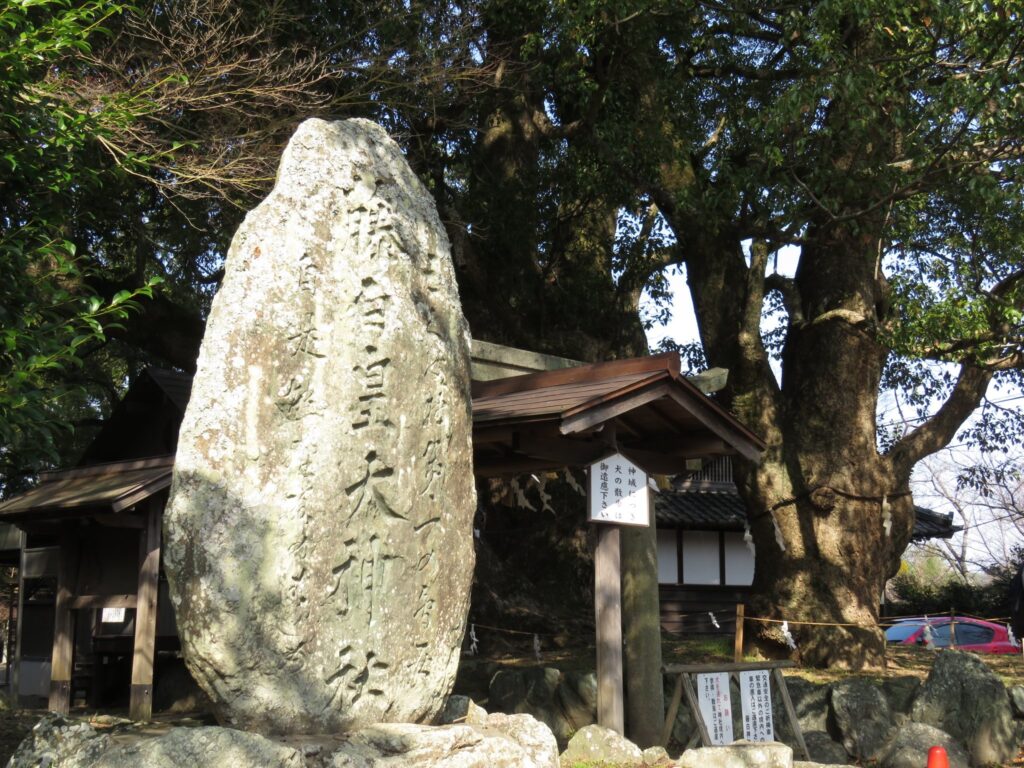
Before pilgrims entered the deep mountains of Kumano, there was a moment of transition.
That place was Fujishiro Oji.
Historically, this was considered the true entrance to the sacred realm of Kumano.
Beyond this point, the journey was no longer just travel—it became pilgrimage.
From here, the route begins to climb into the hills, marking a clear shift:
- From coastal plains to mountainous terrain
- From everyday movement to spiritual intention
Understanding this threshold changes how you experience the Kii Road.
It is not just a lead-in to the Kumano Kodo.
It is where the journey begins to transform.
A Road That Never Became a “Museum”
Unlike other sections of the Kumano Kodo, the Kiiji Road was never fully isolated.
Today, large parts of it overlap with modern roads such as National Route 42.
- People commute here
- Children walk to school
- Goods are transported daily
What was once a pilgrimage route is still in use—not preserved, but continued.
Layers of History Beneath Your Feet
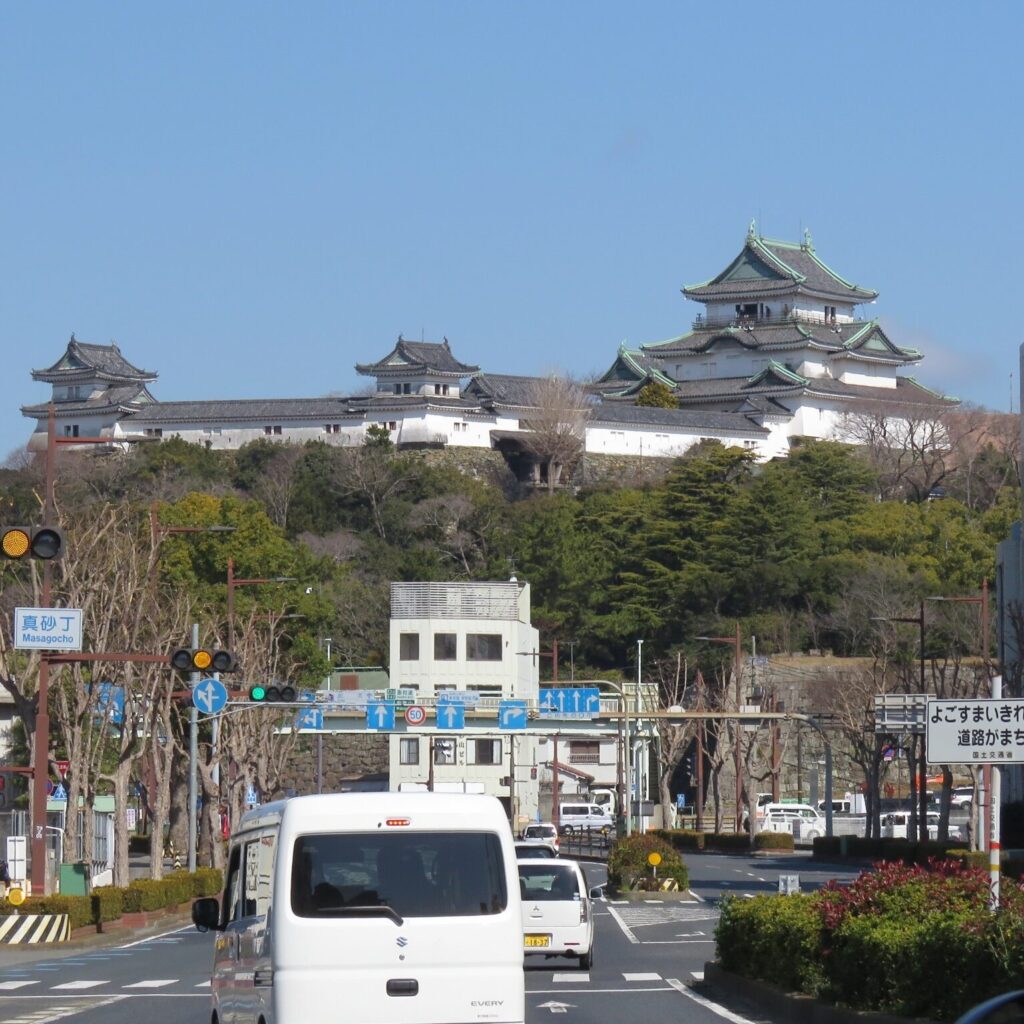
The Kiiji Road is rich in historical remains—though many are easy to overlook.
Along the route, you can find:
- Stone markers indicating distances and routes
- Remains of teahouses where pilgrims once rested
- Traces of former settlements that supported travel
- Jizo statues dedicated to those who died along the way
These elements are not concentrated in a single site.
They are scattered across the landscape, woven into daily life.
This is what makes the Kii Road unique:
History here is not displayed.
It is embedded.
Maintained by the People Who Live Here
The Kiiji Road continues to exist because it is still part of everyday life.
Local residents:
- Maintain the roadside
- Care for surrounding vegetation
- Keep paths accessible
This ongoing care reflects a long-standing relationship between people and place.
Why the Kiiji Road Matters
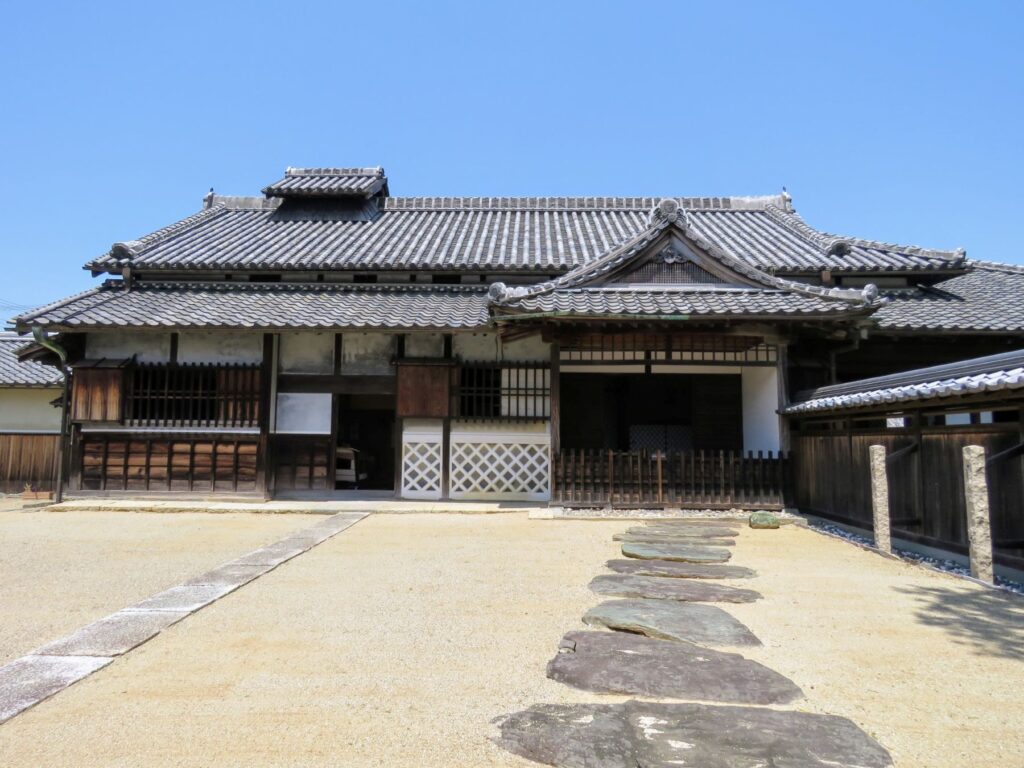
Most Kumano Kodo routes are experienced as an escape into nature.
The Kiiji Road offers something different:
- A historical threshold at Fujishiro Oji
- A landscape filled with subtle historical remains
- A road still used in everyday life
It is less dramatic—but often more revealing.
Walk With Context, Not Just Direction
Without context, the Kiiji Road may appear ordinary.
With context, it becomes:
- The entrance to a sacred journey
- A network of lived-in history
- A continuous rhythm connecting past and present
Suggested Experience
To fully appreciate the Kii Road:
- Walk from coastal areas toward Fujishiro Oji
- Observe how the landscape gradually changes
- Combine the walk with nearby cultural destinations like Yuasa
👉 See also:
No responses yet