
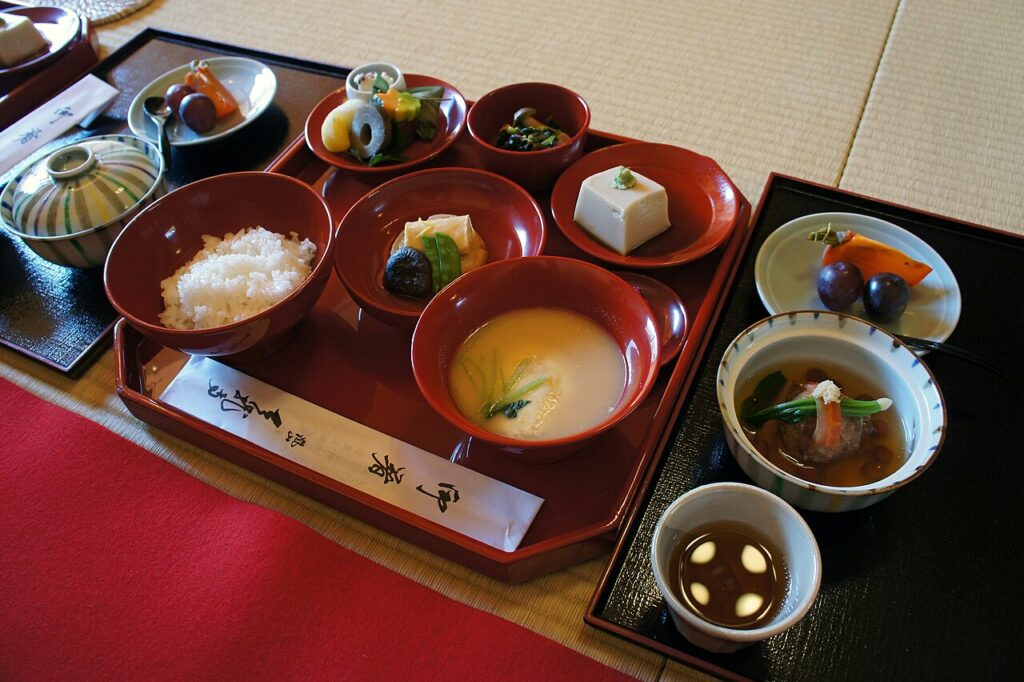
When people think of Japanese vegetarian food, they often picture tofu, vegetable sushi, or modern vegan restaurants.
But Japan has another, much older tradition: shojin ryori, the Buddhist cuisine developed in temples and monasteries.
Shojin ryori is more than a vegetarian meal. It reflects Buddhist ideas about simplicity, seasonality, mindfulness, and respect for ingredients. Traditionally, cooks make use of vegetables, grains, beans, mushrooms, seaweed, and tofu while avoiding meat and fish. In many traditions, strongly aromatic ingredients such as garlic and onions are also avoided.
For travelers, one of the most interesting ways to experience shojin ryori is not simply to visit a restaurant. It is to eat it in a town where Buddhist culture is still part of everyday life.
From mountain temple towns to historic castle cities and former Zen centers, here are seven places in Japan where you can experience traditional Buddhist vegetarian cuisine.
What Is Shojin Ryori?
Shojin ryori developed alongside Buddhism in Japan and became particularly associated with Buddhist temples and monastic life.
The word shojin has a Buddhist meaning related to spiritual discipline and devotion. Food therefore became part of a larger practice rather than simply a way of satisfying hunger.
Instead of relying on meat, fish, or rich sauces, shojin cuisine draws out the natural qualities of seasonal ingredients. Tofu, sesame, mushrooms, mountain vegetables, root vegetables, beans, and seaweed can all play important roles.
The result can be surprisingly elaborate.
A traditional meal may contain many small dishes, each prepared using a different technique and presenting a different color, texture, and flavor. At the same time, the meal retains an emphasis on simplicity and moderation.
Today, shojin ryori is often described as Japanese Buddhist vegetarian or vegan cuisine. But eating it in a temple town gives you an opportunity to understand the tradition beyond the modern category of “vegan food.”
1. Koyasan, Wakayama: Shojin Ryori in a Living Buddhist Town
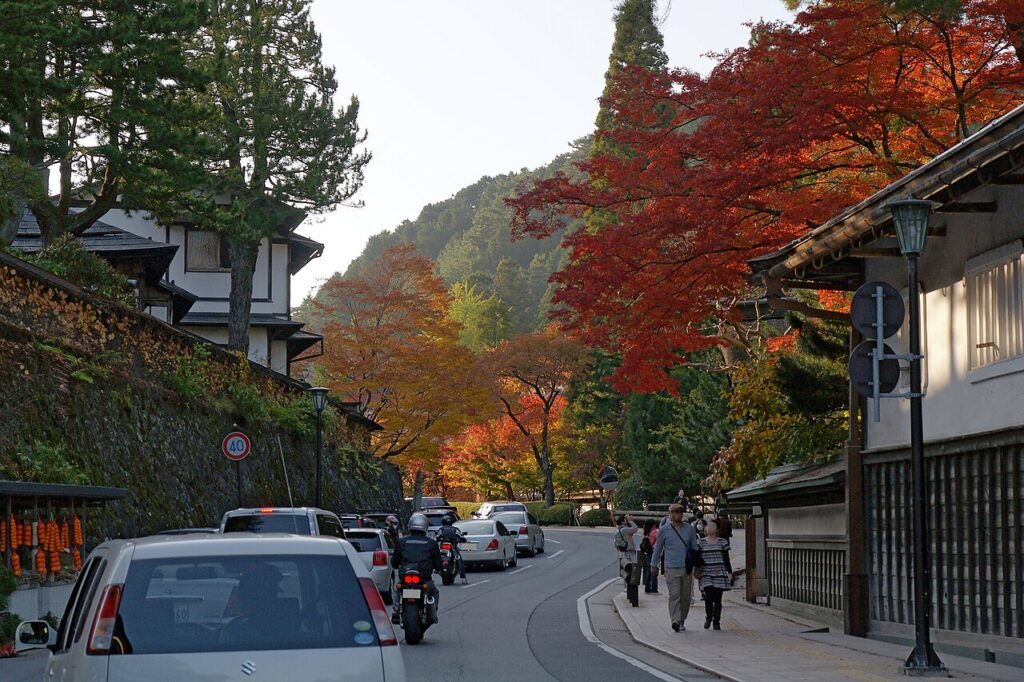
High in the mountains of Wakayama Prefecture, Koyasan is one of Japan’s most distinctive places to experience shojin ryori.
Koyasan was established by the Buddhist monk Kukai, also known as Kobo Daishi, in the early ninth century. Today, the mountain remains an important center of Shingon Buddhism, with numerous temples and temple lodgings spread throughout the town.
Food is part of that living religious culture.
Eat Shojin Ryori at a Temple Lodging
One of the most immersive ways to experience shojin ryori in Koyasan is to stay at a shukubo, a temple lodging.
A temple stay typically combines accommodation with aspects of temple life, and meals are an important part of the experience. At temples such as Ekoin, seasonal vegetables, beans, seaweed and other plant-based ingredients are used to prepare traditional shojin ryori. The temple also offers lunch reservations for visitors who are not staying overnight.
This makes Koyasan particularly interesting for travelers who want to experience Buddhist cuisine without necessarily committing to a full temple stay.
You Can Also Eat in Town
You don’t have to sleep in a temple to experience Buddhist cuisine on Koyasan.
Several restaurants in the town serve vegetarian or shojin-style meals, allowing visitors to combine a meal with a walk through Koyasan’s temple district.
One ingredient particularly associated with Koyasan is goma-dofu, or sesame tofu. Made from sesame and kudzu starch rather than soybeans, it has a smooth, rich texture and is a classic part of Koyasan’s Buddhist culinary culture. Some temples and specialist shops also offer it separately.
This combination of temple lodging, Buddhist cuisine, historic temples and a walkable religious town makes Koyasan very different from simply visiting a vegan restaurant in a large city.
For travelers interested in Japanese food culture, it can be an opportunity to understand how cuisine, religion, nature and daily life have influenced one another over centuries.
Read more: Curated Food & Spiritual Experience in Koyasan
2. Eiheiji, Fukui: Experience Shojin Ryori at a Zen Monastery
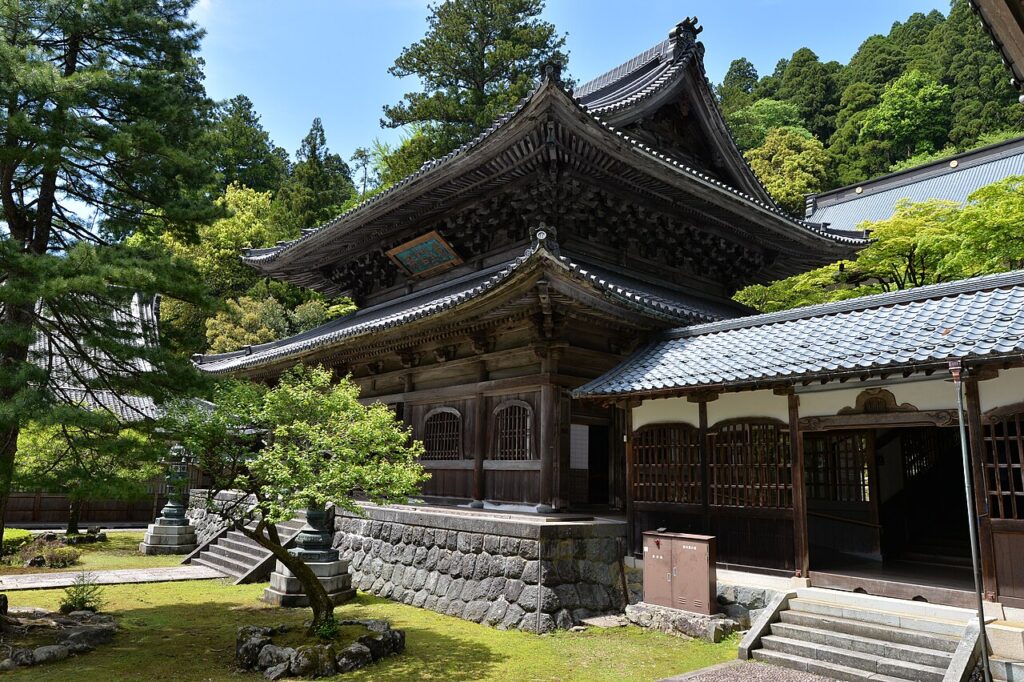
Deep in the mountains of Fukui Prefecture, Eiheiji is one of Japan’s most important Zen Buddhist temples.
Founded by Dogen in the thirteenth century, Eiheiji remains associated with the practice of Soto Zen. Unlike a historic temple that functions primarily as a sightseeing attraction, it retains the atmosphere of a working religious institution.
That makes it an especially interesting place to think about the original context of shojin ryori.
The cuisine is closely connected with Zen ideas of discipline and attentiveness. Rather than treating vegetables as substitutes for meat, shojin cooking seeks to appreciate the ingredients themselves and use them carefully.
The Japan National Tourism Organization describes this approach as emphasizing what can be eaten rather than focusing on what cannot, including the use of every part of a vegetable or plant.
A visit to Eiheiji therefore puts shojin ryori into a much broader context: food as part of Zen practice.
3. Kyoto: Temple Cuisine in Japan’s Historic Capital

Kyoto is probably the easiest place in Japan to encounter shojin ryori.
The city has been closely connected with Buddhism for centuries, and many of its temples preserve traditions of vegetarian cuisine.
One of the pleasures of eating shojin ryori in Kyoto is that the meal can become part of a temple visit.
At Tenryu-ji in Arashiyama, for example, Shigetsu serves traditional shojin ryori within the temple grounds. Other established restaurants can be found around Daitoku-ji and Myoshin-ji.
The Kyoto experience is particularly suitable for travelers who want to combine several aspects of Japanese culture in one day:
temple → garden → seasonal cuisine → traditional neighborhood.
Kyoto also demonstrates how shojin ryori developed beyond strictly monastic settings and became part of the city’s wider culinary culture.
4. Kamakura, Kanagawa: Shojin Ryori and Zen
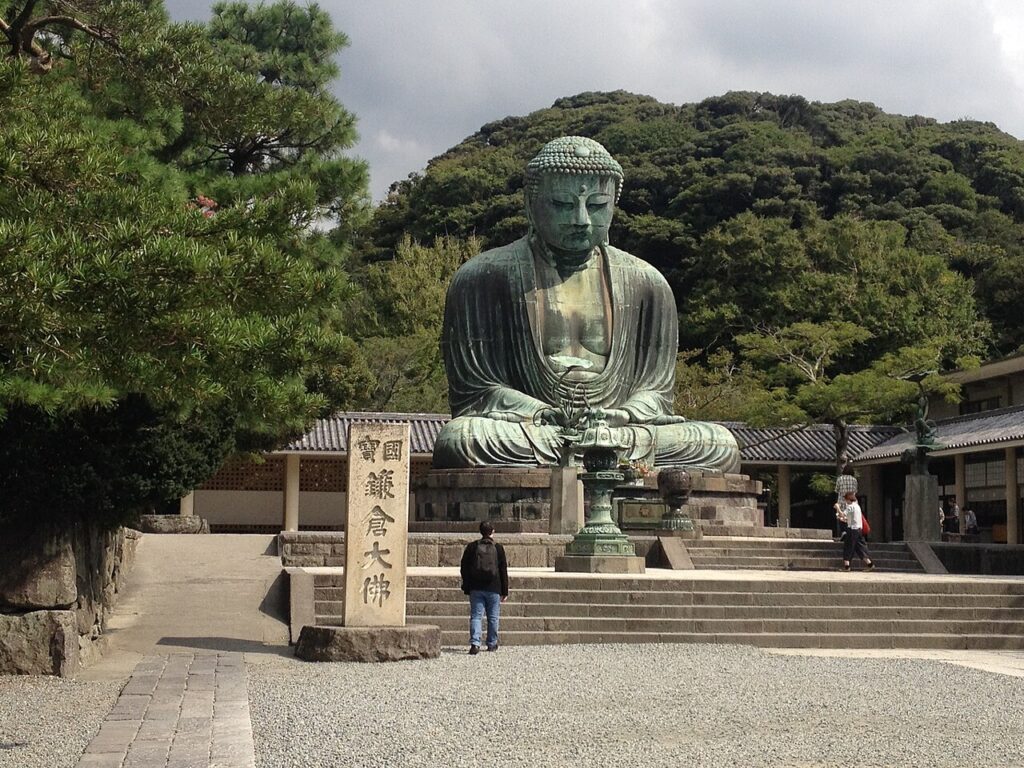
Kamakura is another excellent destination for travelers interested in the relationship between Zen Buddhism and food.
The former political capital is filled with temples, gardens and historic walking routes, but its connection with shojin ryori goes deeper than simply having restaurants near temples.
Kenchō-ji, one of Kamakura’s major Zen temples, played an important role in the spread of shojin ryori, and the tradition has continued there for centuries.
This makes Kamakura an appealing destination for travelers who want to combine Zen temples, walking and vegetarian cuisine.
Rather than treating the meal as an isolated culinary experience, you can spend the day moving between temples and neighborhoods before sitting down to a multi-course vegetarian meal.
5. Nara: Buddhist Food in Japan’s Ancient Capital
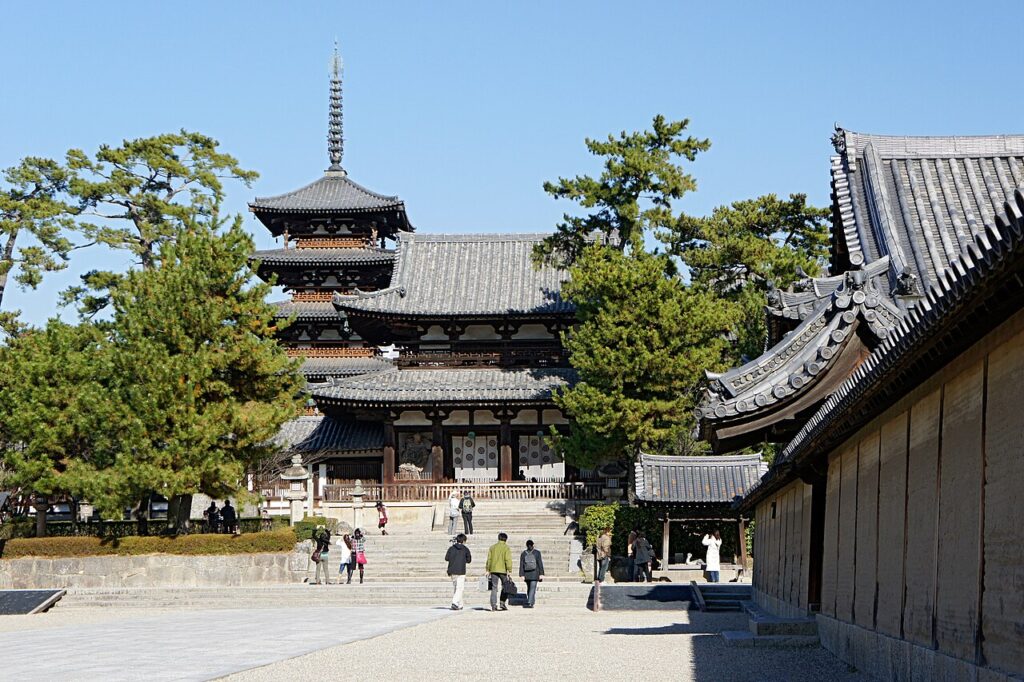
Nara was one of the earliest centers of Buddhism in Japan and remains home to some of the country’s oldest temples.
For visitors interested in shojin ryori, this long Buddhist history provides an important cultural background.
The city is particularly appealing because Buddhist heritage is woven into the landscape. Temple precincts, gardens, deer parks and historic streets can all be explored on foot.
A shojin meal fits naturally into this type of slow-paced itinerary.
Rather than rushing between attractions, you can spend the morning visiting temples, stop for a traditional vegetarian lunch, and continue exploring the historic town in the afternoon.
Nara is therefore a useful reminder that Japanese food culture cannot always be separated from the places where religious and cultural traditions developed.
6. Mount Hiei and Otsu, Shiga: Food in a Sacred Mountain Landscape
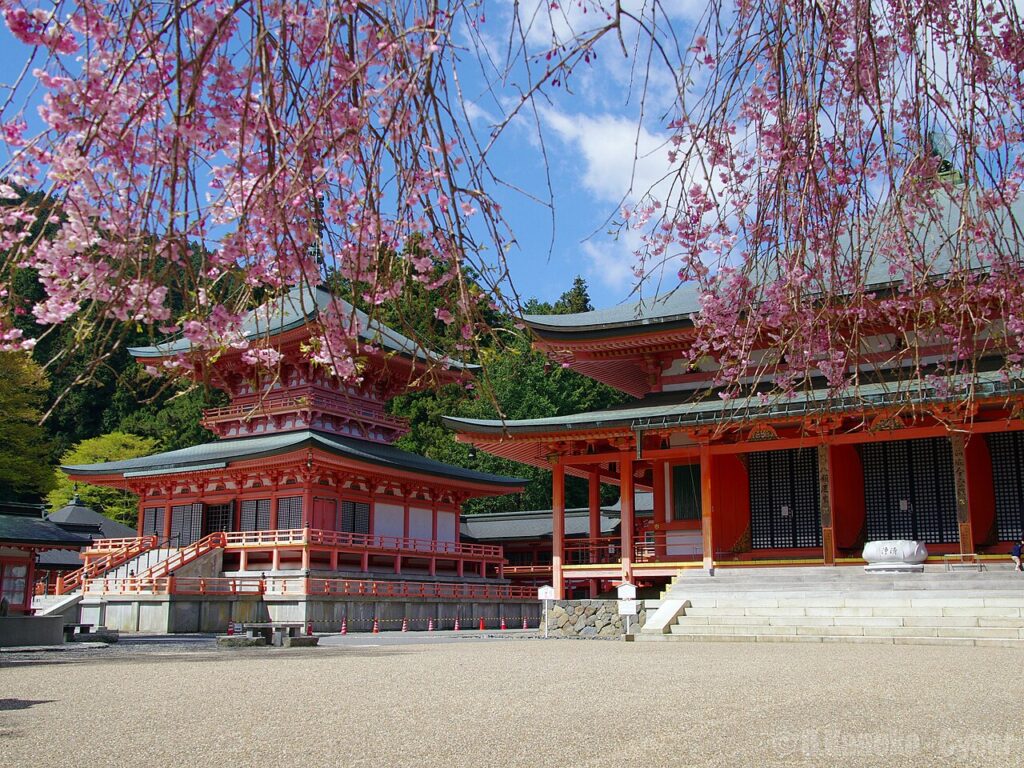
East of Kyoto, Mount Hiei rises above Lake Biwa and has been an important Buddhist center for more than a thousand years.
Enryaku-ji Temple, located on the mountain, became one of the most influential centers of Japanese Buddhism.
The combination of mountain environment and Buddhist history makes the area interesting for travelers looking for a quieter alternative to central Kyoto.
Here, food can be understood as part of a larger experience of walking, temples and mountain landscapes.
A visit to Mount Hiei can also be combined with Otsu and Lake Biwa, creating a journey that connects religion, nature and regional food culture rather than concentrating solely on sightseeing.
7. Zenkoji and Nagano: Temple Town Food in the Japanese Alps
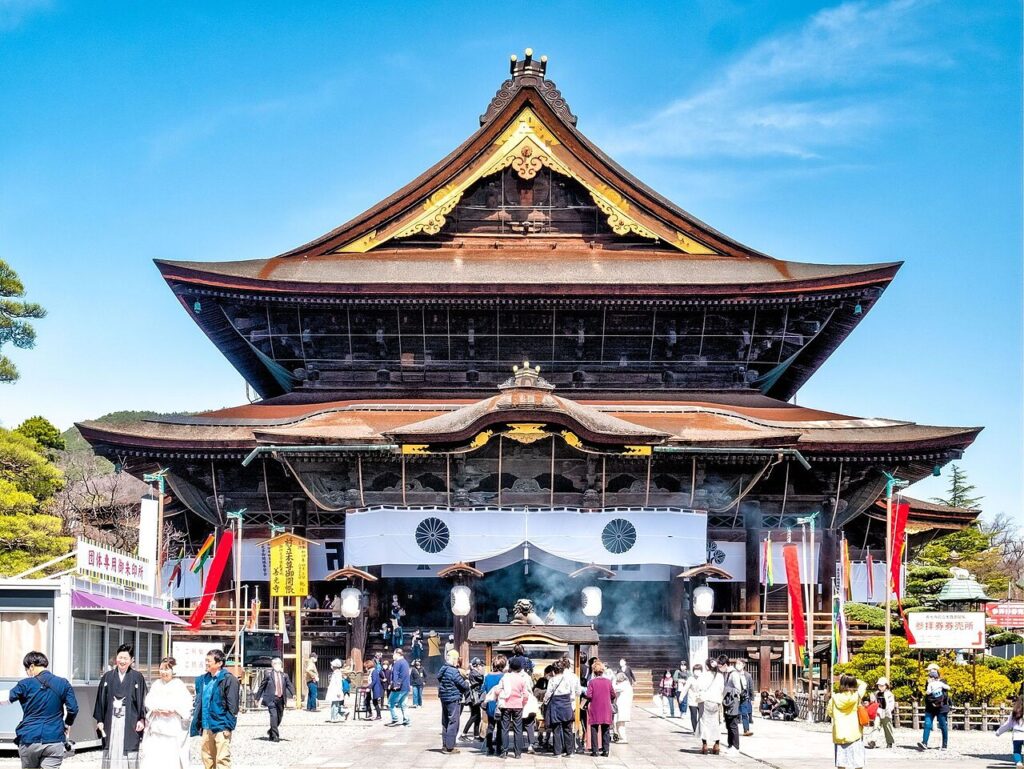
In central Nagano, Zenkoji has attracted pilgrims for centuries.
The temple and the surrounding streets form a historic temple town where visitors can still find traditional accommodations, shops and restaurants.
Nagano’s mountainous environment also provides a distinctive range of ingredients, including mushrooms, mountain vegetables, buckwheat and other local produce.
For travelers interested in Japanese food culture, the combination is compelling: a historic pilgrimage destination surrounded by a mountain region with its own agricultural traditions.
A visit here can therefore connect shojin cuisine with the broader idea of regional Japanese food shaped by landscape and season.
Shojin Ryori Is More Than Japanese Vegan Food
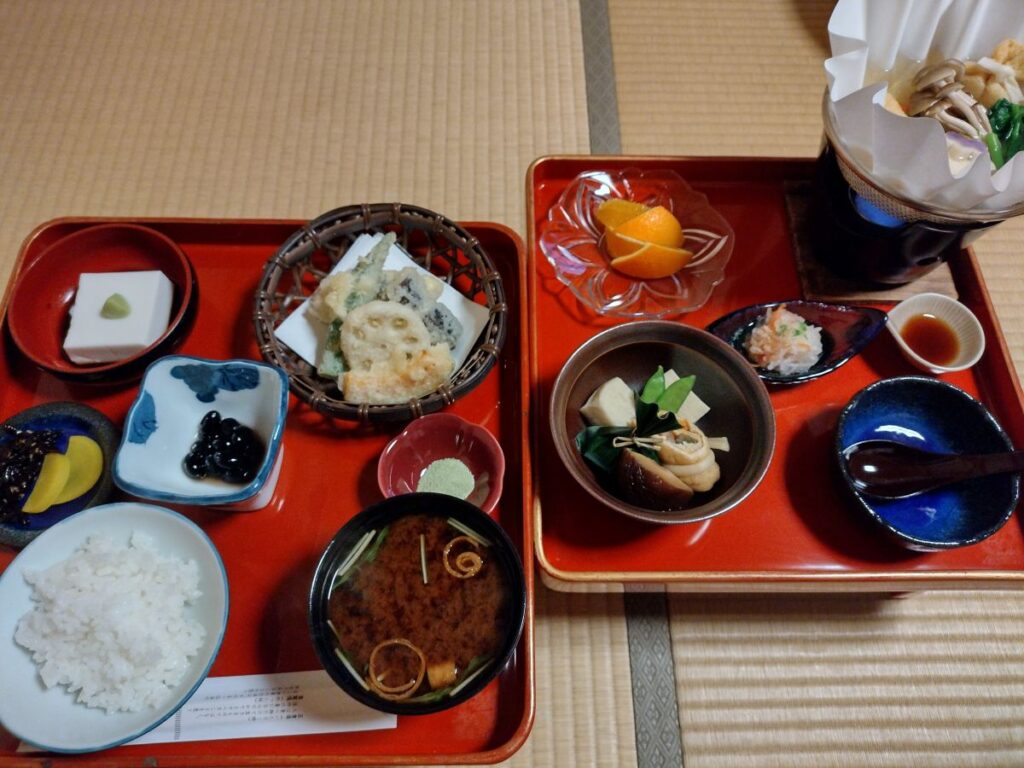
For international travelers, it can be tempting to think of shojin ryori simply as Japan’s traditional version of vegan cuisine.
There is some truth to that: traditional shojin ryori does not use meat or fish, and many preparations are entirely plant-based.
But the cultural meaning is much broader.
The important question is not simply:
“What can I eat if I don’t eat meat?”
It is also:
“How did Buddhist ideas influence the way people in Japan think about food?”
That distinction changes the experience.
A small bowl of sesame tofu, seasonal vegetables or mountain greens can tell a story about local agriculture, religious practice, seasonality and the relationship between people and their surroundings.
Where Should You Experience Shojin Ryori?
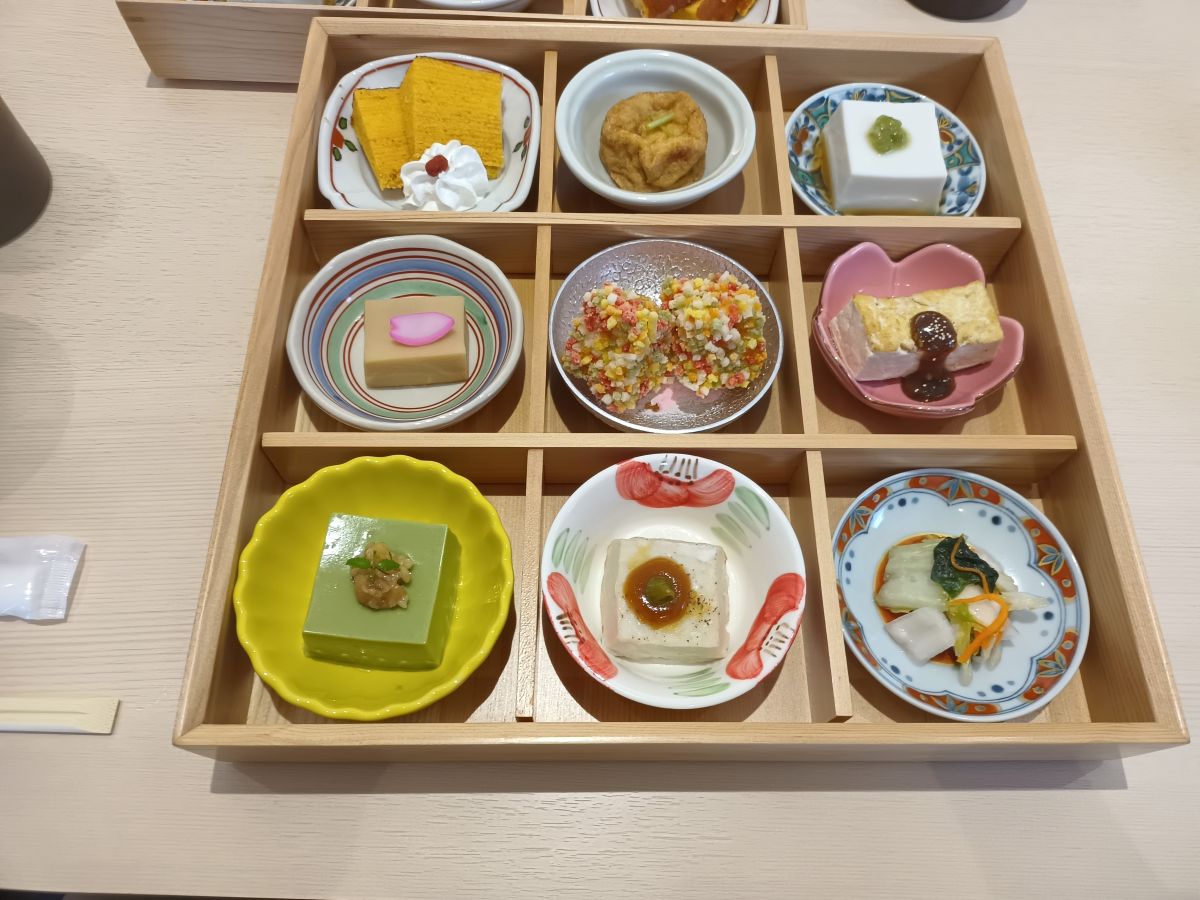
The best place depends on what you want from the experience.
Kyoto offers the greatest variety and makes it easy to combine shojin cuisine with temples and gardens.
Kamakura is particularly interesting for travelers fascinated by Zen and historic walking routes.
Eiheiji provides a connection with an active Zen monastic tradition.
Koyasan offers something different: an entire mountain town where Buddhist temples, pilgrimage routes, temple lodging and food remain closely connected.
And that is perhaps what makes Koyasan especially interesting for a traveler who wants to go beyond simply eating a vegetarian meal.
You can arrive in the afternoon, walk between ancient temples, stay in a shukubo, eat shojin ryori for dinner and breakfast, attend a morning Buddhist service, and continue your journey through the forested mountain landscape.
The food becomes part of the journey rather than the destination itself.
Experiencing Shojin Ryori in Wakayama
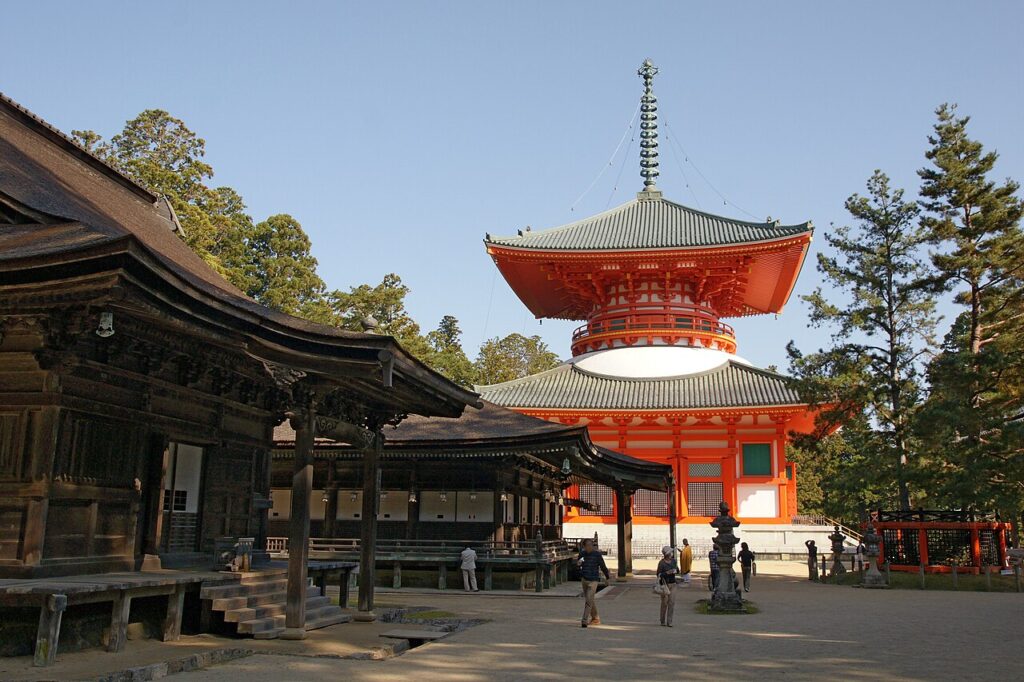
If you are visiting Wakayama, Koyasan can be approached as much more than a day trip to see temples.
A slower visit allows you to experience the mountain as a living religious town.
Stay overnight in a temple lodging if you want the most immersive experience. Or, if you have limited time, arrange a shojin ryori lunch and combine it with a guided walk through Koyasan’s temples and pilgrimage landscape.
For travelers interested in Japanese food, this can offer a different perspective on vegetarian cuisine: not a modern alternative to Japanese food, but a centuries-old part of Japan’s religious and regional food culture.
Related Posts
- Koyasan & Kumano: The Sacred Network of the Kii Mountains
- Beyond Osaka: Where to Discover Regional Japanese Food
- 5 Regional Flavors That Tell the Story of Washoku
- Fruit Kingdom Katsuragi: Discover Seasonal Fruits Around Koyasan
- Fruit Desserts Worth Traveling For in Wakayama
No responses yet