
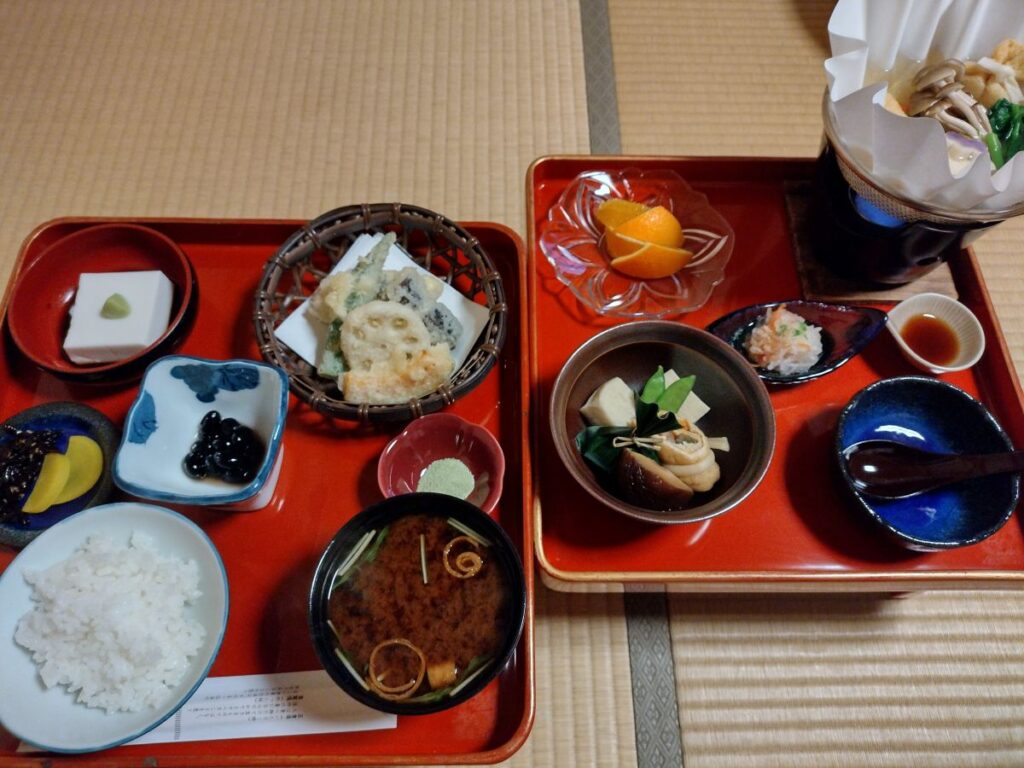
A Journey Through Taste, Silence, and Sacred Landscapes
Many travelers visit Koyasan to see famous temples and walk through the towering cedar forests of Okunoin.
But for many visitors, another question quietly appears during the journey:
Where—and how—should I actually spend the day?
What should you eat in Koyasan?
Should you try traditional shojin ryori?
Are there lighter options?
Where can you rest quietly between temple visits?
This experience is designed for travelers who want more than sightseeing alone.
It is a curated journey through Koyasan’s spiritual atmosphere—guided not only by temples and history, but also through food, tea, sweets, silence, and seasonal rhythms.
More Than a Temple Visit
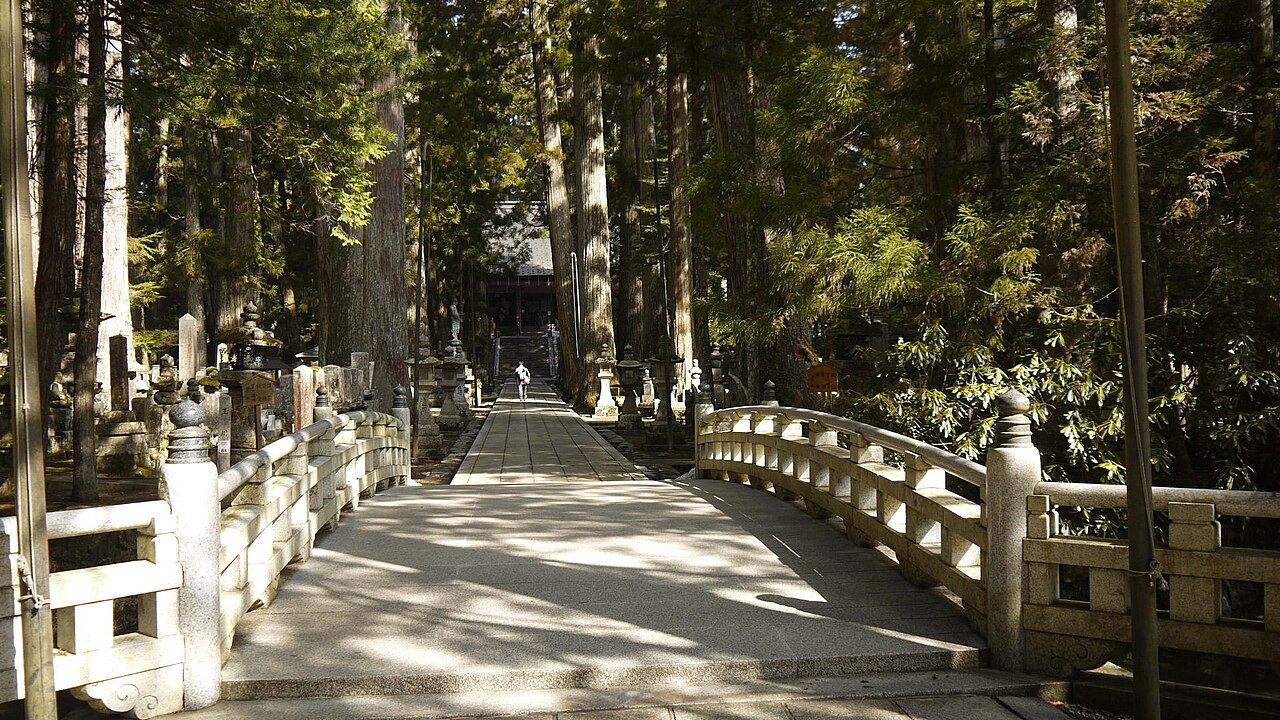
Most visitors follow a similar route:
- Danjo Garan
- Kongobuji
- Okunoin
These places are extraordinary.
But without rhythm, rest, and atmosphere, Koyasan can also become surprisingly exhausting—especially for travelers navigating unfamiliar food culture, limited restaurant hours, and crowded lunch periods.
This curated experience is designed around a different idea:
Not simply seeing Koyasan,
but experiencing how the mountain feels throughout the day.Related Post:
Self-Guided vs Guided Koyasan: Which Experience Is Right for You?
The Taste of Koyasan
Shojin Ryori and Beyond
Koyasan’s food culture is deeply connected to Buddhist practice.
Traditional shojin ryori developed as a cuisine centered around:
- Simplicity
- Seasonality
- Respect for ingredients
- Balance and mindfulness
Meals often include:
- Mountain vegetables
- Sesame-based dishes
- Seasonal tofu preparations
- Pickles and local herbs
- Gentle flavors designed for reflection rather than stimulation
For some travelers, a full traditional shojin meal becomes one of the highlights of their journey.
Others may prefer a lighter or more modern interpretation.
Today, Koyasan also includes:
- Contemporary vegan cafés
- Japanese-Western fusion cuisine
- Specialty coffee spaces
- Quiet tea rooms connected to temple culture
This journey can be curated around your pace, dietary preferences, and interests.
Related Post:
The Full Journey to Koyasan: From Sacred Peak to Valley Towns
Goma Dofu: The Quiet Heart of Koyasan
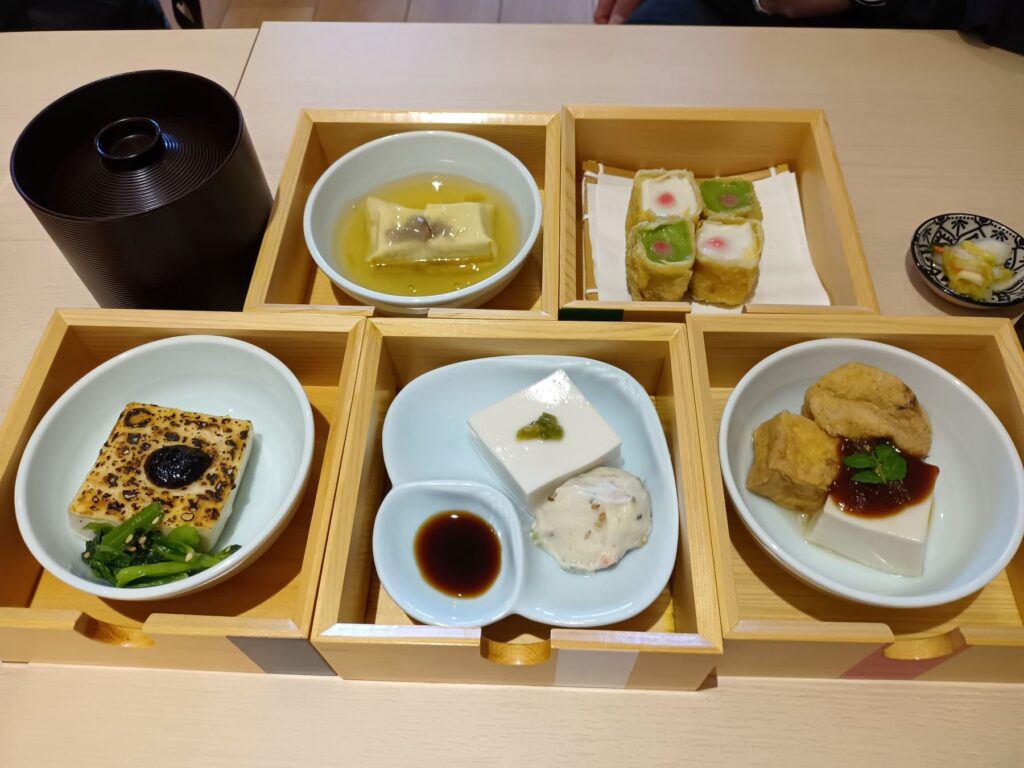
Among Koyasan’s most iconic foods is goma dofu—a delicate sesame tofu made from sesame paste and kuzu starch.
Despite the name, it contains no soy tofu.
Its texture is smooth and almost meditative:
soft, rich, and surprisingly subtle.
In Koyasan, goma dofu is not simply a local specialty.
It reflects the philosophy of shojin cuisine itself:
- Careful preparation
- Patience
- Precision
- Quiet depth hidden beneath simplicity
Visiting a specialty goma dofu shop allows travelers to experience a flavor deeply tied to the spiritual culture of the mountain.
Sweetness Along the Pilgrimage
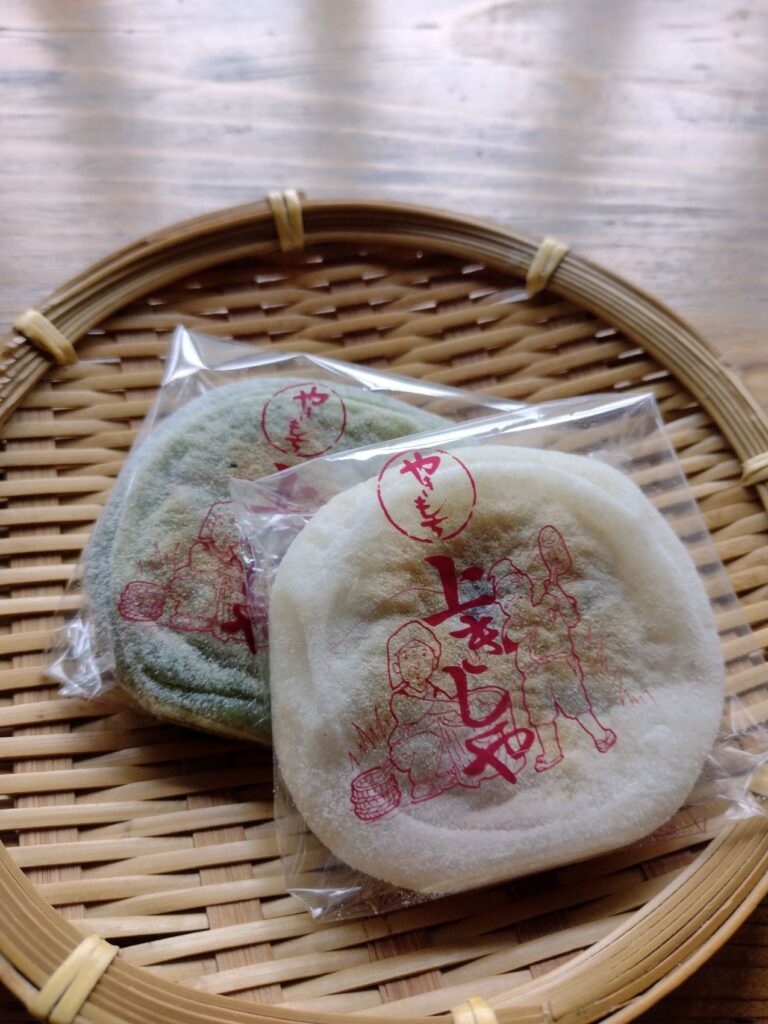
Pilgrimage routes in Japan have always included moments of rest.
In Koyasan, traditional sweets still play this role today.
Warm yakimochi, lightly grilled rice cakes filled with sweet bean paste, offer comfort during colder seasons and after long walks through temple grounds. It is said to have originated in 816, when Kūkai founded Koyasan, from “salty yakimochi” made by an elderly woman living in the local village of Hanazaka.
Another local favorite is sasamaki anpu—a gently sweet confection wrapped in bamboo leaves, carrying an atmosphere that feels deeply connected to old pilgrimage culture. “Anpu” refers to sweet red bean paste wrapped in fresh wheat gluten. On Koyasan, this “anpu” was used in dishes with a thick sauce and served as shojin ryori at the temple lodgings.
These are not extravagant desserts.
They are quiet foods:
simple, seasonal, and tied to the rhythm of travel itself.
Paired with tea in a calm café or traditional shop, they become part of the spiritual atmosphere of the mountain.
A Day Designed Around Rhythm, Not Rush
Example Flow
Morning
- Walk through the cedar-lined paths of Okunoin before peak crowds
- Experience the changing light and silence of the mountain
Late Morning
- Visit Danjo Garan and Kongobuji
- Explore the symbolic center of Shingon Buddhism
Lunch
- Curated meal based on your preferences:
- Traditional shojin ryori
- Light vegan cuisine
- Seasonal local specialties
- Contemporary café experience
Afternoon
- Goma dofu tasting
- Tea and traditional sweets such as yakimochi or sasamaki anpu
- Slow exploration of smaller temple streets and hidden corners
Evening Option
- Extend the experience with temple lodging or seasonal night atmosphere
Who This Experience Is For
This experience is especially suited for travelers who:
- Feel overwhelmed planning meals in Japan
- Want vegetarian or vegan-friendly guidance
- Prefer slower and quieter travel
- Want cultural depth beyond checklist tourism
- Are interested in spirituality through everyday experience
- Value atmosphere as much as sightseeing
Rather than focusing only on famous landmarks, this journey explores how food, rest, taste, and silence shape the experience of Koyasan itself.
Koyasan Through Taste and Stillness
In many destinations, food is treated as something separate from sightseeing.
But in Koyasan, food is part of the landscape.
The softness of goma dofu.
The warmth of tea after walking through cedar forests.
The quiet sweetness of pilgrimage confections.
The stillness of a café hidden between temple streets.
Together, these moments create a different kind of travel experience:
Not fast tourism,
but a day shaped carefully around season, place, and feeling.
→Plan your curated Koyasan custom journey
Related Posts
- Beyond Koyasan: Cycling Through the Gateway Towns of Kudoyama and Koyaguchi
- The Full Journey to Koyasan: From Sacred Peak to Valley Towns
No responses yet