
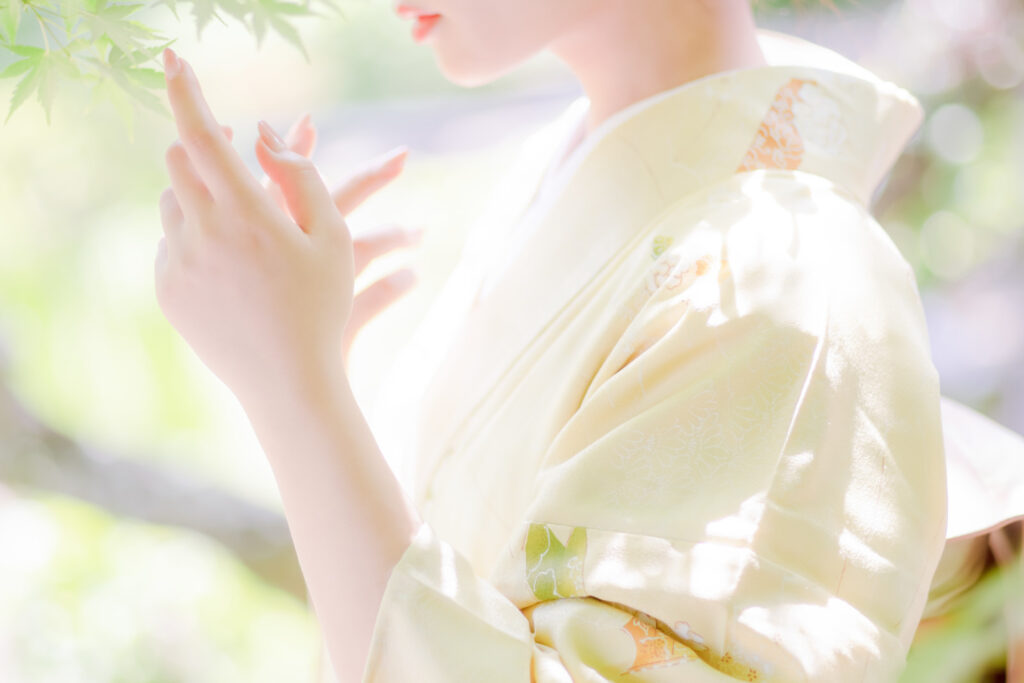
When people imagine wearing kimono in Japan, Kyoto is often the first place that comes to mind.
The historic streets of Gion, traditional machiya houses, temple gardens, and tea houses certainly make Kyoto an ideal setting for experiencing Japanese traditional dress. Kimono and tea ceremony experiences are now widely available to international visitors, often with English-language guidance.
But kimono is not unique to Kyoto.
Across Japan, you can wear kimono in historic castle towns, old merchant districts, gardens, mountain villages, and even beside the sea. The experience can also be combined with photography, tea ceremony, flower arrangement, traditional crafts, or a walk through a historic neighborhood.
If wearing kimono is one of the things you would like to experience during your trip to Japan, it may be worth looking beyond the most famous destination.
Here are several places to consider.
1. Kyoto: The Classic Kimono Experience
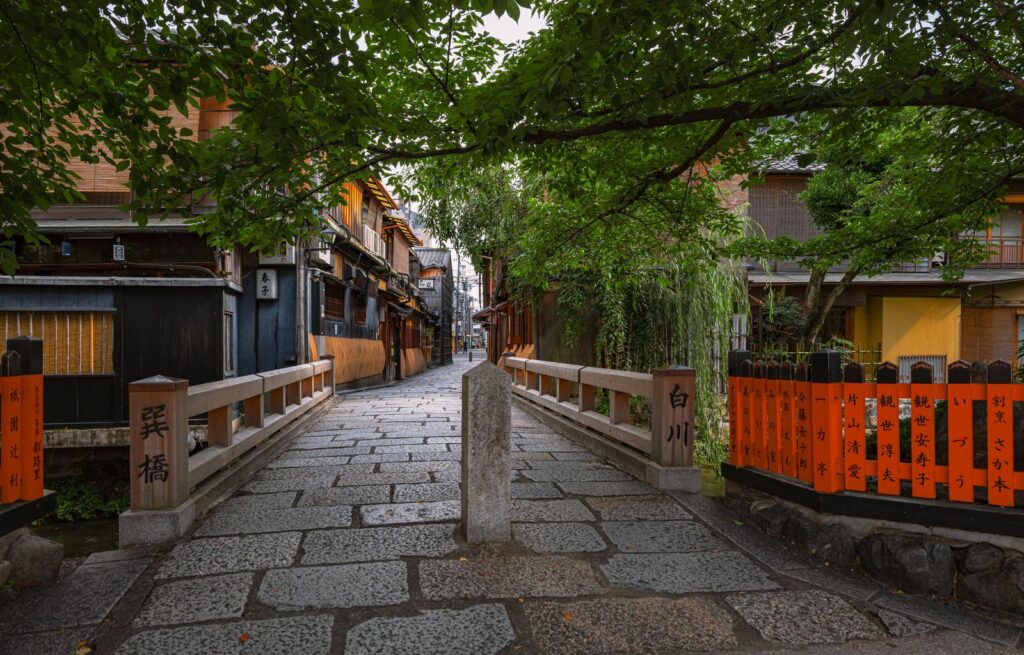
Kyoto remains the most obvious destination for visitors who want to experience kimono.
The city’s historic districts provide an extraordinary backdrop. You can dress in kimono and walk through areas such as Gion, Higashiyama, or the streets around Kiyomizu-dera. Some experiences combine kimono dressing with a tea ceremony, allowing visitors to experience two closely connected aspects of traditional Japanese culture.
A tea ceremony is more than simply drinking matcha. The setting, utensils, seasonal sweets, flowers, and movements of the host are all part of the experience.
For first-time visitors, Kyoto offers the advantage of having many different experiences available in one city.
But that popularity also means that Kyoto is not the only place where you can create a memorable kimono experience.
2. Kanazawa: Kimono Among Traditional Townhouses and Gardens
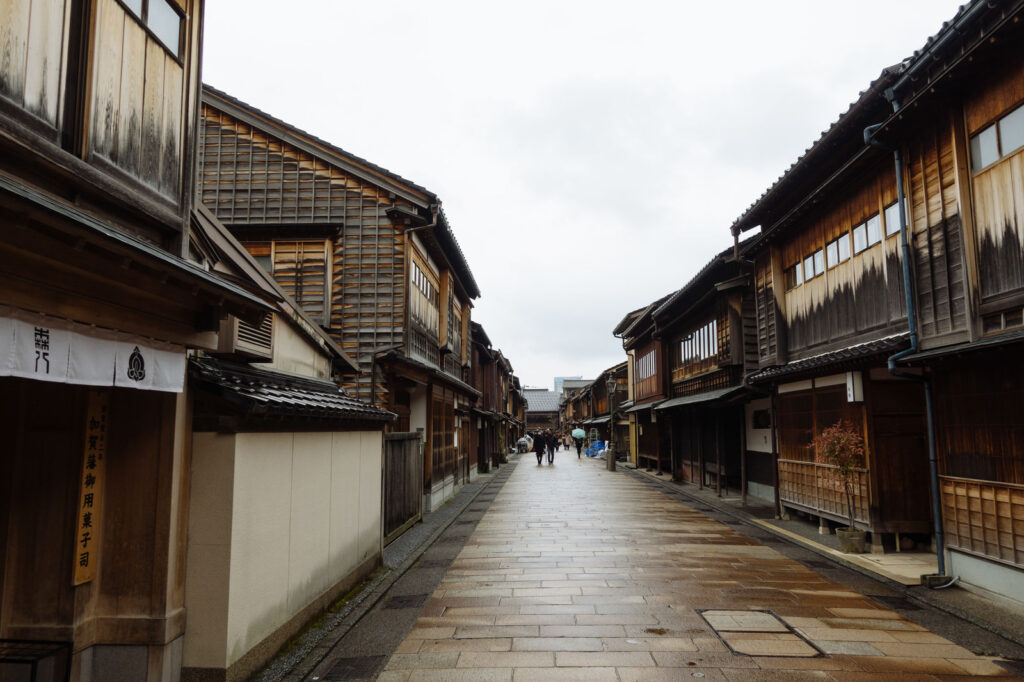
Kanazawa is another excellent destination for experiencing traditional Japanese culture in kimono.
The city has preserved historic districts such as Higashi Chaya, where traditional teahouses line narrow streets. Visitors can also combine kimono with a tea ceremony in a traditional townhouse.
Kanazawa is particularly interesting because several traditional arts developed here under the Kaga domain. Gold leaf, lacquerware, tea culture, and other crafts remain part of the city’s cultural identity.
A kimono experience here can therefore become more than a photo opportunity.
You might begin by dressing in kimono, visit a traditional neighborhood, experience tea ceremony, and then explore one of the city’s gardens or craft traditions.
For travelers who want a traditional Japanese atmosphere without making Kyoto the center of their trip, Kanazawa offers a different setting.
3. Tokyo: Kimono in the Historic Neighborhoods of the Capital
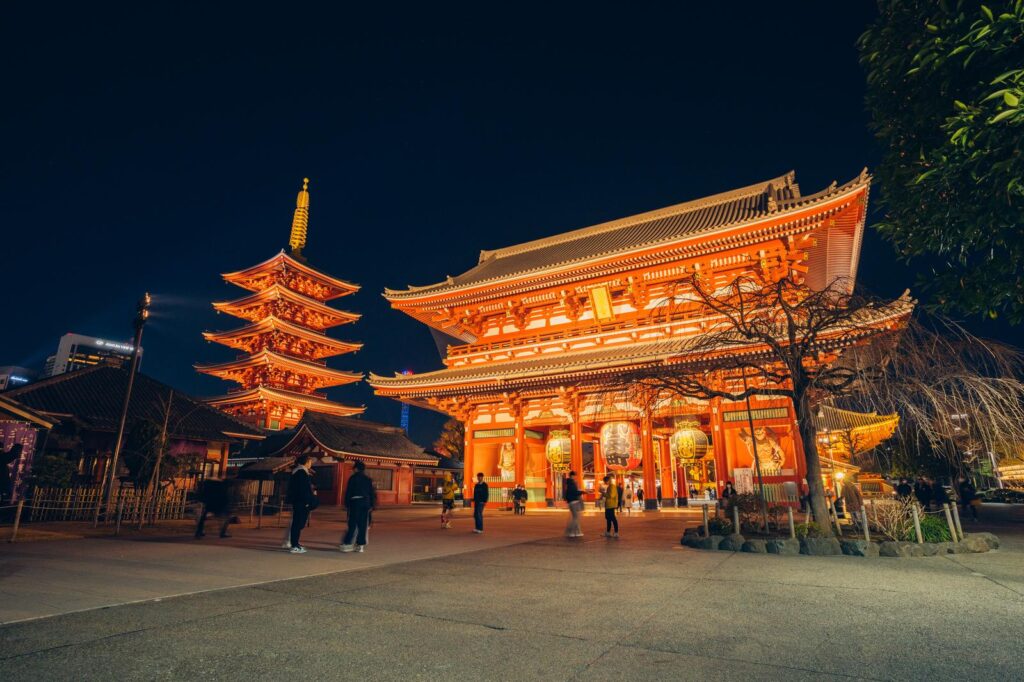
Tokyo may be one of the world’s largest cities, but it also contains neighborhoods where traditional Japan remains visible.
Asakusa is perhaps the best-known example. Around Senso-ji and the old streets of the district, visitors can rent kimono and explore one of Tokyo’s historic quarters.
The contrast is part of the experience.
You can be dressed in a garment with centuries of history while modern Tokyo continues around you. Traditional architecture, temple grounds, narrow streets, and contemporary city life exist within the same neighborhood.
Tokyo is also a practical choice if you are already spending several days in the capital and want to add a traditional cultural experience without traveling to another region.
4. Takayama: Kimono in a Mountain Town
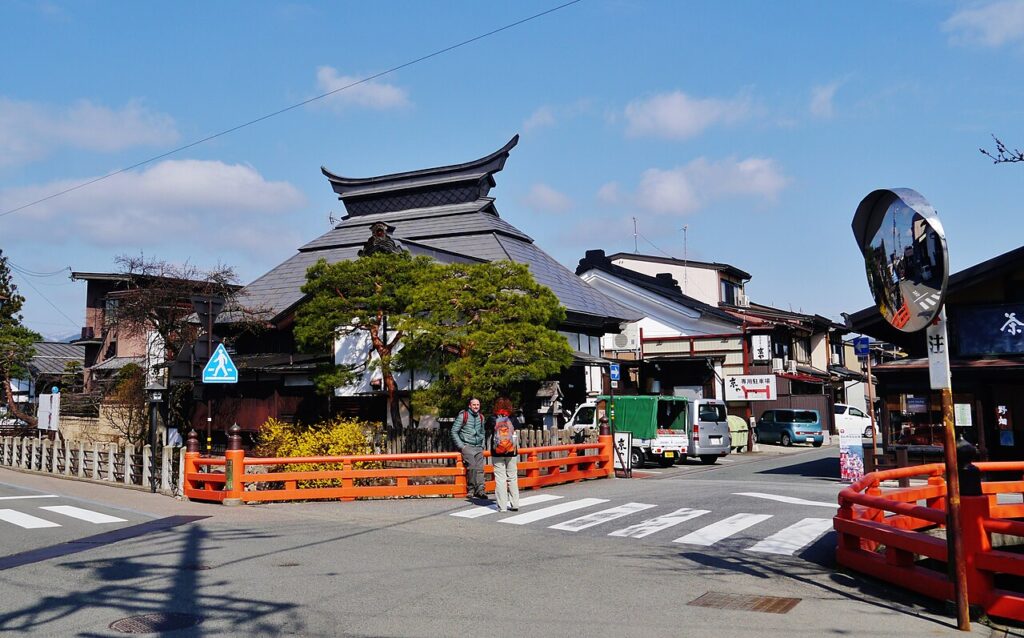
For a very different atmosphere, consider Takayama in Gifu Prefecture.
The old town is known for its preserved wooden merchant houses and streets dating back to the Edo period. The surrounding mountains and traditional architecture create a setting quite different from the urban atmosphere of Tokyo or the temple districts of Kyoto.
Wearing kimono here can feel particularly natural because the experience is connected with the character of the town itself.
A walk through the old town can be combined with visits to traditional shops, sake breweries, morning markets, and local restaurants.
For travelers interested in seeing a quieter side of Japan, a kimono experience in a historic mountain town can be part of a broader journey rather than a standalone activity.
5. Nara: Kimono Among Ancient Temples and Parks
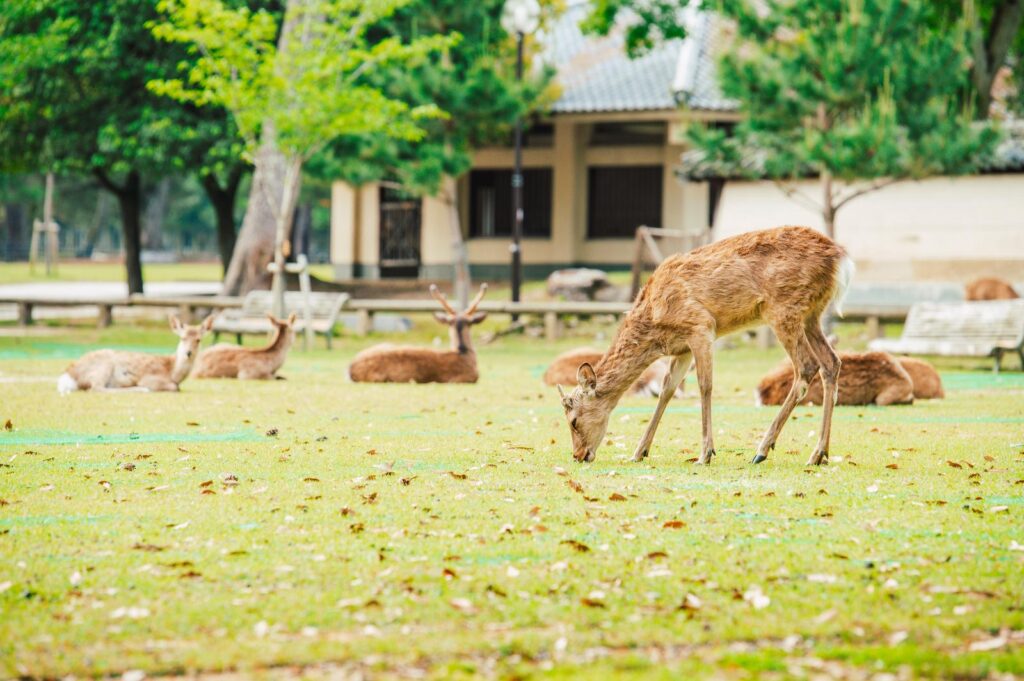
Nara offers another setting where kimono fits naturally into the landscape.
The ancient capital is known for its temples, shrines, gardens, and large park inhabited by freely roaming deer. Areas around Naramachi also preserve traditional townhouses and streets.
Wearing kimono while walking through Nara gives you the opportunity to experience Japanese history at a slower pace.
Rather than spending an hour simply taking photographs, you can make the day about exploring the town: visiting a temple, walking through an old neighborhood, stopping for tea, and discovering traditional crafts and food.
The combination of kimono and Nara’s historic environment can make the experience feel more like part of a journey through Japanese history.
6. Wakayama: Kimono by the Sea or Around a Historic Castle
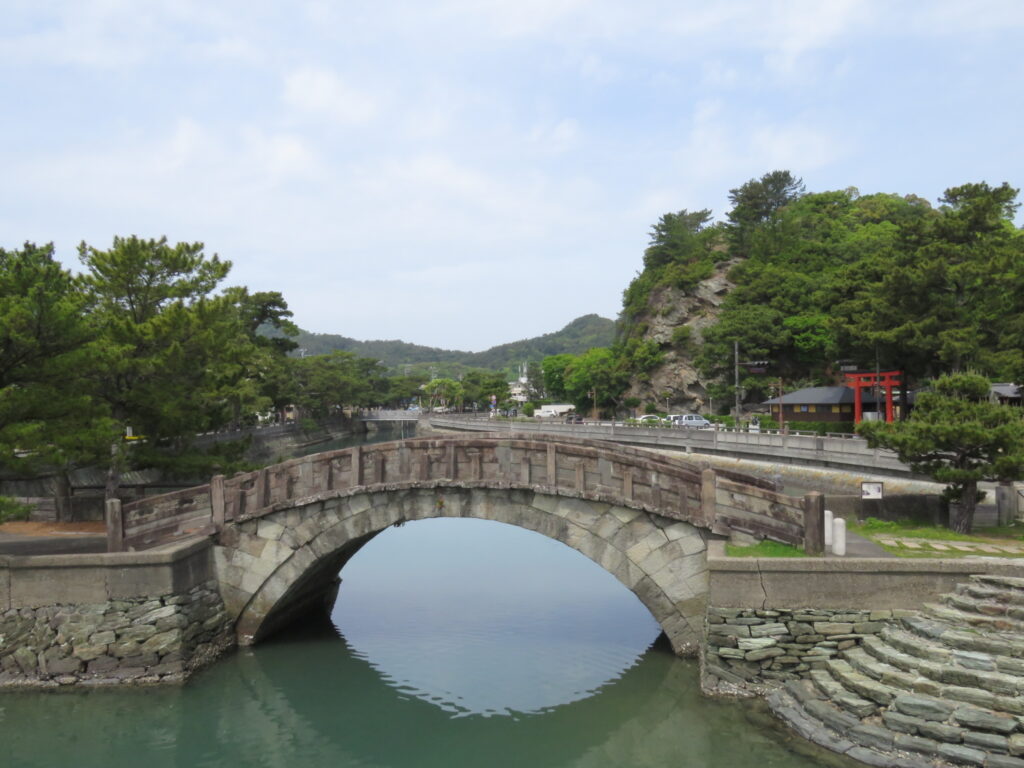
If you want to experience kimono in a setting that feels less familiar to international visitors, consider Wakayama.
Wakayama offers two particularly different settings: the historic castle area in the city and the coastal landscape of Wakaura.
Kimono Around Wakayama Castle
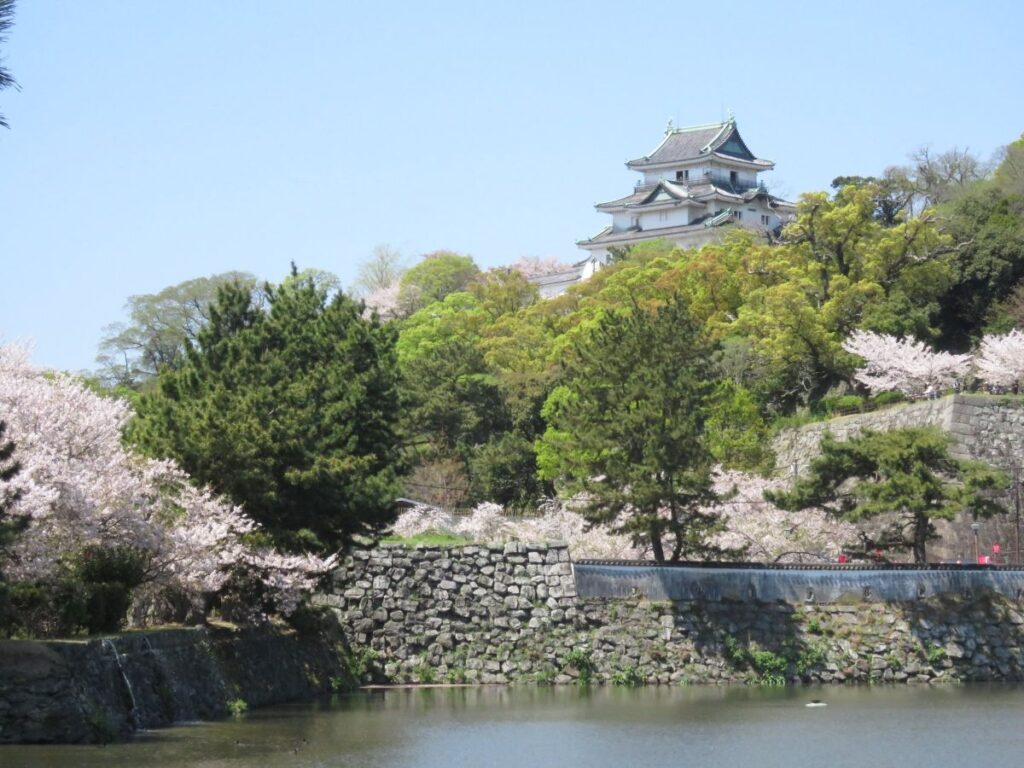
Wakayama Castle stands on a hill in the center of the city and is surrounded by gardens, historic sites, and traditional Japanese landscapes.
Wearing kimono here allows you to combine the atmosphere of a Japanese castle town with a more relaxed local experience.
The surrounding garden areas can also provide beautiful settings for photography, particularly during the changing seasons.
A kimono experience around Wakayama Castle does not have to stop at dressing and taking photographs. It can be combined with a tea experience, allowing visitors to understand how traditional dress, architecture, gardens, and tea culture are connected.
Related post: Beyond the Castle: 10 Cultural Experiences Around Wakayama Castle
Kimono in Wakaura
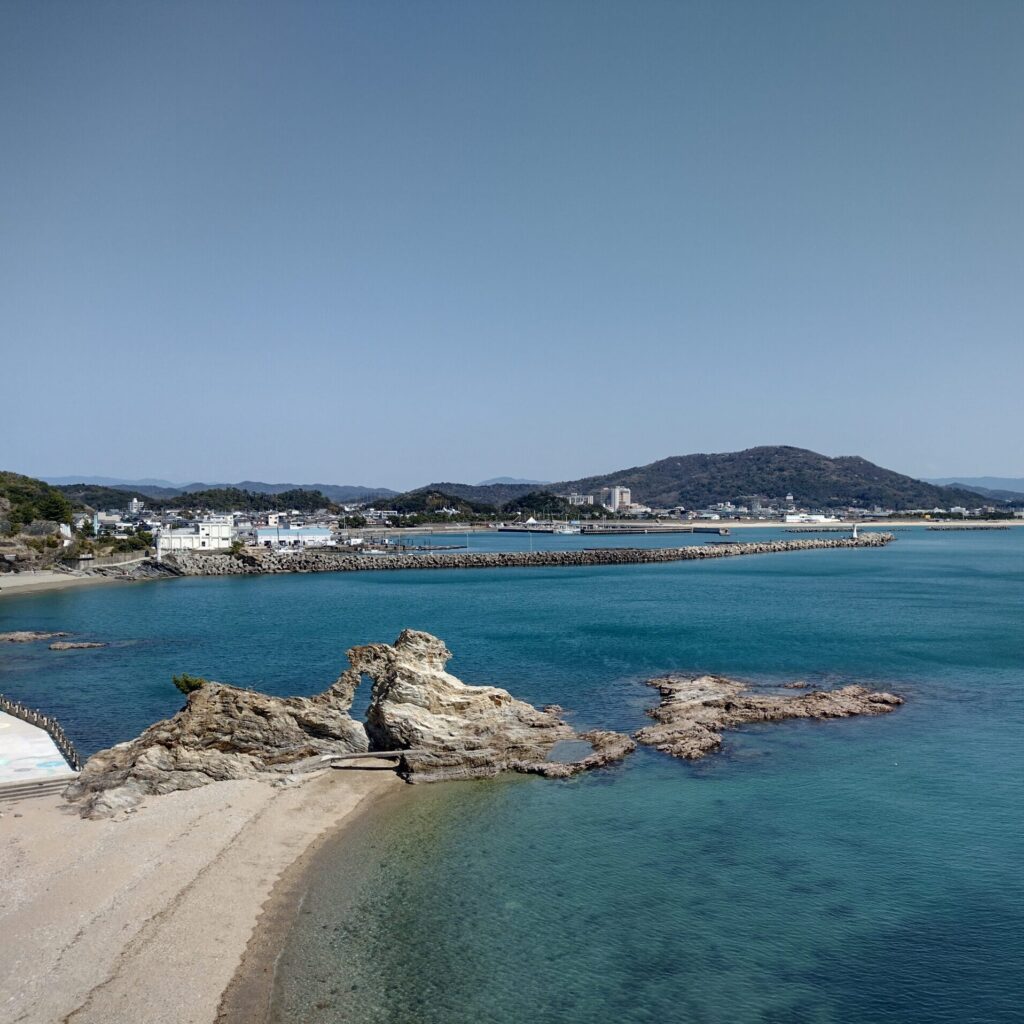
For something completely different, head toward Wakaura.
Wakaura is a coastal area south of central Wakayama, where traditional shrines, temples, fishing culture, islands, and the sea come together.
Here, kimono can be photographed against a landscape that is very different from the classic image of Kyoto.
Instead of a crowded historic street, imagine wearing kimono while walking beside the sea, visiting a traditional shrine, or exploring the historic landscape around Wakaura.
This is one of the reasons Wakayama can be particularly interesting for travelers who have already visited Kyoto.
The setting changes the experience.
Related post: Sea, Faith, and Fishing Life in Wakaura
More Than a Kimono Photo Session
A kimono experience in Wakayama can also be designed around other traditional Japanese arts.
Depending on your interests, a day can combine:
- Kimono dressing
- Professional or guided photography
- Tea ceremony
- Ikebana flower arrangement
- A walk through a historic neighborhood
- Japanese gardens
- Wakayama Castle
- The coastal scenery of Wakaura
- Local food and seasonal experiences
This creates a more complete cultural experience than simply renting kimono for a few hours.
You are not only wearing traditional clothing. You are exploring the environment, aesthetics, and customs that give the clothing meaning.
Customize your trip in Wakayama with my Curated Kii Peninsula Journey.
7. Choose the Setting That Matches Your Journey
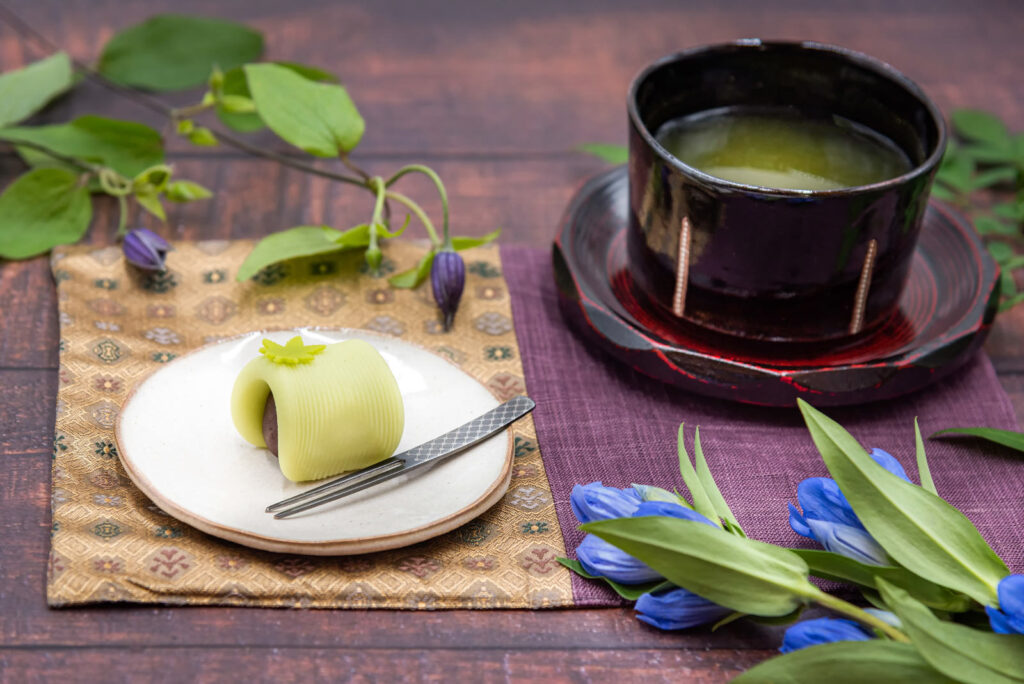
There is no single “Japanese” setting for kimono.
Kyoto offers historic streets, temples, tea houses, and machiya.
Kanazawa combines kimono with teahouse districts, gardens, and traditional crafts.
Tokyo places traditional dress within the energy of a modern metropolis.
Takayama offers an old mountain town surrounded by the Japanese Alps.
Nara brings together ancient temples, traditional neighborhoods, and park landscapes.
Wakayama offers something different again: a historic castle town and a coastal cultural landscape within the same region.
The best choice may therefore depend less on where kimono is most famous and more on what kind of experience you want to create.
Kimono as Part of a Journey, Not Just a Costume
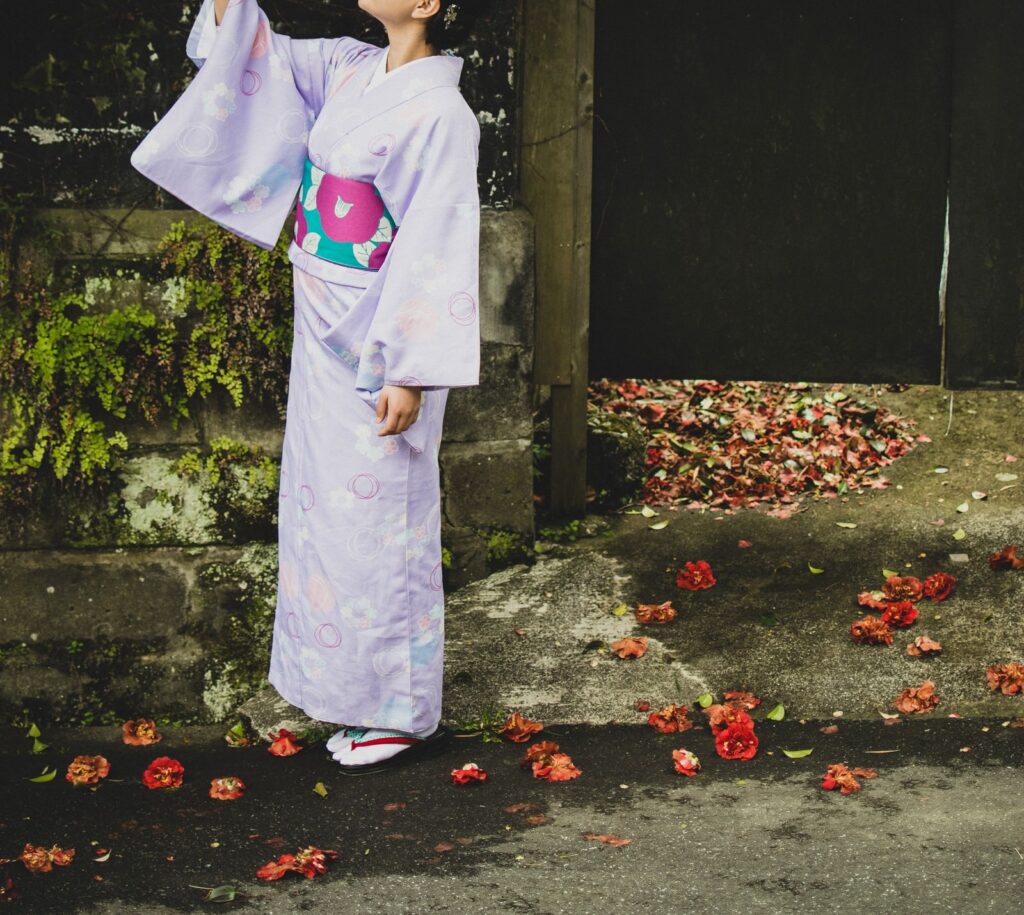
For many international visitors, wearing kimono is initially something they want to photograph.
That is perfectly understandable.
But the experience can become much more meaningful when you look beyond the clothing itself.
Why is the kimono worn in a particular way? What season is the pattern associated with? How does the setting influence the experience? What role do flowers, tea, gardens, architecture, and food play in Japanese aesthetics?
These questions turn a simple dressing experience into a way of encountering Japanese culture.
And this is where destinations beyond Kyoto become interesting.
A kimono experience does not have to take place in the most famous historic district in Japan. It can be part of a coastal journey in Wakayama, a craft-focused visit to Kanazawa, a mountain-town stay in Takayama, or a historical exploration of Nara.
If you are already planning to visit Kyoto, by all means enjoy its extraordinary traditional culture.
But if you are looking for a more personal experience—or simply want to discover another side of Japan—consider wearing kimono somewhere else.
Sometimes the setting changes the experience completely.
Related Posts
- Living Culture in Wakayama: A Journey Through Poetry, Faith, Art, and Everyday Life
- The Lost Culture of Japanese Kissaten Cafes
- Japan Fishing Experiences: 7 Places to Fish and Eat What You Catch
- Beyond Tokyo and Kyoto: 6 Places to Experience a Different Japan
No responses yet