

Japan is an island country surrounded by rich fishing grounds, but fishing in Japan is about much more than catching fish.
In many parts of the country, fishing is closely connected with local food, family traditions, markets, festivals, and everyday life. Depending on where you go, you might catch an ayu sweetfish in a mountain river, fish for tuna at an offshore farm, or spend a morning at a small coastal harbor before sitting down to eat the day’s catch.
For travelers, this creates a particularly memorable kind of food experience: you don’t just eat local seafood—you begin to understand where it comes from.
Here are seven places across Japan where fishing, local food, and the life of the community come together.
1. Saikazaki, Wakayama — Fishing in a Living Coastal Village
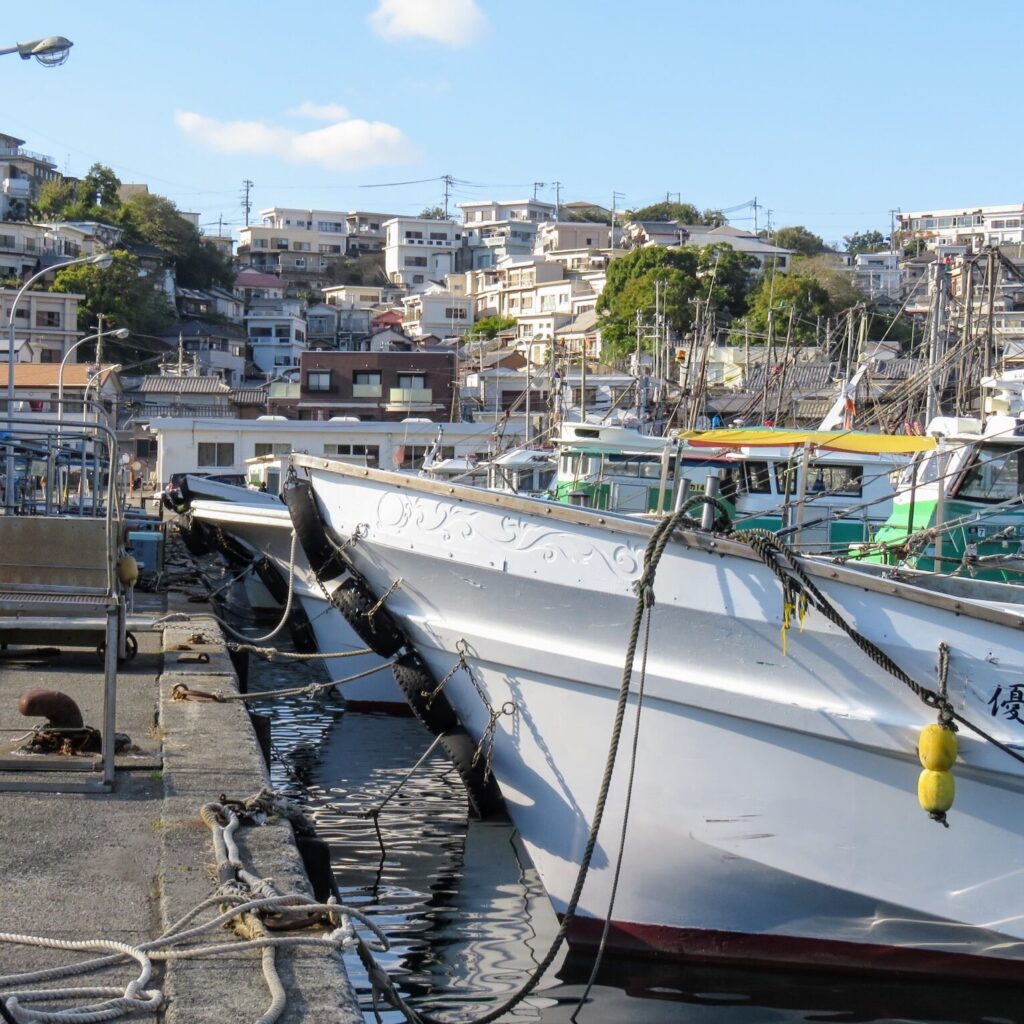
Just south of Wakayama City, Saikazaki is one of the places where fishing still forms part of the character of the community itself.
The harbor is surrounded by a compact coastal settlement of houses, narrow lanes and small businesses. Rather than feeling like a purpose-built tourist attraction, Saikazaki gives visitors a chance to see how a fishing community actually functions.
One of the most interesting experiences is fishing followed by a meal using the fish you catch. A hands-on program in Saikazaki allows visitors to fish and then have their catch prepared by a restaurant.
The experience is particularly appealing because the fishing is only the beginning. What happens to the fish afterward—how it is cleaned, cooked and served—is part of the story.
Saikazaki is also known for direct seafood sales at the fishing harbor. Boats return with their catch and, depending on the season and fishing conditions, seafood may be sold directly at the dock.
This makes Saikazaki an interesting destination for travelers who want to combine fishing, seafood and local life rather than simply spend a few hours at a fishing facility.
Best for: travelers interested in fishing villages, local seafood and everyday coastal life.
Related: From Boat to Table: A Day in Saikazaki, Wakayama’s Living Fishing Village
2. Aridagawa, Wakayama — Catch Ayu in a Clear Mountain River

Fishing in Japan isn’t limited to the ocean.
In the mountains of Wakayama, the Arida River is known for ayu, or sweetfish. The fish are an important part of summer food culture in many Japanese river communities, and Aridagawa is one of the places where visitors can experience that tradition.
A hands-on fishing class allows visitors to try catching ayu with guidance from experienced anglers. The particularly satisfying part comes afterward: the fish can be cooked and eaten on the spot.
Ayu is often simply grilled over charcoal, allowing the flavor of the freshly caught fish to remain at the center of the meal.
This is a very different fishing experience from going out on a boat in the Pacific. Here, the landscape is a clear mountain river surrounded by forests and rural communities.
Aridagawa is also one of Wakayama’s major fruit-growing areas, so a visit can combine river fishing with another important part of local food culture: agriculture.
Best for: summer travel, families, freshwater fishing and travelers interested in rural Japan.
3. Uwajima, Ehime — Catch Your Own Tuna

If you want something considerably more dramatic, head to Uwajima in Ehime Prefecture.
Here, visitors can take a boat to an offshore tuna farm and actually fish for bluefin tuna. Participants can also feed the tuna and see how quickly these powerful fish move through the water.
After the catch is brought back to the harbor, professional staff fillet the tuna while explaining the different cuts and their relationship to Japanese food culture. The fish is then served as sashimi or sushi.
This experience changes the meaning of the word sushi.
Instead of encountering tuna as an anonymous ingredient on a restaurant menu, you see the fish alive, catch it yourself, watch it being prepared and finally eat it.
For visitors interested in Japanese cuisine, that sequence makes the experience much more memorable than simply ordering a premium sushi course.
Best for: seafood lovers, families and travelers looking for a highly hands-on food experience.
4. Lake Hamana, Shizuoka — Catch Your Dinner on the Water

At Lake Hamana near Hamamatsu, fishing becomes part of an evening meal on the water.
During the warmer months, visitors can rent boats and fishing equipment from local operators and catch their own dinner. The fish can then be cooked and enjoyed on a takiya-tei, a traditional floating dining raft.
The setting is what makes this experience special.
Instead of catching a fish and taking it back to a restaurant, the lake itself becomes part of the dining room.
It is a good example of how fishing experiences in Japan can combine landscape, food and social experience. You spend time on the water, catch something local and then eat it in the same environment.
For travelers who enjoy slow travel, this can be more appealing than a conventional sightseeing attraction.
Best for: couples, families and travelers looking for a relaxed evening food experience.
5. Maze, Gifu — Fishing for Ayu in Mountain Japan
For another perspective on ayu fishing, travel to Maze in Gero, Gifu Prefecture.

This mountainous area is known for its exceptionally clear streams and wild ayu. During the fishing season, anglers travel to the region to fish using traditional and modern techniques.
The relationship between the river and the food is particularly direct.
Ayu are traditionally grilled whole over charcoal, often with little more than salt. Because the fish is small and delicate, eating it whole is part of the experience.
Maze also offers a glimpse into older communal fishing traditions. In late summer, local people have traditionally used fire and nets in the river to catch ayu, creating a striking nighttime fishing scene.
This is a good place to visit if you want to understand why rivers have been so important to rural Japanese communities.
The fish is not simply something found on a restaurant menu. The river, the fishing season and the local cuisine are all connected.
Best for: nature lovers, slow travelers and people interested in traditional Japanese food culture.
6. Ishikari, Hokkaido — Fishing and Grilling by the Sea

Hokkaido offers a completely different fishing landscape.
Around Ishikari, north of Sapporo, fishing experiences can involve working with nets and catching seafood from the coastal waters. Some local programs allow participants to grill their catch on the spot.
The experience reflects an important characteristic of fishing in northern Japan: the relationship between abundant seafood and communal outdoor cooking.
Rather than treating fishing as a technical sport, these experiences can make it part of a social meal. You catch something from the sea, cook it over a fire and eat it while still close to the water.
That simplicity is part of the appeal.
For international visitors, it also provides a different way to experience Hokkaido beyond the better-known images of skiing, snow and dairy products.
Best for: outdoor travelers, families and summer visitors to Hokkaido.
7. Yura, Wakayama — Meet the Fishing Community Behind the Food
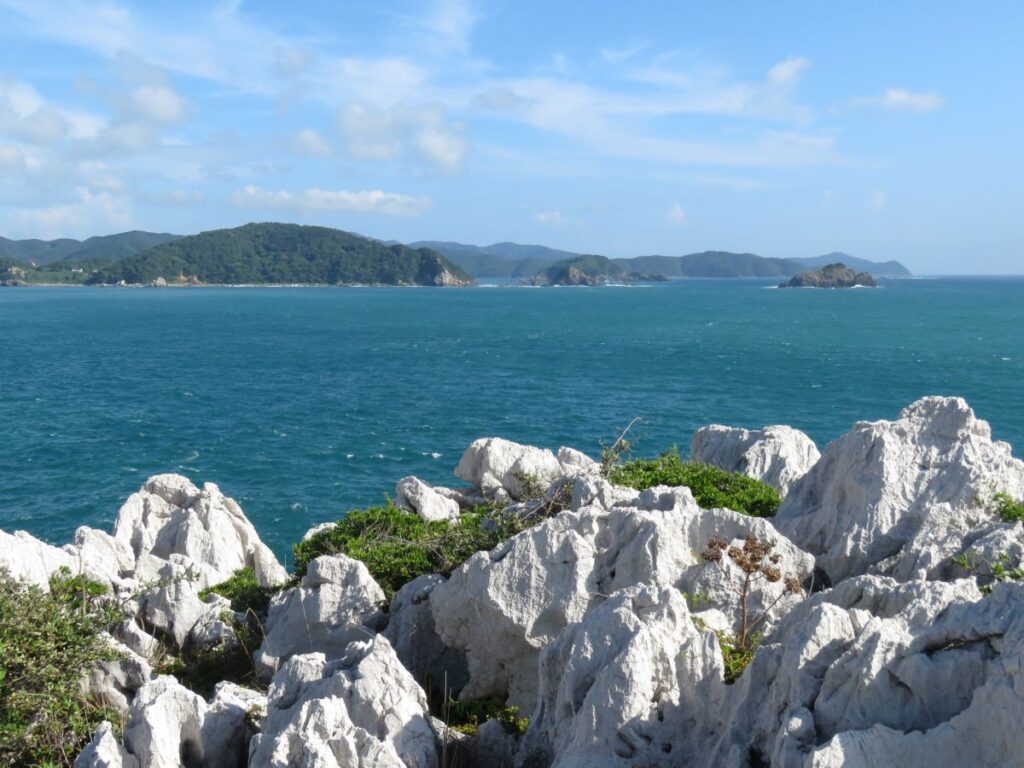
Not every fishing experience requires you to catch the fish yourself.
At Obiki Fishing Harbor in Yura, on Wakayama’s Shirasaki Coast, visitors can take part in experiences organized by members of the local fishing community.
One workshop teaches visitors how to descale and fillet locally caught mackerel and horse mackerel. The instructors are fishermen or members of fishing families, so the experience includes stories about fishing life as well as practical instruction.
There are also local fishing-boat cruises along the spectacular limestone coastline. These cruises are operated by the fishing community and can be combined with other experiences at the harbor.
The important point here is that the fish is not treated as an isolated culinary product.
Visitors encounter the people, harbor, landscape, fishing traditions and food that surround it.
For travelers interested in the cultural side of fishing, this may actually be more rewarding than simply spending a few hours with a fishing rod.
Best for: travelers interested in local culture, fishing communities and food traditions.
Why Fishing Is Such a Good Way to Experience Japan

A fishing experience can look very different depending on where you go.
In Wakayama, you might fish beside a historic coastal village. In Gifu, you can follow a mountain river and eat ayu grilled over charcoal. In Ehime, you can catch tuna and eat it as sashimi. In Shizuoka, the lake itself becomes part of the dining experience.
What connects these places is the relationship between catch, landscape and food.
This is one reason fishing can be such an interesting entry point into Japanese culture. A fish on a restaurant menu tells you relatively little about the place where it came from. Following that fish back to the harbor, river or fishing community tells a much bigger story.
You begin to see why particular fish are caught in particular seasons, why certain cooking methods developed, and why fishing communities often have their own foods, traditions and rhythms of life.
And sometimes, the most memorable part is simply sitting down after fishing and realizing that the fish on your plate was in the water only a short time ago.
Fishing in Japan: Go Beyond the Fishing Trip
If you are planning a trip to Japan around food and nature, consider adding a fishing experience to your itinerary.
You don’t necessarily need to be an experienced angler. Some experiences are designed for beginners, while others focus more on meeting fishermen, learning how to prepare fish or understanding the local food culture.
The best choice depends on what you want from the experience:
- Fishing village and local life: Saikazaki, Wakayama
- Freshwater fishing: Aridagawa or Maze
- Catch-and-eat experience: Uwajima or Lake Hamana
- Fishing and outdoor cooking: Ishikari
- Fishing culture and food preparation: Yura, Wakayama
If you are traveling through the Kii Peninsula, Wakayama is particularly interesting because fishing can be combined with many other layers of local culture—historic port towns, fermentation, seafood cuisine, pilgrimage routes and rural landscapes.
Rather than simply visiting a fishing attraction, you can spend a day following the connection between the sea, the people who work there and the food that eventually reaches the table.
That is where a fishing experience becomes much more than fishing.
Planning a fishing experience in Japan
Fishing is highly seasonal, and availability can depend on weather, fishing conditions and local regulations. Some hands-on experiences also require advance reservations. Check the current conditions and booking requirements before traveling.
For Wakayama, official tourism information currently lists a wide range of fishing-related experiences, from sea fishing to ayu fishing and hands-on food experiences.
Learn more about my Wakayama Living Concierge or Curated Kii Peninsula Journey.
Relate Posts
- The Flavors of Japan: How Seasons Shape Regional Food
- Japan Fishing by Season: What to Catch and Where to Go
- 8 Cruise Ports in Japan: Discover Local Culture, Food & Experiences Beyond the Ship
- Fishing Villages in Japan: 7 Coastal Communities to Experience Local Life
- 3 Days in Wakayama City: A Slow Journey Through Castle, Coast & Local Life
- From Fishing Port to Historic Streets: A Coastal Hiking Journey from Arida to Yuasa
No responses yet