
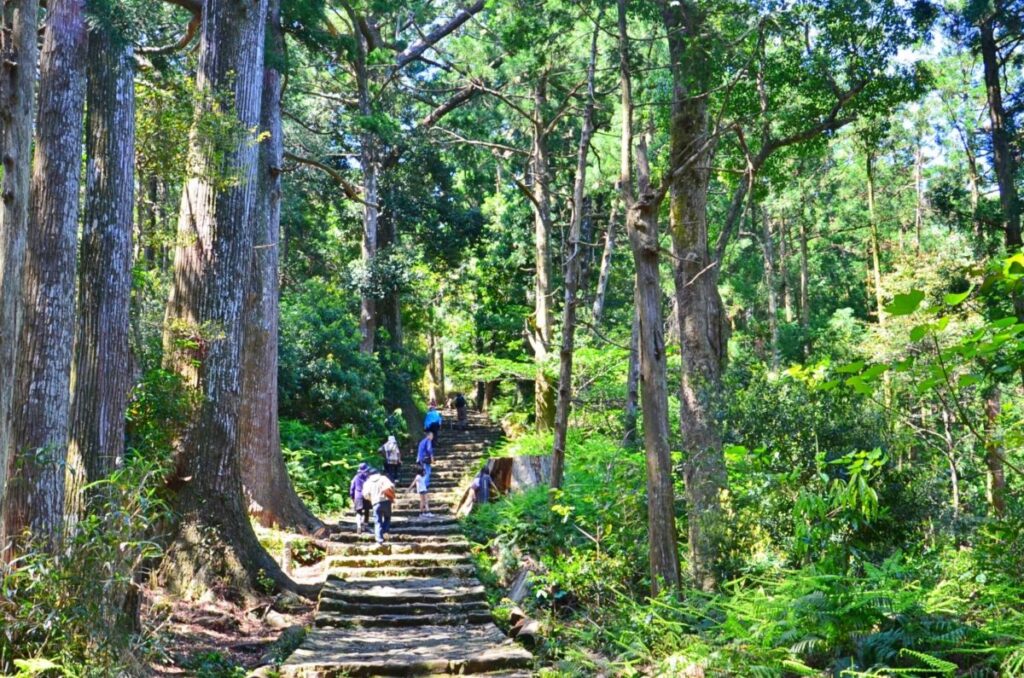
Two Ancient Journeys, Two Different Paths to the Sacred
Among the world’s great pilgrimage routes, two stand apart.
The Kumano Kodo in Japan and the Camino de Santiago in Spain are the only pilgrimage routes recognized through the Dual Pilgrim Program, allowing travelers who complete both journeys to receive dual pilgrimage certification.
At first glance, the connection seems obvious. Both are ancient walking routes, both are recognized as World Heritage sites, and both continue to attract pilgrims from around the world.
Yet beneath these similarities lies something far more fascinating.
These two pilgrimage traditions reflect fundamentally different ways of understanding the relationship between people, nature, and the sacred.
A Shared Tradition of Walking
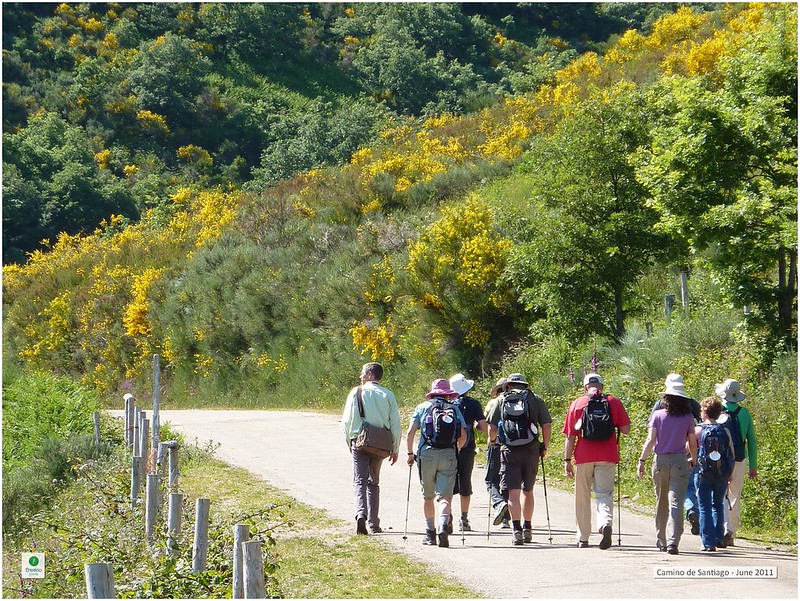
For centuries, pilgrims have walked both routes for reasons that go far beyond reaching a destination.
Some seek spiritual renewal.
Others walk to reflect on life after major changes, recover from loss, or simply slow down in a world that rarely allows time for reflection.
Walking itself becomes part of the experience.
The rhythm of footsteps, changing landscapes, conversations with strangers, and long hours of silence gradually reshape the journey from a physical challenge into something deeply personal.
This is one of the reasons the Kumano Kodo and the Camino continue to resonate with modern travelers.
The Camino: A Journey Toward a Single Sacred Destination
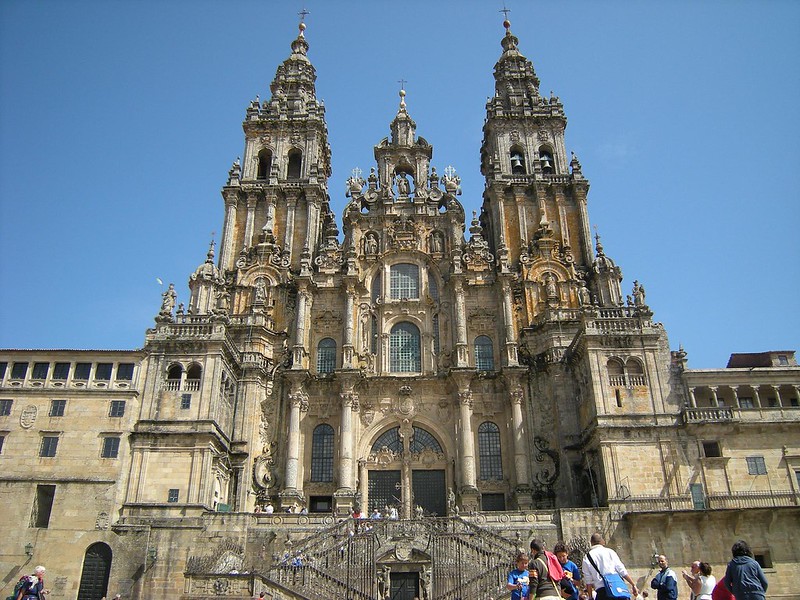
Camino de Santiago is centered on a clear destination.
Pilgrims travel across Europe toward the Cathedral of Santiago de Compostela, traditionally believed to house the remains of Saint James.
The journey is outwardly linear.
Each day brings pilgrims closer to one sacred place.
Historically, many walked seeking forgiveness, fulfilling religious vows, or expressing devotion within the Christian tradition.
Although today’s pilgrims come from many backgrounds, the idea of moving steadily toward a single goal remains central to the Camino experience.
Kumano Kodo: A Pilgrimage Through a Sacred Landscape
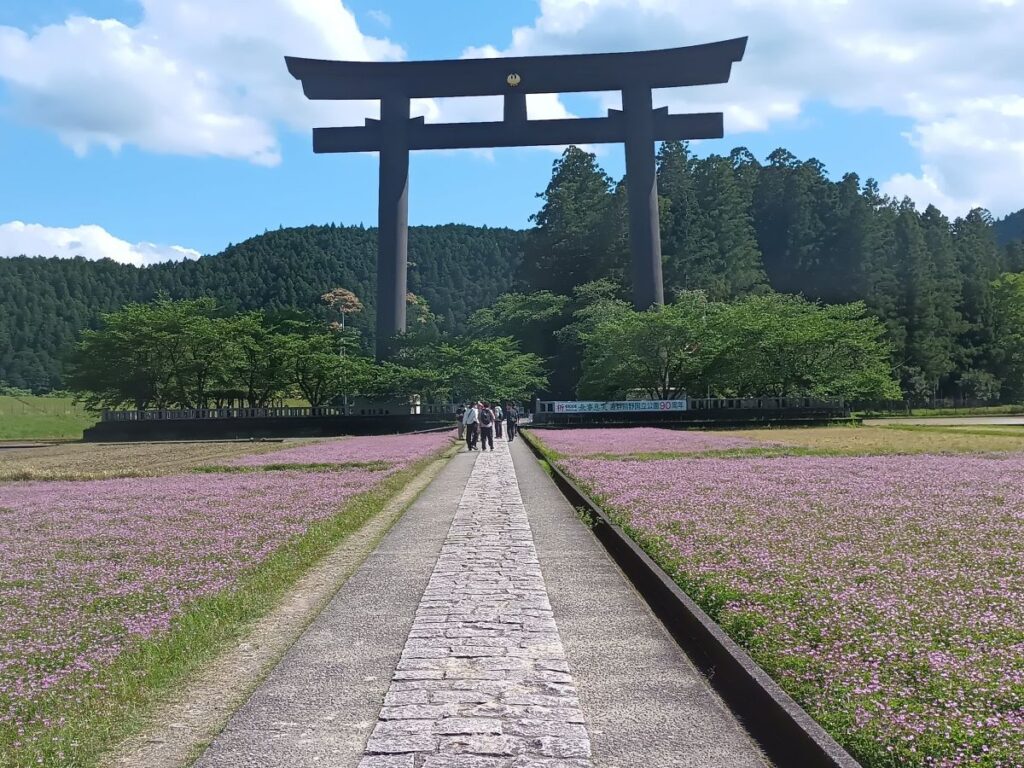
Kumano Kodo offers a very different experience.
Rather than leading to one sacred destination, its network of routes connects multiple holy sites across the southern Kii Peninsula.
Pilgrims traditionally visited the three grand shrines known as Kumano Sanzan:
- Kumano Hongu Taisha
- Kumano Hayatama Taisha
- Kumano Nachi Taisha
Several historic routes reach these shrines, each reflecting a different landscape and history.
- Kiiji connects Osaka with Tanabe.
- Nakahechi links Tanabe with Hongu Shrine before continuing toward Nachi Shrine and Hayatama Shrine.
- Ohechi follows the Pacific coast from Tanabe to Nachi area.
- Iseji connects Ise Grand Shrine with Kumano.
- Omine Okugakemichi crosses the mountains between Yoshino and Hongu through one of Japan’s most demanding ascetic routes.
Instead of focusing on one destination, the Kumano Kodo invites travelers into an entire sacred landscape where mountains, rivers, waterfalls, forests, and villages all carry spiritual meaning.
Nature Is Not Just the Setting
Perhaps the greatest difference lies in how each pilgrimage understands nature.
Along the Camino, nature accompanies the pilgrim.
Along the Kumano Kodo, nature itself is sacred.
Long before Buddhism arrived in Japan, mountains, forests, waterfalls, and unusual rock formations were believed to be places where divine beings resided.
Later, Shinto, Buddhism, and mountain asceticism blended together, creating a unique spiritual landscape where the boundary between religion and nature became almost invisible.
Walking through Kumano is therefore not simply walking toward a shrine.
It is walking through a place already understood to be sacred.
Different Ideas of Spiritual Renewal
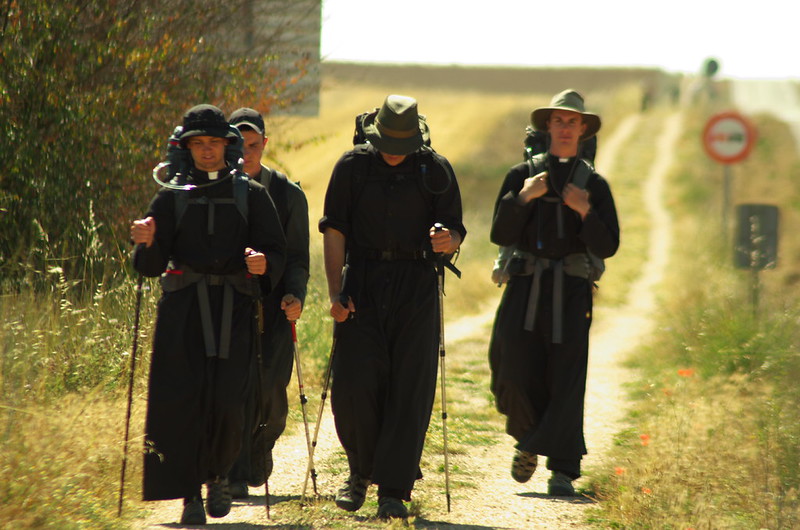
The two pilgrimages also express different spiritual traditions.
The Camino developed within Christianity, where pilgrimage often represented repentance, forgiveness, and devotion.
Kumano developed through a combination of ancient mountain worship, Shinto beliefs, Buddhism, and Shugendo.
For many Japanese throughout history, Kumano became known as a place of rebirth.
Pilgrims entered the mountains symbolically leaving behind their ordinary lives before returning spiritually renewed.
This idea of death and rebirth still shapes how many people experience Kumano today, even if they do not consider themselves religious.
Living Roads, Not Open-Air Museums
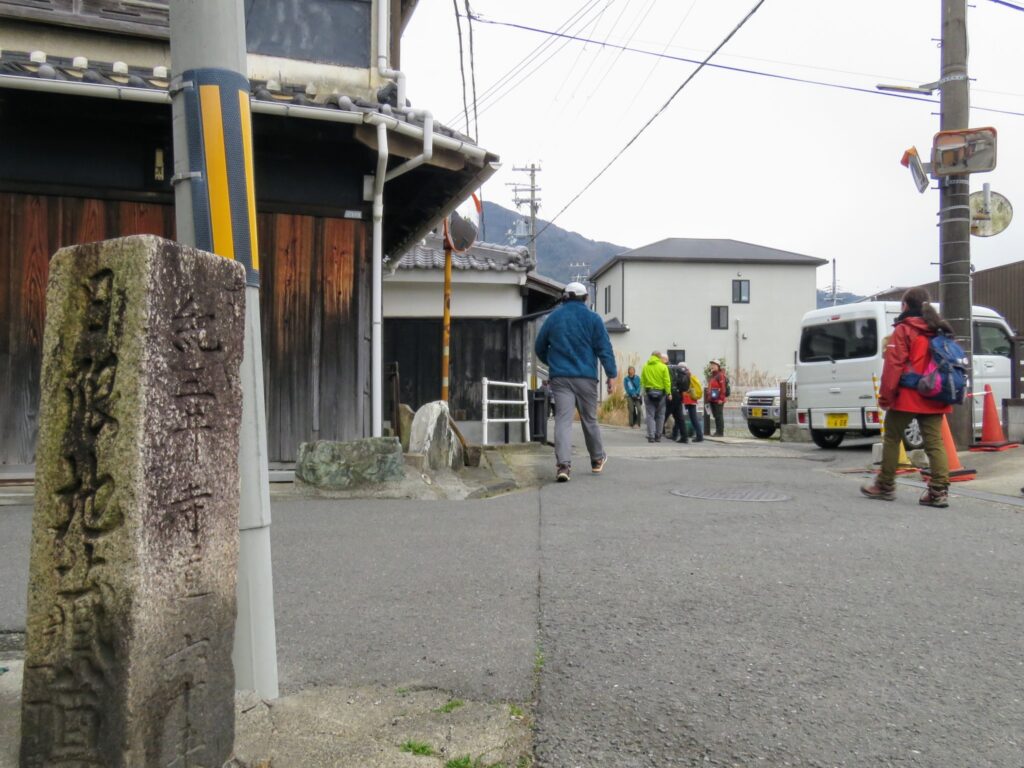
Another remarkable similarity is that neither pilgrimage has become simply a historical monument.
Both remain living routes.
Local residents continue to maintain villages, welcome travelers, and preserve traditions that have evolved over centuries.
In Kumano, the pilgrimage roads also served everyday life.
Farmers, merchants, fishermen, monks, and travelers all used these same paths.
Many sections still pass through active communities where daily life continues much as it has for generations.
Walking here means encountering not only history, but a living cultural landscape.
Why Walk Both?
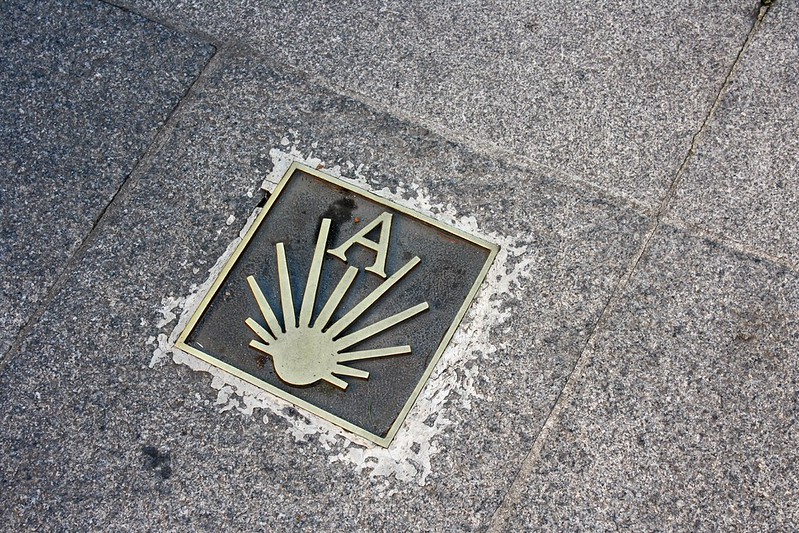
Many travelers who complete both pilgrimages discover that they complement rather than compete with one another.
The Camino teaches patience through distance.
The Kumano Kodo teaches attentiveness through landscape.
One emphasizes reaching a sacred destination.
The other invites you to recognize that the sacred has been present throughout the journey.
Together, they offer two distinct yet equally profound answers to one timeless human question:
Why do people walk hundreds of kilometers in search of something they cannot carry home?
Perhaps the answer is that the journey changes not the place—but the traveler.
Experience the Kumano Kodo Beyond the Famous Trails
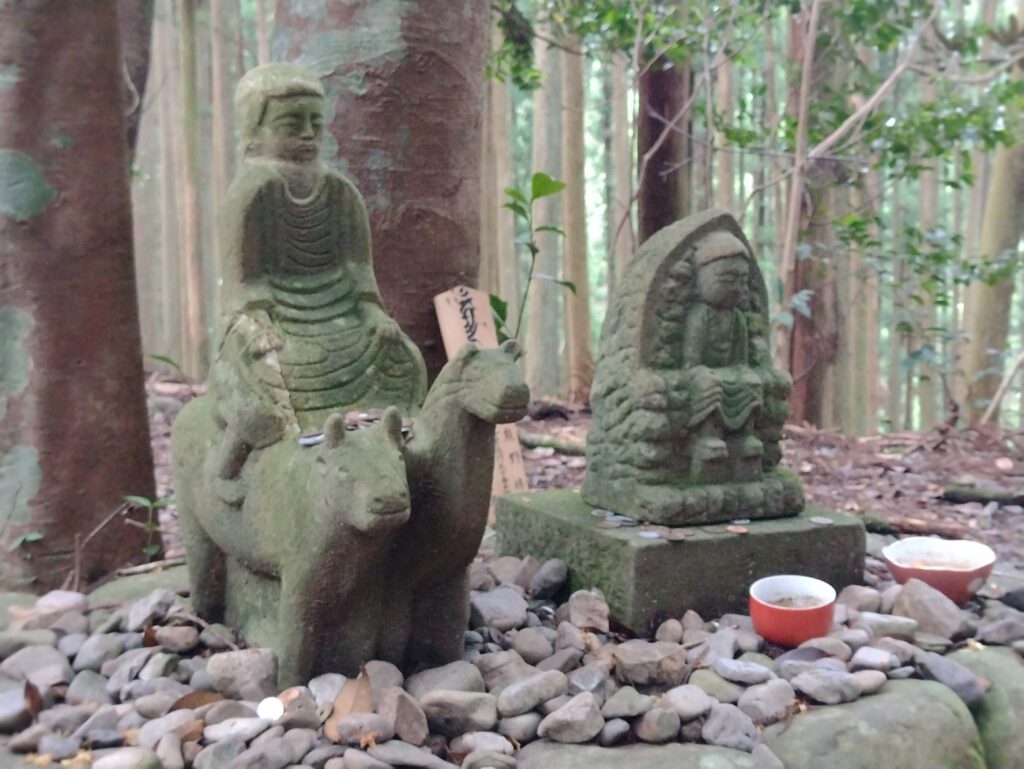
Walking the Kumano Kodo becomes even more meaningful when you understand the history, beliefs, landscapes, and everyday culture that shaped these ancient roads.
Our private guided experiences explore not only the famous pilgrimage paths but also the lesser-known stories, villages, and cultural landscapes that reveal why Kumano has inspired pilgrims for over a thousand years.
Whether you walk a short section or spend several days exploring the region, we can help you discover the Kumano Kodo as both a historic pilgrimage and a living cultural landscape.
Walk on Kumano Kodo with customized plan through my Curated Kii Peninsula Journey.
Read More About Kumano Kodo
- Why Were Pilgrims Willing to Walk for Weeks?
- Why Kumano’s Forests Feel Ancient
- Beyond the Kumano Kodo: Life Along the Ancient Kiiji Road
No responses yet