

From Koyasan and the Choishimichi to the Kiiji Road and Kumano
When travelers think of pilgrimage in Japan, they often think of the Kumano Kodo.
But the pilgrimage landscape of Wakayama is larger than a single trail.
High in the mountains, the Choishimichi leads toward the sacred town of Koyasan. Along the coast, the historic Kii Road passes through towns, fishing communities, and landscapes shaped by centuries of pilgrimage. Farther south, the Nakahechi enters the mountains and continues toward the sacred heart of Kumano.
These are not simply three hiking routes.
Together, they tell a story about how people have moved through Wakayama for centuries—toward mountains, through villages, along the coast, and eventually into the sacred landscape of Kumano.
This 10-day journey connects these different pilgrimage landscapes.
It is not designed for travelers who want to walk every kilometer as quickly as possible.
Instead, it is for travelers who want to walk meaningful sections, stay in historic places, experience local culture, and understand how pilgrimage shaped the landscape of Wakayama.
At a Glance

Duration: 10 days
Theme: Pilgrimage, walking, history, landscape, and local culture
Main routes: Choishimichi, Kiiji Road, Nakahechi
Starting point: Koyasan
Ending point: Nachi
Walking style: Moderate to challenging, with flexible sections
Best for: Slow travelers, cultural hikers, repeat visitors to Japan, and travelers interested in Japanese pilgrimage
The journey
Days 1–2: Koyasan and the Choishimichi
Days 3–5: Kiiji Road from Kainan to Yuasa
Day 6: Travel to Takijiri and prepare for the mountain pilgrimage
Days 7–10: Nakahechi, Kumano Hongu, and Nachi
The important point is that the final section is not a forced five-day thru-hike of every kilometer of the Nakahechi.
Instead, five days are devoted to entering, experiencing, and understanding the Nakahechi and Kumano landscape.
That difference makes the journey much more comfortable—and much more interesting.
Day 1 — Arrive at Koyasan
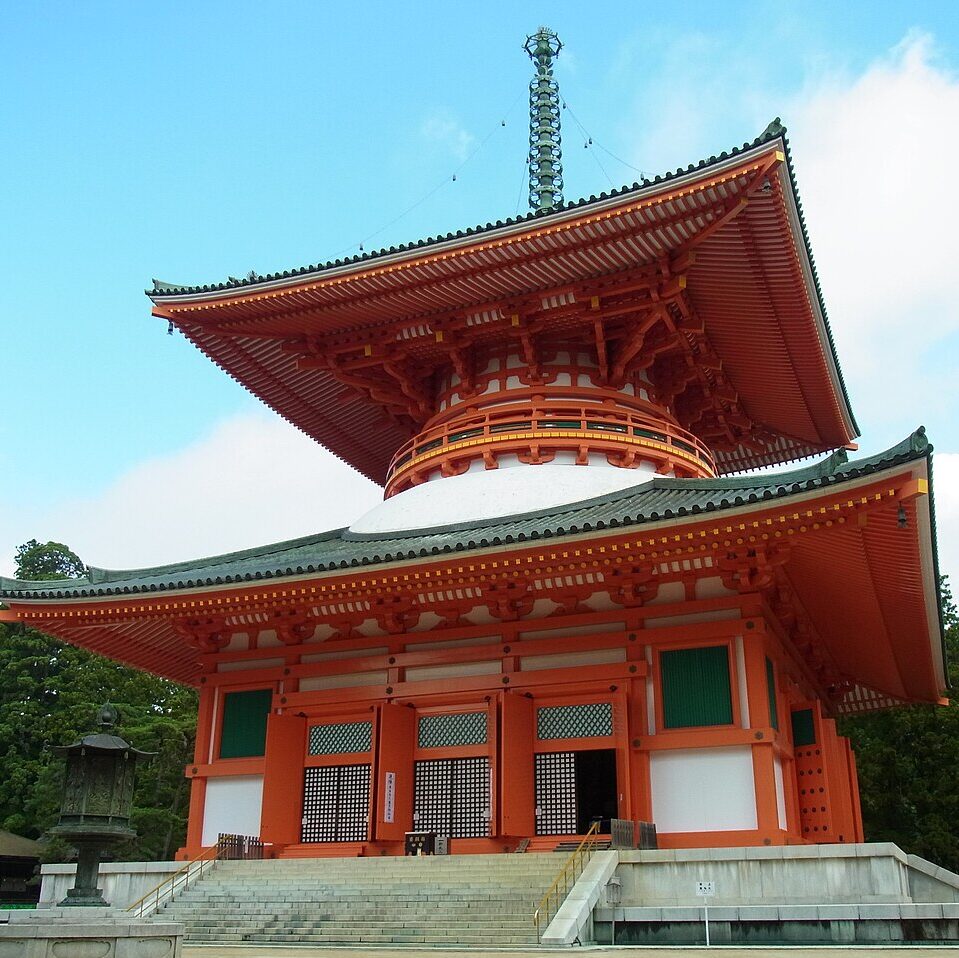
Begin Above the Clouds
Your pilgrimage begins not on a trail, but in the sacred mountain town of Koyasan.
After traveling to the mountain, spend the first day settling into the atmosphere of the temple town.
Rather than immediately beginning a long walk, allow yourself time to explore.
Walk among the ancient cedar forests.
Visit the temples and religious sites of Koyasan.
Take time at Okunoin, where paths wind through one of Japan’s most atmospheric sacred landscapes.
And, if staying at a temple lodging, experience the rhythm of a Buddhist temple from the inside.
Koyasan is an important beginning because it establishes the spiritual atmosphere of the entire journey.
You are not simply starting a hiking holiday.
You are entering a landscape shaped by pilgrimage.
Overnight
Koyasan
Related post:
How to Visit Koyasan Without Stress (Detailed Transport Guide)
Day 2 — Walk the Choishimichi
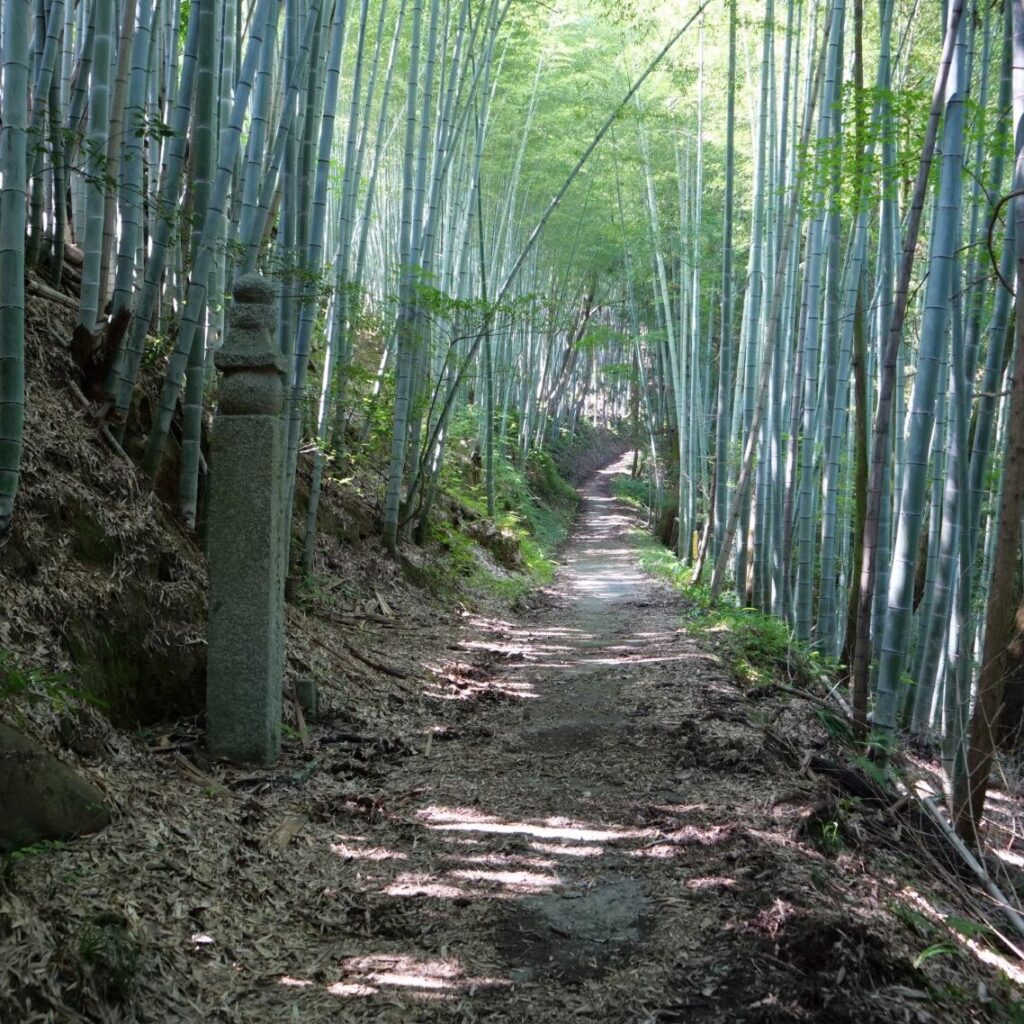
The Road to the Sacred Mountain
Today is the first major walking day.
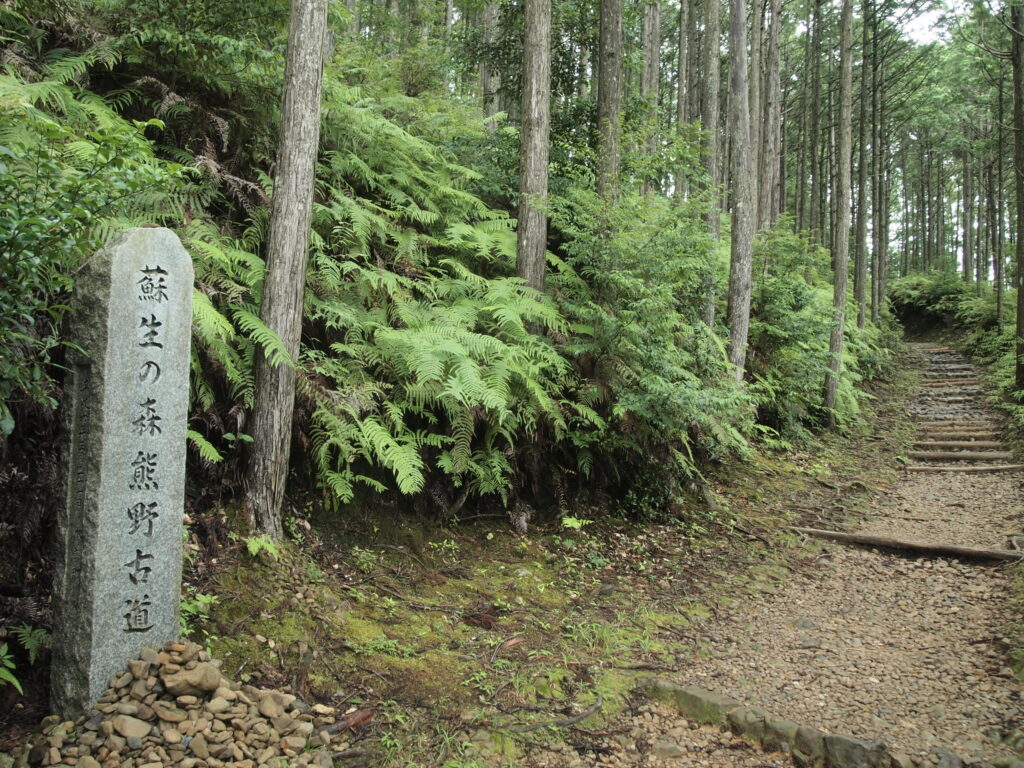
The Choishimichi is the historic approach to Koyasan, marked by stone pillars known as choishi. These markers traditionally indicate the distance toward the sacred mountain.
The route offers a very different experience from simply arriving at Koyasan by modern transportation.
Instead of appearing suddenly at the destination, the mountain gradually reveals itself through the landscape.
You walk.
You climb.
You pass through forests.
And slowly, Koyasan becomes the destination toward which every step is directed.
The Choishimichi is therefore an ideal opening chapter for this journey:
the pilgrimage begins with the act of approaching the sacred place.
The walk is substantial, so this day should be treated as a serious hiking day rather than a sightseeing excursion.
For travelers who want the experience without excessive physical pressure, the route can be adapted by using transportation for part of the approach.
The purpose is not to prove how much distance you can cover.
It is to understand what it meant to approach Koyasan on foot.
Overnight
Koyasan
Related post:
Walking Choishi-michi: Following the Pilgrims to Koyasan
Day 3 — From the Mountains to the Coast
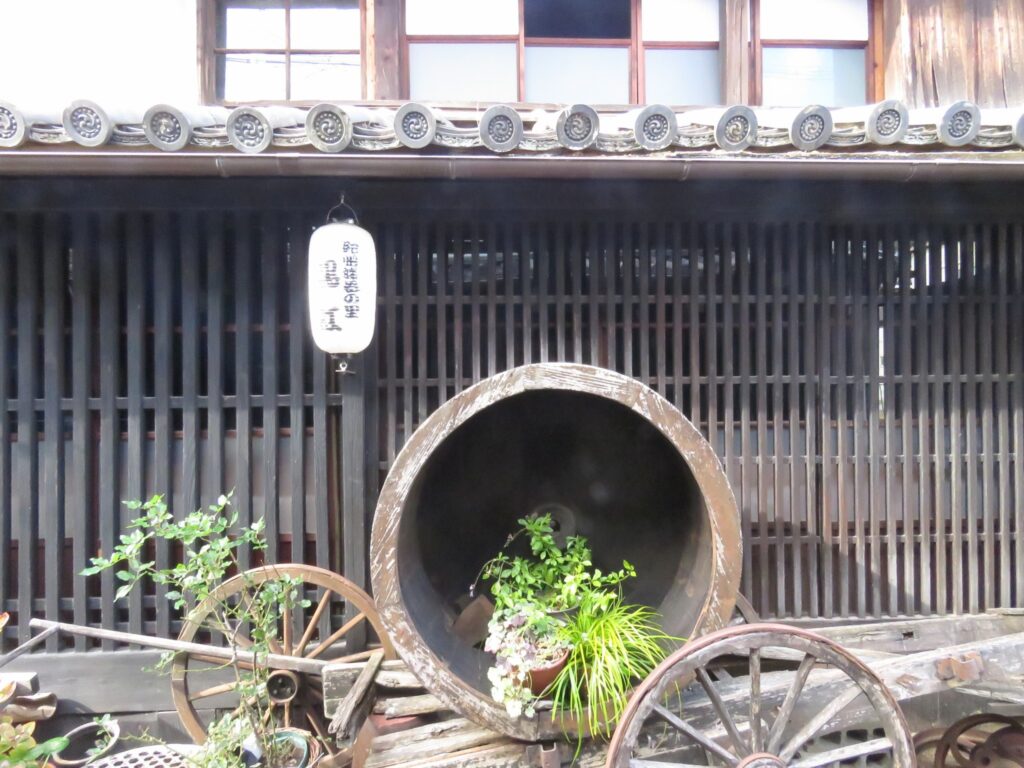
Koyasan → Kainan
After the mountain experience of Koyasan, descend toward the Wakayama coast.
This transition is an important part of the journey.
The landscape changes dramatically.
The sacred mountain gives way to lower hills, agricultural landscapes, towns, and eventually the Pacific coast.
Spend the afternoon and evening around Kainan.
This is also an opportunity to slow down before beginning the next walking section.
The Kainan area provides a very different interpretation of pilgrimage.
Here, the road is not isolated in a mountain wilderness.
It passes through communities where pilgrimage, work, commerce, craft, food, and everyday life have historically existed side by side.
Depending on your interests and arrival time, the afternoon can include Kuroe, known for its lacquerware tradition, a historic garden, a local café, or a meal featuring seafood and regional ingredients.
This is the beginning of another kind of pilgrimage experience:
walking through living Japan.
Overnight
Kainan
Related post:
Exploring Kuroe: Japanese Lacquerware and the Dining Experience
Day 4 — The Kiiji Road
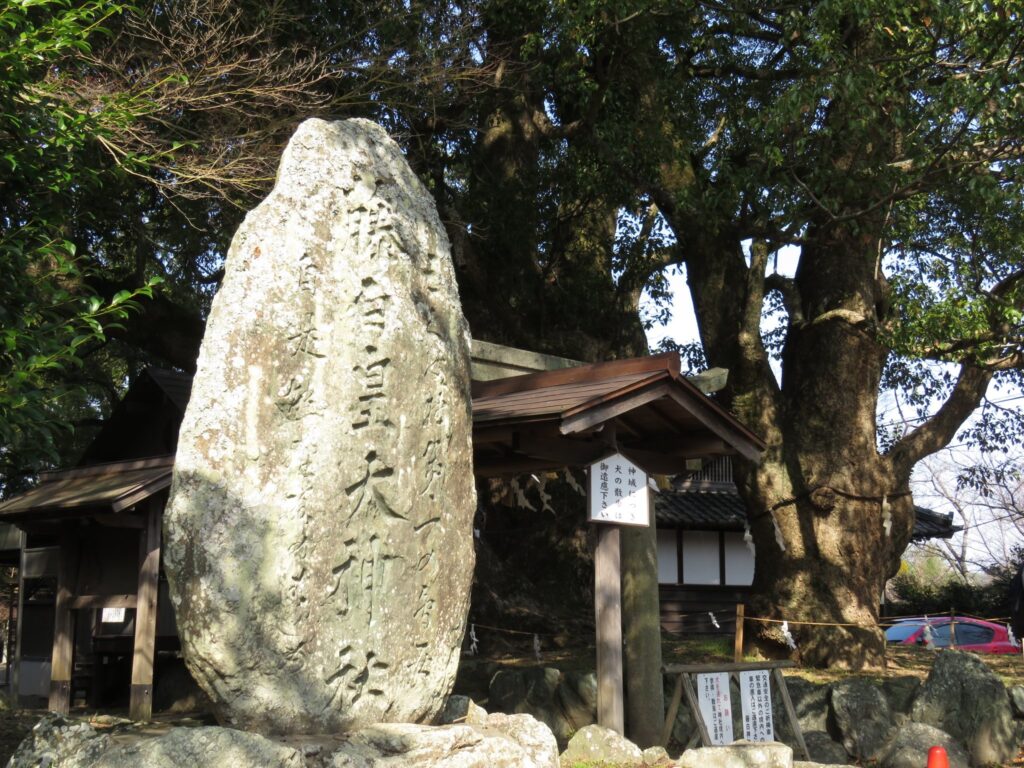
Kainan and the Coastal Pilgrimage Landscape
Today you begin walking along the historic Kiiji Road, the western approach toward Kumano.
One of the most interesting things about this route is that it does not feel like a remote hiking trail.
Instead, the pilgrimage landscape is interwoven with ordinary life.
You may encounter:
- Historic pilgrimage sites
- Small settlements
- Coastal scenery
- Fishing communities
- Old houses
- Local shops
- Agricultural landscapes
- Roads still used by local residents
This is one of the reasons the Kiiji Road is so different from the mountain sections of the Kumano Kodo.
The road is not simply a preserved monument.
It remains connected to the landscape around it.
The experience is therefore less about “conquering a trail” and more about watching the cultural landscape change as you walk.
The Kiiji Road can also be walked flexibly. Because modern transportation runs close to many sections, the day’s walking distance can be adjusted according to weather, fitness, and interests.
Overnight
Along the Kii Road / Kainan area
Related post:
Beyond the Kumano Kodo: Life Along the Ancient Kiiji Road
Day 5 — Kiiji Road to Yuasa
From Pilgrimage to Food and Coastal Culture
Continue south toward Yuasa.
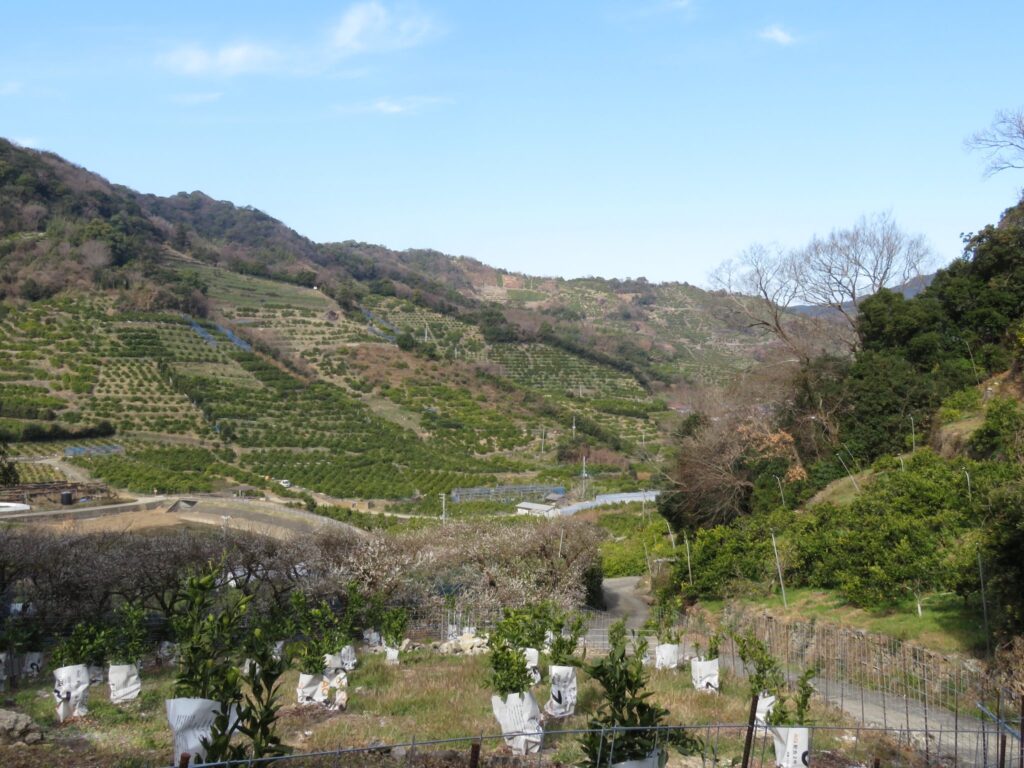
This is one of the most rewarding sections of the journey because the pilgrimage landscape begins to merge with another important part of Wakayama’s identity: food culture.
The road connects with coastal communities, ports, agriculture, and historic towns.
By the time you reach Yuasa, the character of the journey has changed again.
Yuasa is particularly important because its history connects pilgrimage, maritime trade, food, and fermentation.
Here, you can slow down and explore the historic town rather than simply treating it as the endpoint of a hiking day.
Walk through the old streets.
Learn about traditional soy sauce production.
Explore the relationship between the town and the sea.
Enjoy a local meal.
After several days of walking, Yuasa also provides a natural opportunity to rest.
This is not a detour from the pilgrimage.
It is part of understanding the world through which pilgrims traveled.
The Kii Road is powerful precisely because pilgrimage was never completely separate from ordinary life.
Overnight
Yuasa
Related post:
Beyond Shoyu Soy Sauce: Discover More Around Yuasa, Wakayama
Day 6 — From Yuasa to Takijiri
Leaving the Coast Behind
Today is intentionally different.
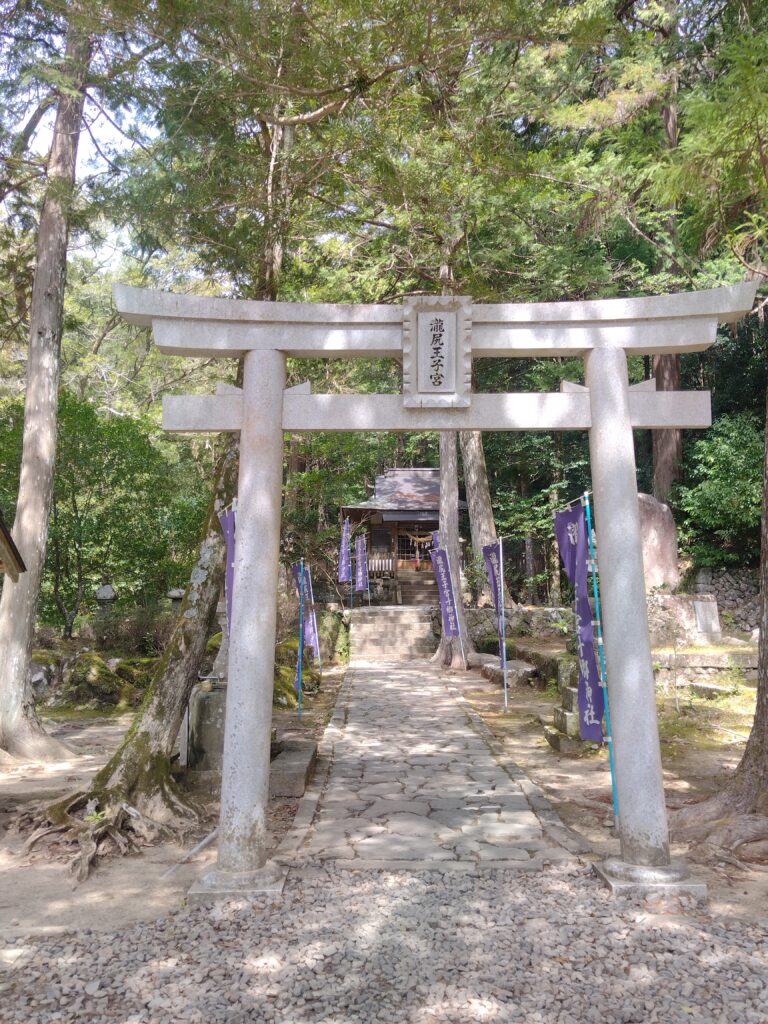
Rather than adding another long hiking day, travel south toward Takijiri, the traditional entrance to the Nakahechi mountain route.
This transition is important.
The first part of the journey has taken you:
mountain → coast → towns → fishing communities → historic roads → fermentation culture
Now the landscape begins to change again.
You are heading toward the interior of the Kii Peninsula.
Use the afternoon to rest, prepare your hiking equipment, and become familiar with the route ahead.
If time and energy allow, explore the area around Takijiri and its pilgrimage heritage.
The next morning, the character of the journey changes completely.
Overnight
Takijiri area
Day 7 — Takijiri to Chikatsuyu
Entering the Nakahechi
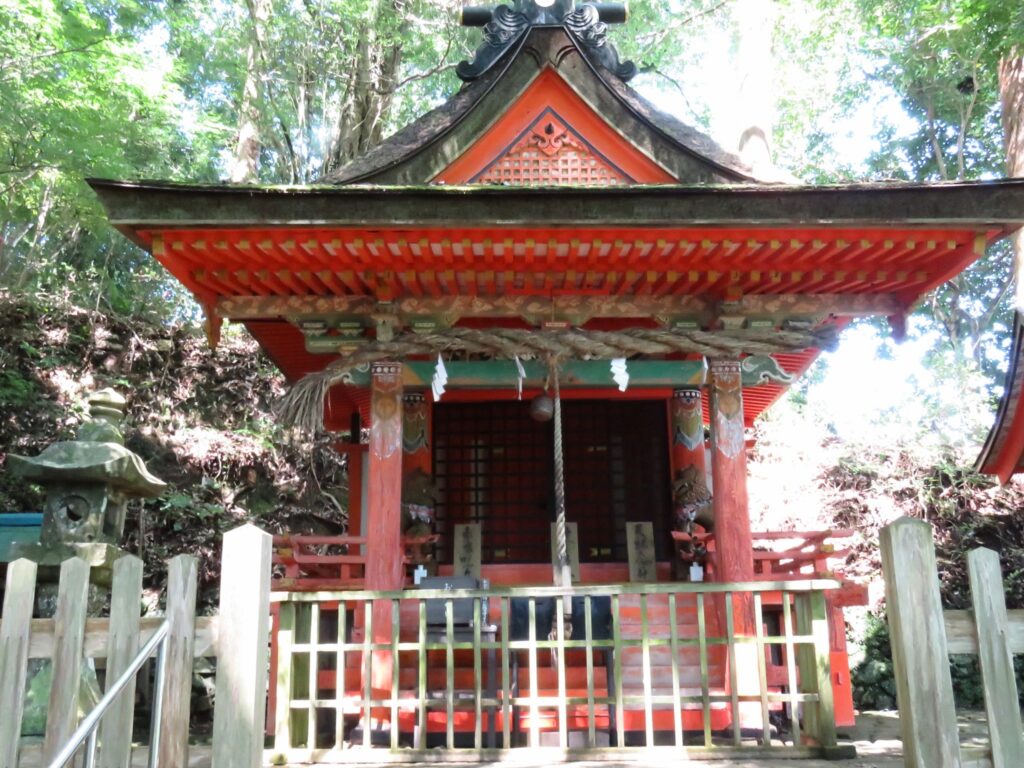
Today you begin the mountain section of the pilgrimage.
Starting at Takijiri, one of the traditional entrances to the Nakahechi, the trail immediately begins to climb into the forest.
The landscape is very different from the coastal Kii Road.
There are fewer settlements, deeper forests, and a stronger sense that you are entering the interior of the Kii Peninsula.
Today’s destination is Chikatsuyu, one of the traditional settlements along the Nakahechi.
The relatively moderate distance makes this a good first day in the mountains. Rather than rushing toward Kumano, take time to notice the small details of the route—the forest, old pilgrimage markers, mountain streams, and occasional views across the valleys.
The purpose of today is not simply to cover distance.
It is to make the transition from the coastal pilgrimage landscape into the mountains.
Overnight
Chikatsuyu
Related post:
Kumano Kodo Guide: Walking Through Japan’s Living Traditions
Day 8 — Chikatsuyu to Tsugizakura
Deeper into the Mountain Pilgrimage
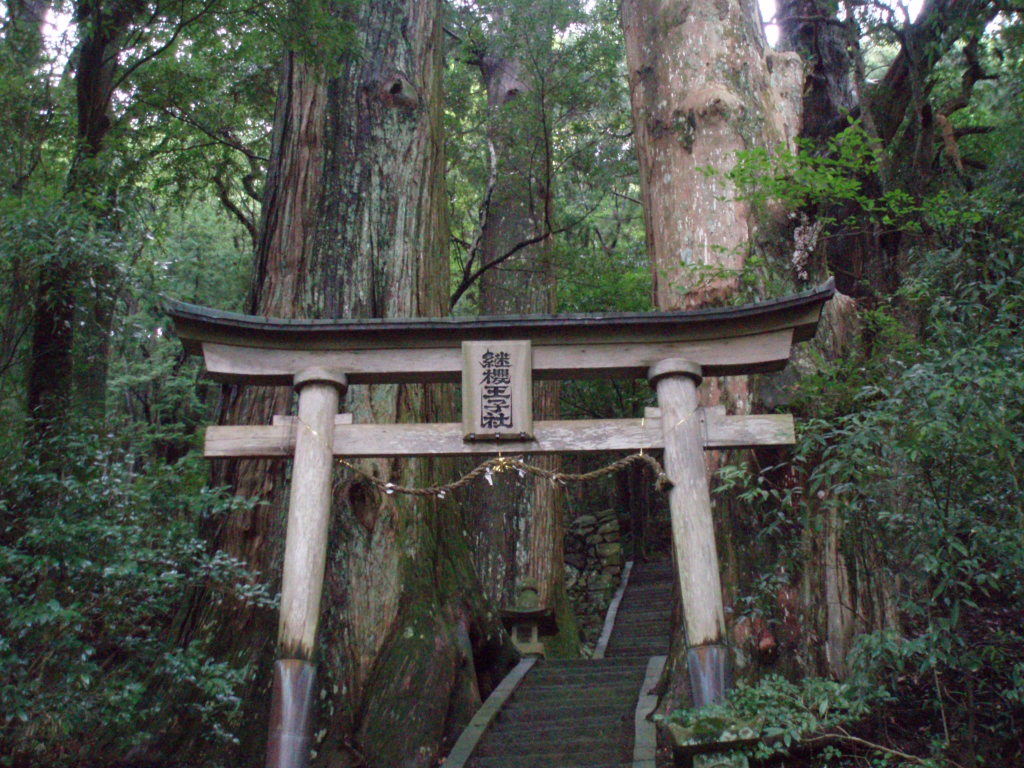
Continue from Chikatsuyu toward Tsugizakura-oji.
The trail gradually leads deeper into the mountain landscape.
By now, the rhythm of the journey begins to change.
There is less emphasis on sightseeing and more on walking itself.
The forest becomes the main landscape.
The sound of the road and towns gradually disappears, replaced by streams, birds, wind through the trees, and the changing rhythm of your own footsteps.
Tsugizakura is an important place to pause and reflect on the journey.
This is also a good opportunity to experience the small-scale hospitality of the mountain communities rather than treating the Nakahechi simply as a long-distance hiking trail.
After several days on the road, these quiet moments are part of the pilgrimage experience.
Overnight
Tsugizakura area
Day 9 — Chikatsuyu to Kumano Hongu
Approaching the Sacred Heart of Kumano
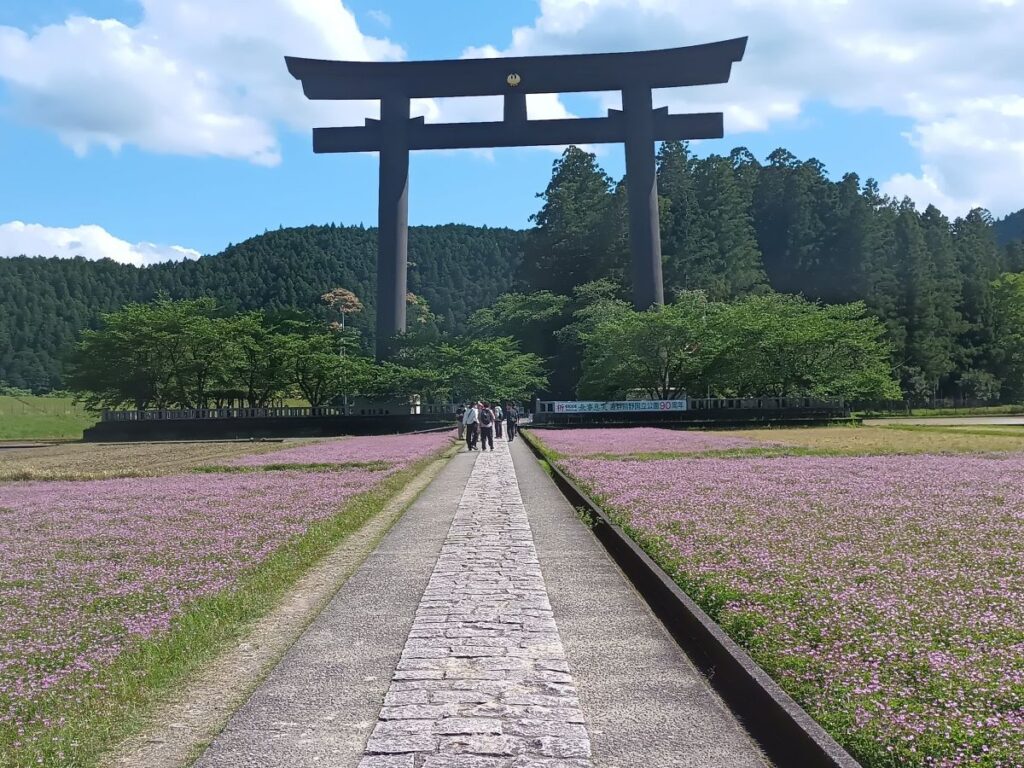
Today you continue toward Kumano Hongu.
The sense of destination gradually becomes stronger.
After several days of walking through the Kii Peninsula, the journey finally reaches the heart of the Kumano pilgrimage landscape.
Take your time.
The final approach should not be treated simply as a finish line.
Along the way, look back mentally at the journey you have made.
You began at Koyasan.
You walked the Choishimichi.
You descended toward the coast.
You followed the Kiiji Road.
You explored Yuasa.
You entered the mountains at Takijiri.
Now you are approaching Kumano.
The physical journey has connected landscapes that at first seemed completely separate.
At Hongu, spend time at the sacred sites and allow the pace of the journey to slow again.
If possible, stay overnight nearby rather than immediately continuing to another destination.
After days of walking, this pause matters.
Overnight
Kumano Hongu
Re;ated post:
Why Were Pilgrims Willing to Walk on Kumano Kodo for Weeks?
Day 10 — From Daimonzaka to Nachi
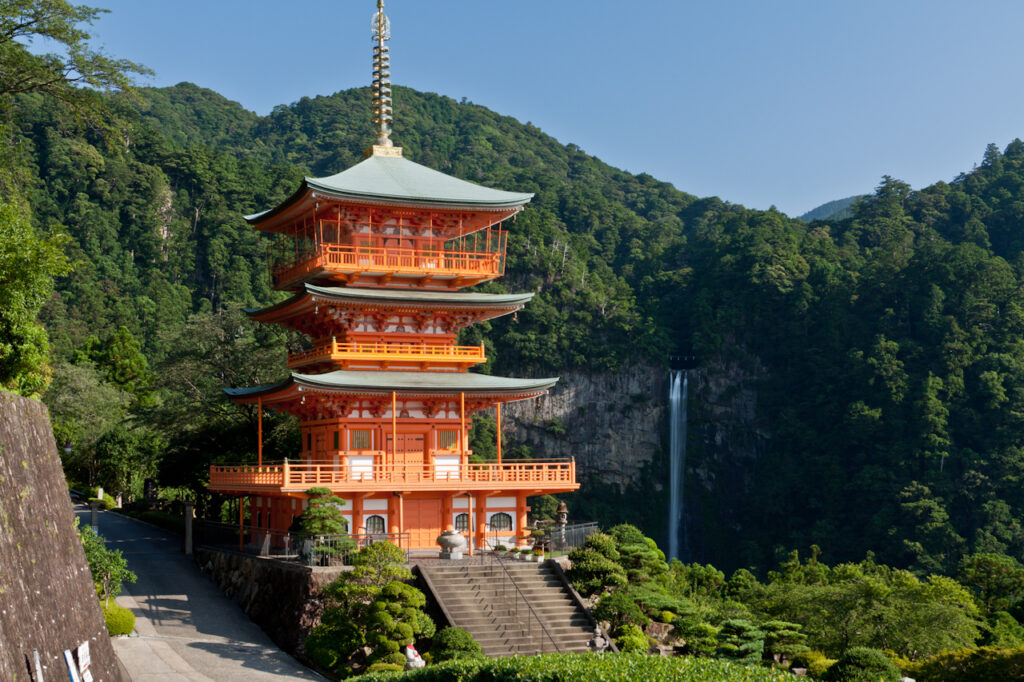
After spending the previous days walking through the mountains of the Kumano Kodo and reaching Hongu, the final day brings you to one of the most iconic approaches to Kumano.
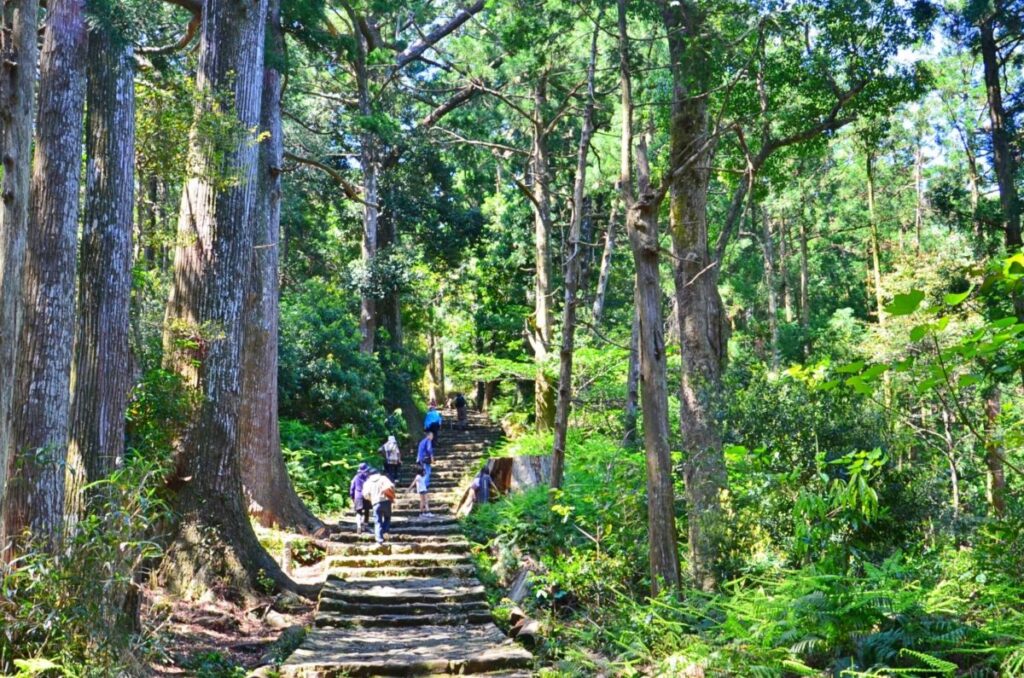
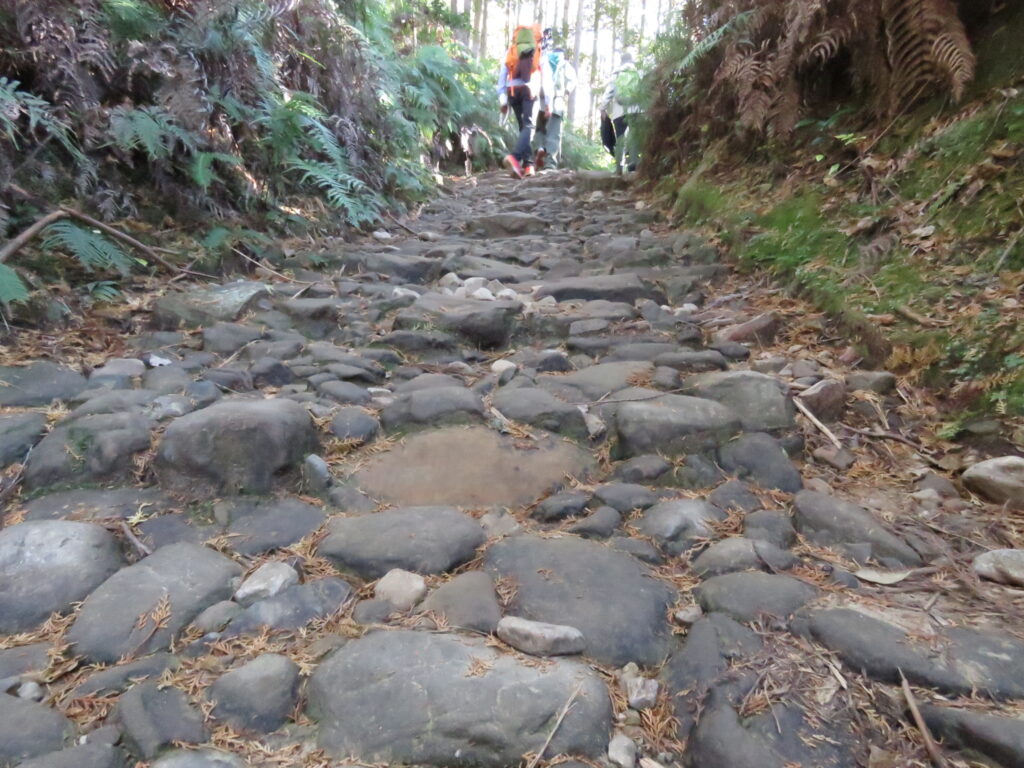
Begin at Daimonzaka, a beautifully preserved stone-paved section of the ancient pilgrimage route. The path climbs gradually beneath towering cedar trees, creating a powerful sense of entering a sacred landscape.
The walk is relatively short compared with the longer sections of the journey, but its atmosphere makes it an especially meaningful way to conclude a pilgrimage.
From Daimonzaka, continue uphill toward Kumano Nachi Taisha, one of the three great shrines of Kumano.
The approach is not simply a route to a destination. The stone steps, ancient trees, and gradual ascent create a final transition from the ordinary world into the sacred precinct.
At the shrine, take time to explore the grounds and reflect on the journey.
From here, continue toward Seiganto-ji Temple, where Buddhist and Shinto traditions have long existed side by side. The view toward Nachi Falls provides one of the most memorable scenes of the entire pilgrimage.
The journey that began with the threshold of Kumano and continued through forests, villages, mountains, and sacred roads ends here—with the sound of water and the landscape of Nachi before you.
Overnight
Nachi / Kii-Katsuura area
Why This Journey Is Different
There are many ways to experience the Kumano Kodo.
You can walk a single section.
You can undertake a multi-day trek.
Or you can focus on the three major shrines.
This journey takes a different approach.
It asks:
What if we followed the broader pilgrimage landscape of Wakayama rather than one trail?
The answer reveals three very different worlds.
1. Choishimichi — The Approach to the Sacred Mountain
At Koyasan, the road is about approaching.
The destination is visible in the imagination before it is reached.
Every stone marker represents distance.
Every step brings the pilgrim closer to the sacred mountain.
2. Kii Road — Pilgrimage and Everyday Life
Along the coast, the pilgrimage road becomes a living cultural landscape.
You walk through towns.
You encounter food culture.
You see fishing communities.
You encounter traditional crafts.
You can stop for coffee.
You can explore a historic town.
The road is flexible and connected to modern transportation.
It is pilgrimage, but it is also everyday Japan.
3. Nakahechi — Entering the Sacred Mountains
The Nakahechi changes the rhythm again.
Here, walking becomes more physically demanding.
The mountains become deeper.
The forest becomes more prominent.
And the journey toward Kumano becomes increasingly immersive.
You are no longer simply moving between destinations.
You are moving through a landscape shaped by pilgrimage.
You Don’t Have to Walk Every Kilometer
This is perhaps the most important principle of the itinerary.
A pilgrimage journey does not have to become a competition for distance.
For some travelers, walking the entire Nakahechi is the goal.
For others, the most meaningful experience may be:
- Walking from Takijiri to Takahara
- Spending time in the mountain villages
- Walking selected sections toward Hongu
- Visiting the sacred sites
- Resting in the mountains
- Continuing by local transportation
- Spending more time understanding the landscape
The same principle applies to the Kii Road.
The strength of the Kiiji Road is precisely its flexibility. It can be experienced as a series of meaningful walking sections rather than a single long-distance challenge.
This makes the journey suitable for travelers who want walking to be central without allowing walking to dominate every moment of the trip.
A Journey Through Different Layers of Wakayama

Perhaps the greatest value of this 10-day itinerary is the change in cultural landscape.
You begin with:
Buddhist sacred mountains
↓
Pilgrimage markers and historic roads
↓
Lacquerware and coastal communities
↓
Fishing and maritime culture
↓
Soy sauce and fermentation
↓
Mountain villages
↓
Sacred forests
↓
Kumano
The road itself becomes the thread connecting these layers.
This is why the journey is more than a hiking itinerary.
It is a way to understand Wakayama through movement.
Who Is This Journey For?
This itinerary is particularly suited to travelers who:
- Have already experienced Tokyo, Kyoto, or Osaka
- Want a deeper experience of rural Japan
- Are interested in Japanese pilgrimage
- Enjoy hiking but do not necessarily want an extreme trek
- Prefer small towns to major tourist destinations
- Want food and culture alongside walking
- Enjoy slow travel
- Are willing to spend several days in one region
- Want to understand the landscape rather than simply photograph it
It is especially interesting for repeat visitors to Japan who are looking for something beyond the Golden Route.
A More Personal Way to Walk Kumano
The Kumano Kodo is often presented as a trail.
But historically, pilgrimage was more than walking.
It was movement through a cultural landscape.
People traveled through villages.
They stopped for food.
They stayed overnight.
They encountered local communities.
They crossed mountains.
They prayed.
They continued.
That is the spirit behind this 10-day journey.
You do not have to rush from one famous site to another.
You can walk a section, stay somewhere, eat locally, learn about the landscape, and continue the following day.
The journey becomes less about how much of the trail you completed and more about what you experienced along the way.
Walking the Sacred Roads of Wakayama
From the Choishimichi of Koyasan to the coastal Kiiji Road, and from the mountains of Takijiri to the sacred landscapes of Hongu and Nachi, this journey reveals a side of Wakayama that is easy to miss when traveling from destination to destination.
Three roads.
Three landscapes.
Three different expressions of pilgrimage.
And one continuous journey through the Kii Peninsula.
You don’t simply arrive at Kumano.
You begin to understand why people have been walking there for centuries.
Suggested Extensions
This 10-day itinerary can also be extended or customized.
Travelers interested in food can add fermentation and local cuisine experiences around Yuasa.
Those interested in traditional crafts can spend additional time in Kuroe.
Photography-focused travelers can adjust walking times around coastal and mountain landscapes.
And travelers who want a slower pace can add additional nights in Koyasan, Yuasa, Hongu, or Kii-Katsuura.
The goal is not to create a fixed package.
It is to create a personal pilgrimage journey through Wakayama, shaped around your interests, walking ability, and the time you want to spend in the region.
My tour program Curated Kii Peninsula Journey can customize your trekking travel in Wakayama. Please check it.
Read More About Walking in Wakayama
- Women’s Koyasan: Understanding Nyonin Koya, the Nyonin-do, and the Nyonin-michi
- A Coastal Loop Walk in Wakayama
- Before the Kumano Walk: A Slow Cultural Day Around Kainan
- Kumano Kodo Short Walk Itinerary (For Beginners)
No responses yet