
URL Slug: slow-travel-japan-staying-longer
Japan Is More Than a Collection of Destinations
Imagine spending two weeks in Japan.
You arrive in Tokyo, explore its neighborhoods, take the bullet train to Kyoto, visit its famous temples, and continue to Osaka for food and nightlife. Perhaps you add Nara, Hiroshima, or another destination before returning home.
You have seen a great deal. You have taken photographs, tasted regional dishes, and visited places you have wanted to see for years.
But what would happen if you spent those same two weeks exploring fewer places?
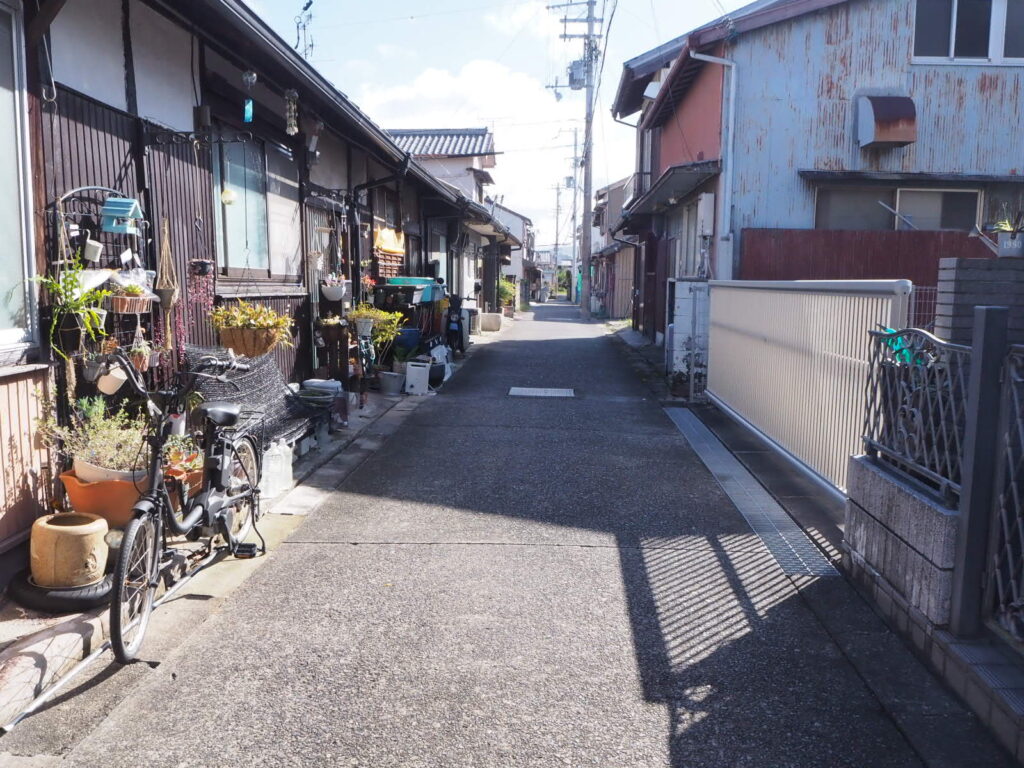
Instead of moving to a new city every morning, you might return to the same café several times. You could visit a local market on different days of the week, discover how the landscape changes with the weather, or take a walk along a familiar street until you begin to recognize the people who live there.
You might find yourself wondering why a particular ingredient appears in so many local dishes, why a small shrine occupies a prominent place in an ordinary neighborhood, or how a centuries-old craft continues to influence the way people live today.
These discoveries rarely happen on a tightly scheduled itinerary.
They emerge when you give a place enough time to reveal itself.
This is the appeal of slow travel in Japan. Rather than trying to see as many destinations as possible, slow travel allows you to experience the connections between a place, its people, its history, and its everyday life.
And in a country as culturally diverse as Japan, those connections can be more rewarding than another famous landmark.
What Is Slow Travel, and Why Does It Matter in Japan?

Slow travel is not simply traveling slowly or spending more nights in a hotel. It is a different way of approaching a journey.
Instead of treating each destination as a collection of attractions to visit, you begin to see it as a place where people live, work, eat, celebrate, and maintain relationships with their surroundings.
You might still visit famous temples, museums, gardens, and historic districts. The difference is that these places become part of a broader experience rather than the entire purpose of your trip.
Japan is particularly rewarding for this approach because its cultural traditions are closely connected to everyday activities.
Food reflects local agriculture, fishing, preservation techniques, and seasonal availability. Traditional crafts are linked to the materials and industries of particular regions. Religious landscapes often preserve traces of historical travel routes, community relationships, and longstanding beliefs.
Even an ordinary walk can reveal these connections if you know what to look for.
Consider a bowl of miso soup or a plate of seasonal seafood. The dish itself might take only a few minutes to enjoy. But its ingredients may tell a much longer story about the surrounding landscape, the people who produce them, and the traditions that have shaped local tastes.
Similarly, a visit to a historic temple becomes more meaningful when you understand how the surrounding town developed around religious travel, commerce, and the needs of pilgrims.
Slow travel creates the time to connect these seemingly separate details into a more complete understanding of Japan.
It also gives you permission to leave some things unexplored. You do not have to see everything. You only need enough time to discover what genuinely interests you.
1. Discover the Japan Beyond Its Famous Attractions

Japan’s most famous destinations deserve their reputations. Tokyo, Kyoto, and Osaka offer extraordinary experiences, and places such as Mount Fuji, Nara, and Hiroshima provide important perspectives on Japanese history and culture.
However, these destinations represent only part of the country.
Beyond the major tourist centers are coastal communities, agricultural towns, historic post towns, mountain villages, and regional cities where different aspects of Japanese life remain visible.
These places may not have internationally famous landmarks. Their appeal often lies in the relationship between several smaller things: a traditional shopping street, a local food specialty, an old workshop, a nearby mountain, or a community festival.
A fishing village, for example, is more than a picturesque collection of houses beside the sea. Its character may be shaped by fishing practices, local markets, the availability of seafood, religious beliefs, and generations of adaptation to the coastal environment.
A historic merchant town is more than a row of preserved buildings. Its streets may reveal how products moved between regions, how businesses developed, and how local industries influenced the surrounding community.
These connections are difficult to understand through a brief stop.
Staying longer gives you the opportunity to explore them without constantly watching the clock.
Why Regional Japan Is Worth Your Time
Regional travel also introduces you to different versions of Japanese culture.
The food, architecture, festivals, landscapes, and customs of one region may differ considerably from those of another. Even familiar Japanese traditions can take on new meanings when viewed through a local perspective.
You may discover that the Japan you find most interesting is not necessarily the Japan you initially planned to visit.
That discovery is one of the great pleasures of slow travel.
2. Let Food Tell You the Story of a Place
Food is one of the easiest ways to begin understanding a region, but it can also become one of the most revealing.
A restaurant menu tells you what is available to eat. A deeper exploration of local food culture can explain why those ingredients matter, how they are produced, and how they became part of the area’s identity.
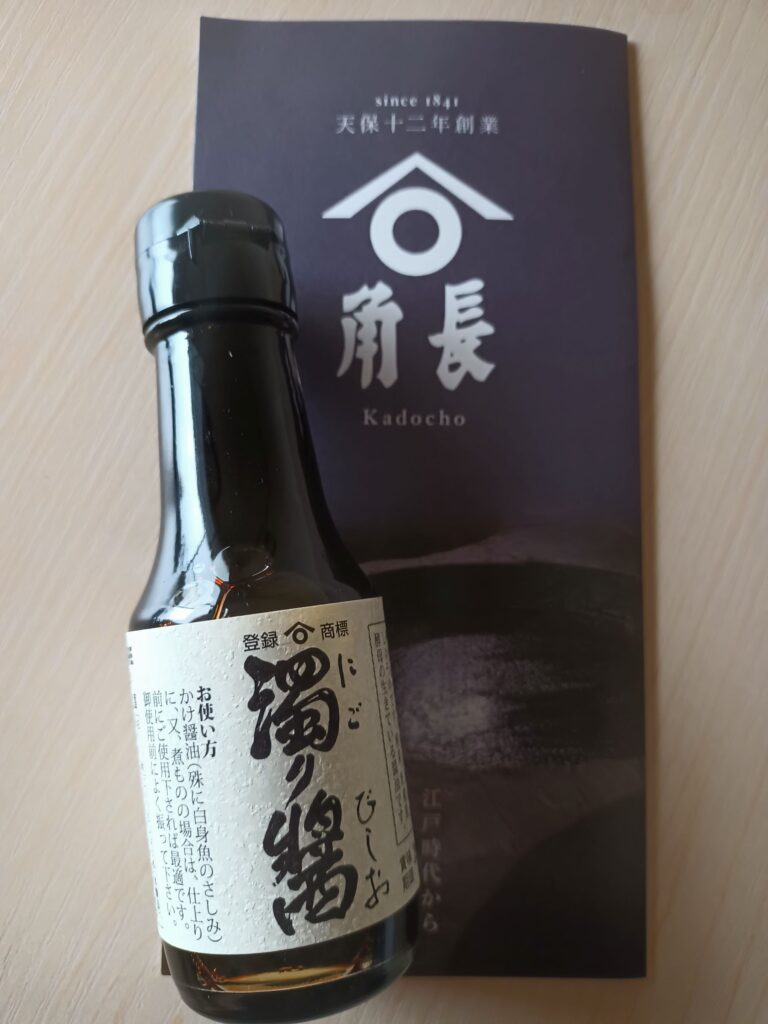
Consider Japanese soy sauce, or shoyu.
Many visitors encounter it as a familiar condiment served with sushi, sashimi, and other dishes. Yet its history is connected to fermentation, regional food preferences, trade, and the development of local industries.
In Wakayama Prefecture, the historic town of Yuasa is particularly associated with the development of Shoyu soy sauce.
Rather than simply visiting a soy sauce producer, imagine spending time exploring the old town, learning about fermentation, tasting different products, and discovering how a traditional industry became connected to the identity of the community.
The experience becomes more than a food tasting. It becomes a way to understand the relationship between food, place, and history.
The same approach works elsewhere in Japan.
You might explore regional sake production, discover how mountain communities preserve vegetables, learn about seafood traditions along the coast, or investigate how local agricultural conditions influence seasonal cuisine.
You do not need to become a food historian. Curiosity is enough.
Ask where an ingredient comes from. Find out when it is in season. Notice how people eat it and whether the same food appears in different forms across the region.
Over several days, these small observations can change the way you understand Japanese cuisine.
The goal is not simply to eat more local food. It is to understand why the food tastes the way it does, and what it reveals about the place where you are eating it.
Related post: Yuasa Travel Guide: Discover the Birthplace of Shoyu Soy Sauce
3. Experience the Rhythm of Everyday Japanese Life
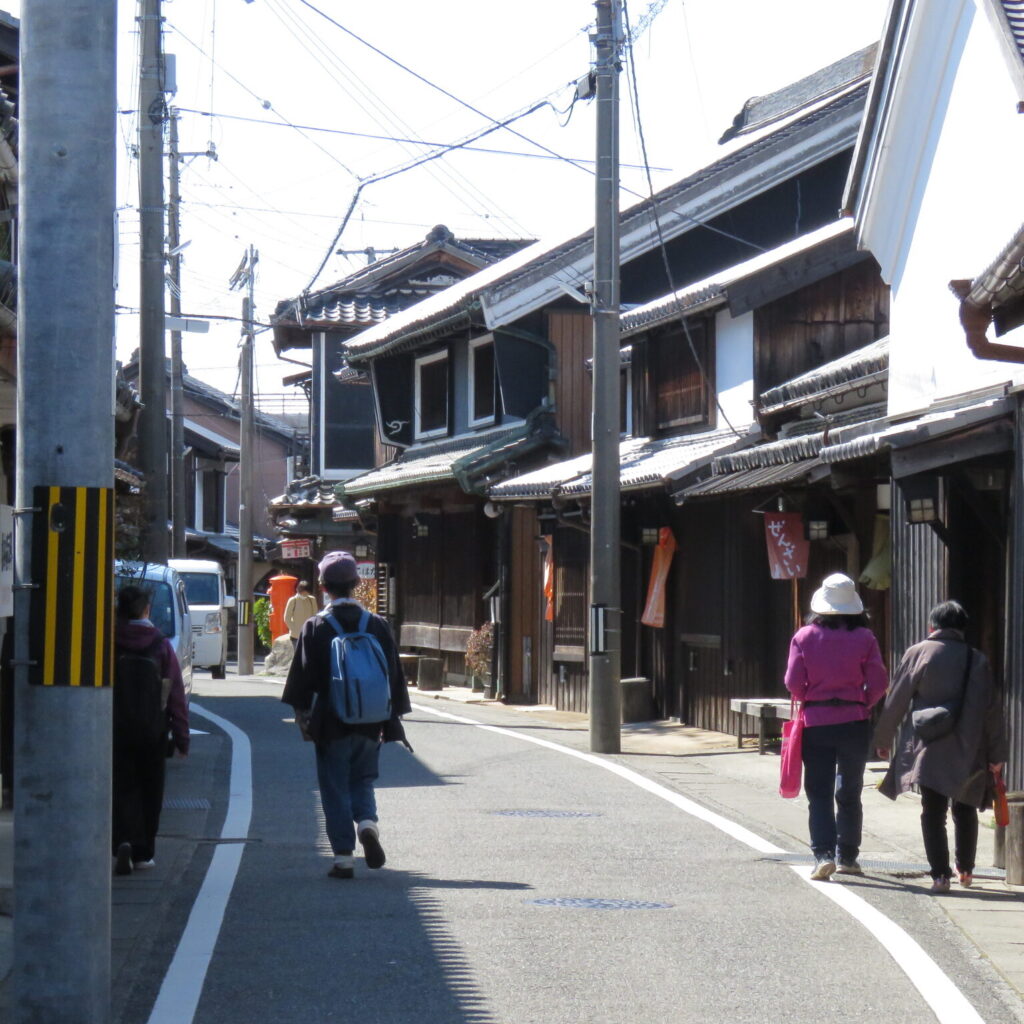
One of the most rewarding aspects of staying longer is the opportunity to notice things that would otherwise remain invisible.
On your first morning in a town, you might see a shop opening its shutters or a resident sweeping the pavement outside a house.
A few days later, you may recognize the same routine.
You begin to notice which streets are busy in the morning, where people stop for coffee, when local shops become active, and how the atmosphere changes between weekdays and weekends.
These observations are not necessarily spectacular. They may never become the most memorable photographs of your trip.
But they help transform a destination from somewhere you visit into somewhere you begin to understand.
Everyday Life Is Part of Japanese Culture
Japanese culture is often presented through highly recognizable images: tea ceremonies, samurai, temples, kimono, gardens, and elaborate seasonal festivals.
These traditions are important, but culture also exists in less formal settings.
It appears in the way people prepare food, maintain family businesses, use neighborhood spaces, participate in local events, and preserve skills passed down through generations.
A traditional craft may survive not only because it is considered beautiful, but because it continues to serve practical purposes.
A local festival may be entertaining to watch, but it also reflects the relationships and responsibilities that connect members of a community.
A small neighborhood shrine may look unremarkable to a visitor, yet remain important to the people who live nearby.
Experiencing these aspects of Japan requires sensitivity as well as time. Visitors should remember that residential streets, workshops, and community events are part of people’s lives, not simply attractions.
When approached with respect, everyday culture can provide a deeper connection to a destination than a long list of famous sights.
4. Discover How Nature Shapes Local Culture
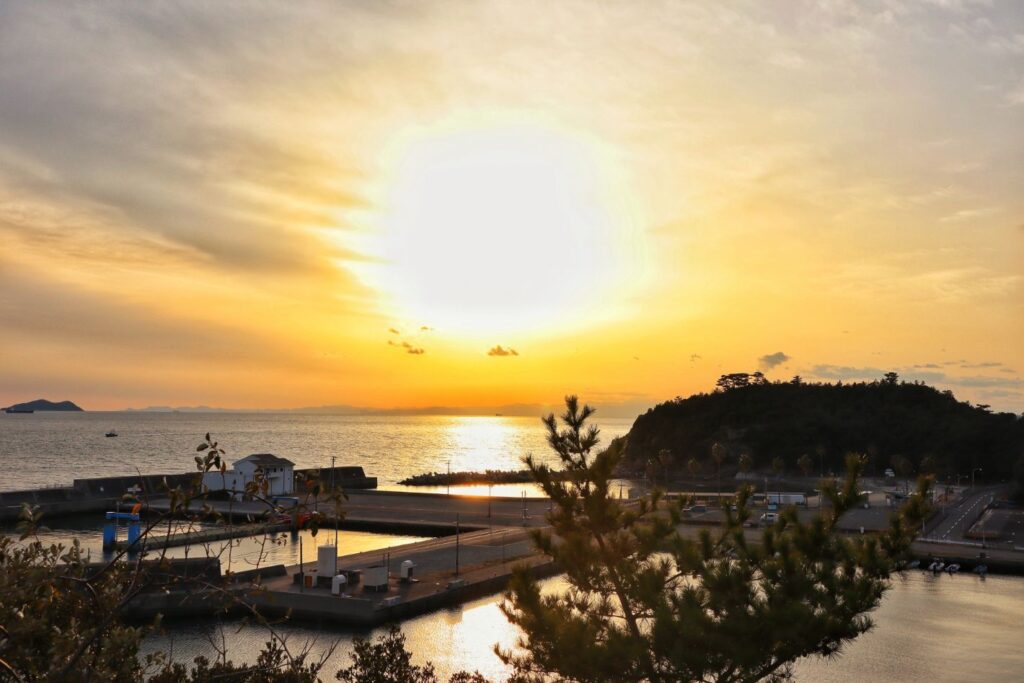
Japan’s landscapes are extraordinarily varied, from volcanic mountains and dense forests to subtropical islands, agricultural plains, and rugged coastlines.
But nature is not merely a backdrop for Japanese culture. It has helped shape the ways people live, work, travel, and understand their surroundings.
In mountain regions, forests, water sources, and difficult terrain have influenced settlement patterns, agriculture, religious practices, and transportation routes.
Along the coast, fishing, maritime trade, and exposure to storms have shaped local economies and community knowledge.
In agricultural areas, seasonal changes determine when crops are planted, harvested, processed, and eaten.
Slow travel gives you time to explore these relationships directly.
You might walk through a forest in the morning and visit a nearby village in the afternoon. You could cycle through agricultural landscapes, stopping to learn about regional produce, or follow an old pilgrimage route that connects mountain communities with historic religious sites.
The journey between destinations becomes part of the experience.
Walking Is a Way to Understand a Landscape
Walking is particularly well suited to slow travel because it allows you to notice gradual changes.
You can observe how a settlement sits within its landscape, where farmland gives way to woodland, how a road follows the contours of a hill, or how the view changes as you approach the sea.
In Japan, walking routes can also reveal the history of movement through the landscape.
Pilgrimage trails, historic highways, and local paths connected communities long before modern transportation transformed the way people traveled.
Following even a short section of an old route can help you imagine the journeys undertaken by pilgrims, merchants, and residents in earlier centuries.
You do not need to complete an entire long-distance trail to benefit from this experience. A single well-chosen section, explored at a comfortable pace, can provide a meaningful introduction to the region.
5. Learn Traditional Skills Through Direct Experience
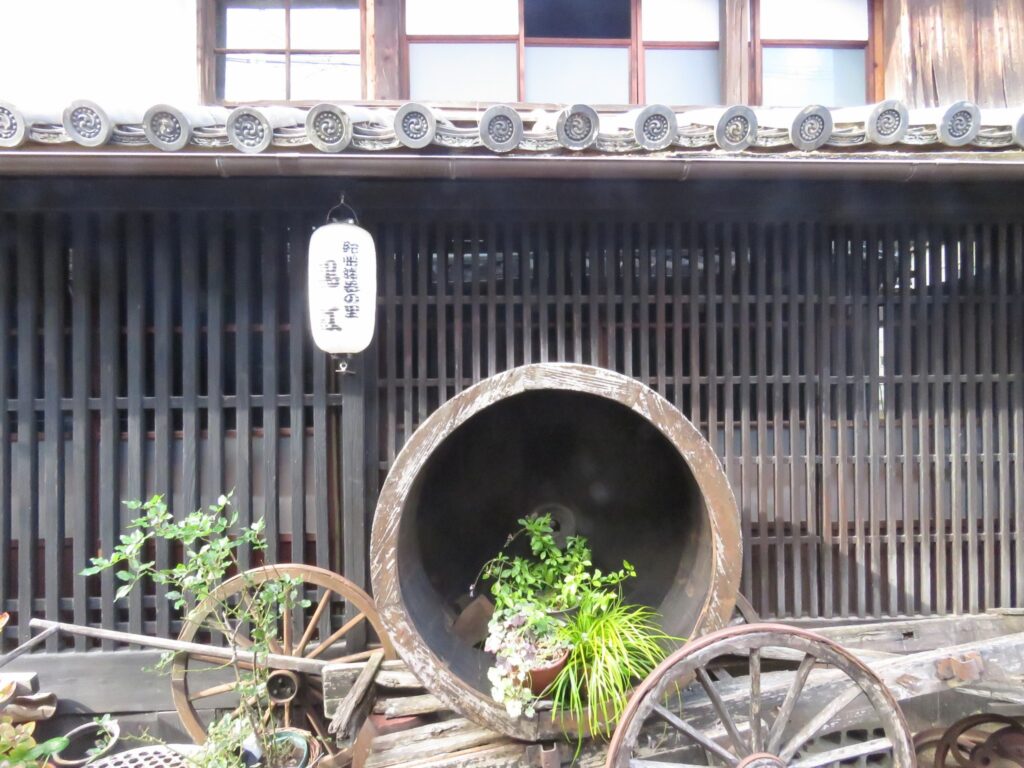
A longer stay also creates opportunities to explore Japanese traditions beyond museums and demonstrations.
You might participate in a craft workshop, learn the basics of a traditional art, visit a working producer, or discover how a particular skill has been maintained within a community.
The experience need not be complicated.
Making a simple traditional sweet, trying calligraphy, learning about lacquerware decoration, or experiencing a local form of martial arts can introduce you to the patience, techniques, and cultural ideas behind a practice.
What matters is the opportunity to engage with the tradition rather than merely observe its finished product.
For example, Japanese lacquerware is often admired for its polished surfaces and decorative designs. Yet understanding the work involved in producing and decorating lacquerware can change the way you appreciate an object.
Similarly, trying a traditional activity under appropriate instruction can help you recognize the discipline and knowledge that are not immediately apparent to an observer.
These experiences are especially valuable when they connect to the region you are visiting.
Instead of choosing activities simply because they are available throughout Japan, look for traditions that reflect the history, materials, industries, or cultural practices of the surrounding area.
That connection helps turn an enjoyable activity into a more meaningful encounter with a place.
Related post: Traditional Crafts to Experience in Japan: 7 Hands-On Experiences Beyond the Tourist Trail
6. Give Yourself Time to Follow Unexpected Interests

One of the biggest advantages of slow travel is flexibility.
When every day is filled with scheduled activities, an unexpected discovery can become an inconvenience. There may be no time to investigate a small exhibition, return to a fascinating shop, or explore a neighborhood that caught your attention.
With a more flexible itinerary, curiosity can guide your next decision.
Perhaps you learn that a local town has an interesting history of fermentation. You decide to explore its food traditions the following day.
Perhaps you discover an old pilgrimage route and want to understand how it connects nearby communities.
Or perhaps you find a quiet coastal area and decide that spending an entire afternoon walking beside the sea is more appealing than visiting another attraction.
These changes do not mean that you have failed to follow your itinerary.
They are part of the reason to travel in the first place.
A Journey Can Have Structure Without Being Rigid
Slow travel does not require you to abandon planning.
In fact, some preparation can make a longer stay much more rewarding. Understanding local transportation, opening days, seasonal conditions, and the relationships between different places helps you use your time effectively.
The key is to distinguish between what needs to be arranged in advance and what can remain open.
You might plan one substantial cultural experience for a particular day, leave another morning free, and reserve time for walking, local food, or simply enjoying the place where you are staying.
A well-designed itinerary provides direction without dictating every moment.
This balance is particularly useful in regional Japan, where transportation schedules, business hours, and the availability of specialized experiences may require more planning than in major cities.
7. Why Wakayama Is Well Suited to Slow Travel
If you want to experience a different side of Japan, Wakayama offers a compelling combination of spiritual heritage, coastal landscapes, traditional industries, regional food, and everyday local culture.
Located south of Osaka, the prefecture includes internationally recognized destinations as well as smaller communities that are often overlooked by travelers following the most familiar routes through Japan.
It is also accessible from the wider Kansai region, including Osaka and Kansai International Airport, making it possible to incorporate Wakayama into a trip that already includes Japan’s major destinations.
The important question is not simply which attractions to visit.
It is how to connect them into a journey that gives you time to understand the region.
Here are four ways to begin.
Koyasan: More Than a Temple Visit
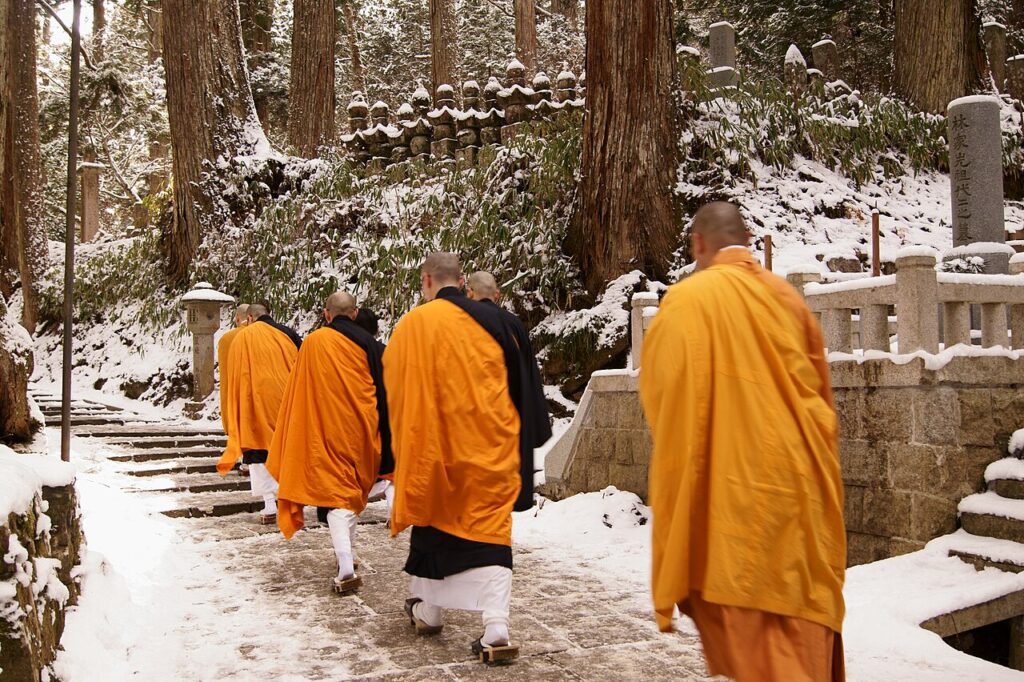
Koyasan is one of Japan’s most distinctive religious destinations, known for its Buddhist institutions, sacred landscapes, and long association with pilgrimage.
Many visitors focus on its major temples, historic buildings, and cemetery.
A slower approach allows you to explore the relationships between these places and the mountain community that developed around them.
You might spend time understanding the traditions of Shingon Buddhism, experiencing temple cuisine, walking through the surrounding forest, and exploring the area’s historical approach routes.
You could also look beyond the mountaintop itself to the communities and landscapes that historically connected Koyasan with the outside world.
The experience becomes richer when Koyasan is understood not as an isolated attraction, but as part of a wider cultural landscape.
Related post: Things to Do in Koyasan: Temples, Buddhist Experiences, Local Food & Hiking
Kumano: Explore the Landscape Beyond the Pilgrimage
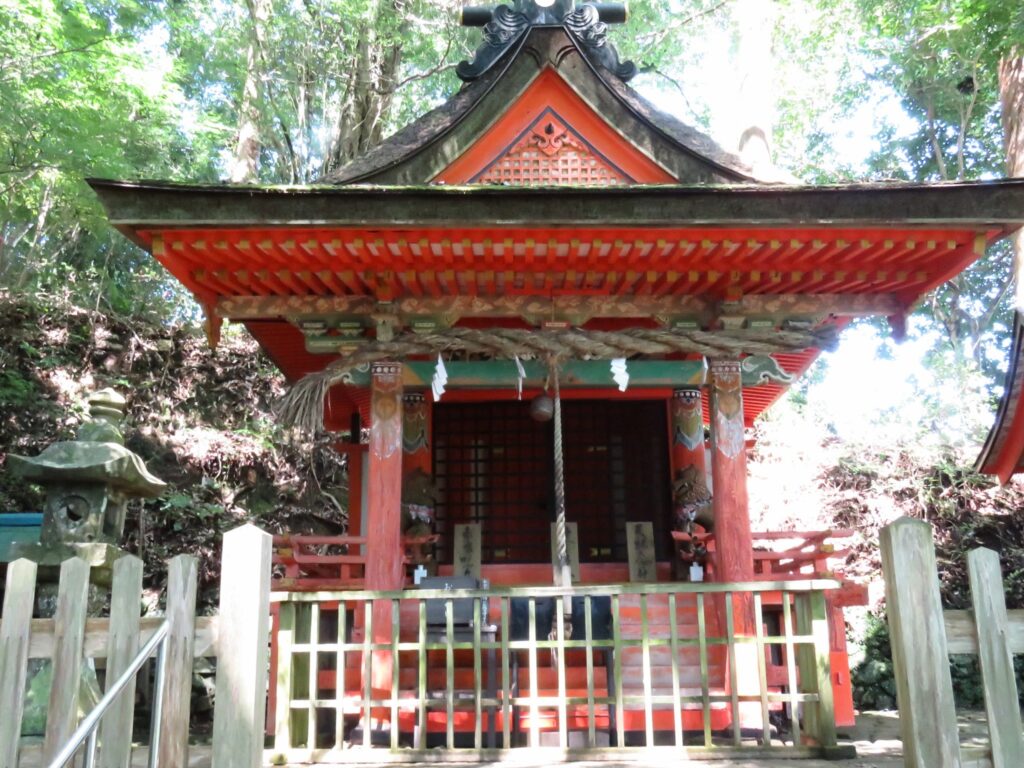
The Kumano region is internationally known for its pilgrimage heritage and the sacred sites associated with the Kumano Sanzan.
The Kumano Kodo pilgrimage routes offer a way to experience the relationship between walking, landscape, and religious practice.
But a meaningful visit need not involve completing a long-distance pilgrimage.
You might choose a shorter walking section, explore a historic settlement along the route, or spend additional time learning about the communities that have lived alongside these paths.
The surrounding region also offers opportunities to discover local food, coastal landscapes, and the traditions of rural communities.
By allowing time between walks and visits, you can appreciate both the physical experience of the landscape and the cultural history that gives it meaning.
Related post: Kumano Kodo Guide: Walking Through Japan’s Living Traditions
Yuasa: Discover the Cultural History of Soy Sauce
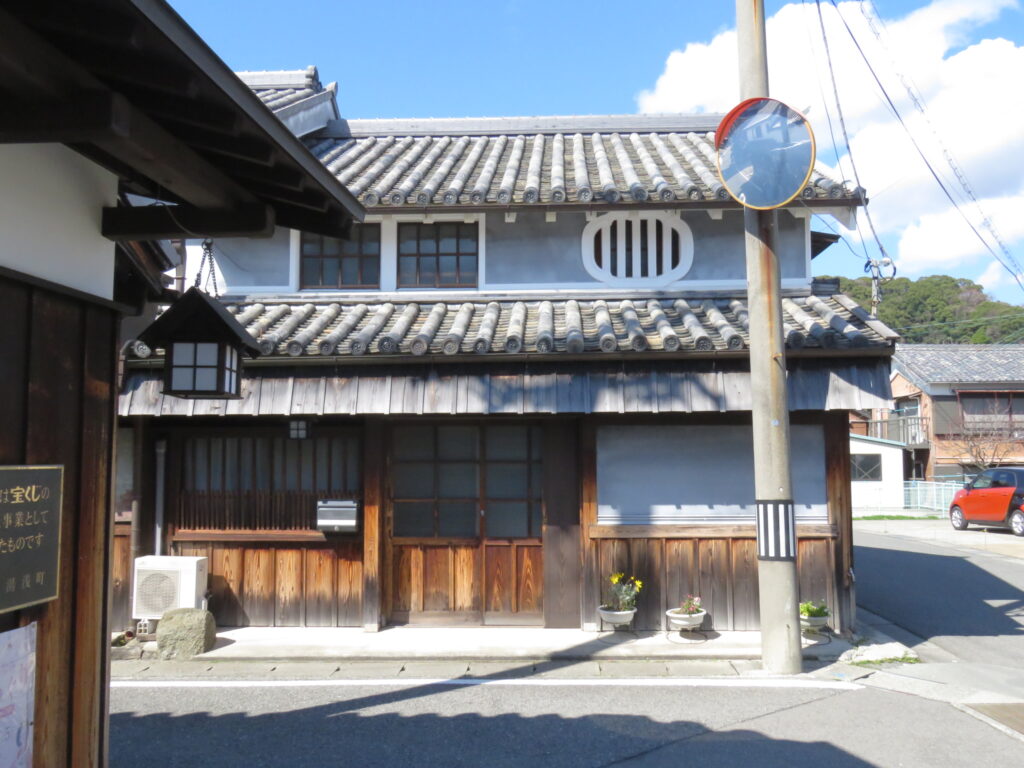
Yuasa offers a different perspective on Japanese heritage.
Rather than focusing on religious architecture or mountain scenery, you can explore the history of fermentation and the development of a traditional food industry.
The town’s association with soy sauce provides a starting point for understanding how food production, trade, local knowledge, and regional identity became interconnected.
Walk through its historic streets, learn about traditional production methods where opportunities are available, and taste local products.
You can also consider how soy sauce fits into the wider story of Japanese cuisine, from the preservation and transformation of ingredients to the development of regional tastes.
For travelers interested in gastronomy, this is an opportunity to discover a side of Japanese food culture that often remains hidden behind the finished dish.
Related post: Yuasa Shoyu Soy Sauce & Fermentation Journey
Wakaura: Experience the Relationship Between Sea, Landscape, and Culture
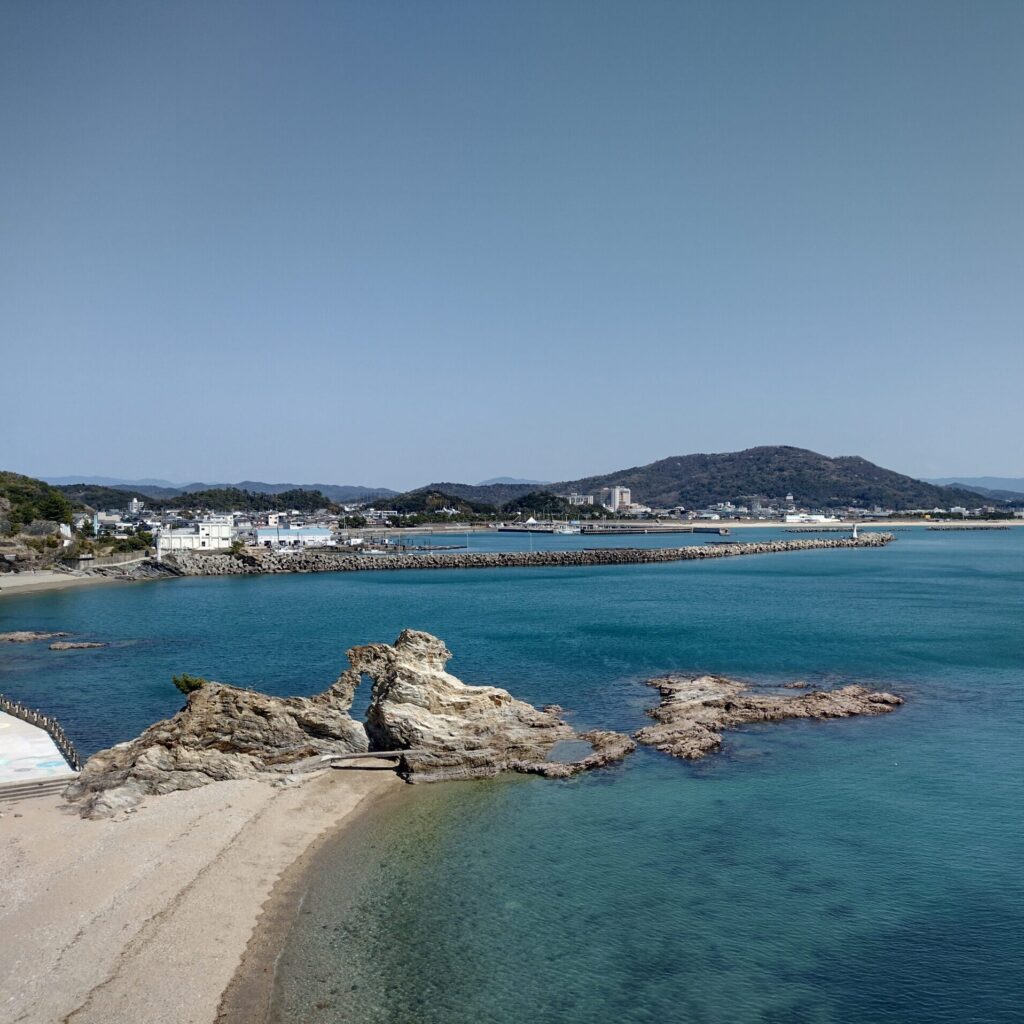
Wakaura, in Wakayama City, offers a quieter way to explore the connections between natural scenery and cultural history.
Its coastal landscape has inspired poets and artists for centuries, and the area’s historic sites reflect a longstanding relationship between the sea, religious practice, and cultural imagination.
Rather than treating Wakaura as a series of separate sightseeing stops, you might spend time walking through the landscape, visiting its historic sites, enjoying local food, and observing how the coast shapes the atmosphere of the surrounding communities.
The experience does not need to be rushed.
A walk, a meal, and time to appreciate the scenery can be enough to begin understanding why this landscape has attracted visitors for generations.
For travelers who enjoy photography, literature, history, or simply spending time beside the sea, Wakaura offers an appealing alternative to a tightly scheduled sightseeing day.
Related post: Living Culture in Wakayama: A Journey Through Poetry, Faith, Art, and Everyday Life
Four Different Places, One Underlying Idea
Koyasan, Kumano, Yuasa, and Wakaura offer very different experiences.
One is centered on a sacred mountain, another on pilgrimage landscapes, another on food production, and another on the cultural significance of the coast.
Yet they share an important characteristic: each becomes more interesting when you look beyond its most recognizable attractions.
You begin to understand not only what a place contains, but how its landscape, history, and everyday life fit together.
That is what makes Wakayama particularly suitable for a slower, more exploratory journey through Japan.
8. How Long Should You Stay in One Place?

There is no single ideal length for a slow-travel experience.
The right amount of time depends on your interests, the character of the destination, and how deeply you want to explore.
However, even a modest change in pace can make a difference.
Two or Three Days: Look Beyond the Main Attractions
A short stay can be enough to explore a historic town, take a guided walk, discover local food, and experience a different side of a well-known destination.
Rather than moving between several distant locations, focus on one area and allow time for its smaller details.
For example, you could combine a cultural walk in Yuasa with an exploration of its food traditions, or spend a few days discovering the relationship between Koyasan and its surrounding landscape.
Four to Seven Days: Build Connections Between Places
With several days available, you can explore different aspects of a region without treating each as an isolated excursion.
You might combine walking with food culture, visit both a historic town and a coastal community, or spend time in a mountain area before exploring the surrounding countryside.
This length of stay is particularly useful if you want to understand how different landscapes and industries have shaped a region.
It also allows room for a free day or an unexpected discovery.
One to Two Weeks: Develop a Personal Relationship With the Region
A stay of one or two weeks creates more opportunities to establish a routine.
You can return to places that interest you, explore at different times of day, and develop a better understanding of local transportation and daily life.
You might alternate between guided experiences and independent exploration, combining cultural visits with walking, cycling, regional food, or time in nature.
Instead of trying to cover an entire prefecture, choose a comfortable base and explore the surrounding areas at a manageable pace.
Several Weeks or Longer: Experience a Different Way of Traveling
A longer stay allows travel to become part of your everyday routine.
You might spend mornings walking, devote certain days to exploring neighboring towns, and leave other days free for reading, working, enjoying local cafés, or simply resting.
You have more time to follow seasonal interests, learn about local traditions, and revisit places that reveal something new on a second visit.
This kind of stay is not necessarily about doing more.
It is about creating a different relationship with the place you have chosen to visit.
For some travelers, a few weeks in one region can be more rewarding than moving between several destinations in the same amount of time.
9. How to Plan a Slow Travel Journey in Japan
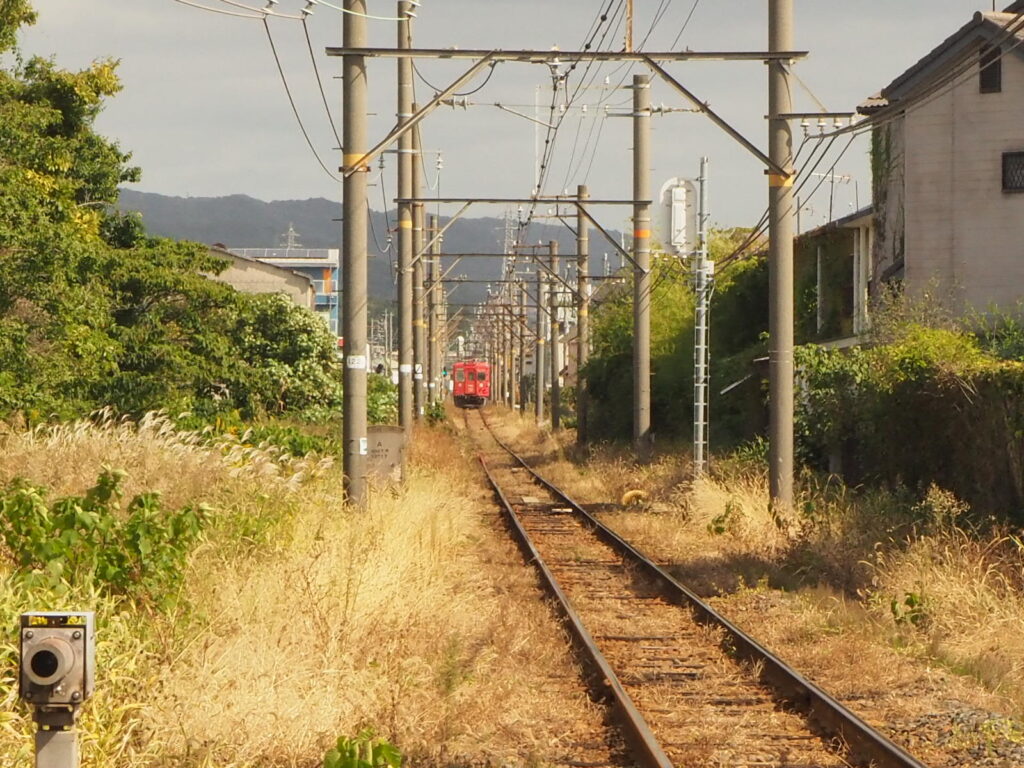
A slower journey still benefits from thoughtful planning. The goal is to create enough structure to make exploration easy while leaving room for spontaneity.
Here are five principles worth considering.
1. Choose a region before choosing every attraction.
Begin with a landscape, cultural theme, or personal interest. You might be drawn to pilgrimage routes, regional cuisine, traditional crafts, coastal communities, or mountain scenery.
Then identify a place where several of those interests naturally come together.
2. Stay long enough to explore beyond the center.
The most convenient accommodation location is not always the only place worth considering. Think about how you will reach nearby towns, walking routes, and local experiences, and whether you want to explore one area in depth or move between several bases.
3. Leave space in your schedule.
Avoid filling every day with activities. An unplanned afternoon can become an opportunity to explore a neighborhood, revisit a favorite place, or simply enjoy the local atmosphere.
4. Seek out local knowledge.
Local guides, craftspeople, food producers, and community organizations can provide perspectives that are difficult to obtain from guidebooks alone.
A knowledgeable guide can also help connect different experiences, explain historical context, and make it easier to explore places that are not designed primarily for international visitors.
5. Respect the rhythm of the community.
Not every workshop is open every day, not every tradition is performed for visitors, and not every residential area is appropriate for casual exploration.
Check opening times, follow local guidance, ask permission before photographing people, and approach community spaces with consideration.
Slow travel is not simply about spending more time somewhere. It is about using that time thoughtfully.
10. You Do Not Have to Plan Everything Yourself
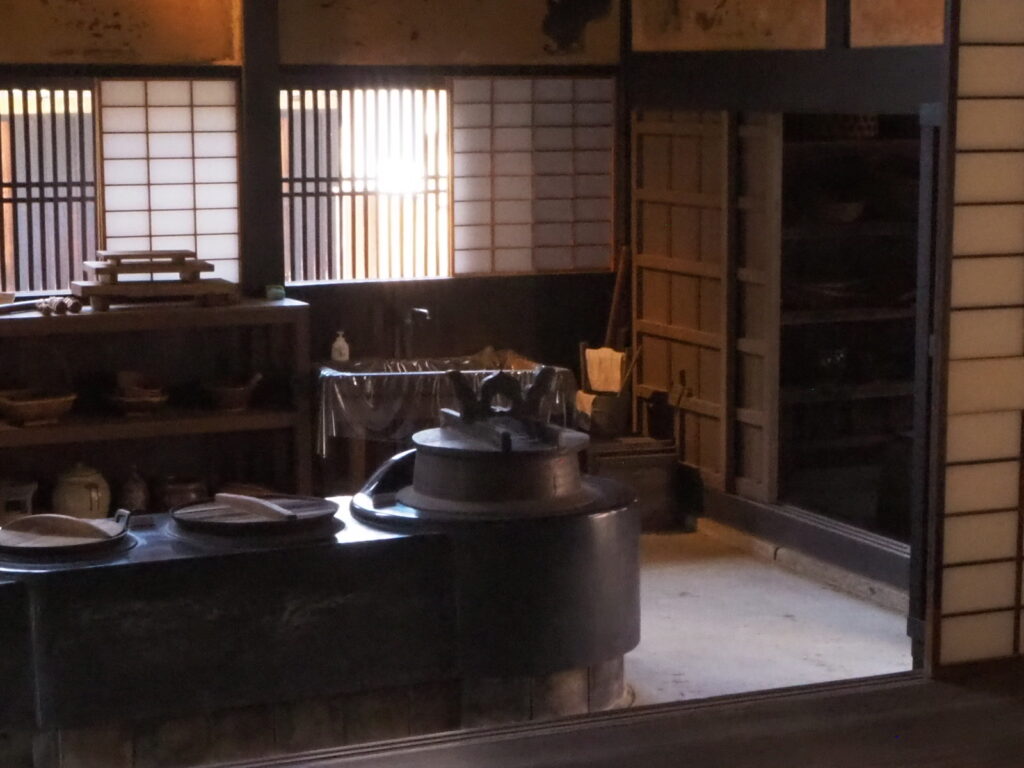
One of the challenges of regional travel in Japan is that interesting experiences are not always presented as ready-made itineraries.
A historic town, a small food producer, a traditional craft workshop, and a beautiful walking route may each be easy to find individually. Understanding how to combine them into a coherent journey can be much more difficult.
Some travelers enjoy researching every detail themselves. Others would rather have someone who understands the region help them discover the possibilities.
A local guide can make a difference by connecting places that might otherwise appear unrelated.
A walk through a historic district can lead to a discussion of regional industries. A visit to a food producer can reveal the relationship between local ingredients and the surrounding landscape. A pilgrimage route can become a way to understand the communities through which it passes.
The value lies not only in reaching the right places, but also in understanding why they belong together.
This approach is particularly useful when your interests do not fit neatly into a conventional sightseeing category.
Perhaps you are interested in Japanese food, but you also want to understand the landscapes and traditions behind it. Perhaps you enjoy hiking, but you would like to explore the history and everyday life of the communities along the route.
Or perhaps you simply want to experience Japan without feeling that you must constantly move on to the next destination.
A carefully curated journey can bring these interests together while allowing you to travel at your own pace.
Related post: Slow Travel in Japan: 7 Places to Experience Local Life
Discover a Slower Side of Japan in Wakayama

Wakayama is a region where several different journeys are possible.
You can explore the spiritual heritage of Koyasan, walk the historic routes of Kumano, discover the food traditions of Yuasa, or spend time among the coastal landscapes of Wakaura.
You can also look beyond these familiar themes to explore traditional crafts, local festivals, agricultural communities, fishing villages, and the everyday culture of regional Japan.
You do not need to experience everything in a single trip.
Choose the places that interest you most, give yourself time to explore them, and allow the connections between them to emerge.
You may discover that the most memorable part of your journey is not a particular monument or activity, but a moment when you finally understand something about the place around you.
Perhaps it is the relationship between a local dish and the landscape that produced it. Perhaps it is the history behind an old road. Or perhaps it is simply the feeling of spending an unhurried afternoon in a town where you have begun to recognize the rhythm of daily life.
The longer you stay, the more opportunities you have to move beyond seeing Japan and begin understanding it.
Spend your relaxing time in Wakayama with Wakayama Short Living Concierge
Explore Wakayama at Your Own Pace
If you would like to experience Wakayama beyond its best-known attractions, I offer private guiding and curated journeys designed around your interests, preferred pace, and available time.
Rather than following a fixed sightseeing checklist, we can explore the connections between local culture, history, food, nature, and everyday life.
Whether you have a few hours, several days, or are considering a longer stay in the region, your journey can be shaped around what you genuinely want to discover.
You do not need to arrive with a complete itinerary. Sometimes, knowing what interests you is the best place to start.
Explore a different side of Japan with a Curated Kii Peninsula Journey.
Discover Curated Kii Peninsula Journey
Or get in touch to discuss the kind of experience you would like to have in Wakayama.
Read More About Slow Travel in Japan
- Quiet Places Near Kansai Airport: 7 Slow Travel Destinations Beyond Osaka, Kyoto & Nara
- 10 Days in Wakayama: A Slow Travel Experience Beyond the Golden Route
- Why Wakayama Is One of Japan’s Best Destinations for Slow Travel
- Osaka & Kyoto Alternatives for Slow Travel
Related posts:
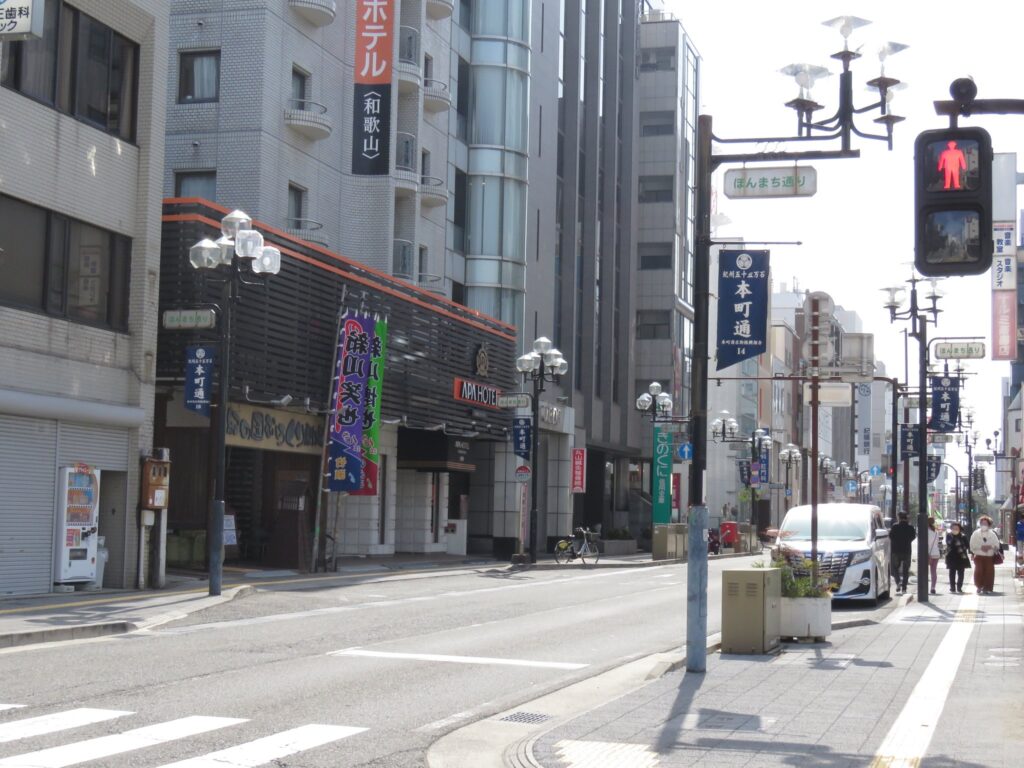
Everyday Japan: Walking Through Wakayama's Living Memories

Why We Need a “Rhythm of Life” in Our Travels Today
Japan’s Agricultural Heritage: 7 Landscapes Shaped by Centuries of Farming

Beyond Osaka: Where to Discover Regional Japanese Food

Why Isonoura Is Perfect for a Longer Stay in Japan
No responses yet