
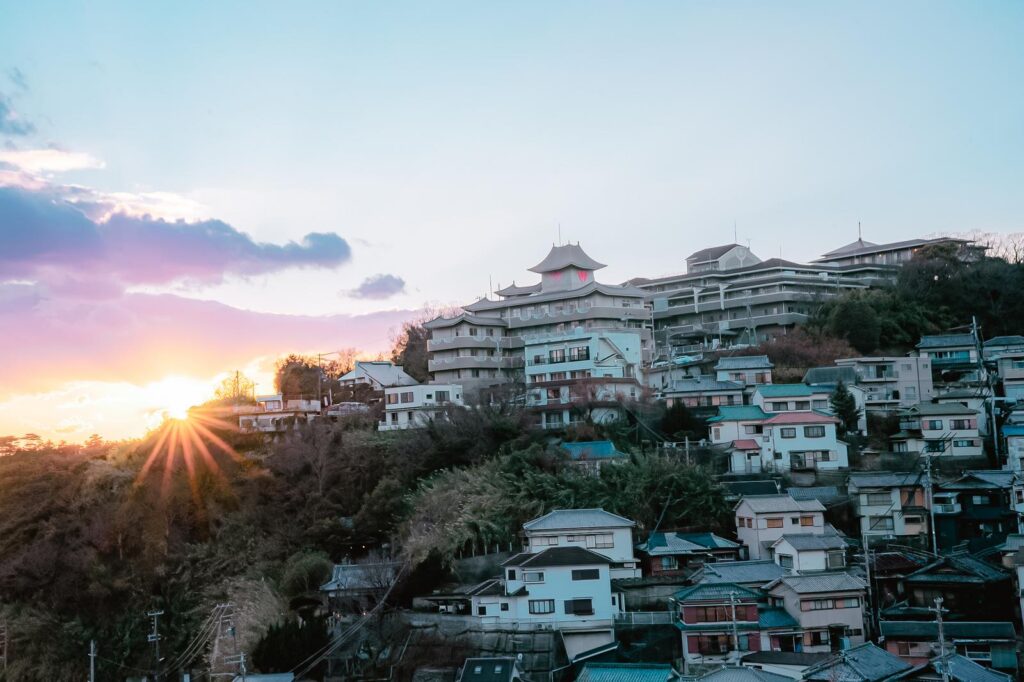
Japan offers an extraordinary variety of experiences. From the neon-lit streets of Tokyo and the historic temples of Kyoto to mountain villages, fishing communities, ancient pilgrimage routes, and traditional craft workshops, every region reveals a different side of the country.
Yet many visitors experience Japan through similar itineraries: visiting famous landmarks, following established sightseeing routes, and moving from one destination to another on a tight schedule.
For travelers who want something more personal, a personalized tour offers another way to discover Japan.
Rather than simply choosing which attractions to visit, you can shape your journey around your interests, preferred pace, and the experiences that matter most to you. You might explore the history of Japanese food, walk through an ancient pilgrimage landscape, visit a traditional fishing village, or spend time learning a craft from a local artisan.
A personalized journey is not just about deciding where to go. It is about discovering a side of Japan that connects with your own curiosity.
1. What Is a Personalized Tour in Japan?
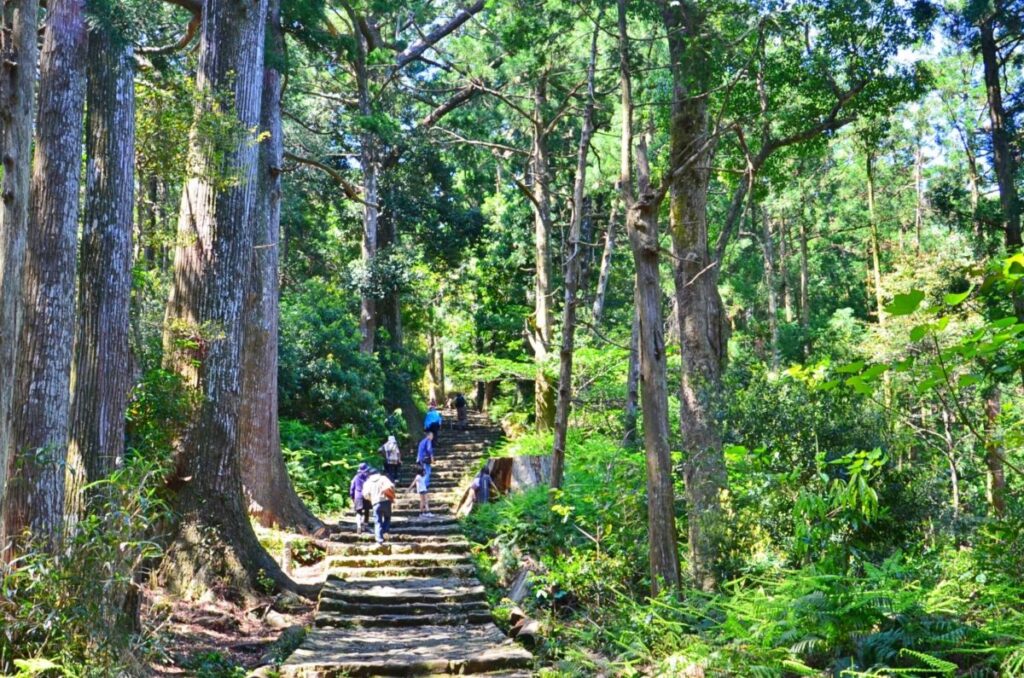
A personalized tour is a travel experience designed around the individual interests, preferences, and expectations of the traveler.
Unlike a standard group tour, which follows a predetermined itinerary, a personalized tour allows you to decide what you want to discover and how you want to spend your time.
For example, two travelers visiting Japan may have completely different interests.
One may be fascinated by Japanese history and Buddhist culture, hoping to explore ancient temples, pilgrimage routes, and traditional architecture.
Another may be more interested in food, wanting to visit local markets, discover regional ingredients, learn about traditional fermentation, and taste seafood in small coastal communities.
Both travelers can visit Japan, but their journeys do not need to look alike.
A personalized tour can take different forms:
- Private guided tours: Explore destinations with a guide who can adapt the experience to your interests.
- Tailor-made itineraries: Build a travel plan around your preferred destinations, activities, and schedule.
- Cultural and activity-based journeys: Focus on particular interests such as traditional crafts, food culture, nature, or history.
- Slow travel experiences: Spend more time in fewer places, discovering local life rather than rushing between attractions.
The most meaningful personalized tours combine these elements to create a journey that reflects the traveler’s own interests.
2. Why Choose a Personalized Tour Instead of a Standard Japan Tour?

Japan is relatively easy to explore independently, especially between major cities. Its railway network is extensive, public transportation is generally reliable, and many famous attractions are well documented.
However, traveling independently does not always make it easy to discover the cultural background of a place or access experiences that are not designed specifically for international visitors.
A personalized tour can offer a different perspective.
Travel at Your Own Pace
Not everyone enjoys visiting several attractions in a single day.
Some travelers prefer spending an entire morning exploring a historic town, stopping at small shops, talking with local people, and enjoying a leisurely lunch.
Others may want to spend several hours hiking through a forest or visiting a temple without worrying about the next scheduled stop.
A personalized journey makes room for these preferences.
Discover Places Beyond the Golden Route
Tokyo, Kyoto, and Osaka are essential destinations for many first-time visitors. However, Japan’s regional diversity extends far beyond these cities.
Smaller towns, coastal communities, mountain villages, and rural landscapes offer experiences that are often very different from those found in major tourist destinations.
A personalized tour can introduce you to these places according to your interests.
Experience Local Culture, Not Just See It
Visiting a traditional craft workshop is different from simply looking at finished products in a souvenir shop.
Learning how soy sauce is made, understanding the history of a fishing community, or walking an ancient pilgrimage route with someone who can explain its cultural background can make an experience much more meaningful.
Local knowledge helps connect individual places and activities to the wider story of Japan.
Build a Journey Around Your Interests
Perhaps you are interested in Japanese cuisine but want to understand more than sushi and ramen.
Maybe you enjoy hiking but would rather explore historic pilgrimage routes than climb famous mountains.
Or perhaps you are interested in traditional Japanese culture but prefer participating in activities rather than watching performances.
A personalized tour allows these interests to become the starting point of your journey.
3. What Can You Personalize in a Japan Tour?
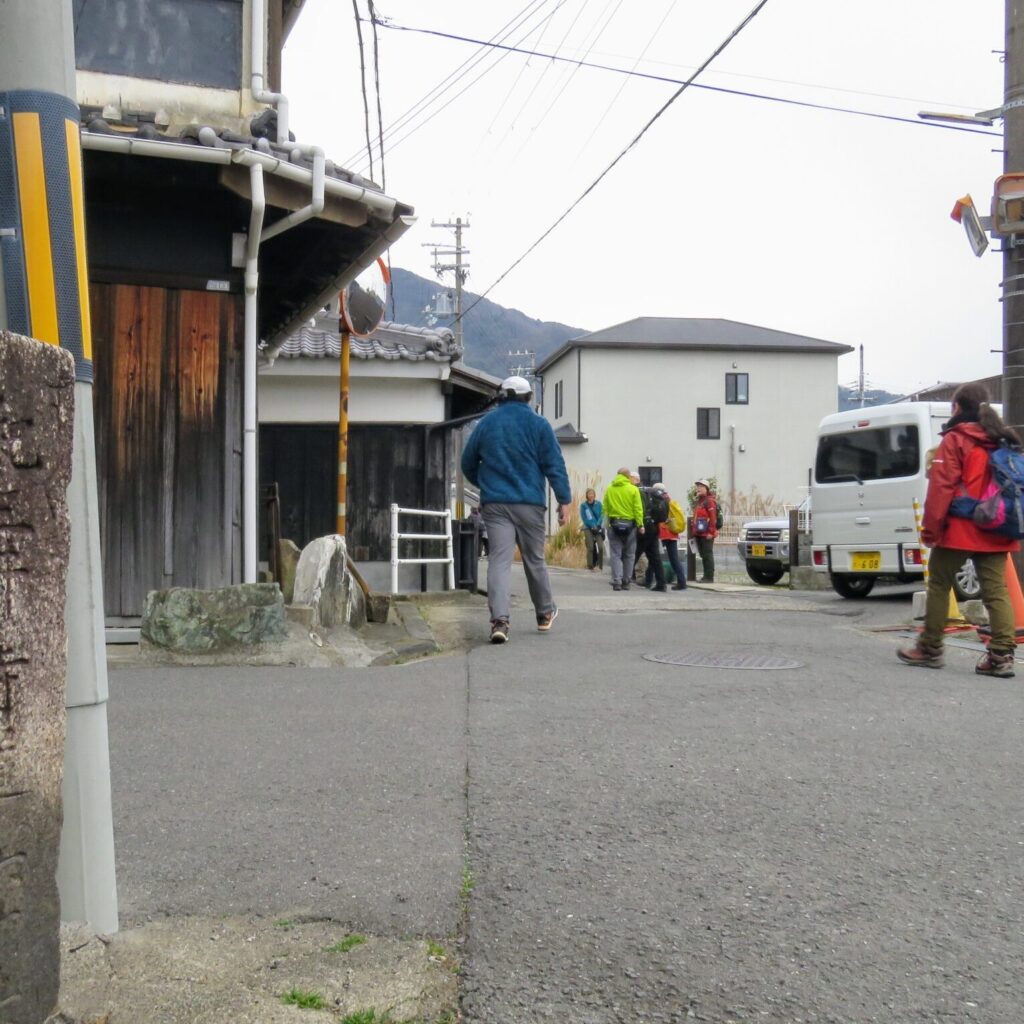
Japan offers a remarkable range of possibilities for travelers with different interests. Here are some themes that can form the foundation of a personalized journey.
Food and Gastronomy
Japanese food culture is much more diverse than the dishes commonly found in international restaurants.
A gastronomic journey might include exploring regional seafood, visiting traditional breweries, learning about fermentation, discovering local agricultural products, or enjoying seasonal dishes prepared with ingredients from nearby farms and fishing ports.
For example, Yuasa in Wakayama is closely associated with the history of Japanese shoyu (soy sauce). Visiting the town provides an opportunity to understand how traditional fermentation developed and how it became part of Japanese food culture.
History and Heritage
Japan’s history can be explored through its castles, temples, shrines, historic towns, and pilgrimage routes.
Depending on your interests, a journey might focus on samurai history, Buddhist traditions, ancient trade routes, religious architecture, or the development of traditional Japanese communities.
For travelers interested in spiritual heritage, Koyasan and the Kumano region offer particularly fascinating opportunities.
Nature and Outdoor Activities
Japan’s landscapes range from volcanic mountains and dense forests to subtropical islands and rugged coastlines.
Outdoor experiences can include hiking, cycling, fishing, kayaking, coastal walks, and exploring rural landscapes.
Rather than simply visiting a famous viewpoint, a personalized outdoor journey can help you understand the natural environment and the relationship between local communities and their surroundings.
Traditional Crafts and Cultural Activities
Traditional Japanese crafts are closely connected to regional history and local materials.
Depending on the region, you may be able to experience pottery, papermaking, lacquer decoration, textile arts, or traditional woodworking.
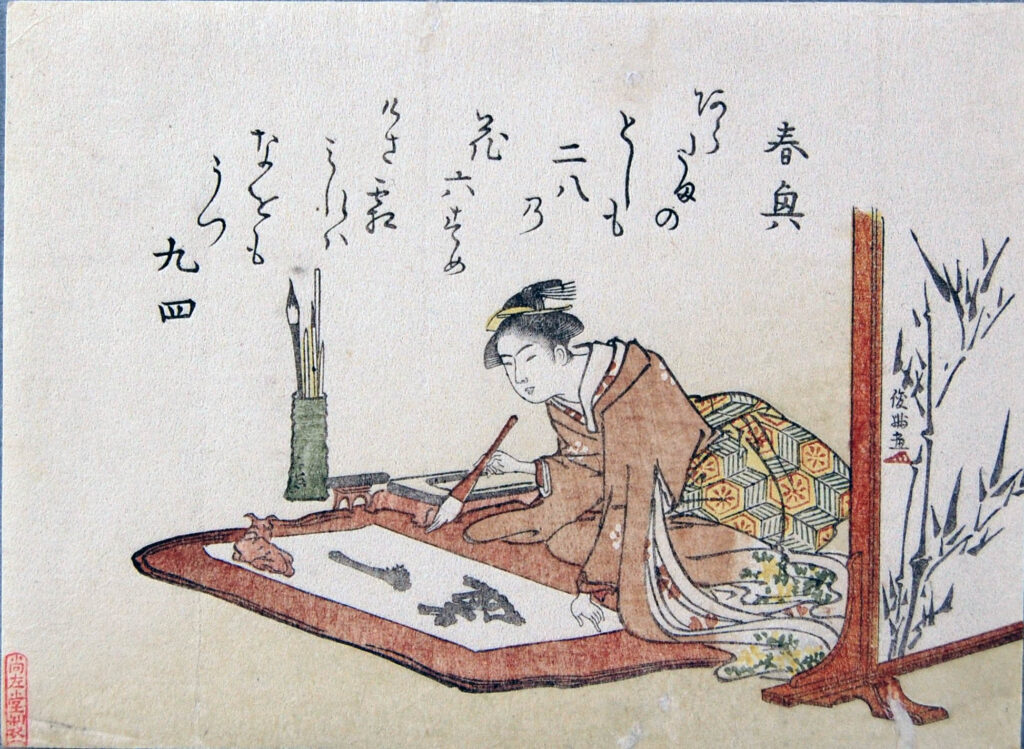
Other cultural activities might include Japanese calligraphy, tea ceremony, flower arrangement, traditional sweets making, or Japanese martial arts such as iaido.
Participating in these activities offers a more direct understanding of Japanese culture.
Local Life and Rural Communities
For some travelers, the most memorable part of Japan is not a famous attraction but an ordinary moment in a local community.
Walking through a fishing village in the morning, observing the rhythm of a small market, visiting a family-run shop, or exploring agricultural landscapes can reveal aspects of Japanese life that are easy to overlook.
These experiences are particularly rewarding for travelers interested in slow travel and meaningful cultural connections.
4. Personalized Japan Tours: Beyond Tokyo, Kyoto and Osaka

The traditional Golden Route connecting Tokyo, Kyoto, and Osaka remains popular for good reason. These cities offer extraordinary historical landmarks, food culture, shopping, and entertainment.
However, travelers who have already visited Japan, or those who want to explore a different side of the country, may find greater satisfaction in discovering regional destinations.
Some examples include:
Kanazawa: Known for its historic districts, traditional crafts, gardens, and connections to samurai and merchant culture.
Takayama: A mountain town where traditional architecture, local food, and regional festivals reflect the heritage of the Japanese Alps.
Shikoku: Offers pilgrimage culture, rural landscapes, traditional villages, and opportunities to explore a quieter side of Japan.
Kyushu: Combines volcanic landscapes, hot springs, distinctive regional cuisine, and diverse cultural influences.
Wakayama: Offers sacred mountains, ancient pilgrimage routes, fishing villages, traditional food culture, and rural communities within the Kii Peninsula.
Each region provides different possibilities, and the best destination depends on what you want to experience.
For travelers interested in combining history, nature, food, and local culture, Wakayama deserves particular attention.
5. Why Wakayama Is Ideal for a Personalized Japan Journey
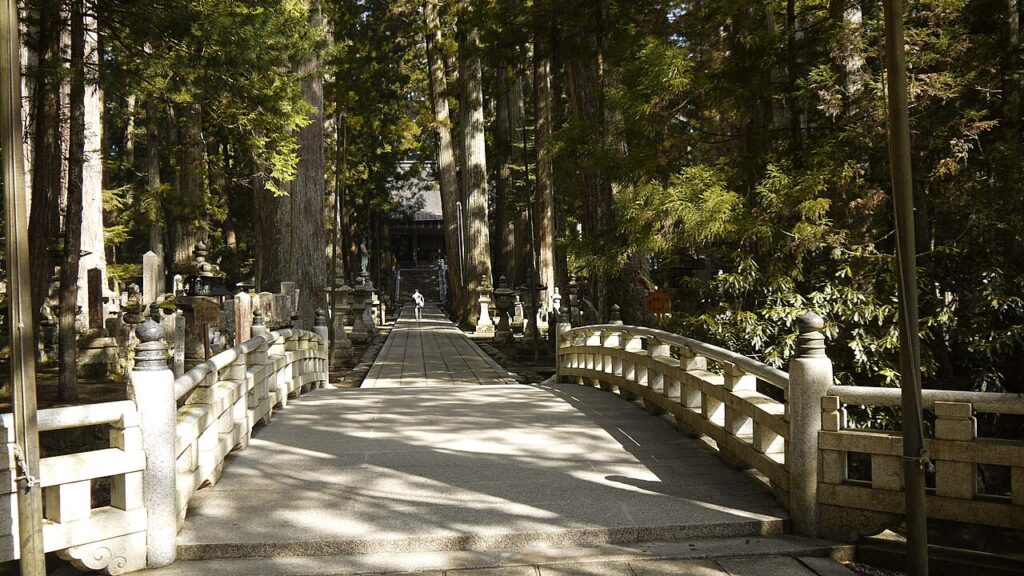
Located south of Osaka, Wakayama is part of the Kii Peninsula, a region known for its sacred mountains, pilgrimage routes, forests, coastline, and long-standing cultural traditions.
It is also relatively accessible from Osaka and Kansai International Airport, making it a practical destination for travelers who want to explore beyond the major cities.
What makes Wakayama especially interesting is the variety of experiences that can be combined within one region.
For History and Spirituality: Koyasan and Kumano
Koyasan is one of Japan’s most important centers of Buddhist culture. Founded by Kobo Daishi (Kukai) in the ninth century, it is home to numerous temples, traditional Buddhist architecture, and the atmospheric Okunoin cemetery.
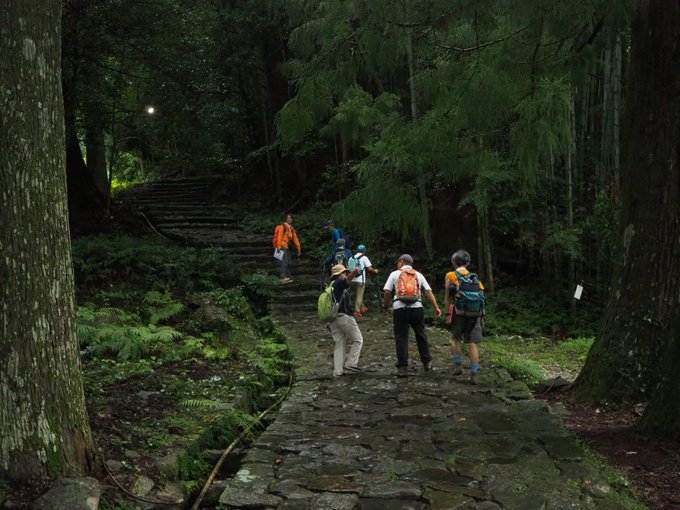
Further south, the Kumano region is famous for the Kumano Kodo pilgrimage routes and the Kumano Sanzan, three major shrines that have attracted pilgrims for centuries.
Together, these destinations reveal the spiritual landscape of the Kii Peninsula.
Travelers interested in religious history can explore not only the famous temples and shrines but also the smaller pilgrimage sites, historic paths, and communities connected to these traditions.
For Food and Gastronomy: Discover Regional Flavors
Wakayama’s food culture reflects its geography and history.
Its long coastline provides access to fresh seafood, while its agricultural areas are known for ume plums, citrus fruits, persimmons, and other seasonal produce.
The historic town of Yuasa is particularly interesting for food enthusiasts. It is closely associated with the development of Japanese shoyu culture and offers opportunities to discover traditional fermentation and the history of regional food production.
Coastal communities such as Kada also offer a chance to experience seafood culture in a more local setting.
For travelers interested in Japanese gastronomy, these places provide a perspective that goes beyond restaurant dining.
For Nature and Outdoor Activities: Forests, Mountains and Coastlines
The Kii Peninsula is an excellent destination for outdoor exploration.
The Kumano Kodo offers opportunities for walking through forested mountains and historic pilgrimage landscapes.
Elsewhere in Wakayama, coastal paths, cycling routes, and rural trails reveal a different side of the region.
Depending on the season and location, activities can include hiking, fishing, cycling, kayaking, and exploring satoyama landscapes, where traditional agricultural communities have developed alongside forests and waterways.
For Traditional Japanese Culture: Participate Rather Than Observe
Wakayama offers opportunities to experience traditional Japanese culture through hands-on activities.
Depending on availability and location, visitors may be able to try:
- Japanese sweets making
- Iaido, a traditional Japanese sword art
- Japanese paper making
- Taiko drumming
- Kishu lacquerware decoration using traditional maki-e techniques
- Kimono experiences combined with tea ceremony, flower arrangement, or calligraphy
These experiences allow travelers to engage with Japanese culture rather than simply observe it.
For Local Life and Slow Travel: Discover the Rhythm of Regional Japan
Beyond its famous heritage sites, Wakayama has many smaller communities where everyday life continues at a different pace.
Fishing villages such as Saikazaki and Kada offer opportunities to discover the relationship between the sea, local food, and community traditions.
In the countryside, satoyama landscapes reveal how people have historically lived alongside forests, farmland, and waterways.
For travelers who want to slow down, these places offer something different from conventional sightseeing: an opportunity to experience the atmosphere and rhythm of regional Japan.
6. Personalized Travel Is About More Than Choosing Destinations
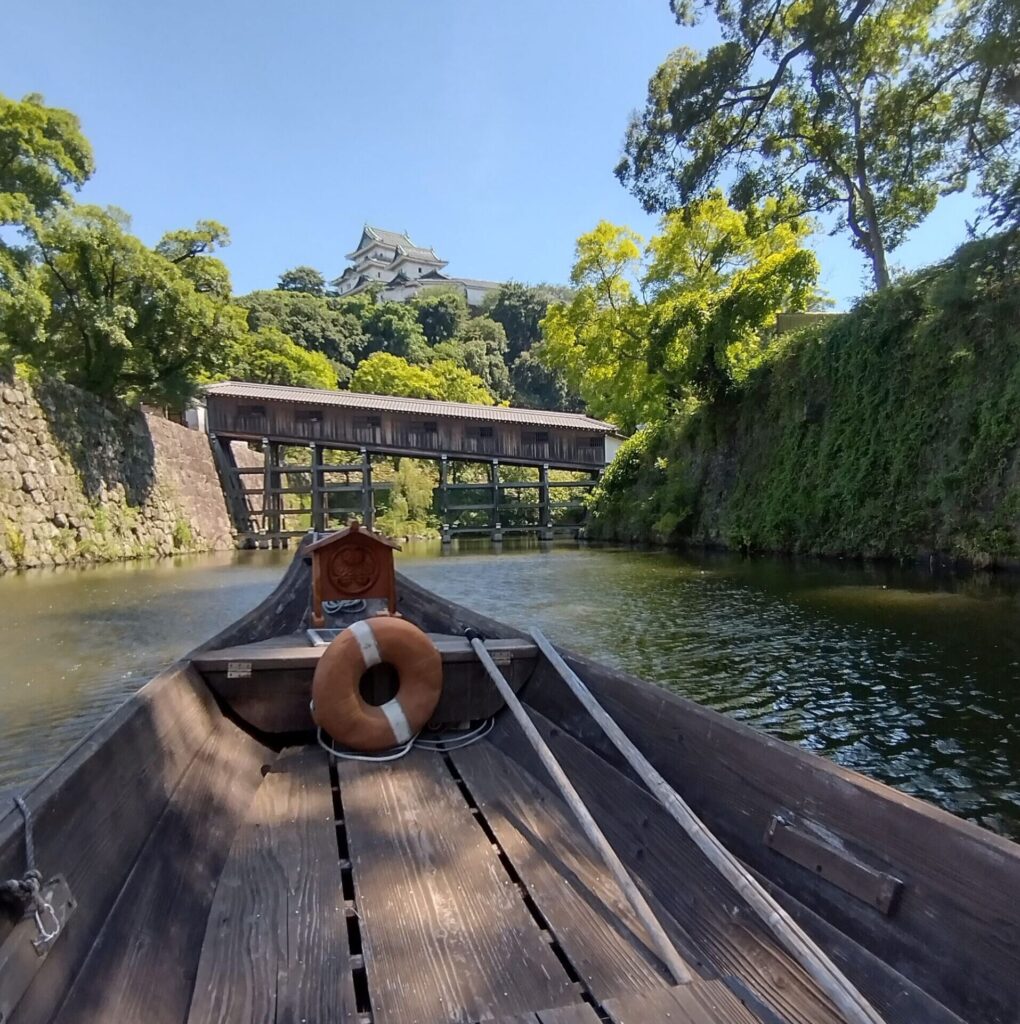
There is an important difference between creating a list of places to visit and creating a meaningful travel experience.
A conventional custom itinerary often begins with a simple question: Which attractions would you like to see?
A more thoughtful approach begins with another question: What kind of experience are you hoping to have in Japan?
For example, someone interested in Japanese food might initially ask to visit a sushi restaurant.
But perhaps what they really want is to understand the relationship between Japanese cuisine and the sea.
That interest could lead to a morning in a fishing village, a conversation about local seafood, a visit to a traditional food producer, and a meal featuring seasonal ingredients.
Similarly, someone interested in Japanese spirituality might initially think of visiting a famous temple.
However, walking an ancient pilgrimage route, discovering the surrounding landscape, and understanding the beliefs that shaped the region could provide a much deeper experience.
This is where local knowledge and thoughtful curation become important.
A good guide does more than take you from one destination to another. They help you discover connections between places, people, history, and everyday life.
A Journey That Follows Your Rhythm of Life
Travel does not always need to be about seeing as much as possible.
Some of the most memorable experiences happen when you have enough time to observe, explore, and appreciate your surroundings.
You might spend longer than expected in a small town, take a quiet walk along the coast, enjoy a meal without rushing, or discover an unexpected place along the way.
This is the idea behind slow travel: allowing the destination and its people to shape your experience rather than following a rigid schedule.
A personalized journey should reflect not only what you want to see but also how you want to experience Japan.
7. How to Plan Your Personalized Tour in Japan

You do not need to have a complete itinerary before arranging a personalized tour.
In fact, starting with your interests and travel expectations can be a better way to develop a meaningful journey.
Here are some steps to consider.
1. Share Your Interests
Think about what attracts you to Japan. It might be food, history, architecture, nature, traditional crafts, photography, or local culture.
You do not need to choose just one theme.
2. Consider Your Preferred Travel Pace
Would you prefer a full day of exploration, a relaxed half-day experience, or several days with time for independent discovery?
Consider how much time you want to spend in each place.
3. Explore Possible Activities
Research experiences that match your interests. These might include hiking, cycling, visiting traditional workshops, exploring local food culture, or walking through historic communities.
4. Discuss Your Ideas with a Local Guide
A knowledgeable local guide can suggest destinations and experiences that you might not find through conventional travel searches.
They can also help you understand which activities can be combined realistically.
5. Create a Journey That Reflects Your Interests
Bring together your preferred destinations, activities, and pace to create a travel experience that feels personal rather than predetermined.
It is also worth remembering that a personalized journey does not need to fill every day with guided activities. Independent exploration and free time can be valuable parts of the experience.
8. Discover Wakayama with a Local Licensed Guide: Curated Kii Peninsula Journey
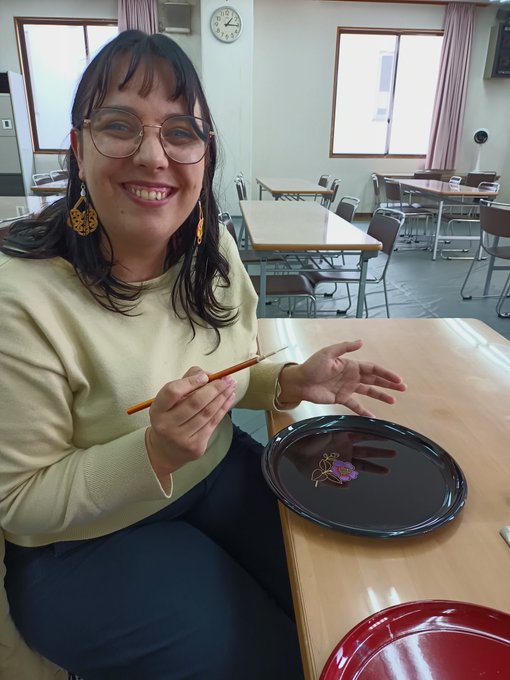
If you are interested in discovering a different side of Japan, Wakayama offers an extraordinary range of possibilities.
From the sacred mountains of Koyasan and the ancient pilgrimage routes of Kumano to traditional food producers, fishing villages, historic towns, and rural landscapes, the Kii Peninsula offers many ways to experience Japanese culture beyond the usual tourist destinations.
Curated Kii Peninsula Journey is a private guiding service based in Wakayama, designed for travelers who want to explore the region according to their own interests.
As a National Government Licensed Guide Interpreter based in Wakayama, I help visitors discover the region through its history, culture, food, nature, and everyday life.
Rather than following a fixed sightseeing itinerary, we begin with what interests you.
Your journey might include:
- Walking part of the Kumano Kodo and learning about its religious and historical background.
- Exploring Koyasan and understanding the traditions of Japanese Buddhism.
- Discovering the history of shoyu in the historic town of Yuasa.
- Visiting fishing communities and experiencing local seafood culture.
- Exploring traditional crafts and participating in cultural activities.
- Walking or cycling through rural landscapes and smaller communities.
These experiences can be combined according to your interests and available time.
Choose Your Journey Duration
Private guiding is available in three basic durations:
- 4 hours: A focused introduction to a particular place, theme, or experience.
- 6 hours: More time to explore multiple locations or combine sightseeing with a cultural activity.
- 8 hours: A fuller day of exploration, allowing for a broader range of experiences.
Multiple guided days can also be arranged, with independent days in between if you prefer a more relaxed travel schedule.
The aim is not to see everything in Wakayama. It is to discover the parts of the region that are most meaningful to you.
If you have a particular interest in Japan but are unsure where to experience it, Wakayama may offer possibilities you have not yet considered.
Start planning your own journey through the Kii Peninsula.
Explore Curated Kii Peninsula Journey
Contact Hiro to Discuss Your Journey
Frequently Asked Questions About Personalized Tours in Japan
1. What Is the Difference Between a Personalized Tour and a Private Tour in Japan?
A private tour means that the experience is reserved for you or your travel group rather than shared with other participants.
A personalized tour goes further by adapting the destinations, activities, and pace to your interests.
A tour can be both private and personalized, combining exclusive guiding with an experience designed around your preferences.
2. How Much Does a Personalized Tour in Japan Cost?
Prices depend on the destination, duration, activities, and level of guiding support.
Private guiding services generally cost more than joining a scheduled group tour, but they offer greater flexibility and individual attention.
It is important to check what is included in the price, as entrance fees, meals, transportation, and activity costs may be charged separately.
3. Can I Create My Own Itinerary for a Japan Tour?
Yes. Many private guiding services allow travelers to discuss their preferred destinations and activities before the tour.
You can also begin with a general interest rather than a detailed itinerary. A local guide can suggest suitable places and experiences based on your ideas.
4. Is It Possible to Visit Places Outside Tokyo, Kyoto, and Osaka?
Absolutely. Japan has many fascinating regional destinations beyond its major cities.
Wakayama, the Kii Peninsula, Shikoku, the Japanese Alps, and Kyushu are just a few examples of regions where travelers can discover distinctive landscapes, traditions, and local cultures.
5. Can I Include Traditional Cultural Experiences in a Personalized Tour?
Yes. Depending on the region and availability, you may be able to include activities such as tea ceremony, Japanese sweets making, calligraphy, traditional crafts, martial arts, and local food experiences.
A local guide can help you identify suitable experiences and understand their cultural background.
6. Can I Hire a Local English-Speaking Guide in Wakayama?
Yes. Wakayama has licensed English-speaking guides who can help international visitors explore its historical sites, cultural attractions, and local communities.
A local guide can also introduce places and experiences that may be difficult to discover independently.
7. How Far in Advance Should I Arrange a Personalized Tour in Japan?
It is generally advisable to make inquiries several weeks or months in advance, especially if you want to include specialist activities, traditional workshops, or experiences with limited availability.
However, shorter guided experiences may sometimes be arranged with less notice, depending on the season and local availability.
Starting early gives you more opportunities to develop a journey that reflects your interests.
Related Posts
- 3-Day to 5-Day Private Journey in Wakayama: An Alternative to Japan’s Golden Route
- Bespoke Travel in Japan: Creating a Journey Around Your Interests
- Private Tours in Japan: Why a Local Guide Can Make Your Journey Different
Related posts:

The Flavors of Japan: How Seasons Shape Regional Food
Japan’s UNESCO World Heritage Sites: Sacred Mountains, Ancient Pilgrimage Routes & Living Traditions

Japan Fishing Experiences: 7 Places to Fish and Eat What You Catch
Japan’s Agricultural Heritage: 7 Landscapes Shaped by Centuries of Farming
Custom Tours in Japan: How to Create a Journey Around Your Own Interests
No responses yet