
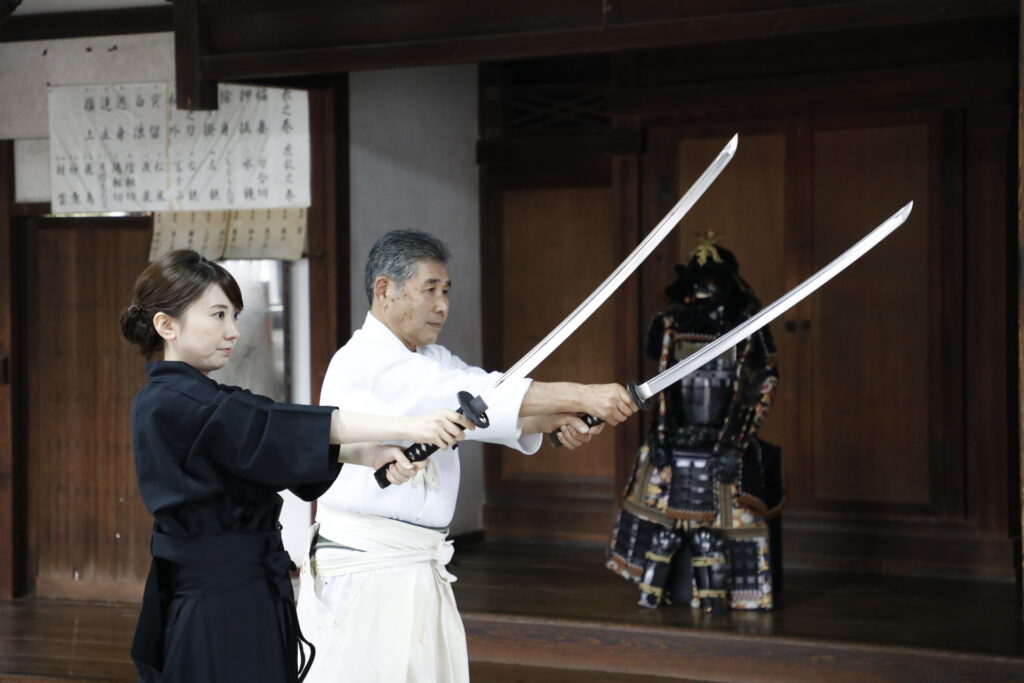
Japan’s samurai have captured the imagination of people around the world. From historical films and television dramas to video games and martial arts, the image of the samurai remains one of the most recognizable symbols of Japanese culture.
But what was it actually like to be a samurai?
Today, travelers can explore this question through hands-on experiences across Japan. You can put on traditional samurai clothing, wear a suit of armor, learn the basic movements of Japanese swordsmanship, or discover the discipline and concentration behind traditional martial arts.
Some experiences focus on entertainment and dramatic sword fights. Others introduce visitors to traditional martial arts, historical weapons, and the philosophy that shaped the samurai way of life.
The best choice depends on what you want to experience.
In this guide, we introduce six places in Japan where you can explore samurai culture, from the historic cities of Kyoto and Tokyo to the battlefields of Sekigahara and the samurai heritage of Wakayama.
Whether you want an exciting activity during your first visit to Japan or a deeper understanding of Japanese martial traditions, there is more than one way to step into the world of the samurai.
1. Wakayama: Experience Traditional Iaijutsu and the Legacy of the Kishu Tokugawa
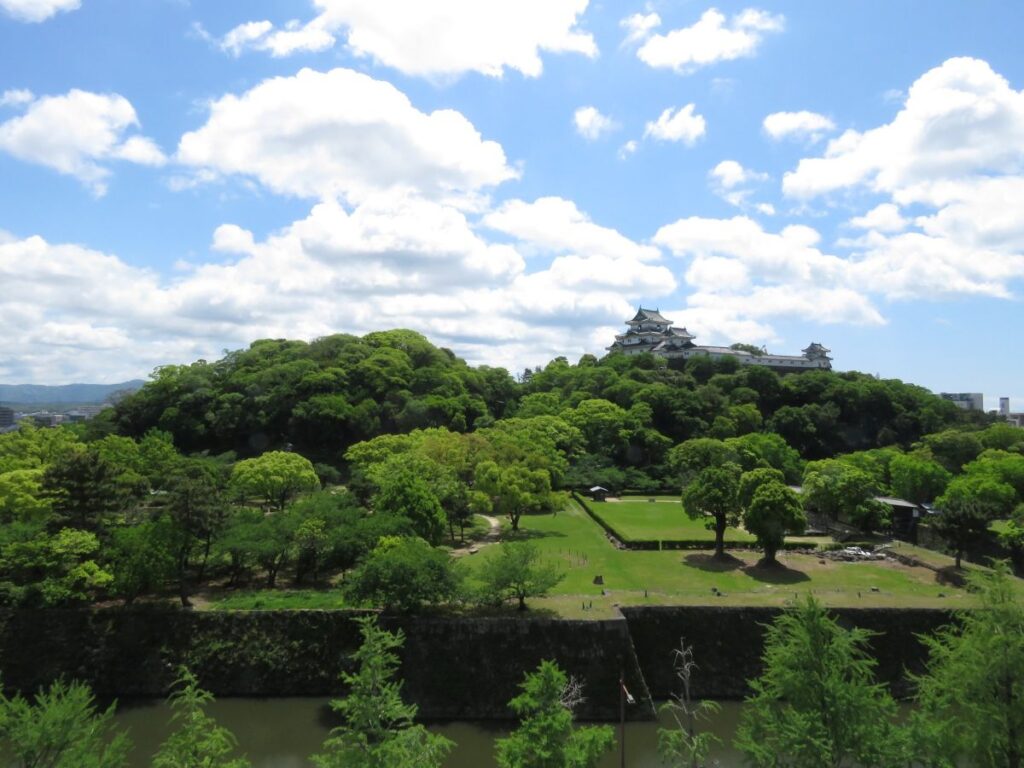
Best for: Travelers interested in traditional swordsmanship, Japanese history, and experiences beyond the usual tourist destinations
![Image suggestion: A traditional Japanese martial arts practice hall with a practitioner performing an iaijutsu kata]
Wakayama offers an opportunity to explore samurai culture through both traditional martial arts and the history of one of Japan’s most important feudal domains.
The city was the political center of the Kishu Domain, ruled by the Kishu Tokugawa family. Established under Tokugawa Yorinobu in 1619, the domain was one of the three principal Tokugawa branches, alongside the Owari and Mito branches.
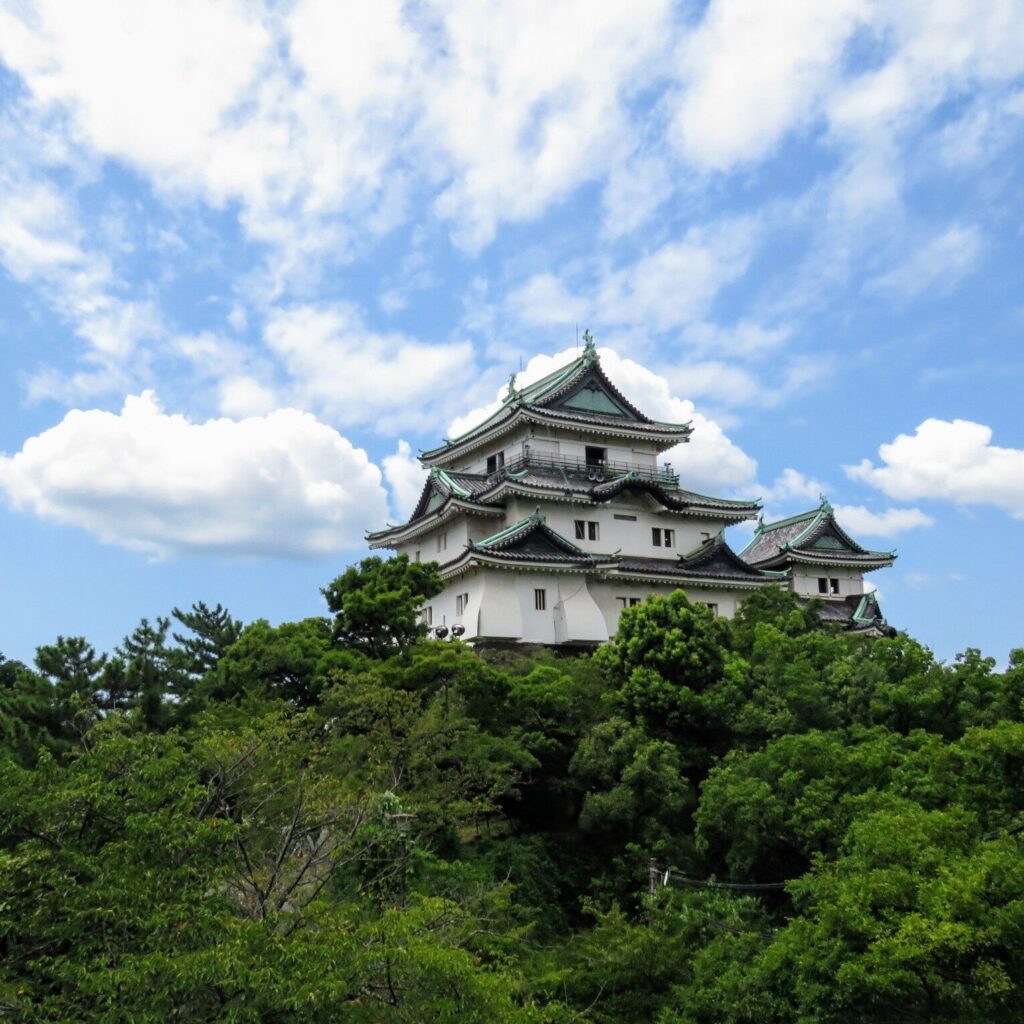
Wakayama Castle remains a reminder of this history. Originally constructed in the late sixteenth century, the castle became the center of political and military authority in the region.
For visitors interested in samurai culture, however, the story does not end with castles and historical displays.
Learn the Art of Iaijutsu
One way to explore this heritage is through iaijutsu, a traditional Japanese martial art focused on drawing the sword and responding with controlled, practiced movements.
Unlike stage sword fighting, which is designed to create the appearance of a dramatic battle, iaijutsu emphasizes precision, posture, awareness, and disciplined movement.
In Wakayama, visitors can experience Kishū-Denshō Tamiya-ryū iaijutsu, a traditional swordsmanship style, through a guided introductory session.
Participants can learn basic movements and practice a fundamental kata, known as Inazuma, under instruction.
The experience offers an opportunity to discover aspects of Japanese martial culture that are difficult to appreciate through observation alone.
You begin to understand how much attention goes into the smallest details: the way you stand, how you move, where you direct your attention, and how you control your body.
Dress Like a Samurai
Depending on the arrangements available, traditional training clothes and optional period-style costumes can add another dimension to the experience.
Rather than simply posing for photographs, you can connect the clothing with the movements and etiquette of Japanese martial arts.
This combination makes Wakayama particularly interesting for travelers who want to learn something about samurai culture while also enjoying a memorable hands-on activity.
Combine Swordsmanship with Wakayama Castle
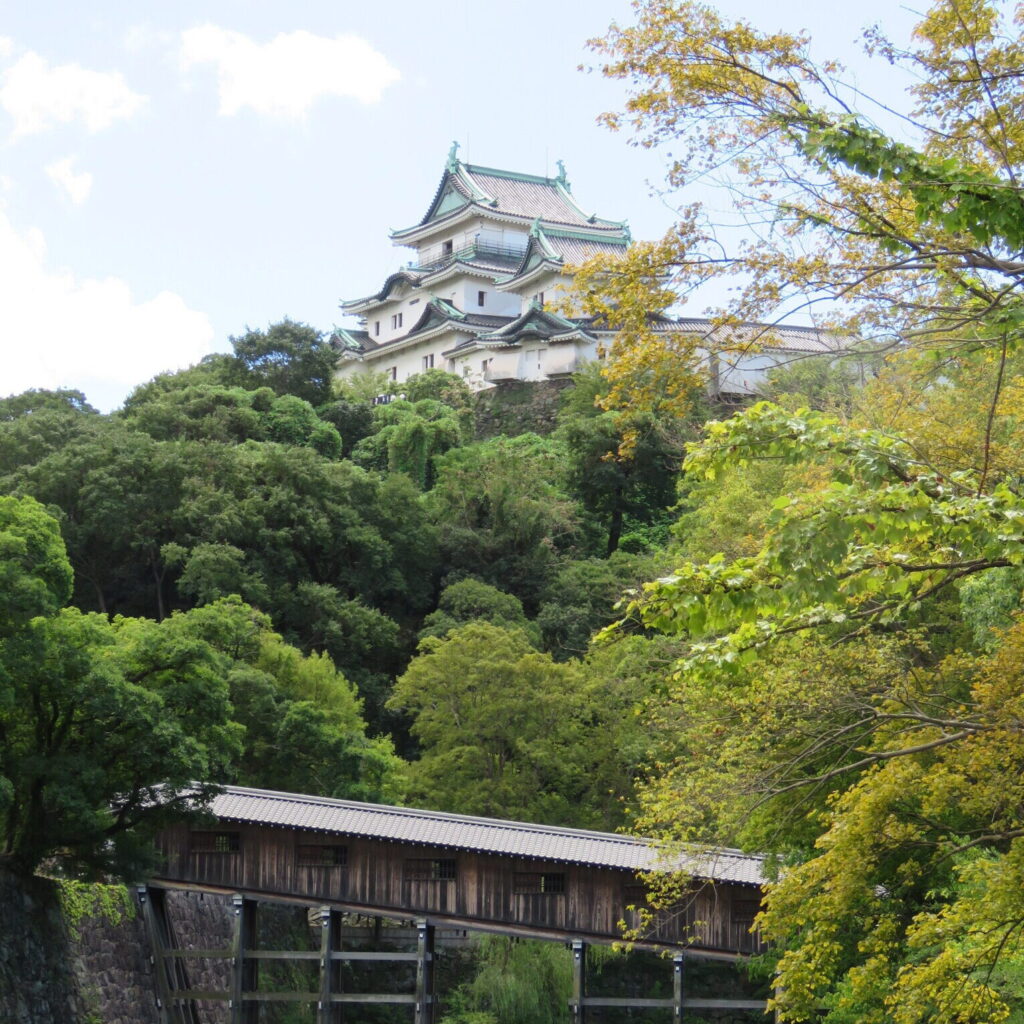
The experience can be paired with a visit to Wakayama Castle, creating a broader introduction to the region’s samurai heritage.
At the castle, visitors can learn about the relationship between the Tokugawa shogunate and its regional domains, the role of the Kishu Tokugawa family, and the political importance of Wakayama during the Edo period.
Together, the castle and martial arts experience offer two complementary perspectives: the historical world in which samurai served, and the physical discipline associated with their martial traditions.
Why choose Wakayama?
Wakayama is particularly appealing to travelers who want to explore a less familiar side of Japanese history. It also offers a convenient option for visitors staying in Osaka or traveling through the Kansai region.
Rather than treating swordsmanship as an isolated attraction, you can connect it with the history of a castle town and the regional culture of the Kishu Domain.
For travelers who value cultural depth as much as the experience itself, this combination is worth considering.
Related post: Beyond the Castle: 10 Cultural Experiences Around Wakayama Castle
2. Kyoto: Discover the Samurai Through Swordsmanship and Zen
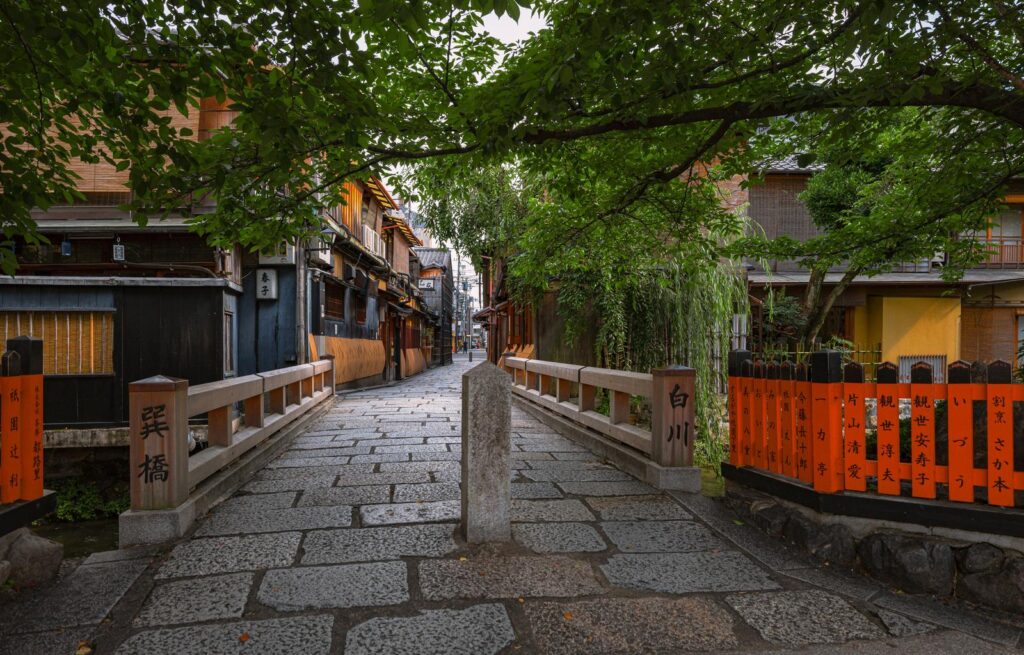
Best for: Travelers seeking a traditional Japanese atmosphere and a more reflective cultural experience
Kyoto is one of the most appealing places to explore samurai culture because of its long association with Japanese political, religious, and artistic traditions.
Although Kyoto is best known internationally for its temples, shrines, and traditional streets, the city also offers hands-on experiences involving Japanese swords and martial arts.
Some programs combine sword training with an introduction to Zen Buddhism, historical Japanese swords, or traditional Japanese architecture.
Practice Sword Movements in a Traditional Setting
Depending on the program, participants may change into traditional training clothing, observe a demonstration, and learn basic movements using a practice sword.
These sessions can introduce visitors to the importance of posture, breathing, concentration, and etiquette in Japanese martial arts.
Some experiences also incorporate meditation or explanations of the historical relationship between martial training and spiritual discipline.
For example, Waraku Kyoto offers a program combining sword training, Zen practice, and an opportunity to appreciate historical Japanese swords.
This type of experience appeals to travelers who want to explore more than the visual image of the samurai.
Samurai Culture Beyond the Sword
Kyoto also allows visitors to connect martial traditions with other aspects of Japanese culture.
You might explore historic temples, traditional gardens, and the former residences of influential families before or after a martial arts session.
This broader context helps explain why the samurai were not simply warriors. Their world was also shaped by political responsibilities, social hierarchies, artistic interests, and changing ideas about discipline and self-cultivation.
Why choose Kyoto?
Choose Kyoto if you want to combine a samurai experience with the city’s broader cultural attractions.
It is particularly suitable for travelers who want sword training to form part of a wider exploration of traditional Japanese culture.
3. Tokyo: Put on Samurai Clothing and Try Sword Fighting
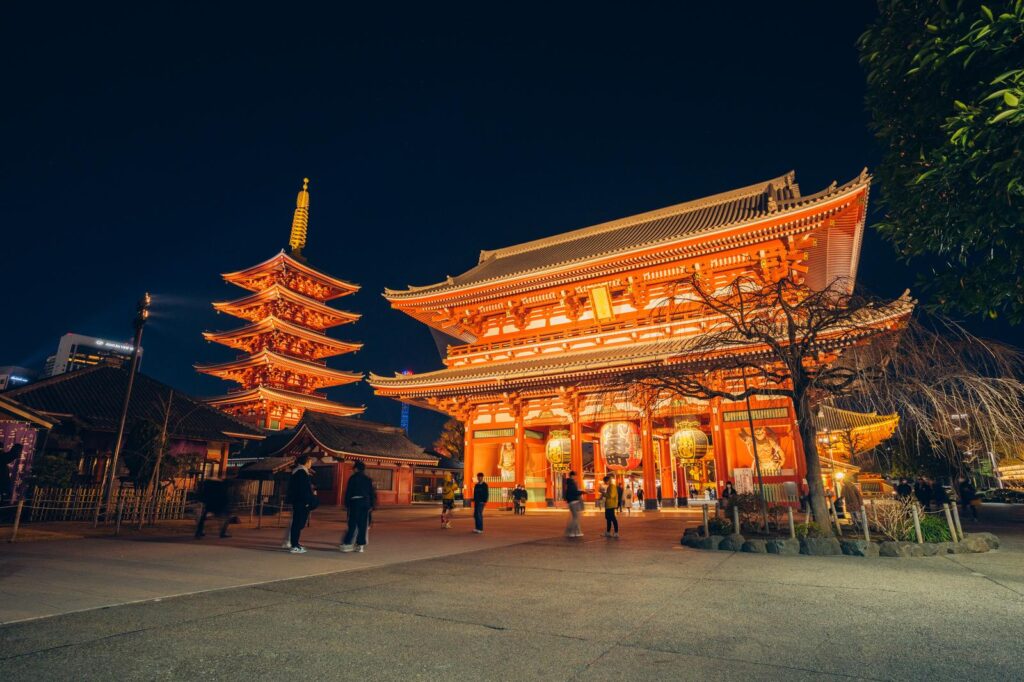
Best for: First-time visitors, families, and travelers looking for an accessible, entertaining activity
Tokyo offers several ways to experience the world of the samurai without traveling far from the city’s major sightseeing districts.
Many programs are designed specifically for international visitors, with instructors guiding participants through the experience step by step.
Learn the Basics of a Samurai Sword
A typical session might begin with changing into traditional clothing, such as a kimono-style top and hakama trousers.
Instructors then demonstrate how to hold a practice sword, assume basic stances, and perform simple movements.
Some programs focus on choreographed sword fighting, allowing participants to take part in a staged battle after practicing the basics.
For example, Samurai Theater Tokyo offers a program in which participants wear samurai-style clothing, learn basic sword handling, and take part in a choreographed sword-fighting performance.
These experiences are designed to be approachable, even for people with no previous martial arts experience.
Make It a Memorable Travel Experience
One advantage of Tokyo’s samurai activities is their accessibility.
You can often fit a session into a day that also includes shopping, museums, traditional neighborhoods, or other attractions.
Photographs and videos are also an important part of many programs, making them attractive to travelers who want a memorable souvenir of their visit.
It is worth checking what a particular experience includes before booking. Some focus mainly on costumes and photographs, while others offer more time for instruction and sword practice.
Why choose Tokyo?
Tokyo is a good choice if you want a convenient introduction to samurai culture without making a separate trip to a historic region.
It is especially suitable for visitors looking for an entertaining, beginner-friendly activity.
4. Osaka: Dress Like a Samurai and Experience Theatrical Sword Fighting
Best for: Travelers staying in Osaka who want a hands-on cultural activity
Osaka is an excellent place to consider if you want to try a samurai experience without traveling far from the main Kansai tourist route.
The city combines a major urban destination with easy access to historic castles, traditional entertainment, and cultural activities.
For visitors who want to handle a sword and try samurai-style movements, Osaka offers programs that emphasize performance and practical participation.
Become the Hero of Your Own Samurai Scene
Some experiences introduce participants to tate, the art of choreographed sword fighting used in Japanese films and theater.
Rather than learning a traditional martial art in depth, participants practice movements designed to create convincing and dramatic action.
At the Japan Tate-do Association Yotsubashi Dojo, for example, visitors can dress in samurai-style clothing, learn basic movements, and participate in a supervised theatrical sword fight. The program also introduces the etiquette associated with Japanese martial arts.
This approach is particularly appealing if you have watched Japanese historical dramas and want to experience something similar yourself.
You can discover how actors create the appearance of a sword battle while learning about timing, coordination, and controlled movement.
Combine the Experience with Osaka Castle
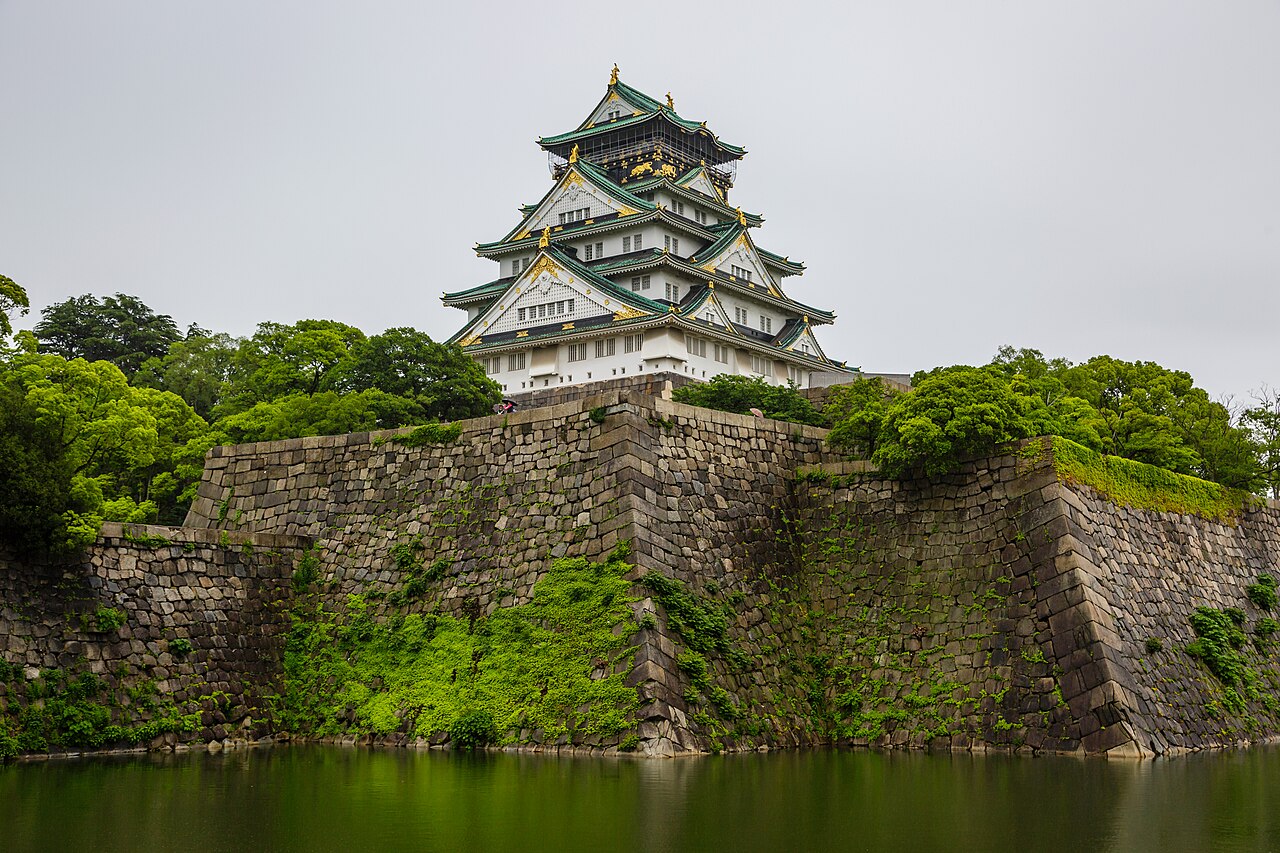
Osaka Castle provides a natural historical complement to a samurai activity.
The castle is associated with Toyotomi Hideyoshi, one of the major figures in the unification of Japan during the late sixteenth century.
Although the castle’s present appearance reflects later reconstruction, its history provides an introduction to the military and political struggles that shaped early modern Japan.
Combining a castle visit with a hands-on activity gives you both historical context and an opportunity to participate.
Why choose Osaka?
Osaka is a practical choice if your itinerary already includes the city and you want an activity that does not require a full day of travel.
It is also worth considering if you are visiting Wakayama and want to compare different approaches to samurai experiences in the Kansai region.
5. Aizu, Fukushima: Explore the Samurai Way of Life
Best for: History enthusiasts and travelers interested in the philosophy behind martial arts
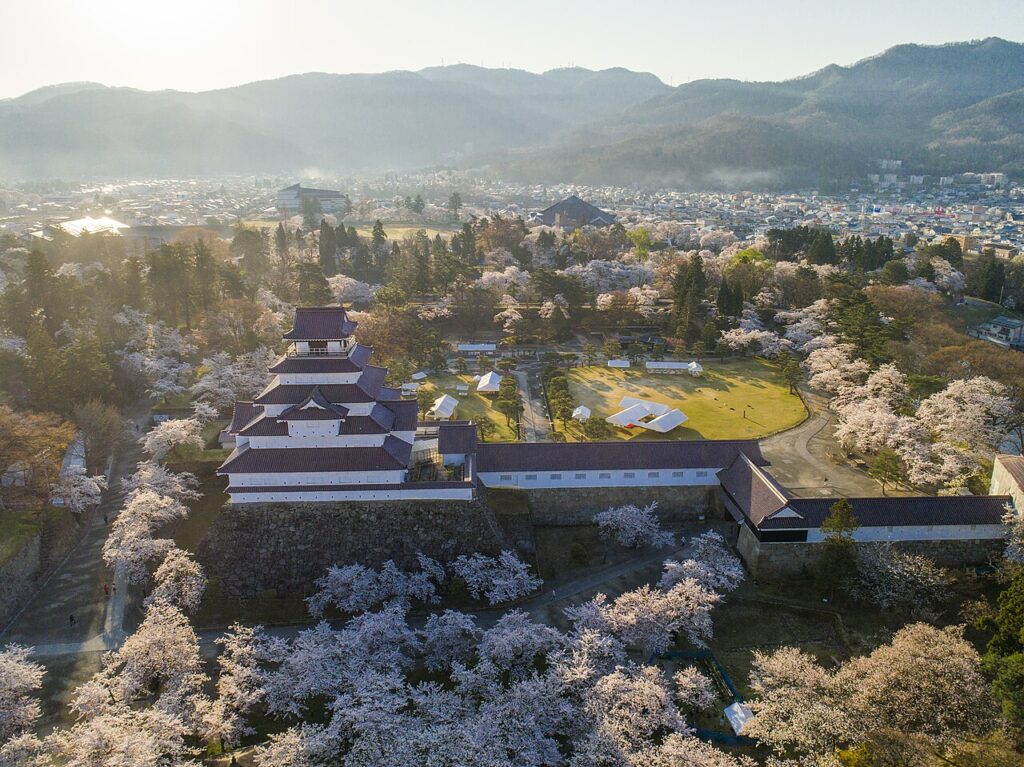
For a deeper exploration of samurai history, consider Aizu in Fukushima Prefecture.
Aizu is associated with the final years of the samurai era, when the political and military order that had governed Japan for centuries was undergoing dramatic change.
The region is particularly known for its connection to the Boshin War of 1868–1869, fought during the transition from the Tokugawa shogunate to the new imperial government.
This historical background gives Aizu a distinctive atmosphere for exploring the samurai legacy.
Learn Swordsmanship in a Historic Region
Some experiences in Aizu go beyond simply wearing a costume or learning a few sword movements.
The Aizu Samurai Method KENGIDO experience, introduced by Japan’s official tourism organization, combines sword training with an exploration of the samurai way of life.
Participants can observe a professional demonstration, receive supervised instruction, and practice choreographed sword-fighting movements.
The program is offered in the Ashinomaki Onsen area, allowing visitors to combine martial arts with a stay at a traditional Japanese inn and other regional activities.
This combination is particularly appealing if you want to spend more time exploring a region rather than fitting a short activity into a busy sightseeing schedule.
Understand the Historical Context
Aizu’s samurai heritage is closely connected with the end of the feudal period.
The region’s history raises questions about loyalty, social change, and the challenges faced by people whose traditional roles were disappearing.
Visiting historical sites alongside a martial arts experience can help bring these questions into focus.
Rather than viewing the samurai simply as legendary warriors, you can begin to understand them as people who lived through a period of profound political transformation.
Why choose Aizu?
Aizu is a strong option for travelers who want to connect swordsmanship with regional history.
It is particularly suitable for those who have already explored Japan’s major cities and want to discover a destination with a distinctive samurai heritage.
6. Sekigahara, Gifu: Experience the World of the Samurai on a Historic Battlefield
Best for: Travelers interested in samurai armor, the Sengoku period, and Japan’s military history
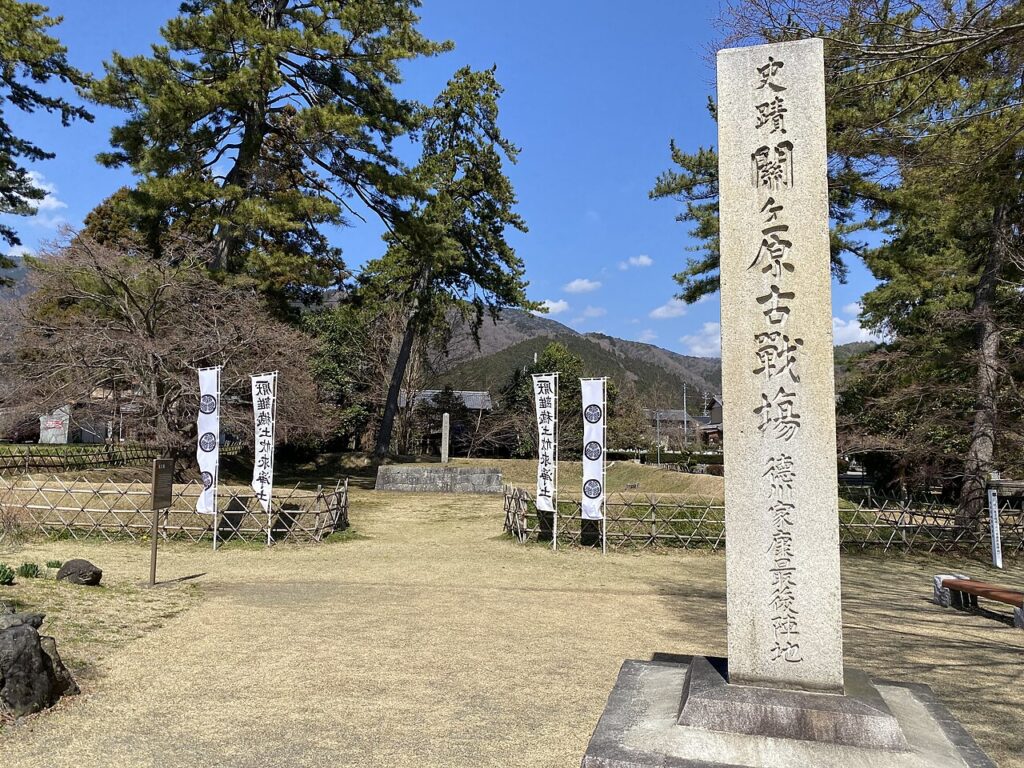
Sekigahara is one of the most historically significant places in Japan for understanding the age of the samurai.
The Battle of Sekigahara took place in 1600, when rival military coalitions fought for control of Japan. The victory of Tokugawa Ieyasu’s forces helped establish the political order that would govern Japan during the Edo period.
Today, the surrounding landscape preserves the setting of this decisive historical event.
Wear Samurai Armor
For visitors interested in the visual and physical experience of being a samurai, armor dressing is an appealing option.
Depending on the program, participants may wear replica armor and learn about the function of its individual components.
This offers a different perspective from sword training.
Armor was not simply decorative clothing. Its design reflected the practical demands of warfare, while details such as colors, crests, and decorative elements could communicate identity and status.
Putting on a replica suit helps visitors appreciate the complexity of the equipment worn by historical warriors.
Learn Martial Arts and Samurai Etiquette
Sekigahara also offers opportunities to explore martial arts and the etiquette associated with samurai culture.
The Samurai Experience in Sekigahara combines activities such as armor dressing and martial arts with historical interpretation.
Its programs are designed to connect participants with the history of the battlefield rather than presenting samurai culture as a costume activity alone.
Why choose Sekigahara?
Sekigahara is ideal if you are particularly interested in the Sengoku period, the unification of Japan, and the military history of the samurai.
The location itself adds an important dimension to the experience: you are exploring martial culture in a landscape where the outcome of a major historical battle changed the course of Japanese history.
Comparing Samurai Experiences in Japan
Different locations offer different ways to explore samurai culture. The best destination depends on whether you are interested in swordsmanship, theatrical performance, historical interpretation, or wearing traditional armor.
| Destination | Main experience | Best for |
|---|---|---|
| Wakayama | Traditional iaijutsu and regional samurai history | Travelers seeking martial arts and lesser-known historical destinations |
| Kyoto | Sword training and experiences combining martial arts with Zen | Travelers interested in traditional Japanese culture |
| Tokyo | Samurai clothing, sword practice, and choreographed battles | First-time visitors and travelers seeking convenience |
| Osaka | Theatrical sword fighting and beginner-friendly activities | Visitors staying in the Kansai region |
| Aizu, Fukushima | Sword training and the history of the samurai’s final era | History enthusiasts and culturally curious travelers |
| Sekigahara, Gifu | Samurai armor and martial arts in a historic battlefield region | Travelers interested in the Sengoku period |
Programs, schedules, clothing options, and participation requirements vary by provider. Check the relevant official website before making a reservation.
What Should You Look for When Choosing a Samurai Experience?
Not all samurai experiences are the same. Before booking, it helps to understand the differences between the main types of activities.
1. Samurai Costume and Armor Experiences
These programs focus on wearing traditional clothing or replica armor.
They are ideal if you want to take photographs, learn about historical clothing, or enjoy an activity with family and friends.
Some programs offer only a short dressing session, while others include explanations of the equipment and its historical significance.
If you are particularly interested in armor, look for experiences that explain how it was constructed and used.
2. Sword Fighting and Stage Combat
These experiences introduce the movements used in Japanese historical films and theatrical performances.
You may learn basic stances, sword movements, and choreographed fighting techniques before participating in a supervised performance.
They are generally suitable for beginners who want an exciting, interactive activity.
However, stage combat is different from traditional Japanese swordsmanship. Its main purpose is to create a convincing performance rather than teach a historical martial art in depth.
3. Iaido and Traditional Swordsmanship
If you want to explore the discipline behind Japanese sword arts, consider an introductory session in iaido or iaijutsu.
These martial arts emphasize controlled movements, posture, concentration, and etiquette.
Participants typically practice with a training sword under an instructor’s supervision.
Some programs also introduce the historical background of the martial art or explain its relationship with Japanese ideas about discipline and self-cultivation.
This option is particularly attractive to travelers who want to understand the practice rather than simply wear the costume.
4. Samurai Experiences Combined with Historical Sites
Another option is to choose an experience that includes a castle, historic residence, or battlefield.
The historical setting can help you understand why samurai developed particular weapons, forms of armor, and social customs.
For example, a swordsmanship experience in Wakayama can be combined with a visit to Wakayama Castle, while Sekigahara offers an opportunity to explore the landscape associated with a decisive battle in Japanese history.
If you have limited time, this combination can provide a more complete introduction to samurai culture.
Can You Experience Samurai Culture Near Osaka?
Yes. Travelers staying in Osaka have several options, including sword-fighting activities within the city and historical destinations elsewhere in the Kansai region.
Osaka itself offers beginner-friendly activities, while Kyoto provides opportunities to explore swordsmanship alongside other traditional cultural experiences.
Wakayama is another option worth considering, particularly if you want to combine martial arts with regional history.
The city is accessible from Osaka and offers a different perspective on the samurai through its connection with the Kishu Tokugawa family.
Rather than visiting another major urban attraction, you can explore the history of a regional domain and discover a traditional martial art.
For travelers who have already visited Osaka and Kyoto, this can be an interesting way to explore a less familiar part of Japan.
Practical Tips Before Booking
A little preparation will help you choose the right experience.
Check the type of sword being used. Many introductory programs use wooden swords, imitation swords, or training swords rather than functional Japanese swords. Follow the instructor’s safety guidance at all times.
Check the clothing provided. Some programs include samurai-style costumes, while others focus on martial arts training clothes. Armor dressing may be offered separately.
Consider the language. If you do not speak Japanese, check whether the instructor can explain the techniques and historical background in English.
Look at the duration. A short session may be sufficient for photographs and basic sword movements. A longer program may provide more time to learn about etiquette, history, and martial arts.
Check age and physical requirements. Programs differ in their suitability for children, older visitors, and people with limited mobility.
Book in advance when necessary. Private lessons and specialized martial arts experiences may require reservations, particularly for groups.
Most importantly, decide whether you want entertainment, historical learning, or a genuine introduction to a martial art. This will help you choose an experience that matches your interests.
Frequently Asked Questions
Where can I dress like a samurai in Japan?
You can find samurai costume and armor experiences in several parts of Japan, including Tokyo, Osaka, and historic destinations such as Sekigahara. Some programs focus on photography, while others combine dressing up with historical explanations or martial arts activities.
Where can I learn Japanese swordsmanship as a beginner?
Several providers offer introductory lessons for people without previous experience. Depending on your interests, you can look for iaido or iaijutsu instruction, beginner sword training, or choreographed stage combat.
Kyoto and Tokyo offer various sword-related experiences, while Wakayama provides an opportunity to explore traditional iaijutsu alongside regional history.
Is a samurai sword experience suitable for children?
Some programs welcome children and families, but age limits and participation requirements vary. Check the provider’s rules before booking, particularly if the experience involves physical training.
Costume dressing and supervised theatrical activities may be more suitable for younger children than formal martial arts instruction.
Is there a samurai experience near Kansai International Airport?
Osaka and Wakayama are both worth considering for travelers arriving through Kansai International Airport.
Osaka offers a range of cultural activities within the city. Wakayama is an alternative for travelers who want to explore samurai history and traditional martial arts in a regional setting.
The best option depends on your arrival time, transportation arrangements, and the experience you want to book.
What is the difference between iaido and stage sword fighting?
Iaido is a Japanese martial art centered on drawing the sword and performing controlled movements according to established forms.
Stage sword fighting, often called tate, uses choreographed movements to create the appearance of a dramatic battle.
Both can be interesting cultural experiences, but they have different purposes. Choose iaido if you want to explore traditional martial arts, or stage combat if you prefer a performance-oriented activity.
Can I combine a samurai experience with a visit to a Japanese castle?
Yes. This is one of the most effective ways to explore samurai culture.
A castle visit introduces the political and historical background, while a hands-on activity allows you to experience some of the clothing, movements, or practices associated with the samurai.
In Wakayama, for example, you can combine an exploration of Wakayama Castle and the Kishu Tokugawa legacy with an introductory iaijutsu experience.
Discover a Different Side of Samurai Culture in Wakayama
Japan offers many ways to explore the world of the samurai, from wearing elaborate armor to practicing sword movements under the guidance of an instructor.
For some travelers, the attraction lies in the excitement of a choreographed sword fight. Others want to understand the historical context or experience the discipline of traditional martial arts.
If you are interested in the latter, Wakayama offers an appealing combination of traditional swordsmanship and regional history.
The city’s connection with the Kishu Tokugawa family provides a historical setting for exploring samurai culture, while an introductory iaijutsu experience offers a chance to learn about the discipline and precision behind a traditional Japanese martial art.
And because Wakayama is accessible from Osaka, it can be incorporated into a Kansai itinerary without requiring a journey to a distant part of Japan.
For travelers looking beyond the familiar tourist destinations, it is an opportunity to discover another layer of Japanese history and culture.
Interested in exploring samurai history, traditional martial arts, and the cultural heritage of Wakayama?
Curated Kii Peninsula Journey can help you explore Wakayama through customized private tours, combining historical sites, local culture, and hands-on experiences according to your interests.
Contact us to discuss a personalized cultural experience in Wakayama.
Related Posts
- Why Some of Japan’s Most Meaningful Experiences Aren’t Offered in English
- Authentic Cultural Experiences Near Osaka: 7 Ways to Experience Traditional Japan
- Traditional Crafts to Experience in Japan: 7 Hands-On Experiences Beyond the Tourist Trail
- Beyond Kyoto: Where to Experience Kimono in Japan
No responses yet