
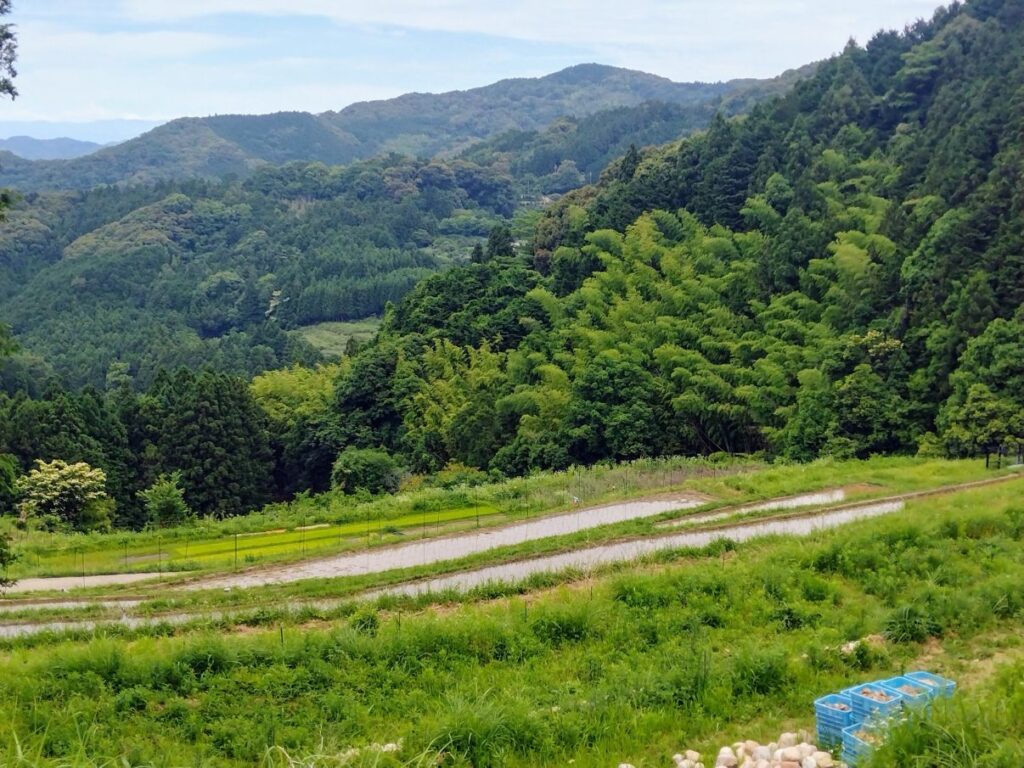
A Practical Guide to Exploring Japan Beyond the Major Tourist Cities
Japan is one of the easiest countries in Asia to travel around independently.
In Tokyo, Kyoto, and Osaka, international visitors can usually find English signs, multilingual websites, translation apps, and staff accustomed to overseas travelers.
But what happens when you leave the major tourist routes?
A small restaurant may have a Japanese-only menu.
A local bus timetable may be difficult to understand.
A family-run guesthouse may not speak English.
A hiking trail may have very little information in other languages.
For some travelers, this can make rural Japan feel intimidating.
But you do not need to speak Japanese fluently to travel through rural Japan.
With a little preparation—and knowing when to use technology, when to ask for help, and when to work with a local guide—you can explore smaller towns, fishing villages, mountains, historic roads, and local food communities with confidence.
Here is how.
1. Don’t Expect Rural Japan to Work Like Tokyo
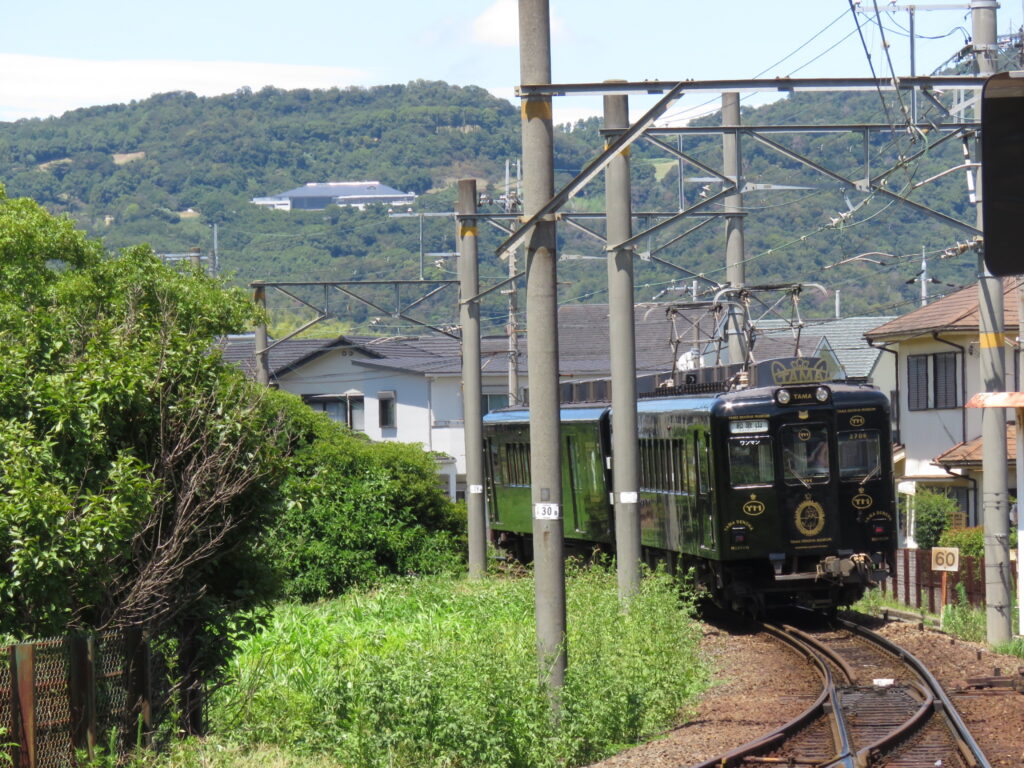
The first step is to adjust your expectations.
Rural Japan is not necessarily less welcoming to international visitors. It simply has fewer systems designed specifically for international tourism.
In a small town, you may encounter:
- Japanese-only signs
- Restaurants without English menus
- Ticket machines with limited language options
- Local buses with complicated routes
- Small shops with no online booking system
- Family-run businesses where English is not commonly spoken
This does not mean you cannot visit.
In fact, these places can be some of the most rewarding parts of a trip to Japan.
The important thing is to travel with a little more flexibility.
2. Use Translation Technology as Your Safety Net
A smartphone can solve many everyday language problems.
Before traveling, make sure you have:
- A translation app
- Offline Japanese language data
- Offline maps
- A Japanese eSIM or reliable mobile connection
- Screenshots of important addresses and reservations
- Your accommodation address written in Japanese
Camera translation can be particularly useful.
You can point your phone at:
- Menus
- Train information
- Signs
- Product labels
- Bus timetables
- Instructions
and get a basic understanding of what you are looking at.
But translation technology is best thought of as a safety net, not as your entire travel strategy.
A machine can translate words.
It cannot always explain the local context.
3. Save Important Information in Japanese
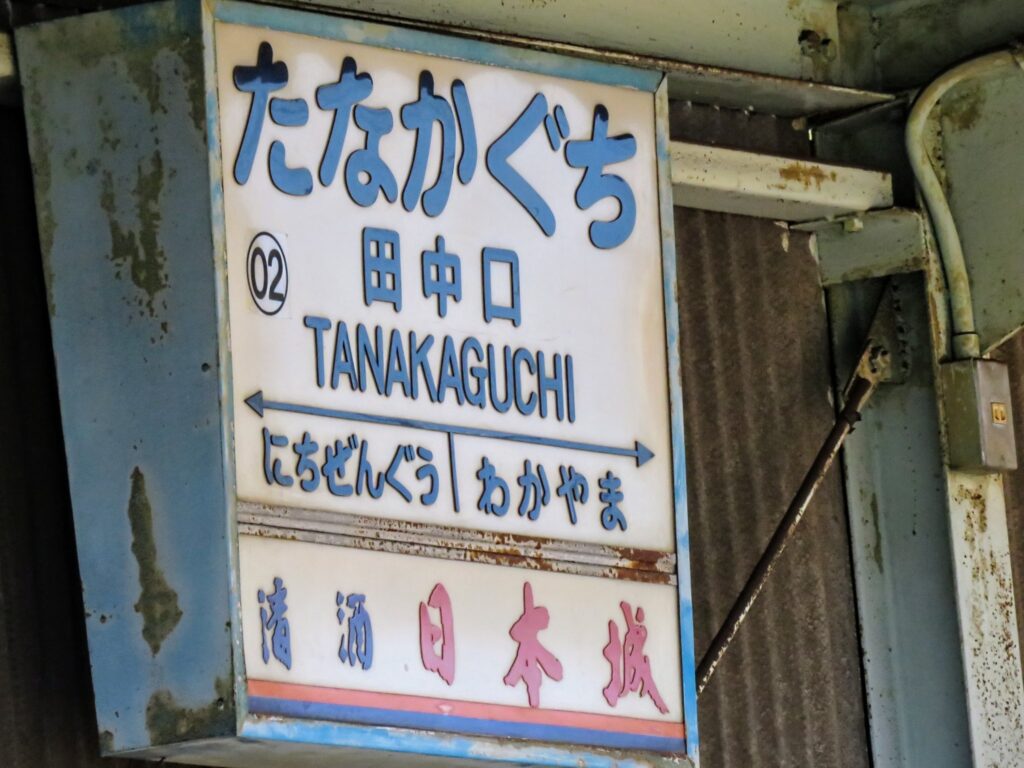
One of the simplest tricks is to prepare key information before leaving your hotel.
For example, save the following in Japanese:
Your destination
和歌山駅
Wakayama Station
Your hotel
ホテル
Hotel Granvia
A restaurant
太平洋酒場
Taiheiyo Sakaba
A hiking trail
熊野古道 中辺路
Nakahechi Route, Kumano Kodo
You can simply show your phone to a taxi driver, station employee, restaurant staff member, or local resident.
This is often much easier than trying to pronounce an unfamiliar Japanese place name.
It is also useful to save the address of your accommodation in Japanese.
If you become lost or need help, you can show it to someone immediately.
4. Learn a Few Japanese Phrases

You do not need to learn Japanese grammar before traveling.
A handful of phrases can make everyday interactions much easier.
Useful expressions
Sumimasen
Excuse me / I’m sorry
Arigato gozaimasu
Thank you
Kore wa nan desu ka?
What is this?
Eigo o hanashimasu ka?
Do you speak English?
Osusume wa nan desu ka?
What do you recommend?
Daijōbu desu
It’s okay / That’s fine
Onegaishimasu
Please
Even saying sumimasen before showing someone your phone can make the interaction feel much more natural.
And remember:
You are not expected to speak perfect Japanese.
A few words, a smile, and patience go a surprisingly long way.
5. Restaurants Are Usually Easier Than You Think

One of the biggest concerns for visitors is eating in small local restaurants.
What if there is no English menu?
What if you cannot understand the ordering system?
What if the restaurant is famous locally but has almost no information online?
There are several ways to manage this.
Before you go
Check:
- Opening days
- Opening hours
- Whether reservations are required
- Whether credit cards are accepted
- Whether the restaurant has an English menu
- Whether there are food restrictions you need to communicate
If possible, save photographs of dishes or the restaurant’s menu.
Once inside
If the menu is Japanese-only, you can use camera translation.
Or simply point to a photograph and ask:
Kore wa nan desu ka?
“What is this?”
In many small restaurants, the staff may be very happy to explain the food even if their English is limited.
And sometimes, this interaction becomes part of the experience.
6. Be More Careful With Rural Transportation

Transportation is one area where rural Japan requires more preparation.
Major railway stations are relatively easy to navigate.
Local buses can be different.
You may encounter:
- Infrequent services
- Japanese-only timetables
- Different payment systems
- Bus stops without obvious English information
- Routes that operate only a few times a day
This is particularly important when visiting mountains, fishing villages, and small historic towns.
Before leaving, check the return journey as well as the outbound journey.
This is especially important if you are hiking.
A beautiful rural trail is not very useful if you arrive at the trailhead at 10:00 and discover that the next bus back leaves at 16:30.
7. Hiking in Rural Japan Requires Extra Planning
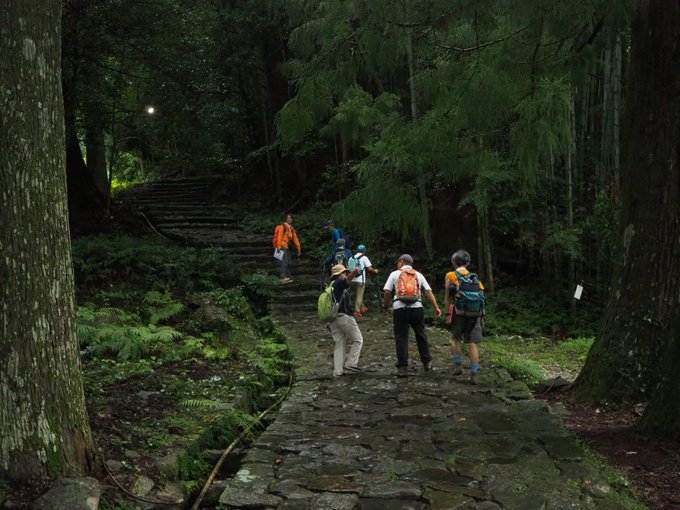
Japan has an enormous variety of hiking opportunities outside the famous tourist routes.
Wakayama is a particularly good example.
Visitors can combine:
- Coastal walking
- Historic pilgrimage routes
- Forest trails
- Mountain villages
- Rural communities
- Kumano Kodo sections
Some routes are easy to access.
Others require considerably more preparation.
The Kii Route, for example, offers relatively accessible walking through towns and villages and can provide a very different experience from the mountainous Kumano Kodo sections.
For more remote trails, however, language is only one consideration.
You also need to understand:
- Trail conditions
- Weather
- Transportation
- Water and food availability
- Emergency procedures
- Seasonal conditions
This is one situation where a local guide can be particularly valuable.
Related post: Ultimate Hiking Guide to Wakayama, Japan
8. Don’t Assume You Can Book Everything Online
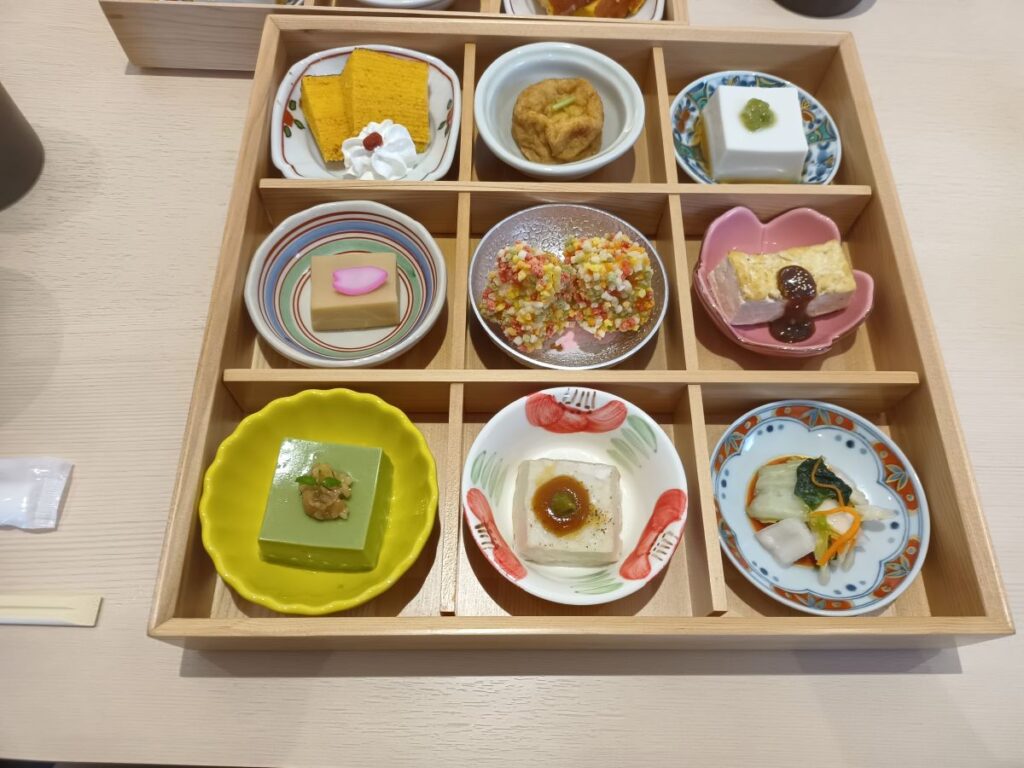
One of the biggest differences between major tourist destinations and rural Japan is the way local experiences are booked.
A major attraction may have:
- An English website
- Online reservations
- Multilingual customer support
- Instant confirmation
A small local experience may have none of these.
You may need to:
- Telephone the business
- Send an inquiry in Japanese
- Make a reservation several days in advance
- Confirm availability manually
- Arrange transportation separately
This applies particularly to experiences involving small family-run businesses.
For example:
- Traditional craft workshops
- Local cooking experiences
- Fishing trips
- Small farms
- Private cultural experiences
- Rural accommodation
- Local restaurants
The experience may exist.
The problem is simply that the booking system was never designed for international travelers.
9. This Is Where a Local Guide Can Make a Big Difference

A local guide is not only someone who explains the history of a temple.
In rural Japan, a guide can also act as a bridge between the traveler and the local community.
For example, a guide can help with:
Communication
Explaining what you want to local businesses and interpreting their responses.
Reservations
Contacting restaurants, workshops, transportation providers, and local experiences.
Transportation
Helping you understand local buses, trains, taxis, and transfers.
Hiking
Selecting a route appropriate for your interests, fitness level, weather, and available time.
Food
Explaining unfamiliar dishes and helping you discover local specialties.
Shopping
Helping you communicate with local craftsmen and shop owners.
Shipping
If you buy ceramics, lacquerware, food products, or other souvenirs, a local guide may also be able to help you understand shipping options and arrange the process.
The value is not simply translation.
It is making rural Japan easier to navigate while preserving the local character of the experience.
10. Don’t Be Afraid of Small Towns
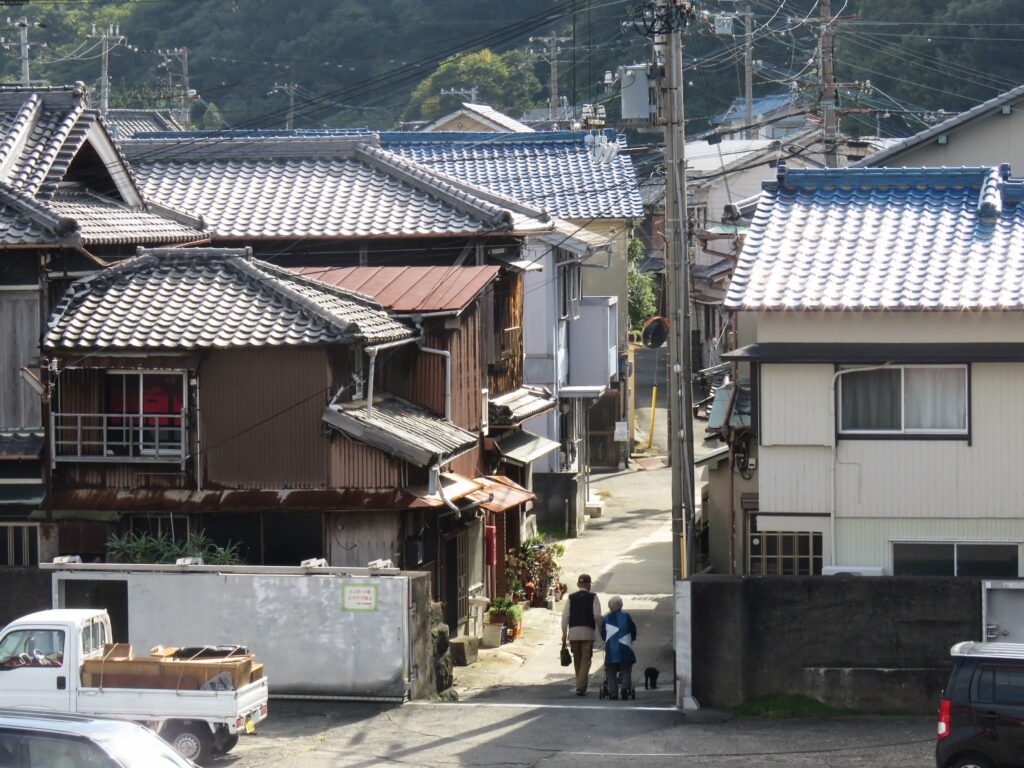
One of the most common mistakes is staying only in places where everything is already prepared for international visitors.
If you do that, Japan can sometimes feel surprisingly similar from one destination to another.
Rural Japan offers something different.
You may find:
- A small fishing port
- A local market
- A traditional coffee shop
- An old shopping street
- A family-run restaurant
- A historic pilgrimage road
- A small shrine in a residential neighborhood
- A farm surrounded by seasonal fruit trees
These places may not have perfect English information.
But that is part of what makes them interesting.
The goal is not to eliminate every moment of uncertainty.
It is to make sure that uncertainty does not prevent you from discovering somewhere meaningful.
11. Wakayama Is a Good Example of Rural Japan Worth Exploring
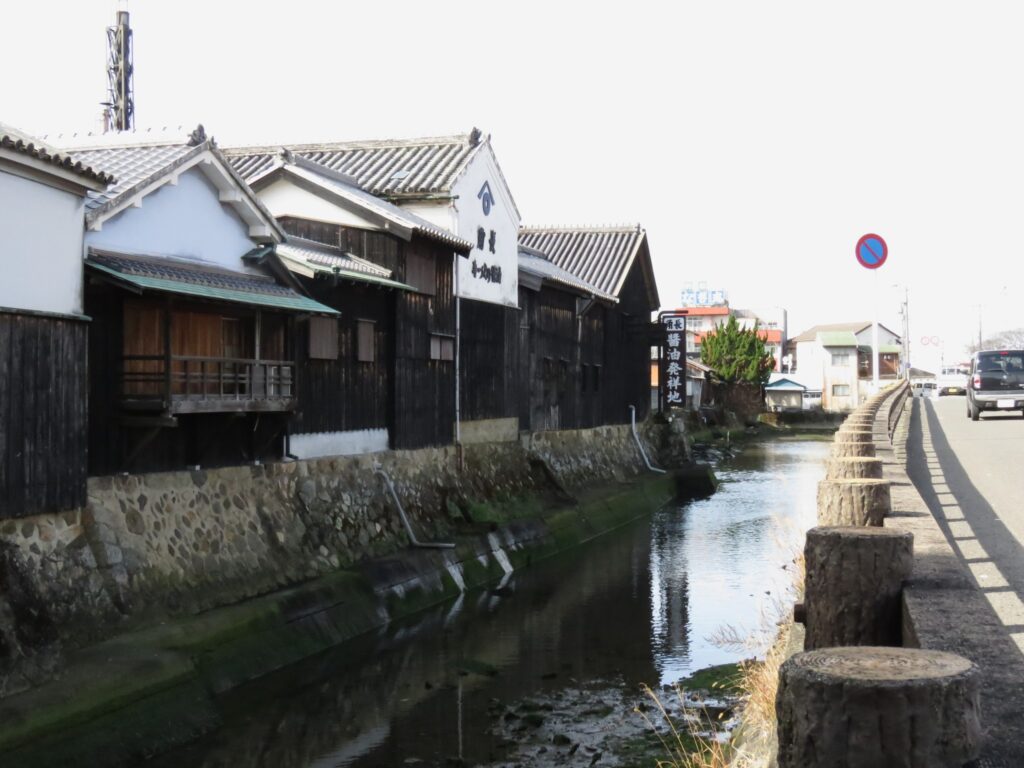
Wakayama is close to Osaka and Kansai International Airport, yet parts of the prefecture quickly feel very different from Japan’s major tourist cities.
You can move from an urban environment to:
- Fishing villages
- Coastal landscapes
- Historic pilgrimage routes
- Mountain communities
- Agricultural areas
- Traditional craft towns
within a relatively short journey.
For hikers, the region offers everything from accessible walking routes to more demanding mountain experiences.
And hiking does not have to be separated from culture.
A walk can lead to a local restaurant.
A pilgrimage route can lead to a historic town.
A coastal path can lead to a fishing community.
A visit to a rural area can become an opportunity to discover local food, crafts, and everyday life.
That connection between landscape and local culture is one of the reasons rural Wakayama can be so rewarding.
Related post: Is Wakayama Worth Visiting? Hidden Culture Beyond Osaka and Kyoto
12. You Don’t Need to Speak Japanese—You Need the Right Support
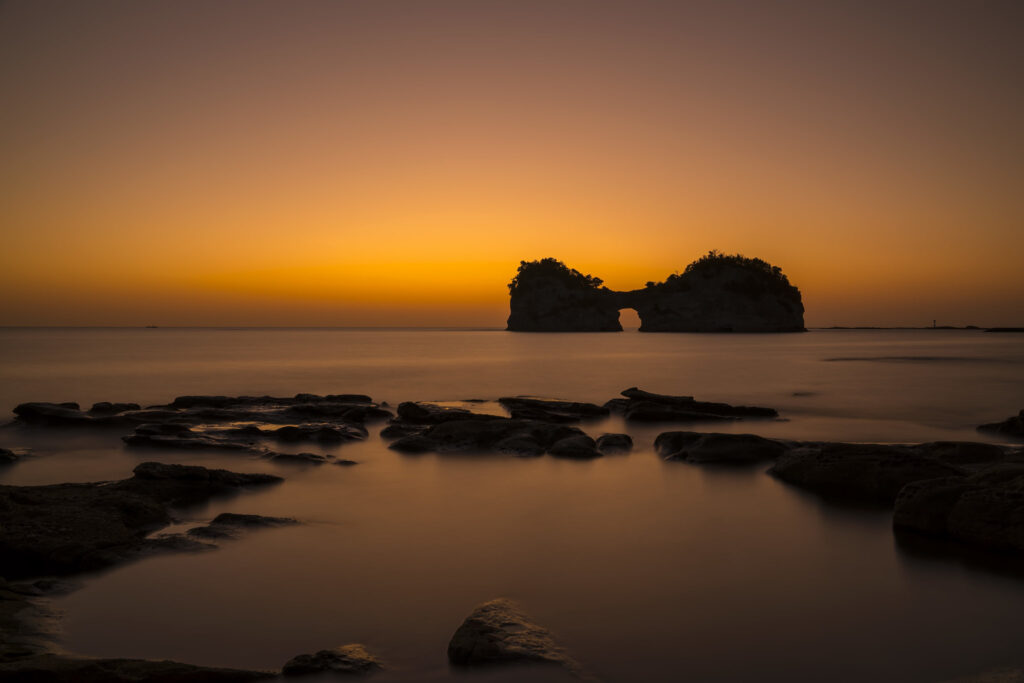
The idea that you must speak Japanese before visiting rural Japan is exaggerated.
You can travel independently using:
- Translation technology
- Maps
- Advance planning
- A few Japanese phrases
- Photos and screenshots
- Flexible expectations
But there are situations where local support makes the difference between possible and easy.
This is particularly true when you want to do something specific rather than simply visit a sightseeing attraction.
For example:
“I want to hike a quiet section of the Kumano Kodo, eat at a local restaurant afterward, and visit a small craft workshop.”
That is a very different request from:
“What are the top things to see in Wakayama?”
The first requires coordination.
And this is where a local guide can become a travel partner rather than simply a sightseeing guide.
Related post: Self-Guided vs Private Tour in Wakayama: Which Is Better?
What Can a Local Guide Help You Arrange?
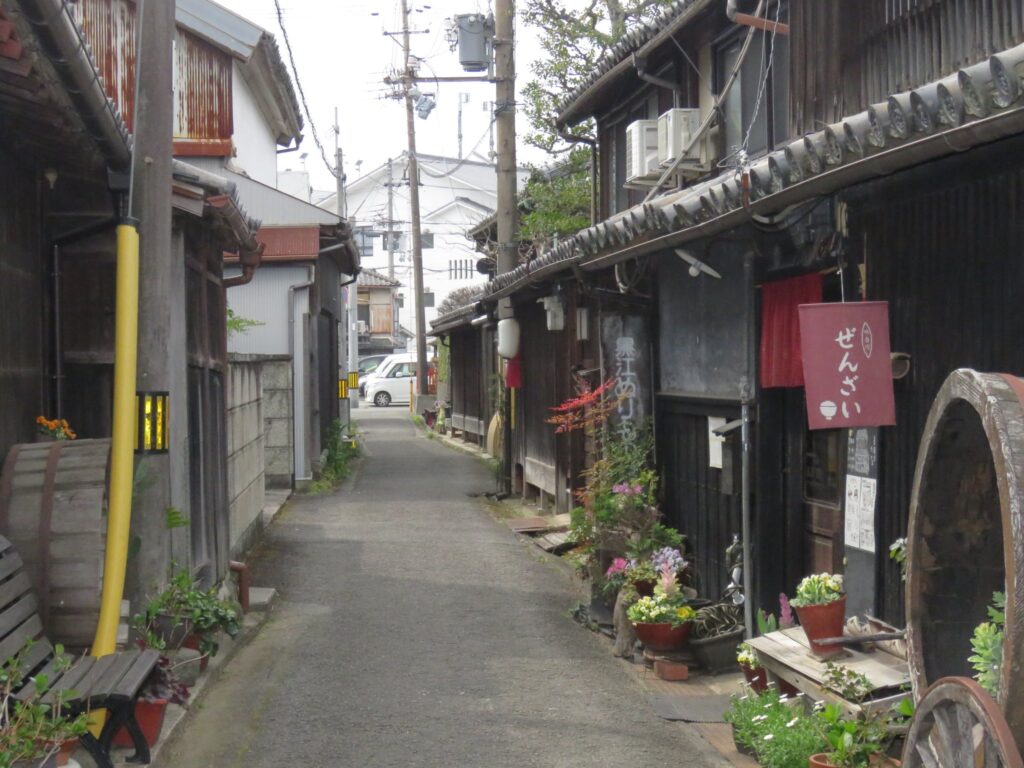
If you are traveling through Wakayama without speaking Japanese, local support can include:
- Private guided hikes
- Kumano Kodo walking
- Local restaurant recommendations and reservations
- Interpretation during cultural experiences
- Craft workshops
- Food and local market experiences
- Fishing and coastal activities
- Transportation planning
- Custom day trips
- Shopping assistance
- Help arranging souvenir shipping
- Connecting several experiences into one itinerary
The important point is that these services can be customized.
You do not necessarily need a full-day guided tour.
Sometimes you simply need someone local to help you cross the difficult parts of the journey.
Learn about my Curated Kii Peninsula Journey
Rural Japan Can Be More Rewarding When You Don’t Speak Japanese
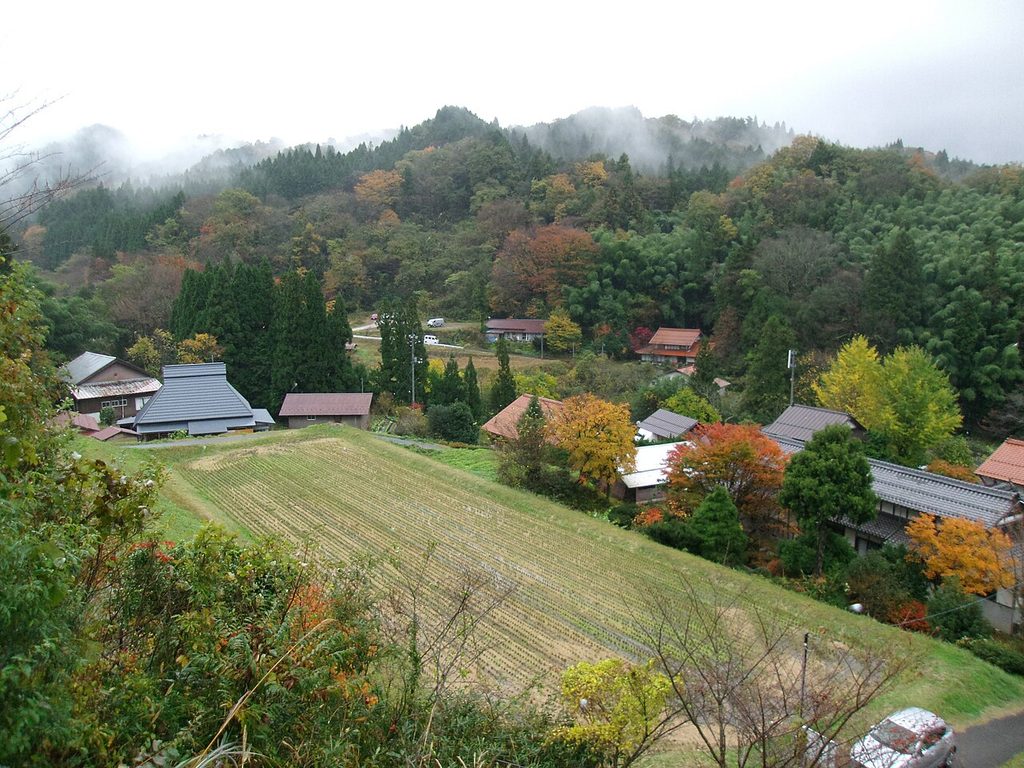
There is an interesting paradox here.
The places where English is least visible can sometimes offer the strongest sense of discovering another side of Japan.
You may have to slow down.
You may have to ask for help.
You may discover a restaurant that was never designed for tourists.
You may have a conversation through gestures, translation apps, and a few Japanese words.
And you may remember that experience more clearly than another famous landmark.
Traveling in rural Japan without speaking Japanese is therefore not something you need to avoid.
It is something you need to prepare for intelligently.
With the right tools—and, when necessary, the help of someone who knows the region—you can go much further beyond Japan’s major tourist routes.
And that is where some of the most memorable journeys begin.
Related Posts
- Best Satoyama Destinations in Japan: 7 Places for Hiking, Cycling & Slow Stays
- A Satoyama Slow Journey Through Central Wakayama: Sea, Citrus, History & Ume
- Slow Travel in Japan: 7 Places to Experience Local Life
- The Best Places in Japan for a Slow, Seasonal Journey
No responses yet