

Discover the Stories, People, and Everyday Culture That Most Travelers Never Experience
When planning a trip to Japan, many travelers spend considerable time researching destinations, comparing itineraries, and deciding which temples, gardens, historic towns, and cultural experiences they want to visit.
Japan offers an extraordinary variety of places to explore. From the historic streets of Kyoto to the mountain temples of Koyasan and the ancient pilgrimage routes of Kumano, every region has its own character.
But there is an important difference between visiting a place and understanding it.
A beautiful temple may tell you something about Japanese architecture. A historic street may reveal the commercial history of a town. A local restaurant may introduce you to regional ingredients.
Yet the connections between these things are not always immediately visible.
This is where traveling with a local private guide can make a significant difference.
Rather than simply taking you from one attraction to another, a knowledgeable local guide can help you understand the deeper stories behind the places you visit, introduce you to local perspectives, and create opportunities that would be difficult to discover independently.
In Japan, where so much of the culture is connected to history, geography, seasonal traditions, and everyday customs, these connections can transform an ordinary sightseeing trip into a much more meaningful journey.
1. Japan Is More Than Its Famous Tourist Destinations

Japan is often introduced through its most recognizable destinations.
Kyoto for traditional temples and gardens.
Tokyo for modern culture and urban life.
Osaka for food and entertainment.
These cities deserve their popularity, but they represent only part of the country’s cultural diversity.
Japan is also a country of regional identities.
Fishing villages along the coast have developed their own food traditions. Mountain communities have maintained religious practices and agricultural customs. Historic merchant towns preserve the legacy of trade, craftsmanship, and regional industries.
Even seemingly familiar cultural experiences can be very different depending on where you encounter them.
For example:
- Japanese soy sauce is closely connected to the history of fermentation and regional food production. Yuasa in Wakayama offers an opportunity to explore this history where traditional soy sauce brewing developed.
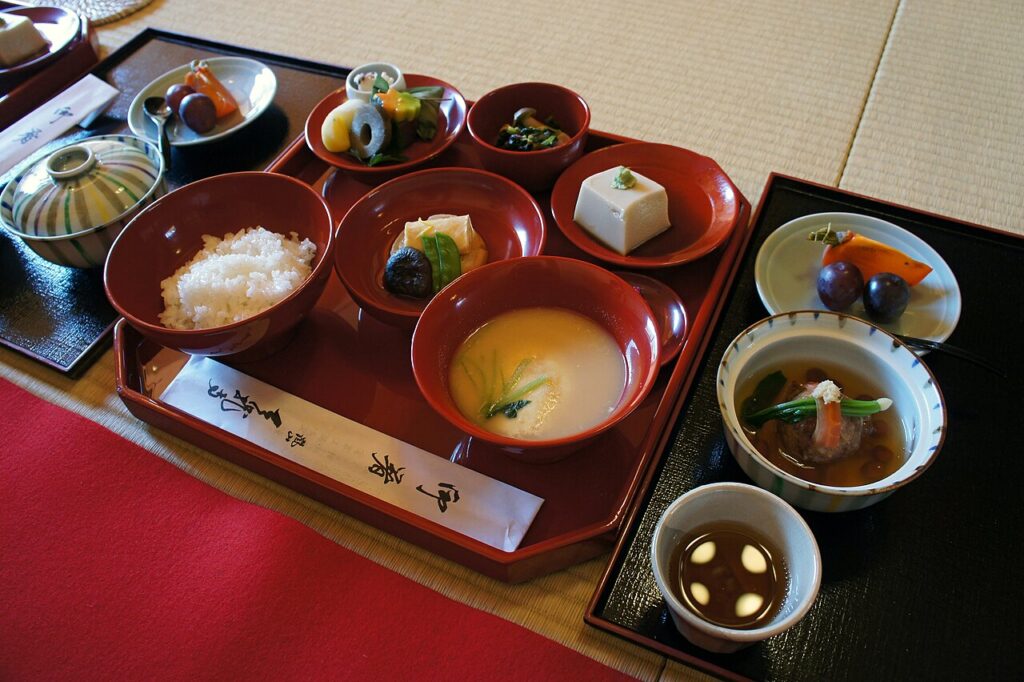
- Japanese Buddhist cuisine is not simply vegetarian food. In Koyasan, it reflects centuries of religious practice, seasonal ingredients, and the philosophy of temple life.
- Traditional Japanese lacquerware is not only decorative craftsmanship. In Kuroe, Wakayama, it remains connected to the history of local manufacturing and everyday household objects.
- Japanese pilgrimage is not just about walking between religious sites. The Kumano Kodo reveals the relationship between spirituality, mountains, villages, and the people who have maintained these routes.
A local guide can help connect these individual experiences to the broader cultural landscape.
Instead of collecting famous attractions, you begin to understand why particular traditions developed in particular places.
Related post: Slow Travel in Japan: Why Staying Longer Changes Everything
2. Understanding the Stories Behind What You See
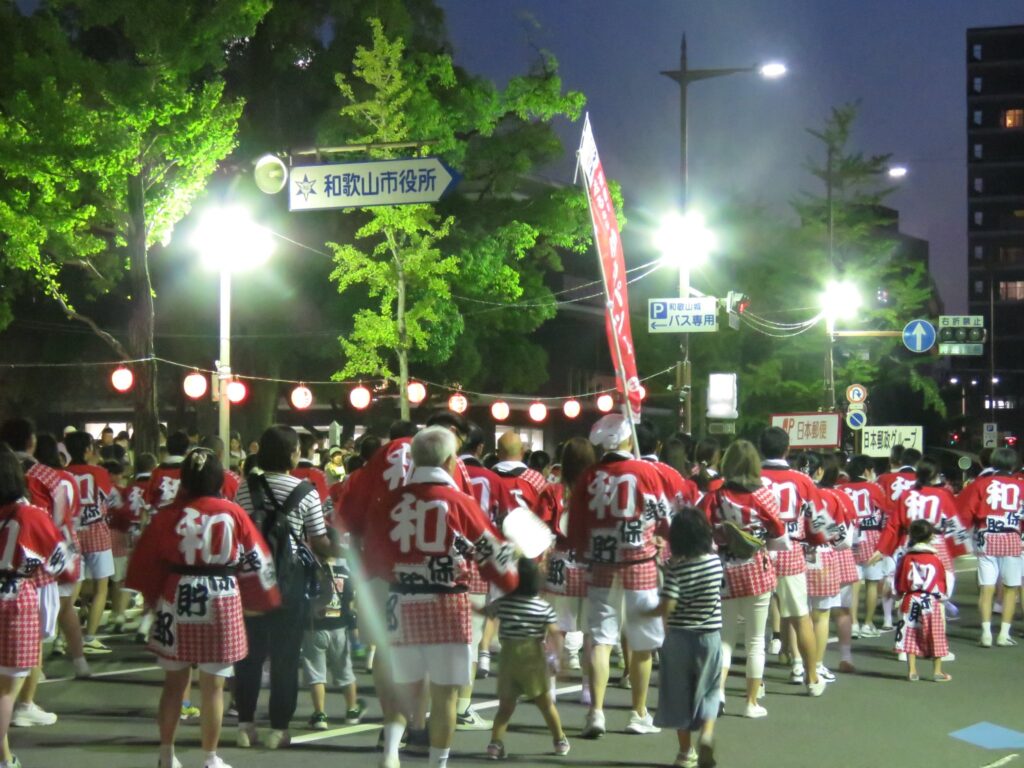
One of the greatest advantages of having a local guide is gaining access to the context that is often missing from conventional sightseeing.
Consider a visit to a traditional Japanese town.
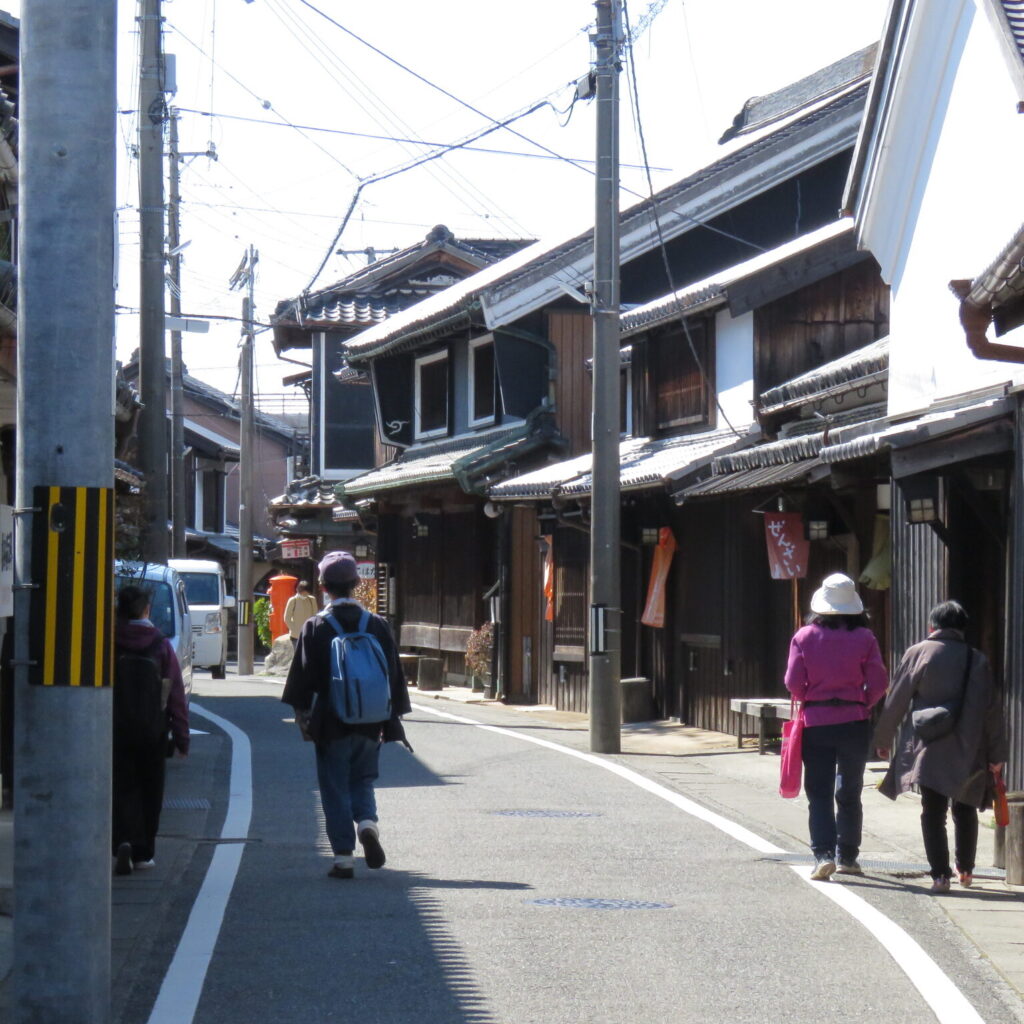
You might notice narrow streets, wooden buildings, old warehouses, and small family-run shops. Without additional information, these may simply appear to be attractive remnants of the past. But with the right interpretation, the same streets can reveal an entirely different story.
Why did merchants settle here?
What products made the town prosperous?
How did geography influence its industries?
Why did certain architectural styles develop?
How have local businesses adapted to modern life?
These questions transform the way you experience a destination.
History Is Often Hidden in Everyday Places
Some of Japan’s most interesting cultural stories are not necessarily found inside major museums.
They can be discovered in:
- Small neighborhood shrines
- Traditional food producers
- Old merchant houses
- Local markets
- Fishing harbors
- Rural agricultural landscapes
- Historic roads connecting villages
A local guide can help interpret these places and explain how their history continues to influence the community today.
This is particularly valuable in regional Japan, where the relationship between historical traditions and contemporary life is often still visible.
3. Experience Everyday Japan, Not Just Tourist Japan
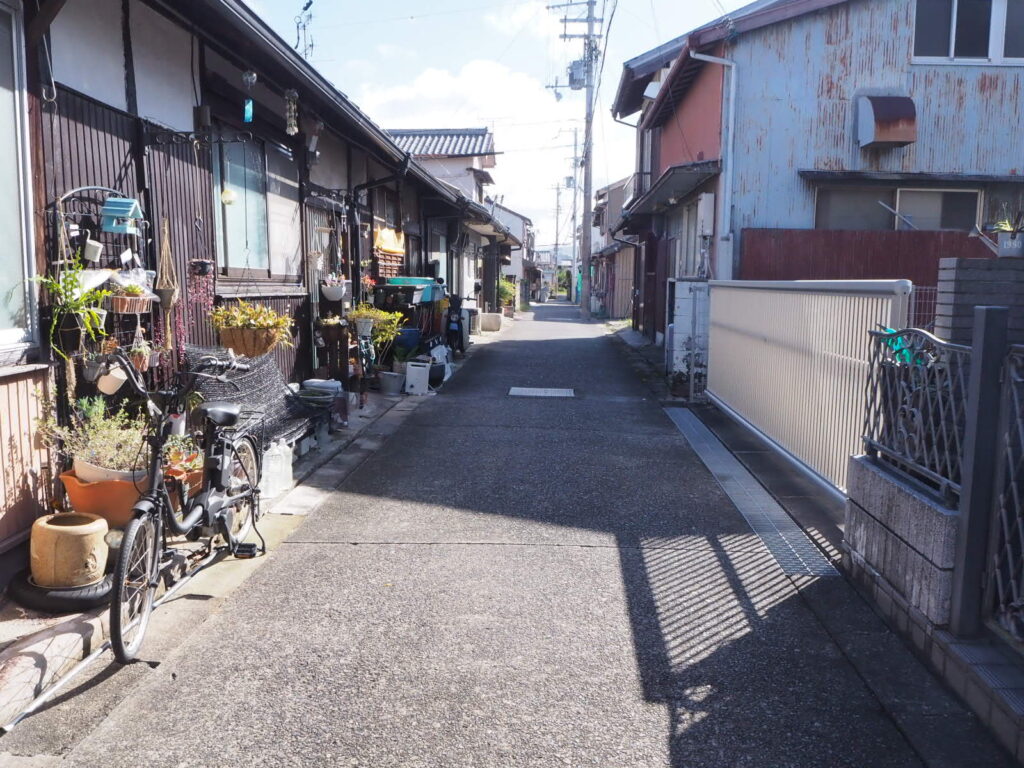
Many travelers come to Japan hoping to experience something authentic.
However, authenticity is not always easy to find.
Some cultural experiences are designed specifically for visitors. Others take place within communities where traditional practices remain part of everyday life.
There is nothing wrong with organized cultural activities, but the experience can become much richer when you understand the people and communities behind them.
A local guide can help you discover places where daily life continues beyond the tourist itinerary.
For example:
Visit a Local Fishing Village
Rather than simply photographing the coastline, explore a working fishing community.
Learn how the harbor operates, discover the relationship between fishing seasons and local cuisine, and understand how the sea has shaped the identity of the town.
Discover Traditional Food Production
Visit a soy sauce brewery, sake producer, or local food manufacturer.
Instead of simply tasting the products, learn about the ingredients, production methods, and historical circumstances that made these industries possible.
Explore Traditional Craftsmanship
Meet local craftspeople and discover how traditional techniques are maintained, adapted, and passed between generations.
In places like Kuroe, lacquerware is not just an object to purchase. It is part of a wider story about craftsmanship, manufacturing, and everyday Japanese life.
These encounters offer a perspective that is difficult to gain from guidebooks alone.
4. A Private Guide Allows You to Travel at Your Own Rhythm
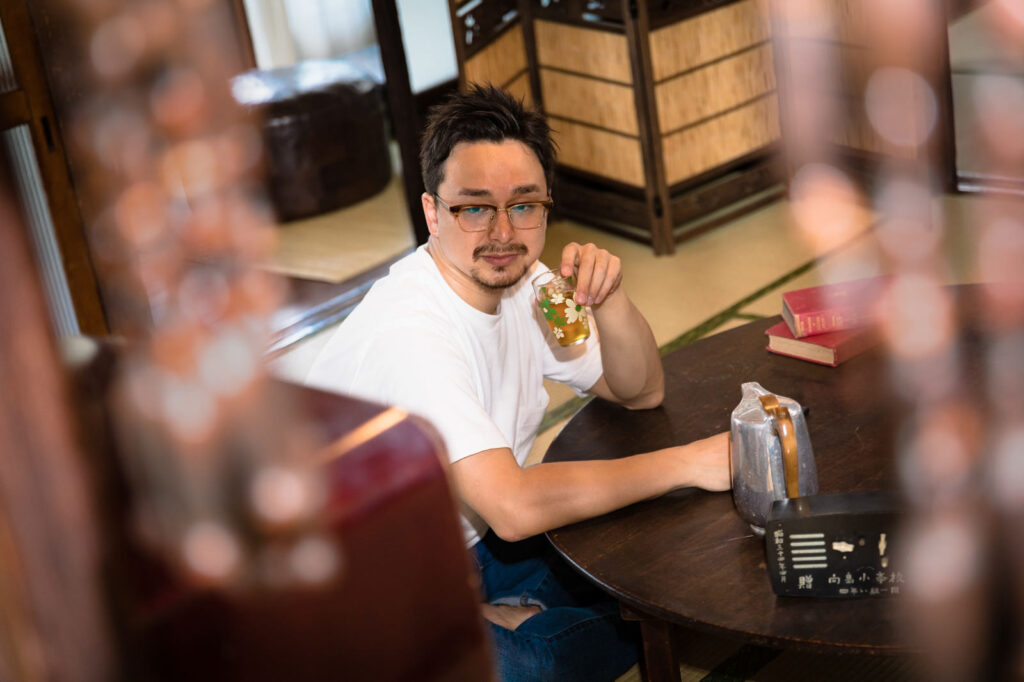
One of the biggest differences between group tours and private tours is the freedom to adjust the pace.
Group tours generally follow a predetermined schedule.
This is practical when you want to visit several major attractions within a limited period.
However, not every traveler wants to spend the same amount of time at every destination.
Some people enjoy photography and need additional time to explore a landscape.
Others are interested in architecture, local food, religious history, or traditional craftsmanship.
Families may need a more flexible schedule, while older travelers may prefer shorter walks and longer breaks.
A private guide can adapt the journey to these different preferences.
For example:
- Spend more time exploring a historic neighborhood.
- Take a longer break at a traditional café.
- Adjust a hiking route according to your physical condition.
- Visit a local producer whose work matches your interests.
- Include an additional cultural activity when time permits.
- Change the schedule according to weather conditions.
This flexibility is particularly valuable when traveling through rural areas, where the most interesting experiences are not always located next to major train stations or tourist attractions.
A good private journey is not necessarily one that visits the greatest number of places.
It is one that allows you to experience each place at the right pace.
5. Local Knowledge Makes Regional Japan More Accessible
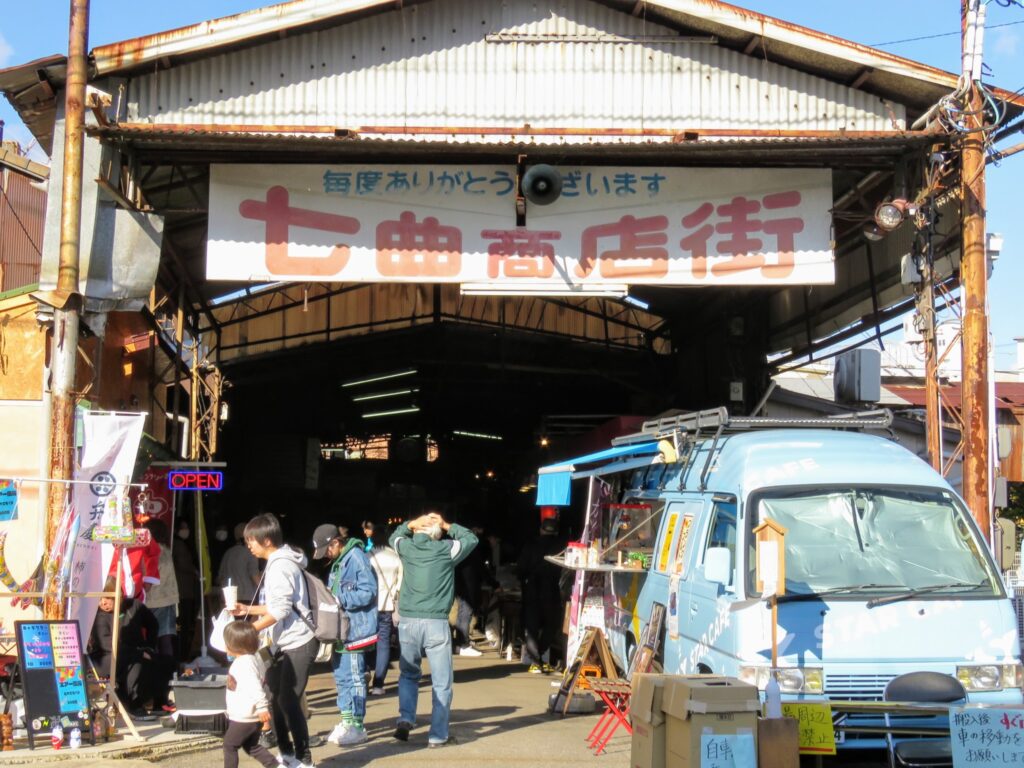
Traveling independently in Japan can be rewarding, but regional travel sometimes presents challenges.
Public transportation may be less frequent than in major cities. Some cultural experiences require advance arrangements or Japanese-language communication. Smaller establishments may not have English information.
Even when transportation is available, understanding how to combine several locations into a meaningful day can require considerable research.
A local guide can help bridge these gaps.
Navigating Places Beyond the Main Tourist Routes
A guide familiar with the region can suggest alternative routes, explain local transportation options, and help you understand the practical details of visiting smaller communities.
Communicating with Local People
Language is not only about translating words.
It is also about understanding social customs, explaining cultural differences, and helping visitors communicate naturally with local people.
A guide can provide this cultural interpretation and make interactions more comfortable for both visitors and residents.
Discovering Opportunities You Might Otherwise Miss
A small workshop, a seasonal food experience, or a quiet walking route may not appear prominently in international travel guides.
Local knowledge helps identify these opportunities and determine whether they are suitable for your interests and schedule.
The result is not simply a more convenient trip.
It is a journey with more possibilities.
6. The Best Private Tours Are Built Around Your Interests
A private tour should not simply be a standard sightseeing itinerary with a dedicated guide.
Its real value lies in the ability to build a journey around what interests you.
Consider some different ways to experience Japan.
For History and Cultural Heritage Enthusiasts
Explore historic towns, religious sites, ancient pilgrimage routes, and the relationship between local communities and Japan’s historical development.
In Wakayama, this might include Koyasan, Kumano Kodo, Yuasa, or the historic cultural landscape of Wakaura.
For Food and Gastronomy Lovers
Discover regional ingredients, fermentation traditions, local producers, seafood, and the cultural background of Japanese cuisine.
Rather than visiting restaurants alone, explore the relationship between food, landscape, and local history.
For Nature and Outdoor Enthusiasts
Combine hiking, cycling, coastal exploration, and rural landscapes with an understanding of the communities that inhabit these environments.
A walk can become an opportunity to learn about pilgrimage, mountain worship, agriculture, or traditional land use.
For Craft and Design Enthusiasts
Explore traditional manufacturing, local materials, craftsmanship, and the relationship between Japanese aesthetics and everyday objects.
You might visit a lacquerware town, discover traditional workshops, or participate in a hands-on cultural experience.
For Travelers Seeking a Slower Experience
Spend more time in one region rather than constantly moving between major destinations.
Enjoy local cafés, explore neighborhood streets, discover seasonal food, and experience the rhythm of everyday life.
These interests do not have to be treated separately.
A carefully designed private journey can combine several of them into one coherent experience.
7. Why Consider Wakayama for a Private Journey in Japan?

If you are looking for a different side of Japan, Wakayama is an especially interesting region to explore.
Located south of Osaka, Wakayama is accessible from Kansai International Airport and the major cities of the Kansai region.
Yet its cultural landscape is remarkably diverse.
The prefecture includes sacred mountains, ancient pilgrimage routes, historic merchant towns, fishing villages, coastal landscapes, traditional industries, and agricultural communities.
It is also home to several internationally recognized cultural destinations.
Koyasan: The Spiritual World of Japanese Buddhism
Founded by Kobo Daishi in the ninth century, Koyasan is one of Japan’s most important Buddhist centers.
Beyond its famous temples and Okunoin cemetery, the surrounding region reveals the historical relationship between religious institutions, pilgrimage routes, and communities at the foot of the mountain.
Kumano Kodo: Walking Through a Living Spiritual Landscape
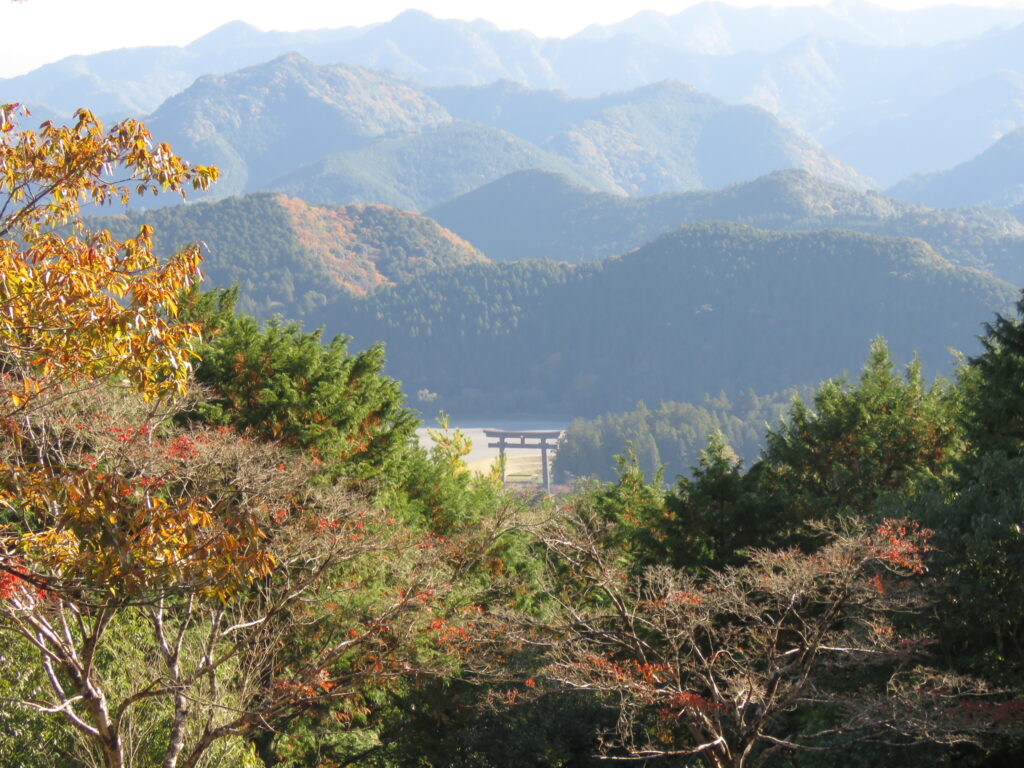
The Kumano Kodo pilgrimage routes connect sacred destinations across the Kii Peninsula.
Walking these routes is not simply a hiking experience. It offers an opportunity to explore the relationship between mountains, spirituality, nature, and centuries of pilgrimage.
Yuasa: The History of Japanese Soy Sauce
Yuasa is widely recognized as the birthplace of Japanese soy sauce.
Its historic streets and traditional breweries provide an opportunity to discover the development of Japanese fermentation culture and the importance of regional food production.
Wakaura: A Cultural Landscape by the Sea
Wakaura has inspired poets and artists for centuries.
Its coastal scenery, historical associations, temples, and shrines offer a different perspective on Japanese cultural landscapes, particularly the relationship between nature and artistic expression.
Kuroe: Where Traditional Craft Meets Everyday Life
The town of Kuroe is known for Kishu lacquerware.
Here, visitors can explore how traditional craftsmanship developed alongside local manufacturing and how lacquerware continues to connect Japanese aesthetics with everyday life.
These destinations are different from one another, but they share an important characteristic.
Each offers an opportunity to understand Japan through the relationship between people, place, history, and everyday culture.
8. A Local Guide Can Help You Connect the Dots

Imagine spending several days exploring the Kii Peninsula.
You begin with a walk through a historic merchant town.
The following day, you visit a traditional food producer and discover how local ingredients and fermentation techniques developed.
Later, you walk through a section of an ancient pilgrimage route before spending time in a mountain temple town.
Individually, these experiences are interesting.
But when someone helps you understand the connections between them, the region begins to reveal a much larger story.
You start to recognize how geography influenced trade, how religious traditions shaped communities, how food developed around local resources, and how cultural practices continue to influence everyday life.
This is the difference between simply visiting several destinations and experiencing a region as a connected cultural landscape.
A local guide is not just someone who knows where to go.
The real value lies in understanding how the different elements of a place fit together.
9. How to Choose the Right Private Tour in Japan
Not all private tours offer the same kind of experience.
Before making a reservation, consider what you actually want from your journey.
Here are several questions worth asking.
Does the guide have local knowledge?
A guide who regularly works in a particular region may offer insights that go beyond general historical information.
Can the itinerary be adapted to your interests?
Look for a service that allows you to discuss your interests, preferred pace, and priorities before the journey.
Does the experience go beyond famous attractions?
Consider whether the tour introduces local communities, traditional industries, food culture, and lesser-known places.
Can the guide provide cultural interpretation?
Language assistance is useful, but understanding cultural context is equally important.
Is the schedule flexible?
A good private experience should allow enough time for unexpected discoveries and meaningful encounters.
Is the service clearly explained?
Check what is included in the guiding fee and what needs to be arranged or paid for separately, such as transportation, meals, accommodation, and activity fees.
Ultimately, the right guide is someone whose knowledge, interests, and approach to travel match the kind of experience you want.
10. Discover Wakayama Through a Curated Private Journey
At Tamatransmission, we believe that the most meaningful way to explore Japan is not always to visit more places.
It is to experience them more deeply.
Based in Wakayama City, we offer private guiding and curated journeys throughout Wakayama Prefecture and the wider Kii Peninsula.
Our approach is built around the idea of Rhythm of Life.
Every region has its own rhythm, shaped by its landscape, history, food, traditions, and the people who live there.
Rather than following a fixed sightseeing itinerary, we help travelers discover these connections through experiences tailored to their interests.
Curated Kii Peninsula Journey
Our main private guiding service is designed for travelers who want more than conventional sightseeing.
Depending on your interests, your journey might include:
- Exploring the sacred temples and historical landscapes of Koyasan.
- Walking sections of the Kumano Kodo and discovering the stories of pilgrimage.
- Visiting traditional merchant towns and exploring the history of Japanese fermentation.
- Discovering fishing villages and coastal communities.
- Experiencing traditional Japanese craftsmanship and cultural activities.
- Enjoying regional cuisine and understanding the relationship between food and place.
- Exploring lesser-known landscapes and communities beyond the main tourist routes.
You can choose a half-day, six-hour, or full-day guiding experience, or discuss a journey spanning several days.
The itinerary is developed through conversation, taking into account your interests, available time, preferred pace, and the experiences you would like to include.
More Than a Sightseeing Tour
Some travelers come to Wakayama specifically to visit Koyasan or walk the Kumano Kodo.
Others are interested in Japanese food culture, traditional craftsmanship, nature, photography, or simply experiencing a quieter side of Japan.
You do not need to know exactly where to go before contacting us.
Tell us what interests you, and we can explore how those interests connect with the cultural and natural landscape of Wakayama.
Our role is to provide local knowledge, cultural interpretation, guiding, and support for experiences with local professionals.
We want you to experience not only the places themselves, but also the stories and everyday life that give them meaning.
Final Thoughts: Travel Is About More Than Where You Go
Japan has an extraordinary number of places worth visiting.
You can spend weeks exploring its famous temples, gardens, historic cities, and natural landscapes.
But some of the most memorable moments of a journey happen away from the main attractions.
A conversation with a craftsperson.
A walk through a quiet fishing village.
The story behind a local dish.
An unexpected view from an old pilgrimage route.
A better understanding of why a particular community developed where it did.
These moments are not always easy to plan in advance.
Sometimes, they happen because someone who knows the region helps you see opportunities that you might otherwise overlook.
A private local guide can make your journey more than convenient or comfortable.
They can help you understand a place, connect with its people, and experience a different rhythm of life.
And sometimes, that is what makes a journey truly unforgettable.
Explore Japan Beyond the Usual Tourist Routes
Interested in discovering a different side of Japan?
Explore Wakayama and the Kii Peninsula through a private journey designed around your interests.
Discover the region at your own pace. Experience its living culture. Find your own rhythm of life.
[Explore Curated Kii Peninsula Journey]
[Contact Me to Plan Your Private Journey]
Related Posts
- Tailor-Made Japan Tours: How to Travel Beyond Tokyo, Kyoto and Osaka
- Yuasa Travel Guide: Discover the Birthplace of Shoyu Soy Sauce
- Slow Travel in Japan: 7 Places to Experience Local Life
- Why Wakayama Is One of Japan’s Best Destinations for Slow Travel
Related posts:

Japan Fishing Experiences: 7 Places to Fish and Eat What You Catch

Japanese Tableware for Restaurants: 6 Craft Traditions Behind Japan’s Dining Culture
Why Stay in One Place When Traveling in Japan?

Traditional Crafts to Experience in Japan: 7 Hands-On Experiences Beyond the Tourist Trail
Samurai Experiences in Japan: Where to Dress Like a Samurai and Learn Swordsmanship
No responses yet