
Discover Local Life, Living Traditions, and the Stories Behind Japan’s Regions
Japan is a country of extraordinary sights. Ancient temples, historic castles, neon-lit cities, and beautifully preserved streets attract travelers from around the world. Yet some of the most memorable experiences in Japan happen away from its famous landmarks.
Imagine spending a morning in a small fishing village, watching the boats return with their catch. Visiting a family-run brewery to discover how generations of craftspeople have developed the art of fermentation. Walking along an old pilgrimage route that connects rural communities, or sitting in a neighborhood café where local residents begin their day.
These experiences offer something different from conventional sightseeing. They reveal how people live, how traditions survive, and how the character of a place has been shaped by its landscape and history.
If you want to experience the real Japan, the key is not simply to visit more places. It is to discover the connections between them.
Here are seven ways to experience Japan beyond its most famous tourist attractions.
1. Visit a Fishing Village and Discover Japan’s Coastal Life
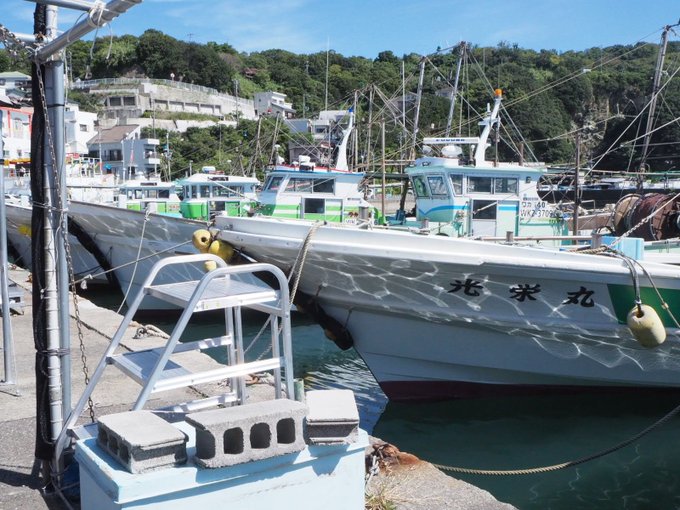
Japan is an island nation, and its relationship with the sea extends far beyond sushi restaurants and seafood markets.
For centuries, fishing communities have developed distinctive ways of living around local coastlines. Their houses, working harbors, food traditions, and even the rhythms of daily life reflect the conditions of the surrounding sea.
Visiting a fishing village allows you to see this relationship firsthand.
Rather than simply stopping at a seafood restaurant, take time to walk through the village. Observe how houses are arranged around narrow lanes, notice the boats moored in the harbor, and look for the small businesses that support the local fishing industry.
You may discover that the village’s most interesting stories are not found on information boards. They emerge from the relationship between the landscape, the people who work there, and the traditions that have developed over generations.
Where to experience it
Saikazaki, Wakayama
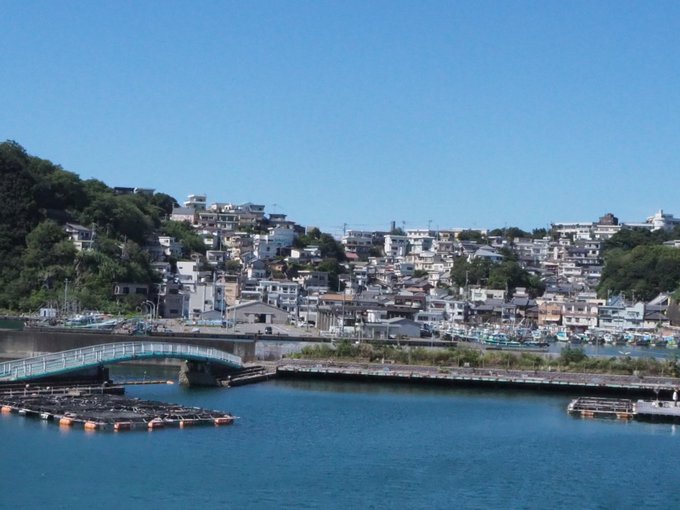
Located on the coast of Wakayama City, Saikazaki is a fishing community known for its distinctive houses built along steep hillsides overlooking the harbor. The dense arrangement of buildings creates a landscape quite different from the orderly streets of many Japanese towns.
The village offers an opportunity to explore how geography influences everyday life. Its narrow lanes, harbor, and hillside houses reveal a community shaped by the practical demands of living beside the sea.
Ine, Kyoto Prefecture
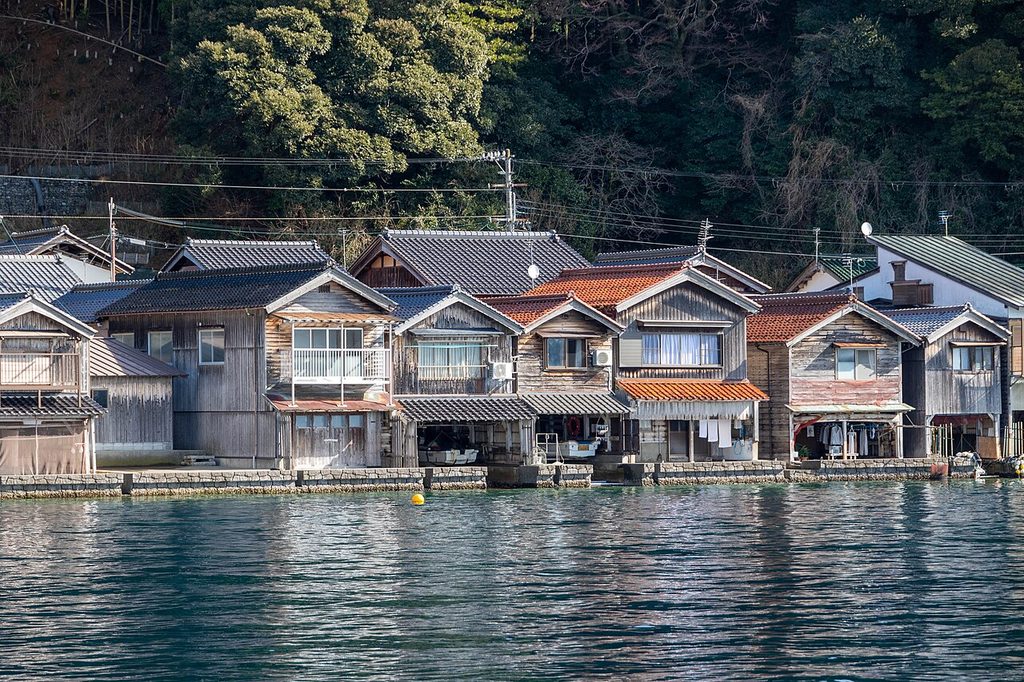
Ine is famous for its funaya, traditional boat houses that stand directly along the waterfront. The buildings reflect the close relationship between fishing, transportation, and domestic life.
Although increasingly popular with visitors, Ine remains an important example of Japan’s maritime heritage.
Hagi, Yamaguchi Prefecture
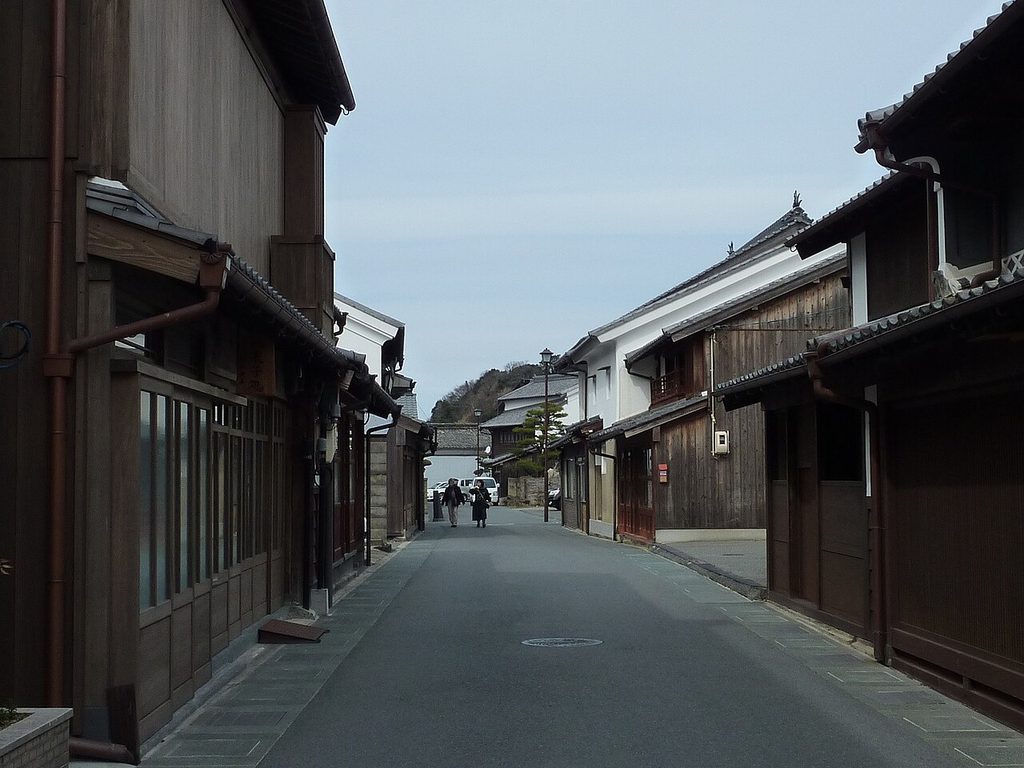
Hagi is known for its historic castle town, but its surrounding coastal communities also offer insight into regional fishing traditions and the relationship between local food and the sea.
How to experience coastal life more deeply
Consider combining a village walk with a visit to a local market, a seasonal seafood meal, or a conversation with someone involved in the fishing industry, where opportunities are available.
The goal is not to treat a working village as an outdoor museum. It is to understand the relationship between its people and their environment while respecting the privacy and routines of local residents.
Related post:7 Fishing Villages in Japan: Where to Experience Local Life by the Sea
2. Explore Traditional Craftsmanship Where It Still Lives

Japanese craftsmanship is often presented through finished products: lacquerware, ceramics, textiles, knives, and beautifully crafted wooden objects.
But the objects themselves tell only part of the story.
To understand a traditional craft, it helps to visit the place where it developed. Local materials, historical trade routes, specialized skills, and changing consumer needs all influence how a craft evolves.
A lacquerware bowl, for example, represents more than the skill of an individual artisan. It may also reflect generations of technical knowledge, regional production networks, and the changing role of traditional objects in Japanese homes.
Visiting a craft-producing town allows you to see these connections.
Where to experience it
Kuroe, Wakayama Prefecture
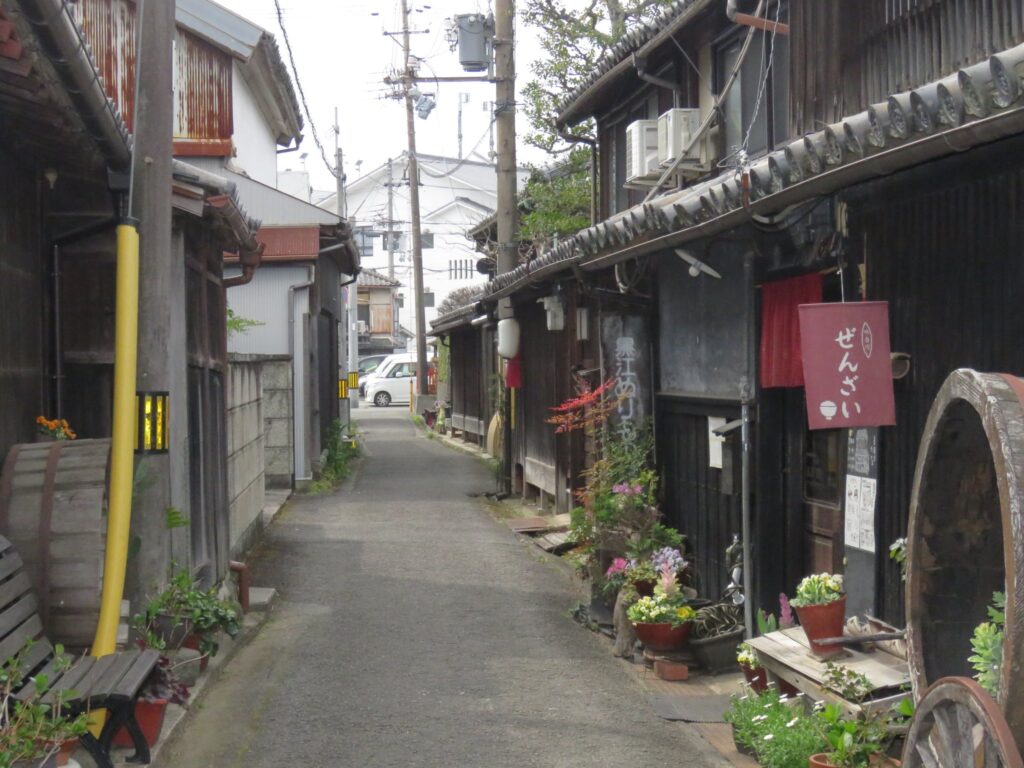
Kuroe, in Kainan City, is known for Kishu lacquerware. The town’s traditional streets and craft businesses reflect a long history of lacquerware production.
One of the most interesting aspects of Kishu lacquerware is its diversity. The tradition encompasses practical lacquered household goods as well as more elaborate decorative works.
Depending on the workshop and available programs, visitors may be able to learn about production methods or participate in activities such as maki-e, a decorative technique involving designs created with lacquer and metallic powders.
The experience becomes especially meaningful when you consider how lacquerware has served everyday life, rather than viewing it exclusively as a luxury art object.
Bizen, Okayama Prefecture
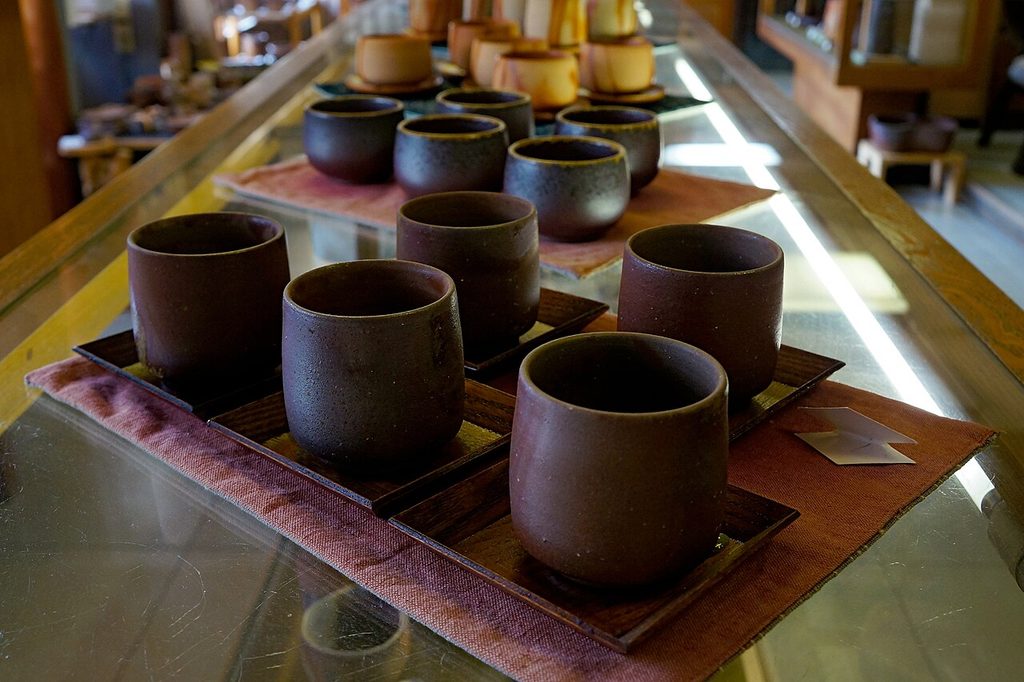
Bizen is internationally recognized for its unglazed stoneware pottery. Its distinctive appearance results from the interaction between clay, firing conditions, and the individual potter’s decisions.
Visiting the area provides an opportunity to understand the relationship between local materials and a regional ceramic tradition.
Tsubame-Sanjo, Niigata Prefecture

This manufacturing region is known for metalworking, including knives, tools, and tableware. Its craftsmanship illustrates how traditional metalworking skills can continue to develop through modern manufacturing.
Look beyond the finished object
When visiting a craft town, ask how the materials are sourced, how the techniques have changed, and who uses the products today.
These questions reveal why certain crafts emerged in particular places and how they continue to adapt.
For travelers interested in Japanese design, food culture, or traditional manufacturing, such visits can offer a much deeper understanding than shopping alone.
Related post: Traditional Crafts to Experience in Japan: 7 Hands-On Experiences Beyond the Tourist Trail
3. Discover the Stories Behind Japanese Food

Japanese cuisine is one of the country’s most recognizable cultural exports. Yet many of its defining flavors originate in places that international visitors rarely encounter.
Regional food is shaped by climate, geography, agriculture, fishing, preservation techniques, and local trade.
Understanding these connections can transform a meal into a way of discovering a region’s history.
Consider soy sauce. Today, it is a familiar ingredient found in Japanese restaurants around the world. But its production involves a complex fermentation process, and the development of regional brewing traditions reflects centuries of accumulated knowledge.
Visiting a brewery can reveal how ingredients, water, microorganisms, wooden equipment, and the judgment of experienced producers contribute to the final flavor.
Where to experience it
Yuasa, Wakayama Prefecture
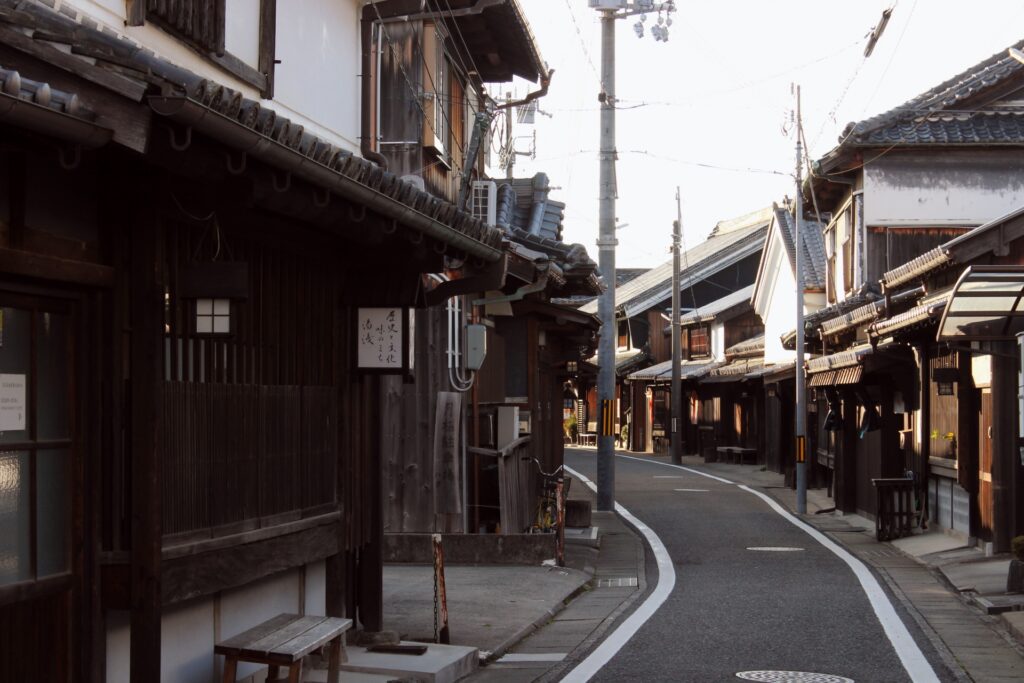
Yuasa is widely recognized for its historical association with the development of Japanese soy sauce brewing.
The town’s preserved streetscape and traditional brewing establishments provide a setting in which to explore the relationship between fermentation, regional history, and everyday Japanese cooking.
Rather than simply purchasing a bottle of soy sauce, visitors can investigate how a small coastal town became associated with a product now used throughout Japan.
A visit may include exploring the historic district, learning about traditional brewing methods, and tasting different products where available.
Kobe, Hyogo Prefecture
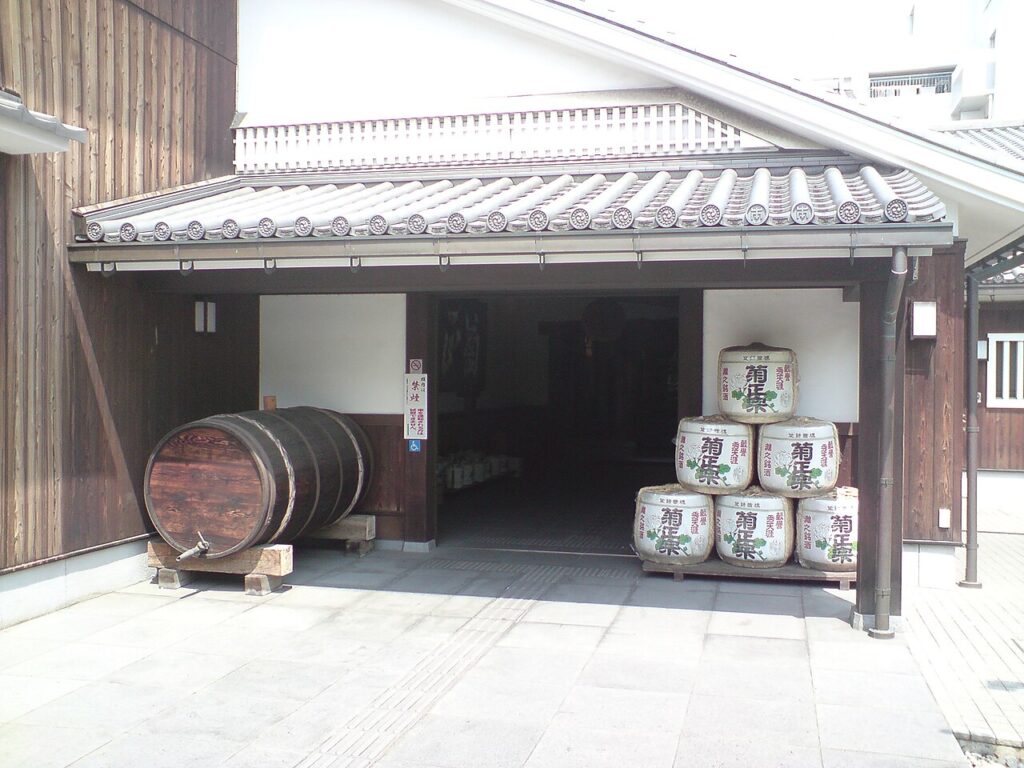
Kobe and the surrounding Nada area have a long history of sake production. The region’s brewing industry developed through a combination of water, rice, brewing expertise, and access to transportation networks.
Visiting a brewery offers insight into the technical and cultural dimensions of Japanese sake.
Katsuura, Wakayama Prefecture

The coastal area around Katsuura is associated with tuna fishing and seafood culture. Local food experiences can help visitors understand how the availability of marine resources influences regional cuisine.
Food is a starting point, not the whole experience
A regional food journey can connect several aspects of local life:
- The landscape where ingredients are produced.
- The techniques used to transform them.
- The historical networks through which products were traded.
- The ways local people prepare and enjoy them today.
This is particularly valuable in rural Japan, where food traditions often remain closely connected to local industries and seasonal rhythms.
If you are interested in Japanese cuisine, consider visiting the places behind the flavors you already know.
You may discover that the most memorable part of a meal is the story of how its ingredients came to exist.
Related post: A Year in Japan: Experiencing the Seasons, Food & Traditions of Local Life
4. Walk an Old Road and Experience Japan at a Different Pace
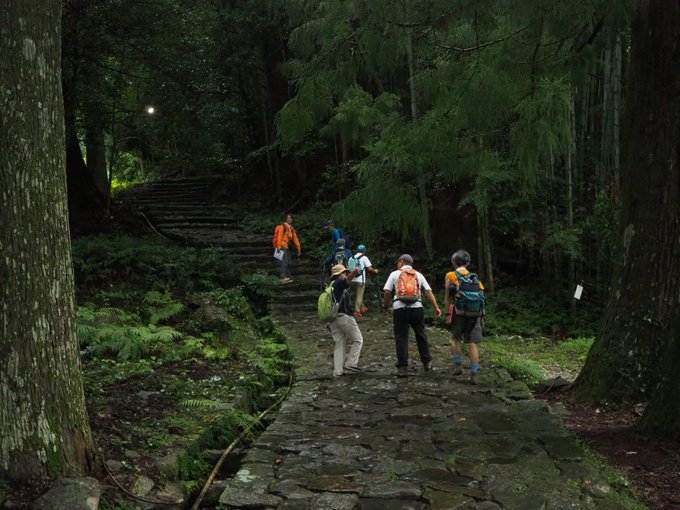
Japan’s historic roads connect more than destinations. They reveal how people traveled, traded, worshipped, and communicated before modern transportation transformed the country.
Walking along an old road offers a different perspective from visiting an individual temple or historic building.
The landscape unfolds gradually. A village appears around a bend, a small shrine stands beside the path, and an old house reveals traces of the community that once depended on passing travelers.
The experience is not necessarily about covering a great distance. Even a short section can reveal how geography and history shaped the surrounding settlements.
Where to experience it
The Kumano Kodo, Wakayama Prefecture
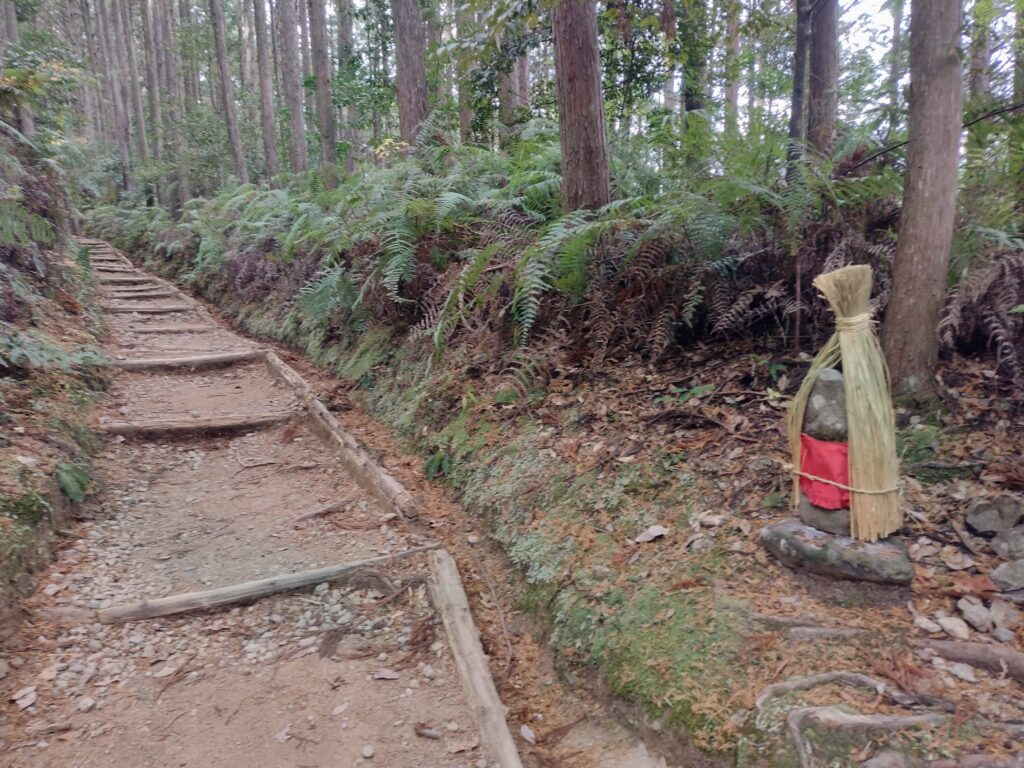
The Kumano Kodo is a network of pilgrimage routes connecting sacred sites in the Kii Peninsula. Together with the region’s sacred sites, the routes form part of the UNESCO World Heritage property Sacred Sites and Pilgrimage Routes in the Kii Mountain Range.
Many visitors focus on the Nakahechi route, which passes through mountain landscapes toward the Kumano Sanzan shrines.
However, the pilgrimage tradition can also be explored through other routes and communities.
The Kii-ji, Wakayama Prefecture
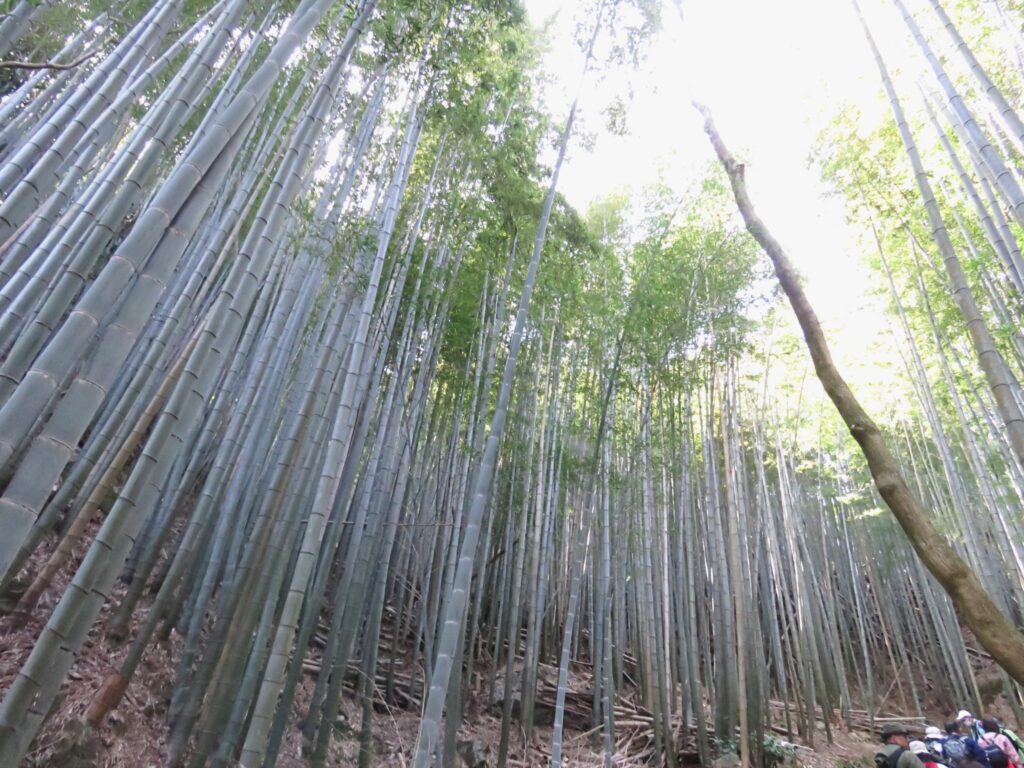
The Kii-ji formed part of the historic pilgrimage approach toward the Kumano region along the western side of the Kii Peninsula.
Sections of the route offer opportunities to explore the relationship between pilgrimage, coastal settlements, and local history.
For travelers seeking an accessible cultural walk, selected sections can provide an alternative to longer mountain hikes.
The Nakasendo, Central Japan
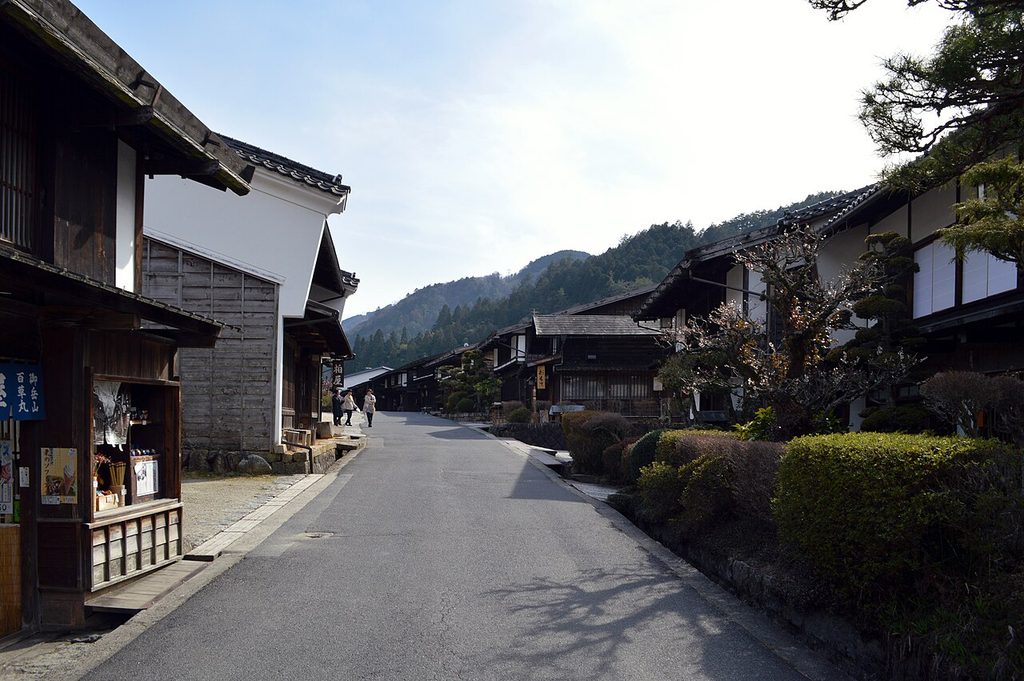
The Nakasendo connected Edo, present-day Tokyo, with Kyoto through the interior of central Japan. Some sections preserve historic post towns, where travelers can explore streets and buildings associated with the road’s former role.
Why walking changes the experience
When traveling by car or train, the spaces between destinations often disappear.
Walking brings them back into view.
You begin to notice the gradients of the land, the location of shrines, the arrangement of houses, and the ways settlements relate to rivers, mountains, and coastlines.
These details help explain why communities developed where they did.
A historic road is therefore more than a route to follow. It is an opportunity to understand how people moved through and experienced the Japanese landscape.
Related post: Best Hiking Destinations in Japan: 8 Places Beyond the Usual Trails
5. Spend Time in a Satoyama Landscape
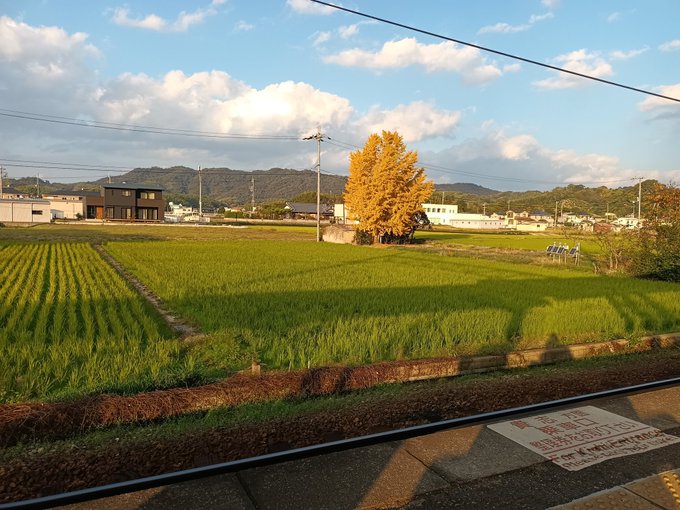
Japan’s countryside is often imagined as a landscape of rice fields, forests, and traditional houses.
But rural environments are not simply untouched nature. Many have been shaped over centuries by the interaction between people, agriculture, woodland management, and settlement.
The Japanese concept of satoyama describes landscapes in which villages, cultivated land, secondary forests, and other natural environments form an interconnected system.
These landscapes offer an opportunity to explore a different relationship with nature: one based not only on observation, but also on everyday use and care.
Where to experience it
Kinokawa, Wakayama Prefecture

The Kinokawa area is known for its agricultural production, particularly fruit cultivation.
Orchards, villages, farmland, and the surrounding mountains create a landscape in which agriculture remains a visible part of everyday life.
Depending on the season and available programs, visitors may be able to combine cycling or walking with fruit-related experiences, local food, or visits to agricultural communities.
The appeal lies in seeing how the landscape supports both production and daily life.
Hida, Gifu Prefecture

The Hida region offers a combination of mountain landscapes, rural settlements, and traditional architecture.
Its villages and surrounding agricultural environments provide insight into how people have adapted to living in a mountainous part of Japan.
The Noto Peninsula, Ishikawa Prefecture
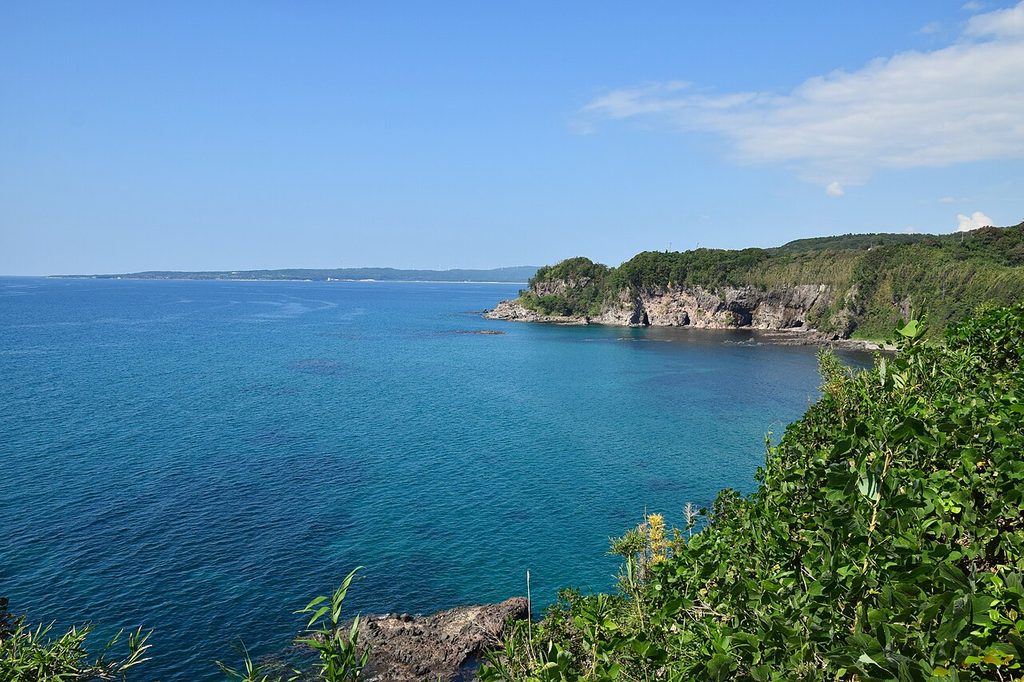
The Noto Peninsula has a distinctive rural and coastal landscape shaped by farming, fishing, and traditional settlement patterns.
It offers opportunities to explore the relationship between land, sea, and community, although travelers should check current local conditions and the availability of visitor experiences before planning a visit.
Experience the countryside through its rhythms
A meaningful visit to a rural area does not require an elaborate activity.
You might cycle along quiet agricultural roads, visit a local market, observe seasonal farming activities, or enjoy a meal prepared with regional ingredients.
The important thing is to pay attention to the relationship between the landscape and the people who maintain it.
For travelers accustomed to major cities, this can offer a different understanding of Japan: not as a collection of famous destinations, but as a country whose cultural identity is deeply connected to its varied regional environments.
Related post: Best Satoyama Destinations in Japan: 7 Places for Hiking, Cycling & Slow Stays
6. Visit a Neighborhood Café and Observe Everyday Japanese Life
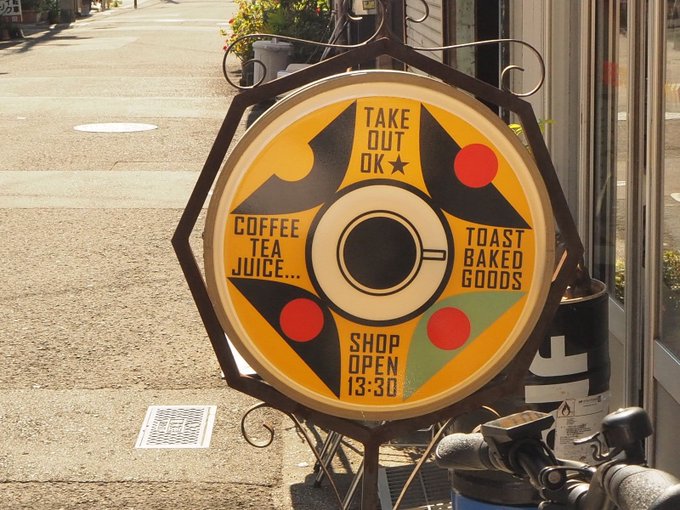
Not every meaningful cultural experience requires a historic monument or a specialist guide.
Sometimes, it begins with a cup of coffee.
Japan’s kissaten, traditional Japanese coffee shops, have long served as places where people read newspapers, meet friends, take a break from work, and establish familiar daily routines.
Many have distinctive interiors, carefully prepared coffee, and menus that reflect the tastes of earlier generations.
While contemporary specialty cafés attract considerable attention, older neighborhood coffee shops offer another perspective on Japanese food culture and social life.
Where to experience it
Wakayama City, Wakayama Prefecture
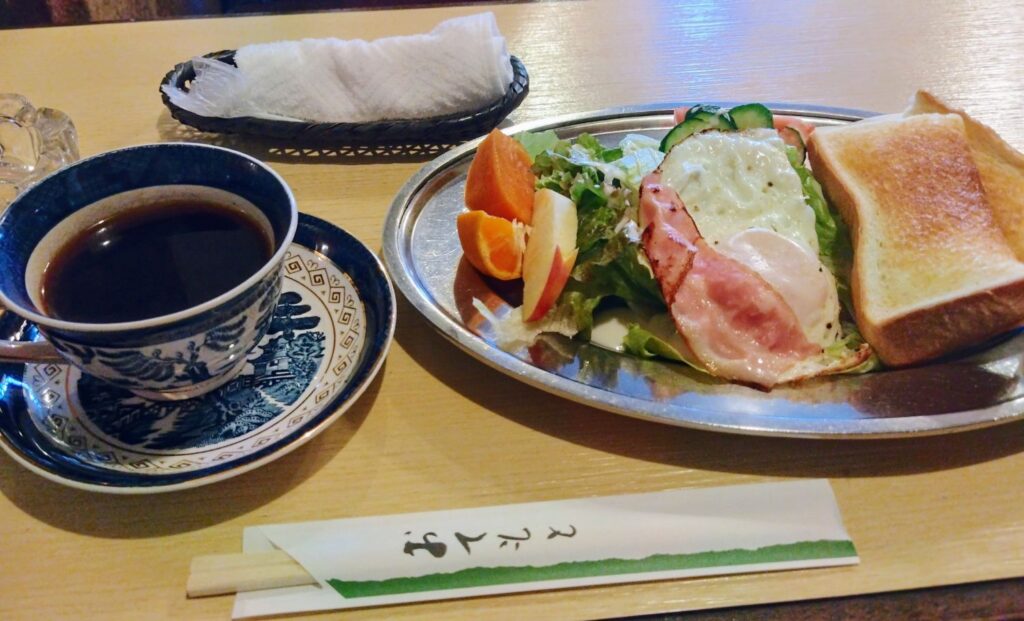
Wakayama City offers opportunities to explore local cafés alongside shopping streets, historic neighborhoods, and everyday urban life.
Rather than treating the city simply as a gateway to more famous destinations, spend time in its ordinary streets.
A morning might include coffee at a neighborhood kissaten, a walk through a shopping arcade, and a visit to a local market or historic site.
These activities reveal a side of Japan that is often overlooked by visitors moving rapidly between major attractions.
Osaka, Osaka Prefecture
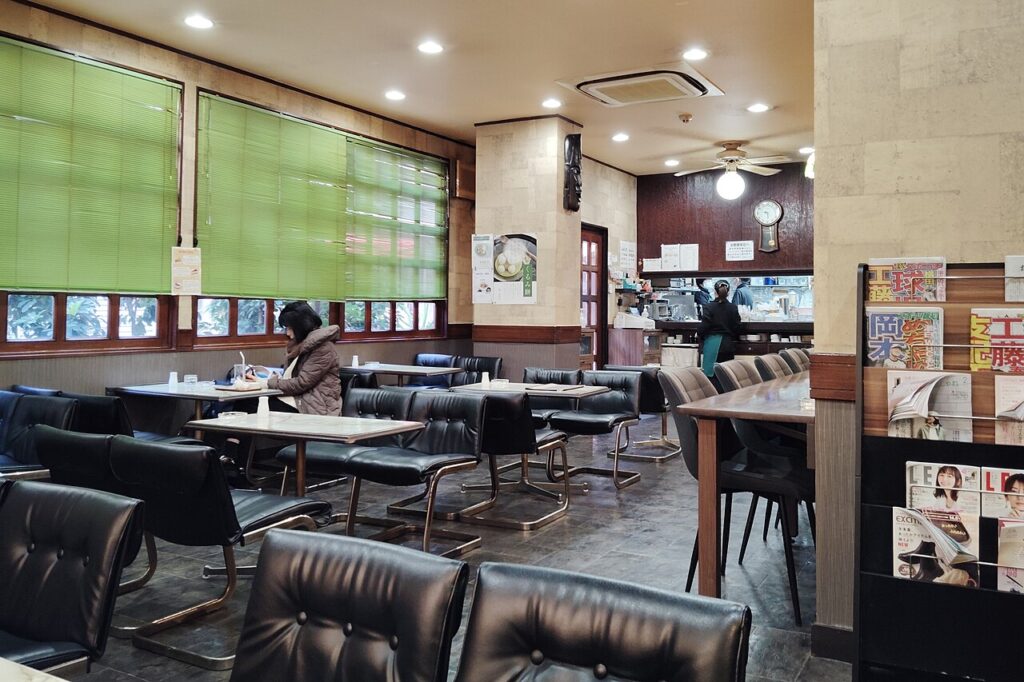
Osaka has a strong café culture, including traditional coffee shops with distinctive interiors and long-established local clientele.
Its neighborhood cafés can provide a window into the city’s everyday rhythms beyond its major commercial districts.
Nagoya, Aichi Prefecture
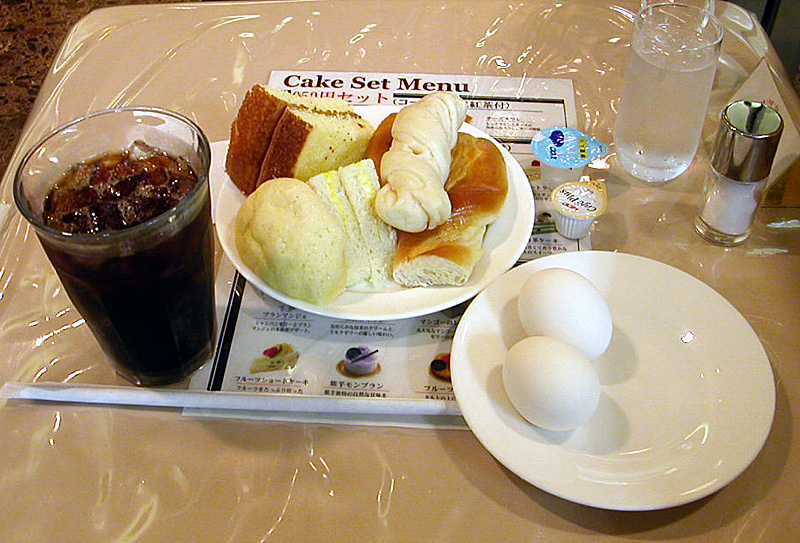
Nagoya is known for its distinctive café culture, including the tradition of morning service, in which a café may offer a small breakfast accompaniment with a morning drink.
This illustrates how everyday customs can vary considerably between Japanese regions.
Slow down and notice the details
When visiting a local café, pay attention to the atmosphere.
Is it a place where people work, read, or meet friends? Does the menu reflect a regional preference? How does the café fit into the surrounding neighborhood?
These observations may seem small, but they help build an understanding of local life.
You do not need to turn every moment into a cultural lesson. Sometimes, the most valuable experience is simply spending time in a place where people go about their ordinary routines.
That, too, is part of experiencing Japan.
Related post: Beyond Kyoto: Where to Experience Kimono in Japan
7. Join a Local Cultural Activity and Learn by Doing
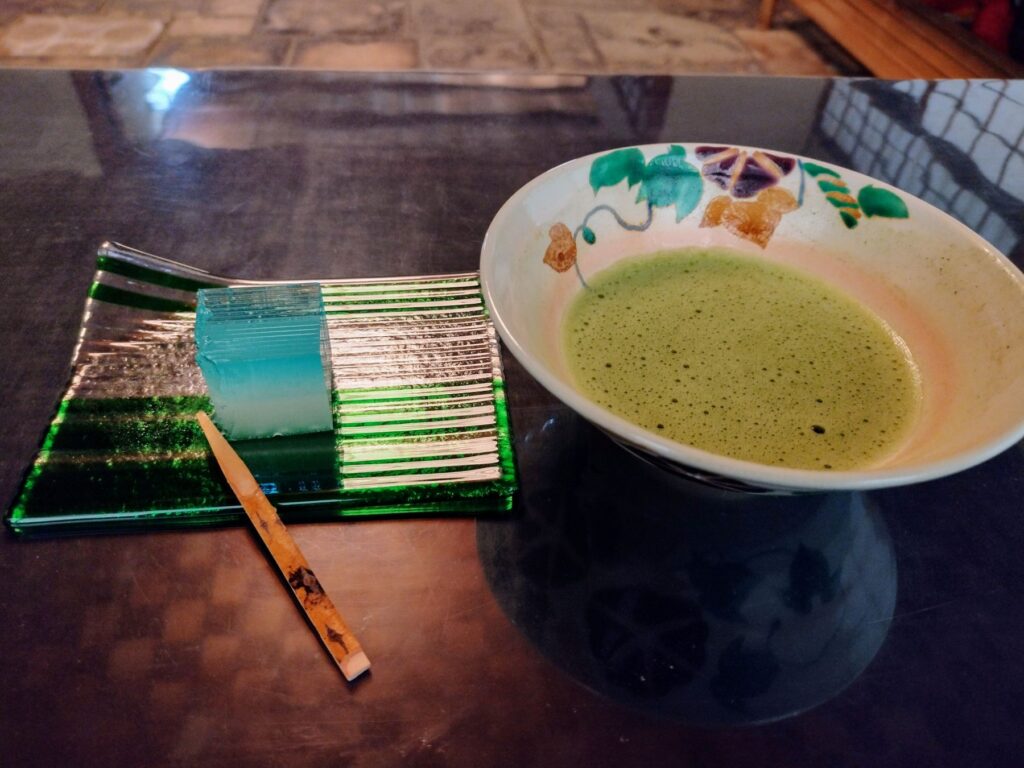
Watching a traditional performance or visiting a museum can introduce you to Japanese culture.
Participating in an activity offers a different kind of understanding.
When you try making a traditional sweet, practice calligraphy, learn a martial art, or participate in a craft workshop, you encounter the physical skills and decisions involved in maintaining a cultural tradition.
You also begin to appreciate that cultural practices are not simply historical objects. They depend on people who continue to teach, adapt, and practice them.
Where to experience it
Wakayama Prefecture
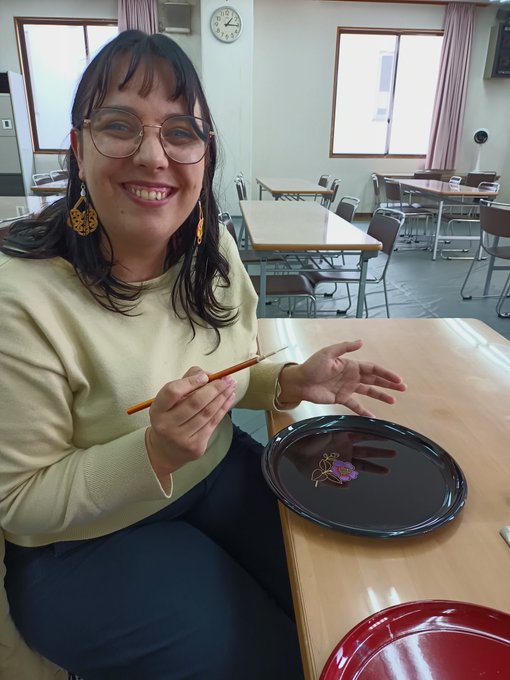
Wakayama offers a variety of potential cultural experiences, depending on location, provider, and availability.
Examples include:
- Wagashi making: Learn about the preparation of traditional Japanese sweets and their relationship with the seasons.
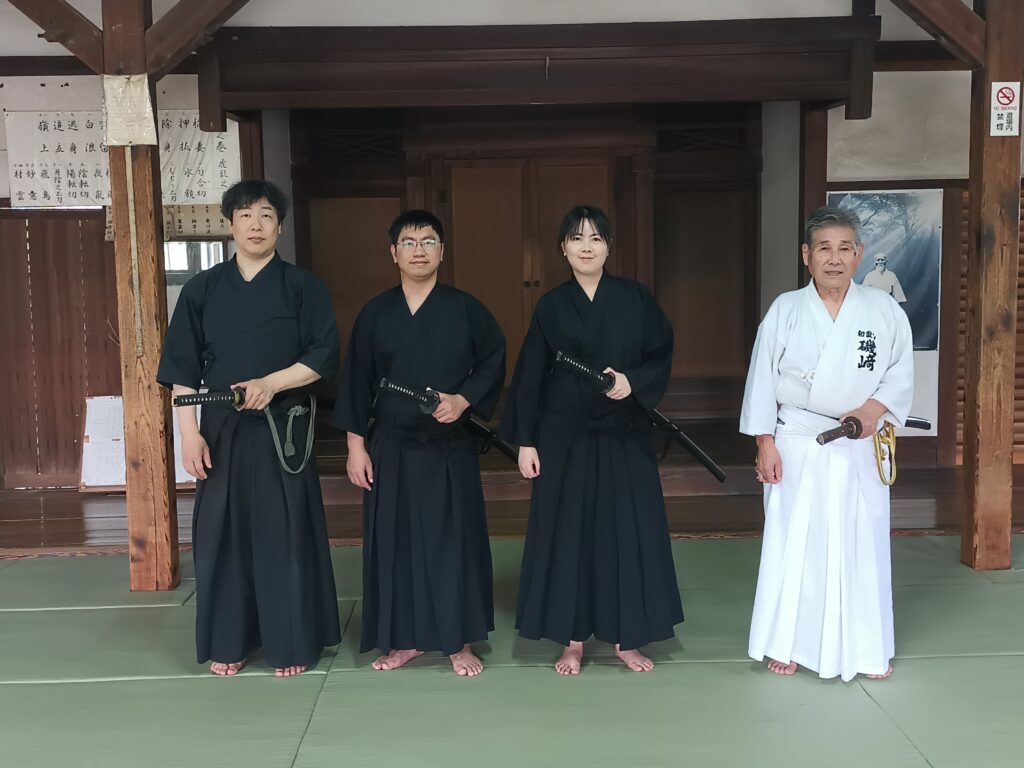
- Iaido: Experience aspects of traditional Japanese swordsmanship through a supervised introduction to the discipline.
- Washi papermaking: Discover the techniques involved in producing traditional Japanese paper.
- Taiko drumming: Explore the rhythms and physical techniques of Japanese ensemble drumming.
- Kimono and tea culture: Experience the relationship between traditional clothing, hospitality, and the preparation of tea.
- Kishu lacquerware: Learn about the materials and decorative techniques associated with Wakayama’s lacquerware tradition.
Specific programs vary, and advance arrangements may be necessary.
Kyoto, Kyoto Prefecture
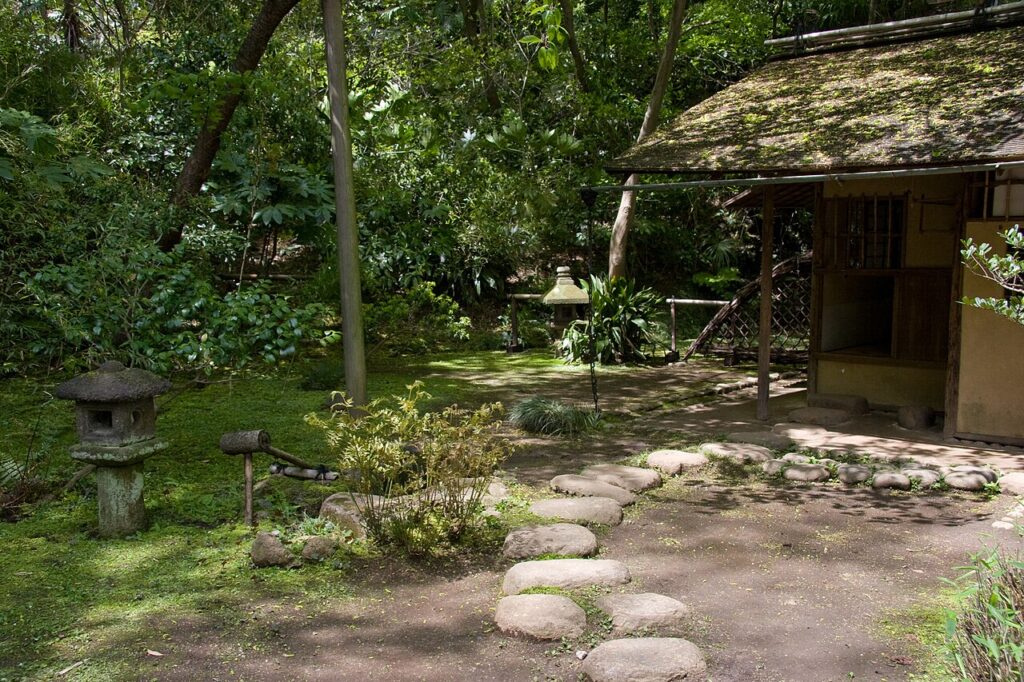
Kyoto offers opportunities to experience traditional arts such as tea ceremony, calligraphy, and various craft techniques.
The city is particularly useful for travelers who want an introduction to established cultural practices.
Kanazawa, Ishikawa Prefecture
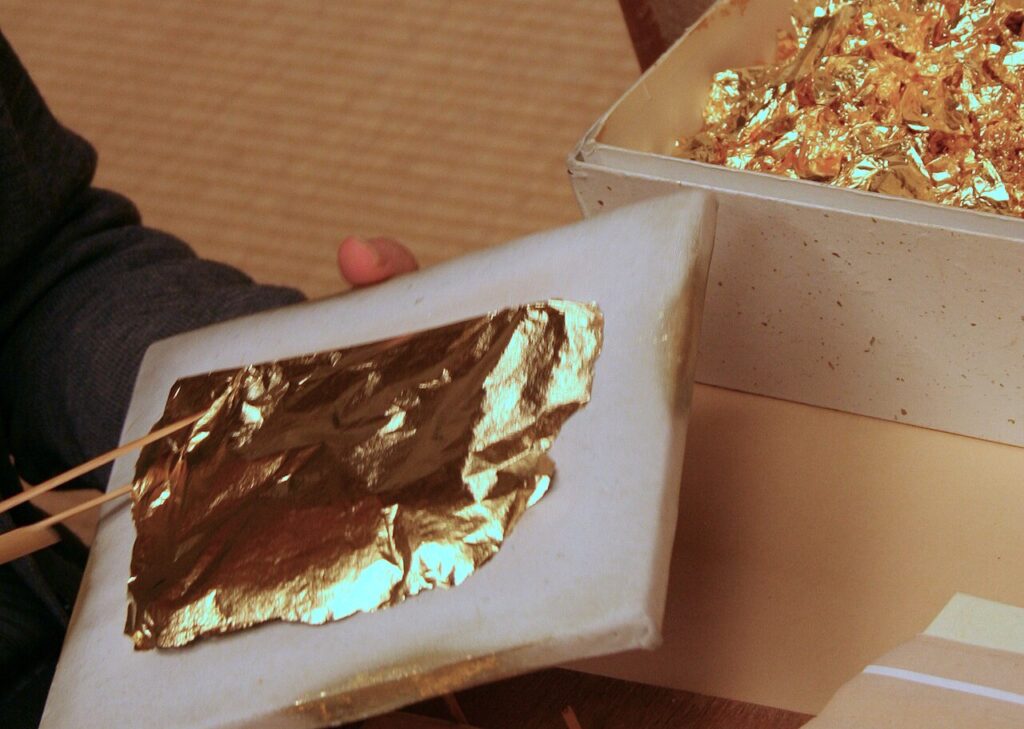
Kanazawa is known for its craft traditions, including gold leaf and lacquerware, as well as its historic districts and cultural institutions.
Visitors can explore how traditional artistic techniques continue to function in contemporary life.
Choose experiences that connect with the place
A cultural activity becomes more meaningful when it relates to the region you are visiting.
For example, learning about lacquerware in a town with a long history of lacquerware production provides a different perspective from taking a workshop without any regional context.
Similarly, a food-related activity can become more interesting when you understand the local ingredients and traditions behind it.
The aim is not to collect as many experiences as possible. It is to choose activities that help you understand something about the place.
Related post: Authentic Cultural Experiences Near Osaka: 7 Ways to Experience Traditional Japan
How to Plan a Trip Beyond Sightseeing
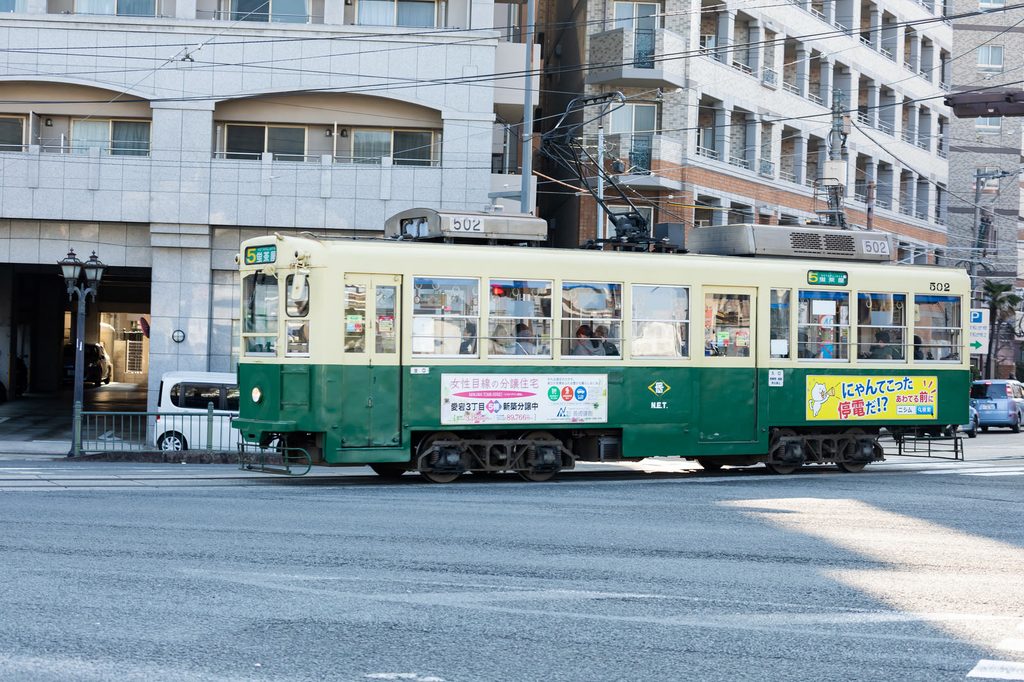
Experiencing the real Japan does not mean avoiding famous attractions altogether.
Temples, castles, museums, and historic districts remain important. The difference lies in how you organize your time around them.
Instead of treating each destination as a separate stop, consider building a journey around a theme.
For example, a trip focused on food might connect a historic brewing town, a fishing village, and a regional market.
A journey centered on pilgrimage could combine a section of an old road with a village walk, a local meal, and time to understand the surrounding landscape.
A craft-focused trip might include a traditional production town, a workshop, and opportunities to discover how local products are used in contemporary life.
Here are five practical principles to help you plan.
1. Stay longer in fewer places
Moving between destinations every day can make it difficult to understand their character.
Spending two or three nights in one region creates opportunities to explore different neighborhoods, discover local food, and return to places that interest you.
Even a single additional night can make a difference.
2. Explore the connections between places
Look beyond individual attractions.
Ask why a town developed where it did, how its industries evolved, and how its traditions relate to the surrounding landscape.
These connections often reveal the most interesting stories.
3. Include ordinary activities
A local café, a morning market, a walk through a residential neighborhood, or a ride on a local train can become an important part of your experience.
Not every activity needs to be a formal cultural program.
4. Choose seasonal experiences
Japan’s regional character changes throughout the year.
Fruit harvesting, fishing seasons, agricultural activities, festivals, and local food traditions can all influence what is available.
Researching the season before you travel helps you discover experiences that are closely connected to the time and place.
5. Respect the people who live there
Rural communities are not theme parks, and their residents are not performers whose role is to entertain visitors.
Be considerate when photographing people or private property, follow local guidance, and remember that some cultural practices may not be open to visitors.
A thoughtful approach helps ensure that tourism contributes positively to the places that make these experiences possible.
Why Wakayama Is a Good Place to Experience a Different Side of Japan
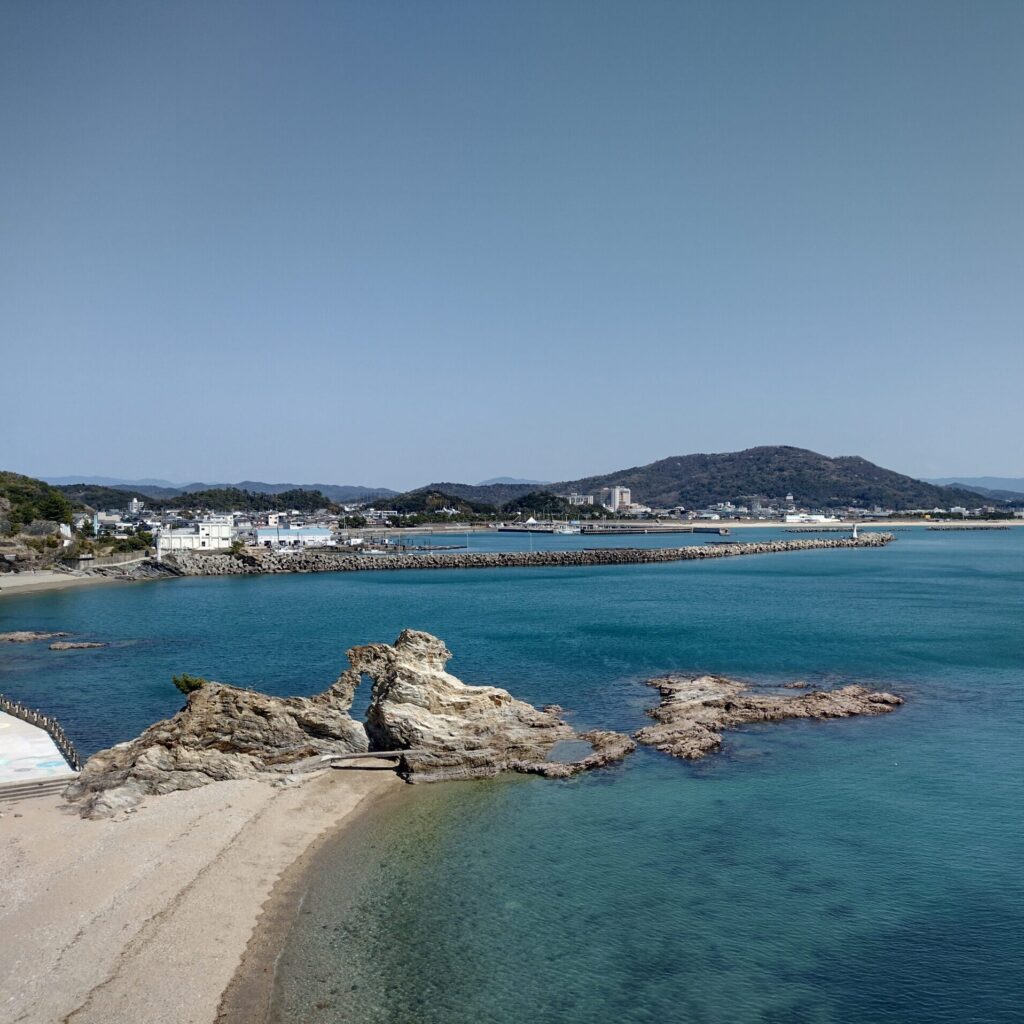
For travelers who want to go beyond conventional sightseeing, Wakayama offers an interesting combination of accessibility, cultural depth, and varied landscapes.
Located south of Osaka, the prefecture can be reached from the Kansai region by rail and road, with access also available through Kansai International Airport. Shirahama has its own airport, although flight availability and schedules should be checked when planning a journey.
Yet Wakayama feels different from Japan’s largest urban centers.
Its landscapes range from fishing villages and coastal scenery to agricultural plains, forested mountains, and historic pilgrimage routes. Its cultural traditions include Buddhist pilgrimage, fermentation, traditional craftsmanship, regional food, and everyday practices shaped by the sea and countryside.
Several areas are particularly worth exploring.
Wakayama City and Wakaura: Coastal Culture and Everyday Life
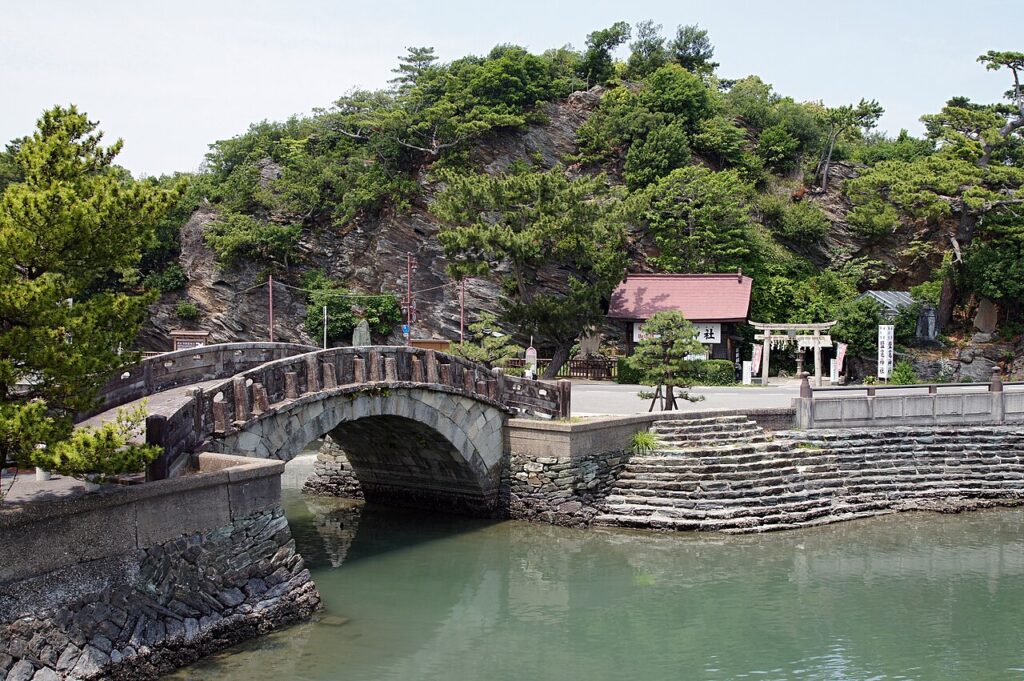
Wakayama City provides a practical base for exploring the region.
Beyond Wakayama Castle, the surrounding area offers opportunities to discover neighborhood cafés, local food, historic streets, and coastal communities.
Nearby Wakaura has a long history as a celebrated scenic landscape, associated with poetry, religious sites, and views of the sea.
Together, the city and coast offer a combination of everyday urban life and cultural landscapes.
Yuasa: The History of Fermentation
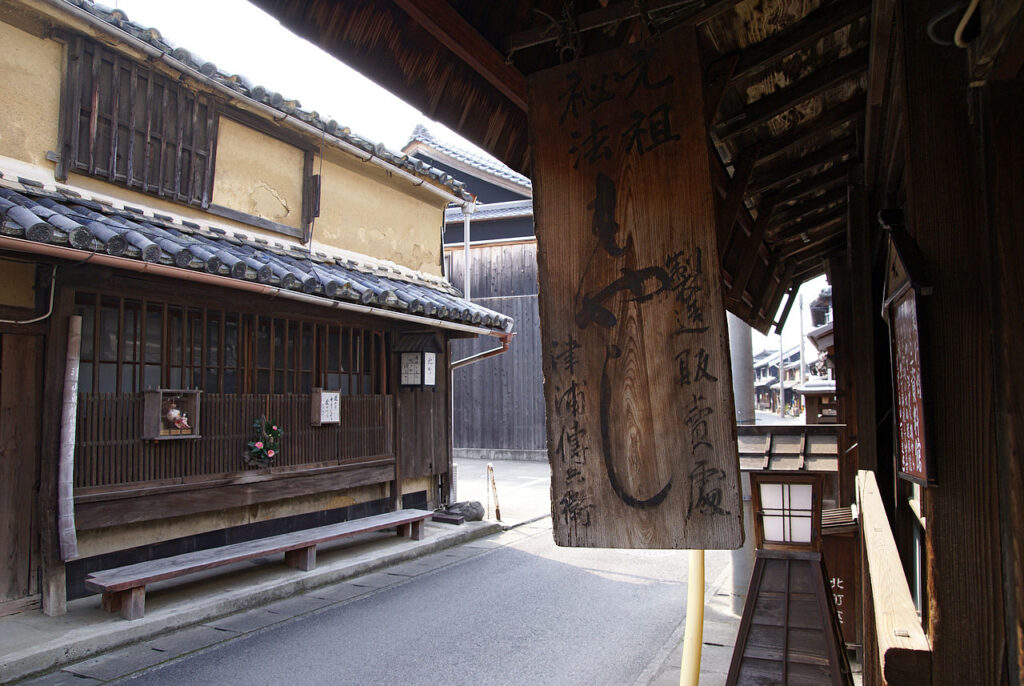
Yuasa is an excellent destination for travelers interested in Japanese food culture.
Its historic streets and brewing heritage provide a setting in which to explore the development of soy sauce and the wider importance of fermentation in Japanese cuisine.
A visit can combine architectural exploration with an introduction to traditional production methods and regional flavors.
Kuroe: Lacquerware and the Culture of Making

Kuroe offers a different perspective on regional culture through its lacquerware tradition.
Exploring the town can reveal how craft production influenced local streets, businesses, and the development of a regional identity.
For visitors interested in Japanese design and craftsmanship, it offers a chance to connect the finished object with the place and people behind it.
The Kumano Kodo: Pilgrimage and the Mountain Landscape
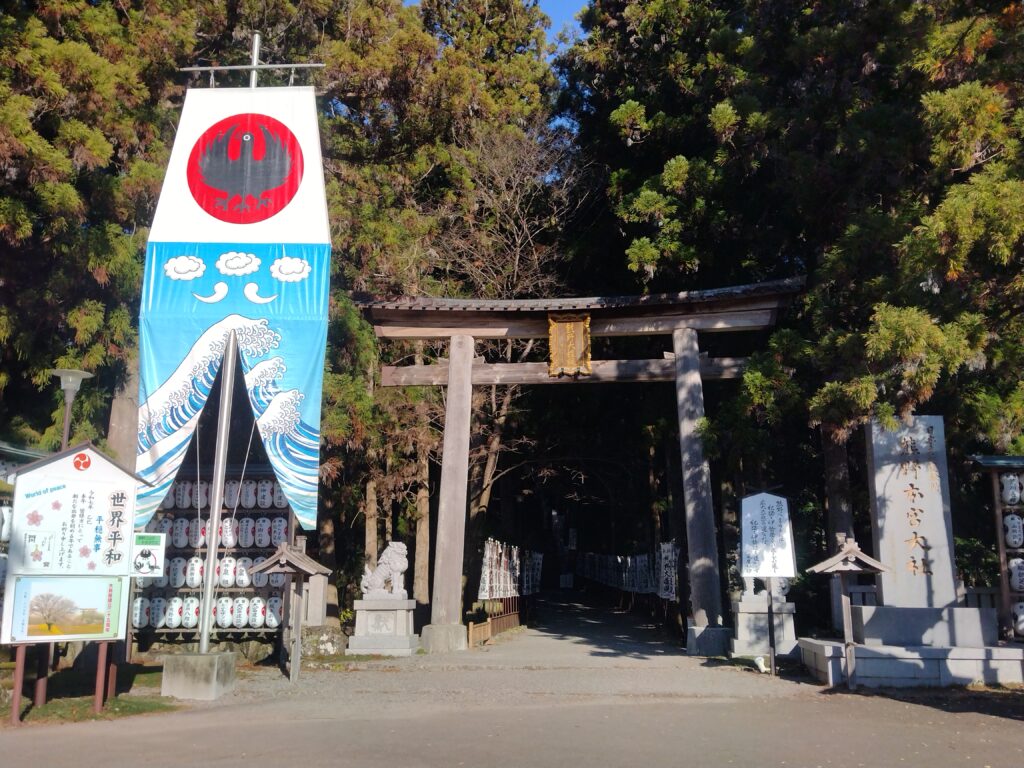
The Kumano Kodo provides opportunities to experience the relationship between spiritual traditions and the natural environment.
Rather than focusing exclusively on completing a long-distance route, travelers can explore selected sections at a comfortable pace, depending on their interests and physical abilities.
A walk can be combined with visits to local communities and an exploration of the history of pilgrimage in the Kii Peninsula.
Kinokawa: Agriculture and Rural Rhythms
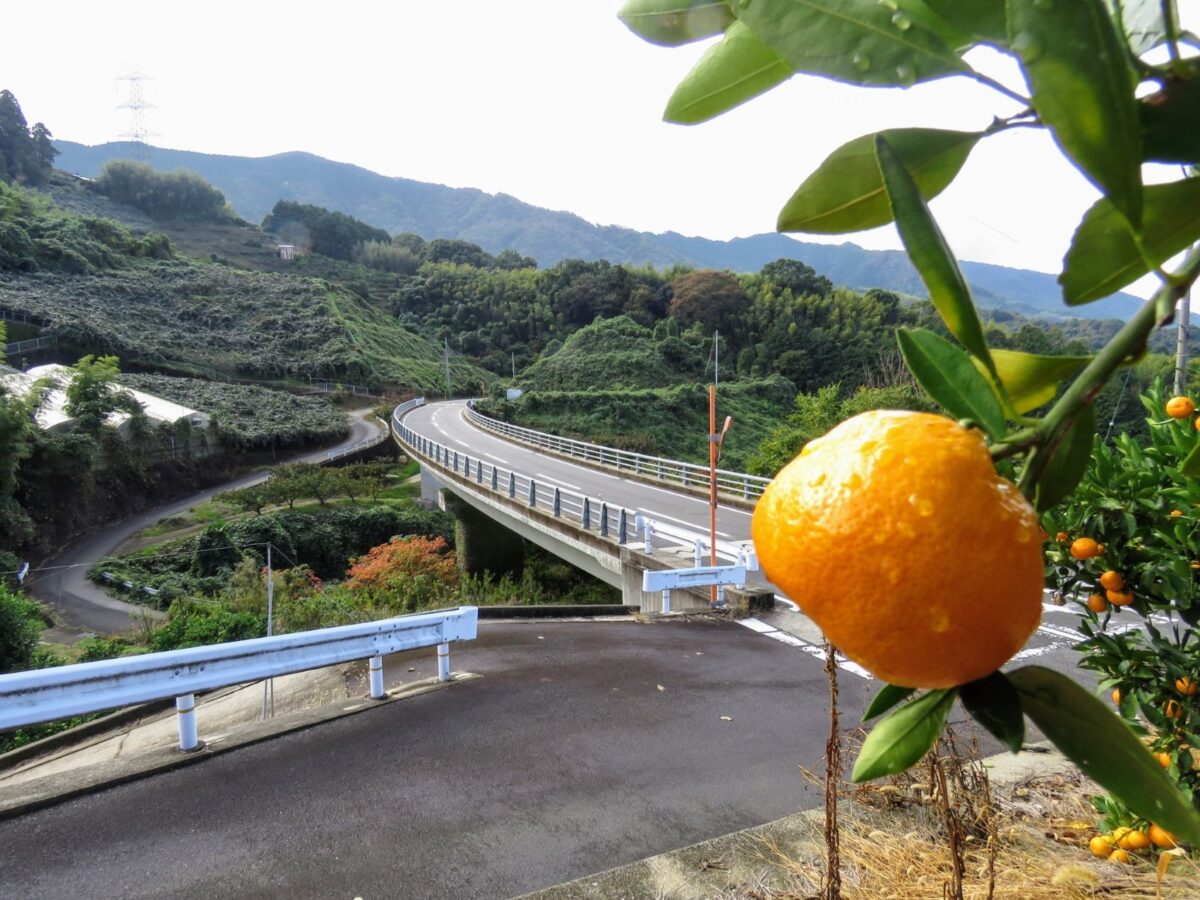
The Kinokawa area offers a perspective on the agricultural side of Wakayama.
Its fruit-growing landscapes and rural communities provide opportunities to explore how farming shapes regional food and daily life.
Depending on the season, visitors may be able to combine cycling or walking with local food experiences and agricultural activities.
Experience Wakayama Through Its Connections
These places offer different perspectives on the prefecture, but their greatest value may lie in how they connect.
The history of fermentation relates to local ingredients and trade. Craft traditions reflect the development of regional industries. Pilgrimage routes connect sacred landscapes with the communities through which people have traveled for centuries.
Exploring these connections creates a richer understanding of Wakayama than simply visiting a series of attractions.
Experience Japan Through a Curated Journey
Discovering local Japan can be rewarding, but it also requires time and research.
Some traditional workshops accept visitors only by appointment. Certain rural areas have limited public transportation, and cultural experiences may operate on specific days or during particular seasons.
Language can also make it difficult to understand the background behind a place, even when the experience itself is accessible.
This is where a carefully planned journey can make a difference.
Rather than organizing a day around a checklist of attractions, a curated journey connects places, activities, food, and local stories into a coherent experience.
In Wakayama, this might mean combining a walk through a historic town with a visit to a traditional brewery, or exploring a coastal landscape before discovering the food and culture of a nearby fishing community.
It could also mean spending several days in the region, allowing time for hiking, local activities, and unhurried exploration.
The itinerary should reflect what interests you, how you prefer to travel, and how much time you want to spend in each place.
The aim is not to see everything. It is to understand more of what you see.
If you would like to explore Wakayama beyond its best-known attractions, Curated Kii Peninsula Journey offers a starting point for planning a private journey around your interests.
Whether you are drawn to food, traditional craftsmanship, pilgrimage routes, coastal landscapes, or everyday Japanese life, the experience can be shaped around the connections that interest you most.
Frequently Asked Questions
What does it mean to experience the real Japan?
Experiencing the real Japan means exploring the country’s regional cultures, everyday life, traditions, and landscapes beyond its most famous tourist attractions.
This might involve visiting a fishing village, learning about traditional food production, walking an old road, or spending time in a neighborhood café.
It does not mean that famous attractions are inauthentic. Rather, it means looking beyond individual landmarks to understand the places and people around them.
Where can I experience local Japanese culture outside Tokyo and Kyoto?
Many regions offer opportunities to explore local culture, including Wakayama, Kanazawa, Hida, the Noto Peninsula, and the Seto Inland Sea region.
Wakayama is particularly interesting for travelers who want to combine pilgrimage, coastal communities, traditional craftsmanship, regional food, and rural landscapes.
Can I experience authentic Japanese culture on a short trip?
Yes. Even a short visit can provide a meaningful experience if you focus on a particular region or theme.
For example, you could spend a day exploring a historic town, learning about a traditional craft, and enjoying local food. The key is to allow enough time to understand the relationship between the activities rather than rushing between destinations.
Is Wakayama worth visiting if I have already been to Kyoto and Osaka?
Wakayama offers a different perspective on Japan, with coastal landscapes, mountain pilgrimage routes, fishing communities, and traditional industries.
It is especially suitable for travelers interested in slower journeys and regional culture rather than concentrating exclusively on major urban attractions.
Its proximity to Osaka and Kansai International Airport can also make it a practical addition to a wider Kansai itinerary.
Do I need a guide to explore rural Japan?
Not always. Many towns, cultural sites, and walking routes can be explored independently.
However, a knowledgeable local guide can help explain historical connections, interpret regional traditions, and identify experiences that may be difficult to find through online research alone.
Guided support can be particularly useful when you want to connect several places into a coherent journey or participate in activities that require advance arrangements.
Final Thoughts: Travel to Understand, Not Just to See
Japan’s famous landmarks offer compelling reasons to visit. But the country’s cultural richness extends far beyond its best-known destinations.
It can be found in the relationship between a fishing village and the sea, in the techniques preserved by a family-run brewery, in the quiet continuity of an old pilgrimage road, and in the everyday routines of a neighborhood café.
These experiences rarely demand that you see more places in less time. Instead, they invite you to pay closer attention.
Spend time in one region. Follow your curiosity. Learn about the traditions behind the food you eat and the objects you encounter. Walk through a town without needing to reach a particular landmark.
And when you find a place that interests you, stay a little longer.
The real Japan is not hidden behind its famous attractions. It is found in the connections between its landscapes, traditions, and everyday lives.
Read More..
- Traditional Crafts to Experience in Japan: 7 Hands-On Experiences Beyond the Tourist Trail
- Where to Experience Authentic Shojin Ryori in Japan: 7 Towns for Buddhist Vegetarian Cuisine
- The Best Places in Japan for a Slow, Seasonal Journey
- Regional Ramen in Japan: 6 Local Bowls Worth Traveling For
No responses yet