
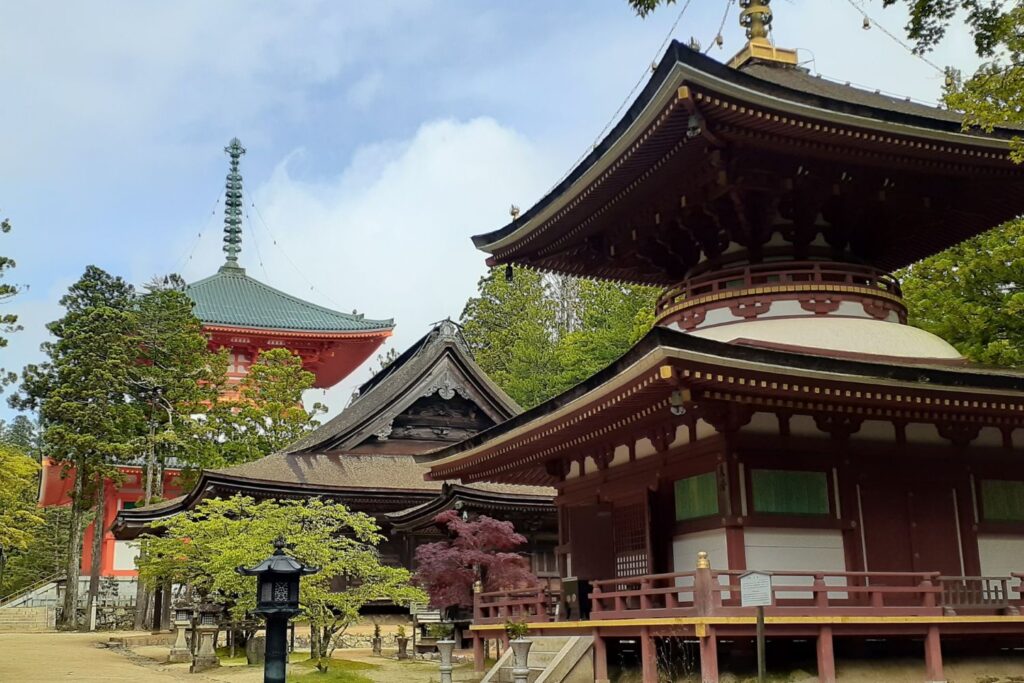
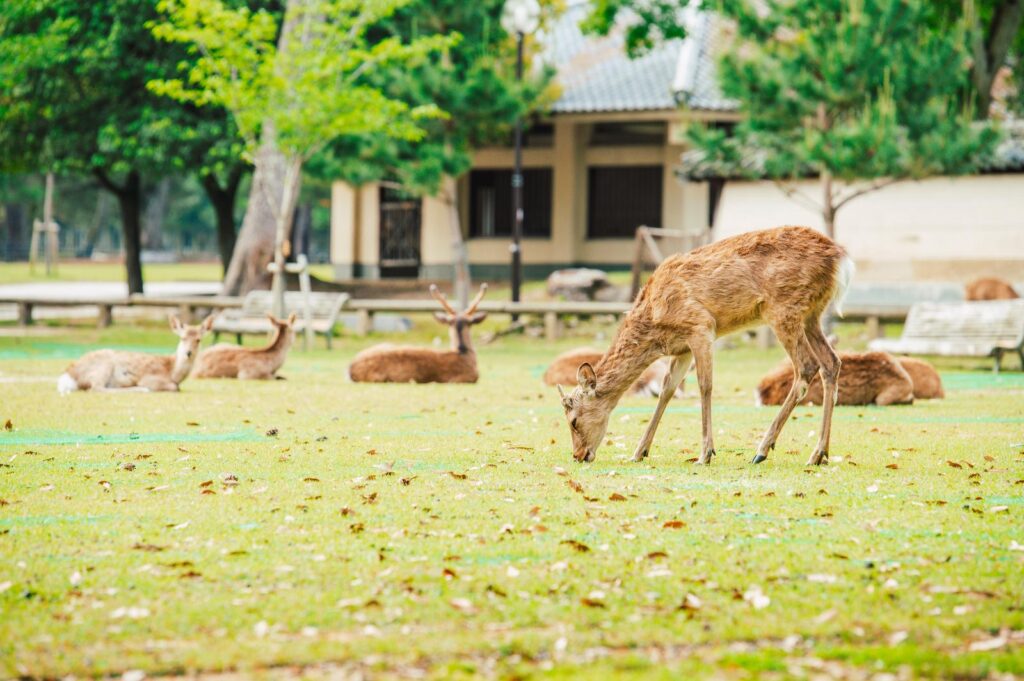
Nara is one of the best places in Japan to begin exploring the country’s religious heritage. As Japan’s ancient capital, it is home to monumental Buddhist temples, Shinto shrines, sacred forests, and some of the country’s oldest surviving religious architecture.
But Japan’s religious heritage extends far beyond the historic streets of Nara.
Across the country, mountains, forests, rivers, islands, and even entire pilgrimage routes have been regarded as sacred landscapes for centuries. Some places developed as centers of Buddhism, others as Shinto pilgrimage destinations, while many reflect the long coexistence and interaction of different traditions.
If you are interested in Japanese religion beyond the major temples of Nara, these destinations offer a deeper look at how faith has been connected with nature, pilgrimage, local communities, and everyday life.
1. Koyasan, Wakayama — A Mountain Town of Esoteric Buddhism
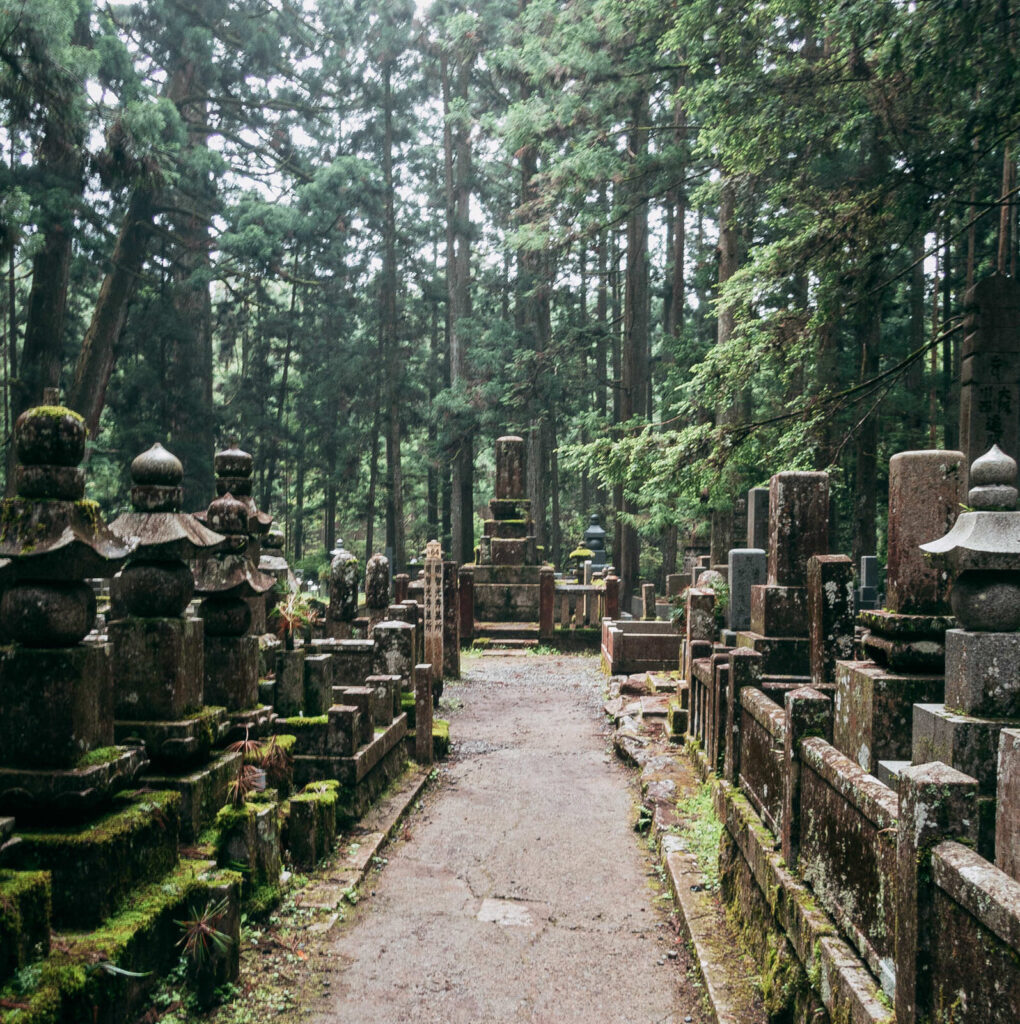
High in the mountains of Wakayama Prefecture, Koyasan offers a very different experience from the large temples of Nara.
Founded by the monk Kukai, also known as Kobo Daishi, in the early ninth century, Koyasan developed as the center of Shingon Esoteric Buddhism. Today, the mountain is home to numerous temples, with Kongobuji Temple and the sacred cemetery of Okunoin among its best-known sites.
What makes Koyasan particularly interesting is that it is not simply a collection of historic temples. It is a religious town where temples, forests, pilgrimage routes, and daily life remain closely connected.
Walking through Okunoin beneath enormous cedar trees, for example, feels quite different from visiting an isolated temple building in an urban tourist center. More than 200,000 tombstones and memorials extend through the forest, creating a landscape where religion and nature are inseparable.
Koyasan is also one of the places where visitors can experience temple lodging and traditional Buddhist vegetarian cuisine, known as shojin ryori.
For travelers coming from Nara or Kyoto, Koyasan provides an opportunity to see how Buddhism developed in the mountains rather than in an ancient capital.
Koyasan forms part of the UNESCO World Heritage property “Sacred Sites and Pilgrimage Routes in the Kii Mountain Range,” together with Kumano Sanzan and Yoshino and Omine. The World Heritage site reflects more than 1,200 years of religious traditions associated with the mountains of the Kii Peninsula.
Related post: World Heritage Pilgrimage to Koyasan: From Human Prayer to Sacred Realization
2. Kumano Sanzan, Wakayama — Sacred Mountains, Forests and Pilgrimage
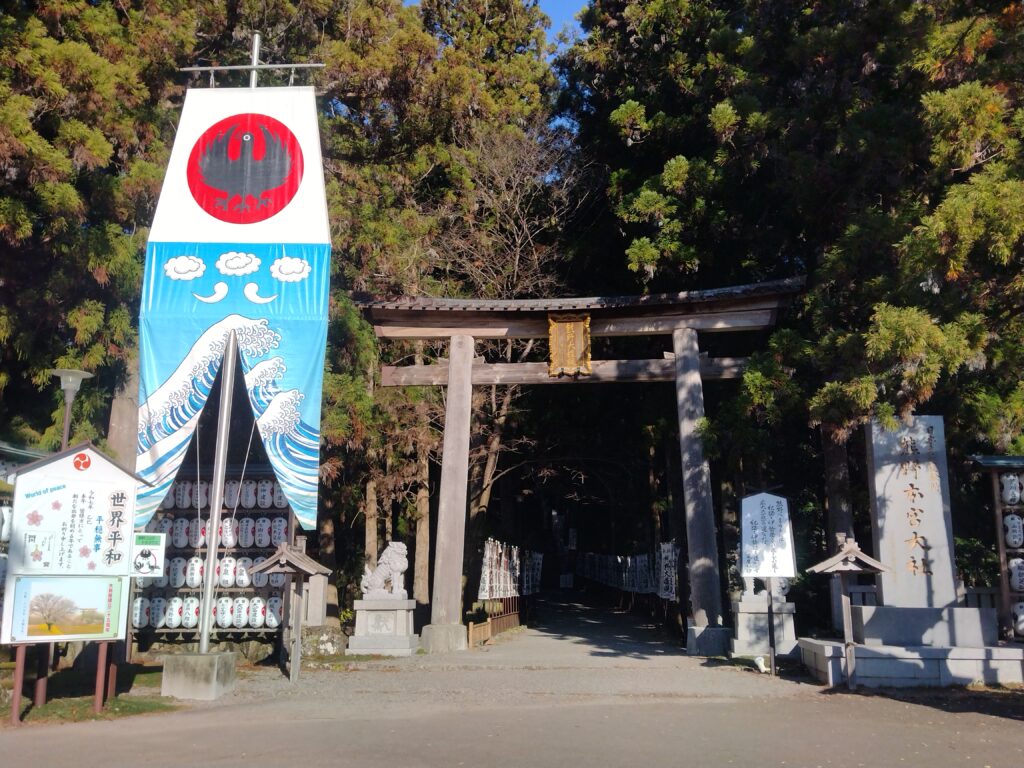
If Koyasan represents the Buddhist tradition of a sacred mountain, Kumano offers a different expression of Japanese spirituality.
The Kumano Sanzan is the collective name for three major sacred shrines:
- Kumano Hongu Taisha
- Kumano Hayatama Taisha
- Kumano Nachi Taisha
For more than a thousand years, pilgrims have traveled through the mountains of the Kii Peninsula to reach these sacred sites.
The journey is as important as the destination. The Kumano Kodo pilgrimage routes pass through dense forests, small villages, mountain passes, rivers, and old shrine approaches. Rather than experiencing Japanese religious heritage only through buildings, visitors encounter it as a landscape.
Kumano is also particularly valuable for understanding the historical relationship between Shinto and Buddhism.
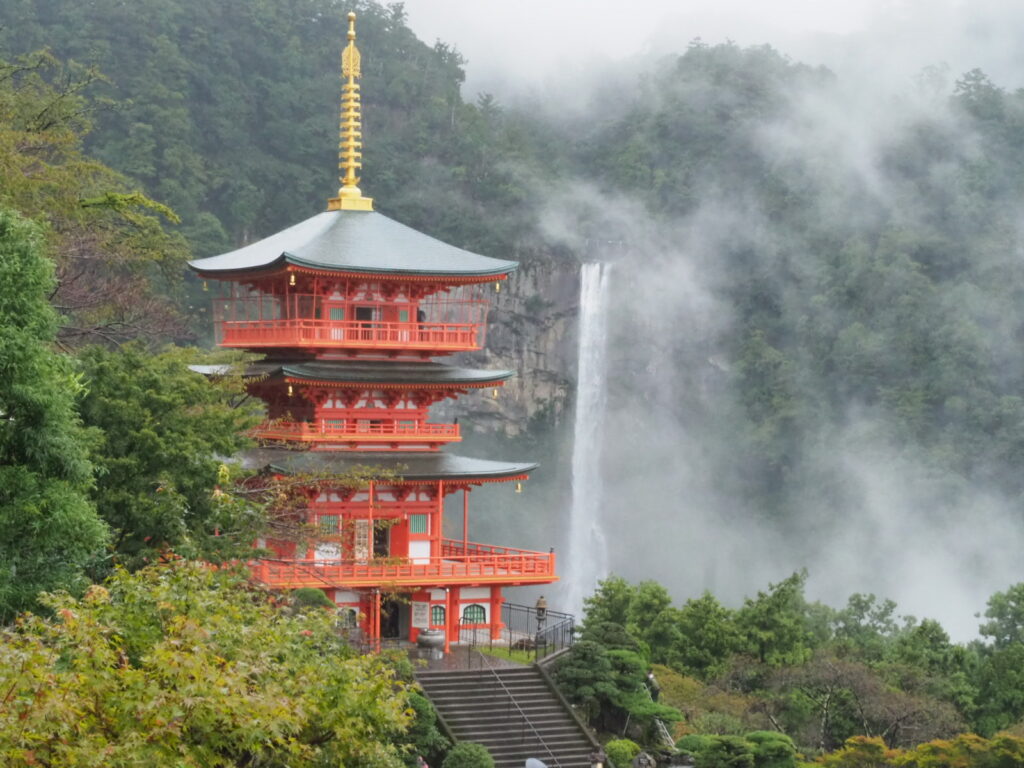
Kumano’s traditions developed from ancient forms of nature worship, while Buddhist beliefs became deeply integrated into the region. At Nachi, for example, Kumano Nachi Taisha stands beside Seigantoji Temple and Nachi Waterfall, creating a remarkable landscape in which shrine, temple, forest, and waterfall are connected.
The Kumano Sanzan and the pilgrimage routes connecting the sacred sites are part of the same UNESCO World Heritage property as Koyasan. Together, they demonstrate the fusion of Shinto, Buddhism, and mountain traditions that developed in the Kii Peninsula over many centuries.
For travelers interested in hiking, nature, and local culture as well as religion, Kumano may be one of the most rewarding places in Japan to explore.
Related post: Why Were Pilgrims Willing to Walk on Kumano Kodo for Weeks?
3. Ise, Mie — The Heart of Shinto
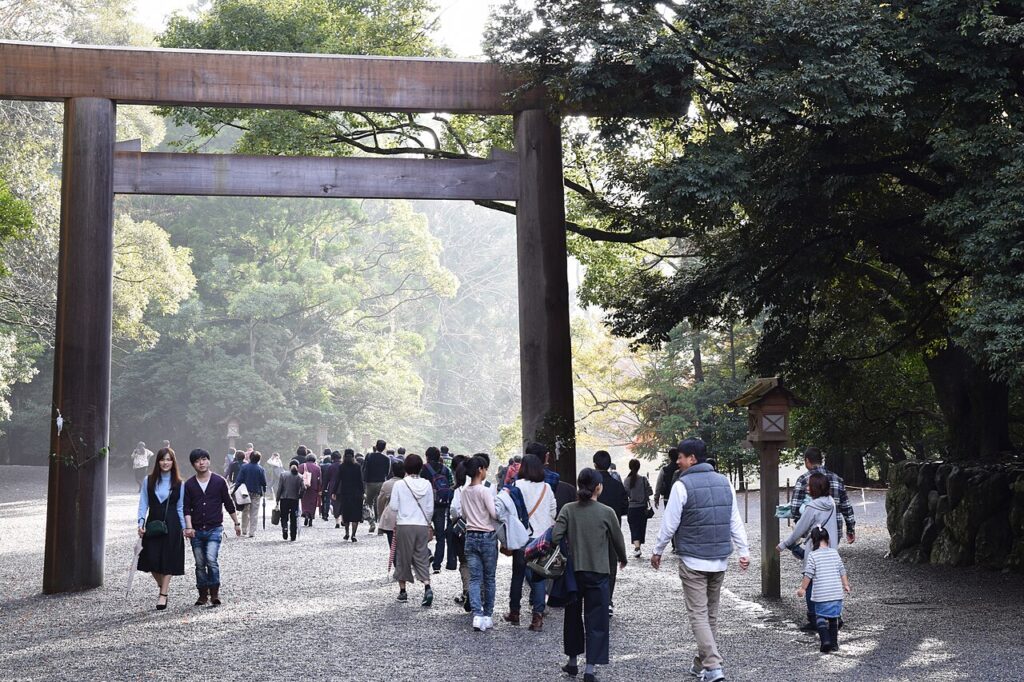
For travelers interested in Shinto, Ise is one of the most important destinations in Japan.
Ise Jingu, commonly known simply as Ise Jingu or the Grand Shrine of Ise, consists of two major shrines, Naiku and Geku, along with numerous associated shrines.
Naiku is dedicated to Amaterasu Omikami, one of the most important deities in Japanese mythology and traditionally regarded as the ancestral deity of the Imperial family.
Unlike many famous Buddhist temples, the experience at Ise is strongly connected with forests, sacred spaces, purification, ritual, and Shinto traditions.
The surrounding Ise-Shima region also makes it possible to see how religious traditions coexist with coastal communities, fishing, food culture, and local pilgrimage.
Ise is therefore a useful destination for understanding a side of Japanese religious culture that is different from the Buddhist heritage found in much of Nara and Kyoto.
4. Nikko, Tochigi — Where Shinto, Buddhism and the Tokugawa Legacy Meet
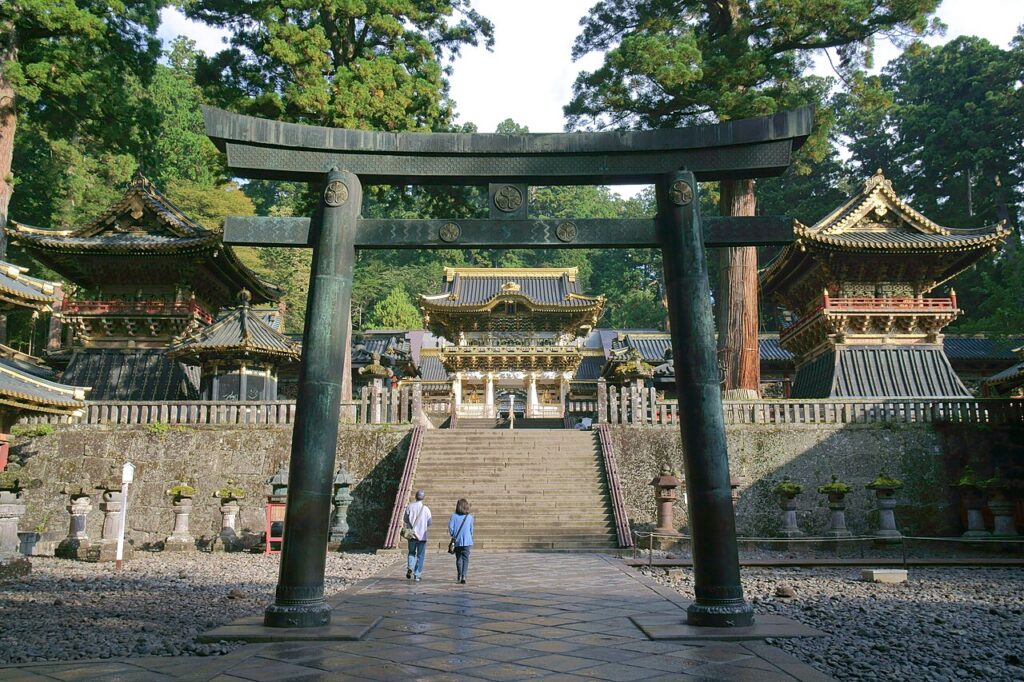
Nikko is famous for its spectacularly decorated shrines and temples, but its religious importance goes deeper than its elaborate architecture.
The UNESCO-listed Shrines and Temples of Nikko include Toshogu Shrine, Futarasan-jinja Shrine, and Rinnoji Temple. Together they form a religious complex set within a mountainous natural landscape.
Toshogu is particularly associated with Tokugawa Ieyasu, the founder of the Tokugawa shogunate. His mausoleum transformed Nikko into an important center of political and religious significance during the Edo period.
At the same time, the mountains around Nikko had been regarded as sacred long before the Tokugawa period.
This combination of sacred mountains, Buddhist temples, Shinto shrines, political history, and elaborate architecture makes Nikko one of the best places to explore the relationship between religion and power in Japanese history.
If Nara allows visitors to explore the religious world of ancient Japan, Nikko provides a fascinating window into the religious and political culture of early modern Japan.
5. Dewa Sanzan, Yamagata — Mountain Asceticism in Northern Japan
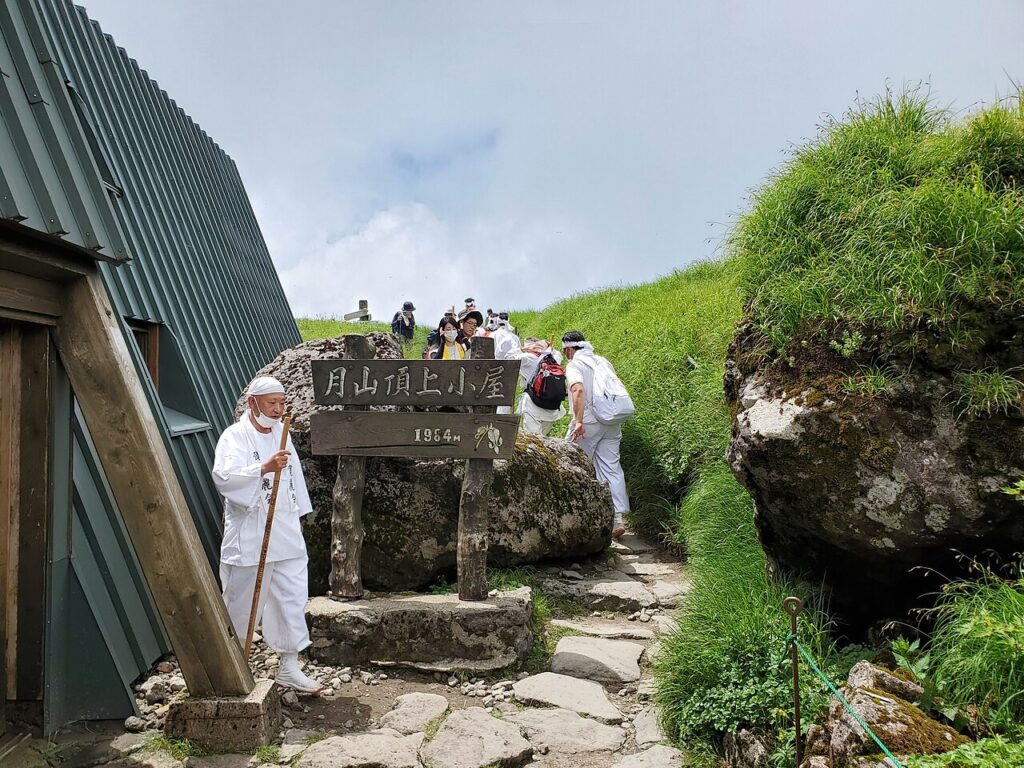
In northern Japan, the Dewa Sanzan — the Three Sacred Mountains of Dewa — offers a very different pilgrimage experience.
The three mountains are Mount Haguro, Mount Gassan, and Mount Yudono. They have long been associated with Shugendo, a tradition of mountain asceticism that combines elements of Buddhism, Shinto, and older forms of mountain worship.
Mount Haguro is particularly accessible and is known for its long approach through an ancient cedar forest, stone steps, and the famous five-story pagoda.
The atmosphere is quite different from the grand temple complexes of Nara.
Here, the mountain itself is central to the religious experience. Walking, climbing, purification, and encounters with the natural landscape are part of the journey.
For travelers interested in Japanese spirituality beyond famous temples, Dewa Sanzan offers an opportunity to explore the more austere and physical side of religious practice.
6. Mount Hiei, Shiga and Kyoto — A Mountain Behind Kyoto’s Religious History
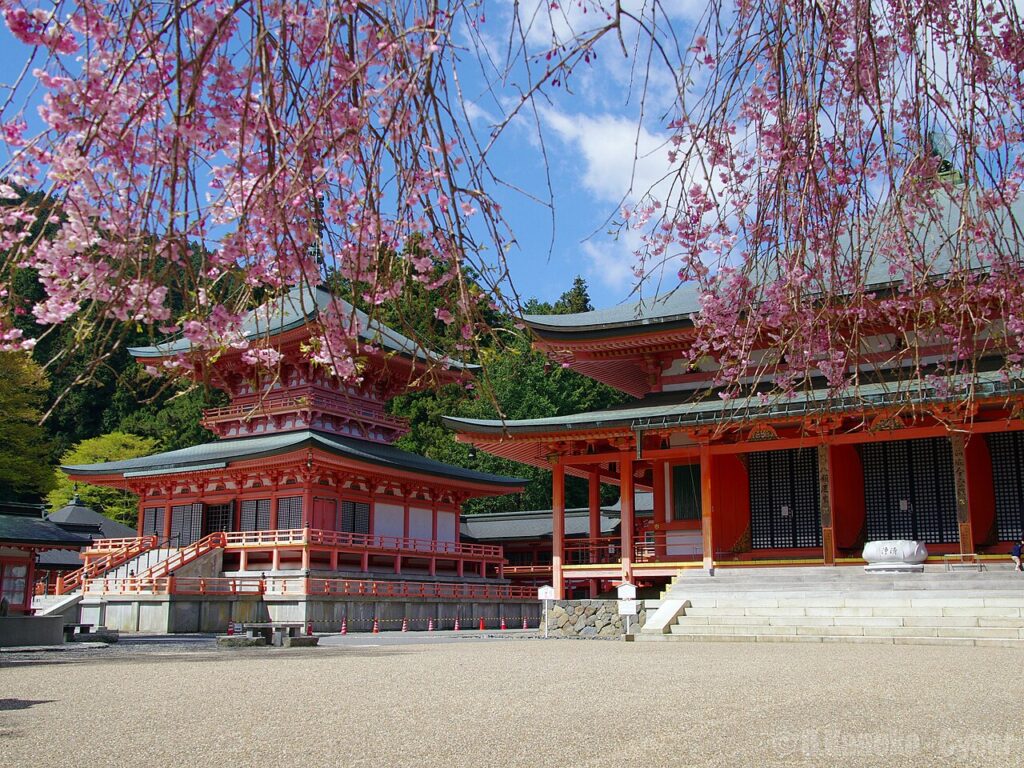
Just northeast of Kyoto rises Mount Hiei, one of the most important Buddhist mountains in Japan.
Enryakuji Temple was established on Mount Hiei in the eighth century and became one of the most influential centers of Japanese Buddhism.
The mountain is particularly significant because many important Buddhist figures in Japanese history studied or practiced there before establishing their own traditions.
Unlike visiting a single temple in central Kyoto, visiting Mount Hiei means entering a broader sacred landscape of forests, mountain paths, temples, and viewpoints.
It is also an excellent destination for travelers who want to combine Kyoto’s cultural heritage with hiking and time away from the city’s busy tourist areas.
Mount Hiei demonstrates an important theme in Japanese religious history: mountains were not simply remote places. They were places where religious communities could establish themselves away from the political and commercial centers of the cities.
7. Hiraizumi, Iwate — Buddhist Visions of the Pure Land
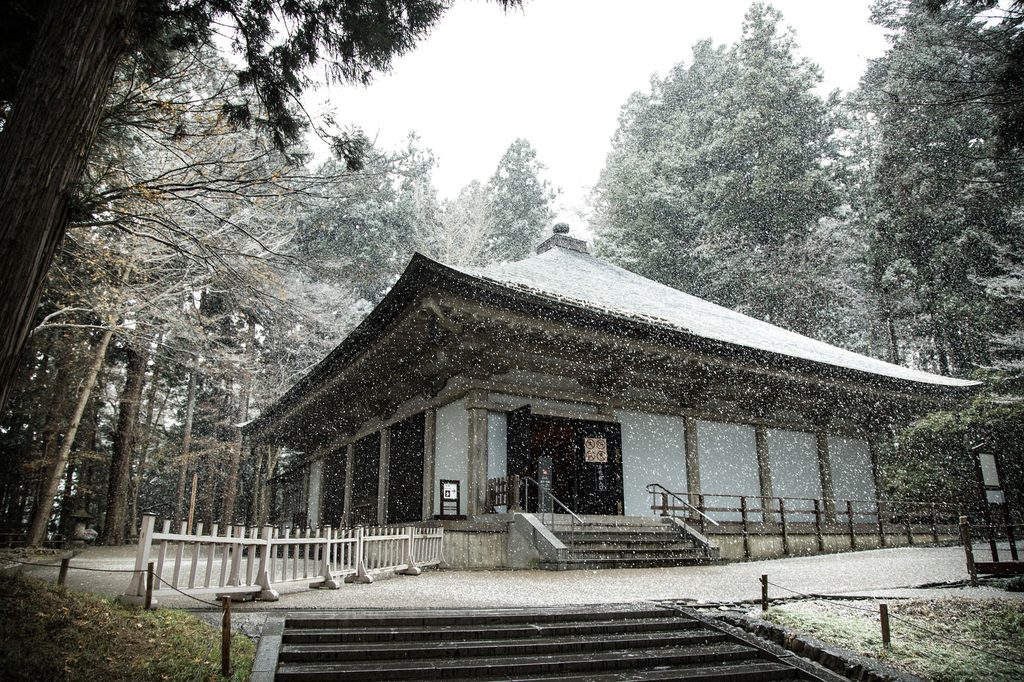
In northern Japan, Hiraizumi offers another perspective on Buddhist heritage.
During the Heian period, the powerful Oshu Fujiwara clan developed Hiraizumi as a political and religious center. Temples, gardens, and sacred landscapes were created to express Buddhist ideas about the Pure Land.
Chusonji Temple is particularly famous for Konjikido, or the Golden Hall, while Motsuji Temple is known for its historic garden and pond landscape.
The UNESCO World Heritage site “Hiraizumi – Temples, Gardens and Archaeological Sites Representing the Buddhist Pure Land” demonstrates how Buddhist religious ideas influenced not only temple architecture but also landscape design.
For visitors who have already explored Nara’s great Buddhist temples, Hiraizumi provides a different perspective: instead of monumental temples alone, the entire landscape was designed to express a religious worldview.
Why Explore Japan’s Religious Heritage Beyond Nara?
One of the most interesting things about Japan’s religious heritage is that it cannot be understood entirely through temples and shrines.
In Nara, you can see some of Japan’s oldest and most important religious buildings. But elsewhere, religion takes very different forms.
In Koyasan, it is experienced through a mountain temple town and a forest cemetery.
In Kumano, it is found along pilgrimage routes through forests and mountain villages.
In Ise, sacred forests and Shinto rituals remain central.
In Nikko, religion is closely connected with mountains, architecture, and the political history of the Tokugawa shogunate.
In Dewa Sanzan, pilgrimage becomes an act of mountain asceticism.
And in Hiraizumi, Buddhist philosophy is expressed through gardens and landscapes.
This diversity is one reason why traveling beyond Japan’s best-known ancient capitals can provide a deeper understanding of the country’s religious traditions.
A Different Way to Experience Japanese Religious Heritage
If your interest in Japan’s temples and shrines began in Nara, consider extending your journey into the mountains and countryside.
Some of the most meaningful experiences are not necessarily the most famous buildings. They can be walking an old pilgrimage route, staying at a temple, eating shojin ryori, entering a sacred forest, watching a ritual, or simply spending time in a landscape that has been regarded as sacred for centuries.
This is particularly true in the Kii Peninsula.
Koyasan and Kumano Sanzan are not simply two more sightseeing destinations to add to an itinerary. Together with Yoshino and Omine, they form one of Japan’s most distinctive sacred landscapes, connected by pilgrimage routes through the mountains. UNESCO recognizes this combination of sacred sites, routes, and surrounding forests as a cultural landscape reflecting more than 1,200 years of religious traditions.
For travelers who want to go beyond the major cities and understand Japan through its mountains, forests, pilgrimage routes, and living traditions, Wakayama can therefore be an important part of the journey.
Final Thoughts
Nara is an excellent introduction to Japan’s religious heritage, but it is only the beginning.
From the Buddhist mountain sanctuary of Koyasan to the pilgrimage landscape of Kumano, from the Shinto traditions of Ise to the sacred mountains of Dewa, Japan offers many different ways to experience its religious history.
Rather than seeing these places simply as collections of historic buildings, try to experience them as living landscapes.
Walk.
Stay overnight.
Eat the local food.
Follow an old pilgrimage route.
And take time to understand why generations of people considered these mountains, forests, rivers, and communities sacred.
That is often where Japan’s religious heritage becomes much more than history.
Related Posts
- Japan’s UNESCO World Heritage Sites: Sacred Mountains, Ancient Pilgrimage Routes & Living Traditions
- 5 Days Around Koyasan: From Koyaguchi and Kudoyama to the Sacred Mountain
- Walking the Sacred Roads of Wakayama: A 10-Day Pilgrimage Journey
- Koyasan & Kumano: The Sacred Network of the Kii Mountains
No responses yet