
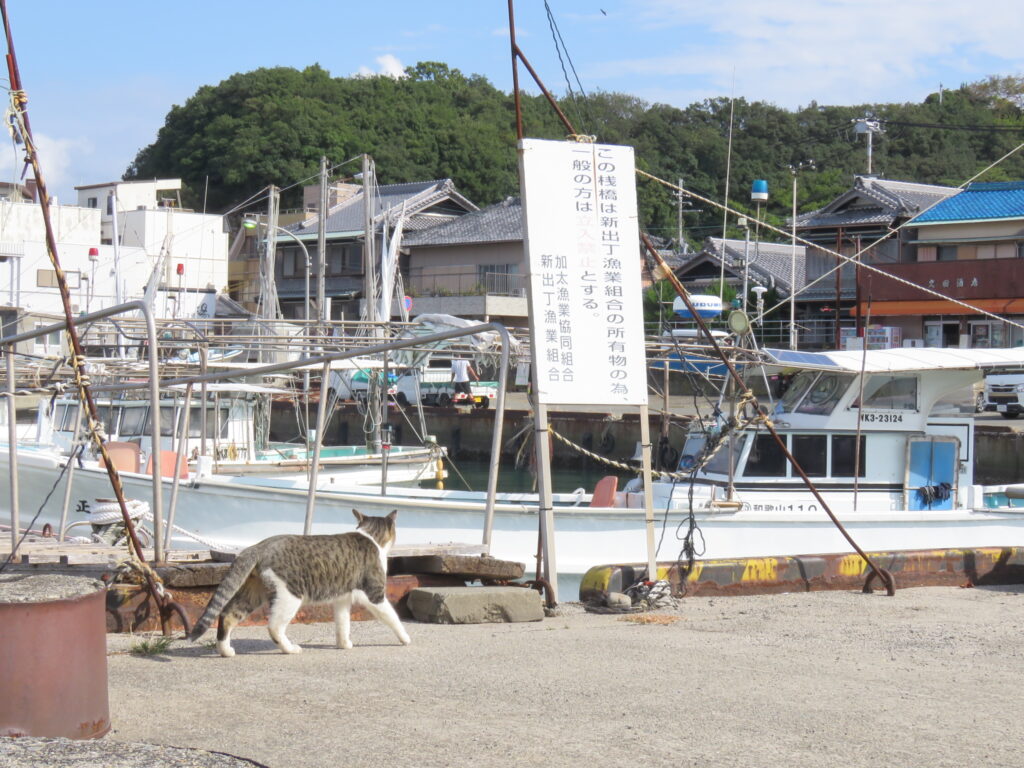
Japan is a particularly interesting destination for fishing because the country stretches from the northern waters of Hokkaido to the subtropical islands of Okinawa. Its mountains, rivers, lakes and long coastline create an enormous variety of fishing environments.
But fishing in Japan is also closely connected to the seasons.
A river that is quiet in winter may become a center of ayu fishing in summer. In northern Japan, autumn brings salmon and tuna fishing, while winter transforms lakes into fields of ice fishing. Along the Pacific coast, some forms of sea fishing continue throughout the year.
For travelers, this means that the best fishing experience in Japan depends not only on where you go, but also on when you visit.
Here is a seasonal guide to seven places where fishing can become part of a deeper experience of Japanese nature, food and local life.
When is the best time to fish in Japan?
The best time to fish in Japan depends on what you want to catch. Summer is ideal for ayu fishing in mountain rivers, autumn is important for salmon and tuna in northern Japan, while winter offers ice fishing in Hokkaido and year-round coastal fishing in milder regions such as Wakayama.
What Fish Can You Catch in Japan?
| Fish | Best season | Where to experience it |
|---|---|---|
| Ayu | Summer | Aridagawa, Wakayama |
| Bluefin tuna | Autumn–winter | Oma, Aomori |
| Salmon | Autumn | Hokkaido |
| Wakasagi | Winter | Lake Akan, Hokkaido |
| Coastal fish | Year-round | Wakayama and other coastal regions |
Spring: Rivers and Coastal Waters Come Back to Life
Spring is a transitional season for fishing in Japan. As snow melts in the mountains and temperatures rise, rivers become active again, while coastal fishing continues in many parts of the country.
1. Shonai, Yamagata — From Fishing Boat to Japanese Cuisine
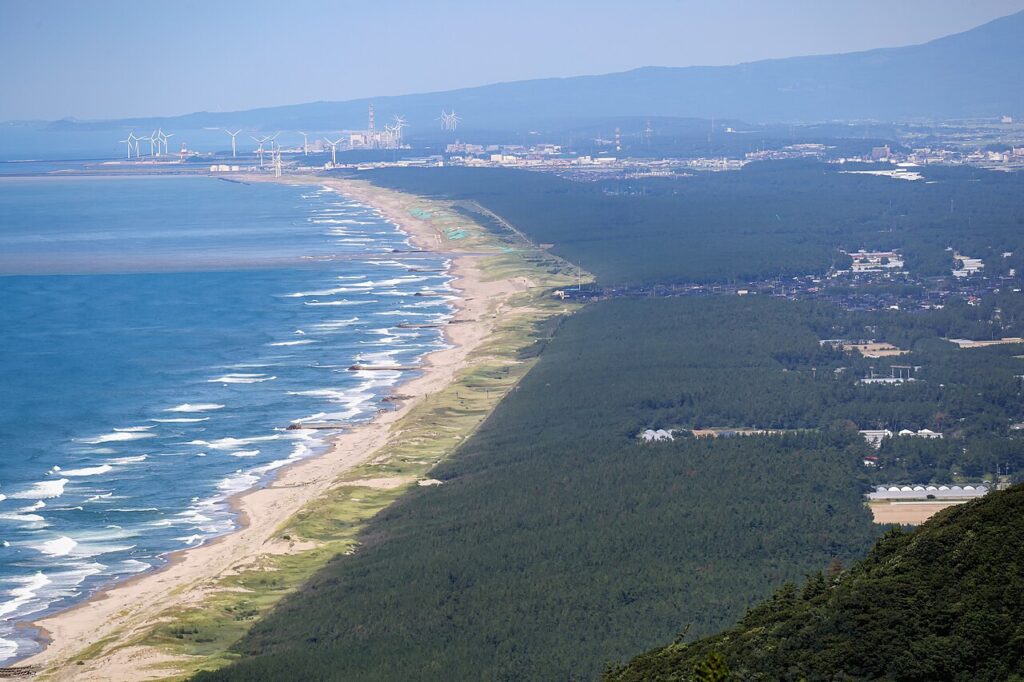
On the Sea of Japan coast in Shonai, Yamagata Prefecture, fishing can be combined directly with Japanese cuisine.
One sea-to-table experience takes visitors out with local fishermen to catch fish and then introduces them to the preparation of the catch. Depending on the season, the seafood available changes, and the experience can include sushi or kaiseki-style dishes. The fishing program generally operates from July through late November, so this is particularly relevant for summer and autumn travelers rather than early spring.
What makes Shonai interesting is the complete sequence:
boat → fish → preparation → meal
Instead of simply ordering local seafood, visitors can see how ingredients enter Japanese cuisine.
For travelers interested in gastronomy, this is one of the most interesting ways to think about fishing in Japan.
Season: Mainly summer to autumn
Experience: Sea fishing and sea-to-table cuisine
Best for: Food travelers and visitors interested in Japanese culinary culture
Summer: The Season of River Fishing
Summer is one of the most distinctive fishing seasons in Japan.
As rivers become warmer and accessible, ayu (sweetfish) fishing becomes an important seasonal activity in many mountain communities. The fish are often grilled whole over charcoal, creating an unusually direct connection between river, fishing and food.
2. Aridagawa, Wakayama — Catch Ayu in a Mountain River
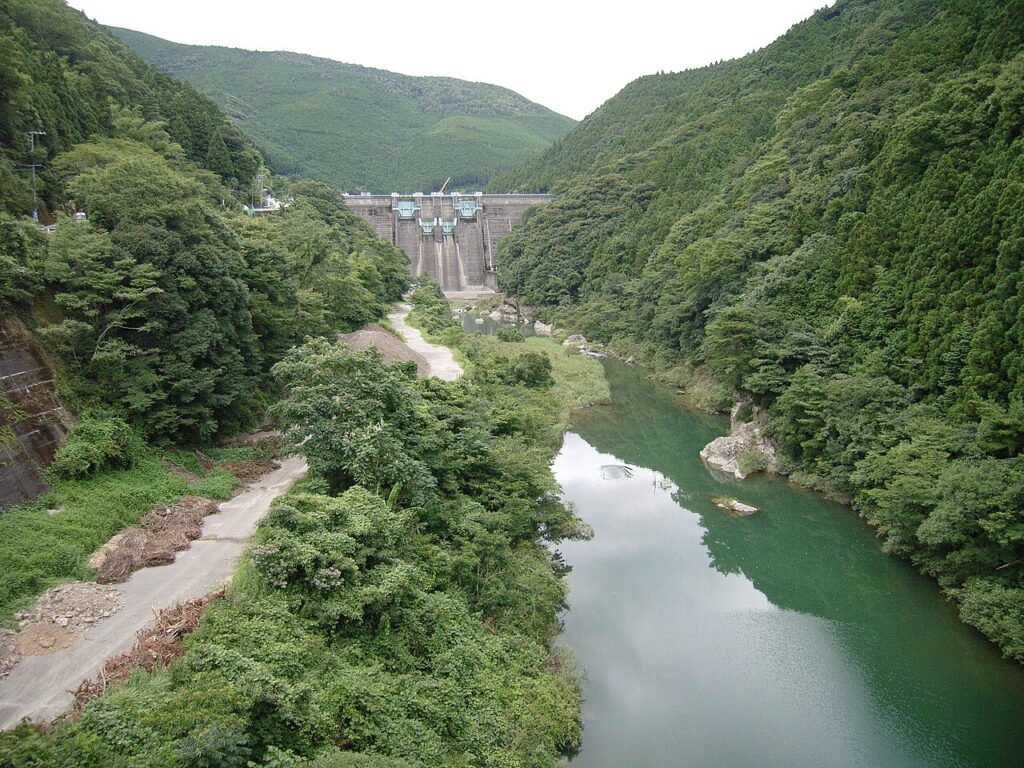
In central Wakayama, Aridagawa is one of the places where visitors can experience this summer tradition.
The Arida River runs through a rural landscape of mountains, orchards and traditional communities. The area is known for ayu fishing, and visitors can join hands-on fishing experiences with experienced anglers. The fish can then be cooked and eaten immediately. Official tourism information identifies July as the season for ayu fishing in Aridagawa.
This is very different from fishing on a deep-sea charter.
You stand beside a clear mountain river, surrounded by the landscape in which the fish live. Then, rather than transporting your catch somewhere else, you can eat it close to the river.
Ayu is traditionally grilled whole with salt, making the freshness of the fish part of the experience.
Aridagawa also has another connection with food: it is a major fruit-growing area. A summer visit can therefore combine river fishing, rural landscapes and agricultural culture.
Season: Summer, particularly July onward
Catch: Ayu sweetfish
Experience: Fishing and eating your catch
Best for: Rural travel, families and food-focused travelers
3. Hamamatsu, Shizuoka — Fishing on a Lantern-Lit Lake

Summer also offers some much more unusual fishing experiences.
Around Lake Hamana in Hamamatsu, Shizuoka, local fishermen practice takiya-ryo, a traditional form of nighttime fishing using lanterns.
From spring through late summer, boats head onto the shallow waters after sunset. Fishermen use lights to locate marine life and catch shrimp, crab and other seafood with nets or traditional tools. Visitors can join local fishermen on some tours.
The experience is as much about atmosphere as it is about fishing.
Imagine sitting in a small boat after dark, the surface of the lake reflecting lantern light, while fishermen look for seafood beneath the water.
It is a reminder that fishing traditions are often shaped by very specific local environments.
Season: Spring through late summer
Catch: Shrimp, crab and other lake seafood
Experience: Traditional nighttime fishing
Best for: Travelers looking for unusual cultural experiences
Autumn: Tuna and Salmon in Northern Japan
Autumn is an important fishing season in northern Japan. Cooler waters and seasonal migrations bring some of the country’s most famous fish closer to fishing communities.
4. Oma, Aomori — The Season of Bluefin Tuna
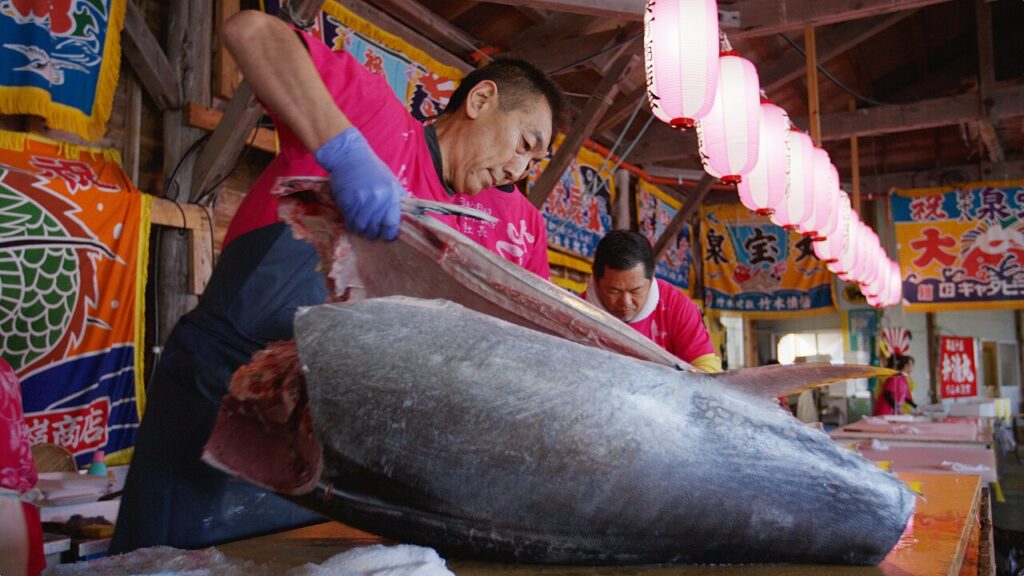
At the northern tip of Honshu, Oma in Aomori Prefecture is famous for its bluefin tuna.
Oma tuna fishing runs from August into January, with the largest fish generally caught during the colder autumn and winter months when they have accumulated more fat. Visitors can also join a pole-fishing tour during part of the season to go out on the water with experienced fishermen.
This is not a casual fishing-pond experience.
Oma’s tuna fishery is associated with powerful ocean currents and demanding offshore fishing. Watching fishermen work from a small boat gives visitors a very different perspective on one of the ingredients that has become so valuable in Japanese sushi culture.
For a traveler interested in sushi, the experience raises an interesting question:
What does a piece of tuna represent before it arrives at a sushi counter?
In Oma, the answer begins with the sea, the fishermen and the seasonal movement of the fish.
Season: August–January, with autumn and winter particularly important
Catch: Bluefin tuna
Experience: Traditional pole fishing and observation
Best for: Sushi lovers and travelers interested in fishing culture
5. Hokkaido — Follow the Salmon Run
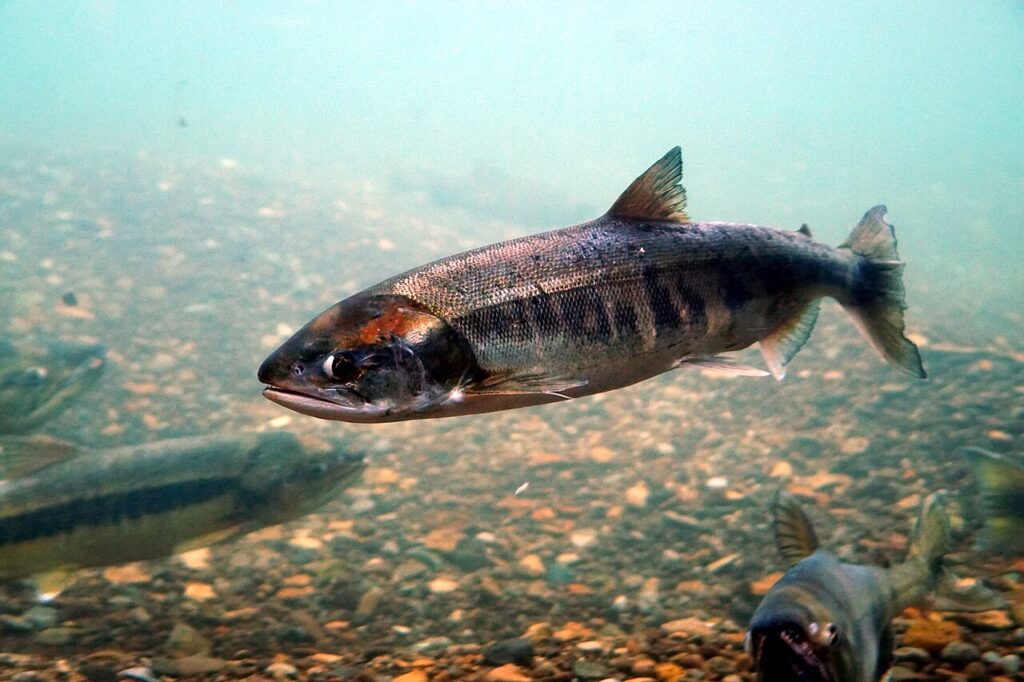
Autumn is also salmon season in Hokkaido.
Salmon returning to rivers are one of the defining seasonal events of northern Japan. The Japan National Tourism Organization highlights the arrival of salmon and fresh salmon roe as part of Hokkaido’s autumn food culture.
The experience is about more than catching fish.
The salmon’s journey connects the ocean with the rivers, forests and communities of Hokkaido. It is one of the clearest examples of how seasonal changes in nature influence Japanese food culture.
Travelers should check local regulations carefully before attempting to fish for salmon, as fishing rights and restrictions vary by river.
Even when fishing itself isn’t possible, observing salmon runs and learning about the relationship between salmon and local ecosystems can be a fascinating part of an autumn trip.
Season: Autumn
Catch: Salmon
Experience: Salmon runs and northern food culture
Best for: Nature lovers and travelers interested in seasonal food
Winter: Ice Fishing and Year-Round Coastal Fishing
Winter doesn’t mean fishing stops in Japan.
In northern areas, frozen lakes create unusual opportunities for ice fishing. In milder coastal areas such as Wakayama, fishing can continue throughout the winter.
6. Lake Akan, Hokkaido — Fishing Through the Ice
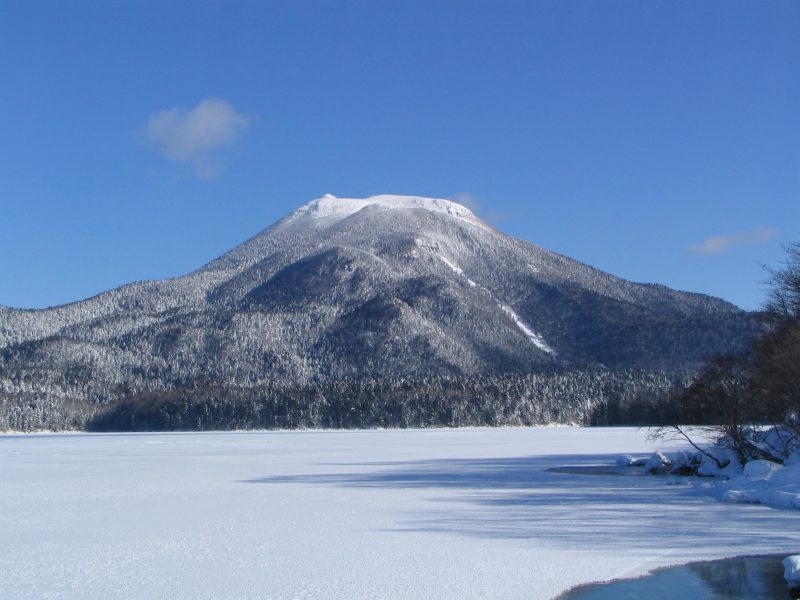
For a completely different winter experience, head to Lake Akan in Hokkaido.
The lake is one of the places in Japan associated with winter ice fishing. Small tents or shelters are set up on the frozen lake, allowing visitors to fish through holes cut into the ice.
The target is typically wakasagi, or Japanese smelt.
The appeal is not necessarily the size of the catch. Instead, it is the strange transformation of the landscape.
A lake that is surrounded by forests and mountains in summer becomes a frozen outdoor recreation area in winter.
Fishing here becomes part of a broader Hokkaido winter experience.
Season: Winter
Catch: Japanese smelt
Experience: Ice fishing on a frozen lake
Best for: Families, photographers and travelers seeking winter activities
7. Yura, Wakayama — Fishing Even in Winter
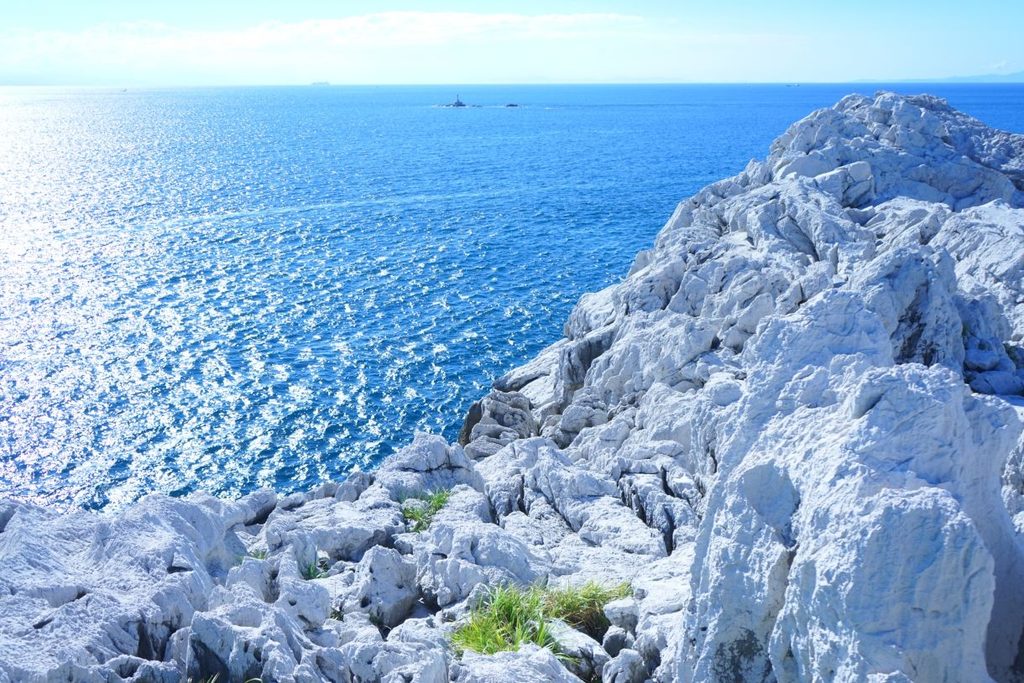
While northern Japan may be covered in snow, the Pacific coast of Wakayama offers a very different winter fishing environment.
At Yura Fishing Resort, visitors can fish from rafts and a pier throughout the year. The sheltered location means fishing can continue even during winter, and the facility is designed to accommodate beginners and children. Species available include horse mackerel, sea bream and Japanese whiting.
This makes Yura particularly interesting for travelers who want to include fishing in a winter itinerary without traveling to a snowy region.
And there is another advantage: fishing can become part of a broader coastal journey.
The Yura area is home to the dramatic Shirasaki Coast, a landscape of enormous white limestone formations. Local fishing experiences can therefore be combined with coastal scenery and encounters with people from the local fishing community. A local fishing boat cruise from Obiki Fishing Harbor, for example, takes visitors along the Shirasaki Coast with local fishermen.
Season: Year-round, including winter
Catch: Horse mackerel, sea bream, Japanese whiting and other species
Experience: Pier and raft fishing
Best for: Beginners, families and winter travelers
Fishing in Japan Is Not Just About the Fish
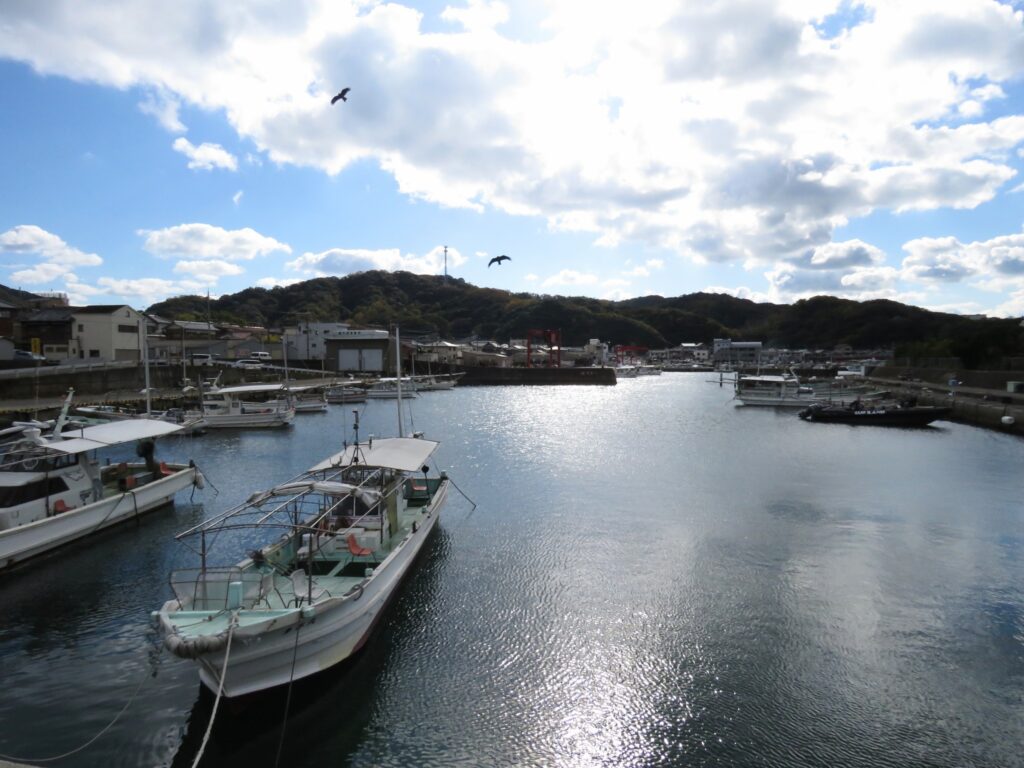
One of the interesting things about fishing in Japan is how strongly it follows the rhythm of the seasons.
In summer, you might stand in a mountain river in Wakayama catching ayu.
In autumn, you could watch salmon returning to northern rivers or travel to Aomori to see fishermen pursuing bluefin tuna.
In winter, you can sit inside a small shelter on a frozen lake in Hokkaido—or fish comfortably from the Pacific coast of Wakayama.
The fish changes. The landscape changes. The way people interact with the water changes.
And that is what makes seasonal fishing interesting for travelers.
| Season | Destination | What to experience |
|---|---|---|
| Spring | Hamamatsu, Shizuoka | Night fishing begins around Lake Hamana |
| Summer | Aridagawa, Wakayama | Ayu fishing and charcoal-grilled sweetfish |
| Summer | Lake Hamana, Shizuoka | Traditional nighttime fishing |
| Autumn | Oma, Aomori | Bluefin tuna fishing |
| Autumn | Hokkaido | Salmon season and northern seafood |
| Winter | Lake Akan, Hokkaido | Ice fishing for Japanese smelt |
| Winter | Yura, Wakayama | Coastal fishing in a mild climate |
Of course, these are broad seasonal guides rather than guarantees. Fishing seasons, weather, regulations and available species can change from year to year and from one fishing ground to another. Japan’s climate also varies considerably from Hokkaido in the north to Okinawa in the south.
From Fishing to Local Life
For visitors to Japan, the most interesting fishing experiences are often not the ones where you simply spend several hours trying to catch the biggest fish.
They are the experiences that answer a bigger question:
How does this fish connect to the place where I am visiting?
In Aridagawa, ayu connects the visitor to a mountain river and the summer landscape of rural Wakayama.
In Oma, tuna connects the sea to the culture of sushi.
In Hokkaido, salmon connects the ocean, rivers and autumn food traditions.
And in Yura and Saikazaki in Wakayama, fishing is inseparable from the coastal communities that have lived alongside the sea for generations.
This is why fishing can be such a useful way to explore Japan beyond its major tourist attractions.
You are not simply visiting a fishing spot.
You are following a seasonal connection between water, people, food and place.
For travelers exploring Wakayama, this can be particularly rewarding. A fishing experience can be combined with a fishing village, local seafood, a historic coastal town, a mountain river or even a pilgrimage route—turning fishing into one part of a much larger journey through the Kii Peninsula.
That is when fishing becomes a way of experiencing local life rather than simply an outdoor activity.
Fishing in Japan: What Travelers Should Know
- You may need a fishing permit to fish in rivers.
- There are fishing seasons and closed seasons.
- Rules vary by river.
- For beginners, guided tours or charter boats are convenient for saltwater fishing.
- There are also fishing experiences available for travelers who don’t have their own gear.
- Catches vary depending on the season and weather.
Why Wakayama Is Interesting for Fishing
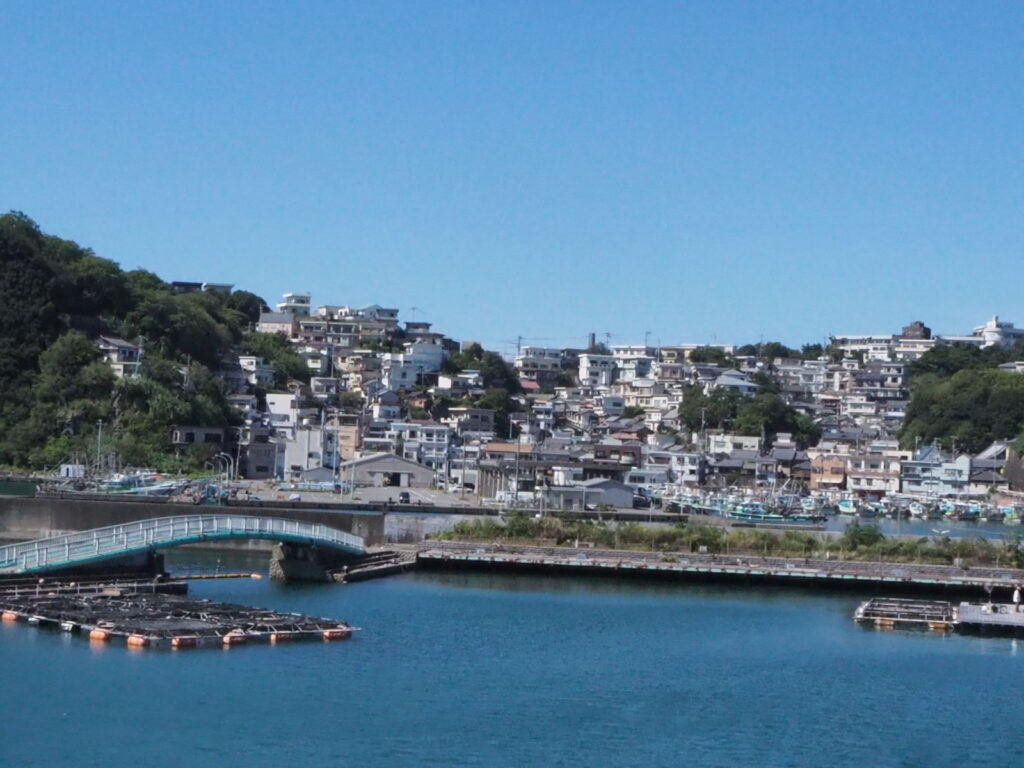
Wakayama is an interesting destination for fishing because you can experience very different types of fishing within a single prefecture. The Kii Peninsula has mountains, clear rivers and a long Pacific coastline, creating opportunities to experience both freshwater and saltwater fishing—and to connect fishing with local food and everyday life.
From Mountain Rivers to the Sea
In the mountains of Wakayama, rivers such as the Aridagawa offer some of the region’s best-known ayu fishing. Ayu, or sweetfish, return from the sea to Japanese rivers each year, making their life cycle closely connected to the changing seasons.
The Aridagawa is particularly associated with ayu fishing, including tomozuri, a traditional Japanese technique in which a live ayu is used to attract another territorial fish. The season can begin relatively early compared with many rivers elsewhere in Japan, making Wakayama an appealing destination for anglers visiting in late spring and summer.
What makes the experience especially interesting for travelers is that fishing does not have to end when you leave the river. Local ayu can be enjoyed grilled over charcoal or incorporated into regional cuisine, turning a fishing experience into a journey from river to table.
Coastal Fishing and Fishing Communities
Further downstream, Wakayama’s relationship with fishing changes from river culture to coastal fishing.
Around places such as Saikazaki and Yura, visitors can encounter working fishing ports, local fishermen and seafood that comes directly from the surrounding waters. At Saikazaki, for example, fishermen’s catches are sometimes sold directly at the harbor, providing a particularly direct connection between fishing and local food.
Yura offers another side of coastal life, with experiences involving local fishermen, fishing activities and the sea.
Fishing as a Way to Experience Local Life
For travelers, the most interesting thing about fishing in Wakayama may not be the number of fish you catch.
It is the opportunity to see how rivers and the sea connect with food, work and the landscape. A day might begin beside a clear mountain stream, continue with a meal featuring local fish, or take you to a small fishing harbor where boats return with the day’s catch.
This makes Wakayama particularly suitable for travelers who are interested in fishing, seafood and local culture at the same time.
Rather than treating fishing as a standalone activity, you can experience it as part of the wider rhythm of life in the Kii Peninsula—where the seasons determine what comes from the river and sea, and where local food begins with the surrounding landscape.
Learn more about my Wakayama Living Concierge or Curated Kii Peninsula Journey.
Frequently Asked Questions About Fishing Villages in Japan
What is the most famous fishing village in Japan?
Ine in Kyoto Prefecture is probably the most famous fishing village in Japan. It is known for its traditional funaya boat houses built along Ine Bay. However, Japan has many other coastal communities where visitors can experience fishing, seafood and maritime culture.
What is the best fishing village near Osaka?
Saikazaki in Wakayama City is one of the most accessible fishing villages for travelers visiting Osaka and the Kansai region. Its working fishing harbor, hillside streets, coastal scenery and local seafood offer a glimpse of everyday life by the sea without requiring a long journey into rural Japan.
Are Japanese fishing villages worth visiting?
Yes, especially if you are interested in local food, traditional architecture, coastal scenery and everyday Japanese life. A fishing village offers a different perspective from major cities and famous temples because the sea remains closely connected to the community’s work, food and seasonal traditions.
Can tourists visit working fishing villages in Japan?
Yes. Most fishing villages are living communities rather than tourist attractions, so visitors can generally walk along public roads, visit restaurants and markets, and enjoy designated viewpoints. However, fishing facilities, private property and working areas should be respected, and visitors should follow local signs and instructions.
What can you do in a Japanese fishing village?
Depending on the destination, you can explore fishing harbors, eat locally caught seafood, visit markets, walk through historic streets, take a boat trip or learn about traditional fishing and maritime culture. Some villages are also good bases for coastal hiking and other outdoor activities.
When is the best time to visit a fishing village in Japan?
There is no single best season. Spring and autumn are comfortable for walking and exploring, summer is ideal for coastal activities and boat trips, while autumn and winter can be particularly rewarding for travelers interested in seasonal seafood. Local festivals and fishing seasons can also make certain times of year especially interesting.
Where can you eat fresh seafood in a Japanese fishing village?
Many fishing villages have small restaurants, markets and seafood shops serving fish from the surrounding waters. Yobuko is particularly known for seafood, while Toba has a strong connection between fishing, marine culture and local cuisine. In Wakayama, communities such as Saikazaki offer opportunities to experience seafood in the context of a working coastal community.
Is Ine the only traditional fishing village in Japan?
No. Ine is simply one of the best-known examples. Japan has numerous fishing villages and coastal communities, each with a different combination of architecture, fishing traditions, food and history.
Some places are still strongly centered on fishing, while others have developed into historic port towns or tourist destinations while retaining their maritime character.
What is the difference between a fishing village and a coastal town?
The distinction is not always clear. A fishing village generally has a strong connection to fishing and a small community centered around a harbor, while a coastal town may have a broader economy based on commerce, tourism, industry or historical trade.
In Japan, these categories often overlap. For travelers, this can be an advantage because historic port towns can offer both maritime culture and a wider range of cultural experiences.
What is the best way to experience a Japanese fishing village?
Slow down and look beyond the scenery. Walk around the harbor, observe the boats and houses, eat local seafood and learn how the community developed around the sea.
The most rewarding experience is often not a single attraction, but understanding the connection between fishing, food, architecture, history and the seasons.
Related Posts
- Japan Fishing Experiences: 7 Places to Fish and Eat What You Catch
- Fishing Villages in Japan: 7 Coastal Communities to Experience Local Life
- 3 Days in Wakayama City: A Slow Journey Through Castle, Coast & Local Life
- From Fishing Port to Historic Streets: A Coastal Hiking Journey from Arida to Yuasa
- The Flavors of Japan: How Seasons Shape Regional Food
No responses yet