
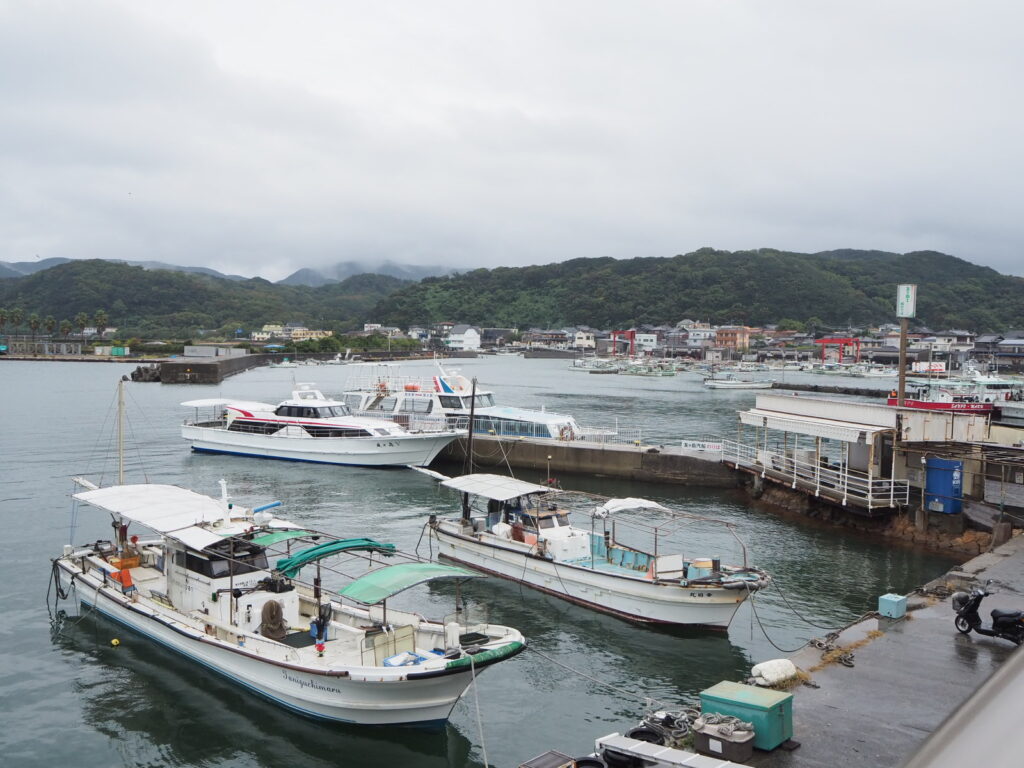
Japan’s coastline is dotted with small fishing ports and traditional fishing villages where people continue to live alongside the sea. Beyond the country’s well-known tourist destinations, these communities offer a glimpse into a different side of Japan, where fishing, local traditions, and everyday life remain closely connected.
Visiting a fishing village is about much more than enjoying fresh seafood or admiring beautiful coastal scenery. It is also an opportunity to discover historic streets, learn about the work of local fishermen, explore religious traditions, and understand how generations of people have built their lives around the sea.
Yet many of these experiences are not immediately visible to visitors. Narrow alleyways that rarely appear on tourist maps, small restaurants frequented by local residents, and places where fishermen sell their daily catch directly to customers are often best discovered with someone who knows the area.
One way to explore Japan’s fishing villages is through a private tour with a local guide. Rather than following a fixed sightseeing itinerary, you can discover each community at your own pace, focusing on the history, food, nature, and everyday culture that interest you most.
In this article, I would like to introduce three distinctive coastal communities in Wakayama Prefecture, where I live: Kada, Saikazaki, and Nachikatsuura. Each offers a different perspective on life along Japan’s coast.
1. Kada: A Historic Fishing Village Facing the Kitan Strait

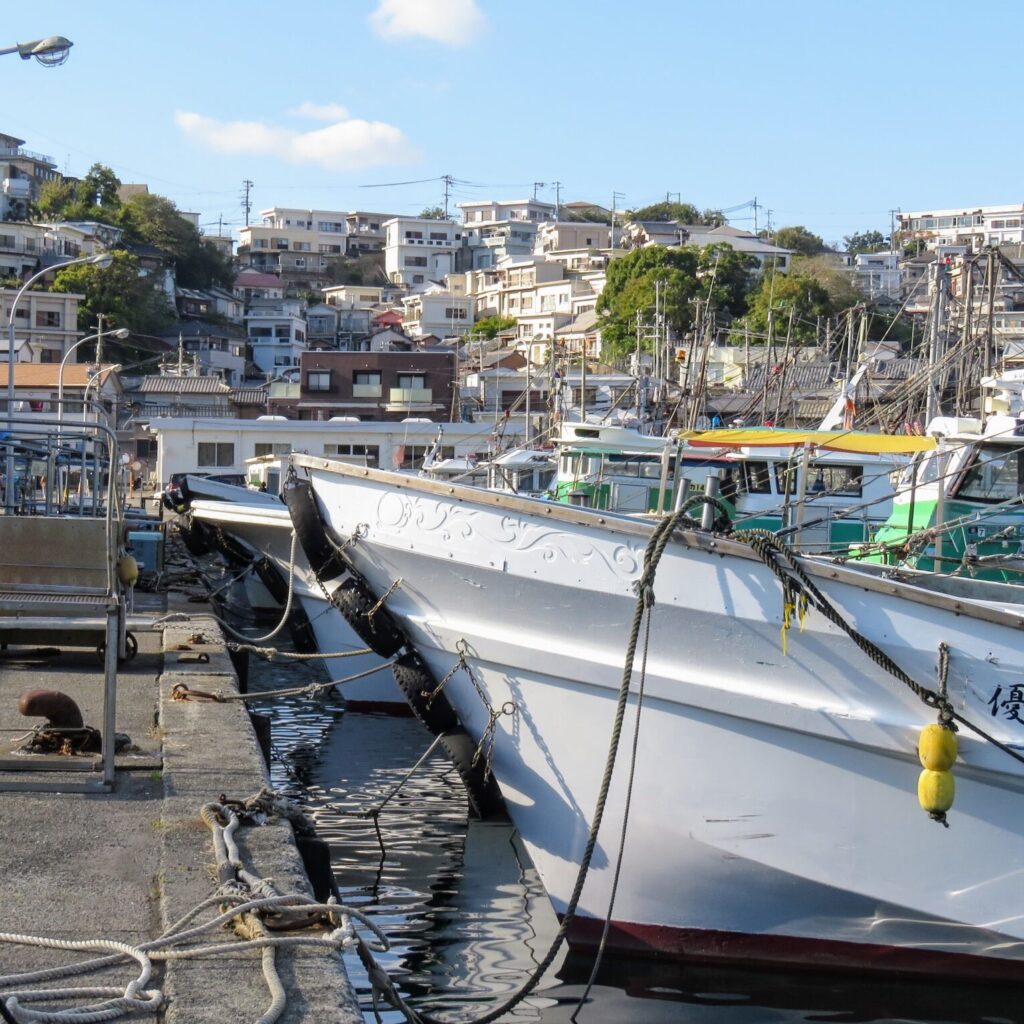
Located in the northwestern part of Wakayama City, Kada is a historic fishing village facing the Kitan Strait, which connects Osaka Bay with the Kii Channel.
Despite being relatively accessible from Osaka, Kada retains a peaceful atmosphere. Its harbor remains at the heart of a traditional coastal community, where fishing continues to play an important role in everyday life.
Walking through Kada, you can discover old buildings, streets surrounding the fishing port, and views of the sea. Rather than the carefully arranged scenery of a typical tourist destination, the village offers an opportunity to experience the everyday atmosphere of a traditional Japanese fishing town.
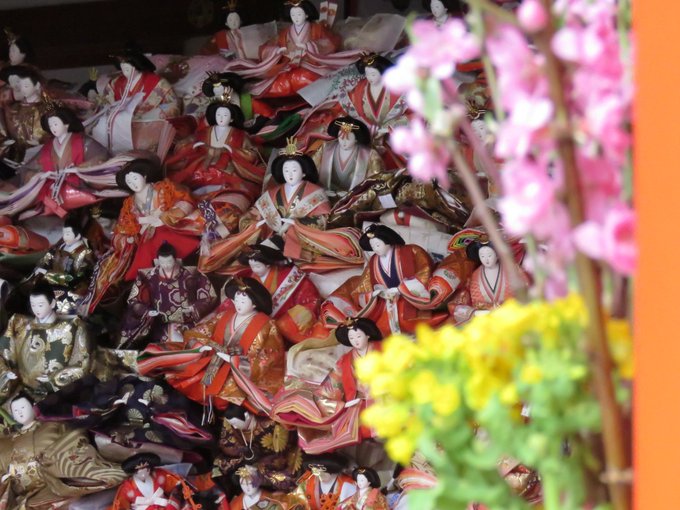
One of its most notable historical sites is Awashima Shrine. Famous for its traditional doll memorial ceremonies, the shrine has a history of nearly 1,800 years and has long attracted worshippers, particularly women. Thousands of dolls displayed throughout its grounds create a distinctive atmosphere and offer a glimpse into the religious traditions passed down through generations in this region.
Just offshore from Kada lies Tomogashima, an island group with a fascinating combination of historical connections to Shugendo, Japan’s mountain ascetic tradition, and former military fortifications built during the Meiji period (1868–1912).
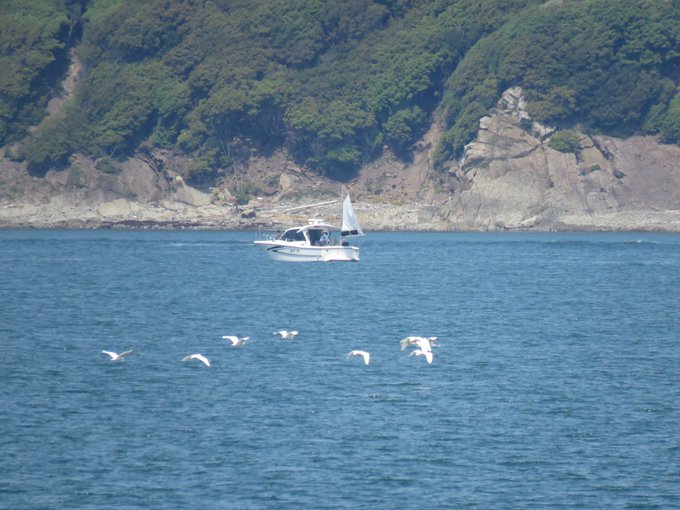
Among the island’s most striking features are the remains of brick artillery batteries built as part of Japan’s coastal defense system. Exploring these abandoned structures surrounded by lush vegetation offers an unusual perspective on modern Japanese military history. Understanding the strategic importance of the Kitan Strait also helps explain why these islands once played such an important role.
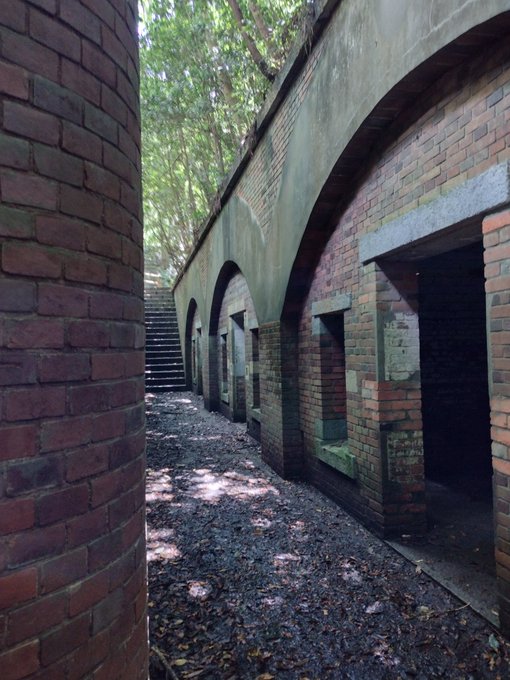
Another attraction of Kada is its seafood. The Kitan Strait is known for its strong ocean currents and has supported a thriving fishing industry for generations. Sea bream is particularly associated with the area, while whitebait and other locally caught seafood are also popular.
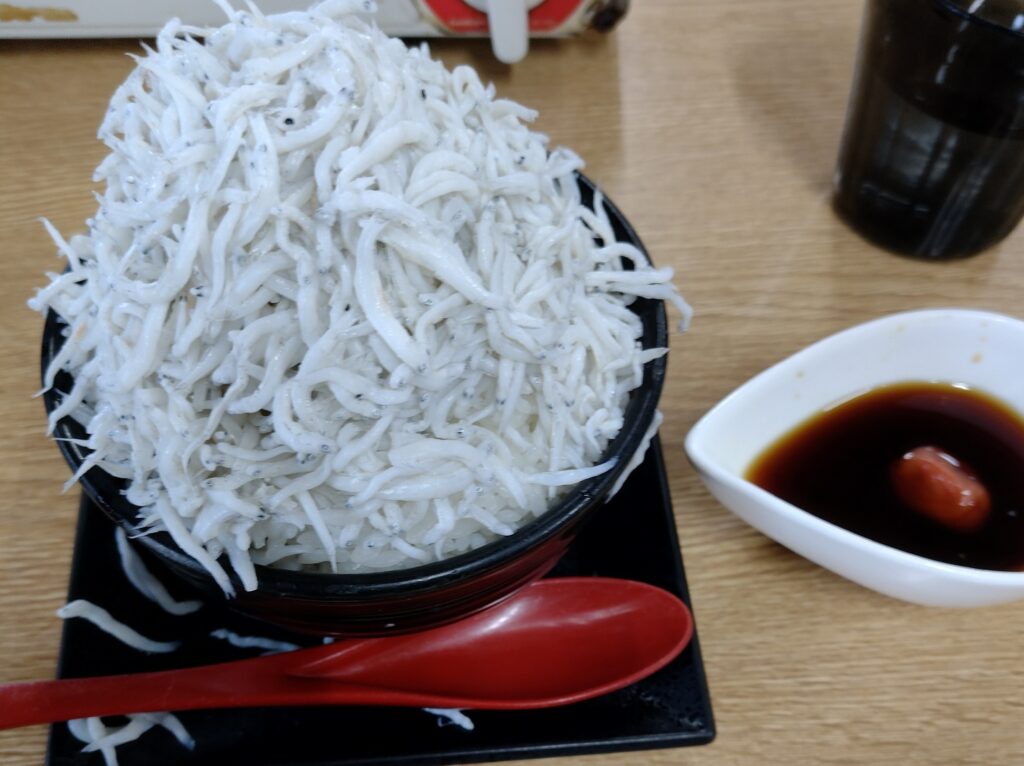
With a local guide, you can learn more than simply what is being caught. The geography of the strait, its currents, and the relationship between fishing and the development of the town all help explain why this small community has such a strong connection to the sea.
Historic shrines, mountain religious traditions, military heritage, and a living fishing industry all coexist in Kada. It is a small coastal town where different chapters of Japanese history come together.
2. Saikazaki: Discovering the Hidden Paths of a Living Fishing Village

Located in the southwestern part of Wakayama City, Saikazaki is a distinctive fishing village built along a steep hillside overlooking the sea.
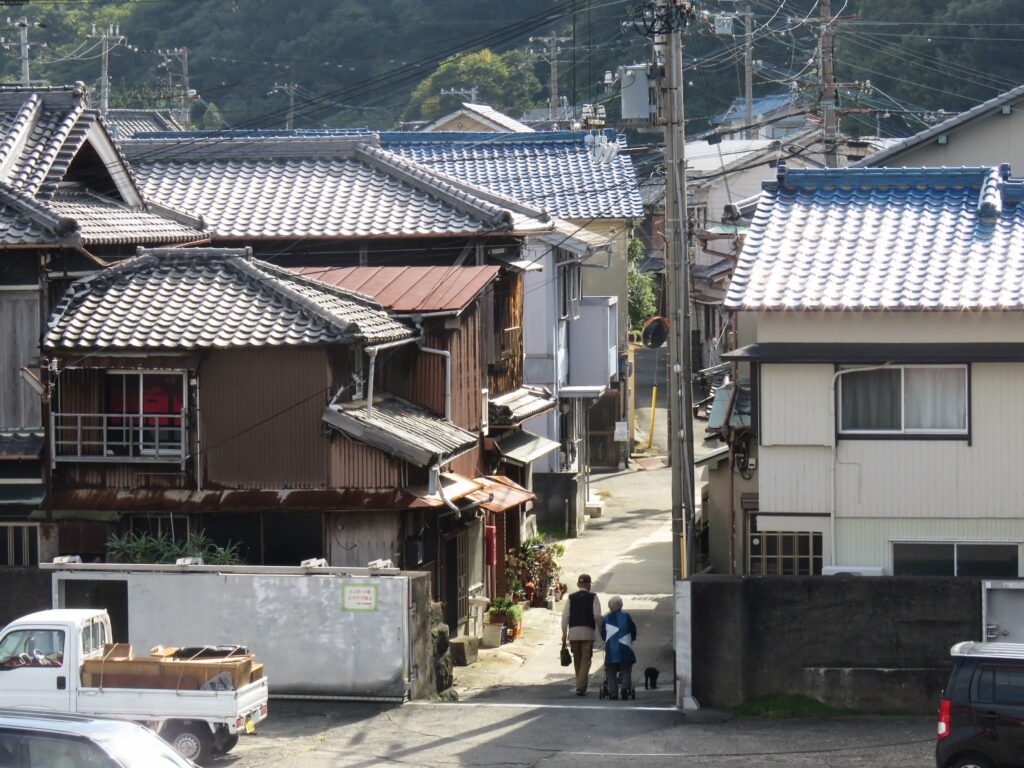
Houses are tightly arranged in tiers facing the water, while narrow pathways wind between them, creating a maze-like network of streets. For first-time visitors, finding their way through these alleys can feel like exploring a hidden corner of Japan.
This unusual landscape reflects generations of people adapting to limited land while making their living from the sea. Walking between the houses offers a glimpse into a residential community that has developed naturally over time, rather than a landscape created specifically for tourism.
From Saikazaki Lighthouse, visitors can enjoy sweeping views of the Kii Channel and the islands beyond. On a clear day, the open horizon creates a beautiful sense of space between the sea and the sky.
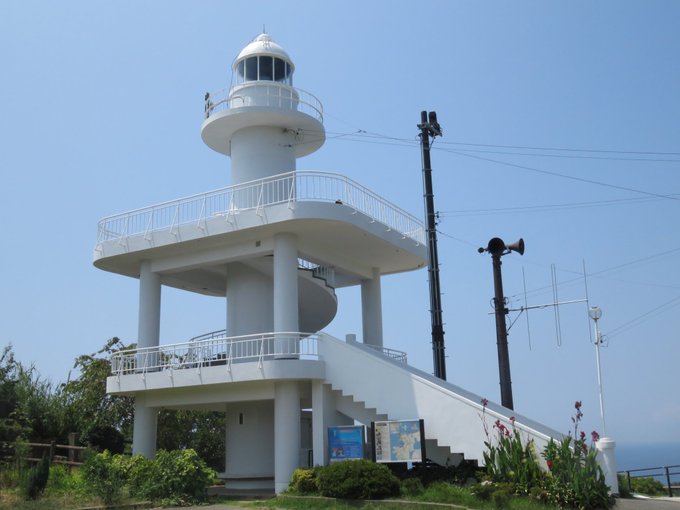
However, the real charm of Saikazaki extends well beyond its viewpoints and photographic scenery.
One of the village’s distinctive traditions is known locally as hata-uri, a form of direct fish sales in which fishermen sell their catch themselves. After returning from the sea, fishermen may sell freshly caught fish directly to local residents and visitors, depending on the day’s catch.
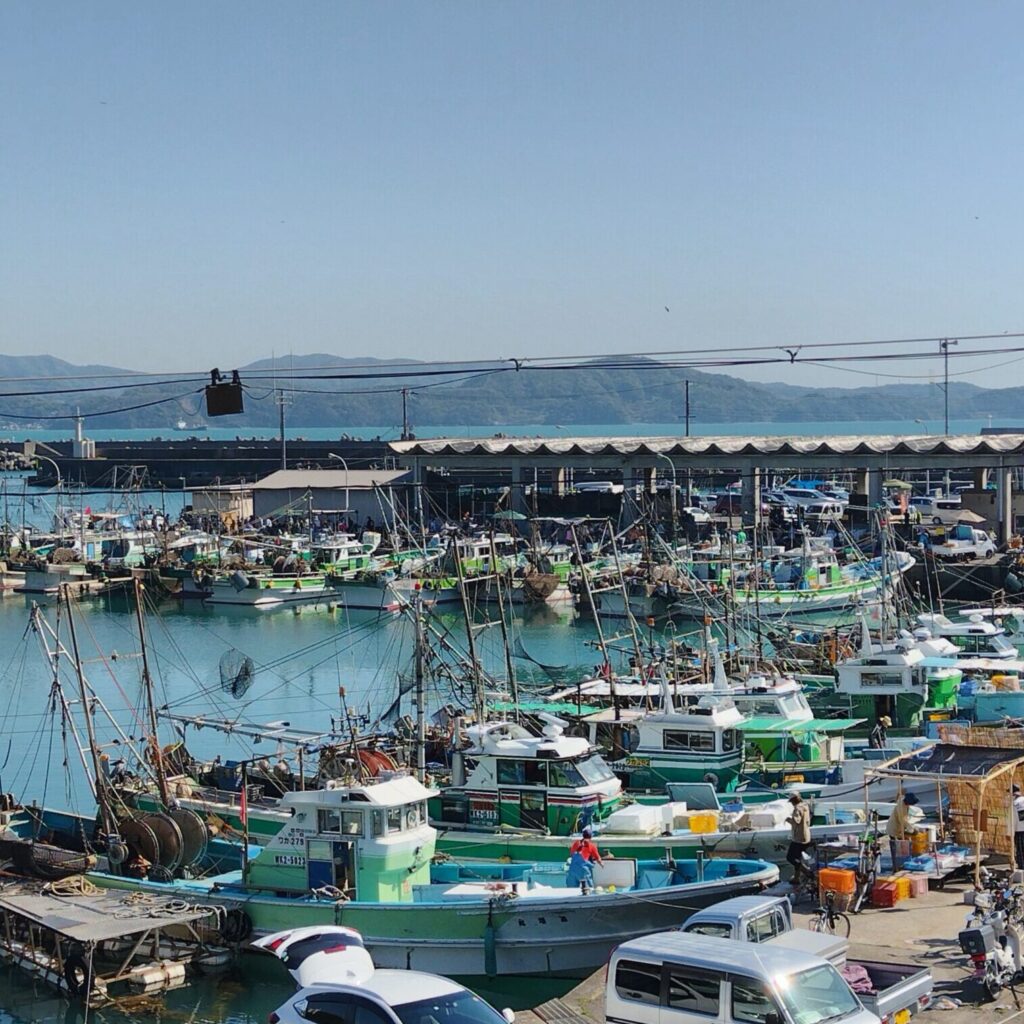
This simple exchange offers an insight into how closely fishing remains connected to everyday life in the village.
The types of fish available and the timing of sales depend on fishing conditions, so visitors should not expect to find them every day. Nevertheless, encountering this everyday activity can be one of the most memorable aspects of exploring a traditional fishing community.
Saikazaki is also home to popular local sushi restaurants and other small eateries. Enjoying a meal at a restaurant familiar to local residents, rather than choosing only places designed for tourists, is another way to experience the area’s food culture.
This is where exploring Saikazaki with a local guide becomes particularly valuable.
Which narrow paths are worth following? Where can you find the best views of the sea? Which restaurants are popular with people who live in the area?
A guide who knows the village can help you discover these places and understand the everyday life behind its distinctive scenery. Instead of simply passing through the village, you have the opportunity to spend time experiencing it as a living community.
Saikazaki offers a fascinating glimpse into the present-day life of a traditional Japanese fishing village.
3. Nachikatsuura: Tuna, Sacred Mountains and the Pacific Coast
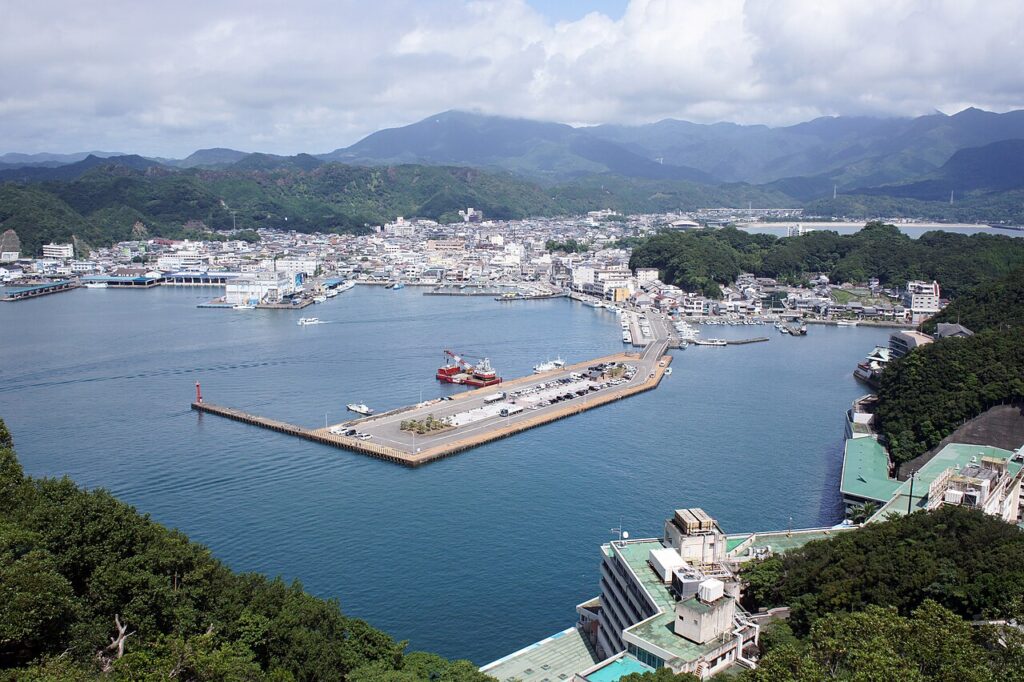
Located in southern Wakayama Prefecture, Nachikatsuura is widely known as one of Japan’s leading ports for fresh tuna landings.
At Katsuura Fishing Port, tuna caught in both nearby and distant waters arrives at the harbor. The town is home to numerous sushi restaurants and eateries where visitors can enjoy exceptionally fresh tuna.
Fresh, never-frozen tuna is particularly associated with the local food culture. Its distinctive texture and flavor make it an attraction for travelers who visit the area specifically to enjoy its seafood.
Walking around the fishing port and stopping at a local restaurant to enjoy tuna is one of the highlights of visiting Nachikatsuura.
Yet the appeal of this region goes far beyond its seafood.
Behind Nachikatsuura rise the mountains of Kumano, an area that has been regarded as a sacred landscape for centuries. Kumano Nachi Taisha Grand Shrine, Seiganto-ji Temple, and Nachi Falls are among the most important sites associated with Kumano’s religious traditions. They are also part of the UNESCO World Heritage property known as Sacred Sites and Pilgrimage Routes in the Kii Mountain Range.
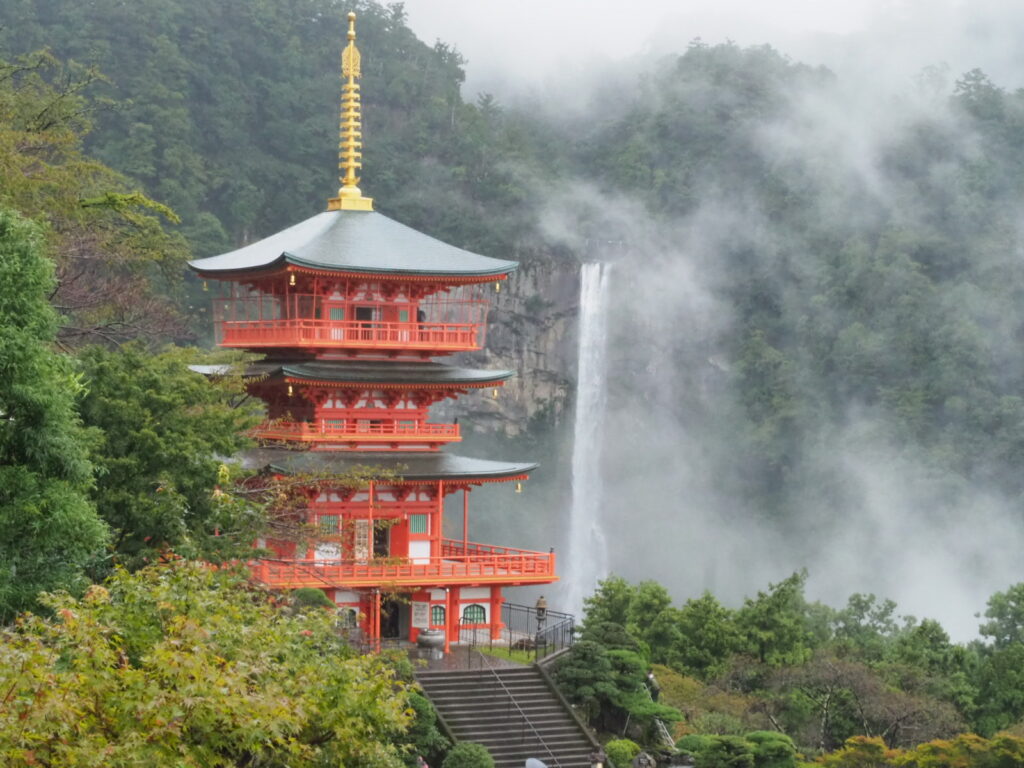
Here, the sea and mountains exist remarkably close together. The coastal communities built around fishing and the mountain traditions shaped by centuries of religious practice form two closely connected aspects of the region’s cultural identity.
Further south lies Kushimoto, near the southernmost point of Japan’s main island of Honshu. Its dramatic coastal scenery, including the distinctive Hashigui-iwa rock formations, reveals another side of the Kii Peninsula’s natural diversity.

Exploring this region with a local guide allows you to understand the connections between its tuna fishing port, sacred sites, and coastal landscapes. Rather than treating each attraction as an isolated sightseeing destination, you can discover how the natural environment and history of the Kii Peninsula have shaped the region as a whole.
Enjoying freshly caught seafood, learning about the history of Kumano, and taking in the vast Pacific Ocean create a journey that brings together food, history, and nature.
4. Why Explore a Fishing Village with a Private Local Guide?
People visit Japan’s fishing villages for many different reasons.
Some are interested in fresh seafood, while others want to explore traditional streets, learn about the lives of fishermen, or discover the history of coastal communities. However, the appeal of a fishing village cannot always be found in its most famous tourist attractions.
Consider the narrow streets of Saikazaki. They are not simply picturesque backdrops for photographs; they reflect generations of people adapting to life on a steep hillside by the sea.
Similarly, the direct sale of freshly caught fish by local fishermen is more than just a shopping opportunity. It offers a glimpse into the relationship between the fishing industry and the community.
The same is true of the many historical and cultural connections found throughout Wakayama. Understanding the history of the shrines and former military facilities around Kada, or the relationship between fishing and religious traditions in Nachikatsuura, adds depth to the experience of visiting these places.
A private tour allows you to shape your visit around your own interests.
If you enjoy history, you can focus on local shrines and historical sites. If food is your main interest, you can explore fishing ports and local restaurants. If you prefer walking, you can spend more time wandering through narrow streets and along the coast.
Another advantage is the freedom to travel at your own pace.
Traveling in Japan does not have to mean visiting as many famous attractions as possible in a limited amount of time. Taking the opportunity to experience local lifestyles and the rhythm of everyday life can become one of the most meaningful parts of a journey.
5. Create Your Own Private Fishing Village Journey in Wakayama
Kada, Saikazaki, and Nachikatsuura each offer a different experience of life in Japan’s fishing villages.
In Kada, you can explore the region’s history, coastal scenery, and fishing culture.
In Saikazaki, you can wander through its maze-like streets and discover the everyday life of a fishing community through its fishermen, local restaurants, and direct fish sales.
In Nachikatsuura, you can enjoy fresh tuna while exploring the history of Kumano and the natural landscapes of the Pacific coast.
There is no need to follow a fixed sightseeing route when visiting these communities.
You might spend half a day exploring a single fishing village in depth, or plan a multi-day journey that takes you through several coastal towns across the Kii Peninsula.
By building your journey around your own interests—whether food, history, nature, photography, or encounters with local people—you can discover experiences that go beyond conventional sightseeing.
My guide service Curated Kii Peninsula Journey offers private guided journeys throughout Wakayama Prefecture and the wider Kii Peninsula, bringing together local history, culture, food, and nature.
Rather than simply showing you the main tourist attractions, I help you explore the background of each place and discover the everyday life of its communities, shaping the journey around your interests and preferred pace.
If you would like to visit Japan’s fishing villages and experience the local culture beyond the usual tourist routes, consider creating your own journey through the Kii Peninsula.
Sometimes, walking through the narrow streets of a small fishing town, enjoying the seafood that local people eat, and spending a quiet moment looking out over the sea can leave a more lasting impression than visiting another famous tourist attraction.
Related Posts
- Fishing Towns in Japan: Discover Local Life in Saikazaki and Kada, Wakayama
- After Walking the Kumano Kodo: Four Hidden Corners of Southern Wakayama
- Beyond the Beach: A Slow Cultural Stay in Southern Wakayama
- Traditional Japanese Towns in Wakayama: 5 Places to Discover Historic Houses and Local Heritage
Related posts:
Kumano Kodo Short Walk Itinerary (For Beginners)
Fruit Kingdom Katsuragi: Discover Seasonal Fruits Around Koyasan
Best Tuna Cutting Shows in Wakayama: Markets, Times & Tips
Koyasan + Hidden Wakayama: 2-Day Itinerary Beyond Osaka Crowds
Private & Small Group Tours in Wakayama: How to Plan Your Journey
No responses yet