
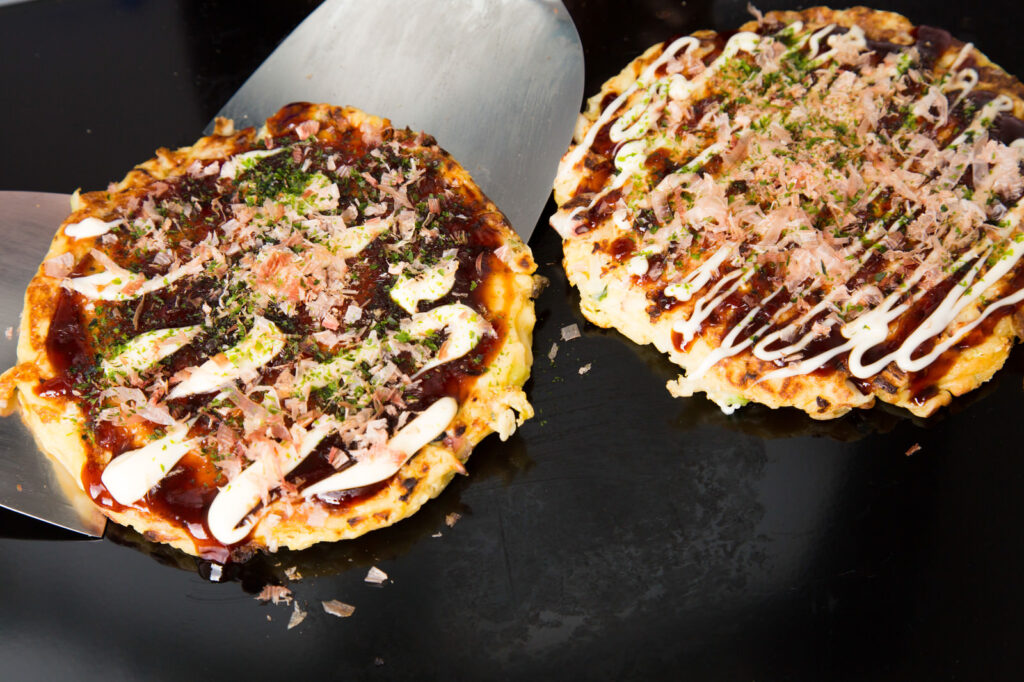
Osaka is one of Japan’s great food cities. Takoyaki, okonomiyaki, kushikatsu, and countless restaurants make it an easy place to discover Japanese cuisine.
But if food is one of the reasons you travel to Japan, it is worth going beyond Osaka.
Across Japan, regional dishes are closely connected to local ingredients, climate, history, and everyday life. In some places, a bowl of noodles reflects a century of local food culture. In others, a simple bowl of rice topped with freshly caught seafood tells the story of a fishing community.
Here are seven places to discover regional Japanese food beyond Osaka — including two very different food experiences in Wakayama.
1. Wakayama City, Wakayama — Wakayama Ramen
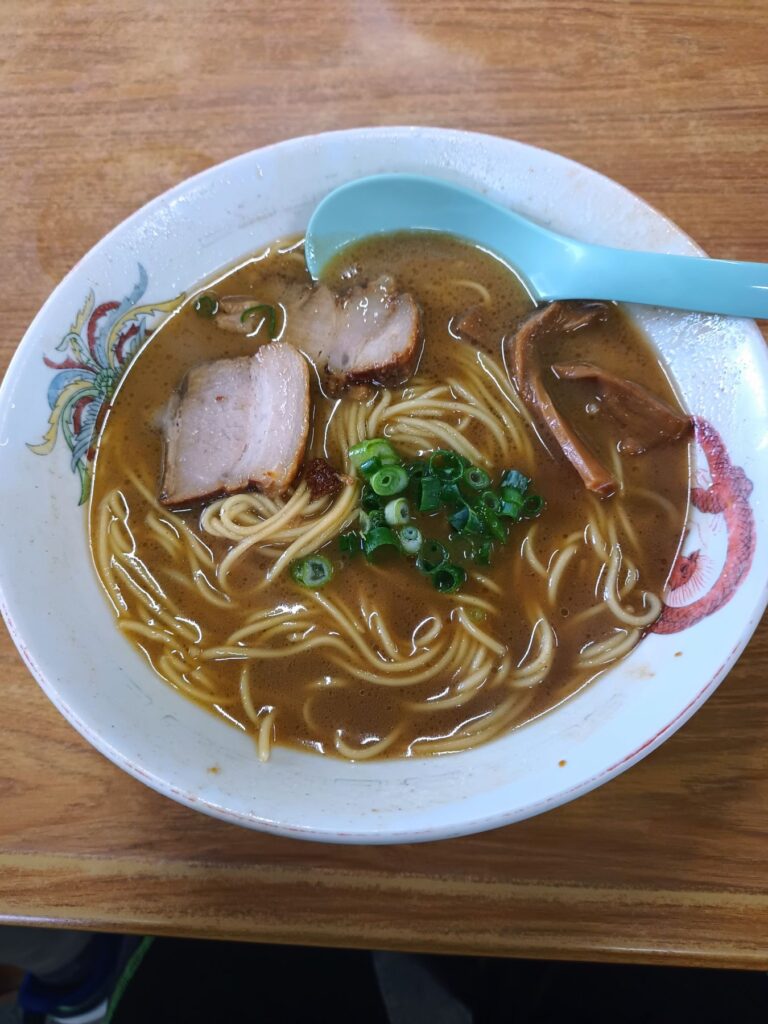
Just south of Osaka, Wakayama City has its own distinctive ramen culture.
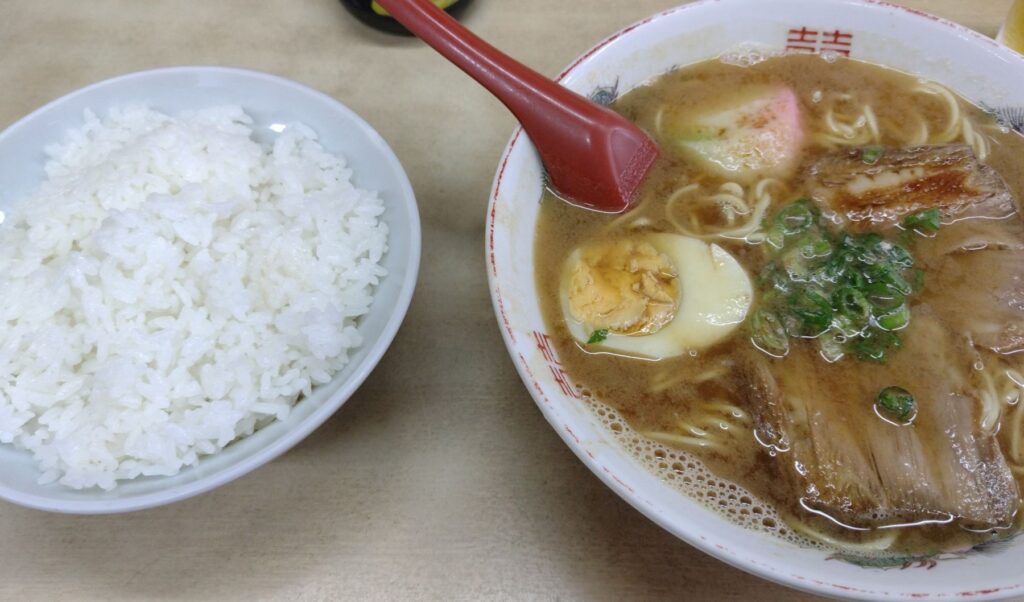
Locally, it has traditionally been called chuka-soba, or simply chuka. The ramen is generally associated with a pork-bone and soy-sauce-based broth, although the exact flavor varies considerably from one restaurant to another. Two broad styles are often discussed: a richer, milky style and a lighter, clearer style.
Wakayama ramen developed from food stalls in Wakayama City in the mid-20th century. Rather than being a dish created specifically for tourists, it grew out of the city’s everyday eating culture.
There is also a distinctly local way of eating ramen. At some traditional restaurants, customers may help themselves to boiled eggs and hayazushi, small pieces of pressed mackerel sushi, while waiting for their noodles.
For visitors staying in Osaka, Wakayama offers an interesting change of perspective: instead of seeking another famous dish in a major tourist center, you can travel south and eat a regional noodle dish where its local culture developed.
And there is no single “correct” bowl. Trying different restaurants is part of discovering Wakayama ramen.
Related post: Why Wakayama Ramen Is Different
2. Kada, Wakayama — Fresh Shirasu Don
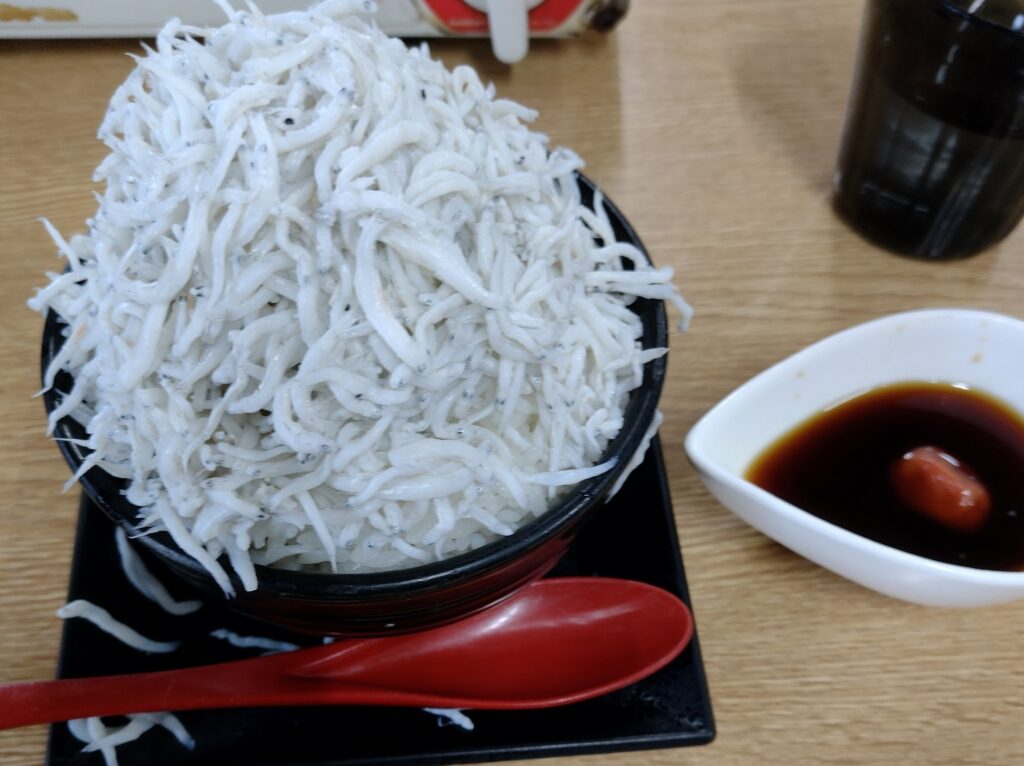
For a completely different food experience, head to Kada, a small coastal community in Wakayama City.
Here, the focus is not a famous national dish but the relationship between the fishing port and the local table.
One of the dishes to look for is shirasu-don — whitebait served over rice. Shirasu are tiny fish, usually young sardines or anchovies, and they are a familiar ingredient in coastal Japanese cuisine.
In Kada, eating a seafood bowl becomes part of a broader coastal experience. You can walk around the fishing village, look out over the Kii Channel, and combine lunch with a visit to Awashima Shrine or a walk along the coast.
This is very different from eating seafood in a large city restaurant. The attraction is not simply the ingredient itself, but the setting in which you encounter it.
For travelers interested in Japanese food culture, Kada is an example of why it can be worthwhile to leave the major cities: the closer you get to fishing communities, farms, and production areas, the easier it becomes to understand where everyday Japanese food comes from.
Related post: A Week of Slow Living by the Sea in Wakayama City
3. Kyoto — Obanzai
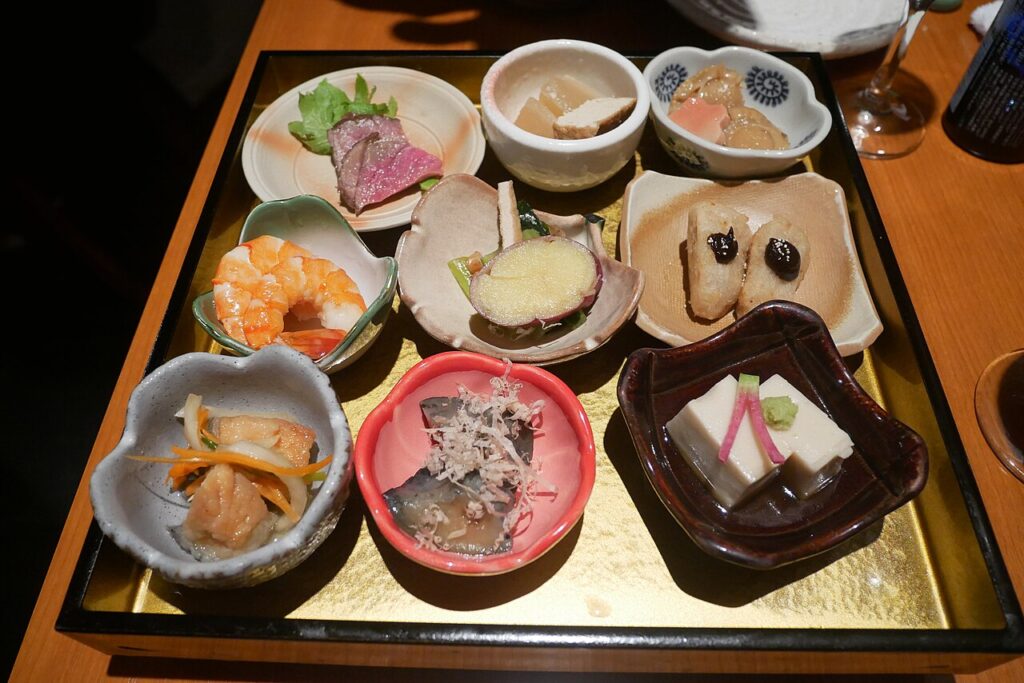
Kyoto is famous for kaiseki cuisine, but travelers interested in everyday regional food should also look for obanzai.
Obanzai refers to traditional home-style dishes associated with Kyoto. Rather than focusing on a single spectacular ingredient, these dishes make use of seasonal vegetables, tofu, fish, and other ingredients in relatively simple preparations.
This makes obanzai particularly interesting for understanding the relationship between seasonality and everyday Japanese cooking.
Instead of thinking only about Kyoto as the city of elaborate temple cuisine, look for the food traditions that developed in ordinary homes and neighborhood restaurants.
4. Hiroshima — Okonomiyaki
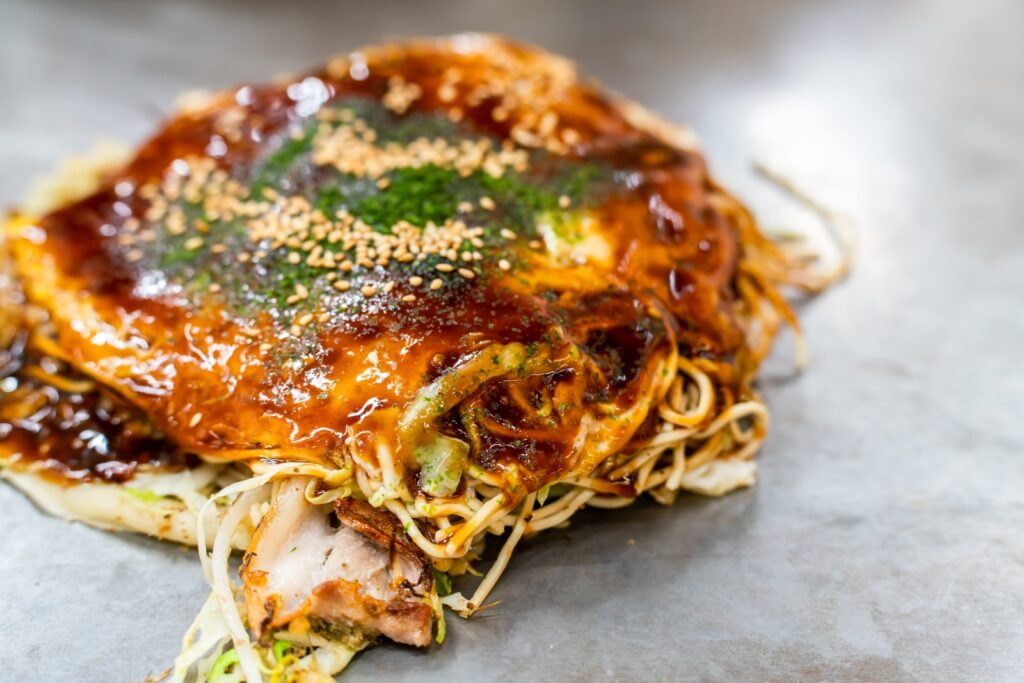
Hiroshima offers one of Japan’s most recognizable regional interpretations of okonomiyaki.
Unlike Osaka-style okonomiyaki, where ingredients are generally mixed into the batter, Hiroshima-style okonomiyaki is built in layers. Cabbage, noodles, meat or seafood, batter, and other ingredients are assembled on the hotplate before being finished with sauce and toppings.
The difference is more than a matter of ingredients. Watching the dish being constructed on a large griddle is part of the experience.
Hiroshima is therefore a good destination for travelers who want to see how a familiar Japanese dish changes from region to region.
5. Takamatsu, Kagawa — Sanuki Udon
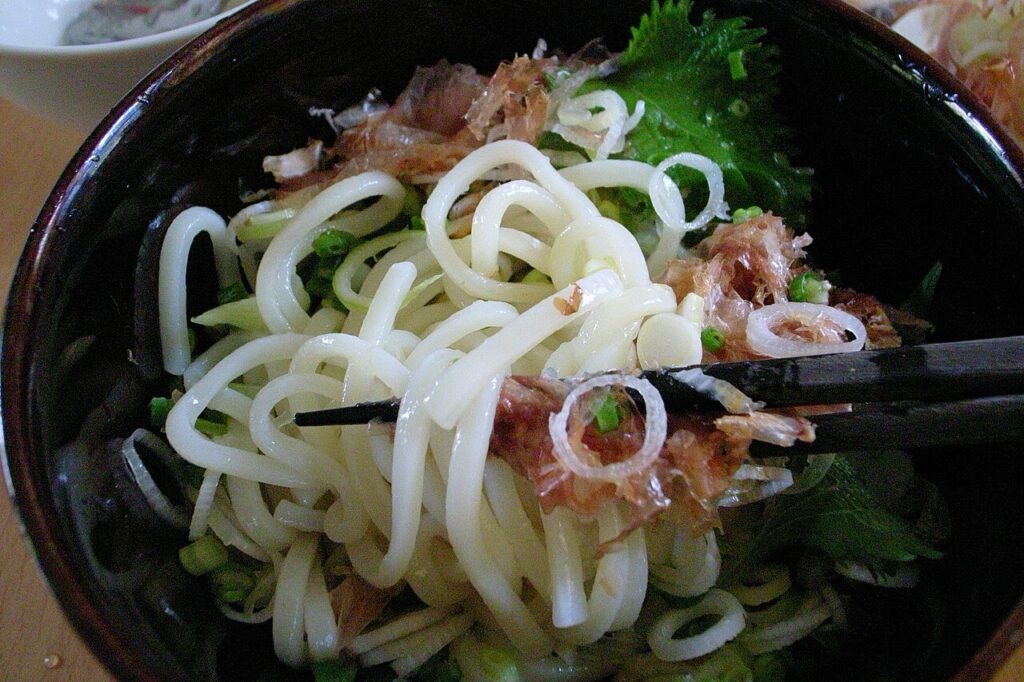
For noodle lovers, Kagawa is one of Japan’s essential destinations.
The prefecture is particularly famous for Sanuki udon, characterized by thick wheat noodles with a firm, chewy texture.
Udon restaurants are deeply embedded in everyday life in Kagawa. Some are simple, inexpensive places where the focus is almost entirely on the noodles and broth or dipping sauce.
This is a useful reminder that regional Japanese food does not always mean expensive or elaborate cuisine. Some of Japan’s strongest food cultures are built around dishes that local people eat regularly.
6. Kanazawa, Ishikawa — Seafood and Kaga Cuisine
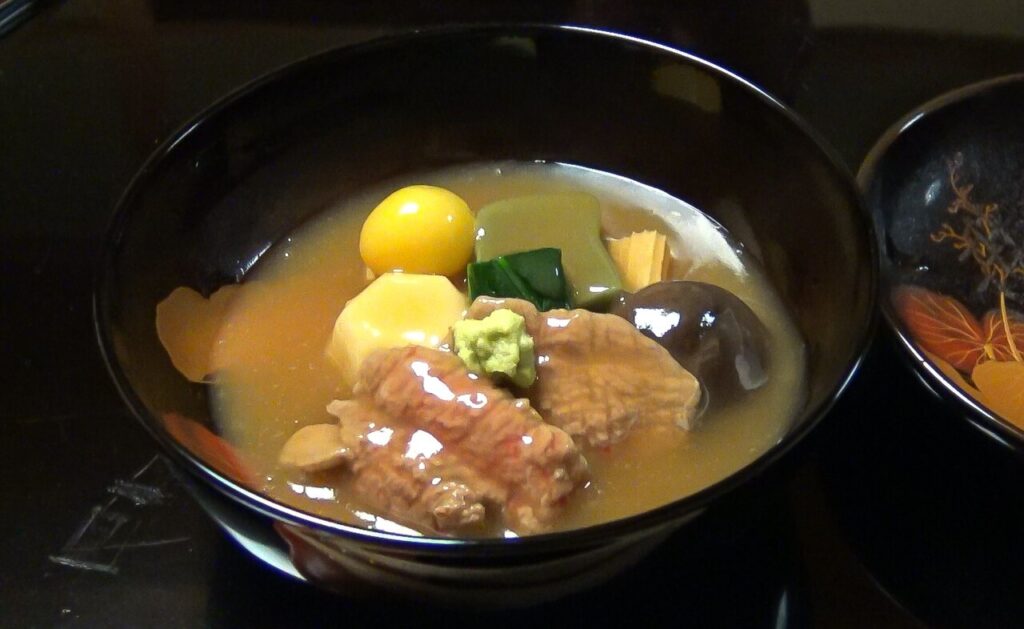
Kanazawa is another destination where geography and food culture are closely connected.
Located on the Sea of Japan, the city has access to a wide variety of seafood, while its traditional Kaga cuisine developed alongside the sophisticated cultural traditions of the former Kaga domain.
Look for seasonal seafood, sushi, seafood rice bowls, and dishes incorporating local vegetables.
Kanazawa is particularly interesting for travelers who want to experience both sides of Japanese regional cuisine: the everyday food of a coastal city and the refined culinary traditions associated with its history.
7. Fukuoka, Kyushu — Hakata Ramen
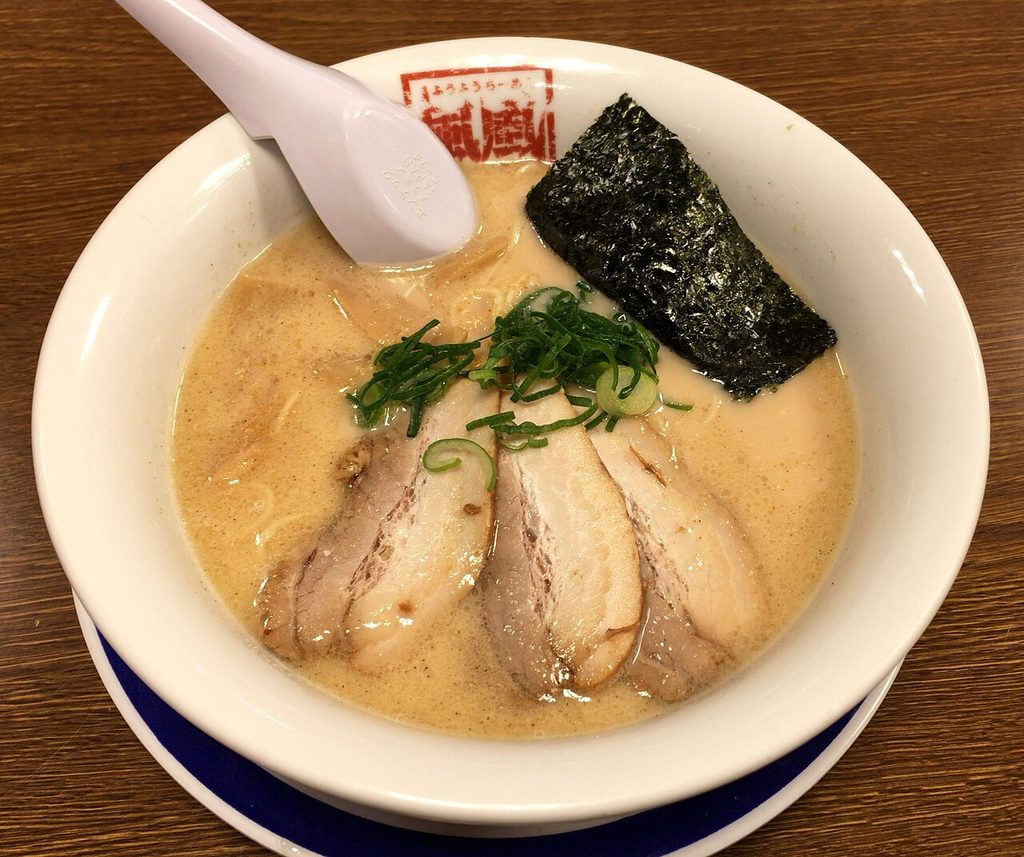
Fukuoka is one of Japan’s best-known food destinations, and Hakata ramen is probably its most internationally recognized dish.
The classic version features thin noodles and a rich pork-bone broth. Restaurants often allow customers to choose the firmness of their noodles, and ordering an additional portion of noodles — kaedama — is part of the culture.
But the experience is not simply about eating ramen.
Fukuoka’s food culture also includes motsunabe, mizutaki, grilled seafood, and numerous small food stalls known as yatai.
For visitors who have already experienced Osaka’s food scene, Fukuoka shows how dramatically the character of Japanese food can change as you travel farther west.
Regional Food Is a Reason to Travel
One of the most interesting things about eating in Japan is that regional food is often inseparable from the place itself.
A bowl of ramen in Wakayama tells a different story from ramen in Fukuoka.
A seafood bowl in a coastal fishing community is different from seafood served in a major city.
And a familiar dish such as okonomiyaki can take on a completely different form when you cross a regional boundary.
This is why food-focused travel in Japan does not have to mean staying in Tokyo, Kyoto, or Osaka.
Instead, consider choosing a dish or ingredient that interests you and following it back to the place where it became part of local life.
From Osaka to Wakayama: A Different Side of Japanese Food
For travelers based in Osaka, Wakayama is particularly accessible as a regional food destination.
In Wakayama City, you can explore the city’s long-established ramen culture and try different interpretations of Wakayama chuka-soba.
Then, in Kada, you can shift from the city to the coast and experience seafood connected more directly to a fishing community.
The contrast is part of the appeal.
One is a bowl of noodles shaped by urban everyday life. The other connects rice, seafood, and a coastal landscape.
If you want to understand Japanese food beyond the famous dishes found in the major tourist cities, these smaller regional food cultures can be a good place to start.
And sometimes the most memorable meal in Japan is not the one with the longest history or the highest price.
It is the one that makes you understand where you are.
Related Posts
- Regional Ramen in Japan: 6 Local Bowls Worth Traveling For
- 5 Regional Flavors That Tell the Story of Washoku
- 5-Day Unique Food Journey in Wakayama: Ramen, Seafood and Shoyu Sauce
- Best Tuna Cutting Shows in Wakayama: Markets, Times & Tips
No responses yet