
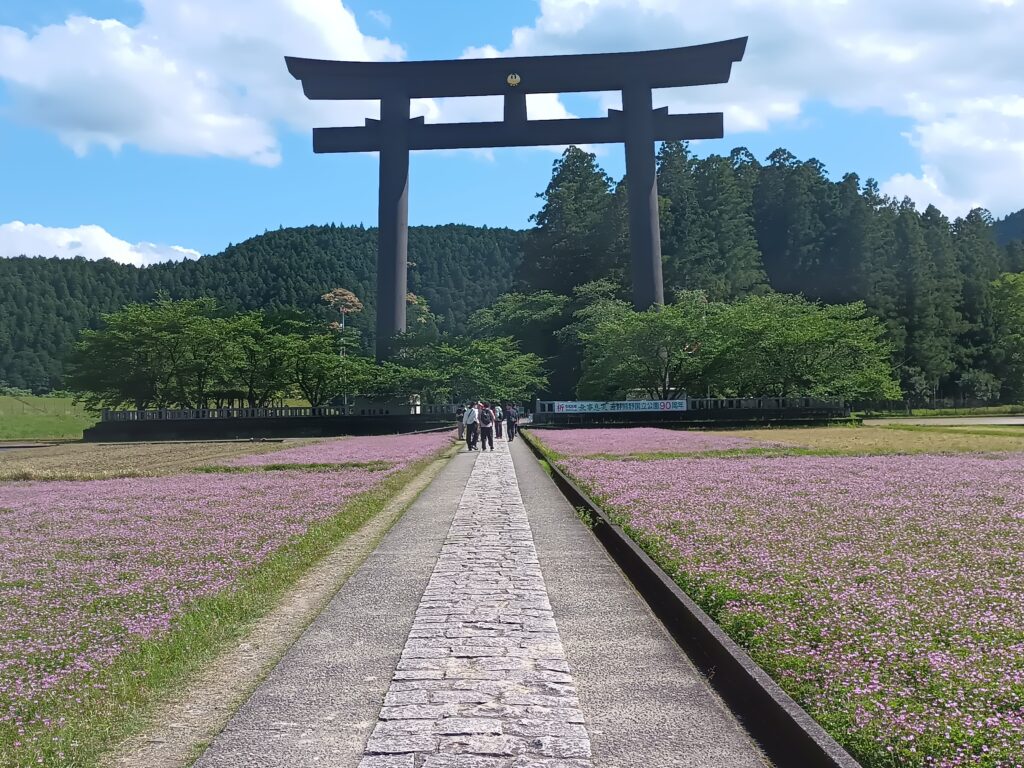
Walking the Kumano Kodo is a memorable way to experience Japan beyond its major cities. These ancient pilgrimage routes lead through deep forests, mountain passes, small villages, and sacred sites that have welcomed pilgrims for more than a thousand years.
For many international visitors, the Nakahechi route from Takijiri-oji to Kumano Hongu Taisha is the best-known section. Others continue from Hongu towards Kumano Nachi Taisha, crossing some of the most demanding mountain terrain on the entire pilgrimage network.
As a local guide in Wakayama, I have met many people who come to walk the Kumano Kodo. Some arrive well prepared, while others discover that the trails are more demanding than they expected. The distance shown on a map does not always tell you how difficult a day of walking will be.
Here are eight things I recommend knowing before setting out on your first Kumano Kodo hike.
What is Kumano Kodo?: Kumano Kodo Guide: Walking Through Japan’s Living Traditions
1. Book Your Accommodation Well in Advance

Accommodation is one of the most important things to arrange before walking the Kumano Kodo.
Unlike popular hiking destinations with numerous hotels and mountain huts, many sections of the Kumano Kodo pass through small rural communities. Guesthouses and minshuku are often family-run, with only a limited number of rooms. Some prepare meals according to the number of guests who have booked in advance.
During the popular spring and autumn seasons, accommodation along the trail can become fully booked well ahead of time. This is particularly true in smaller settlements along the Nakahechi route and around Hongu, Yunomine Onsen, Watarase Onsen, and Kawayu Onsen.
If you are planning to walk from Takijiri-oji to Hongu over several days, I recommend arranging your overnight stays before arriving in Japan. Do not assume that you can simply find a room at the end of each day’s walk.
It is also important to consider where you will stay in relation to the trail. A guesthouse may appear close on a map but require additional walking or a bus journey to reach.
My advice: Plan your accommodation and walking itinerary together. This will help you avoid unnecessary detours and make sure you can finish each day’s walk comfortably.
2. Plan Your Walking Distance Realistically
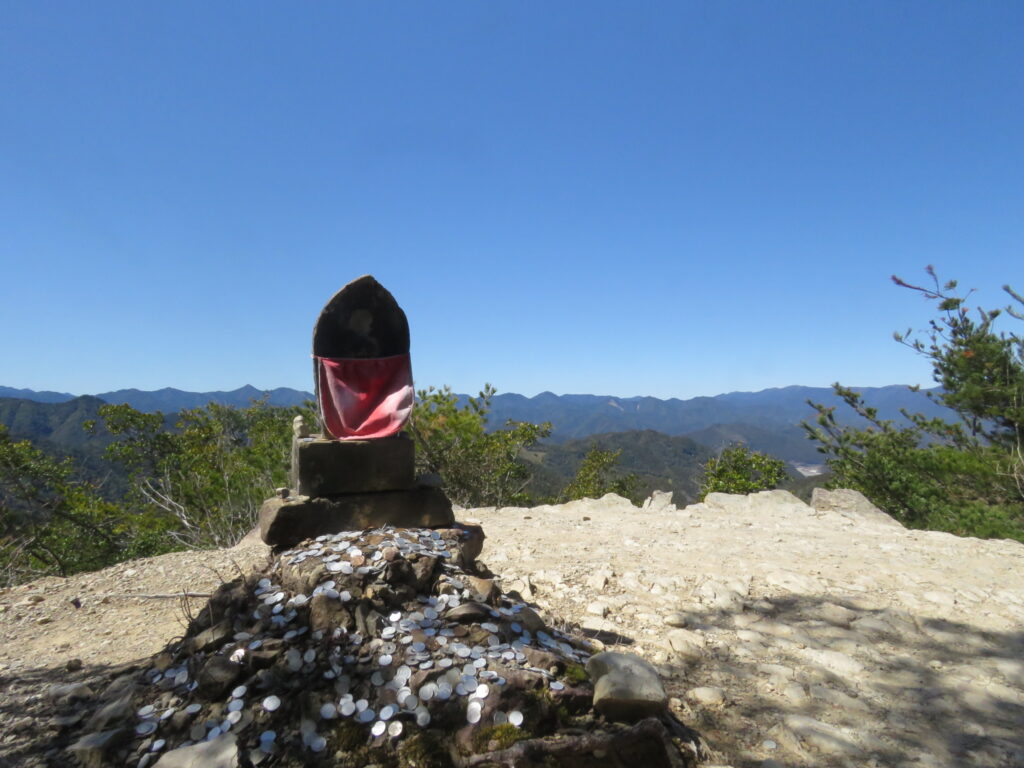
One of the most common mistakes first-time hikers make is underestimating the physical difficulty of the Kumano Kodo.
The section from Takijiri-oji to Kumano Hongu Taisha is approximately 38 km. Some descriptions give slightly different figures depending on the route and measurement method, but the important point is that this is not an easy 38 km walk.
The trail includes steep climbs, uneven stone paths, forest tracks, and repeated ascents and descents. Walking speed can be considerably slower than on ordinary roads.
Takijiri-oji to Hongu: More Challenging Than It Looks
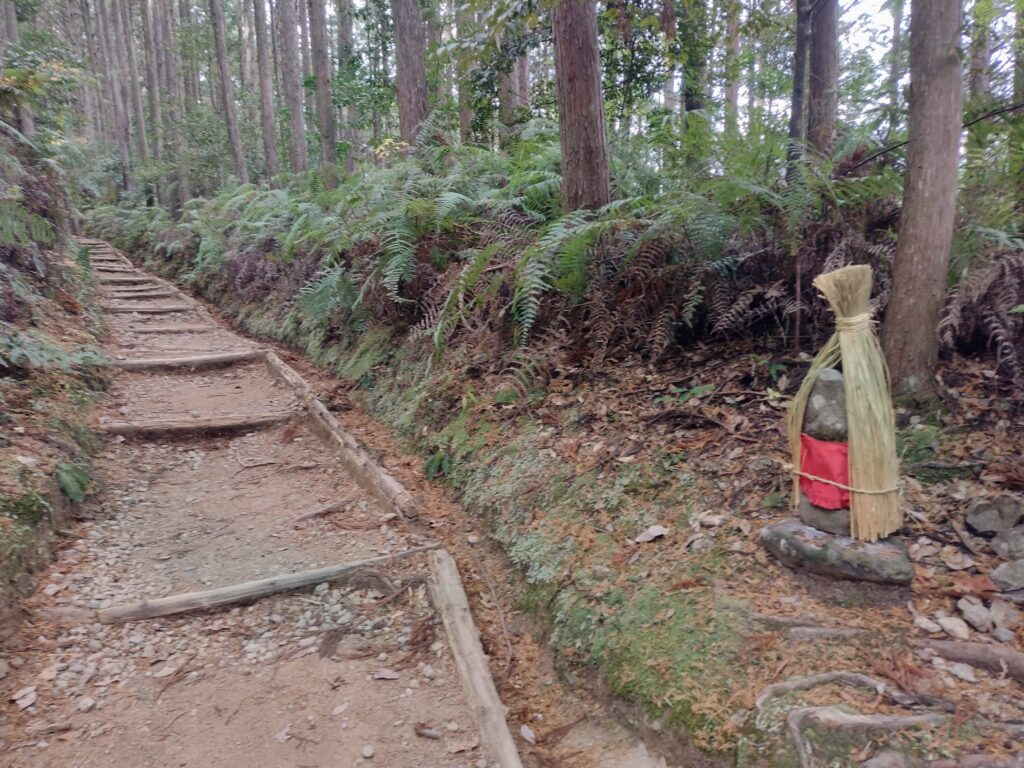
The trail begins with a steep climb from Takijiri-oji. This first ascent can be surprisingly demanding, especially for people who have not recently walked in mountainous terrain.
Further along, the route passes through Takahara, Chikatsuyu, and Tsugizakura-oji. Although there are some relatively gentle sections, the trail continues to rise and fall.
In my experience as a guide, the section from Tsugizakura-oji towards Hongu is particularly easy to underestimate. It is a long mountain walk with several climbs and descents. Some hikers expect to reach Hongu sooner than they actually do.
The section from Tsugizakura-oji to Hosshinmon-oji alone is approximately 13.5 km, with an estimated walking time of around four and a half hours, excluding breaks. From Hosshinmon-oji, it is another approximately 7 km to Hongu.
If you are tired or running behind schedule, taking a bus for part of the route, such as Hosshinmon-oji to Hongu, can be a sensible decision. I have seen hikers who needed to shorten their walk to reach their accommodation or avoid walking after dark.
There is no shame in adjusting your plan. It is much better to finish safely than to push yourself beyond your limits.
From Hongu to Nachi: Do Not Underestimate the Mountain Passes
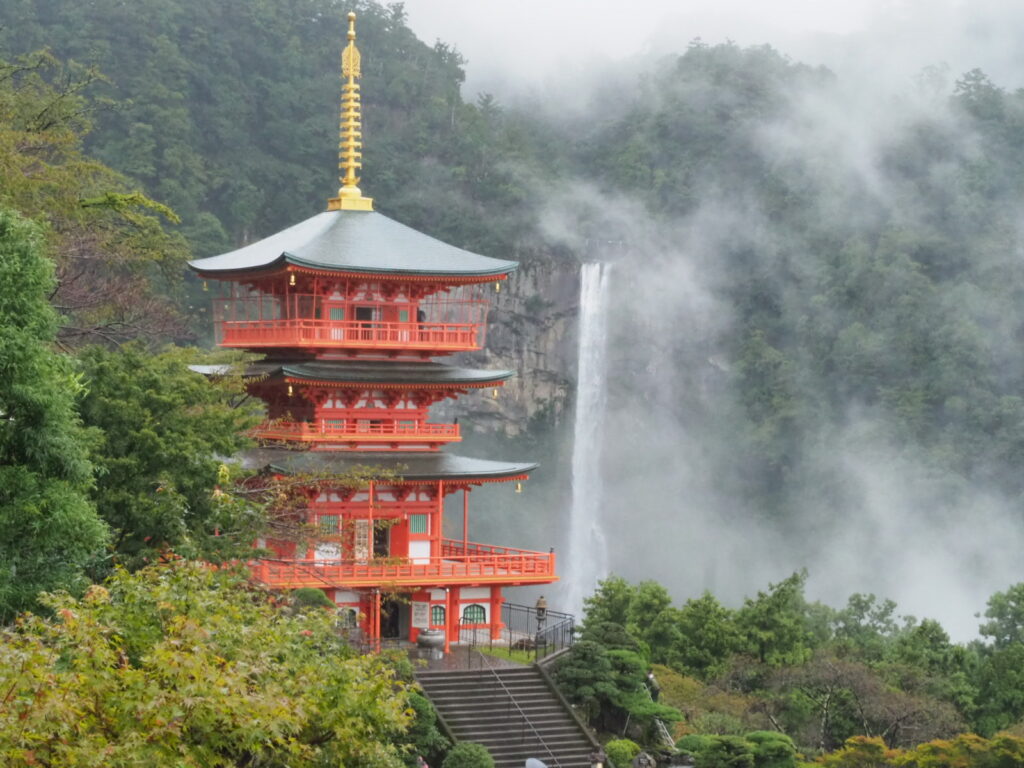
Some hikers continue from the Hongu area towards Kumano Nachi Taisha. This is another historic pilgrimage route, but it is important to understand that the terrain is demanding.
The route includes two major sections:
- Ogumotori-goe: Connecting the Koguchi area and Kumano Nachi Taisha, this section is one of the toughest parts of the Kumano Kodo. It crosses three mountain passes and involves substantial climbing and descending. The trail is approximately 14.5 km, with an estimated walking time of 7–9 hours.
- Kogumotori-goe: Connecting the Hongu area and Koguchi via the mountain trail, this section is also physically challenging. It is approximately 13 km and takes around 4.5 hours under normal walking conditions, excluding breaks.
Ogumotori-goe deserves particular attention. When walking from Koguchi towards Nachi, the trail climbs approximately 800 metres in elevation over the first 5 km. This steep ascent is traditionally known as Dogiri-zaka, which can be translated as the “Body-breaking Slope.”
Even experienced hikers should take this section seriously. There are no restaurants along the trail, and the walking time can be longer than expected.
If you are planning to walk from Hongu to Nachi, make sure you have enough time, suitable accommodation in Koguchi, and a realistic understanding of your physical ability.
My advice: Do not plan your hike based only on the total distance. Consider elevation changes, walking time, breaks, daylight hours, and your own fitness. The official difficulty ratings and trail information are useful starting points.
3. Be Aware of Wildlife and Insects
The Kumano Kodo passes through natural forests and mountainous areas. Encountering wildlife is part of the experience, but hikers should know how to behave around the animals and insects that live here.
Bears
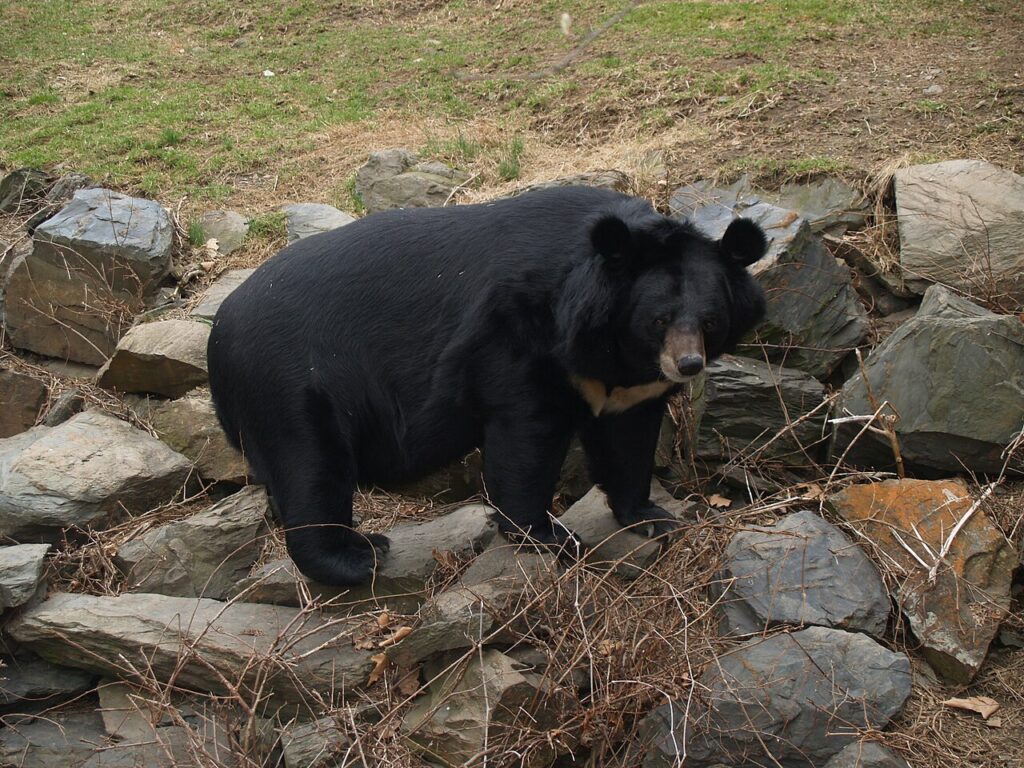
Asiatic black bears, known in Japanese as tsukinowaguma, inhabit parts of the Kii Peninsula. Encounters on the main Kumano Kodo trails are relatively uncommon, but they are possible.
To reduce the risk of surprising a bear:
- Walk with other people when possible.
- Talk while walking or carry a bear bell to make your presence known.
- Pay particular attention in areas with limited visibility.
- Check recent local wildlife information before setting out.
If you encounter a bear, do not approach it or attempt to take a close-up photograph. Keep your distance and move away calmly. Follow current local guidance on bear encounters.
Bear spray is sometimes carried by hikers in areas where bears are present, but it should never be treated as a substitute for sensible precautions. If you decide to carry it, learn how to use it before your hike.
Hornets

Hornets, especially Japanese giant hornets, can be a concern during the warmer months and into autumn.
If a hornet approaches you, do not swat at it or make sudden movements. Stay calm and move away slowly. Avoid disturbing nests, which may be hidden in trees, the ground, or other sheltered places.
Snakes and Ticks

You may also encounter snakes, including venomous species such as the Japanese pit viper (mamushi) and the tiger keelback (yamakagashi).
Do not try to touch, catch, or move a snake. Simply keep your distance and allow it to move away.
Ticks are another reason to wear suitable clothing. Long sleeves and trousers can help reduce exposure, and it is a good idea to check your skin and clothing after walking.
The Kumano Kodo is a beautiful natural environment. Respecting the wildlife is part of enjoying it safely.
4. Understand the Dual Pilgrim Stamp Book

One special feature of the Kumano Kodo is its connection with the Camino de Santiago in Spain.
Both are UNESCO World Heritage pilgrimage routes, and people who complete qualifying sections of both routes can become known as Dual Pilgrims.
The Dual Pilgrim Credential is a booklet that allows walkers to collect stamps along the Kumano Kodo and the Camino de Santiago.
To qualify, you must complete one of the designated Kumano Kodo route options and one of the qualifying Camino routes. For example, walking from Takijiri-oji to Kumano Hongu Taisha, approximately 38 km, is one of the accepted Kumano Kodo options. Walking between Kumano Hongu Taisha and Kumano Nachi Taisha, approximately 30 km, is another.
You do not need to collect every stamp along the entire Kumano Kodo network. You need to collect the stamps required for the route you have chosen.
The completion stamp for the Kumano Kodo side is located at Kumano Hongu Taisha.
The Dual Pilgrim Credential is available at several tourist information centers in the region, including the Tanabe Tourist Information Center, Kumano Kodo Kan Pilgrimage Center near Takijiri-oji, and Kumano Hongu Heritage Center.
If you are interested in becoming a Dual Pilgrim, check the latest requirements and stamp locations before your walk by the map or Kumano Kodo Now.
Dual Pilgrim (Kumano Tourism Burau)
5. Know Where to Buy Food and Drinks Along the Trail
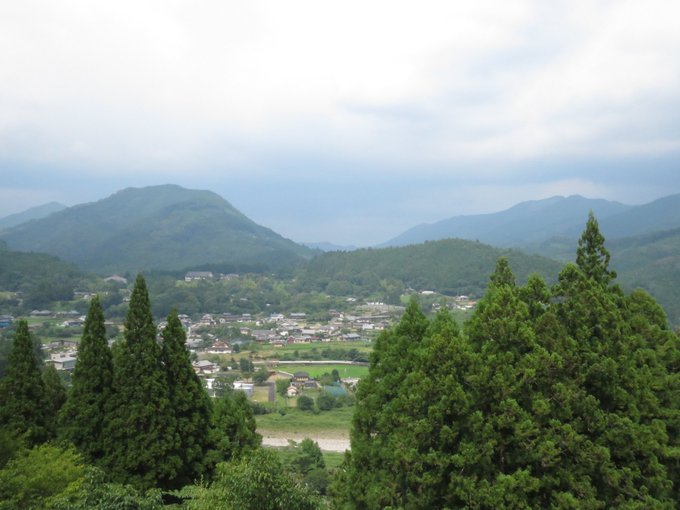
The Kumano Kodo passes through rural mountain communities, not large tourist areas. Shops, restaurants, and vending machines are limited, and you should not expect to find somewhere to buy food whenever you need it.
Along the Nakahechi route, some of the main places where hikers may find food and drinks include:
- Takijiri-oji: A starting point for many hikers, with facilities nearby.
- Takahara: A small settlement where accommodation and limited services are available.
- Michi-no-Eki Kumano Kodo Nakahechi: A useful place to check for refreshments and local products.
- Chikatsuyu: One of the larger settlements along the route, with some shops and facilities.
- Fushiogami-oji: A small shop serves drinks and snacks. But it has winter season or temporary closures.
- Hongu: The area around Kumano Hongu Taisha has more facilities than the smaller mountain settlements.
However, opening hours and availability vary. Some shops may be closed on particular days, and not every location will have a meal available.
If you are walking a long section, bring enough food and water from the beginning. A simple lunch, snacks, and sufficient drinking water can make a big difference, especially when you are climbing mountain passes.
For the Ogumotori-goe and Kogumotori-goe sections between Hongu and Nachi, preparation is even more important. There are no restaurants along the Ogumotori-goe trail, so bring your own lunch and enough water.
My advice: Check where you can buy food before each day’s walk. Do not rely on finding an open shop along the way.
6. Check Bus Timetables Before You Start Walking
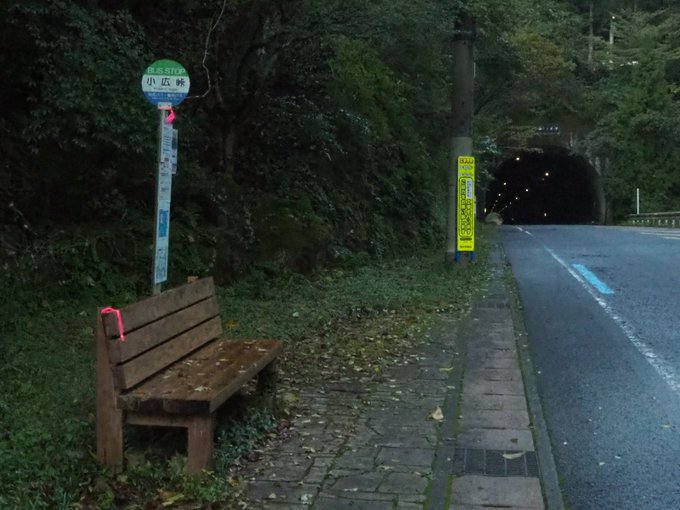
Public buses are essential for getting around many parts of the Kumano Kodo.
They connect trailheads, villages, accommodation areas, and major destinations such as Hongu and Nachi. However, services in the mountain areas are limited compared with those in large Japanese cities.
Depending on the route, buses may run only once an hour or even less frequently. Some services operate only on certain days, and some journeys require a transfer.
This is particularly important if you need to shorten your walk, return to your accommodation, or reach a train station.
Before setting out, check:
- The timetable for the exact bus stop you intend to use.
- Whether the service operates on your walking date.
- The location of the bus stop, as it may not be directly beside the trail.
- The last bus of the day.
- Whether a transfer is required.
Also, check the rules for your particular bus pass or ticket. Some passes and ticket types have different boarding and payment procedures, so do not assume that every pass works in the same way.
A missed bus in a remote mountain village can significantly affect your plans. Checking the timetable in advance is a small task that can prevent a major problem.
7. Wear Suitable Shoes and Clothing
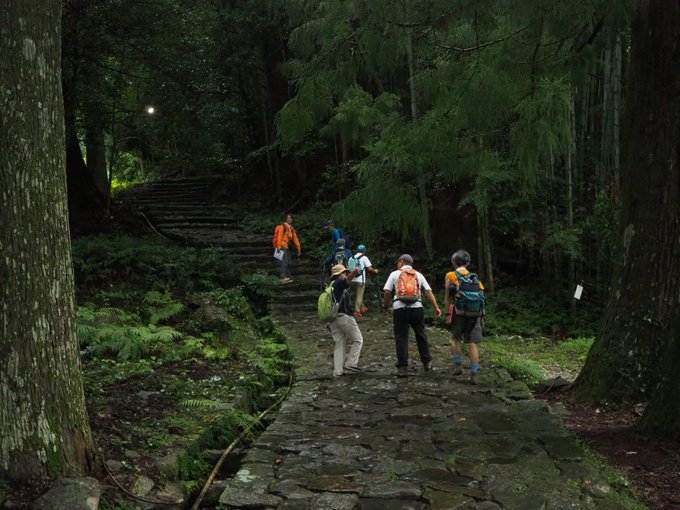
You do not need specialist mountaineering equipment for every section of the Kumano Kodo, but appropriate footwear and clothing are essential.
The trail surface varies considerably. You may walk on ancient stone steps, uneven forest paths, exposed roots, muddy ground, and paved roads through villages. Some stone sections become particularly slippery after rain.
I recommend:
- Comfortable hiking shoes or trail shoes with good grip.
- Shoes that you have already worn and tested.
- Moisture-wicking clothing rather than cotton.
- Layers that you can add or remove as the temperature changes.
- A waterproof jacket and trousers, or suitable rainwear.
- A hat and sun protection during warmer months.
- A small first-aid kit, including blister treatment.
The Kii Peninsula receives substantial rainfall, and weather conditions can change quickly in the mountains. Even when the weather looks fine at the start of your walk, it is worth carrying rain protection.
Walking poles can also be useful, especially on steep descents or uneven stone paths. However, practise using them before your trip.
If you are planning a multi-day walk, try to keep your backpack as light as possible. Carrying unnecessary weight makes repeated climbs much harder.
8. Check Toilet Locations and Plan Your Rest Stops
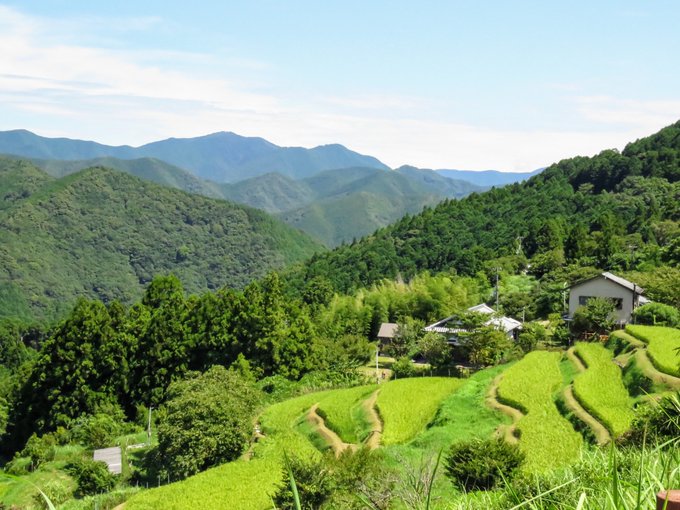
Toilets are limited along many sections of the Kumano Kodo.
Unlike a city walking route, you cannot expect to find public toilets at regular intervals. Some are located near shrines, trailheads, settlements, or rest areas, but there may be long stretches without facilities.
Before starting each day’s walk, check the locations of toilets on your route. Use the facilities at your accommodation or at the trailhead whenever possible.
It is also important to plan your rest stops. A short break for water, food, and a chance to enjoy the surroundings can help you maintain a comfortable pace.
Do not wait until you are exhausted before taking a break. The mountain trails are much more enjoyable when you allow yourself enough time. You can check the locations of toilets with the official map or Kumano Kodo Now.
Remember that the Kumano Kodo is a living cultural landscape. Please take all rubbish with you and respect the villages, shrines, and natural environment along the way.
Final Advice from a Local Guide: Enjoy the Journey, Not Just the Distance
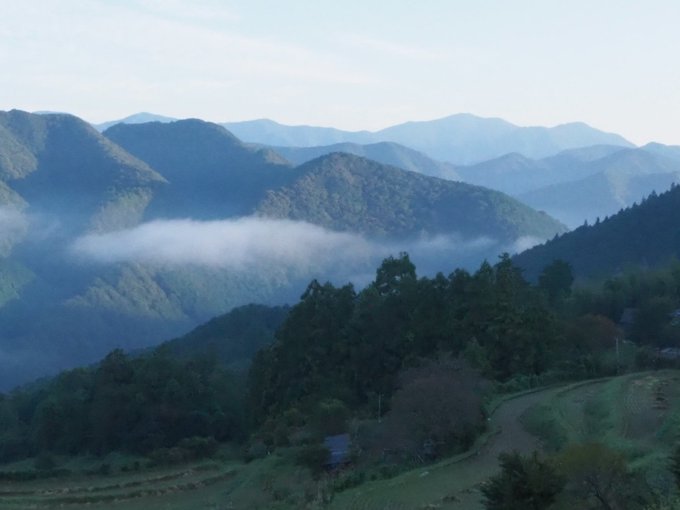
The Kumano Kodo is often introduced through its walking distances, famous shrines, and the challenge of completing a pilgrimage route. These are important parts of its appeal, but I believe there is much more to experience.
As you walk, you pass through forests that have been part of the spiritual landscape of Kumano for centuries. You see small settlements where people continue to live alongside the mountains. You may meet local residents, stop at a village shop, enjoy a simple meal, or discover a view that you would never have found by travelling directly between the major sightseeing spots.
These moments are also part of the pilgrimage.
You do not have to walk as quickly as possible or complete the longest distance every day. There is no need to treat the Kumano Kodo as a race or a physical challenge that must be conquered.
If you feel tired, take a break. If a village catches your attention, spend some time there. If the weather or your physical condition makes it necessary, change your plan.
The mountains, forests, and communities of Kumano have their own rhythm. Rather than trying to move through them as quickly as possible, I encourage you to slow down and experience that rhythm for yourself.
The real reward of walking the Kumano Kodo is not simply reaching the next shrine or completing a certain number of kilometres. It is experiencing the nature, history, and everyday life of Kumano along the way.
Take your time, walk safely, and enjoy your journey.
If you need support for Kumano Kodo walking, my Kumano Kodo Nakahechi Pilgrimage Walk or customizable Curated Kii Peninsula Journey can help you. Please feel free to contact me.
Read More About Kumano Kodo
- Before Walking the Kumano Kodo: A Day in Kii-Tanabe
- After Walking the Kumano Kodo: Four Hidden Corners of Southern Wakayama
- Beyond Kumano: Why Kushimoto Is One of Wakayama’s Most Underrated Destinations
- Walking the Kumano Kodo After the Camino de Santiago: What You Need to Know
- Beyond the Kumano Kodo: Life Along the Ancient Kiiji Road
Related posts:

The Rhythm of Life in Wakayama
Wakaura: A Living Cultural Landscape in Japan

Why Japanese Umeshu Is Gaining Attention in Bars & Restaurants
Kongobuji Temple, Koyasan: Exploring the Head Temple of Shingon Buddhism
From Pilgrimage to Plum Wine: Discovering Wakayama's Fermentation Culture in Kainan
No responses yet