
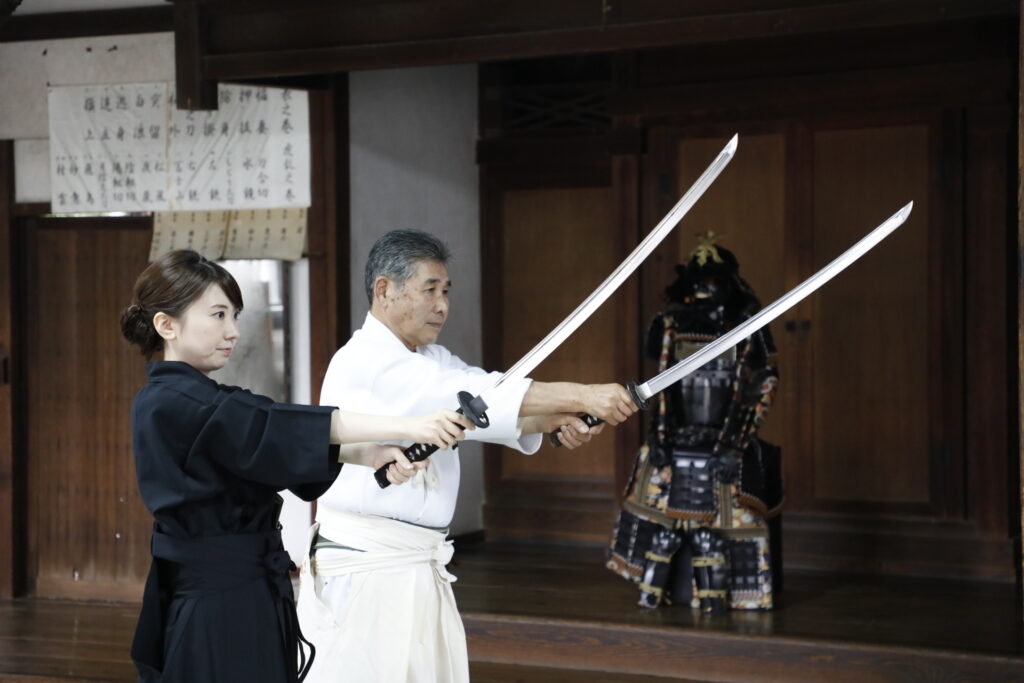
Japan’s samurai are among the country’s most recognizable cultural icons. Their swords, martial traditions, and codes of conduct continue to capture the imagination of travelers from around the world. For visitors to Japan, experiencing samurai culture firsthand can offer a more meaningful connection to Japanese history than simply seeing swords behind glass in a museum.
One way to explore this heritage is through iaido (居合道), a traditional Japanese martial art centered on drawing the sword, performing precise movements, and returning the sword to its scabbard. Rather than focusing on combat alone, iaido emphasizes concentration, posture, controlled movement, and mental discipline.
In Wakayama, visitors can discover this traditional art through a hands-on experience that offers a different perspective on Japanese culture. Combined with the region’s historic temples, traditional towns, and natural landscapes, iaido provides an opportunity to explore a side of Japan that goes beyond the usual sightseeing itinerary.
What Is Iaido? Understanding the Art of the Japanese Sword
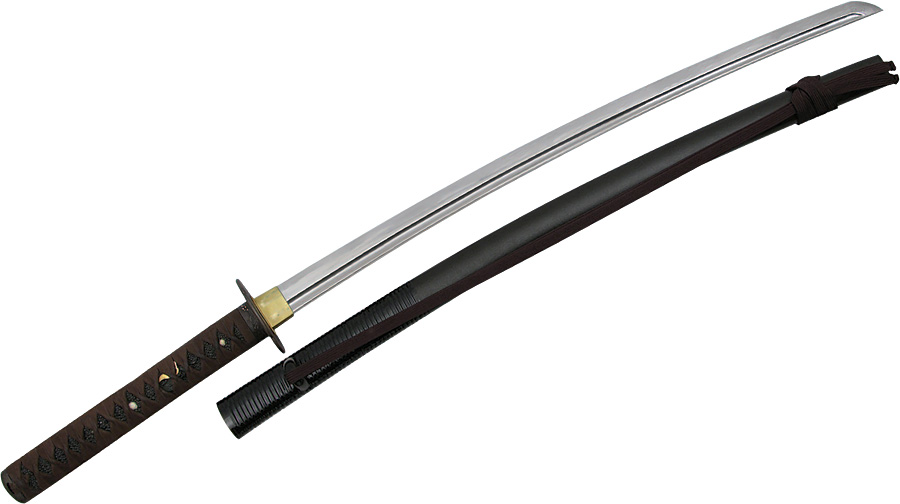
Iaido is a Japanese martial art that developed from the sword traditions of the samurai. Its defining feature is the practice of drawing the sword from its scabbard and responding with a sequence of controlled movements, often finishing by returning the sword to its scabbard.
Unlike the popular image of samurai swordsmanship as a series of fast-paced duels, iaido practice places considerable importance on precision, awareness, and self-control.
Practitioners train to coordinate their movements, maintain correct posture, and remain mentally focused throughout each sequence. Even seemingly simple actions, such as drawing the sword or returning it to its scabbard, require careful attention to detail.
Iaido is also connected to the broader cultural traditions of Japanese martial arts, in which physical training and mental discipline are closely linked.
For visitors unfamiliar with Japanese martial arts, an introductory experience offers a chance to appreciate these principles through direct participation rather than observation alone.
How Is Iaido Different from Kendo?
Travelers interested in Japanese swordsmanship may already have heard of kendo, another well-known Japanese martial art.
Although both arts have roots in Japanese sword traditions, their approaches differ.
Kendo is practiced using bamboo swords and protective equipment, with practitioners engaging in structured sparring. Iaido, by contrast, generally emphasizes the precise performance of sword-drawing techniques and prescribed movement sequences.
In iaido, practitioners often train individually rather than engaging in direct combat with an opponent.
This makes iaido particularly interesting for visitors who want to understand the movements and traditions associated with the Japanese sword without participating in a competitive martial arts activity.
It is important to remember, however, that iaido is a discipline requiring years of practice to master. A short introductory session provides only a glimpse into this much deeper tradition.
Try a Traditional Iaido Experience in Wakayama
Wakayama City offers international visitors an opportunity to discover Japanese culture through experiences that are different from the familiar attractions of Kyoto and Tokyo.
An introductory iaido experience can be an engaging way to explore samurai traditions while learning about the movements, etiquette, and mindset associated with Japanese swordsmanship.
Rather than simply watching a demonstration, participants can learn the fundamentals under the guidance of an experienced instructor.
The “Tamiya-ryu Iaijutsu” practical experience offers the chance to learn this traditional art of swordsmanship, which was practiced by Tokugawa Yorinobu, the Lord of the Kishu Domain.
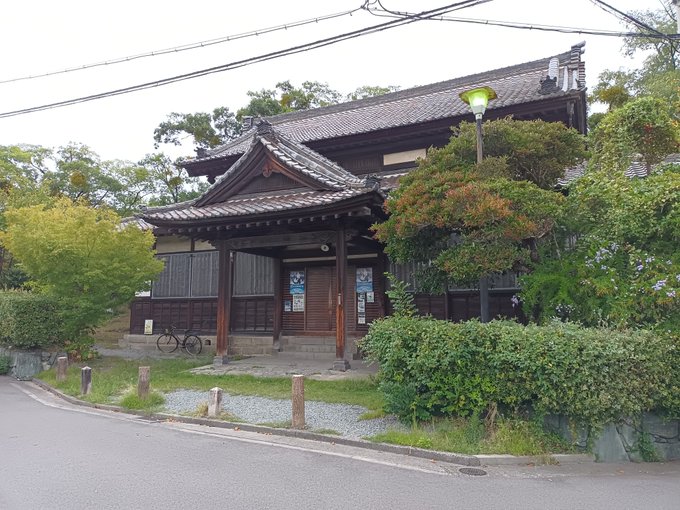
Participants change into dogi (martial arts uniforms) at the historic “Butokuden”—a facility with over a century of history—and use replica swords that match the weight of real blades to learn sword handling and basic forms, such as Ichi-no-Kata (“Inazuma” / Lightning).
Depending on the program offered, an introductory session may include the following activities.
1. Learn About the Japanese Sword
Before handling a sword, participants can learn about its role in Japanese history and samurai culture.
The Japanese sword, commonly known as the katana, is recognized not only as a weapon but also as an object associated with craftsmanship, status, and cultural symbolism.
The sword’s shape, its curved blade, and the relationship between the blade and its scabbard all contribute to its distinctive character.
An introduction to iaido can help visitors appreciate the care and attention involved in handling a Japanese sword, as well as the traditions surrounding its use.
2. Practice the Fundamental Movements
Under the instructor’s guidance, participants can learn basic movements associated with iaido.
These may include maintaining a stable posture, holding the sword correctly, coordinating body movements, and practicing the sequence of drawing and returning the sword.
The emphasis is on controlled movement and correct technique rather than speed or physical strength.
For beginners, this can be surprisingly challenging. Even a small movement requires awareness of posture, balance, and the position of the sword.
The experience also provides a useful introduction to the importance of etiquette in Japanese martial arts.
No previous martial arts experience is necessary for a properly designed beginner session. The instructor can introduce the fundamentals at a pace appropriate for the participants, subject to the requirements of the specific program.
3. Experience the Concentration Behind Swordsmanship
One of the most interesting aspects of iaido is the relationship between physical movement and mental concentration.
Practitioners must pay attention to their posture, breathing, balance, and the precise sequence of their movements.
Rather than rushing through a technique, they learn to perform each action deliberately.
For visitors accustomed to fast-paced sightseeing, this can offer a different way of experiencing Japanese culture: by slowing down and concentrating on a single activity.
In this respect, iaido shares an interesting connection with other Japanese traditional arts, such as tea ceremony, calligraphy, and flower arrangement. Although their techniques differ, all place importance on attention, preparation, and the relationship between movement and intention.
4. Discover the Cultural Background of the Samurai
An iaido experience can also serve as an introduction to the historical world of the samurai.
The samurai were not a uniform group whose lives remained unchanged throughout Japanese history. Their roles evolved considerably, from warriors who served regional lords to members of a social class that, during the Edo period, increasingly performed administrative and governmental duties.
Swordsmanship was one part of this broader history.
Through an introductory session, visitors can begin to understand how martial traditions were preserved, adapted, and passed down across generations.
This historical perspective adds depth to the physical experience. Instead of treating the sword as merely a symbol of combat, visitors can explore its place within Japanese society and cultural history.
Note: Iaido schools preserve different traditions and techniques. A short visitor experience should not be confused with formal training in a particular historical school.
Why Try Iaido in Wakayama Rather Than Only in Kyoto or Tokyo?
Kyoto and Tokyo are natural starting points for travelers interested in Japanese history and traditional culture. Both cities offer numerous opportunities to learn about samurai, visit historic sites, and participate in cultural activities.
However, traditional Japanese arts are not limited to the country’s most famous tourist destinations.
Wakayama, located south of Osaka on the Kii Peninsula, offers another setting in which to explore Japanese cultural heritage.
The region is known for sacred mountain landscapes, historic pilgrimage routes, coastal communities, and traditional industries. Its cultural identity has been shaped by the interaction between religious traditions, local communities, and the natural environment.
For travelers who want to experience more than Japan’s best-known cities, an activity such as iaido can become part of a broader journey into regional culture.
Combine Samurai Culture with Wakayama’s Historic Landscapes
Wakayama has several destinations that provide an interesting historical context for a visit.
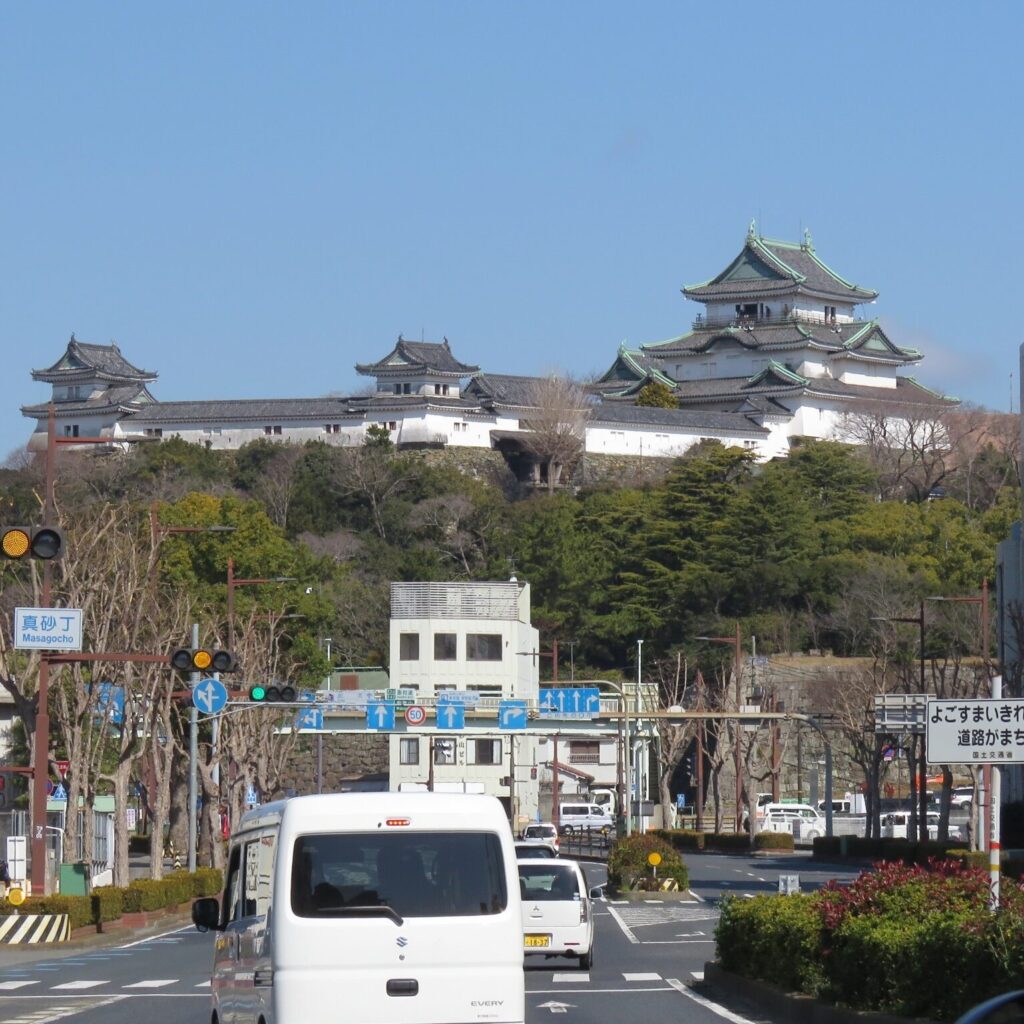
Wakayama Castle and the history of the Kishu Tokugawa family
Wakayama Castle was closely associated with the Kishu Tokugawa family, one of the three major branch families of the Tokugawa shogunate. The castle provides an introduction to the political and social history of the Edo period.
Visitors interested in samurai culture can explore the castle grounds and learn about the relationship between regional domains and the Tokugawa government.
Combining a castle visit with an iaido experience offers two different perspectives on samurai history: the political world in which samurai served and the martial traditions associated with their class.
Koyasan and the spiritual traditions of Japan
Koyasan, founded by the Buddhist monk Kukai in the early ninth century, is one of Japan’s most important Buddhist centers.
Its temples, forested pathways, and centuries-old religious traditions provide a very different atmosphere from a martial arts training space.
Although Koyasan should not be reduced to a destination for samurai history, its role in Japanese religious culture makes it a valuable addition to a journey exploring the country’s historical traditions.
Yuasa and the heritage of traditional Japanese food
Yuasa is recognized for its historical association with shoyu, or Japanese soy sauce.
The town’s traditional streets and brewing heritage offer another perspective on the culture that developed outside Japan’s major cities.
For travelers interested in exploring multiple aspects of Japanese life, combining a martial arts experience with local food culture and historic town walks can create a more varied itinerary.
These destinations are not necessarily close enough to visit together in a single short outing. The best combination depends on where the iaido session takes place, the available transportation, and the time travelers have in Wakayama.
More Than a Samurai Experience: Discover Japanese Culture Through Participation
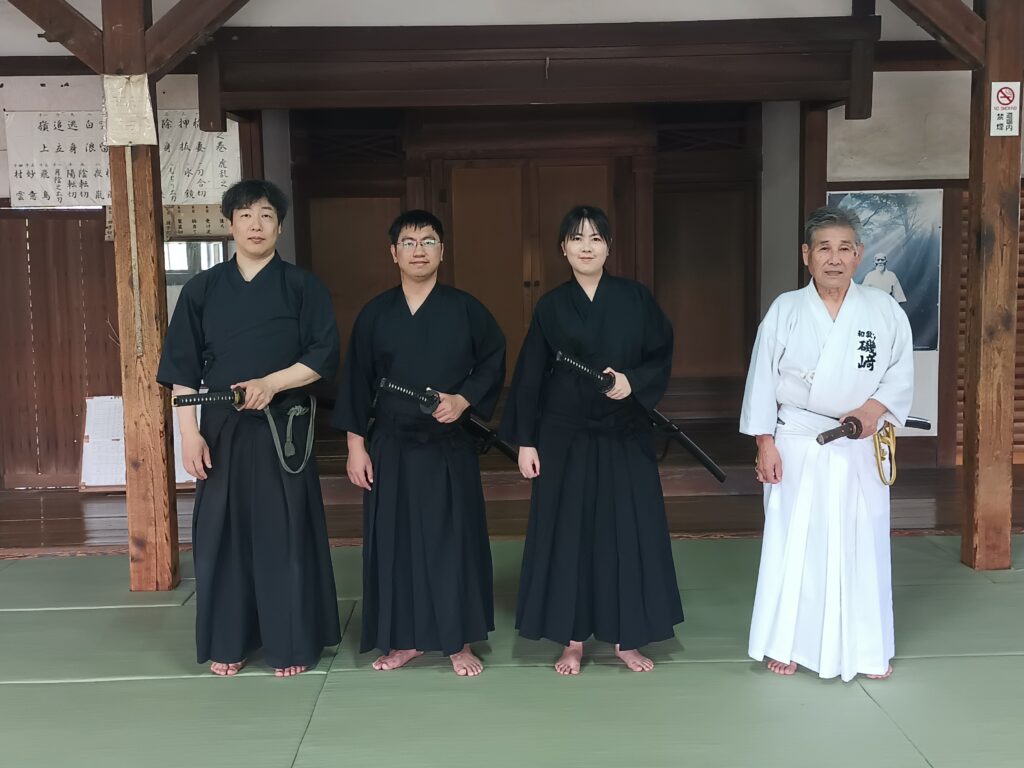
Iaido is one of many traditional Japanese arts that international visitors can experience beyond simply observing a performance.
Depending on their interests and the activities available, travelers visiting Wakayama may also be able to explore other cultural traditions.
Traditional Japanese clothing and tea ceremony
Wearing a kimono and participating in a tea ceremony offers insight into the etiquette, aesthetics, and social customs associated with Japanese traditional culture.
Japanese calligraphy
Calligraphy introduces participants to the relationship between brushwork, concentration, and written expression.
Traditional crafts
Wakayama has a rich craft heritage, including Kishu lacquerware, known for its distinctive techniques and regional history. In Kuroe, visitors may be able to explore lacquerware traditions and, where available, try decorative techniques such as maki-e.
Traditional Japanese food
Food provides another way to understand regional history. In Wakayama, visitors can explore the heritage of shoyu brewing in Yuasa, local seafood, and the region’s famous ume products.
Each activity reveals a different aspect of Japanese culture. Taken together, they offer a broader perspective on how traditional knowledge and skills continue to be practiced in contemporary Japan.
For travelers interested in the country’s cultural heritage, the opportunity to participate rather than simply observe can make these encounters particularly memorable.
Is Iaido Suitable for International Visitors and Beginners?
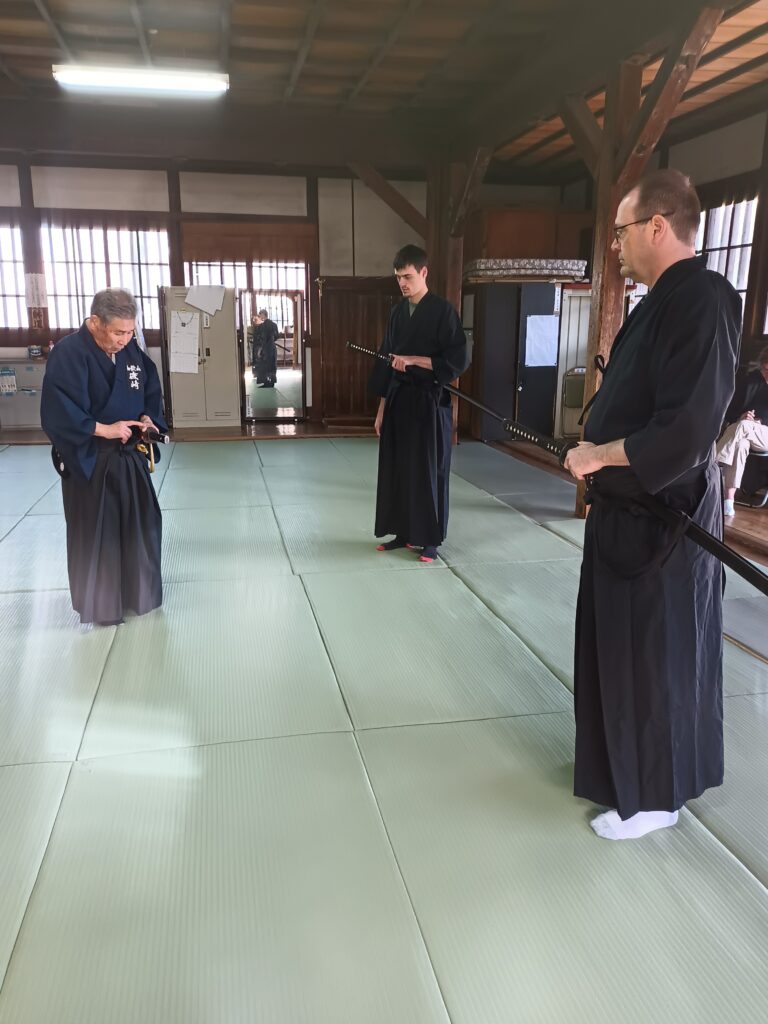
An introductory iaido experience can be suitable for international travelers who are interested in Japanese history, martial arts, or traditional culture.
However, the suitability of a session depends on the instructor, the equipment used, and the format of the activity.
Here are a few points to consider before booking.
Do I need previous martial arts experience?
Generally, no. A beginner-oriented session can introduce the fundamental movements without requiring previous training. Confirm that the specific program accepts first-time participants.
Do I need to speak Japanese?
Not necessarily, but the language support available depends on the instructor and organizer. Because sword handling requires careful attention to instructions, confirm in advance whether English-language guidance or interpretation can be provided.
Is iaido physically demanding?
An introductory session does not necessarily require significant athletic ability. However, participants may need to stand, maintain particular postures, and coordinate controlled movements. Anyone with physical limitations should discuss these with the organizer beforehand.
Will I use a real Japanese sword?
This depends on the program. Beginners may use a wooden sword or another training implement before progressing to a practice sword. Do not assume that a live blade will be used during a visitor experience. The equipment, safety procedures, and permitted techniques should be confirmed before booking.
Can children participate?
Age requirements vary by instructor and program. Families should check the minimum age, supervision requirements, and whether the session is adapted for children.
Can I combine iaido with sightseeing?
Potentially, yes. A session may fit into a half-day cultural itinerary or form part of a longer stay in Wakayama. The practical options depend on the location of the training venue and transportation arrangements.
How to Plan an Iaido Experience in Wakayama
If you are interested in trying iaido during your visit to Japan, it is worth planning the experience around your wider travel itinerary.
Wakayama is accessible from Osaka and Kansai International Airport, making the prefecture a possible addition to a trip focused on the Kansai region.
However, journey times within Wakayama can vary considerably. Before choosing an activity, check the venue’s location and the public transportation connections available on your intended travel date.
When contacting an organizer, it is useful to confirm:
- Whether the session is available to complete beginners.
- Whether instruction or interpretation is available in English.
- What equipment is used during the experience.
- The minimum and maximum number of participants.
- The session’s duration and physical requirements.
- The price, reservation procedure, and cancellation policy.
- Whether photography is permitted.
Advance reservations are advisable, particularly for visitors who require English-language assistance or wish to coordinate the experience with other cultural activities.
You can book this Tamiya-ryu Iai experience via the Wakayama City Tourism Association’s English-language booking page; however, the master and instructors speak only Japanese.
Experience a Different Side of Japan in Wakayama
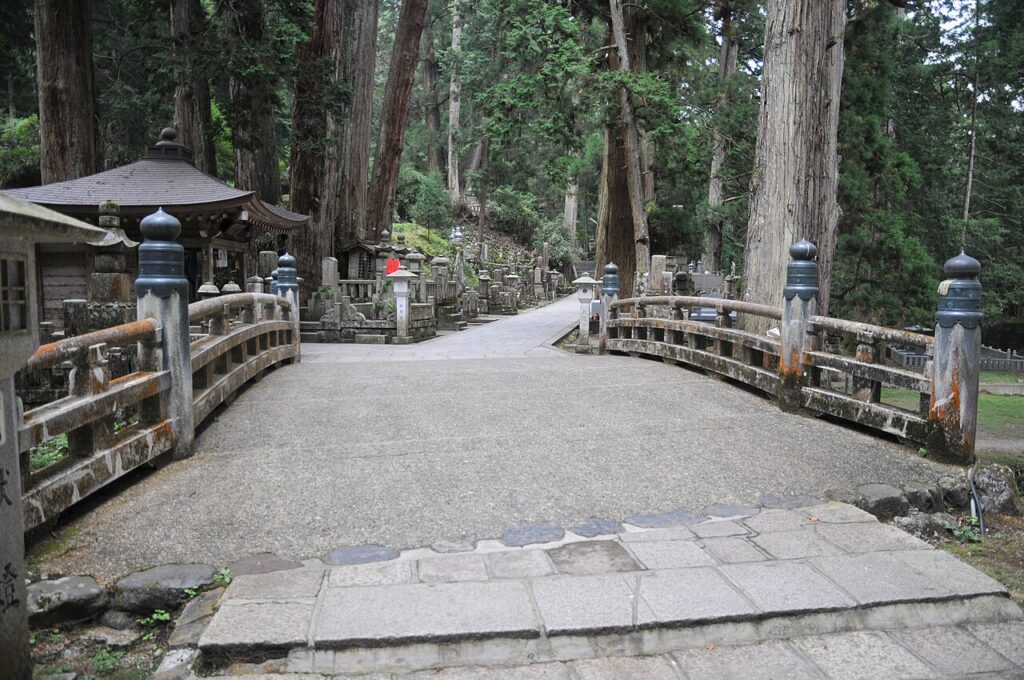
Japan offers many ways to encounter samurai culture, from visiting castles and historical museums to watching martial arts demonstrations.
An iaido experience provides a different perspective: an opportunity to engage with the movements, discipline, and traditions of Japanese swordsmanship.
In Wakayama, this experience can also become part of a wider exploration of regional Japan. From the history of Wakayama Castle to the spiritual landscapes of Koyasan and the traditional food culture of Yuasa, the prefecture offers opportunities to discover how Japanese heritage extends beyond the country’s most famous destinations.
Rather than trying to see as many attractions as possible, consider taking time to participate in an activity, speak with local practitioners, and understand the stories behind the traditions.
The value of a cultural experience lies not only in what you see, but also in what you learn by taking part.
For travelers seeking a deeper connection with Japanese culture, iaido offers a compelling place to begin.
Discover Iaido and Traditional Culture in Wakayama
Would you like to include an iaido experience in your journey through Wakayama?
I am a National Government Licensed Guide Interpreter based in Wakayama City. I help international visitors discover the region through its history, traditional culture, local food, and everyday life.
Depending on the activity and your itinerary, I can help coordinate an iaido experience with other cultural encounters, such as a historic town walk, a visit to Wakayama Castle, or an introduction to local food traditions.
My approach is to create a journey that reflects your interests and preferred pace, rather than simply moving from one attraction to the next.
If you are interested in experiencing traditional Japanese swordsmanship in Wakayama, contact me to discuss your itinerary.
Please inquire in advance about iaido availability, the location of the session, language support, and any additional arrangements required. My tour Curated Kii Peninsula Journey can help your special travel and experience in Wakayama.
Read More…
- 7-Day Kii Peninsula Journey: Koyasan, Kumano Kodo, and Hidden Wakayama
- Koyasan & Kumano: The Sacred Network of the Kii Mountains
- Authentic Cultural Experiences Near Osaka: 7 Ways to Experience Traditional Japan
- Beyond Kyoto: Where to Experience Kimono in Japan
- Why Some of Japan’s Most Meaningful Experiences Aren’t Offered in English
No responses yet