
Discover the Ceramics and Lacquerware That Bring Japanese Cuisine to the Table
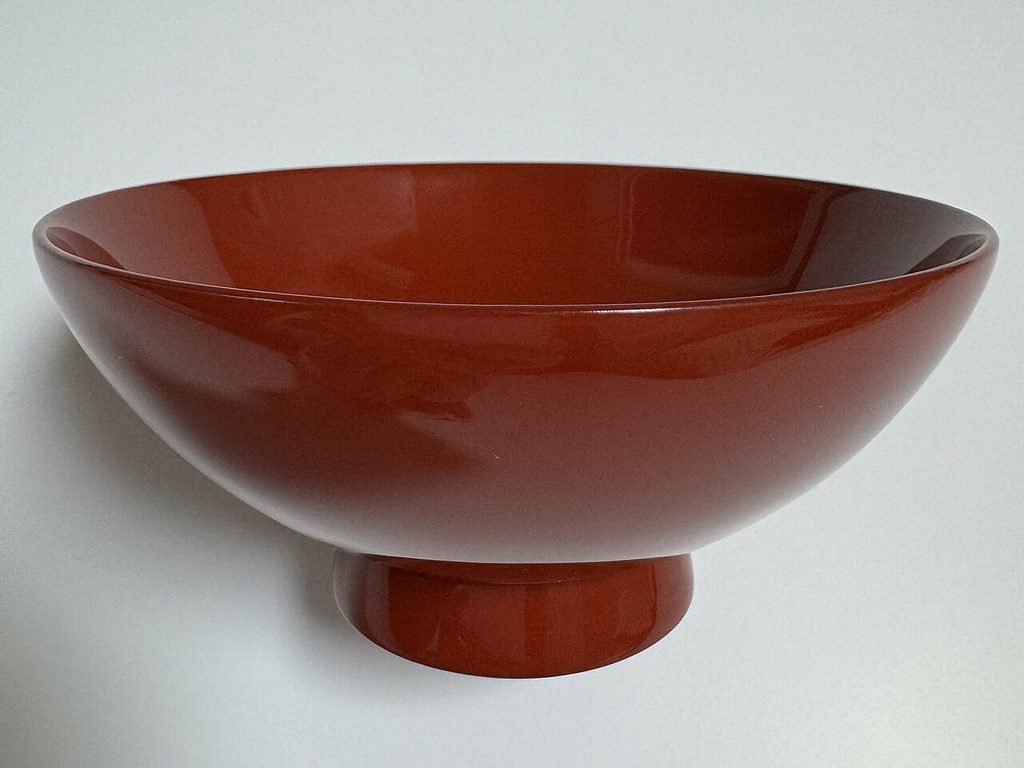
When people think about Japanese cuisine, they often focus on the ingredients, the chef, or the techniques behind the dishes.
But there is another element that quietly shapes the dining experience: the tableware.
A bowl of soup served in a lacquered vessel feels different from one presented in ceramic. A piece of sashimi arranged on a textured plate creates a different impression from the same dish served on smooth white porcelain.
In Japanese dining culture, the relationship between food and its container is an important part of presentation.
For centuries, craftspeople across Japan have developed distinctive traditions of ceramics and lacquerware, creating vessels for everything from everyday meals to elaborate seasonal cuisine.
These traditions are not simply about decoration. They reflect local materials, production techniques, regional histories, and different ways of living.
For chefs and restaurant owners, understanding these traditions can open up new possibilities for presentation, menu development, and the identity of a dining space.
Here are six Japanese tableware traditions worth discovering.
1. Kishu Lacquerware: Everyday Craftsmanship from Kuroe, Wakayama
-Round_Negoro_Lacquer_Tray_MET_DP704101-1024x768.jpg)
In the coastal town of Kuroe, in Kainan City, Wakayama Prefecture, lacquerware has developed as an industry closely connected to everyday life.
Known as Kishu lacquerware, this tradition is particularly interesting because it brings together decorative craftsmanship and the practical needs of daily use.
Rather than being defined exclusively by rare, one-of-a-kind masterpieces, Kishu lacquerware encompasses a broad range of products, from accessible everyday tableware to finely crafted pieces made by highly skilled artisans.
A tradition shaped by practical use
Kuroe’s lacquerware industry developed through networks of specialized craftspeople and manufacturers.
Different stages of production can involve woodworking, preparation, lacquering, and finishing, with skills distributed among different workshops.
Traditional products include:
- Lacquered bowls and serving vessels
- Trays and plates
- Bento boxes and jubako
- Tea utensils
- Decorative and household objects
This variety reflects a central characteristic of Kishu lacquerware: its close relationship with the objects people use in their everyday lives.
For restaurants, this creates opportunities to explore lacquerware beyond the familiar image of a formal Japanese soup bowl.
Depending on the maker and product, lacquered trays, serving vessels, and boxes can become part of a restaurant’s visual identity.
How lacquerware changes the presentation of food
Lacquerware offers a different visual language from ceramics.
Deep black surfaces can create contrast with colorful ingredients. Red lacquer can introduce warmth, while subdued finishes can complement restrained contemporary plating.
The material also interacts with light differently from glazed pottery or porcelain.
Rather than reflecting light in the same way, lacquer can create a sense of depth and visual softness.
These qualities can be particularly interesting when presenting seasonal Japanese cuisine, where the appearance of the dish changes throughout the year.
Discover Kuroe
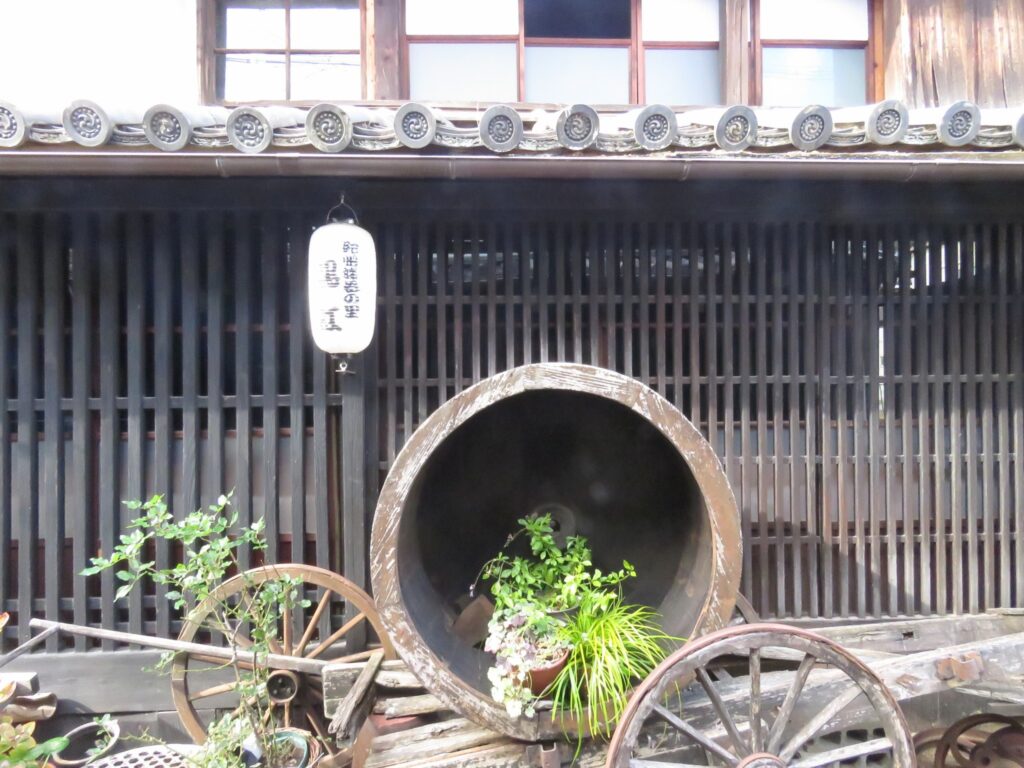
Kuroe offers an opportunity to encounter lacquerware in the context of the community that produces it.
Visitors can explore its historic streets, discover lacquerware shops, and, where arrangements are possible, learn about the work of local craftspeople.
For chefs and restaurant owners, the value of visiting is not limited to purchasing finished products.
It is also an opportunity to understand the production process, explore different price and quality levels, and discuss which kinds of objects might suit a particular restaurant.
Kishu lacquerware is especially interesting for those who want to explore the relationship between traditional Japanese craftsmanship and contemporary dining.
Related post
Kuroe Lacquerware: A Hidden Tableware Source for Chefs and Restaurants
2. Arita and Imari Porcelain: The Art of White and Blue
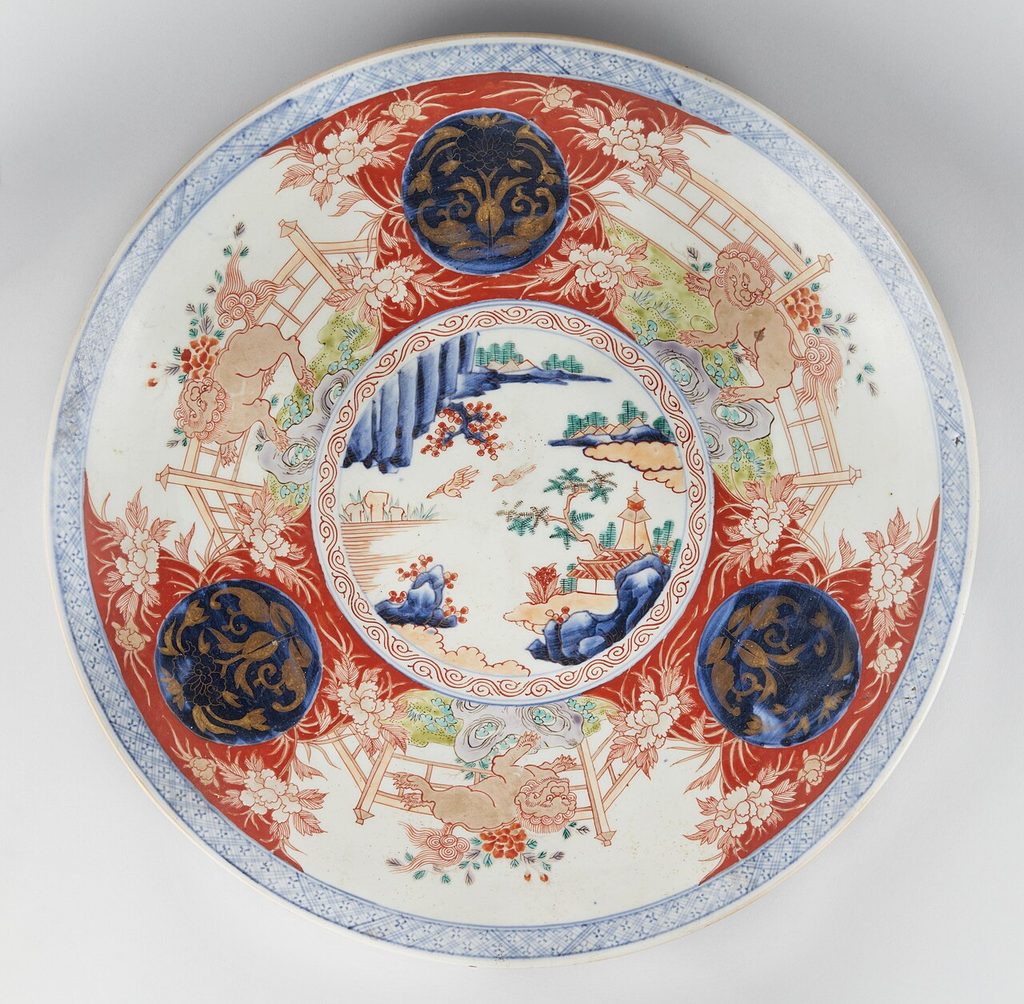
In Saga Prefecture, on the island of Kyushu, the town of Arita is closely associated with the development of Japanese porcelain.
Arita ware, known in Japan as Arita-yaki, is one of the country’s best-known porcelain traditions. The nearby port of Imari became historically important in the distribution of ceramics, and the name Imari is also associated with distinctive styles of Japanese porcelain.
These traditions are particularly relevant to restaurants because porcelain offers a combination of visual refinement and practical versatility.
The appeal of porcelain
Porcelain is generally fired at high temperatures and is known for its dense, relatively nonporous body.
Arita ware is associated with a wide variety of decorative approaches, including blue-and-white designs and richly colored overglaze decoration.
Some pieces feature intricate patterns, while others emphasize clean forms and restrained decoration.
This range allows chefs to explore different relationships between the vessel and the food.
A simple white porcelain plate can provide a neutral background for colorful ingredients. A patterned plate can introduce another layer of visual interest, especially when used selectively.
From traditional patterns to contemporary restaurants
Arita’s ceramic tradition has continued to evolve, with contemporary designers and producers exploring new forms and applications.
For restaurant owners, this means that Arita porcelain is not limited to traditional Japanese dining rooms.
It can also be considered for modern restaurants, tasting menus, and international cuisine.
The key is to consider the relationship between the shape of the vessel, its decoration, and the style of food being served.
Discover Arita
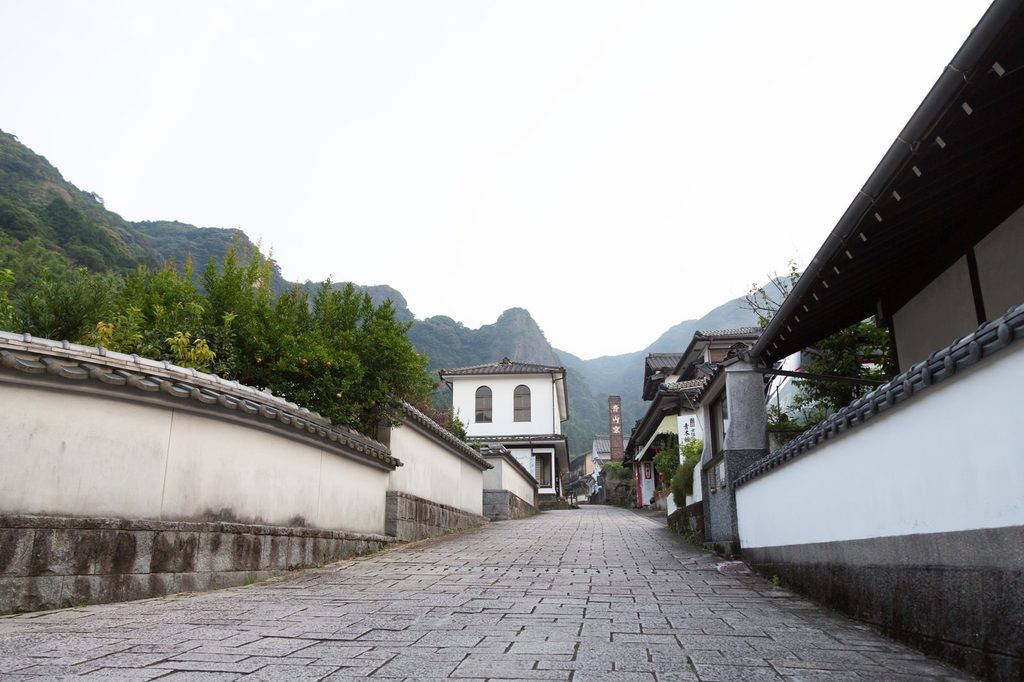
A visit to Arita offers an opportunity to explore the history of Japanese porcelain through workshops, galleries, and ceramic shops.
For buyers, it can also be a chance to compare different producers and discuss the practical requirements of restaurant service.
3. Mino Ware: The Versatility of Japanese Ceramic Tableware
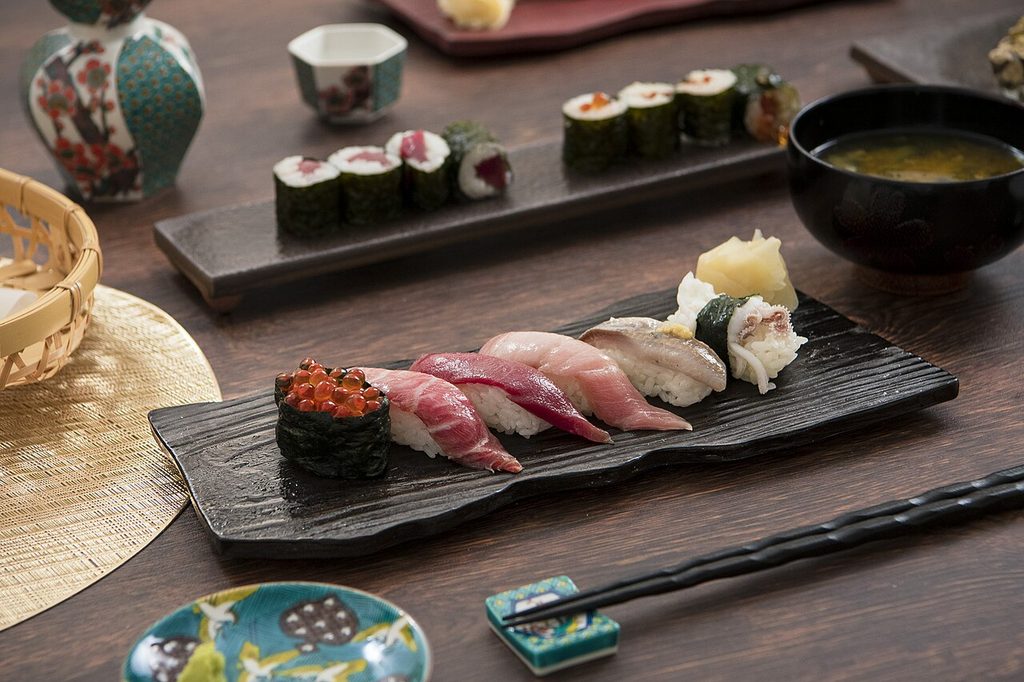
Mino ware, or Mino-yaki, comes from Gifu Prefecture in central Japan.
It is one of Japan’s major ceramic traditions and is particularly associated with the production of a wide variety of everyday tableware.
Unlike traditions identified with one highly recognizable decorative style, Mino ware encompasses many different forms, glazes, and techniques.
This diversity makes it especially relevant to restaurants.
A broad ceramic tradition
Mino ware includes several historically important styles, among them:
- Shino: Often associated with white glazes and distinctive surface textures.
- Oribe: Known for its varied forms, expressive decoration, and characteristic green glazes.
- Kizeto: Associated with yellowish glazes and traditional decorative techniques.
These styles emerged within the broader history of Japanese tea culture and ceramic production.
Today, Mino ware also includes a wide range of contemporary plates, bowls, and serving dishes.
Why chefs may find it interesting
Mino ware provides a broad visual vocabulary.
Some pieces have irregular contours and textured surfaces, while others are relatively simple and restrained.
A chef can choose a vessel that complements the character of a dish rather than relying on a single uniform style across an entire menu.
This is particularly relevant to restaurants that serve seasonal Japanese cuisine, where ingredients, colors, and preparation methods change throughout the year.
Discover the Mino region
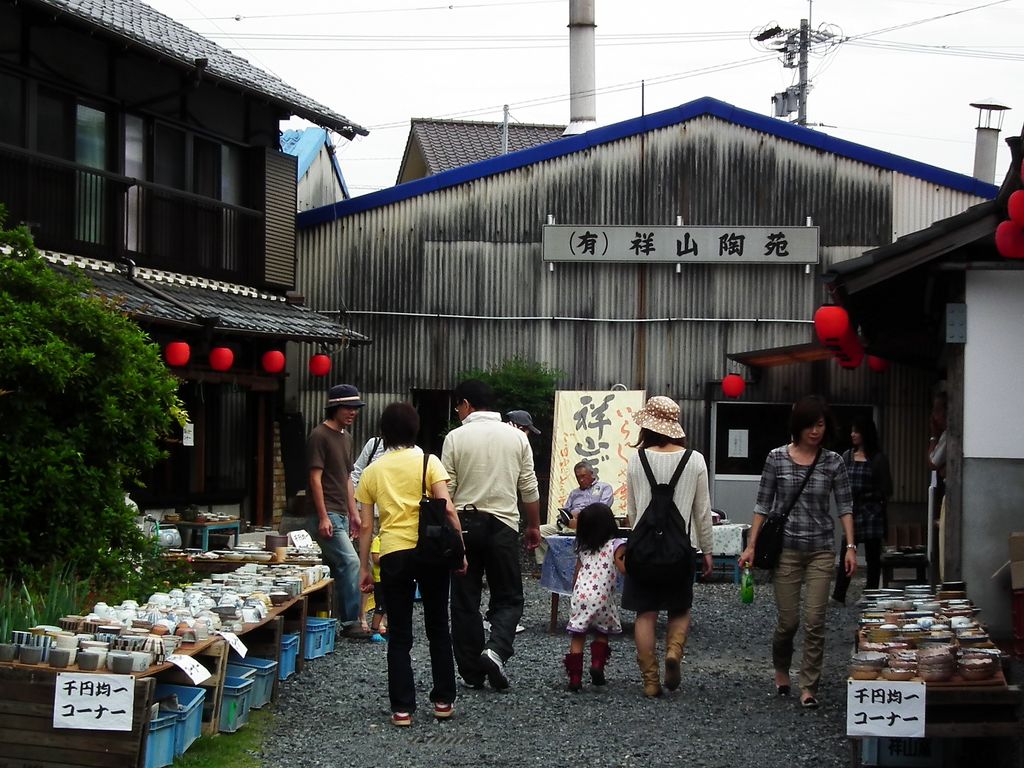
The Mino region, including areas around Tajimi and Toki, has a long history of ceramic production.
Exploring this region offers a chance to encounter both traditional techniques and contemporary manufacturing.
For restaurant buyers, the variety of producers and products makes it useful to consider how different types of ceramics might work together within a single dining concept.
4. Bizen Ware: The Beauty of Fire and Earth
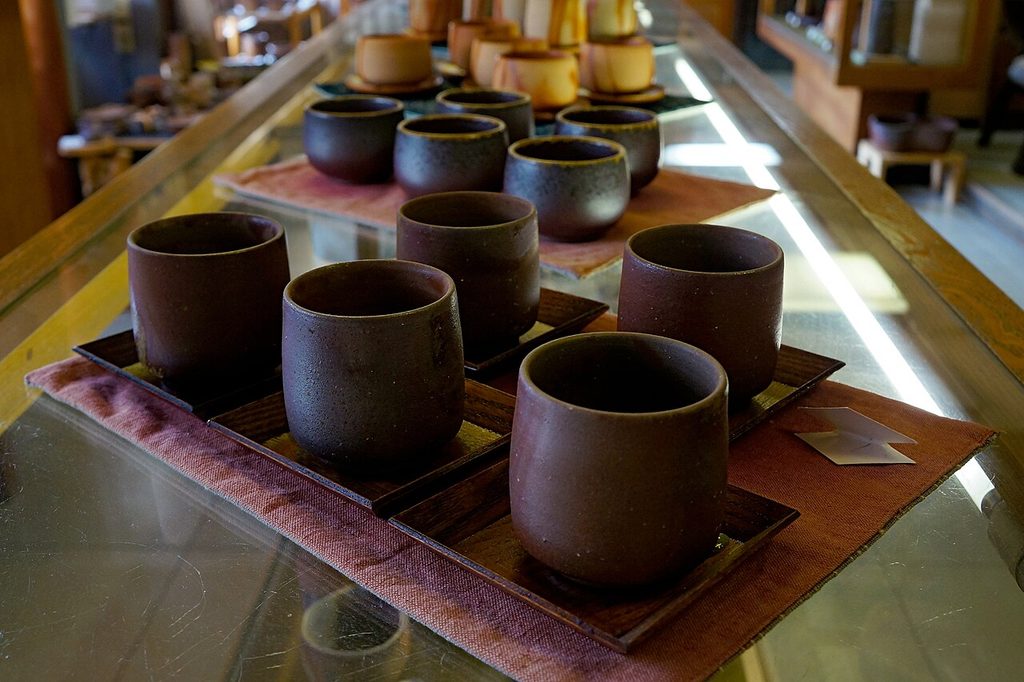
In Okayama Prefecture, the town of Bizen is home to one of Japan’s most distinctive ceramic traditions.
Bizen ware, or Bizen-yaki, is particularly known for its unglazed stoneware and the natural variations created during firing.
Rather than relying on elaborate painted decoration or thick colored glazes, Bizen pottery often emphasizes the qualities of the clay itself.
A surface shaped by fire
Bizen ware is closely associated with wood-fired kilns.
During firing, variations in heat, ash, and the position of individual pieces can influence the final appearance.
The resulting surfaces may feature reddish-brown tones, dark markings, and other variations that reflect the firing process.
This gives Bizen ware a distinctive relationship with the natural materials used to produce it.
No two pieces necessarily look exactly alike.
A different approach to restaurant presentation
Bizen ware can be particularly interesting for chefs who want tableware with a strong material presence.
Its earthy colors and textured surfaces can complement grilled ingredients, seasonal vegetables, and dishes that emphasize the character of their ingredients.
The contrast between a relatively simple vessel and carefully prepared food can create a different kind of visual experience from highly decorated porcelain.
However, individual pieces vary considerably in shape, weight, and surface characteristics, so suitability for restaurant service should be assessed product by product.
Discover Bizen
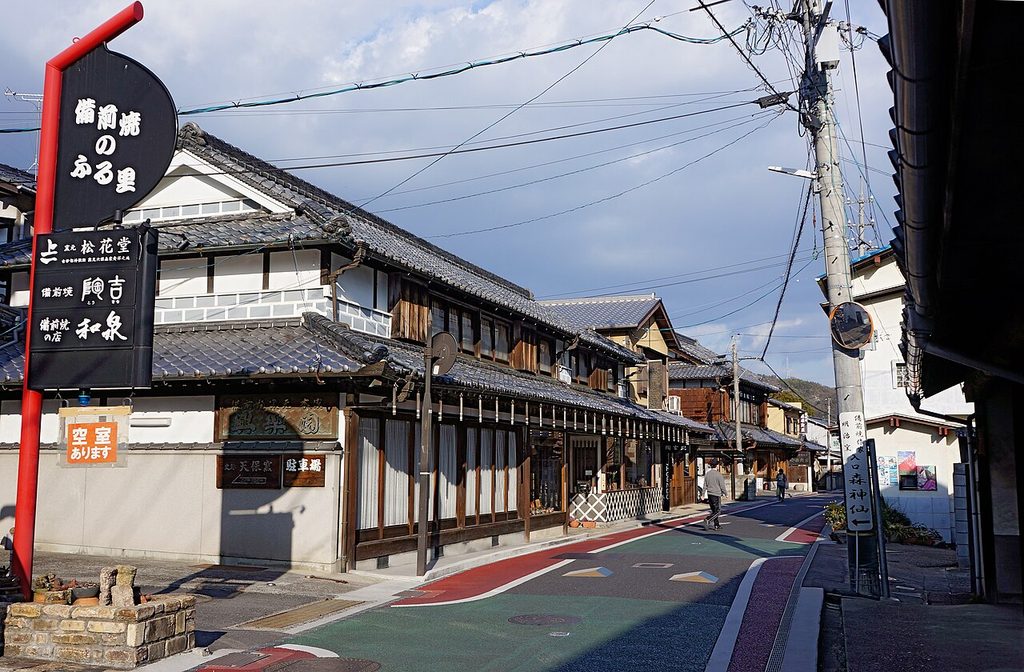
The Imbe area of Bizen is closely associated with the local pottery industry.
Visitors can encounter kilns, galleries, and workshops, gaining a better understanding of how local clay, firing methods, and individual craftsmanship shape the finished pieces.
For chefs, this is an opportunity to explore tableware as a material expression of place.
5. Wajima Lacquerware: Refinement and Layered Craftsmanship
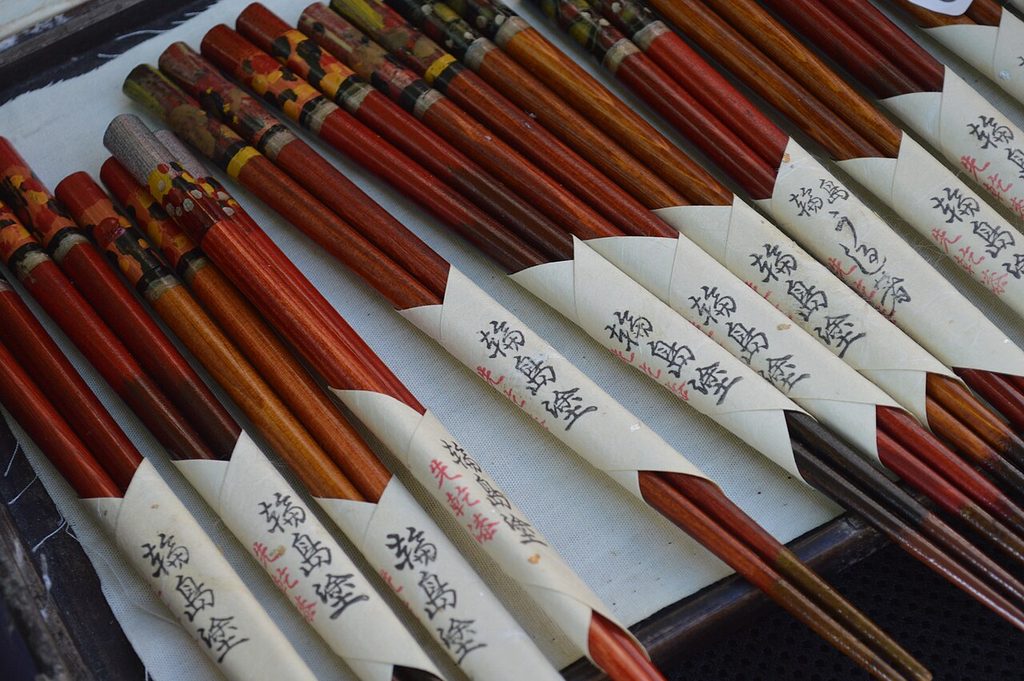
On the Noto Peninsula in Ishikawa Prefecture, Wajima has long been associated with one of Japan’s best-known lacquerware traditions.
Wajima-nuri is particularly recognized for its elaborate production process, durable construction, and sophisticated decorative techniques.
It offers a useful comparison with Kishu lacquerware in Kuroe.
Both traditions demonstrate the versatility of lacquer as a material, but they have developed distinctive production histories and regional identities.
The importance of preparation and layering
Wajima lacquerware is known for the careful preparation of its wooden base and the application of multiple layers of lacquer.
Traditional techniques can include the use of reinforcing materials and detailed finishing processes.
Some pieces also incorporate decorative techniques such as maki-e, in which metallic powders are used to create designs.
The result can range from relatively restrained tableware to highly elaborate works of craftsmanship.
Lacquerware in formal Japanese dining
Wajima lacquerware has a strong association with Japanese dining culture, including formal meals and special occasions.
Lacquered bowls can provide a distinctive experience when serving soup or other dishes, while trays and other objects can contribute to the overall presentation of a meal.
For restaurants, Wajima-nuri offers an opportunity to consider how craftsmanship, material, and the traditions of hospitality can become part of the dining experience.
As with all lacquerware, intended use, care requirements, and suitability for commercial service should be confirmed with the individual maker or supplier.
Discover Wajima
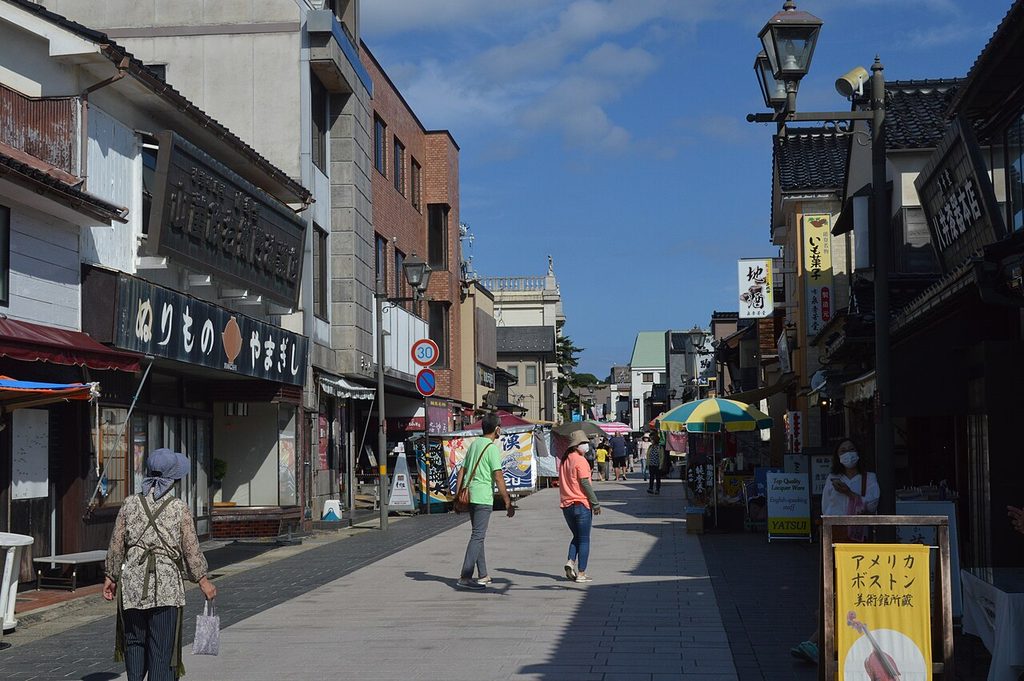
Wajima has historically been an important center for lacquerware production, with workshops and institutions dedicated to the craft.
The 2024 Noto Peninsula earthquake and subsequent disasters severely affected the region and its communities, including traditional craft industries.
Anyone planning a visit or sourcing trip should check current local conditions and the availability of individual workshops.
6. Mashiko Ware: Handmade Pottery and the Beauty of Everyday Objects
In Tochigi Prefecture, the town of Mashiko is known for Mashiko ware, a pottery tradition that developed around the production of practical household ceramics.
Its modern history is closely associated with the mingei, or Japanese folk craft, movement, which emphasized the beauty and value of objects made for everyday use.
Everyday objects as a form of craftsmanship
Mashiko ware includes a broad range of plates, bowls, cups, and other ceramic objects.
Many pieces are associated with earthy colors, expressive glazes, and forms that emphasize the qualities of handmade pottery.
The tradition also includes contemporary interpretations, with individual potters exploring their own approaches to shape, decoration, and surface.
This makes Mashiko particularly interesting for people who appreciate the relationship between craftsmanship and everyday life.
A natural fit for contemporary dining
Mashiko ware can work in a variety of dining settings, from casual restaurants to contemporary Japanese cuisine.
Its range of shapes and finishes allows chefs to explore tableware that feels personal rather than standardized.
Some pieces may be particularly suited to dishes that emphasize natural ingredients, seasonal changes, and a less formal presentation.
As with any handmade ceramics, individual pieces should be evaluated for consistency, durability, and suitability for the intended restaurant environment.
Discover Mashiko
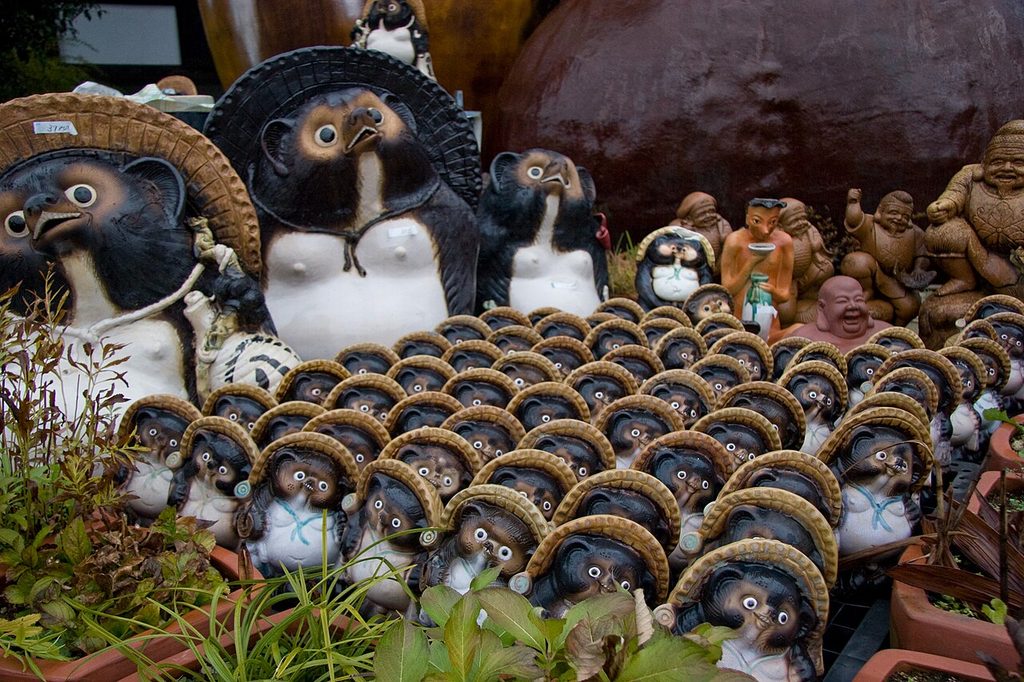
Mashiko has an active pottery community, with workshops, galleries, and ceramic shops that make it possible to encounter a wide variety of approaches to the craft.
For chefs and buyers, visiting the town can provide an opportunity to meet makers and discover how traditional ceramic production continues to develop through individual practice.
How to Choose Japanese Tableware for a Restaurant
Exploring Japanese craft traditions is a useful starting point, but selecting tableware for a working restaurant involves more than choosing an attractive design.
The right choice depends on the restaurant’s cuisine, service style, and practical requirements.
Here are five questions worth considering.
1. What role should the vessel play?
Should the tableware provide a neutral background for the food, or should it contribute a distinctive visual element?
White porcelain, textured stoneware, and lacquered vessels create different relationships between the dish and its presentation.
2. How will it be used?
A bowl used for soup has different requirements from a plate used for sashimi or a tray used for serving.
Consider the shape, weight, stability, and intended function of each item.
3. What are the maintenance requirements?
Restaurant tableware must withstand repeated use.
Before purchasing, confirm whether the product is suitable for the intended washing method, temperature, and service conditions.
This is particularly important for lacquerware, handmade ceramics, and pieces with special finishes.
4. Can the producer supply the required quantity?
A one-of-a-kind piece may be attractive for a tasting menu, but a restaurant serving many guests may need a consistent supply.
Discuss production capacity, lead times, replacement availability, and the possibility of future orders.
5. Can the tableware become part of the restaurant’s identity?
Tableware can help communicate the character of a restaurant.
A carefully selected combination of ceramics and lacquerware can create continuity across a menu while allowing individual dishes to retain their own character.
The goal is not necessarily to use one craft tradition exclusively, but to understand how different materials and styles can work together.
From the Dining Table to the Place Where It Was Made
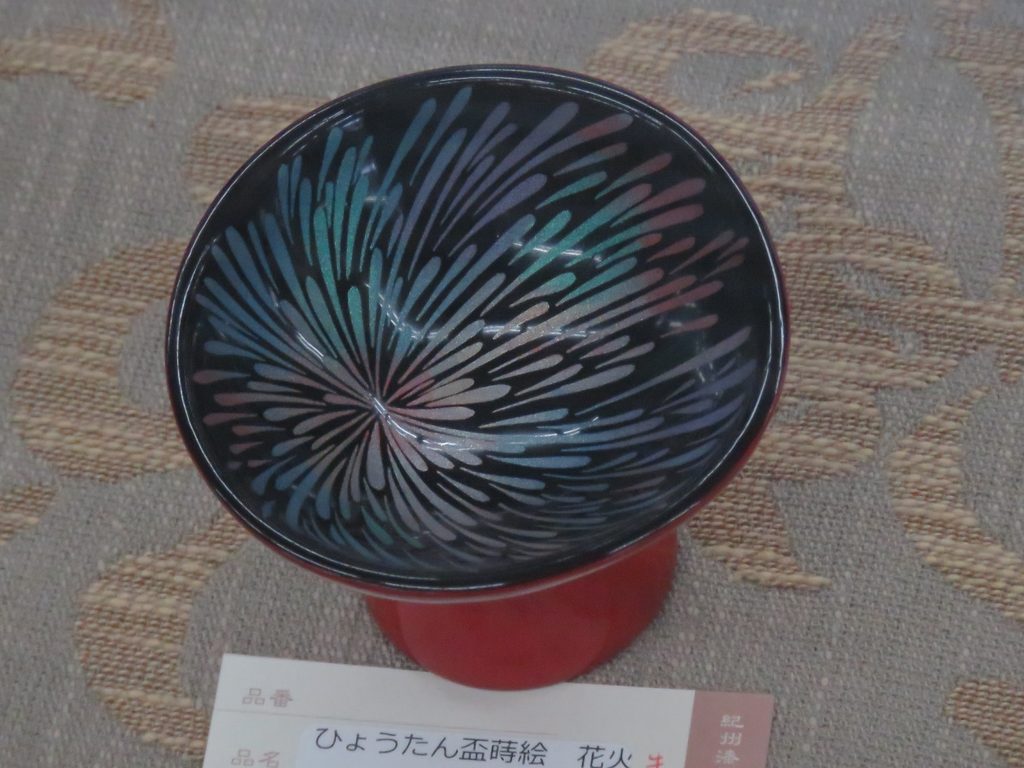
Japanese tableware is closely connected to the landscapes and communities where it is produced.
Clay, wood, lacquer, firing techniques, and the organization of workshops all contribute to the character of individual traditions.
For travelers interested in Japanese food culture, visiting a craft-producing region offers a different perspective from simply eating at a restaurant.
It reveals another part of the story behind the meal.
In Wakayama, the town of Kuroe provides a particularly interesting opportunity to explore this relationship between craft and everyday life.
Kishu lacquerware developed alongside the town’s wider manufacturing culture, creating a tradition that encompasses both practical household objects and finely crafted works.
A visit can be combined with other aspects of the region’s cultural landscape, including historic streets, local food, and the soy sauce traditions of nearby Yuasa.
For chefs and restaurant owners, this creates an opportunity to explore not only individual products, but also the cultural context in which they were made.
Discover Kishu Lacquerware in Kuroe, Wakayama
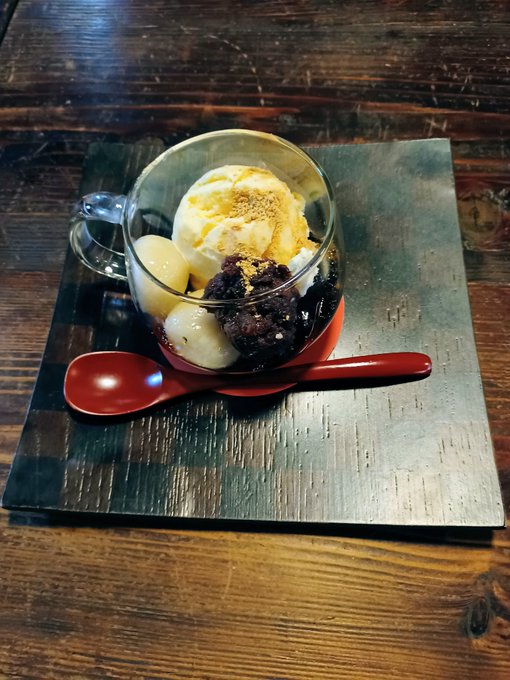
If you are a chef, restaurant owner, or culinary professional interested in Japanese tableware, Kuroe offers a chance to explore one of Japan’s regional lacquerware traditions in its local setting.
A guided visit can help you discover the town’s craft history, learn about different types of lacquerware, and explore the work of local producers.
Depending on availability and your interests, the journey may include opportunities to:
- Explore the historic lacquerware district of Kuroe.
- Learn about the production and finishing of lacquerware.
- Compare different products, styles, and price ranges.
- Discuss tableware requirements with local makers.
- Combine the visit with other aspects of Wakayama’s food and craft culture.
For professionals interested in Japanese culinary sourcing, a visit to Kuroe can also be combined with an exploration of Yuasa’s soy sauce heritage, connecting the ingredients of Japanese cuisine with the vessels used to present them.
Explore Kishu lacquerware and the culinary culture of Wakayama through a curated journey.
Discover Culinary Sourcing & Culture Journey
Related Posts
- Japan’s Four Major Lacquerware Traditions: Discover Kishu Lacquerware in Kuroe
- Exploring Kuroe: Japanese Lacquerware and the Dining Experience
No responses yet