
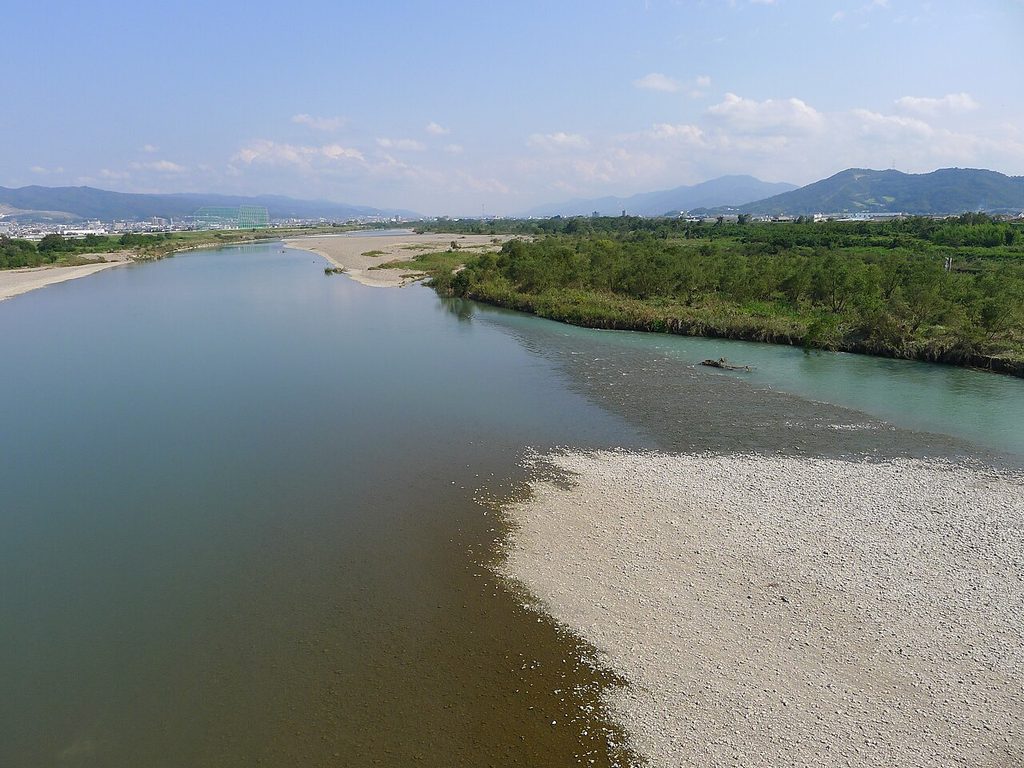
Japan is often imagined through its cities, temples, and dramatic mountain landscapes.
But between the cities and the high mountains lies another side of the country: satoyama.
Satoyama refers to the landscapes where forests, farmland, villages, rivers, and human life have developed together over generations.
These are places where you can walk along an old rural road, cycle between fields and orchards, meet local farmers, eat seasonal food, and sometimes stay overnight in a traditional rural setting.
For travelers interested in slow travel, hiking, cycling, food, and local life, satoyama offers a different way to experience Japan.
Here are seven regions worth considering.
1. Hida-Furukawa, Gifu
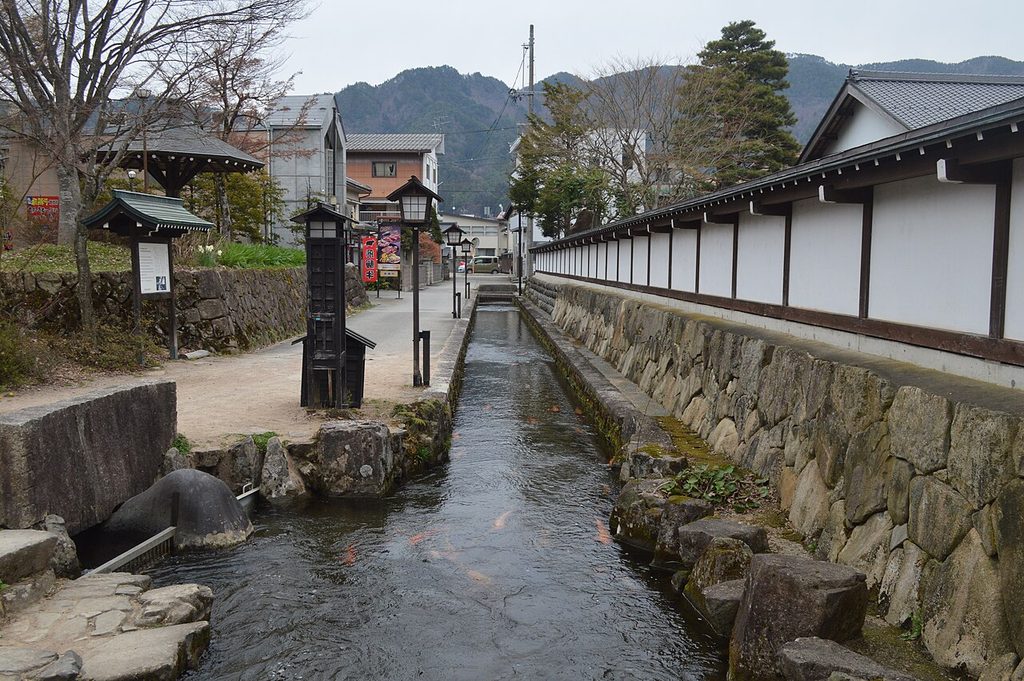
Mountain Villages, Rice Fields, and Traditional Rural Life
When international travelers think about rural Japan, Hida-Furukawa is often one of the first places that comes to mind.
Surrounded by the mountains of Gifu Prefecture, the region is known for traditional architecture, agricultural landscapes, forests, and villages where rural culture remains visible.
The area is particularly attractive for travelers who want to combine a visit to Furukawa’s historic center with time in the surrounding countryside.
What to do
Hiking
Walk through mountain villages, forest paths, and agricultural landscapes.
Cycling
Explore the countryside by bicycle, moving between villages, fields, and small roads that are difficult to experience by car.
Food
Try Hida beef, local vegetables, fermented foods, and regional specialties connected to the mountain environment.
Stay
Rather than visiting only as a day trip, consider staying in a rural accommodation and using the surrounding landscape as your base for exploration.
Hida-Furukawa is a good introduction to the idea that rural Japan is not simply a collection of old houses.
It is a landscape shaped by generations of interaction between people and nature.
2. Kinokawa, Wakayama
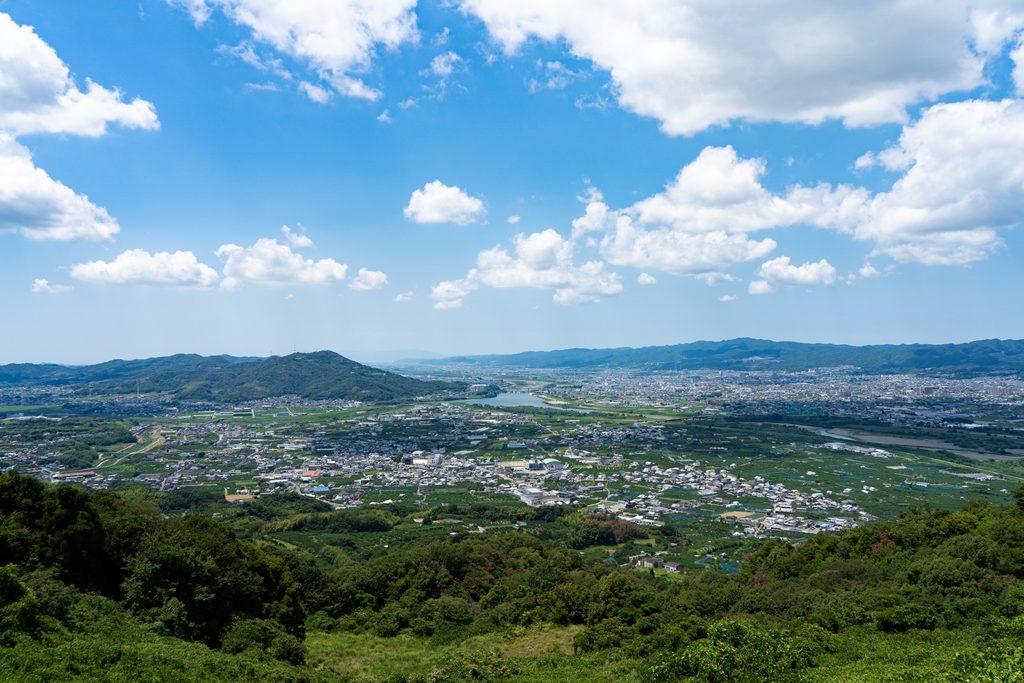
Cycling, Hiking, Orchards, and Rural Life Along the Kinokawa River
For travelers looking for a less-known satoyama destination, Kinokawa City in Wakayama Prefecture offers an intriguing alternative to Japan’s better-known rural destinations.
The city spreads across the fertile Kinokawa River basin, where agriculture has shaped both the landscape and local life.
One of the most distinctive features is the area’s fruit production.
Depending on the season, travelers may encounter peach orchards, persimmon fields, strawberries, and other locally grown produce.
This makes Kinokawa particularly interesting because the agricultural landscape is not simply something to look at.
It is something you can experience.
Explore by Bicycle
Cycling is one of the best ways to understand the landscape.
Instead of moving quickly from one attraction to another, an e-bike or bicycle allows travelers to follow small roads through agricultural areas, villages, and orchards.
The region’s cycling experiences can also be combined with local food and agricultural experiences, creating a day that connects the landscape with what is produced there.
A typical day might include:
- Cycling through fruit-growing areas
- Stopping at a farm or local produce shop
- Enjoying seasonal fruit
- Having lunch at a local café
- Walking through a rural settlement
- Visiting a historical or cultural site
The point is not simply to “go cycling.”
It is to see how the countryside works.
Read more
Spring Cycling Through Kinokawa: Cherry Blossoms, Peach Blossoms, and Strawberry Fields
Hiking Through the Satoyama Landscape
Kinokawa also works well for travelers who prefer walking.
Rather than dramatic alpine trekking, hiking here can be combined with villages, farmland, historic roads, temples, and views across the river basin.
This creates a gentler type of hiking experience.
You can walk for a few hours and then return to local food, a café, or another cultural experience.
For travelers who want to combine hiking and cycling during a longer stay, this flexibility is particularly attractive.
Experience Agriculture
Agriculture is perhaps the strongest reason to visit Kinokawa.
Fruit cultivation is deeply connected to the identity of the region, and seasonal experiences can include visiting orchards and participating in fruit-picking activities.
Depending on the season, travelers may encounter:
- Peaches
- Persimmons
- Strawberries
- Citrus and other fruits
A farm visit changes the way you see the landscape.
The orchards are no longer simply scenery.
They become part of the story of the people who live there.
Stay Longer: Rural Accommodation and Farm Experiences
Kinokawa becomes even more interesting when treated as a place to stay rather than simply a day-trip destination.
A longer stay allows visitors to combine different activities on different days:
Day 1: Cycling through the countryside
Day 2: Hiking and exploring historic sites
Day 3: Farm or fruit experience
Day 4: Local food and cultural exploration
This is where satoyama becomes more than sightseeing.
It becomes a way of experiencing the rhythm of rural life.
For visitors staying several nights in Wakayama, Kinokawa can also be combined with other parts of the prefecture, creating a broader journey through coastal, agricultural, and mountain landscapes.
Read more
Fruits Satoyama Farm Stay in Kinokawa City
3. Asuka, Nara
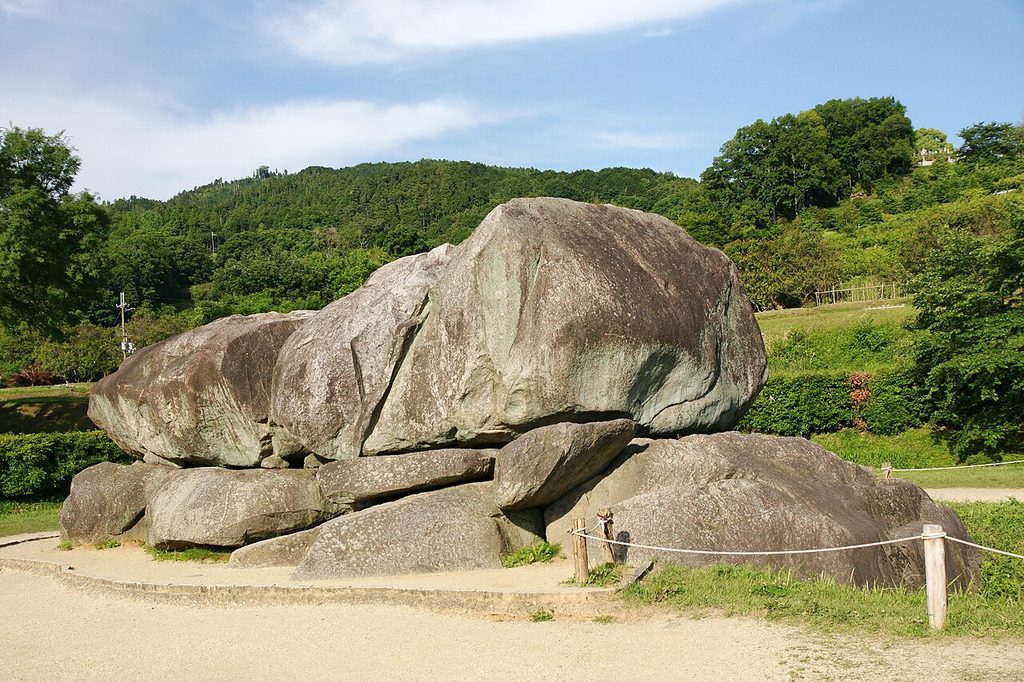
Ancient History Among Rice Fields and Rural Villages
Asuka offers a very different kind of satoyama experience.
The region is famous for its connection to the early history of Japan, but its appeal today also comes from the agricultural landscape surrounding its archaeological and historical sites.
Rice fields, low hills, farm roads, and small settlements create an environment where history and everyday rural life exist side by side.
Cycling is particularly enjoyable here because many of the important sites are spread across the countryside.
Rather than visiting one large monument, you move through the landscape itself.
This makes Asuka ideal for travelers interested in:
- Japanese history
- Cycling
- Rural scenery
- Archaeology
- Photography
- Slow travel
4. Northern Kyoto
Forests, Villages, and Rural Culture Beyond Kyoto City
_-_panoramio-1024x768.jpg)
Kyoto is famous for temples and gardens, but the northern part of Kyoto Prefecture offers a completely different landscape.
Mountain villages, forests, rivers, rice fields, and traditional houses create a classic satoyama environment.
Miyama is particularly well known for its thatched-roof houses.
But the deeper appeal is the surrounding landscape rather than the houses alone.
Visitors can combine village walks with hiking, cycling, local food, and rural accommodation.
It is an excellent option for travelers who want to experience a quieter side of the Kyoto region without giving up access to the cultural attractions of central Kyoto.
5. Nagano
Mountain Agriculture and Highland Villages
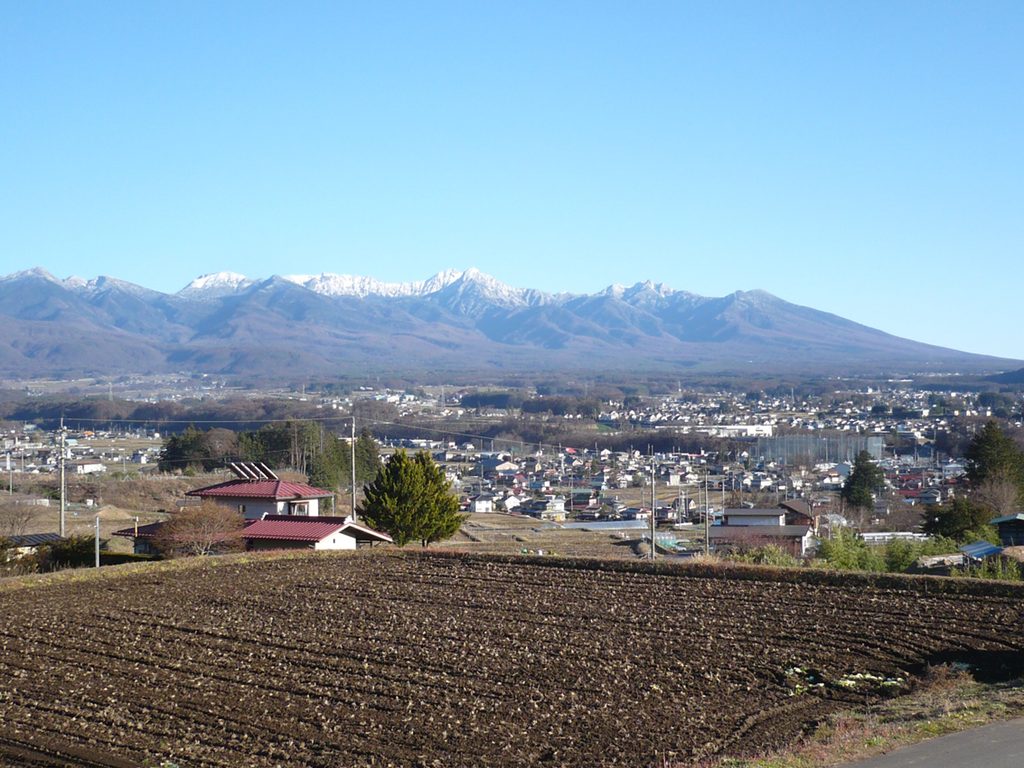
Nagano is often associated with the Japanese Alps, but its appeal extends far beyond high mountain trekking.
Between the major peaks are agricultural valleys, forests, rivers, orchards, and mountain villages.
This creates opportunities to combine more demanding hiking with gentler countryside activities.
Travelers can explore rural roads by bicycle, visit farms, enjoy seasonal produce, and stay in mountain communities.
For visitors who want a combination of mountains and everyday rural life, Nagano provides a broad range of possibilities.
6. Shikoku
Pilgrimage Roads, Mountain Villages, and Rural Landscapes
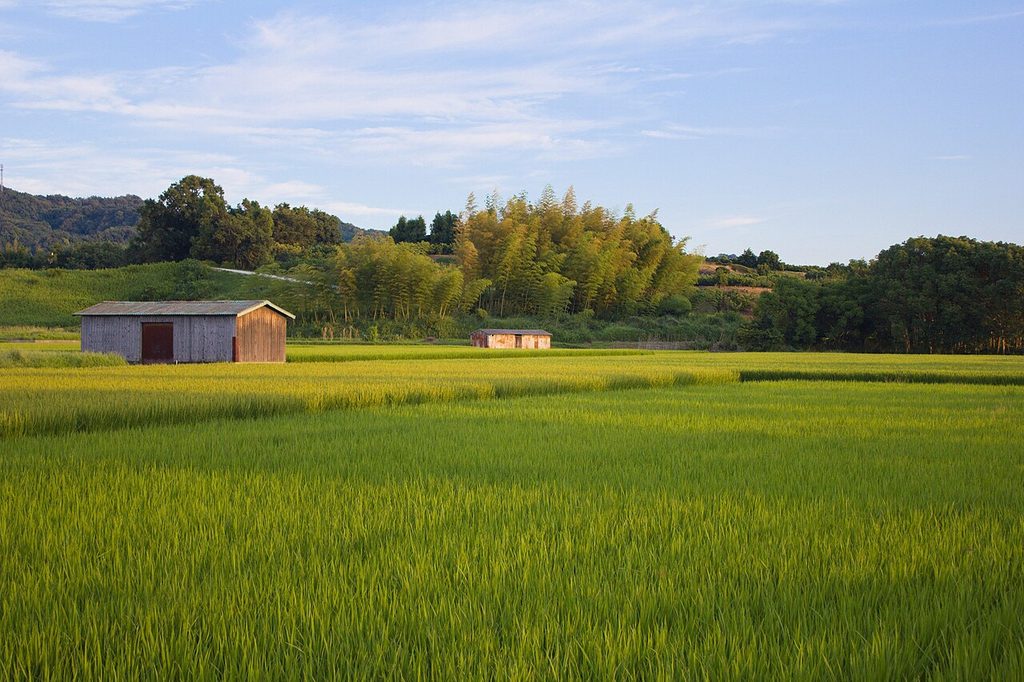
Shikoku offers some of Japan’s most compelling combinations of walking, pilgrimage, agriculture, and rural life.
The island’s pilgrimage traditions have created networks of roads and paths connecting villages, temples, mountains, and local communities.
For travelers interested in long-distance walking, Shikoku is especially attractive.
But you do not have to complete an entire pilgrimage.
Short sections can be combined with cycling, local food, village stays, and other outdoor experiences.
The result is a journey where the route itself becomes part of the experience.
7. The Kii Peninsula, Wakayama
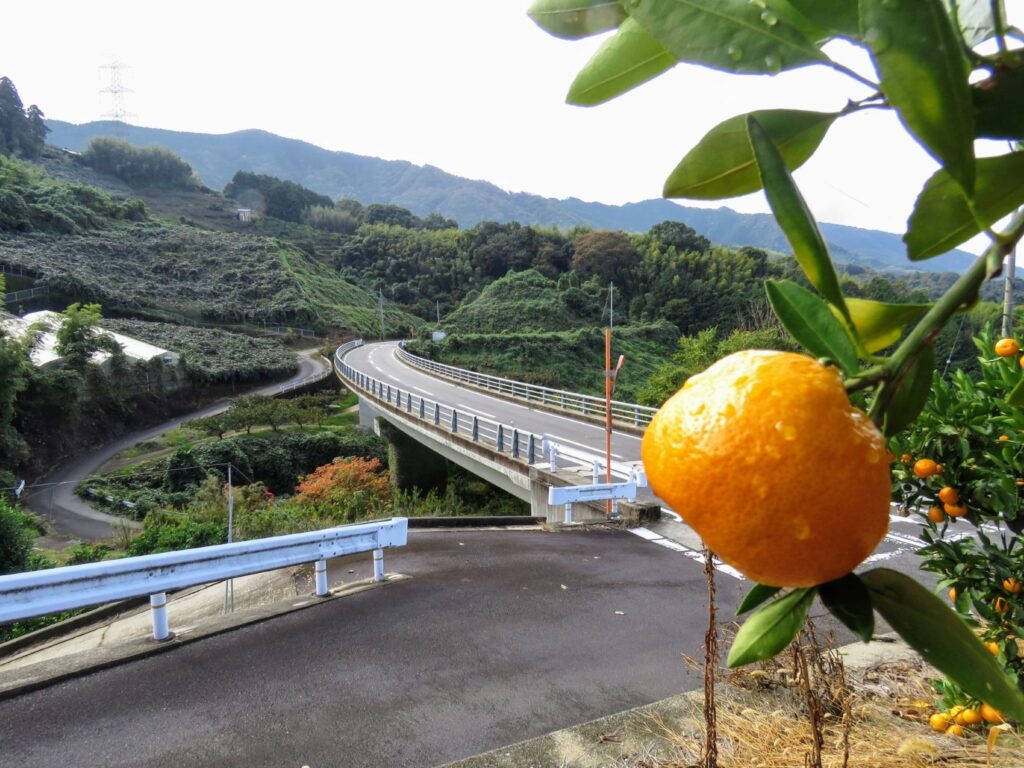
Forests, Pilgrimage Routes, and Living Rural Landscapes
The Kii Peninsula is one of Japan’s richest regions for combining nature, culture, and walking.
The Kumano Kodo is its most famous route, but the wider landscape includes much more than pilgrimage trails.
Mountain villages, forests, agricultural communities, rivers, and coastal settlements create a diverse rural environment.
Travelers can combine:
- Hiking
- Pilgrimage
- Cycling
- Hot springs
- Local food
- Rural villages
- Traditional crafts
The important distinction is that these experiences do not have to be treated separately.
A day of walking can lead to a village lunch.
A cycling route can pass through agricultural landscapes.
A pilgrimage can connect with a rural stay.
This is one reason the Kii Peninsula works particularly well for travelers who prefer journeys rather than checklists.
How to Experience Satoyama More Deeply
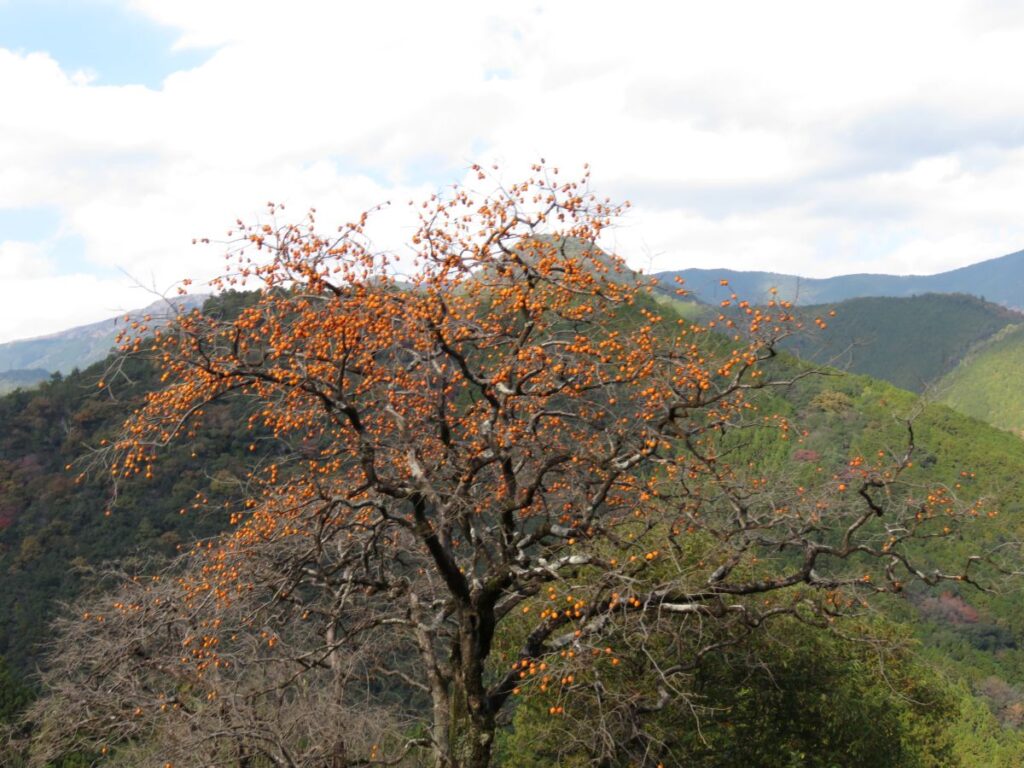
The easiest mistake is to treat satoyama as another sightseeing category.
You arrive, take photographs of a rice field, visit a village, and leave.
But the real appeal is what happens when you slow down enough to connect the landscape with local life.
A more meaningful satoyama journey might combine:
Walk
Explore a trail, old road, forest path, or village.
Cycle
Use a bicycle or e-bike to connect places that are too far apart on foot but too small to justify traveling by car.
Eat
Taste seasonal food produced in the surrounding landscape.
Meet
Visit a farm, workshop, local producer, or small community business.
Stay
Spend several nights rather than trying to see everything in a single day.
This creates a different relationship with the destination.
You begin to notice how the seasons influence agriculture, how villages are connected to forests and rivers, and how food reflects the land.
Satoyama Is About More Than Rural Scenery
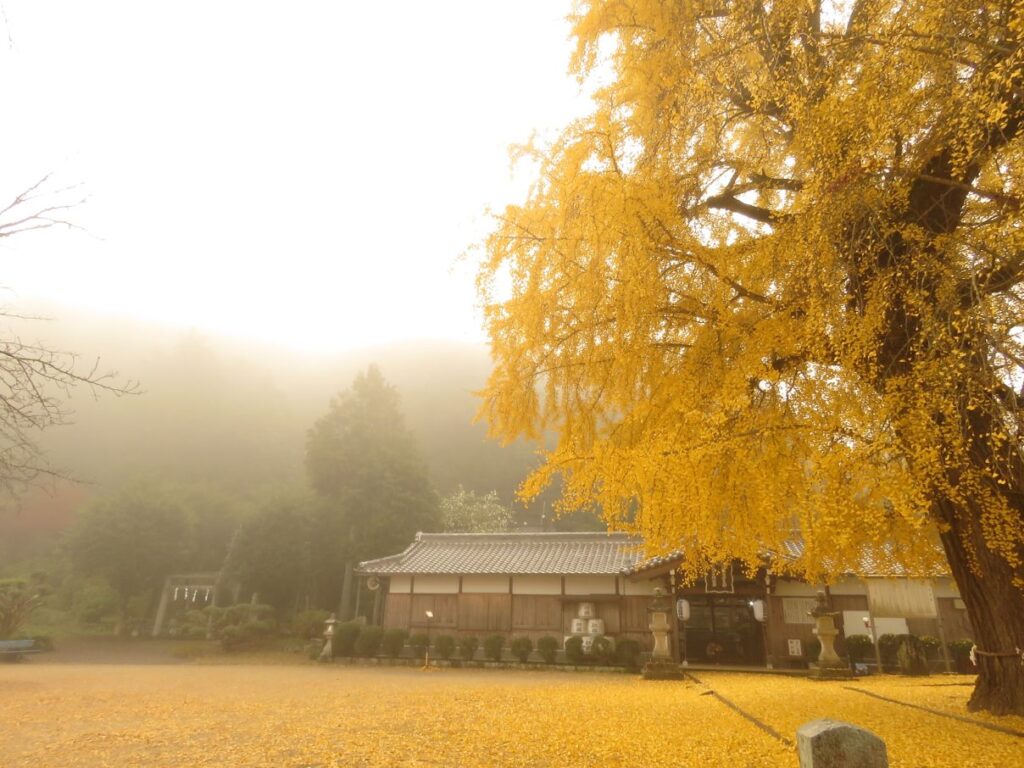
Japan’s satoyama landscapes are valuable not simply because they are beautiful.
They reveal a relationship between people and the environment that has developed over generations.
In Hida-Furukawa, mountain conditions shaped agriculture, architecture, and food.
In Asuka, ancient history exists within an agricultural landscape.
In northern Kyoto, forests, villages, and traditional architecture remain closely connected.
And in Kinokawa, the fertile river basin has helped create a landscape of orchards, farms, villages, and seasonal food.
For travelers looking for hiking, cycling, agriculture, and slow travel in Japan, these places offer something that a conventional sightseeing itinerary often cannot.
They allow you to experience not only where people live, but how the landscape and local life have shaped one another.
Discover Satoyama in Wakayama
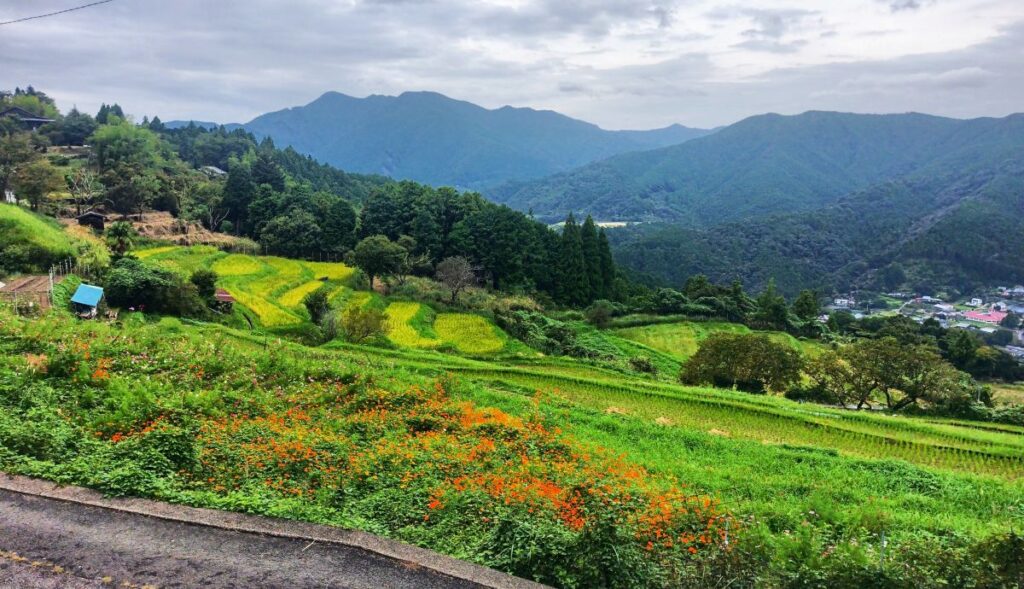
If you are interested in experiencing Kinokawa beyond a short sightseeing stop, the area can be incorporated into a wider journey through Wakayama.
A curated itinerary might combine:
Cycling → fruit culture → local food → hiking → historic sites → rural stay
rather than treating each activity as a separate tour.
This approach is especially suitable for travelers who want to spend several days in the region.
Learn more about Curated Kii Peninsula Journey
Related Posts
- Quiet Places Near Kansai Airport: 7 Slow Travel Destinations Beyond Osaka, Kyoto & Nara
- 10 Days in Wakayama: A Slow Travel Experience Beyond the Golden Route
- Why Wakayama Is One of Japan’s Best Destinations for Slow Travel
No responses yet