
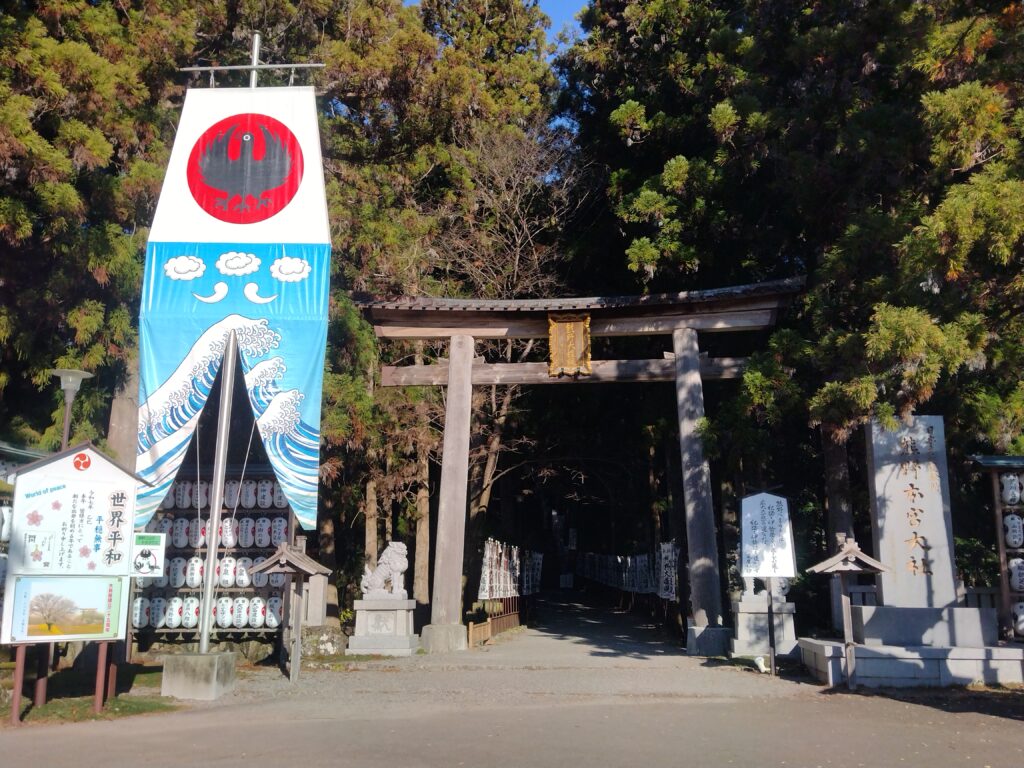
Discover a Different Side of Japan Through Bespoke Travel, Local Culture, Sacred Landscapes, and Slow Travel
When planning a trip to Japan, most international visitors naturally think of the Golden Route: Tokyo, Kyoto, and Osaka.
It is an excellent introduction to Japan. You can experience the energy of Tokyo, the historic temples and traditional streets of Kyoto, and the food culture and entertainment of Osaka.
But what if you have three to five additional days and want to experience something different?
Just south of Osaka, the Kii Peninsula offers another perspective on Japan. Here, ancient pilgrimage routes pass through mountain villages, coastal communities preserve centuries-old traditions, and historic towns continue to produce foods and crafts that have shaped Japanese culture.
In peaceful Wakayama, you can visit sacred Buddhist temples, walk through traditional fishing villages, explore the origins of Japanese shoyu soy sauce, experience local craftsmanship, and enjoy landscapes that remain closely connected to everyday life.
Rather than rushing between famous attractions, you can spend several days discovering how Japanese culture, nature, history, and daily life connect.
A private, bespoke journey through Wakayama allows you to experience these different layers at your own pace, with an itinerary shaped around your interests rather than a fixed sightseeing schedule.
This is an opportunity to discover a different Japan.
Why Choose Wakayama Instead of Another Stop on the Golden Route?

Wakayama is often overlooked by travelers following the traditional Tokyo–Kyoto–Osaka itinerary.
Yet its location makes it particularly interesting for visitors who want to explore beyond Japan’s most familiar destinations.
Located just south of Osaka and accessible from Kansai International Airport, Wakayama is an ideal destination for a few additional days in Japan.
What makes the region special is the diversity of experiences within the Kii Peninsula.
Ancient Spiritual Traditions
Wakayama is home to two of Japan’s most important spiritual destinations:
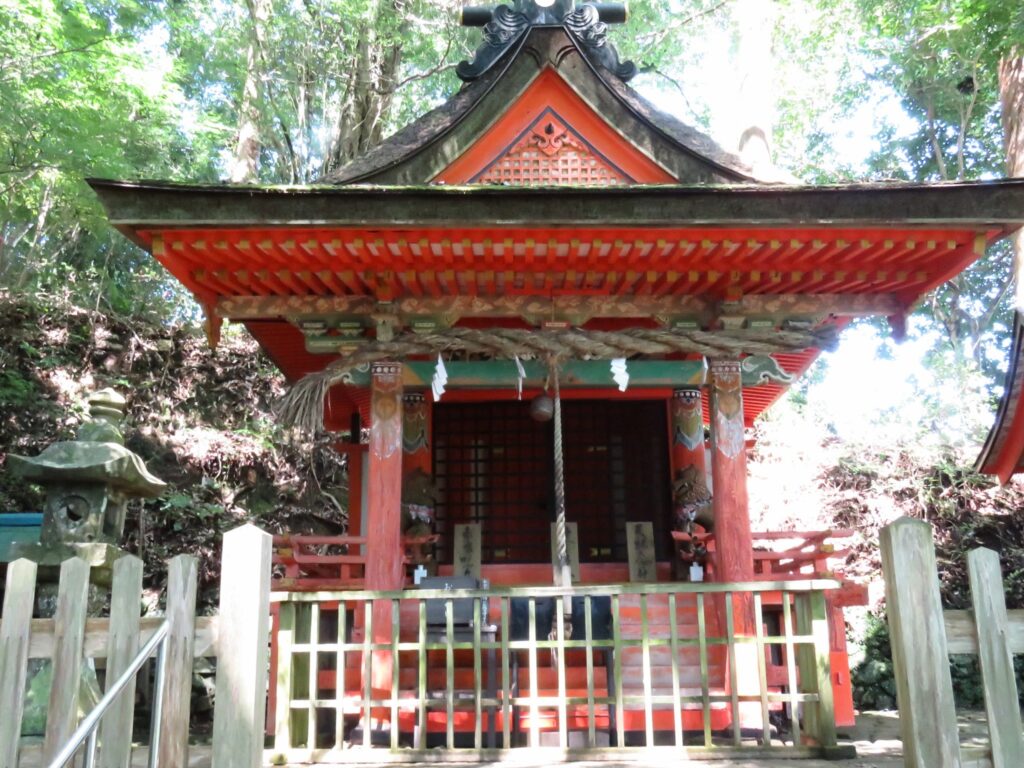
- Koyasan: A historic Buddhist temple complex in the mountains, known for its temples, sacred forests, and traditional temple lodgings.
- Kumano: A sacred landscape associated with ancient pilgrimage routes, mountain worship, and the three grand shrines of Kumano.
Both destinations offer a deeper understanding of Japanese religious traditions and their relationship with nature.
Traditional Towns and Living Heritage
Beyond the famous spiritual destinations, Wakayama has historic towns where traditional industries and everyday culture remain visible.
- Yuasa, known for its historic soy sauce breweries and fermentation culture.
- Kuroe, a traditional town associated with Kishu lacquerware.
- Wakaura, a scenic coastal area celebrated in Japanese poetry and literature.
- Kada and Saikazaki, fishing communities where the sea continues to shape local life.
These places reveal aspects of Japan that are difficult to experience through a conventional sightseeing itinerary.
Nature and Outdoor Experiences
The Kii Peninsula is also a destination for travelers who enjoy spending time outdoors.
You can experience:
- Walking sections of the Kumano Kodo pilgrimage routes.
- Coastal hiking and scenic walks.
- Cycling through rural landscapes and fishing villages.
- Exploring mountain forests and rivers.
- Enjoying hot springs and peaceful seaside environments.
The combination of culture and nature makes Wakayama particularly suitable for slow travel.
What Can You Experience in 3 to 5 Days?
There is no single itinerary that works for everyone.
Some travelers are interested in Japanese Buddhism and pilgrimage history. Others prefer local food, traditional crafts, coastal landscapes, or outdoor activities.
The following examples illustrate how a private journey through Wakayama can be designed.
They are starting points rather than fixed group-tour schedules.
3-Day Journey: Discovering Local Culture and Coastal Japan
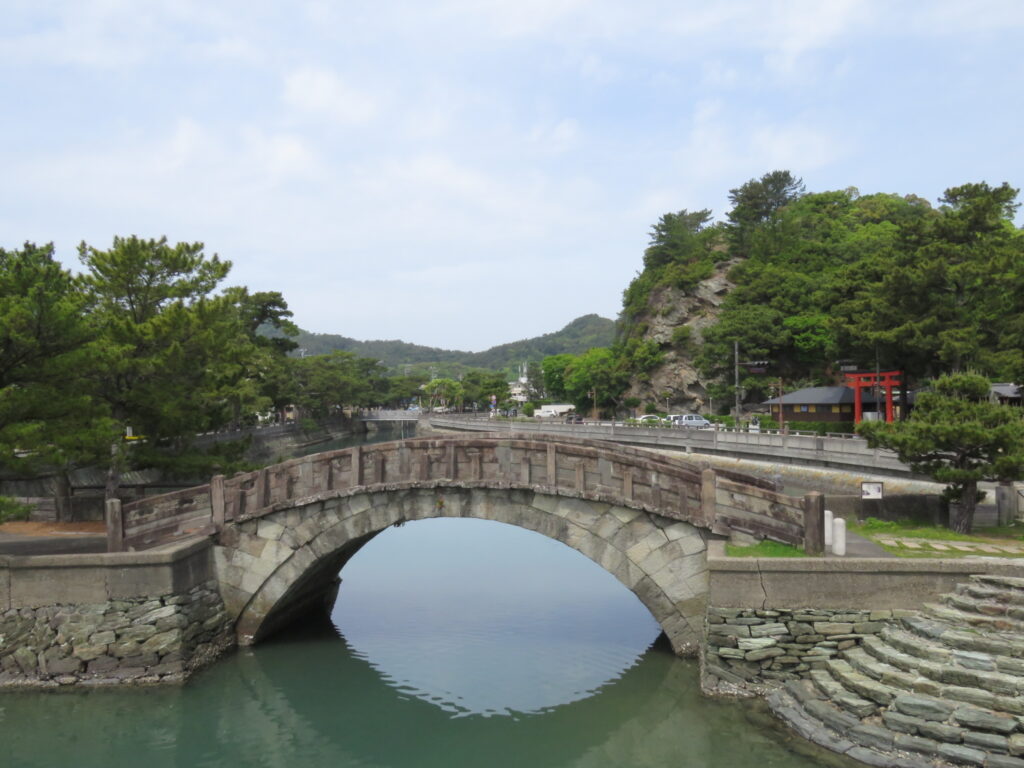
Theme: Historic Towns, Traditional Food, and Coastal Life
This itinerary is ideal for travelers who want to discover a different side of Japan without spending too much time traveling between destinations.
Day 1: Wakayama City and Wakaura – History, Landscape, and Local Life
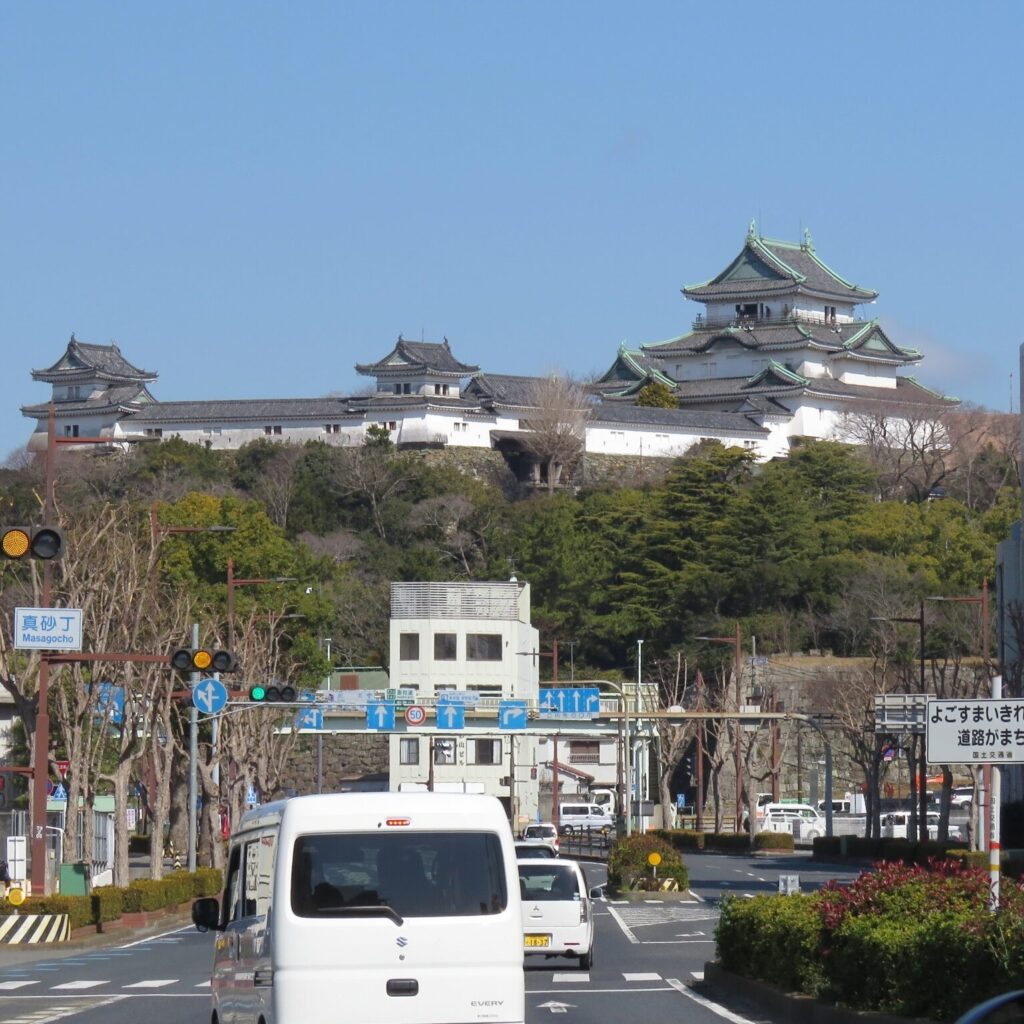
Begin in Wakayama City, a regional center with a history shaped by the Tokugawa family and its strategic position along the Kii Peninsula.
Visit Wakayama Castle and explore the surrounding historic district.
Continue toward Wakaura, a beautiful coastal landscape that has inspired Japanese poets and artists for centuries.
Here, you can experience a different relationship between Japanese culture and nature.
Depending on your interests, the day might include:
- Exploring the historic landscape of Wakaura.
- Visiting local shrines and cultural sites.
- Walking along the coast.
- Enjoying regional seafood.
- Discovering traditional Japanese gardens and tea culture.
Rather than simply visiting scenic viewpoints, take time to understand why this coastal landscape became an important cultural destination.
Day 2: Kuroe and Yuasa – Craftsmanship and the Origins of Japanese Soy Sauce
Today, explore two historic towns connected to traditional Japanese industries.
Begin in Kuroe, where Kishu lacquerware has been produced for generations.
Traditional lacquerware is not simply decorative craftsmanship. It is closely connected to everyday Japanese life, from dining utensils to household objects.
Depending on availability, you may be able to experience a traditional craft workshop, such as maki-e lacquer decoration.
Continue to Yuasa, widely recognized as the birthplace of shoyu soy sauce.
Here, narrow streets and historic breweries preserve the atmosphere of an old merchant town.
Explore the relationship between fermentation, local ingredients, traditional production methods, and Japanese food culture.
For travelers interested in gastronomy, this is an opportunity to understand Japanese cuisine beyond sushi and ramen.
Day 3: Fishing Villages and the Rhythm of Coastal Life
Spend your final day exploring Wakayama’s coastal communities.
Depending on your interests, possible destinations include Kada and Saikazaki.
These fishing communities offer a different perspective on Japan.
Instead of viewing the sea simply as a beautiful landscape, you can discover how it has shaped local architecture, food, work, and community life.
Possible experiences include:
- Walking through traditional fishing villages.
- Visiting local markets and seafood shops.
- Discovering regional fishing traditions.
- Enjoying freshly prepared local seafood.
- Exploring quiet coastal viewpoints.
For those interested in photography, food culture, or local history, these communities offer many opportunities for meaningful encounters.
This three-day journey is particularly suitable for travelers who want to combine cultural exploration with relaxed coastal experiences.
4-Day Journey: Koyasan and the Cultural Landscapes Below the Mountain
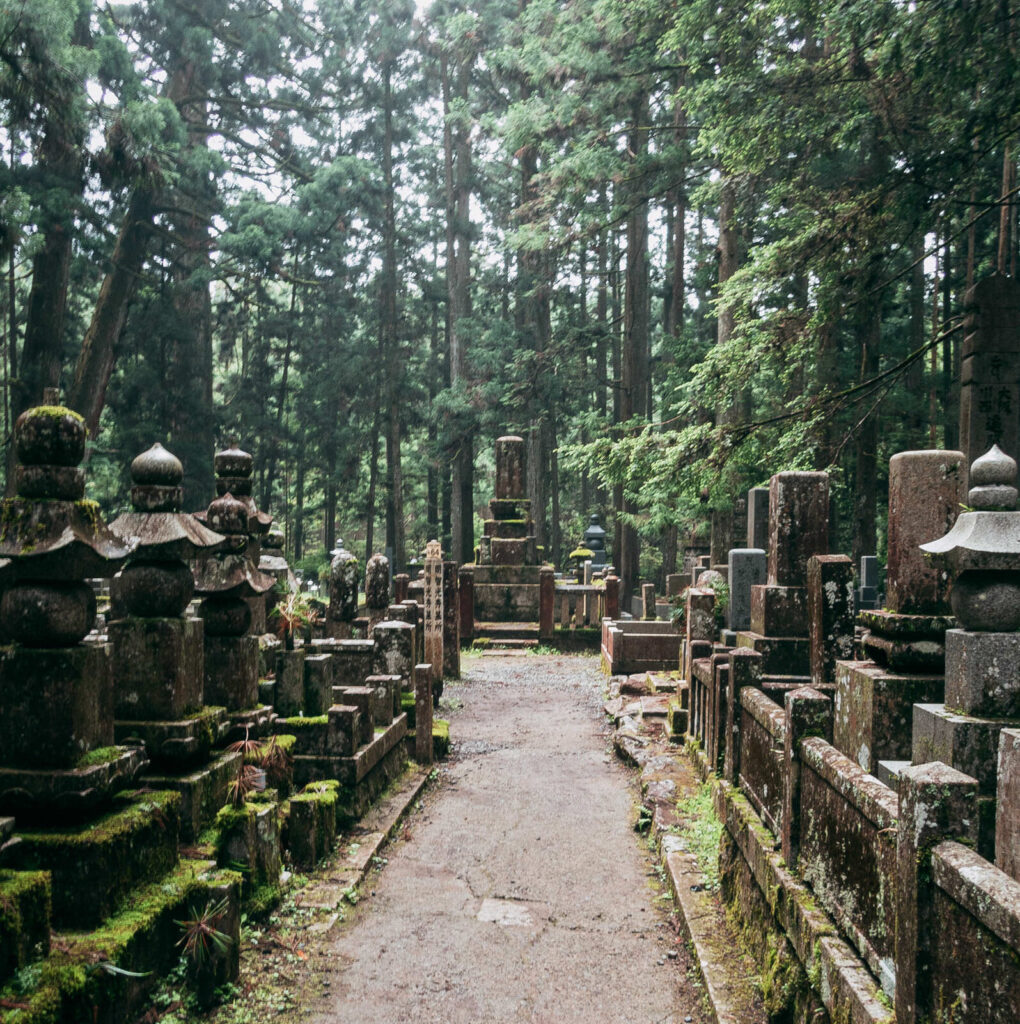
Theme: Buddhism, Pilgrimage, History, and Rural Japan
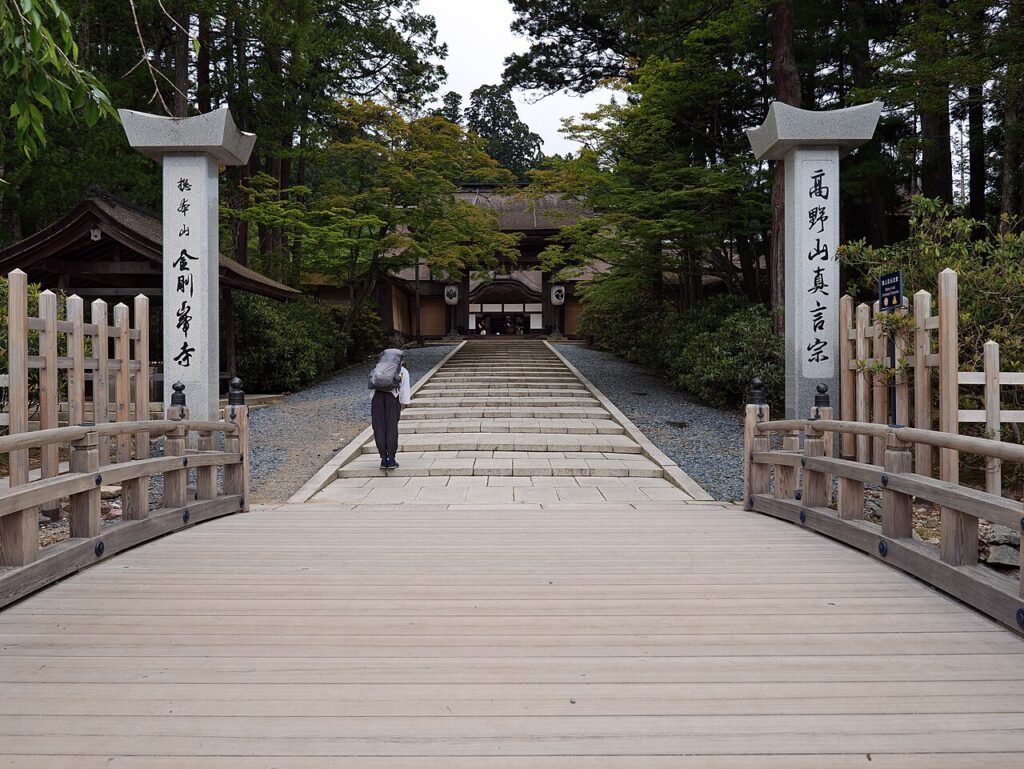
For travelers interested in Japanese spirituality, Koyasan offers one of the most memorable experiences in Wakayama.
But there is more to the region than the famous temple complex itself.
The surrounding towns and valleys reveal how the sacred mountain has been connected to everyday life for centuries.
Day 1: Approaching Koyasan Through Historic Towns
Rather than heading directly to Koyasan, explore the historic gateway towns below the mountain.
Kudoyama and Koyaguchi offer opportunities to discover the history of pilgrimage, traditional architecture, local crafts, and rural life.
These towns once played important roles in supporting travelers and pilgrims approaching the sacred mountain.
You can explore historic streets, visit local cultural sites, and experience the landscape at a slower pace.
Day 2: Koyasan – The Spiritual Heart of the Kii Peninsula
Spend the day exploring Koyasan.
Founded by Kobo Daishi (Kukai) in the early ninth century, Koyasan developed into one of Japan’s most important centers of Shingon Buddhism.
Highlights include:
- Danjo Garan, the central religious complex.
- Kongobuji Temple, the head temple of Shingon Buddhism.
- Okunoin, the sacred cemetery surrounded by ancient cedar trees.
- Traditional Buddhist architecture and temple gardens.
For a deeper experience, consider staying at a temple lodging (shukubo).
Depending on the temple and availability, you may experience Buddhist vegetarian cuisine, morning prayers, and the quiet atmosphere of temple life.
Day 3: Walking and Exploring the Surrounding Landscape
Continue exploring the cultural landscape around Koyasan.
Rather than spending the entire day inside the temple town, consider walking along historic pilgrimage routes and visiting nearby communities.
Possible experiences include:
- Walking part of the Choishi-michi pilgrimage route.
- Exploring Jison-in Temple.
- Discovering the relationship between Koyasan and its surrounding communities.
- Cycling through the rural landscapes of Kudoyama and Koyaguchi.
These experiences help reveal that Koyasan is not an isolated religious destination.
It is part of a much larger cultural landscape.
Day 4: A Different Perspective on Japanese Rural Life
Depending on your interests, conclude the journey with a visit to the Kinokawa region.
This fertile agricultural area is known for its seasonal fruit production and historic communities.
You might explore:
- Historic post towns.
- Traditional agricultural landscapes.
- Local fruit farms and markets.
- The legacy of physician Hanaoka Seishu.
- Regional food and seasonal desserts.
It is an interesting contrast to the spiritual atmosphere of Koyasan.
Here, the focus shifts from religious traditions to medicine, agriculture, food, and everyday life.
5-Day Journey: From Sacred Mountains to Ancient Pilgrimage Routes
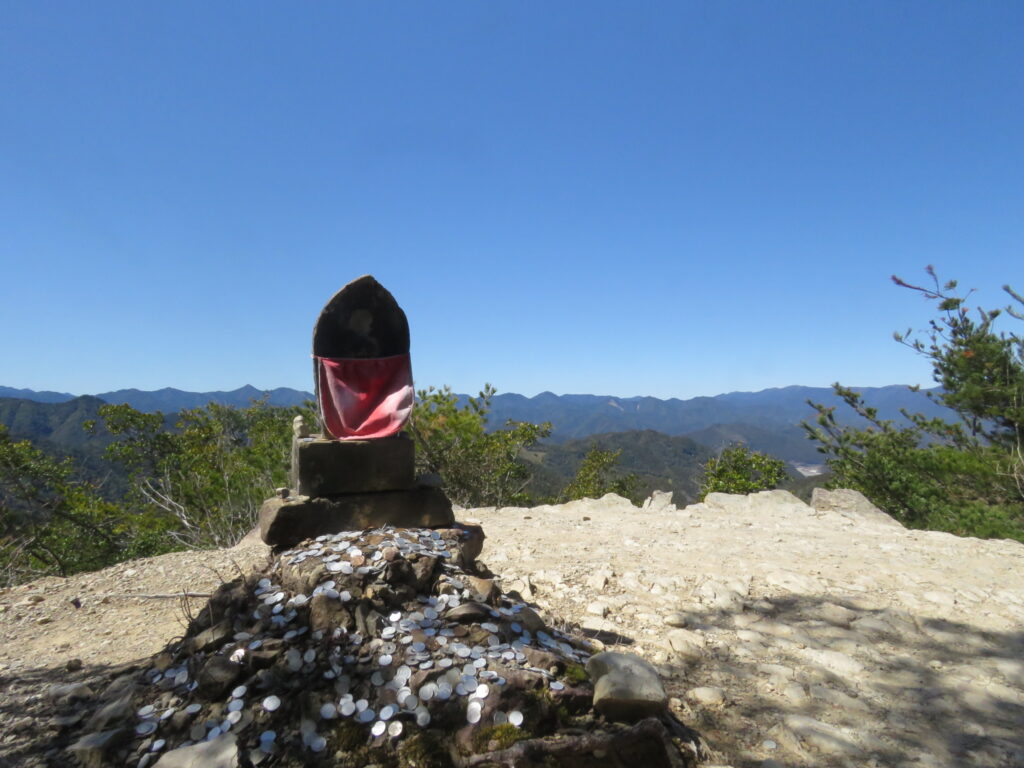
Theme: Spiritual Japan, Mountain Landscapes, and Local Traditions
For travelers who want to explore the deeper cultural identity of the Kii Peninsula, five days allow for a broader journey connecting Koyasan and Kumano.
These two destinations represent different but interconnected aspects of Japanese spiritual history.
Day 1: Koyasan – Entering the Sacred Mountain
Arrive at Koyasan and explore its central temple complex.
Walk through Danjo Garan and visit Kongobuji Temple.
In the evening, experience the atmosphere of Okunoin, where thousands of memorial structures stand among towering cedar trees.
An overnight stay at a temple lodging offers an opportunity to experience a different rhythm of Japanese life.
Day 2: From Koyasan to the Kumano Region
Travel south through the mountainous landscape of the Kii Peninsula.
This is not simply a transfer between destinations.
The journey itself reveals the geographical scale of the region and the relationship between its mountain communities.
Depending on transportation and seasonal conditions, the journey can include stops at local communities and scenic locations.
Arrive in the Kumano area and settle into a traditional Japanese inn or hot spring accommodation.
Day 3: Walking the Kumano Kodo
Spend the day exploring a section of the Kumano Kodo.
The Kumano Kodo is a network of ancient pilgrimage routes connecting sacred shrines across the Kii Peninsula.
One possible experience is walking from Hosshinmon-oji to Kumano Hongu Taisha.
This route passes through mountain villages, forest paths, and landscapes that have been associated with pilgrimage for centuries.
The experience is not simply about hiking.
It is about understanding why people traveled through these mountains in search of spiritual renewal.
Day 4: Kumano’s Sacred Shrines and Local Culture
Explore the wider Kumano region.
Depending on your route and interests, possible destinations include:
- Kumano Hongu Taisha.
- Kumano Hayatama Taisha.
- Kumano Nachi Taisha.
- Nachi Falls.
- Traditional hot spring villages.
You can also discover the relationship between pilgrimage, local communities, mountain worship, and the natural environment.
For travelers interested in Japanese religious history, this is one of the most rewarding parts of the Kii Peninsula.
Day 5: A Slow Ending in the Kii Peninsula
Rather than immediately returning to Osaka, consider spending your final day enjoying a quieter experience.
Depending on your departure point, you might explore:
- A traditional hot spring village.
- Local food and seafood culture.
- Coastal landscapes.
- Small historic communities.
- A section of the ancient pilgrimage routes.
The final day can be designed around relaxation, photography, food, or further cultural exploration.
It is a chance to conclude the journey without rushing toward another major destination.
Your Journey Does Not Have to Follow a Fixed Itinerary

The itineraries above are examples of what is possible in Wakayama.
However, the most interesting journey may be one that combines places and experiences that are not normally included in a standard package tour.
Perhaps you are interested in Japanese food culture.
Your journey might include traditional soy sauce breweries in Yuasa, seafood from local fishing communities, regional sake or ume-based products, and a traditional Japanese dining experience.
Perhaps you are more interested in traditional arts and craftsmanship.
You could combine Kishu lacquerware, Japanese paper-making, traditional confectionery, tea culture, and local craft workshops.
Or perhaps you prefer the outdoors.
Your journey might focus on hiking, cycling, coastal landscapes, forest walks, and hot springs.
There is also the possibility of combining several interests.
For example:
- A morning walk along an ancient pilgrimage route.
- An afternoon exploring a historic town.
- A traditional craft experience.
- A meal featuring seasonal regional ingredients.
This is the advantage of a custom-designed private journey.
Instead of selecting from a limited list of standard sightseeing tours, you can build an experience around the things that genuinely interest you.
What Makes a Private, Tailor-Made Journey Different?
A private tour is not necessarily a personalized journey.
Many private tours simply offer the same itinerary as a group tour, with a vehicle and guide reserved for one party.
A more meaningful bespoke experience starts with a different question:
What would you actually like to experience in Japan?
The answer might have very little to do with famous tourist attractions.
You might want to understand how Japanese food traditions developed, discover the relationship between religion and the natural environment, or spend time in communities that remain connected to traditional ways of life.
A personalized journey makes these interests the starting point of the itinerary.
With Curated Kii Peninsula Journey, the focus is on connecting places, people, and experiences into a coherent journey.
This can include:
Cultural Interpretation
Understand the historical and cultural background behind the places you visit, rather than simply collecting sightseeing destinations.
Local Experiences
Discover traditional crafts, regional food, fishing communities, agricultural landscapes, and everyday Japanese culture.
Flexible Pacing
Spend more time in places that interest you. Include walking, relaxing, and opportunities for spontaneous discoveries.
Private Guiding and Interpretation
Travel with a knowledgeable local guide who can explain cultural details, provide language support, and help you engage with local experiences.
Personalized Planning
Your itinerary can be adjusted according to your interests, preferred pace, travel dates, and available time.
The result is not simply a private sightseeing tour.
It is a journey designed around your curiosity.
Who Is a Private Wakayama Journey For?
A bespoke journey through Wakayama is particularly suitable for travelers who:
- Have already visited Tokyo, Kyoto, or Osaka and want to discover another side of Japan.
- Prefer meaningful cultural experiences over crowded sightseeing attractions.
- Are interested in Japanese history, religion, food, and traditional craftsmanship.
- Enjoy hiking, cycling, photography, or exploring rural landscapes.
- Want to experience local communities and everyday Japanese life.
- Prefer private travel with a flexible itinerary.
- Are traveling as a couple, family, or small private group.
It is also an interesting option for travelers who have a specific interest but are unsure where in Japan they can experience it.
You do not necessarily need to be familiar with Wakayama before arriving.
Sometimes, knowing what interests you is enough to begin planning.
Getting to Wakayama
One of Wakayama’s advantages is its accessibility from the major gateways of western Japan.
From Kansai International Airport, Wakayama City can be reached by train or airport limousine bus.
From Osaka, the city is approximately one hour away by train, depending on the departure station and service.
Koyasan can also be reached from Osaka using the Nankai Railway network.
This makes Wakayama a practical addition to a longer Japan itinerary.
For travelers following the Golden Route, three to five days in Wakayama can provide a refreshing change of pace without requiring an entirely separate trip across Japan.
However, the Kii Peninsula is geographically large, and travel times between its northern and southern areas can be significant.
A well-designed itinerary should take these distances into account rather than attempting to visit everything in a few days.
The best journey is not necessarily the one that covers the most places.
It is the one that gives you enough time to appreciate them.
Discover a Different Japan Through Curated Kii Peninsula Journey
Japan has many famous destinations, but some of its most interesting cultural experiences are found beyond the usual tourist routes.
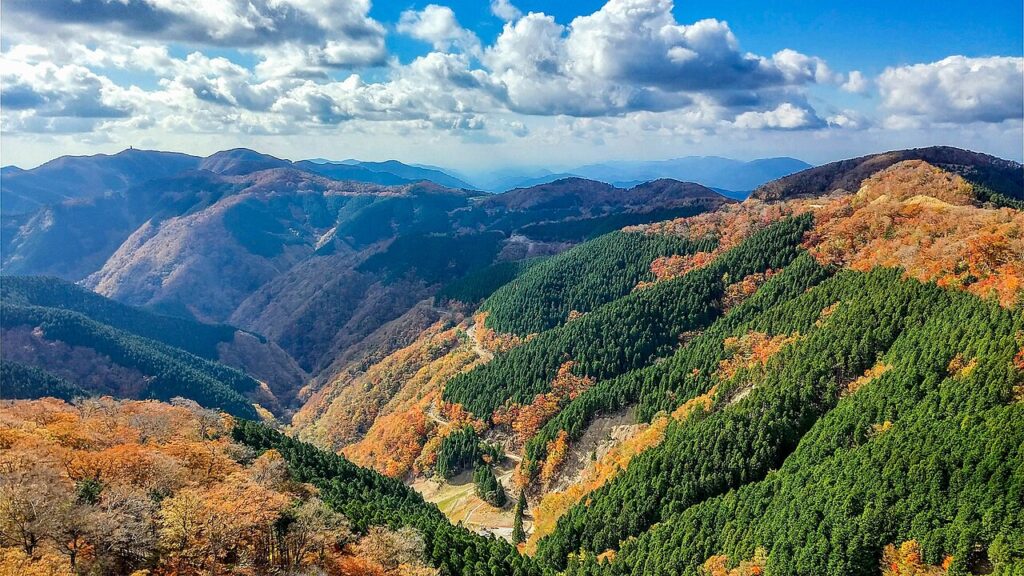
In Wakayama, ancient pilgrimage paths, traditional industries, fishing communities, local food, and beautiful natural landscapes are all part of the same regional story.
You can explore these connections through a three-day cultural journey, a four-day exploration of Koyasan and its surrounding communities, or a five-day journey connecting the sacred landscapes of Koyasan and Kumano.
At Curated Kii Peninsula Journey, we create private travel experiences for visitors who want to discover more than the familiar highlights of Japan.
Whether you are interested in history, food, nature, traditional craftsmanship, or simply experiencing a slower rhythm of life, your journey can be shaped around your interests.
You do not need to arrive with a complete itinerary.
Tell us what you would like to experience, how much time you have, and what kind of travel you enjoy.
We will help you explore the possibilities and create a personalized journey through Wakayama.
Discover the Japan beyond the Golden Route.
Start planning your private journey through the Kii Peninsula.
Read More About Travel n Wakayama
- 3 Days in Wakayama City: A Slow Journey Through Castle, Coast & Local Life
- 10 Days in Wakayama: A Slow Travel Experience Beyond the Golden Route
- Private & Small Group Tours in Wakayama: How to Plan Your Journey
- 5-Day Unique Food Journey in Wakayama: Ramen, Seafood and Shoyu Sauce
Related posts:
Private Shore Excursions in Wakayama: Beyond the Standard Cruise Tour
How Okunoin Reflects Japanese Views of Life and Death
What to Do in Wakayama City: A Samurai Culture Day Around Wakayama Castle
7 Most Beautiful Photography Spots in Wakayama, Japan: From Sacred Forests to Dramatic Coastlines
Osaka & Kyoto Alternatives for Slow Travel

No responses yet