
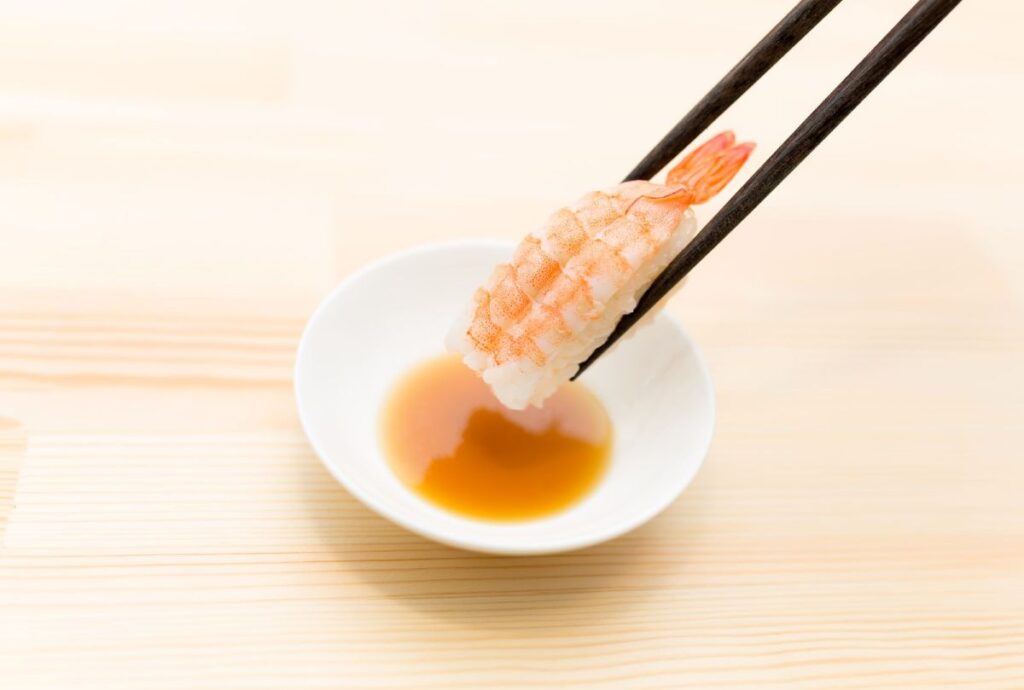
Discover the Microorganisms, Landscapes, and Local Traditions That Shape Japan’s Food Culture
When people think of Japanese food, they often picture sushi, ramen, or beautifully presented bowls of rice. But behind many of Japan’s most distinctive flavors lies a quieter, less visible world: fermentation.
Soy sauce develops its depth over months of aging. Miso transforms soybeans into a complex seasoning. Rice, fish, vegetables, and even tea leaves are changed through the work of microorganisms and the knowledge of the people who cultivate them.
And these traditions are not simply recipes passed down from one generation to the next. They are connected to particular places—mountain villages, coastal towns, farming communities, and historic centers of trade.
In Wakayama, the historic streets of Yuasa preserve a connection to the development of Japanese soy sauce, while the plum-growing landscapes of Minabe and Tanabe reveal how a fruit became central to regional food culture.
Across Japan, fermentation offers a way to understand how geography, climate, agriculture, trade, and everyday life have shaped what people eat.
Here are eight traditional fermented foods and the places where their stories come alive.
1. Shoyu: The Fermented Foundation of Japanese Cuisine
Yuasa, Wakayama
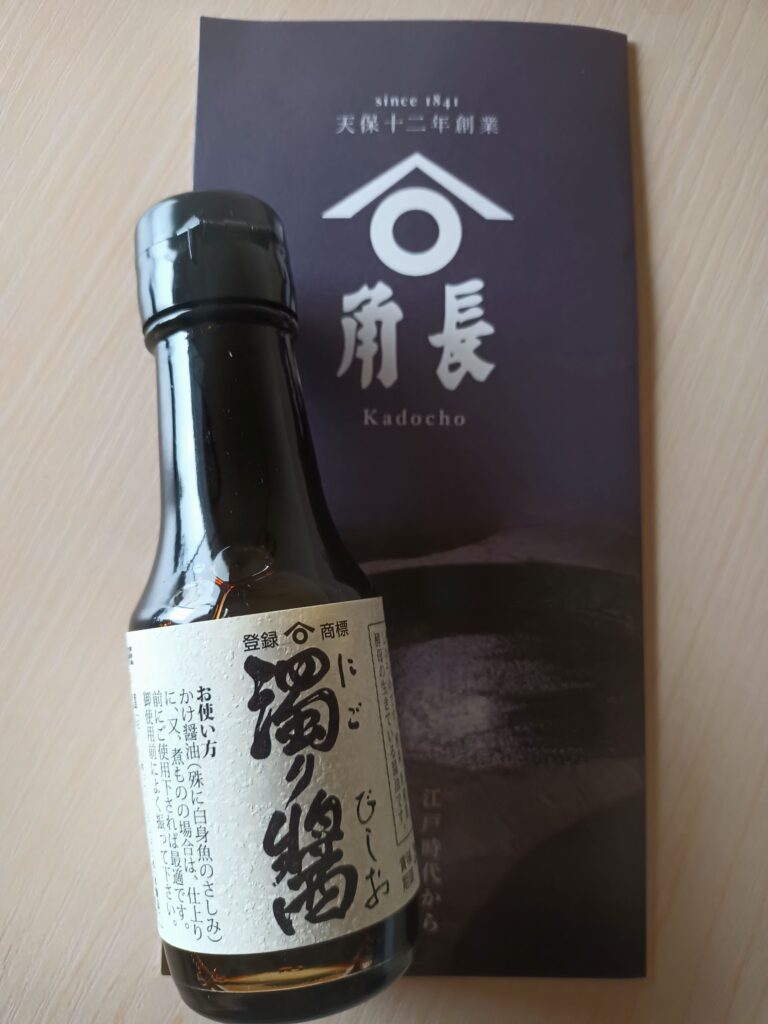
Japanese Soy sauce, or shoyu, is one of the defining seasonings of Japanese cuisine. Yet its familiar dark liquid conceals a remarkably complex process involving soybeans, wheat, salt, water, koji mold, and time.
In the historic town of Yuasa, on the Kii Peninsula, visitors can explore a place closely associated with the development of Japanese soy sauce.
The town’s fermentation tradition is connected to Kinzanji miso, a fermented food associated with Zen Buddhist culture. According to local tradition, techniques connected with this miso helped inspire the development of soy sauce production in Yuasa.
Yuasa’s location also mattered. Its coastal setting connected it to maritime trade, while the surrounding region provided agricultural resources and access to water. Over time, fermentation became part of the town’s commercial and cultural identity.
Walking through Yuasa’s preserved historic district, visitors encounter traditional buildings and breweries that keep this food heritage visible.
The experience is not just about tasting soy sauce. It is about understanding how a seasoning used in kitchens around the world emerged from a particular regional history.
What to explore in Yuasa:
- Traditional soy sauce breweries and their fermentation methods
- Wooden fermentation vats and the role of koji
- The historic merchant-town streets
- Differences in aroma, color, and flavor among soy sauces
A question to consider: How did a local fermentation tradition become one of the essential flavors of Japanese cooking?
Related post
Yuasa Travel Guide: Discover the Birthplace of Shoyu Soy Sauce
2. Umeboshi: The Art of Preserving Japanese Plums
Minabe and Tanabe, Wakayama
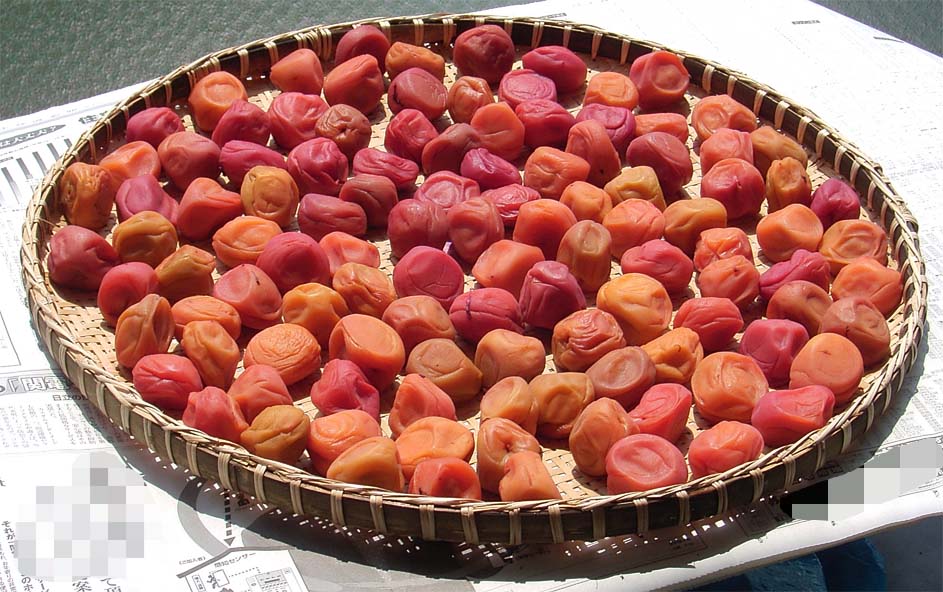
In southern Wakayama, the hills around Minabe and Tanabe are closely associated with Nanko ume, a celebrated Japanese plum variety.
The region’s ume culture is about much more than fruit production. It brings together agriculture, preservation, seasonal work, and a distinctive approach to flavor.
Umeboshi are made by salting Japanese plums and traditionally drying them in the sun. Some are then stored or seasoned in different ways, including with shiso leaves.
Although umeboshi are often described as fermented food, the traditional process is primarily a form of salt preservation and acidification. The strong acidity of ume, together with salt, plays a central role in preserving the fruit. Some modern products and related plum preparations may involve additional fermentation processes, but not every umeboshi is fermented.
The result is a food with a striking balance of sourness, saltiness, fragrance, and sometimes sweetness.
In Minabe and Tanabe, plum cultivation has shaped the landscape itself. Orchards spread across hillsides, and the annual cycle of blossoms, harvesting, processing, and drying connects food production to the rhythm of the seasons.
For visitors, this offers a different way to understand Japanese food culture: not through a famous restaurant, but through the agricultural landscape behind an everyday ingredient.
What to explore in Minabe and Tanabe:
- The region’s plum-growing landscapes
- The seasonal cycle of plum blossoms and harvest
- Traditional salting and sun-drying methods
- Different styles of umeboshi and their uses in Japanese meals
A question to consider: Why did this intensely sour fruit become such an enduring part of Japanese food culture?
Related post
Discovering Japan’s Plum Culture: A Journey Through Minabe and Tanabe
3. Miso: The Everyday Fermentation of Japan
Shinshu, Nagano
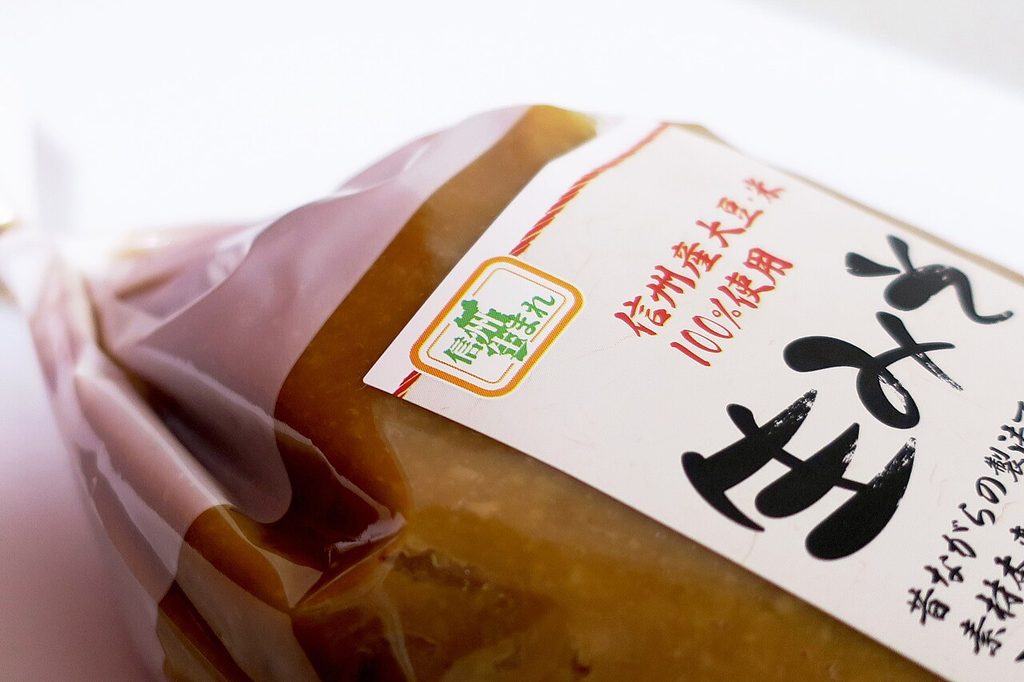
Miso is a fermented seasoning made primarily from soybeans, salt, and koji. Depending on the region and production method, rice or barley koji may be used, producing different flavors, textures, and aromas.
In Nagano Prefecture, the Shinshu style of miso is particularly well known. The region’s cool climate and long-established food traditions have helped shape its reputation as a major miso-producing area.
Miso is deeply woven into everyday Japanese cooking. It appears in miso soup, marinades, simmered dishes, and sauces. Its flavor can range from mild and sweet to deeply savory and salty.
The process begins with koji, a mold cultivated on grains that produces enzymes. These enzymes break down proteins and starches, helping create the complex flavors associated with miso.
Different ingredients, fermentation periods, and aging conditions produce different results. Miso is therefore not one uniform food, but a family of regional traditions.
In Shinshu, exploring miso offers a chance to see how a familiar ingredient reflects local production and food habits.
What to explore in Shinshu:
- How rice koji contributes to miso production
- Differences between miso varieties
- The role of miso in everyday meals
- How aging changes aroma, color, and flavor
A question to consider: How can a few basic ingredients create such a wide range of flavors?
4. Natto: Fermentation with a Distinctive Character
Mito, Ibaraki
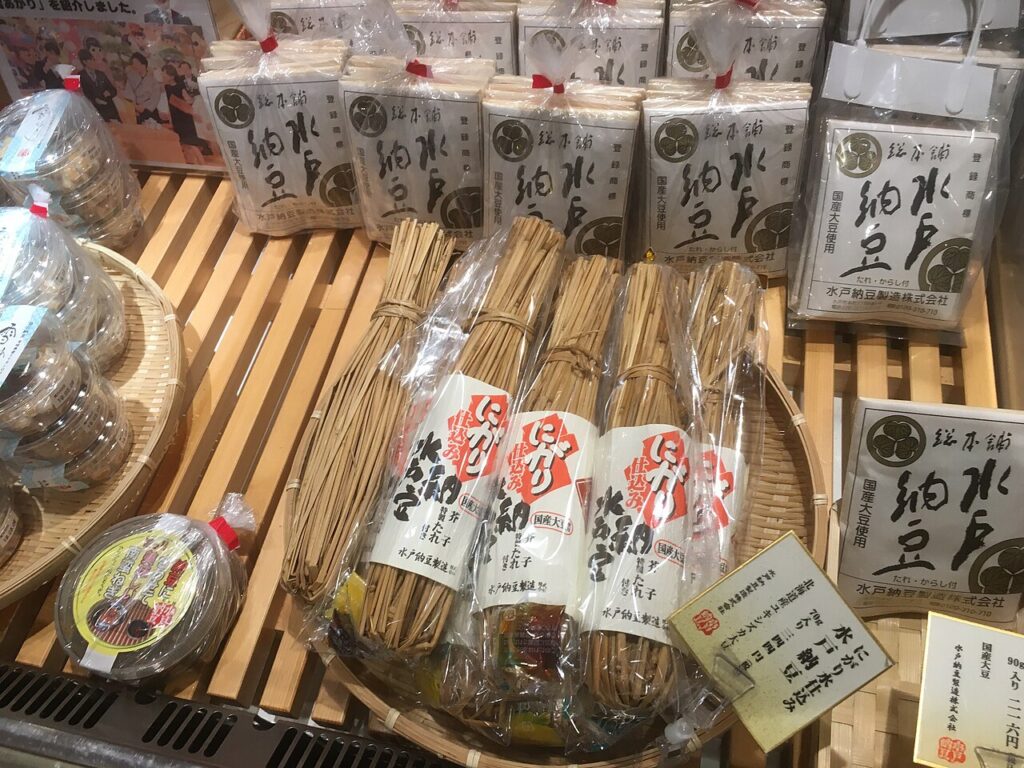
Natto is made by fermenting cooked soybeans with Bacillus subtilis var. natto. Its characteristic sticky texture, strong aroma, and savory flavor make it one of Japan’s most distinctive foods.
The city of Mito in Ibaraki Prefecture is particularly associated with natto. Its reputation developed through a combination of local production and the spread of the food beyond the region.
Natto is commonly eaten with rice, often seasoned with soy sauce, mustard, or chopped green onions. It is also used in other dishes, from sushi rolls to noodles.
Unlike many fermented foods that are aged for long periods, natto is produced through a comparatively short fermentation process. The transformation is nevertheless dramatic: cooked soybeans become glossy, aromatic, and covered with fine, sticky strands.
For travelers, natto can be an introduction to the diversity of Japanese taste. It challenges the idea that traditional Japanese food is always delicate or mild.
What to explore in Mito:
- Local natto producers and specialty shops
- Different soybean sizes and natto styles
- How natto is served in breakfast and everyday meals
- The relationship between regional identity and food reputation
A question to consider: What makes an unfamiliar texture become a cherished part of everyday cuisine?
5. Katsuobushi: The Deep Flavor of Dried and Fermented Fish
Makurazaki, Kagoshima
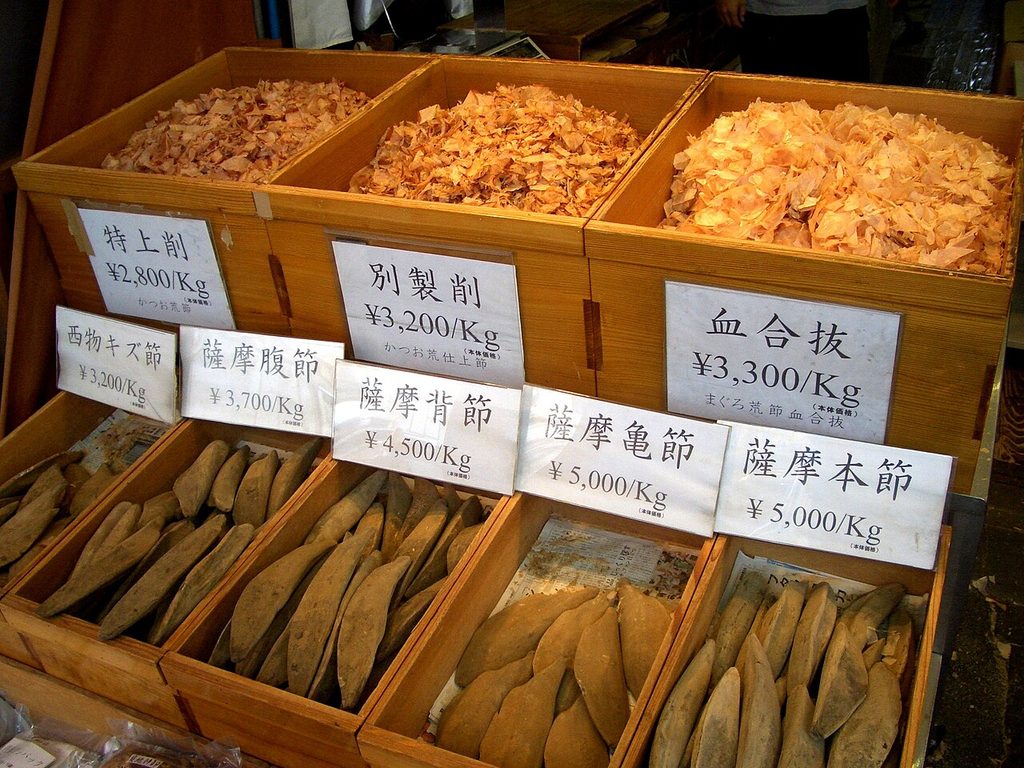
Katsuobushi, or dried bonito, is one of the foundations of Japanese dashi, the stock used in countless soups and sauces.
In Makurazaki, Kagoshima Prefecture, bonito processing has long been an important local industry. The town’s coastal location connects its food culture to the sea and to the work of fishing and processing communities.
Traditional katsuobushi production involves several stages. Bonito is cooked, shaped, smoked, and dried. In some premium styles, repeated mold cultivation and drying further reduce moisture and develop the product’s distinctive character.
The finished block is hard and concentrated. When shaved into thin flakes, it releases an intense aroma and savory flavor.
Katsuobushi demonstrates how preservation techniques can create something more than a way to store food. They can transform an ingredient into a seasoning that defines the taste of an entire cuisine.
What to explore in Makurazaki:
- The stages of bonito processing
- The difference between smoked and mold-aged styles
- How freshly shaved katsuobushi is used in dashi
- The connection between fishing and local food production
A question to consider: How did preserving fish become a way to create one of Japan’s most important sources of umami?
6. Narezushi: An Ancient Form of Fermented Sushi
Shiga Prefecture and the Lake Biwa Region
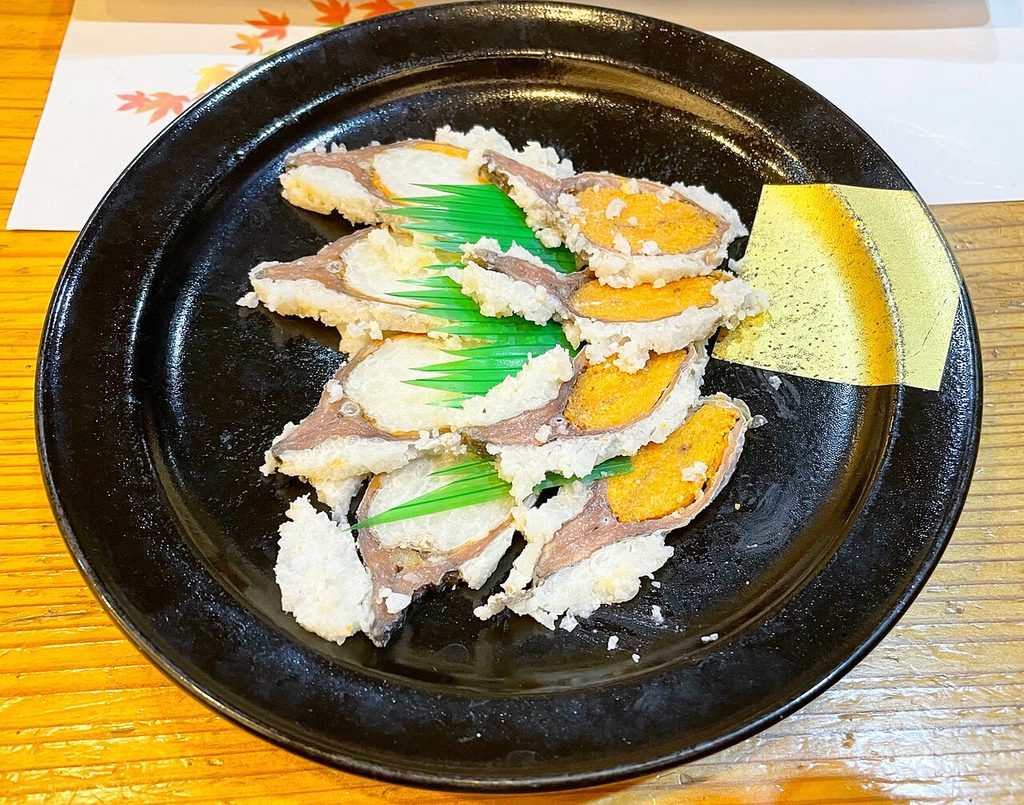
Before sushi became associated with fresh fish served over vinegared rice, there were older forms of fermented fish preservation.
Narezushi is one of these traditions. Fish is salted and fermented with rice, allowing preservation and flavor development to take place over time.
In the Lake Biwa region of Shiga Prefecture, funazushi is a well-known example. It is traditionally made using crucian carp, with rice playing a central role in the fermentation process.
The result is very different from modern sushi. Its aroma and flavor can be powerful, acidic, and deeply savory.
Narezushi reveals an important aspect of food history: techniques that began as methods of preservation can eventually become valued for their distinctive taste.
It also demonstrates how local ecosystems influence cuisine. The fish available in a particular lake or river can shape the development of a regional specialty.
What to explore around Lake Biwa:
- The history of funazushi and its local producers
- The role of salt and rice in fish preservation
- How fermented sushi differs from modern sushi
- The relationship between freshwater fishing and regional food traditions
A question to consider: What can an older form of sushi tell us about the changing meaning of food over time?
7. Sake: Fermentation at the Heart of Japanese Brewing
Fushimi, Kyoto
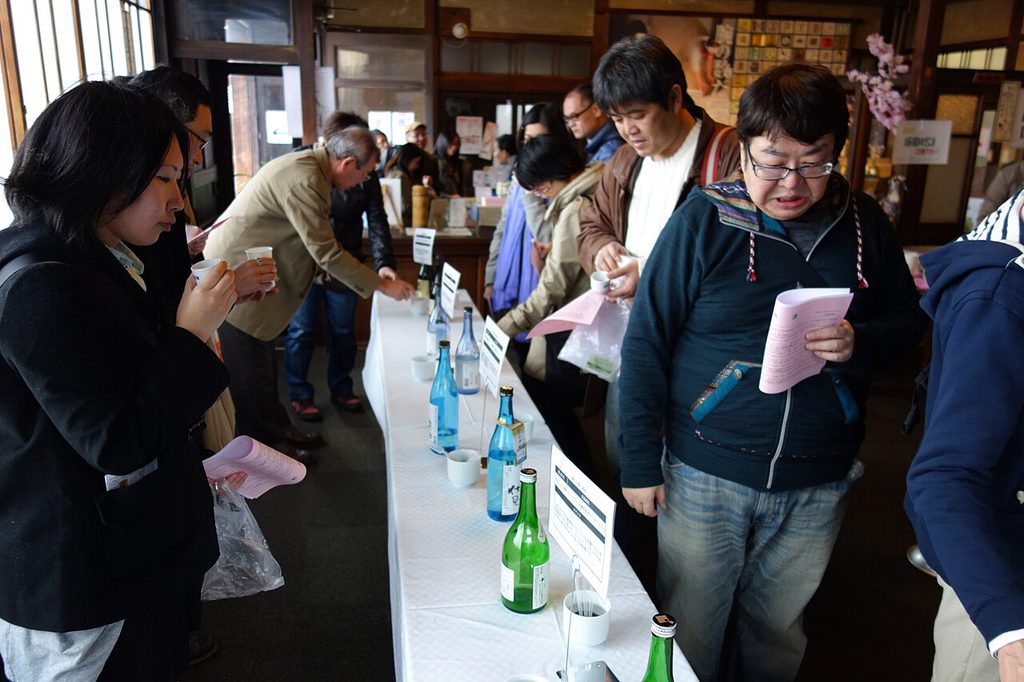
Japanese sake is brewed from rice, water, koji, and yeast. Its production depends on a carefully coordinated process in which starch is converted into sugars and then into alcohol.
Fushimi, in southern Kyoto, is one of Japan’s historic sake-producing districts. Its brewing culture is closely connected to the area’s water resources, rice supply, and commercial history.
The central role of koji makes sake particularly interesting. In many other alcoholic beverages, starch conversion and alcohol fermentation take place in separate stages. In sake brewing, these processes occur together in the same fermentation environment, a process known as multiple parallel fermentation.
The character of sake depends on many factors, including rice variety, polishing, yeast, water, temperature, and the brewer’s choices.
Visiting a sake-producing district can reveal how a drink associated with celebrations and formal occasions is also the product of agricultural knowledge and highly skilled craft.
What to explore in Fushimi:
- The role of water in sake brewing
- How koji converts rice starch into fermentable sugars
- The stages of sake production
- Differences in aroma, texture, and flavor among sake styles
A question to consider: How does a brewer guide a process that depends on living microorganisms?
8. Fermented Tea: A Different Side of Japanese Tea Culture
Goishi-cha, Ōtoyo, Kochi
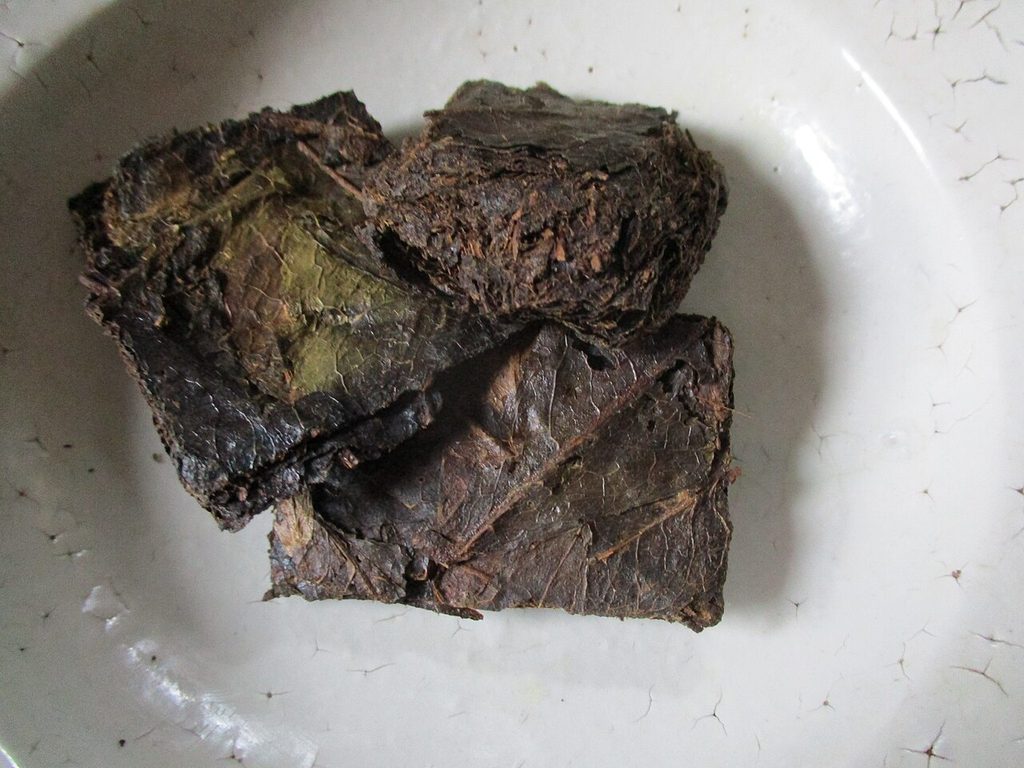
Japanese tea is often associated with steaming, rolling, and careful brewing. But some regional traditions involve fermentation as well.
Goishi-cha, produced in parts of Kochi Prefecture, is a distinctive example of post-fermented tea. Its production includes processes such as steaming, fermentation, and drying, creating a flavor quite different from that of common green tea.
The tea is associated with local knowledge and a particular production landscape. Its character reflects not only the tea leaves themselves, but also the methods used to transform them.
Fermented teas remind us that fermentation is not limited to soybeans, fish, or alcoholic drinks. It can also shape the flavor of leaves, producing distinctive regional beverages.
For visitors interested in Japanese food culture, Goishi-cha offers a chance to look beyond the most familiar tea traditions and discover how local communities have developed their own ways of processing plants.
What to explore in Kochi:
- The production stages of Goishi-cha
- How post-fermentation changes tea’s flavor
- The relationship between tea cultivation and local landscapes
- How regional tea traditions differ across Japan
A question to consider: How can the same plant produce such different drinks through different processing methods?
What These Eight Foods Reveal About Japan
These foods may appear to belong to separate culinary worlds, but they share several underlying themes.
1. Fermentation is shaped by place
Water, climate, available ingredients, and local ecosystems all influence how food is produced. Yuasa’s soy sauce tradition, the plum-growing landscapes of southern Wakayama, and the fish-based preservation traditions around Lake Biwa each reflect a different relationship between food and geography.
2. Preservation can become a source of flavor
Many traditional food techniques developed in response to the need to store ingredients. Over time, the flavors created through salting, drying, aging, and fermentation became valued in their own right.
3. Microorganisms are part of cultural knowledge
Koji, yeast, and bacteria are living participants in food production. The knowledge of how to cultivate and manage them has been passed down through generations of producers.
4. Everyday foods carry regional histories
Miso soup, natto rice, dashi, umeboshi, and soy sauce are not simply items on a menu. They connect modern meals to agricultural practices, trade, craft, and local identity.
Discover Japanese Fermentation Through the Places Behind the Food
For travelers interested in Japanese food culture, fermentation offers a way to go beyond restaurant menus and discover the landscapes and communities behind familiar flavors.
In Wakayama, this journey can begin in Yuasa, where historic streets and working breweries preserve a connection to soy sauce production. It can continue south to Minabe and Tanabe, where plum orchards and preservation traditions reveal another side of the region’s food culture.
These places invite a slower kind of exploration: tasting carefully, asking questions, and understanding how food connects people to their surroundings.
The most memorable food experiences are not always found in a single dish. Sometimes, they begin by discovering where its flavor came from.
Explore Wakayama Through Food, History, and Local Life
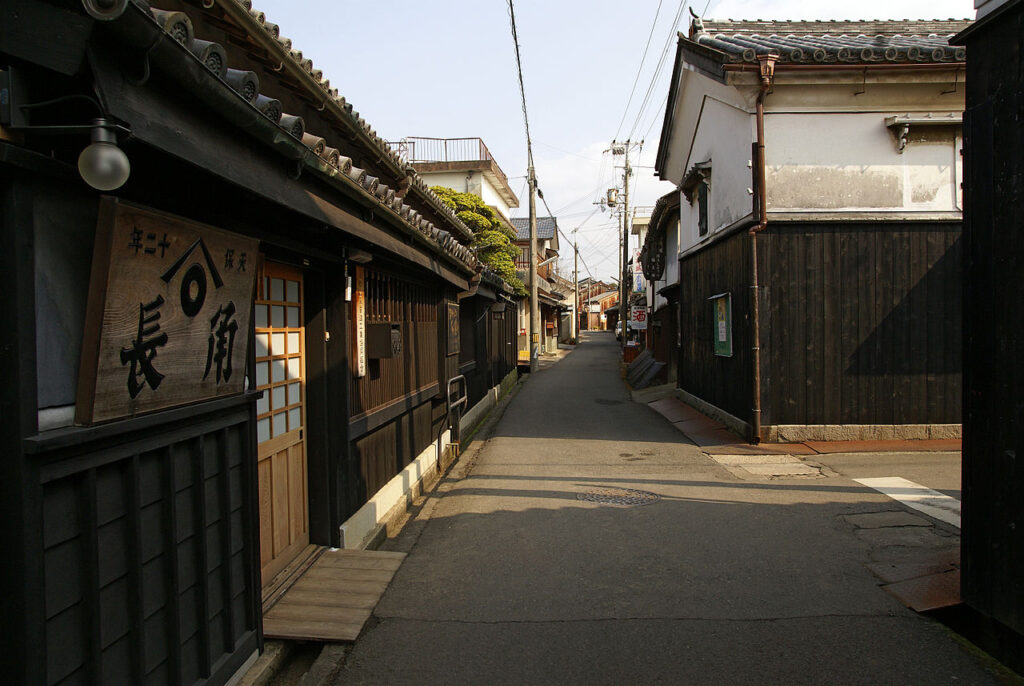
Wakayama’s food culture connects coastal communities, historic towns, agricultural landscapes, and traditions shaped over generations.
A privately guided journey can bring these layers together through visits to local places, conversations about regional history, and opportunities to explore the food traditions that make the Kii Peninsula distinctive.
Interested in discovering the stories behind Wakayama’s food?
Explore a curated journey through the Kii Peninsula, with a focus on local culture, landscapes, and the traditions that continue to shape everyday life.
Contact Hiroyuki Dobashi to discuss a private guided experience in Wakayama.
Related Posts
- Fishing Villages in Japan: 7 Coastal Communities to Experience Local Life
- 7 Hidden Historic Towns in Kansai: Discover a Different Side of Japan
- From Pilgrimage to Plum Wine: Discovering Wakayama’s Fermentation Culture in Kainan
- 5-Day Unique Food Journey in Wakayama: Ramen, Seafood and Shoyu Sauce
No responses yet