
A Culinary Journey Through Koyasan, Wakayama City, Arida, Yuasa & Katsuura
When people think about Japanese food, they often think of sushi in Tokyo, street food in Osaka, or kaiseki cuisine in Kyoto.
But Wakayama offers a different kind of culinary journey.
Here, food is closely connected to the landscape.
Mountain temples developed their own traditions of vegetarian cuisine. Pilgrims carried simple preserved foods along ancient routes. Coastal communities built their lives around fresh fish. Small towns became centers of fermentation and soy sauce production. And the warm climate created ideal conditions for growing some of Japan’s finest citrus and plums.
This five-day journey follows those connections—from the sacred mountains of Koyasan to the Pacific Ocean at Katsuura.
Rather than simply visiting famous restaurants, it is a journey through the landscapes, traditions, and everyday cultures that created Wakayama’s food.
Day 1 — Koyasan: The Cuisine of the Sacred Mountain
Begin your culinary journey high in the mountains at Koyasan.
Food here is inseparable from Buddhist culture.
For centuries, Buddhist monks have followed dietary traditions that emphasize vegetables, tofu, sesame, mushrooms, mountain plants, and seasonal ingredients rather than meat and fish.
The result is shojin ryori, Japanese Buddhist vegetarian cuisine.
Shojin Ryori: Food as Part of Practice
A traditional shojin meal is not simply vegetarian food.
It reflects a philosophy of using ingredients carefully, respecting seasonality, and avoiding unnecessary waste.
A typical meal might include:
- Sesame tofu
- Seasonal vegetables
- Mountain vegetables
- Tofu and soybean products
- Pickled vegetables
- Rice
- Miso soup
- Seasonal mountain ingredients
The flavors can be subtle, but the meal encourages you to pay attention to texture, aroma, temperature, and season.
This makes Koyasan an ideal beginning for a food journey through Wakayama.
The region’s food culture is not only about flavor.
It is also about time, discipline, preservation, and the relationship between people and the landscape—themes that continue throughout the rest of the journey. The wider food culture of the Kii Peninsula is similarly shaped by pilgrimage, mountain traditions, preservation, and hospitality.
Overnight: Koyasan
Stay at a temple lodging if available and experience the atmosphere of the mountain after the day visitors have left.
Related post:
The Full Journey to Koyasan: From Sacred Peak to Valley Towns
Day 2 — Wakayama City: Ramen, Mehari Sushi & Everyday Food Culture
Descend from the mountains and head toward Wakayama City.
The contrast is immediate.
Yesterday’s food was connected to Buddhist practice and the mountain environment.
Today, the focus shifts to everyday food culture.
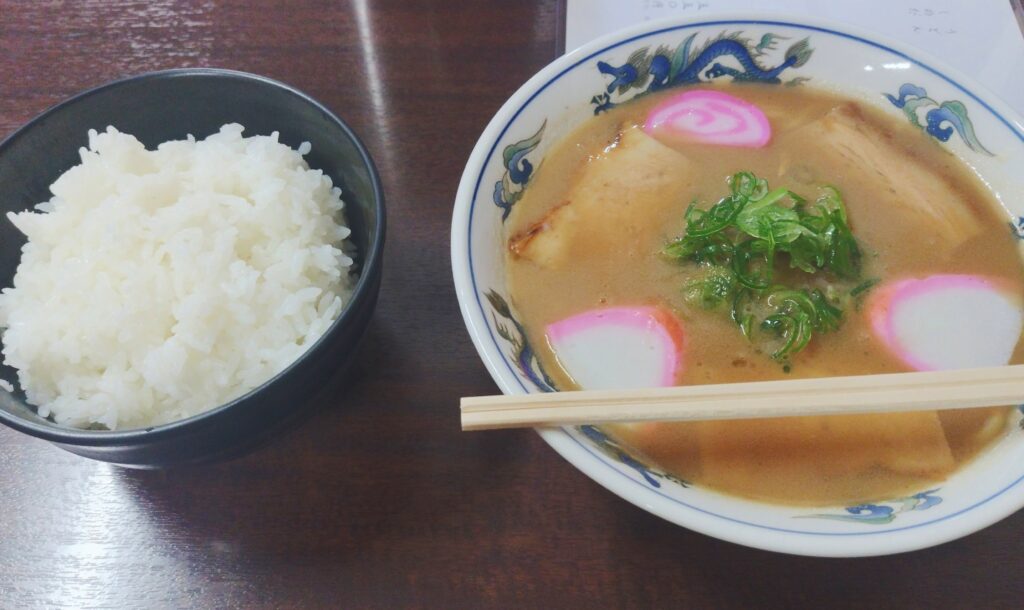
Lunch: Wakayama Ramen
Wakayama is famous for its distinctive local ramen, generally associated with a pork-and-soy-sauce-based broth.
For many visitors, ramen may seem like a simple meal.
But this is precisely why it belongs in the journey.
After experiencing the refined simplicity of shojin ryori, a bowl of local ramen offers a completely different expression of regional food culture.
It is casual, filling, local—and deeply rooted in everyday life.
The point is not to find the “best ramen in Japan.”
It is to understand what people in Wakayama actually eat.
Related post:
Why Wakayama Ramen Is Different
Evening
Spend the evening in Wakayama City.
Rather than another formal dining experience, consider a small local restaurant or izakaya and explore seasonal seafood, vegetables, and local dishes.
Related post:
A Local Food Crawl Around Wakayama Castle
Day 3 — Arida: Tachiuo from the Sea, Citrus from the Hills
On the third day, travel south toward Arida.
This is where Wakayama’s relationship with the sea and agriculture comes together.
Arida is particularly famous for its citrus-growing landscape, but the area’s food culture is not limited to fruit.
The nearby coastal waters are also known for tachiuo, or cutlassfish.
Tachiuo: A Taste of the Wakayama Coast
Tachiuo has a distinctive long, silver body and delicate white flesh.
Depending on the season and restaurant, it may be served grilled, as sashimi, fried, or prepared in other local styles.
The important point is the connection between the dish and its landscape.
On one side are the hills covered with citrus orchards.
On the other is the Pacific coast and its fishing communities.
This is a recurring feature of Wakayama:
mountains, farms, and fishing grounds exist remarkably close to one another.
Citrus Country
After lunch, turn toward the hills.
The Arida region is one of Wakayama’s great citrus-producing areas, and the landscape itself becomes part of the experience.
Rows of citrus trees climb the slopes, often overlooking the sea.
For a traveler interested in food, this is an opportunity to understand that fruit is not simply something bought at a market.
It is shaped by:
- Climate
- Topography
- Farming traditions
- Seasonal work
- Local knowledge
Citrus Dessert
Finish the day with a citrus-based dessert.
Depending on the season, this might involve mikan, juice, sorbet, parfait, or another dessert highlighting the natural acidity and sweetness of local citrus.
The contrast with the day’s seafood is part of the experience.
Sea for lunch. Orchard for dessert.
That simple sequence tells a great deal about the geography of Wakayama.
Overnight
Stay in the Arida area or continue toward the historic town of Yuasa.
Related post:
From Fishing Port to Historic Streets: A Coastal Hiking Journey from Arida to Yuasa
Day 4 — Yuasa: Shoyu Soy Sauce, Fermentation & Shirasu
Day four takes you to Yuasa, one of the most important food-culture destinations on the journey.
If Koyasan introduced the relationship between food and spiritual practice, Yuasa introduces another fundamental theme:
fermentation and time.
The Birthplace of shoyu
Yuasa is widely known as the birthplace of Japanese soy sauce.
Walking through the historic town, you can encounter traditional buildings and the atmosphere of a town whose development was closely connected with brewing and commerce.
Soy sauce here is not simply a condiment sitting on a restaurant table.
It is a product created through:
- Fermentation
- Microorganisms
- Koji
- Wooden vessels
- Climate
- Time
- Generations of knowledge
This is why Yuasa fits so naturally into a broader “food as culture” journey.
The region’s food traditions demonstrate how preservation and fermentation became essential parts of everyday life in the Kii Peninsula.
Taste Shoyu Sauce at Its Source
Take time to taste locally produced soy sauce rather than simply seeing a brewery from outside.
Compare the aroma, saltiness, sweetness, umami, and finish.
The experience becomes much more interesting when you begin to notice that soy sauce is not a single flavor.
Like wine or aged spirits, production methods and maturation can change its character.
Shirasu: A Taste of the Coastal Town
For lunch, enjoy shirasu, young sardines or anchovies harvested along the coast.
Shirasu is closely connected with the everyday food culture of coastal Wakayama.
It can be served over rice, incorporated into local dishes, or enjoyed in other simple preparations.
After spending the morning learning about soy sauce, shirasu offers another useful lesson:
preservation, seasoning, and the sea have always been closely connected.
A small coastal town can tell a surprisingly large story about Japanese food.
Related post:
Yuasa Travel Guide: Discover the Birthplace of Shoyu Soy Sauce
Day 5 — Katsuura: The Tuna of the Pacific
For the final day, continue south toward Katsuura, one of the best places in Wakayama to experience the region’s relationship with tuna.
After four days of mountain cuisine, everyday food, agriculture, and fermentation, the journey ends with the open Pacific.
Katsuura Tuna
Katsuura is strongly associated with fresh tuna and the fishing industry.
Here, tuna is not simply an expensive ingredient on a sushi menu.
It is connected to:
- Fishing
- Markets
- Boats
- Processing
- Local restaurants
- The rhythm of the sea
Visit the local market area and, when possible, see how tuna moves from the fishing port into the local food economy.
Lunch: Fresh Tuna
Enjoy tuna at a local restaurant or market.
Depending on the season and availability, this might include:
- Sashimi
- Tuna bowls
- Sushi
- Grilled preparations
- Other locally prepared dishes
After tasting shojin ryori at Koyasan, this final meal creates a striking contrast.
At the beginning of the journey, food represented restraint and spiritual practice.
At the end, it represents the abundance of the Pacific.
Both, however, are expressions of the landscapes that surround them.
Related post:
Best Tuna Cutting Shows in Wakayama: Markets, Times & Tips
Five Days, Five Landscapes
What makes this journey interesting is not simply the number of foods you taste.
It is the changing relationship between food and place.
| Day | Place | Food | Cultural Theme |
|---|---|---|---|
| Day 1 | Koyasan | Shojin ryori | Spirituality & mountains |
| Day 2 | Wakayama City | Ramen | Everyday life & pilgrimage |
| Day 3 | Arida | Tachiuo & citrus | Sea & agriculture |
| Day 4 | Yuasa | Soy sauce & shirasu | Fermentation & coastal culture |
| Day 5 | Katsuura | Tuna | Fishing & the Pacific |
Together, these experiences reveal a side of Wakayama that is easy to miss when traveling from one famous attraction to another.
More Than a Food Tour
This is not designed as a restaurant-hopping itinerary.
It is a journey through the food landscape of Wakayama.
You move from:
mountains → city → orchards → historic town → fishing port
and from:
shojin ryori → everyday food → seafood & fruit → fermentation → tuna
The deeper story is how people have adapted food to the landscapes around them.
Mountain communities developed foods suited to religious practice and long journeys.
Coastal communities relied on fishing and preservation.
Farmers transformed steep hillsides into productive citrus orchards.
Brewers used fermentation to create foods that could be preserved and traded.
And fishing ports connected the region to the wider Pacific.
This is why food works so well as an introduction to Wakayama.
You don’t simply taste the region. You begin to understand it.
Planning Your Own Food Journey in Wakayama
The five-day itinerary above is a model rather than a fixed package.
A private journey can be adjusted according to your interests.
For example:
For food lovers
Add more local dishes, markets, tastings, and regional specialties.
For travelers interested in fermentation
Spend more time in Yuasa and connect soy sauce with other Kii Peninsula fermentation traditions.
For hikers
Combine food experiences with sections of the Kumano Kodo.
For photographers
Add citrus orchards, fishing ports, historic streets, and coastal landscapes at the best times of day.
For slow travelers
Reduce the number of destinations and spend longer in each area.
This reflects the wider philosophy of a Curated Kii Peninsula Journey: food is not an isolated activity but one of the ways to experience the landscape, history, and living culture of the region. The existing food-tour concept similarly emphasizes “why these flavors exist” rather than simply listing what visitors should eat.
A Taste of Wakayama, From Mountain to Sea
Five days is enough to discover that Wakayama’s food culture is much broader than any single famous dish.
It is:
mountain cuisine at Koyasan,
everyday food in Wakayama City,
seafood and citrus in Arida,
fermentation in Yuasa,
and tuna at Katsuura.
And between them are the roads, villages, farms, ports, temples, and people that make those foods possible.
For travelers who want to experience Japan beyond Tokyo, Kyoto, and Osaka, this is one of the most rewarding ways to discover the Kii Peninsula:
one meal, one landscape, and one local story at a time.
Experience Wakayama Through Food
Interested in exploring Wakayama beyond its famous sights?
A private Curated Kii Peninsula Journey can combine local food with history, nature, walking, craftsmanship, and the everyday life of the region.
Rather than following a fixed food tour, your journey can be shaped around what you are genuinely curious about—from fermentation and seafood to pilgrimage cuisine, fruit culture, and local markets.
Discover Wakayama through taste, time, and place.
Check Curated Kii Peninsula Journey.
Read Morea About Foods in Wakayama
- Where to Buy Fresh Fruit in Wakayama: A Local Guide to Markets, Roadside Stations, and Hidden Farm Stands
- From Supermarket to Sake Bar: Eating Like a Local in Wakayama
- From Boat to Table: A Day in Saikazaki, Wakayama’s Living Fishing Village
No responses yet