
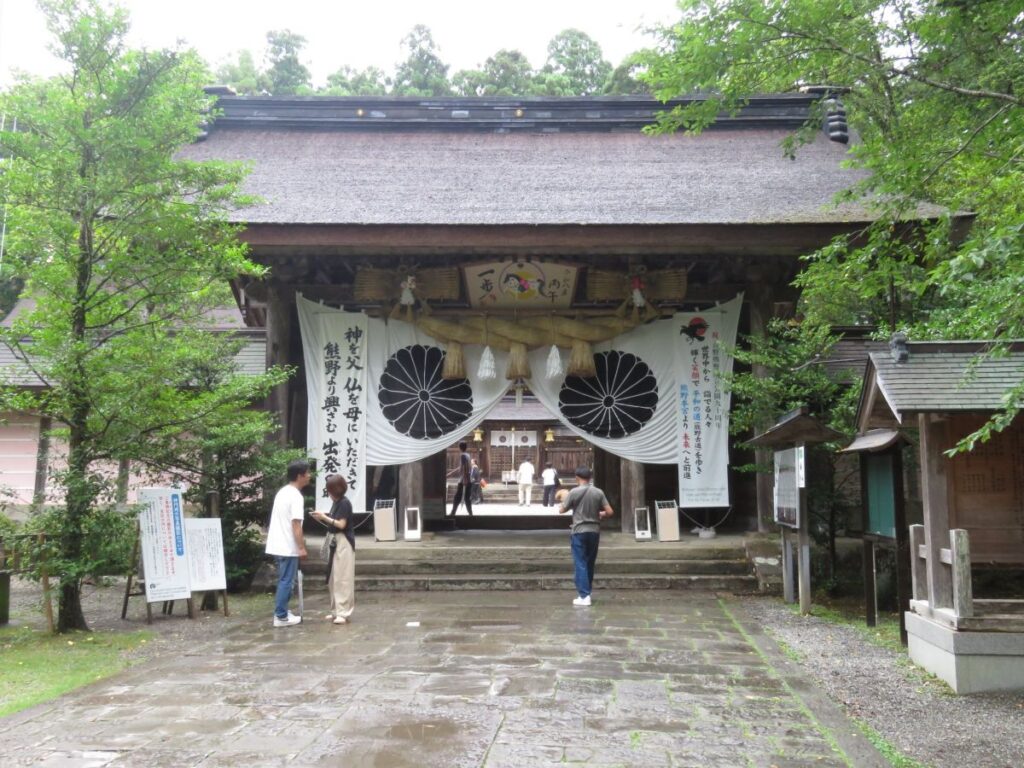
Understanding the Spiritual Journey to Kumano
For modern travelers, walking for several days through mountains, forests, and remote villages may seem like an extraordinary challenge.
Why would people in medieval Japan willingly spend weeks making such a demanding journey?
The answer lies in a powerful belief that the pilgrimage to Kumano was not simply a journey across the landscape—it was a journey toward spiritual rebirth.
A Land of Rebirth
For centuries, Kumano was regarded as one of Japan’s sacred places of renewal.
Pilgrims believed that by entering these mountains they symbolically left behind their ordinary lives, passed through hardship, and emerged spiritually transformed.
This idea of death and rebirth was much older than the famous Kumano Kodo pilgrimage itself.
Mountain ascetics practicing Shugendo trained in the rugged mountains of Kumano through rituals that symbolized dying to one’s former self before being spiritually reborn.
Walking through the mountains was therefore not merely travel—it was part of the transformation.
The Pure Land on Earth
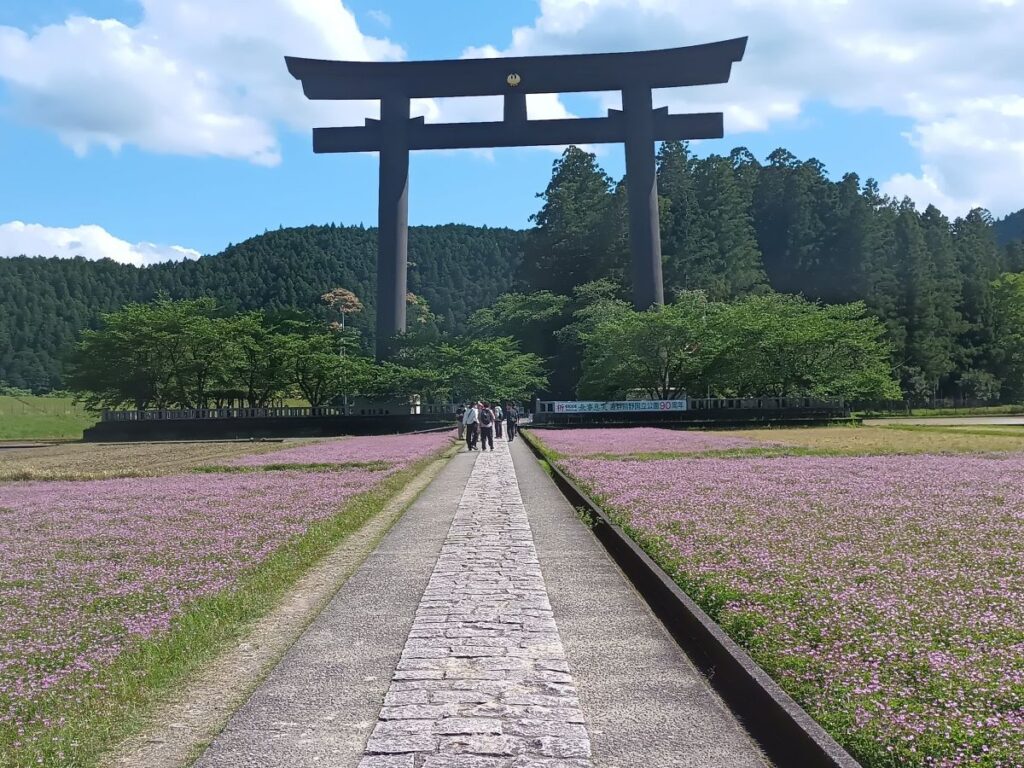
From the late Heian period onward, devotion to Amida Buddha spread throughout Japan.
As many people feared they had entered the age of Mappō, the Degenerate Age of the Dharma, salvation became an urgent concern.
Kumano came to be regarded as a manifestation of Amida’s Pure Land on earth.
Rather than waiting until death to reach paradise, pilgrims believed they could experience a foretaste of rebirth by visiting Kumano itself.
A Journey Through Time
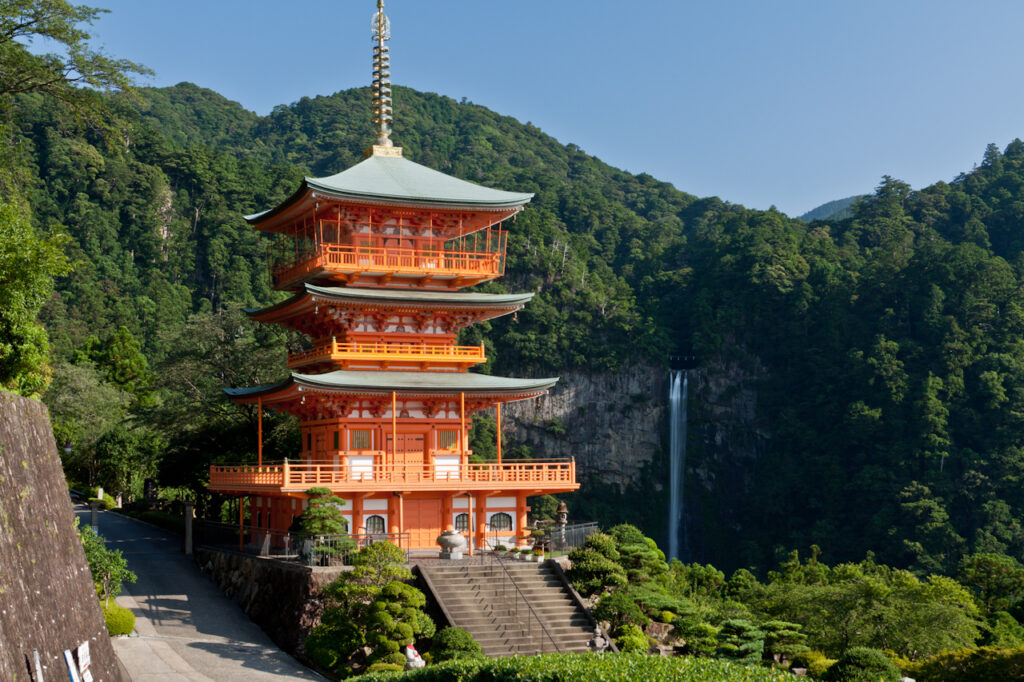
Another unique belief deepened the spiritual meaning of the pilgrimage.
The three great shrines of Kumano were associated with different dimensions of existence.
Kumano Hongu Taisha represented the present.
Kumano Hayatama Taisha was connected with the past.
Kumano Nachi Taisha pointed toward the future.
Although interpretations have varied through history, many pilgrims understood the journey as moving through the whole course of life—reflecting on the past, confronting the present, and praying for the future.
The Land Beyond This World
Ancient mythology also contributed to Kumano’s sacred reputation.
Some medieval traditions identified Kumano with Ne no Kuni, the mysterious “Land of Roots” described in the Kojiki.
This hidden realm was associated with death, spirits, and the boundary between worlds.
For pilgrims, entering Kumano meant crossing into a landscape where the ordinary and the sacred met.
More Than a Religious Journey
The pilgrimage also carried political significance.
Retired emperors made repeated journeys known as the Kumano Goko.
These were not only acts of devotion but also highly visible demonstrations of authority.
The enormous processions required vast resources and showed that even after abdication, retired emperors remained powerful figures capable of commanding the country.
Open to Everyone
Perhaps the most remarkable aspect of Kumano was its openness.
Unlike some sacred places that imposed strict restrictions based on social class, gender, or ideas of ritual purity, Kumano welcomed people from every level of society.
Aristocrats, warriors, merchants, farmers, women, and the poor all traveled the same roads.
This inclusiveness helped make Kumano one of Japan’s most beloved pilgrimage destinations.
The Women Who Spread the Faith
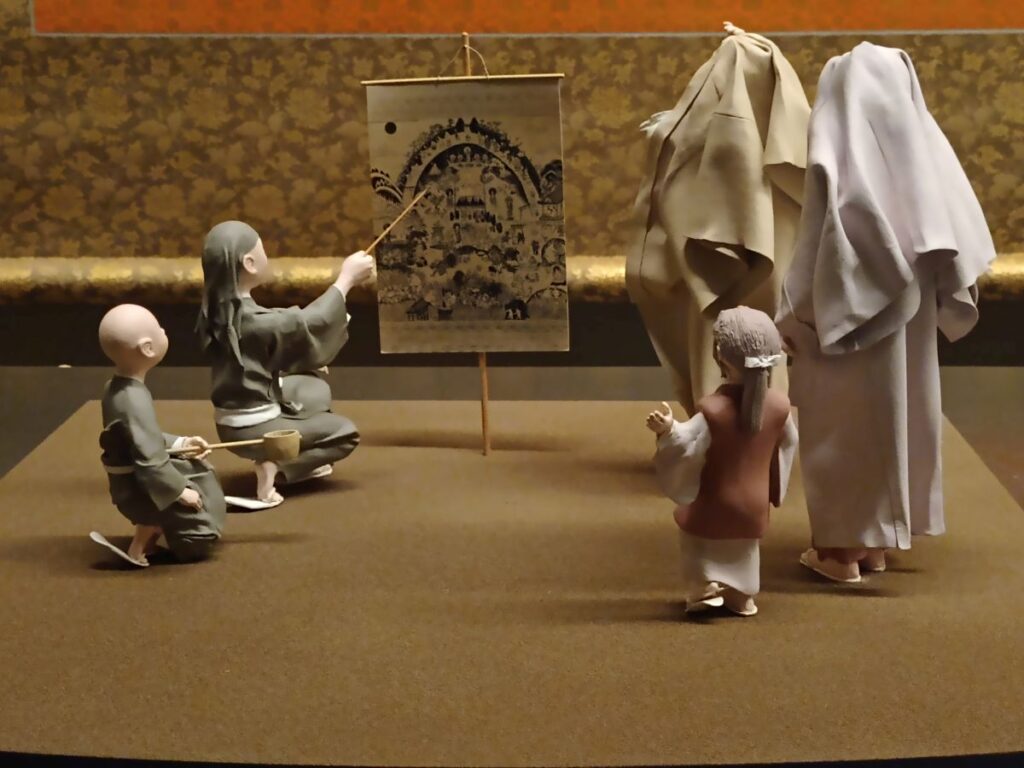
Another important reason for Kumano’s popularity was the work of the Kumano Bikuni.
These itinerant Buddhist women traveled throughout Japan, telling stories about Kumano, performing religious narratives, encouraging pilgrimage, and collecting donations.
For many people who had never visited Kumano, these women became their first introduction to its sacred world.
Their efforts spread the reputation of Kumano far beyond the Kii Peninsula.
Walking as Spiritual Practice
The difficulty of the journey was never considered an obstacle.
It was the point.
Steep mountain passes, long distances, unpredictable weather, and physical exhaustion all became part of the pilgrimage itself.
Each step represented perseverance, repentance, and hope.
By the time pilgrims finally reached Kumano, they believed they had become different people from those who had begun the journey.
Why It Still Resonates Today
Modern visitors rarely walk for weeks.
Yet many still describe the Kumano Kodo as a place where time slows, priorities shift, and the natural world encourages quiet reflection.
Understanding why generations of pilgrims willingly undertook such demanding journeys reveals that the Kumano Kodo was never simply a road.
It was a path toward renewal—a journey through nature, history, mythology, and faith that invited every traveler to leave something behind and return home changed.
Read More About Kumano
- Why Kumano’s Forests Feel Ancient
- Which Kumano Kodo Route Is Right for You?
- Kumano Kodo Guide: Walking Through Japan’s Living Traditions
- How Difficult Is the Kumano Kodo?
- Why Are Kumano Kodo and the Camino de Santiago the Only Dual Pilgrimage Routes in the World?
No responses yet