
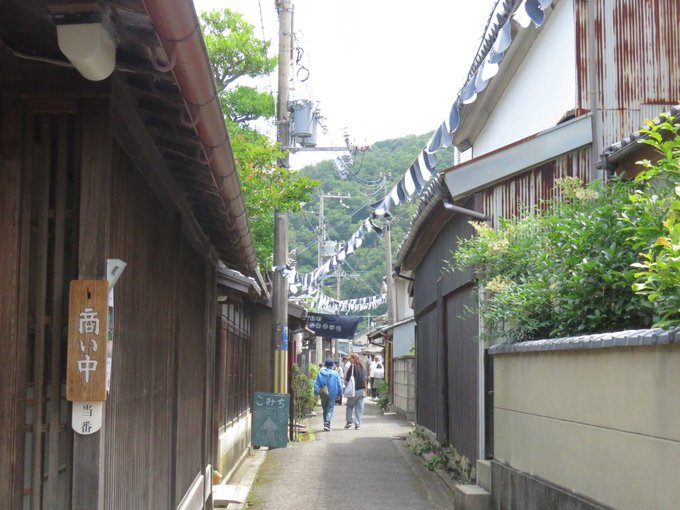
Craft, Gardens, Umeshu, Seafood, and Local Cafés Before Hiking the Kiiji Route
Many travelers exploring the Kumano Kodo focus only on the mountain pilgrimage routes deep in the Kii Peninsula.
But north of the better-known trails lies another experience—one that moves at a slower rhythm.
Around Kainan City, the historic Kiiji Road passes through coastal communities shaped by lacquerware craftsmanship, gardens, fishing culture, cafés, and fermentation traditions.
Rather than rushing directly into a long hike, this itinerary offers something different:
A cultural transition into the landscape of Wakayama.
This customizable pre-hike experience is designed for travelers who want to enjoy local life, food, and atmosphere before beginning a coastal walk toward Yuasa and the southern Kumano region.
Why Stay Around Kainan Before Hiking?
Unlike the more remote sections of the Kumano Kodo, the Kainan area offers:
- Easy train access from Osaka and Kyoto
- A slower pace without heavy crowds
- Flexible walking options connected by JR stations
- Local food culture and coastal scenery
- Traditional craft districts and historic gardens
This makes it an ideal starting point for travelers interested in:
- Slow travel
- Cultural hiking
- Food and fermentation culture
- Photography
- Quiet regional experiences beyond major tourist cities
Related Post:
Osaka & Kyoto Alternatives for Slow Travel
Morning in Kuroe
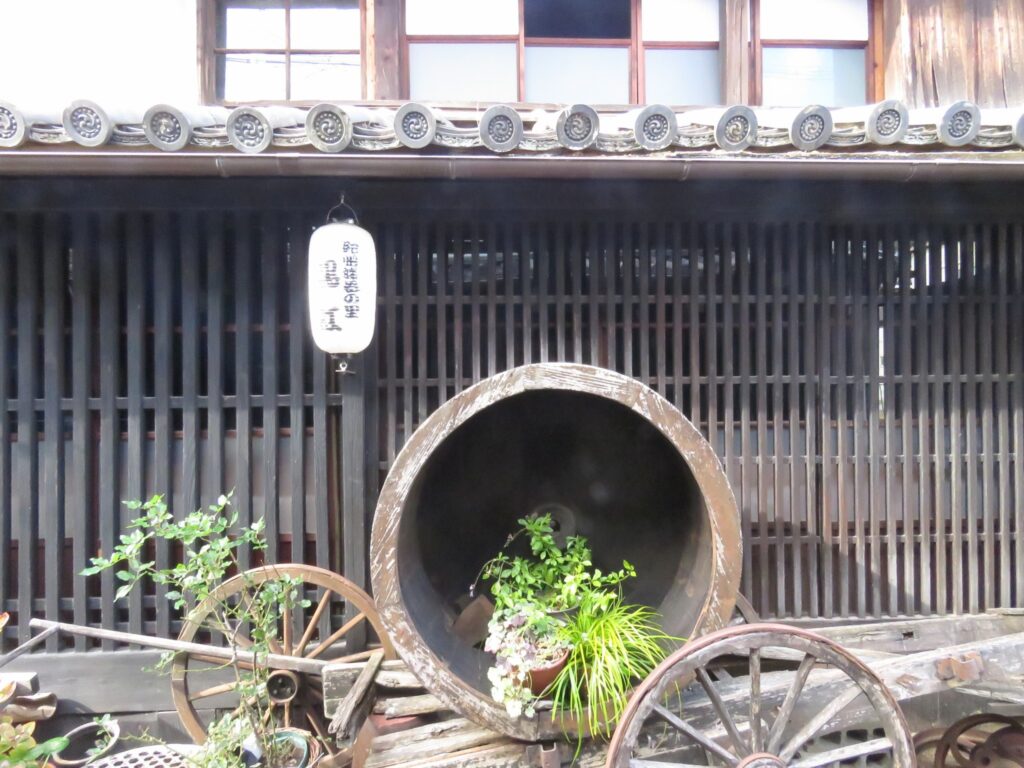
A Town of Craft and Everyday Life
Begin the day walking through the old lacquerware district of Kuroe.
For centuries, this neighborhood was connected to the production and distribution of Kishu Shikki Lacauerware, one of Japan’s traditional lacquerware cultures.
But what makes Kuroe special is not simply craftsmanship.
It is the atmosphere of a living town where workshops, homes, cafés, and old merchant buildings still exist side by side.
Rather than a polished tourist destination, Kuroe feels layered with daily life and quiet continuity.
Depending on the day and guest interests, the walk can include:
- Traditional lacquerware shops
- Small galleries and artisan spaces
- Retro shopping streets
- Coffee breaks inside renovated historic buildings
Related Post:
Exploring Kuroe: Japanese Lacquerware and the Dining Experience
A Quiet Garden by the Sea
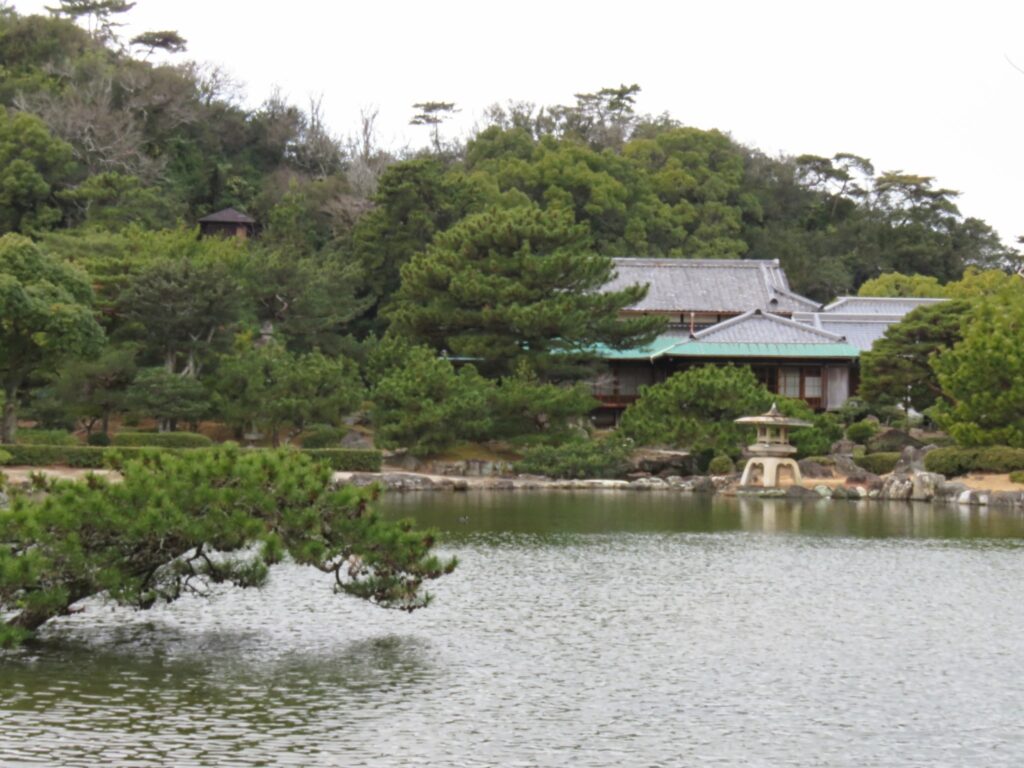
Onzanso Garden
Before the afternoon heat arrives, spend time inside Onzanso-en, a large traditional garden villa created during Wakayama’s modern industrial era.
Unlike the highly visited gardens of Kyoto, this space feels open, quiet, and deeply connected to the surrounding coastal climate.
Pine trees, ponds, stone bridges, and seasonal light create an atmosphere designed not for spectacle, but for calm observation. It boasts one of the largest surface areas of any private garden in Japan. Its three ponds are fed by seawater and feature a unique design where water levels fluctuate with the rise and fall of the tide.
For many travelers, this becomes an unexpected highlight:
A place where the rhythm of the trip begins to slow down.
Discovering Wakayama’s Plum Culture
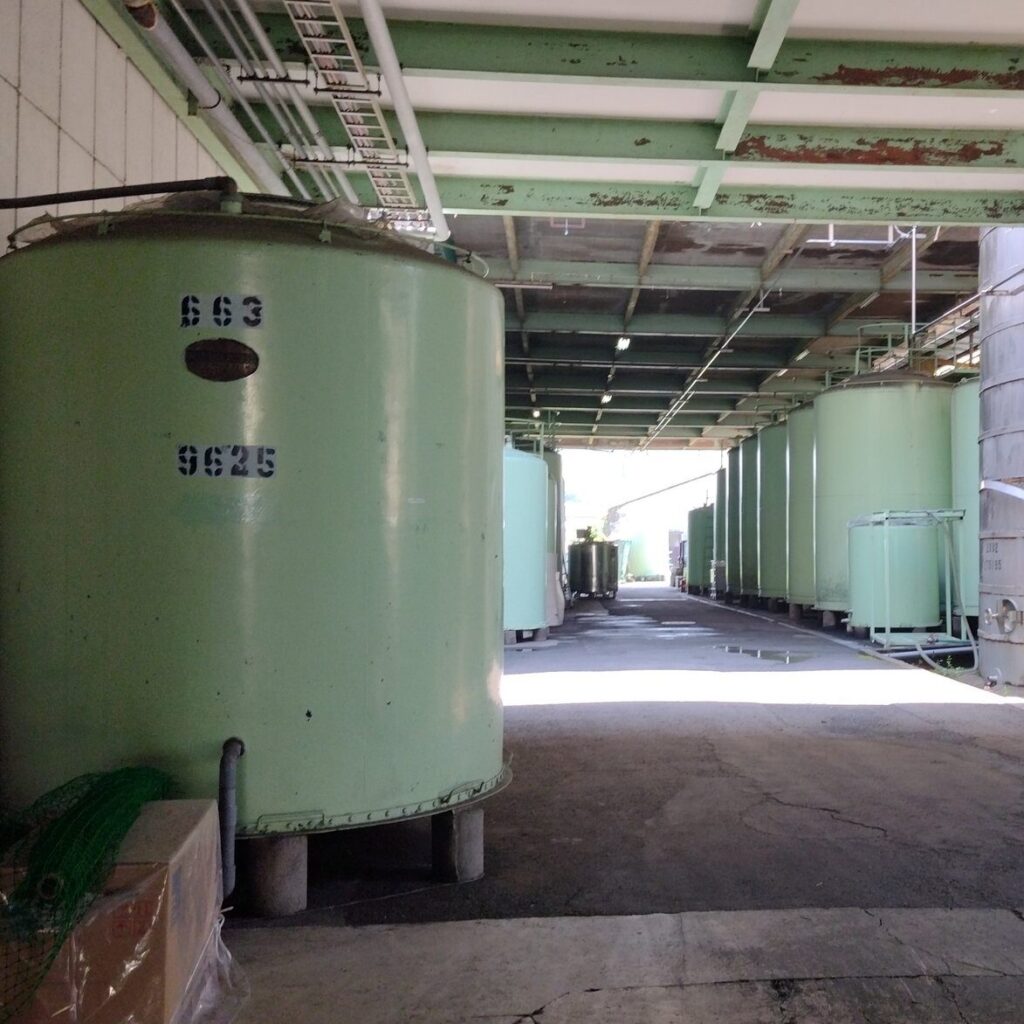
Umeshu Tasting and Local Fermentation
Wakayama is Japan’s leading plum-producing region, and the culture of ume extends far beyond simple fruit products.
Depending on guest preferences, the afternoon can include:
- Umeshu tasting experiences
- Visits to local plum-related facilities
- Pairing experiences with regional foods
- Conversations about preservation and fermentation culture
This connects naturally with the broader food traditions of the Kii Peninsula, where preservation techniques developed alongside pilgrimage routes, fishing communities, and seasonal agriculture.
A beautiful, traditional Japanese garden spanning approximately 3,000 tsubo (approx. 9,900 square meters) is located on the premises.
The garden features a 1,000-tsubo pond inhabited by around 1,000 koi carp. Arranged with massive landscape stones, the garden offers an atmosphere that changes with the seasons.
Please note that a tour of the sake brewery is included with the garden stroll, and a reservation is required.
A Kissaten Break Between the Walks
One of the quieter pleasures of regional Japan is spending time in old-style cafés known as kissaten.
Near Kainan Station and surrounding neighborhoods, travelers can stop for:
- Hand-drip coffee
- Retro interiors
- Japanese-style café lunches
- Local conversations and atmosphere
These are not trendy coffee destinations.
They are places shaped by routine, memory, and local rhythm.
For travelers preparing to walk the coastal Kumano routes, this slower pace often becomes part of the experience itself.
Related Post:
The Lost Culture of Japanese Kissaten Cafes
Evening Seafood Along the Wakayama Coast
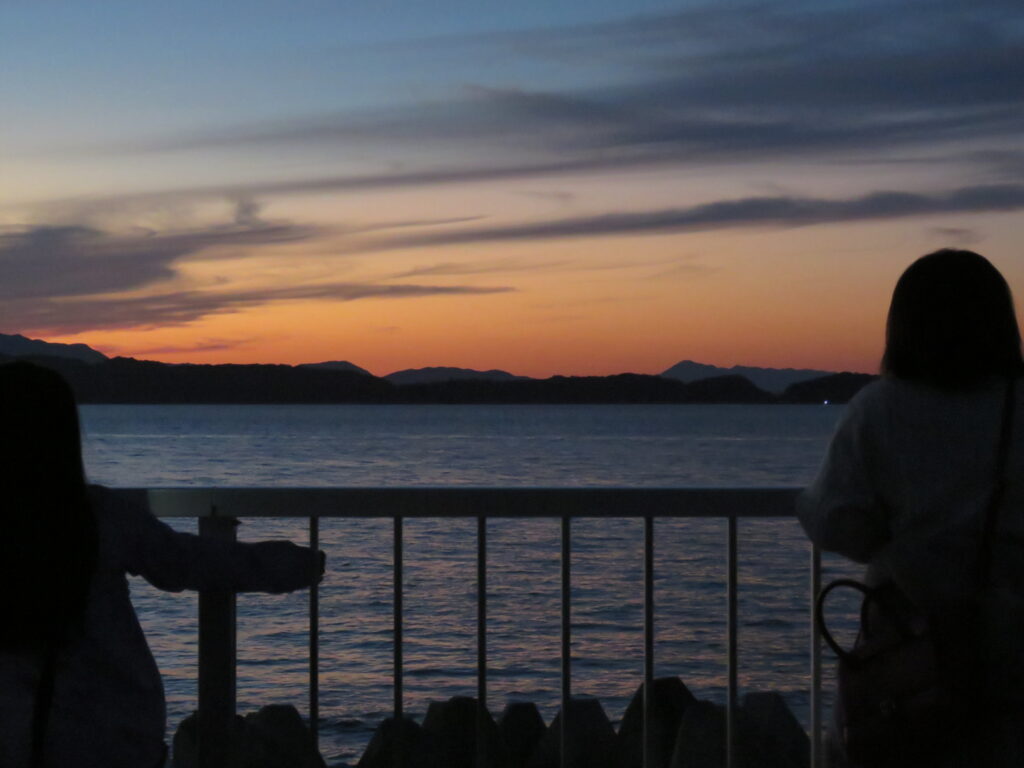
As evening arrives, the focus shifts toward the sea.
The coastal waters of Wakayama support a rich fishing culture connected to nearby ports such as:
- Saikazaki
- Kada
- Arida
Depending on the season, dinner options may include:
- Local sashimi
- Shirasu dishes
- Grilled seafood
- Regional Japanese cuisine
- Seasonal fish rarely seen outside Wakayama
Rather than luxury dining alone, the emphasis is placed on understanding the relationship between sea, landscape, and everyday food culture.
Preparing for the Coastal Kumano Walk
The next morning, guests can begin walking sections of the historic Kiiji Road toward:
- Fujishiro Shrine
- Shimotsu
- Yuasa
Unlike the more physically demanding mountain routes of the Kumano Kodo, this coastal area allows for:
- Flexible hiking distances
- Easy JR access
- Stops in towns and fishing villages
- Food and cultural detours along the way
It is not simply a pilgrimage trail.
It is a walking journey through living coastal culture.
Kiiji Road Guide: The Kumano Kodo You Don’t Expect
Customizable Cultural Experience in Wakayama
This experience can be adjusted based on:
- Walking level
- Food interests
- Photography interests
- Craft and architecture preferences
- Seasonal events and festivals
- Café and gastronomy focus
Possible additions include:
- Craft beer experiences near Aridagawa
- Fermentation-focused food tours
- Garden and tea culture experiences
- Local mythology and landscape walks
- Slow overnight stays in Wakayama
Related Experiences
- Hidden Hiking Spots
- Fermentation & Food Culture Journeys in Wakayama
- Kuroe Lacquerware & Living Craft Tours
- A Week of Slow Living by the Sea
- Omakase in Wakaura: A Curated Journey Through Local Taste and Landscape
Plan Your Custom Wakayama Experience
Looking for a flexible cultural journey before hiking the Kumano routes?
Private guided experiences around Kainan and the coastal Kii Route can be customized based on your pace, interests, and travel style.
Please contact us for seasonal itineraries and private cultural walking experiences in Wakayama.
No responses yet