
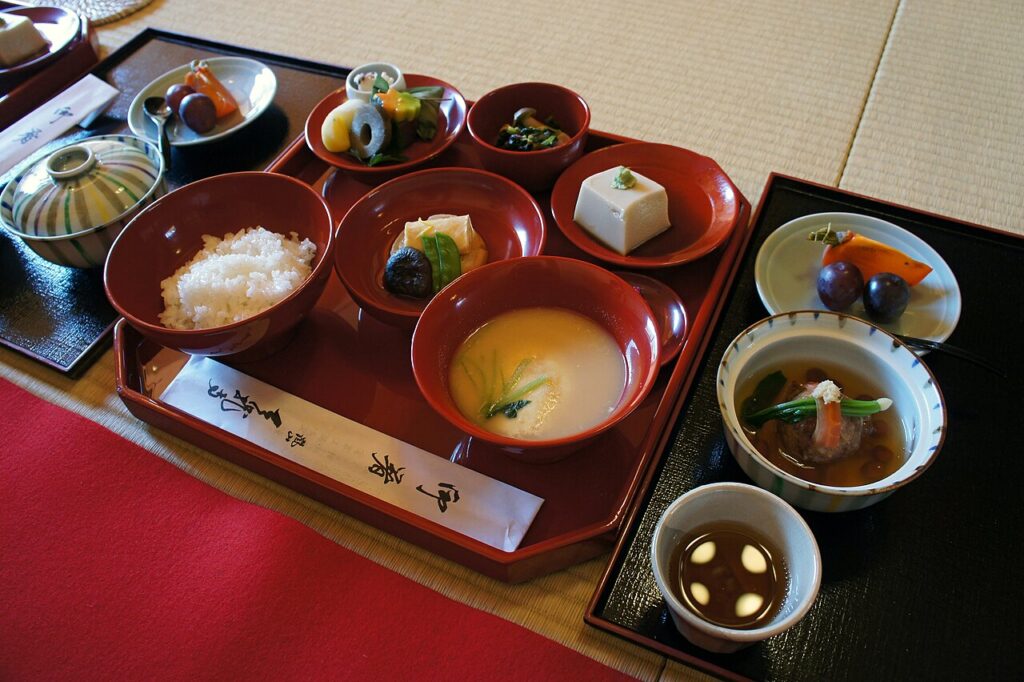
Beyond Sushi and Ramen: Explore Japan’s Regional Flavors Through a Journey Designed Around Your Tastes
When people think about food in Japan, certain dishes immediately come to mind.
Sushi, ramen, tempura, wagyu beef, and perhaps a beautifully prepared kaiseki meal.
Japan has become one of the world’s most exciting culinary destinations, and many travelers plan their journeys around the opportunity to experience its food culture.
But there is much more to Japanese cuisine than its internationally famous dishes.
Every region has its own ingredients, culinary traditions, seasonal specialties, and distinctive ways of enjoying food.
Some travelers want to discover the freshest seafood from a local fishing port. Others are interested in traditional Japanese sweets, seasonal fruit desserts, regional noodles, fermented foods, or small restaurants that rarely appear in international travel guides.
And sometimes, the most memorable food experience is simply finding a restaurant that serves exactly what you feel like eating.
This is where a custom food tour becomes interesting.
Rather than following a fixed restaurant itinerary, imagine having someone who understands the region help you discover restaurants, local specialties, and seasonal menus based on your interests.
In Japan, this approach can open the door to a much wider culinary experience.
And one particularly interesting place to explore it is Wakayama.
1. Discovering Japanese Food Beyond the Famous Dishes

Japan’s food culture is remarkably diverse.
Although international visitors often associate Japanese cuisine with a relatively small number of dishes, the country’s culinary traditions vary considerably from one region to another.
Geography, climate, agriculture, fishing industries, historical trade routes, and local customs have all influenced what people eat.
In coastal communities, seafood has traditionally played an important role in everyday meals.
In agricultural regions, seasonal vegetables, rice, fruit, and preserved foods have shaped local cooking.
Mountain communities have developed their own food traditions, often influenced by Buddhist culture, forestry, and the need to preserve ingredients.
Even familiar dishes can taste quite different depending on where you encounter them.
For example:
- Sushi made with freshly caught regional seafood.
- Soba and udon prepared according to local traditions.
- Regional dishes using locally produced soy sauce and miso.
- Seasonal Japanese sweets made with local ingredients.
- Fruit desserts featuring varieties grown in the surrounding countryside.
- Traditional dishes associated with fishing villages and agricultural communities.
Food is not simply something to enjoy between sightseeing destinations.
It is one of the most direct ways to understand the character of a place.
For travelers who want to experience a deeper side of Japan, exploring regional food culture can be just as rewarding as visiting temples, gardens, and historic towns.
2. Why Explore Local Food Culture in Regional Japan?
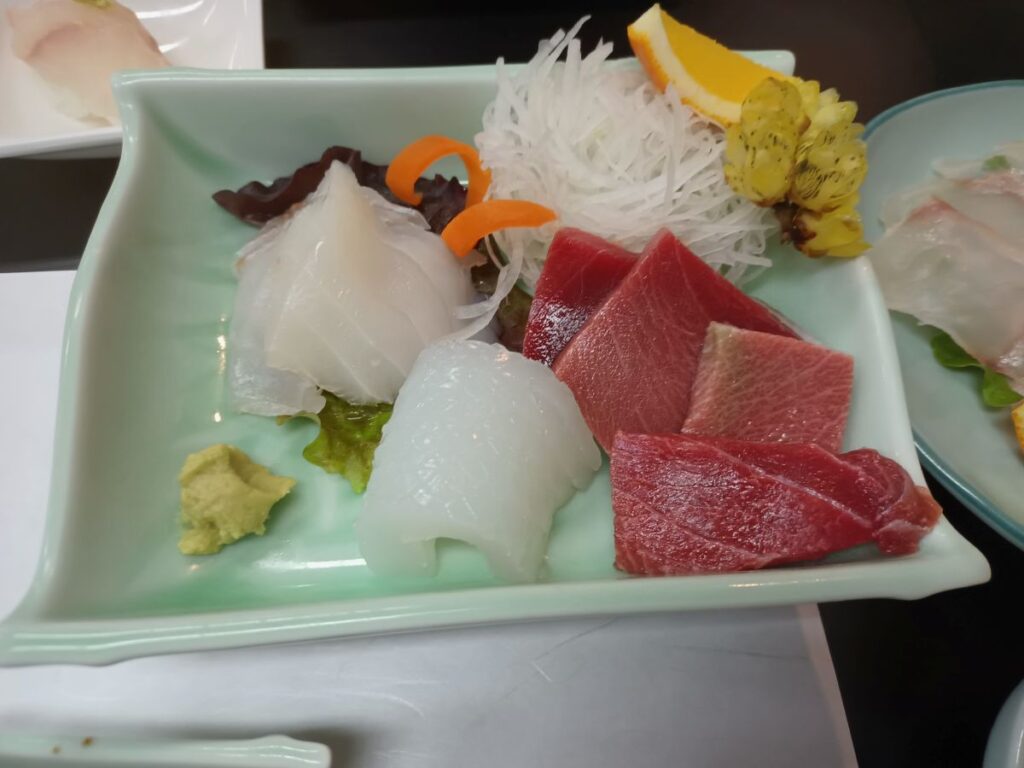
Tokyo, Kyoto, and Osaka offer extraordinary dining experiences.
From internationally recognized restaurants to lively food markets and traditional neighborhood eateries, these cities provide an enormous range of culinary choices.
However, Japan’s regional destinations offer something different.
Outside the major metropolitan areas, food is often closely connected to the surrounding landscape and local communities.
A restaurant might specialize in fish landed at a nearby harbor.
A small confectionery shop might have been making the same traditional sweets for generations.
A family-run restaurant might serve dishes based on ingredients produced by farmers in the surrounding countryside.
A fruit farm might operate a café where freshly harvested seasonal fruit becomes an elaborate dessert.
These experiences reveal relationships that can be difficult to appreciate when eating only in major cities.
Food Is Connected to the Landscape
Consider the difference between eating seafood in a large metropolitan restaurant and enjoying fish in a small coastal town.
Both can be excellent dining experiences.
But in a fishing community, the food may have a more immediate relationship with the sea.
The fish arriving at the harbor, the fishing seasons, local preparation methods, and the preferences of the people who live there all contribute to the dining experience.
The same applies to fruit-producing regions.
Visiting an agricultural area during peach, persimmon, strawberry, or citrus season offers an opportunity to discover not only the flavors but also the landscape and people behind them.
Discovering Restaurants Beyond International Travel Guides
One challenge for international travelers is knowing where to eat outside major tourist destinations.
Search engines and restaurant platforms can provide useful information, but they do not always explain the character of a restaurant, its specialties, or whether its menu matches what a particular traveler is looking for.
A restaurant that is highly regarded locally may have very little information available in English.
A small café might offer an exceptional seasonal dessert but have no international marketing presence.
This is where local knowledge becomes valuable.
Instead of simply searching for the most popular restaurants, a custom food journey can help identify places that match your interests.
3. What Is an Omakase Food Journey?

The Japanese word omakase is often associated with sushi restaurants.
In a traditional sushi restaurant, customers leave the selection of dishes to the chef, who chooses ingredients and prepares a sequence based on seasonality, availability, and personal judgment.
But the underlying idea of omakase can be applied more broadly to travel.
It is about trusting someone with local knowledge to make thoughtful choices on your behalf.
Imagine explaining that you enjoy seafood, traditional Japanese sweets, and seasonal fruit, but have no particular restaurant in mind.
Rather than receiving a standard list of recommendations, someone familiar with the region could help identify suitable restaurants, cafés, producers, and food experiences.
Your journey might include:
- A traditional sushi restaurant featuring seasonal seafood.
- A small local restaurant specializing in regional cuisine.
- A visit to a traditional confectionery shop.
- A café serving desserts made with locally grown fruit.
- A historic soy sauce brewery.
- A tasting experience featuring regional fermented foods.
- A visit to a local market or agricultural area.
The itinerary is not determined by a predetermined list of restaurants.
It develops around your tastes, interests, the season, and the character of the destination.
Omakase Does Not Always Mean Luxury
An important point is that an omakase experience does not necessarily have to involve expensive restaurants.
A memorable food journey might include a refined sushi dinner one evening and a modest family-run restaurant serving excellent local dishes the following afternoon.
It could involve a beautifully presented seasonal fruit parfait rather than an elaborate multi-course meal.
Or it might take you to a small neighborhood shop that has been making traditional sweets for decades.
The value lies in discovering something meaningful and enjoyable, not simply in the price of the meal.
This is particularly interesting when exploring regional Japan, where some of the most rewarding food experiences are found outside the internationally famous dining establishments.
4. Wakayama: A Different Destination for Japanese Food Lovers
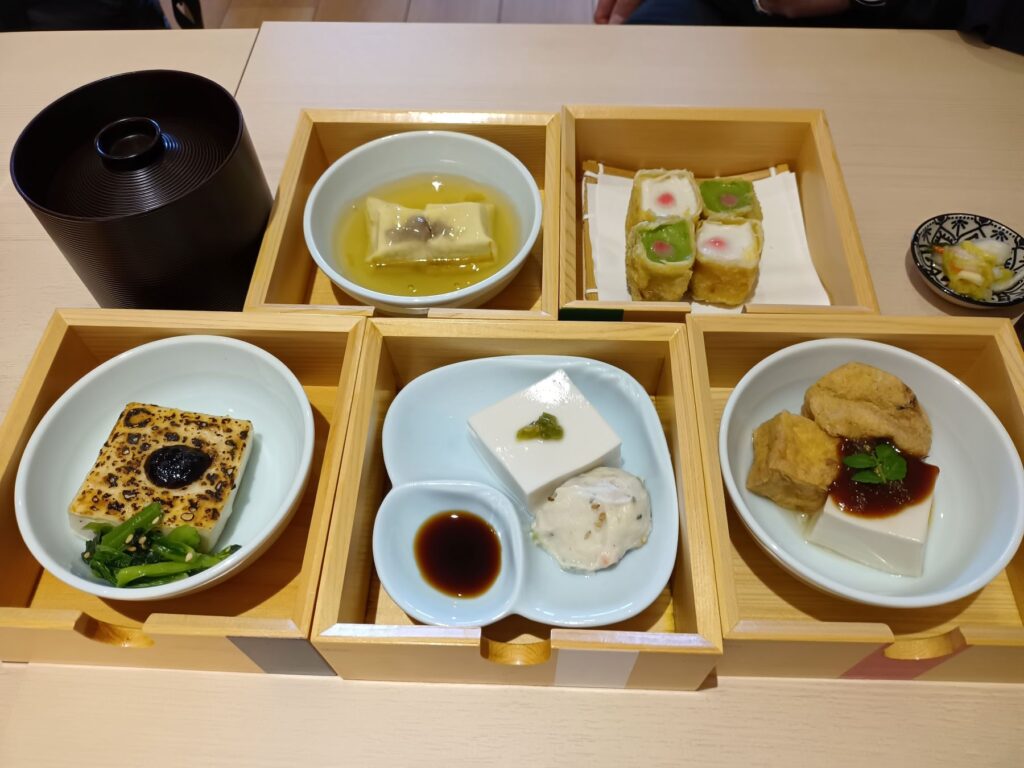
Located south of Osaka, Wakayama offers a fascinating combination of coastal food culture, agricultural traditions, historical food production, and regional cuisine.
It is not a major metropolitan dining destination like Tokyo or Osaka.
Instead, its culinary appeal comes from the relationship between the sea, mountains, rivers, farms, and local communities.
For travelers interested in Japanese food, this creates opportunities to discover several different culinary worlds within one prefecture.
Seafood from the Pacific Coast
Wakayama has a long coastline and numerous fishing communities.
Seafood has traditionally been central to local food culture, and different coastal areas have developed their own specialties.
Depending on the season and location, a food journey might include:
- Freshly prepared sushi.
- Sashimi featuring seasonal fish.
- Local seafood rice bowls.
- Grilled fish and traditional seafood dishes.
- Regional preparations of tuna and other locally caught fish.
- Seafood enjoyed at small restaurants near fishing harbors.
For travelers who appreciate Japanese seafood, Wakayama offers an opportunity to explore beyond the familiar sushi restaurants of major cities.
In particular, visiting coastal communities allows you to understand the relationship between fishing, local markets, and everyday Japanese food culture.
Yuasa: Discovering the Origins of Japanese Soy Sauce
One of Wakayama’s most distinctive food destinations is Yuasa.
The historic town is widely recognized for its connection to the development of shoyu soy sauce.
Its traditional streets preserve the atmosphere of an old merchant town, while historic breweries continue to represent the region’s fermentation heritage.
Here, visitors can discover:
- Traditional soy sauce breweries.
- Wooden fermentation barrels.
- Historic merchant houses.
- Local fermented foods.
- Regional dishes using soy sauce.
- Shops selling locally produced seasonings.
Shoyu is familiar to almost everyone who enjoys Japanese food.
But discovering its historical connection to a small town in Wakayama offers a different perspective on an ingredient that has become essential to Japanese and international cuisine.
For food enthusiasts, Yuasa can be much more than a sightseeing stop.
It is a chance to explore how local craftsmanship, fermentation, and regional food traditions influenced Japanese culinary culture.
Kishu Ume: Exploring Japan’s Plum Culture
Wakayama is also famous for its ume, or Japanese plums.
The southern part of the prefecture, particularly the Minabe and Tanabe areas, is an important center of ume cultivation.
Ume is used in several forms, including:
- Umeboshi, salted and preserved Japanese plums.
- Umeshu, a traditional plum liqueur.
- Ume-based sauces and seasonings.
- Plum-flavored sweets and desserts.
- Regional processed foods.
For visitors interested in Japanese food culture, ume provides an interesting opportunity to explore preservation, fermentation, seasonal agriculture, and local craftsmanship.
A journey might include learning about plum cultivation, discovering different ume products, and enjoying dishes or sweets that incorporate this distinctive ingredient.
5. Wakayama Is Also a Destination for Fruit and Dessert Lovers
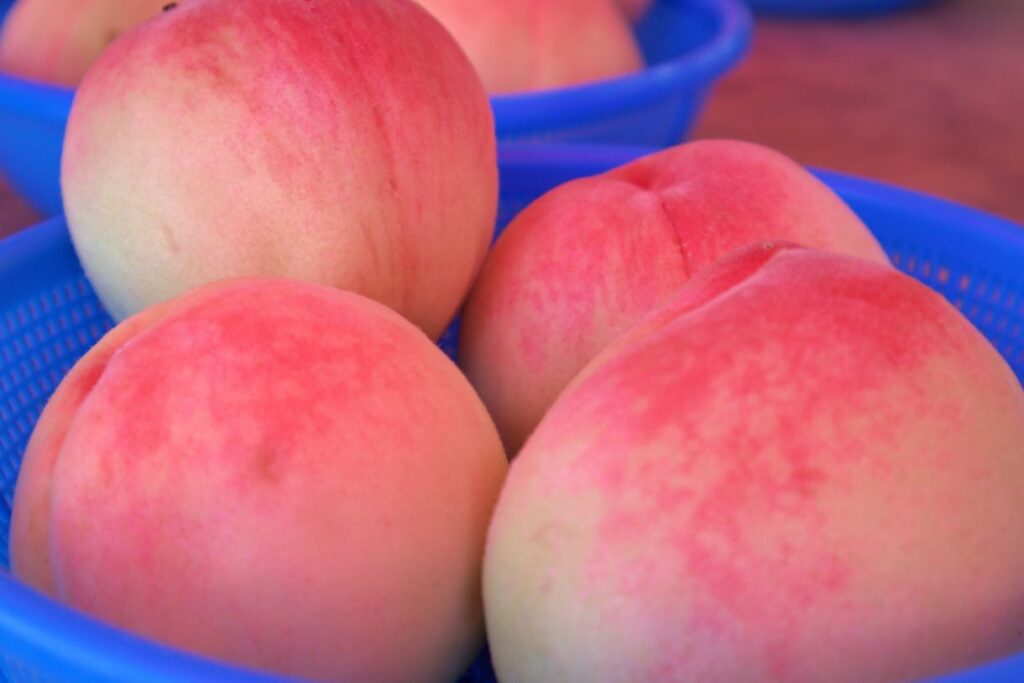
Japanese fruit has become increasingly popular among international visitors.
Beautifully presented fruit parfaits, seasonal strawberry desserts, premium peaches, and carefully selected melons have become part of Japan’s contemporary food culture.
Wakayama is particularly interesting because fruit production is an important part of its agricultural landscape.
Different areas produce different varieties, and the best experiences often depend on the season.
Discovering Seasonal Fruit
Depending on the time of year, a journey through Wakayama may offer opportunities to discover:
- Strawberries in winter and spring.
- Japanese peaches in summer.
- Grapes during the warmer months.
- Persimmons in autumn.
- Citrus fruits across different seasons.
- Regional fruit products and handmade sweets.
One particularly interesting area is Kinokawa City.
The fertile plains along the Kino River support extensive fruit cultivation, and the surrounding landscape changes throughout the agricultural year.
In summer, peach orchards become one of the defining features of the region.
In autumn, persimmon cultivation becomes more prominent.
Strawberries and other seasonal fruits provide further opportunities for visitors to experience the region through its agricultural products.
From Fruit Farms to Beautiful Desserts
For travelers who enjoy Japanese desserts, Wakayama offers opportunities beyond traditional wagashi.
Fruit cafés and dessert shops transform locally grown produce into beautifully presented creations.
Depending on the season, you might enjoy:
- Fresh peach parfaits.
- Strawberry desserts.
- Seasonal fruit cakes.
- Japanese fruit sandwiches.
- Fruit tarts and handmade sweets.
- Desserts featuring local citrus.
A visit to a fruit café can become a highlight of a day exploring the countryside.
For example, Kinokawa is home to fruit-focused cafés where seasonal produce takes center stage.
Rather than simply ordering a dessert, visitors can discover the agricultural landscape behind it.
The experience becomes even more interesting when combined with local history, traditional streets, or visits to agricultural communities.
Related post: Why Wakayama Became Japan’s Fruit Kingdom
6. Traditional Japanese Sweets and Local Cafés
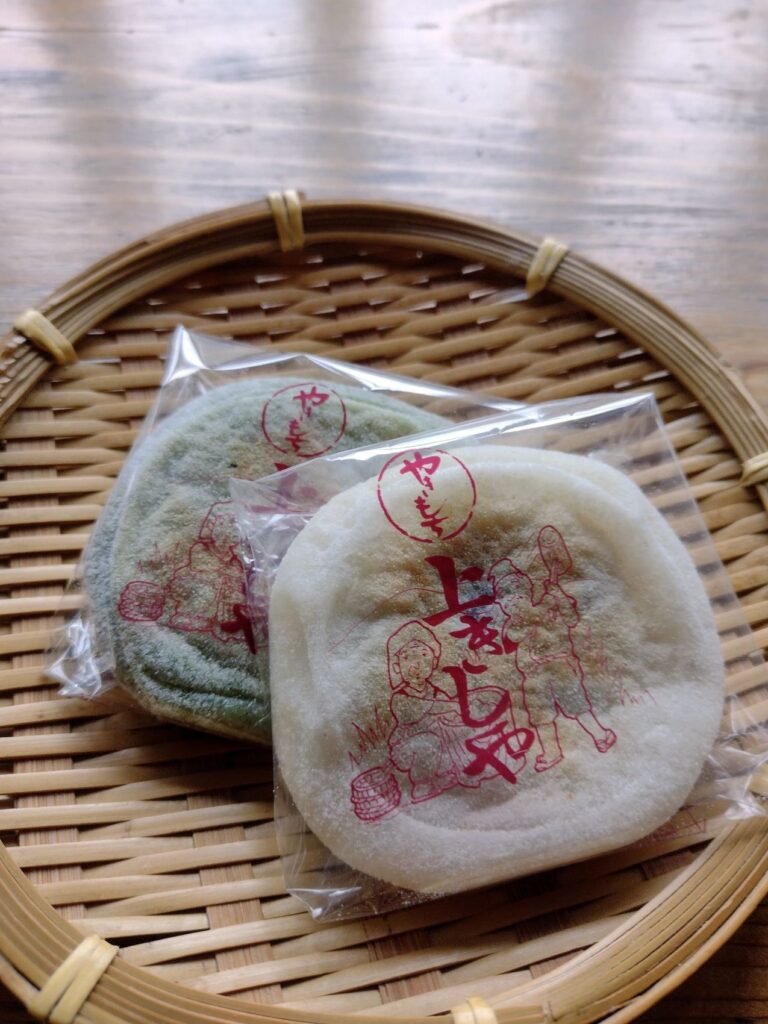
Japanese sweets offer another fascinating dimension of regional food culture.
Wagashi, traditional Japanese confectionery, is closely connected to the seasons, tea culture, and Japanese aesthetics.
Different regions have developed their own specialties, and small confectionery shops often preserve recipes and techniques that reflect local history.
In Wakayama, travelers can explore several kinds of sweets and dessert experiences.
These might include:
- Traditional wagashi served with Japanese tea.
- Local mochi and seasonal confectionery.
- Japanese sweets associated with temple culture.
- Handmade desserts using regional fruit.
- Traditional cafés serving Japanese and Western-style sweets.
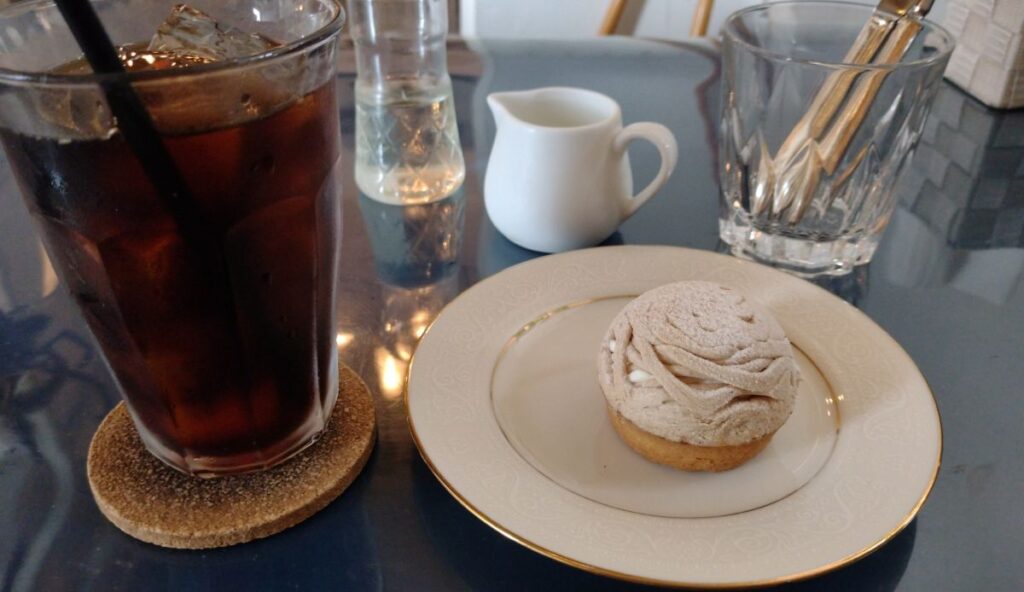
There is also an interesting café culture in regional cities.
Old-style Japanese coffee shops, known as kissaten, offer a different atmosphere from modern specialty coffee shops.
Some have preserved their traditional interiors, menus, and relaxed approach to hospitality.
A visit to a kissaten can become a pleasant way to experience everyday Japanese life.
For travelers interested in slow travel, these small moments are often just as memorable as visiting a famous restaurant.
7. What Could a Custom Food Tour in Wakayama Look Like?
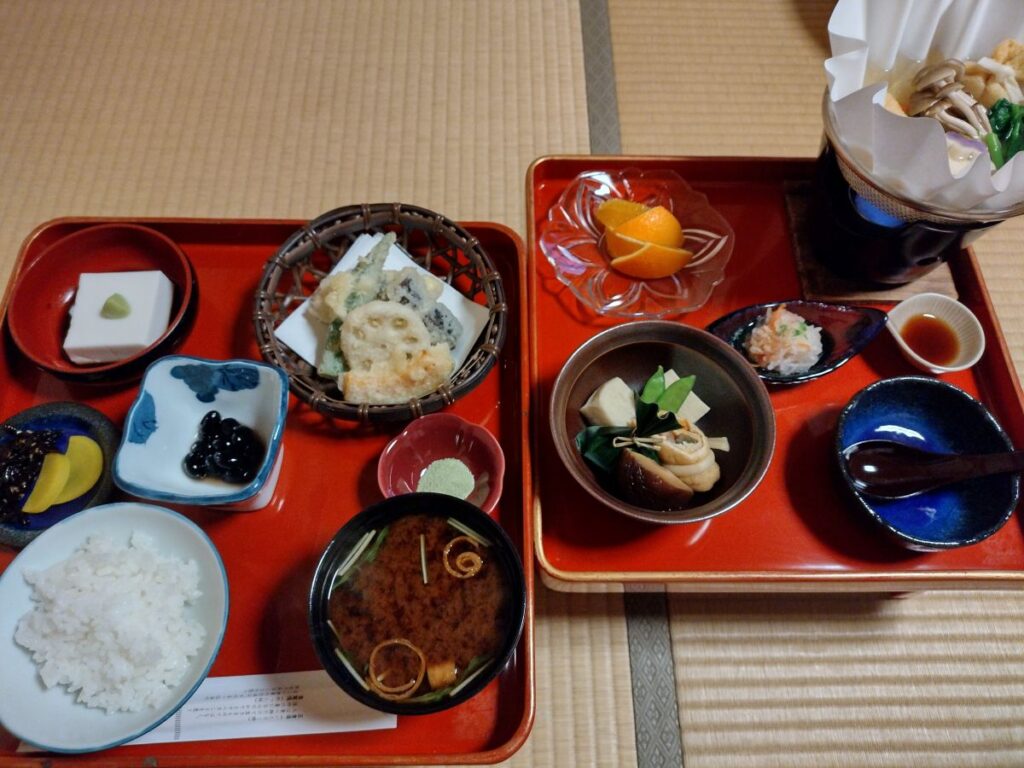
A custom food journey does not have to follow a single format.
The experience can be designed around the foods you enjoy, the places you want to discover, and the amount of time available.
Here are some examples of how a journey might develop.
A Seafood and Japanese Cuisine Journey
For travelers who want to explore authentic Japanese dining, the day could focus on seafood and traditional cuisine.
Possible experiences include:
- Visiting a coastal fishing community.
- Discovering local seafood and regional specialties.
- Enjoying sushi or sashimi at a suitable restaurant.
- Exploring the relationship between fishing and local food culture.
- Ending the day with a traditional Japanese dinner.
The experience can be designed around your preferred style of dining, whether that means a traditional sushi counter, a relaxed seafood restaurant, or a more refined kaiseki meal.
A Fruit and Dessert Journey
For travelers who love fruit and sweets, the Kinokawa region offers a different kind of food experience.
Depending on the season, the journey might include:
- Exploring fruit-growing landscapes.
- Visiting local agricultural shops or markets.
- Discovering seasonal fruit varieties.
- Enjoying a fruit parfait or other regional dessert.
- Visiting traditional confectionery shops.
- Learning about the connection between agriculture and local food culture.
This is particularly suitable for travelers who want to explore Japan beyond its major cities and experience the countryside at a relaxed pace.
A Fermentation and Traditional Food Journey
For travelers interested in Japanese culinary history, the coastal towns of Wakayama offer opportunities to explore traditional food production.
A journey could include:
- Visiting historic shoyu breweries in Yuasa.
- Learning about traditional fermentation methods.
- Discovering local miso and other fermented foods.
- Exploring regional ingredients and seasonings.
- Enjoying a meal that incorporates local products.
This experience connects food with history, craftsmanship, and the everyday traditions of the region.
A Refined Japanese Dining Experience
Some travelers simply want to enjoy an excellent Japanese meal in a comfortable and welcoming environment.
In Wakayama City, it is possible to explore traditional Japanese dining, including sushi, seasonal cuisine, and kaiseki.
Depending on your preferences, a curated evening might include:
- A sushi omakase experience.
- A traditional Japanese restaurant.
- Seasonal seafood and local ingredients.
- Japanese sake or regional beverages.
- A relaxed café or dessert stop after dinner.
The aim is to find an experience that matches your expectations rather than simply selecting the most expensive restaurant.
These are examples rather than fixed packages. The actual itinerary depends on restaurant availability, seasonal ingredients, opening days, and your preferences.
8. Why a Custom Food Tour Can Make a Difference
Planning a food-focused journey in Japan can be surprisingly complicated, particularly outside major tourist destinations.
Even when you know what you want to eat, finding the right place is not always straightforward.
You might encounter questions such as:
- Which restaurants specialize in the food I enjoy?
- Where can I find good local seafood?
- Are there restaurants offering seasonal fruit desserts?
- Which places serve traditional Japanese cuisine?
- Are there restaurants that can accommodate dietary requirements?
- Is an English menu available?
- Do I need to make a reservation?
- Can I combine several food experiences in one day?
These questions become more difficult when information is available only in Japanese.
A local guide can help bridge that gap.
Rather than leaving you to navigate unfamiliar restaurant information, a custom food journey can be planned around your interests.
This may involve researching suitable restaurants, checking their menus and specialties, identifying seasonal opportunities, and helping you understand what each place offers.
It can also include assistance with reservations and communication where appropriate.
Most importantly, the journey can be adjusted to your pace.
You do not need to spend the entire day eating.
A walk through a historic town, a visit to a traditional brewery, or a stop at a beautiful coastal viewpoint can make the food experience even more meaningful.
9. Discover Wakayama Through a Curated Kii Peninsula Journey
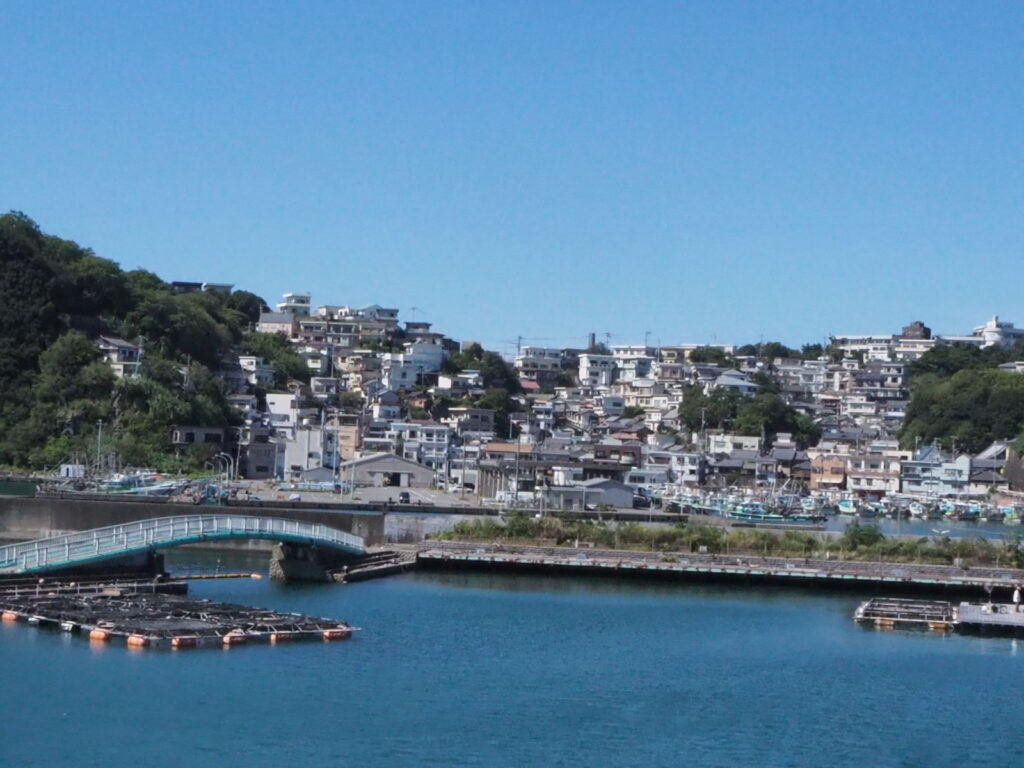
If you are interested in exploring Japanese food culture beyond Tokyo, Kyoto, and Osaka, Wakayama is worth considering.
Located within easy reach of Osaka and Kansai International Airport, it offers a different perspective on Japan.
Here, food is closely connected to the surrounding landscape.
Fishing villages, fruit-growing communities, historic merchant towns, fermentation traditions, and local restaurants all contribute to the region’s culinary character.
Through my Curated Kii Peninsula Journey, I help travelers discover Wakayama in a way that reflects their individual interests.
Rather than offering a fixed food tour with predetermined restaurants, I develop journeys around what you actually want to experience.
Perhaps you are interested in:
- Finding an excellent sushi or kaiseki restaurant.
- Enjoying fresh seafood in a coastal town.
- Discovering Japanese fruit and seasonal desserts.
- Exploring traditional wagashi and tea culture.
- Visiting historic soy sauce breweries.
- Understanding Japanese fermentation and regional cuisine.
- Discovering small local restaurants beyond the usual tourist recommendations.
I can research suitable places and menus, suggest possible combinations, and help build a journey that brings these interests together.
The experience can also extend beyond food.
For example, a day exploring Kinokawa might combine local history, agricultural landscapes, and seasonal fruit desserts.
A journey through Yuasa could connect traditional soy sauce production with coastal scenery and local seafood.
In Wakayama City, an evening might combine a walk through a historic neighborhood with a carefully selected Japanese dining experience.
Each journey is different because each traveler has different interests.
Tell Me What You Would Like to Eat
You do not need to know the names of restaurants or have a detailed itinerary before contacting us.
Simply tell us what kind of food you enjoy.
Perhaps you love sushi but would also like to discover regional Japanese cuisine.
Perhaps you are interested in seasonal fruit, Japanese sweets, or traditional cafés.
Or perhaps you would simply like someone with local knowledge to help you discover good places to eat in Wakayama.
We can start with those interests and explore the possibilities together.
Our service focuses on guiding, interpretation, local research, and helping you discover suitable experiences. Restaurant meals and other purchases are generally paid for locally by guests.
Experience Japan Through Its Local Flavors
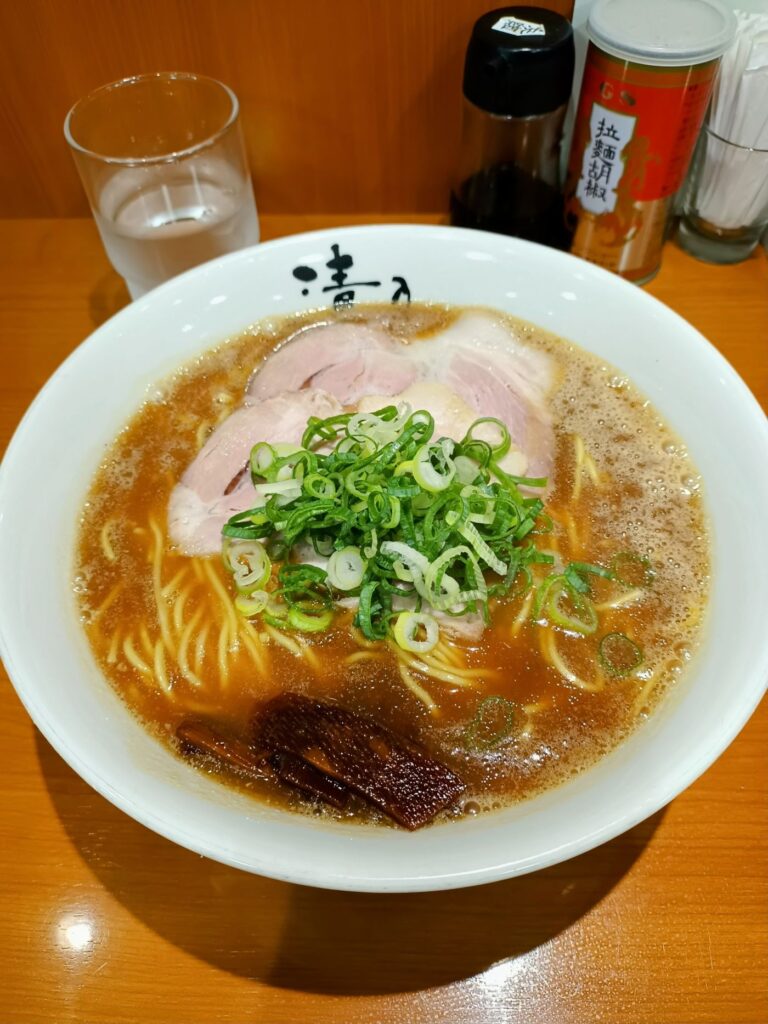
Japan’s food culture is too diverse to be understood through sushi and ramen alone.
Every region has its own ingredients, traditions, and everyday culinary experiences.
And sometimes, the most memorable discoveries happen in places that are not internationally famous.
A small restaurant near a fishing harbor.
A traditional confectionery shop on a quiet shopping street.
A fruit café surrounded by orchards.
A historic town where the scent of fermenting soy sauce still lingers.
These are the kinds of experiences that make regional Japan interesting.
If you would like to discover Japanese food culture in a more personal way, consider exploring Wakayama through a curated journey.
Tell us what you love to eat, and let’s discover what Wakayama has to offer.
[Explore Curated Kii Peninsula Journey]
[Contact Us to Plan Your Journey]
Related Posts
- Omakase in Wakaura: A Curated Journey Through Local Taste and Landscape
- A Day in Wakayama Through Omakase
- Beyond Tokyo: Where to Eat Sushi Close to the Sea in Japan
- 5-Day Food Journey Through Wakayama: From Mountains to Ocean
Related posts:

The Flavors of Japan: How Seasons Shape Regional Food
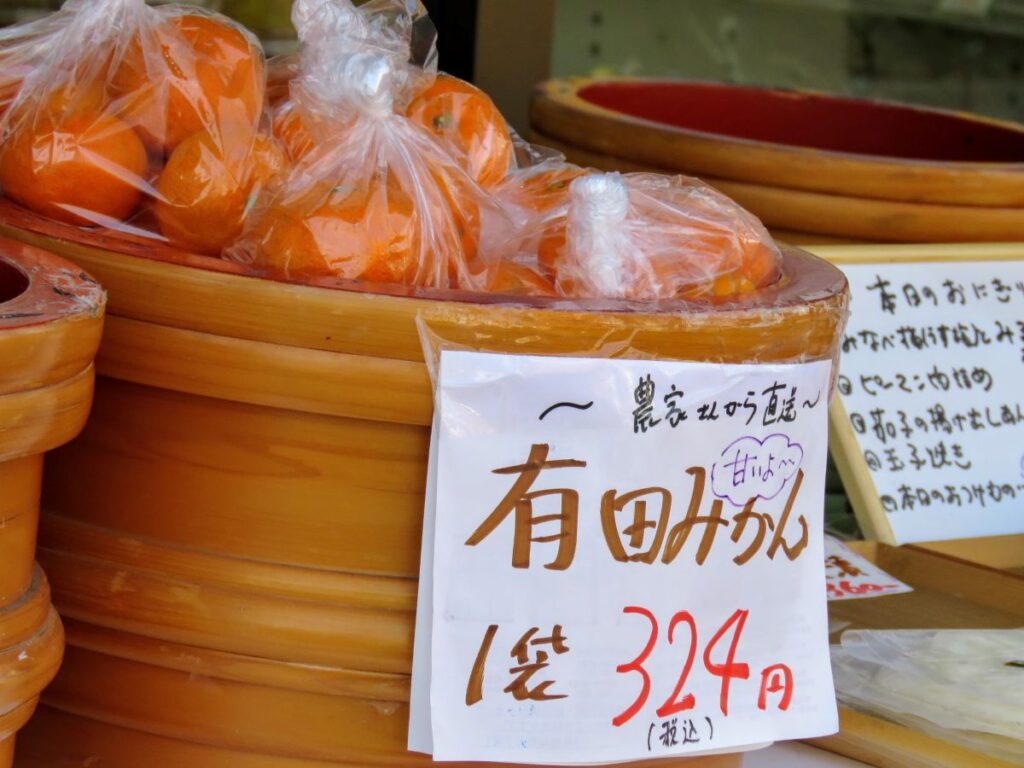
A Guide to Seasonal Fruits in Wakayama

Beyond Kyoto: Where to Experience Kimono in Japan
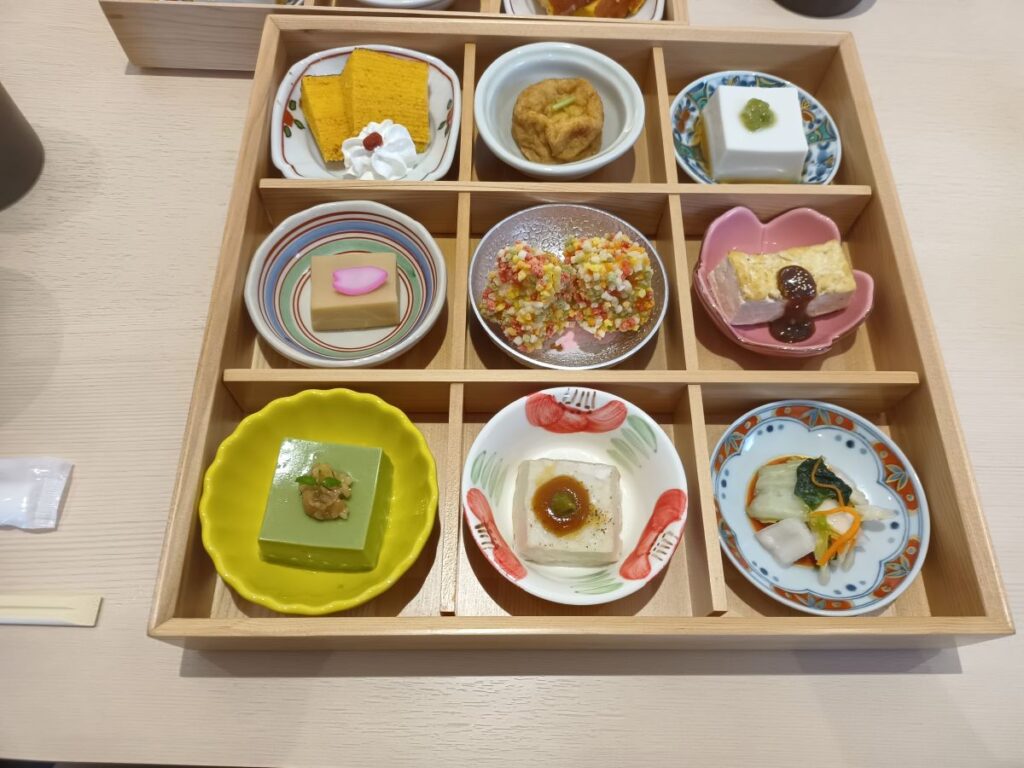
5-Day Food Journey Through Wakayama: From Mountains to Ocean

Private Tours in Japan: Why a Local Guide Can Make Your Journey Different
No responses yet