

Discover a More Personal Way to Explore Japan Through Culture, Nature, Food, and Local Life
When planning a trip to Japan, most travelers begin with a familiar list of destinations: Tokyo, Kyoto, Osaka, Hiroshima, and perhaps Mount Fuji.
These places offer extraordinary experiences. But what if your interests take you somewhere different?
Perhaps you are fascinated by Japanese history, but prefer discovering the stories of small towns rather than visiting crowded museums. Maybe you enjoy hiking, traditional craftsmanship, regional food, photography, or simply spending time in places where everyday Japanese life continues at its own pace.
Or perhaps you have visited Japan before and are looking for something beyond the usual itinerary.
This is where bespoke travel in Japan offers a different possibility.
Rather than following a predetermined tour, you can create a journey around the things that genuinely interest you. The destinations, activities, pace, and experiences become part of a larger story shaped by your curiosity.
And sometimes, the most interesting places to explore are not the ones you originally had in mind.
What Is Bespoke Travel?
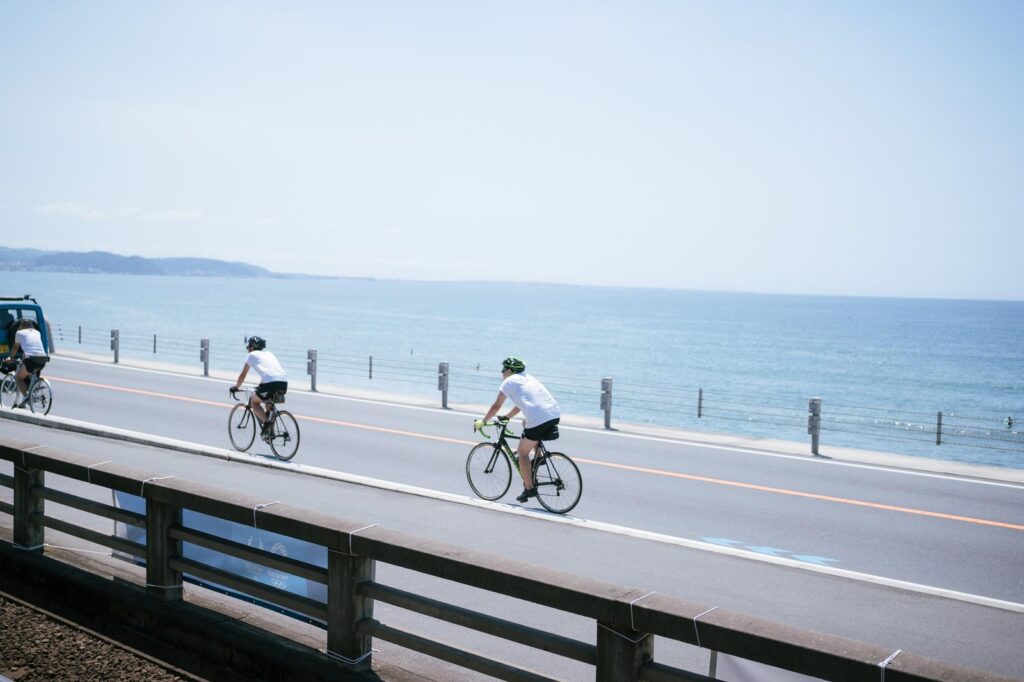
Bespoke travel is a way of exploring a destination through experiences designed around your personal interests, preferences, and travel style.
Unlike conventional package tours, which follow fixed itineraries, bespoke journeys allow greater flexibility in deciding what to experience and how much time to spend on each activity.
For example, two travelers visiting Japan for the same number of days might want completely different experiences.
One might be interested in:
- Japanese gardens and traditional architecture
- Buddhist temples and religious history
- Tea culture and traditional craftsmanship
- Quiet walks through historic towns
Another might prefer:
- Coastal hiking and cycling
- Fishing villages and local seafood
- Regional food and fermentation culture
- Photography and encounters with local communities
Both are looking for an authentic experience of Japan, but their ideal journeys are entirely different.
The value of bespoke travel is that these interests do not have to be treated as separate activities. They can be connected to create a meaningful journey through a particular region.
Start with Your Interests, Not Just Your Destinations
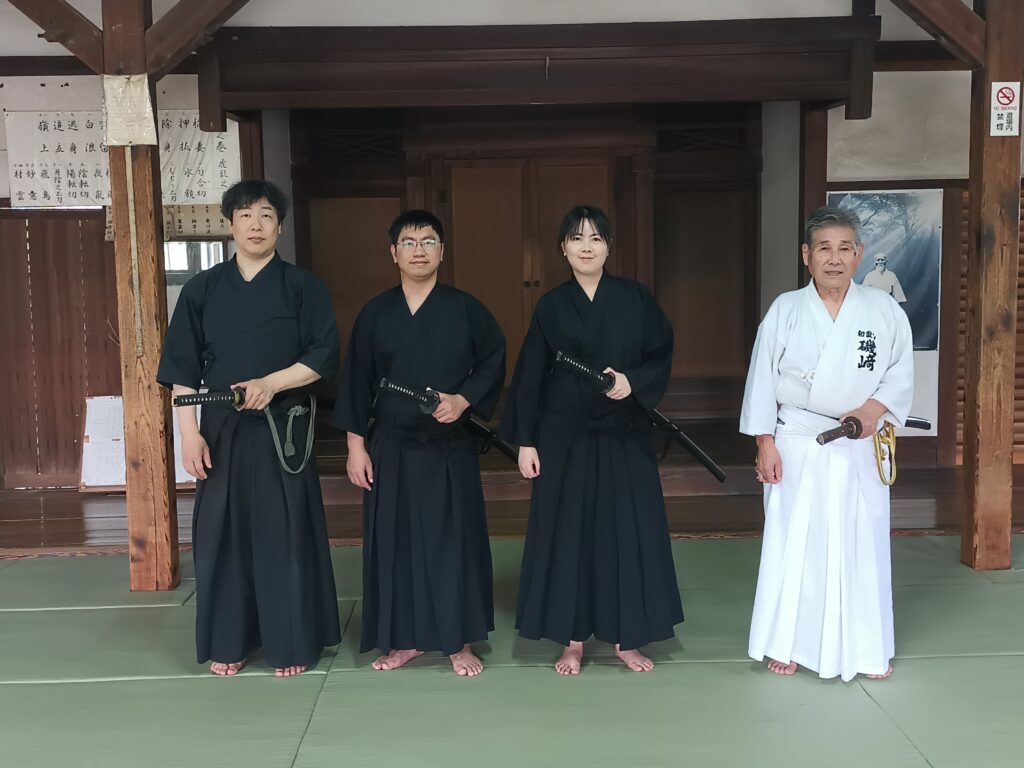
One of the most interesting aspects of planning a bespoke journey is that you do not necessarily need to know where you want to go.
Sometimes, knowing what you want to experience is enough.
Here are some examples of how different interests can become the starting point for a journey through Japan.
1. History and Cultural Heritage
Japan’s history is often introduced through its castles, major temples, and famous historical figures.
But the country’s cultural heritage extends far beyond these familiar landmarks.
Historic merchant towns, old pilgrimage roads, traditional gardens, local shrines, and former trading ports reveal how people lived, worked, traveled, and practiced their beliefs.
For travelers interested in history, a journey might include:
- Exploring the merchant town of Yuasa, associated with the development of Japanese shoyu soy sauce.
- Discovering Koyasan and its relationship with Buddhist traditions.
- Walking sections of the Kumano Kodo pilgrimage routes.
- Visiting Kuroe, a historic town associated with Kishu lacquerware.
- Exploring Wakaura, where Japanese poetry, landscape, and religious traditions intersect.
Rather than simply visiting historical sites, you can explore the relationships between them and understand how different layers of Japanese culture developed over time.
2. Nature, Hiking, and Outdoor Experiences
Japan offers an extraordinary variety of natural landscapes, from volcanic mountains and ancient forests to subtropical islands and quiet fishing villages.
For outdoor enthusiasts, a bespoke journey can combine physical activities with opportunities to discover the culture of the surrounding region.
Possible experiences include:
- Hiking historic pilgrimage routes.
- Walking along coastal paths and fishing villages.
- Cycling through rural landscapes and agricultural communities.
- Exploring forests, rivers, and mountain settlements.
- Enjoying kayaking, canoeing, or other water activities.
In the Kii Peninsula, nature and culture are particularly closely connected.
The mountains are not simply wilderness. They have shaped religious traditions, local industries, food culture, and the movement of people for centuries.
A hiking journey here can therefore become much more than an outdoor activity.
3. Food, Gastronomy, and Regional Cuisine
Japanese food is one of the main reasons people visit Japan.
However, there is a significant difference between simply enjoying Japanese restaurants and discovering the cultural background of regional food.
A food-focused bespoke journey might explore:
- Traditional fermentation and the development of shoyu.
- Local seafood and the culture of fishing communities.
- Regional vegetables and seasonal agricultural products.
- Traditional Japanese confectionery.
- Sake, umeshu, and other regional beverages.
- The relationship between Japanese cuisine and traditional tableware.
For example, Yuasa in Wakayama is closely associated with the history of shoyu production.
Visiting the town allows you to explore not only its traditional breweries but also the relationship between fermentation, local ingredients, water, trade, and everyday Japanese cooking.
Similarly, the coastal communities of Wakayama offer opportunities to discover seafood culture that remains closely connected to local fishing practices.
For travelers interested in gastronomy, these experiences provide a deeper understanding of why Japanese food tastes the way it does.
4. Traditional Crafts and Hands-on Cultural Experiences
Traditional Japanese crafts are often presented as objects to admire or purchase.
But understanding how they are made, why particular techniques developed, and how they remain connected to everyday life can make the experience much more rewarding.
Depending on your interests, a cultural journey might include:
- Kishu lacquerware and traditional maki-e decoration.
- Japanese papermaking.
- Wagashi (traditional Japanese confectionery) making.
- Traditional Japanese drumming.
- Tea ceremony and flower arrangement.
- Iaido, the traditional Japanese art of drawing the sword.
Some experiences are particularly interesting when they take place in the communities where the traditions have been preserved.
For example, Kuroe in Wakayama is a historic center of Kishu lacquerware.
Instead of simply purchasing a lacquerware product, visitors can explore the town, learn about its craft traditions, and experience aspects of the production process.
This creates a connection between the finished object and the people, skills, and history behind it.
5. Photography, Landscapes, and Quiet Places
Not every traveler wants to spend the day moving from one famous attraction to another.
Some prefer to spend more time observing a particular landscape, discovering interesting architectural details, or waiting for the right light.
For photographers and travelers who appreciate visual experiences, bespoke travel offers the freedom to organize a day around particular subjects.
These might include:
- Traditional Japanese gardens.
- Fishing villages and working harbors.
- Historic streets and wooden architecture.
- Coastal landscapes and mountain scenery.
- Local festivals and seasonal traditions.
- Everyday scenes in smaller Japanese communities.
The advantage of a private journey is that the schedule can accommodate the experience itself.
You can spend more time in a place that interests you rather than moving on simply because the itinerary says it is time to leave.
Why Look Beyond Japan’s Famous Destinations?

Tokyo, Kyoto, and Osaka are important destinations for good reason.
However, Japan is a country of considerable regional diversity. Its landscapes, food traditions, religious practices, crafts, and everyday lifestyles vary significantly from one region to another.
If you are interested in understanding Japan beyond its most famous attractions, exploring regional destinations can be particularly rewarding.
This is especially true if you have already visited Japan or prefer a slower style of travel.
Consider the Kii Peninsula in Wakayama.
Located south of Osaka, this region offers an interesting combination of cultural and natural landscapes.
Within the wider region, you can discover:
Koyasan
A major center of Japanese Buddhist tradition, surrounded by forests and sacred mountain landscapes.
Kumano Kodo
Ancient pilgrimage routes connecting mountains, villages, and sacred sites.
Wakaura
A historic coastal landscape associated with Japanese poetry, scenic gardens, and centuries of cultural appreciation.
Yuasa
A historic merchant town closely associated with the development of Japanese shoyu soy sauce.
Kuroe
A traditional craft town known for Kishu lacquerware.
Wakayama’s Fishing Communities
Coastal settlements where fishing, local food, and everyday maritime culture remain part of the landscape.
These destinations are not simply a collection of sightseeing spots.
Together, they offer different perspectives on Japanese history, religion, food, craftsmanship, and relationships with nature.
For travelers interested in connecting these different themes, the Kii Peninsula offers considerable possibilities.
What Can a Bespoke Journey Actually Look Like?

The best way to understand bespoke travel is through examples.
Here are three possible approaches to creating a personal journey in Wakayama.
Example 1: A Journey Through Japanese Food Culture
For travelers interested in gastronomy and regional traditions.
Rather than focusing exclusively on restaurants, this journey explores the relationship between food, local industries, and the landscape.
Possible experiences include:
- Visiting Yuasa to discover traditional shoyu production.
- Exploring local fermentation traditions.
- Discovering fishing communities and regional seafood.
- Enjoying seasonal Japanese cuisine.
- Learning about traditional tableware and its relationship with Japanese dining.
The journey can also include opportunities to experience local food culture through carefully selected restaurants and producers.
The objective is not simply to eat well, but to understand how regional food traditions developed.
Example 2: A Cultural and Nature Journey Through the Kii Peninsula
For travelers interested in hiking, history, and spiritual traditions.
This journey connects the natural landscapes of the Kii Peninsula with the cultural traditions that developed around them.
Possible experiences include:
- Exploring Koyasan and its Buddhist heritage.
- Walking selected sections of the Kumano Kodo.
- Discovering historic pilgrimage-related sites.
- Exploring local towns and rural communities.
- Enjoying regional food and the surrounding natural environment.
Depending on your available time and physical preferences, the journey can focus on walking, cultural exploration, or a combination of both.
Example 3: A Slow Journey into Local Japanese Life
For travelers who want to experience Japan at a more relaxed pace.
Not every memorable travel experience requires a famous attraction.
Sometimes, the most rewarding experiences come from spending time in a particular community and discovering how people live.
A journey might include:
- Walking through traditional neighborhoods.
- Visiting local markets and small shops.
- Enjoying coffee in a traditional Japanese kissaten.
- Discovering regional crafts and food.
- Exploring coastal communities.
- Participating in seasonal cultural activities.
Rather than trying to see as much as possible, the focus is on spending meaningful time in a particular place.
This approach is especially suitable for travelers interested in slow travel and longer stays.
How Does Planning a Bespoke Private Tour Work?

Creating a personalized journey does not have to be complicated.
You do not need to arrive with a complete itinerary or know exactly which places you want to visit.
The planning process can begin with a conversation about your interests.
Step 1: Share Your Interests
Tell us what interests you about Japan.
You might be interested in history, food, nature, traditional crafts, photography, architecture, or local life.
It is also helpful to share experiences you particularly enjoy when traveling.
Step 2: Discuss Your Travel Style
Every traveler has a different preferred pace.
Some enjoy active days with hiking and walking. Others prefer a relaxed schedule with time for food, photography, and cultural exploration.
We also consider your group size, travel dates, available time, and any particular requirements.
Step 3: Develop a Journey Concept
Based on your interests, we consider which places and experiences might work well together.
The aim is not simply to create a list of attractions.
It is to develop a journey in which different experiences complement one another.
Step 4: Refine the Itinerary
Once the overall direction is established, we can discuss the details.
This may include the duration of guided experiences, walking distances, cultural activities, local food, and opportunities to explore independently.
Step 5: Experience Japan at Your Own Pace
During the journey, the emphasis is on understanding the places you visit and enjoying the experience without unnecessary rushing.
The itinerary provides a framework, but the experience itself remains personal.
Why Choose a Local Guide for a Bespoke Journey?
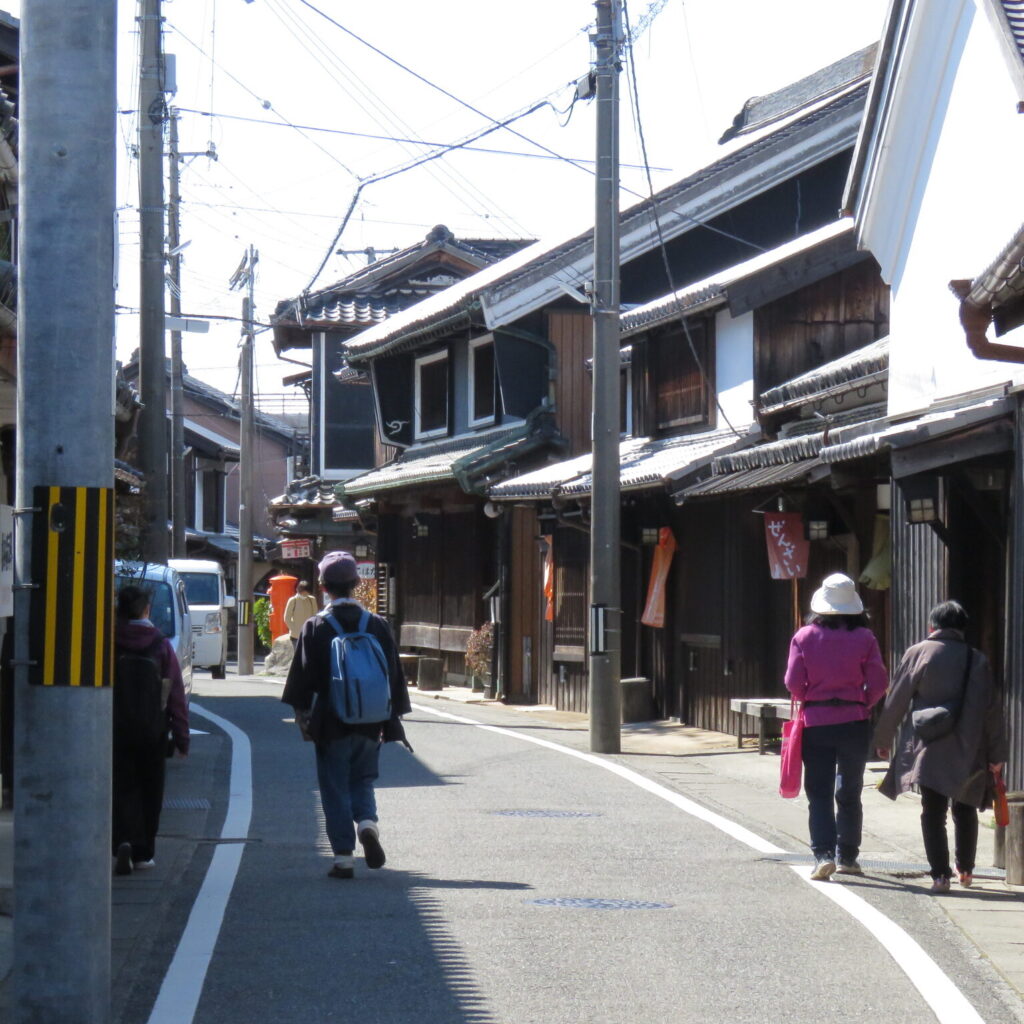
A well-designed itinerary requires more than knowing which attractions are popular.
It also requires an understanding of how places relate to one another, what makes them distinctive, and which experiences are genuinely worth including.
A local guide can help bridge the gap between what travelers want to experience and what a region actually offers.
For example, someone interested in Japanese food might initially think of visiting restaurants.
But a deeper exploration could reveal the history of fermentation in Yuasa, the fishing culture of coastal communities, and the relationship between regional ingredients and traditional cuisine.
Similarly, someone interested in Japanese spirituality might initially consider visiting Koyasan.
But understanding the surrounding pilgrimage routes and the communities that supported religious travelers can provide a much broader perspective.
These connections are often what make a journey memorable.
Curated Kii Peninsula Journey: A Personal Way to Explore Wakayama
If you are looking for a more personal way to explore Japan, the Kii Peninsula offers an opportunity to experience a different side of the country.
Through Curated Kii Peninsula Journey, we create private guided experiences around your interests, connecting local culture, history, nature, food, and everyday life.
Rather than offering only fixed sightseeing routes, each journey begins with what you would genuinely like to discover.
Possible experiences include:
- Cultural and historical exploration.
- Kumano Kodo and other pilgrimage walks.
- Coastal walks and fishing village experiences.
- Traditional crafts and hands-on cultural activities.
- Regional food and gastronomy journeys.
- Photography-focused exploration.
- Cycling and outdoor activities.
- Experiences combining several of these interests.
Choose the Duration That Works for You
Depending on your interests and available time, private guided experiences can be arranged in different formats.
4-Hour Experience
Ideal for exploring a particular town, cultural site, or local experience.
6-Hour Experience
Allows more time to connect several places or combine cultural exploration with local food and activities.
8-Hour Experience
Suitable for a more comprehensive day exploring different aspects of the region.
Multiple guided days can also be discussed, with free time between them if you prefer a slower travel rhythm.
The aim is not to fill every hour.
It is to make the time you spend in Wakayama meaningful.
A Different Way to Discover Japan
Perhaps you are interested in Japanese history.
Perhaps you want to hike through ancient forests, discover regional food traditions, photograph traditional towns, or experience Japanese craftsmanship.
Whatever your interests, Japan offers far more possibilities than any single itinerary can cover.
The most interesting journey may not be the one that takes you to the greatest number of destinations.
It may be the one that allows you to explore a subject you genuinely care about, discover unexpected connections, and spend time in places you might never have considered visiting.
Start with what interests you. Let the journey unfold from there.
Plan Your Curated Kii Peninsula Journey
Tell us what you would like to experience in Japan, how much time you have, and what kind of journey you imagine.
We will explore how those interests can be connected through the cultural landscapes and local experiences of Wakayama and the Kii Peninsula.
Your journey does not have to begin with a destination. It can begin with a question, an interest, or a curiosity about Japan
Learn more about Curated Kii Peninsular Journey.
Related Posts
- Private Tours in Japan: Why a Local Guide Can Make Your Journey Different
- Tailor-Made Japan Tours: How to Travel Beyond Tokyo, Kyoto and Osaka
- How to Travel in Rural Japan Without Speaking Japanese
Related posts:

Japanese Tableware for Restaurants: 6 Craft Traditions Behind Japan’s Dining Culture
Understanding Japan's Satoyama
Japanese Calligraphy in Wakayama: Experience the Art of Shodo, Zen, and Japanese Culture
Japanese Fermentation: 8 Traditional Foods and the Places Behind Them
Regional Ramen in Japan: 6 Local Bowls Worth Traveling For
No responses yet