
Koyasan, Kumano, Coastal Towns, Local Food, and the Landscapes Between
When travelers plan their first trip to Japan, the route often looks familiar:
Tokyo.
Kyoto.
Osaka.
Perhaps Hiroshima.
But beyond Japan’s Golden Route lies a very different kind of journey.
Just south of Osaka, the Kii Peninsula opens into a landscape of sacred mountains, ancient pilgrimage routes, fishing villages, historic towns, forests, orchards, and small communities where traditional culture is still part of everyday life.
This is Wakayama.
A 10-day journey here is not about trying to see everything.
It is about slowing down enough to understand how the different parts of the region connect.
You can begin among the sacred mountains of Koyasan, follow the landscape toward the Pacific, explore historic coastal towns, taste food shaped by fermentation and preservation, walk the Kumano Kodo into Hongu, and continue toward Nachi and Shingu.
Rather than following the Golden Route, this is a journey through the spaces between Japan’s famous destinations.
Why Spend 10 Days in Wakayama?
Many visitors come to Wakayama for one reason.
Koyasan.
Or the Kumano Kodo.
Or perhaps the Kumano Sanzan.
But these places become much more meaningful when you allow time for the landscapes between them.
Wakayama offers several different ways of experiencing Japan:
- Sacred mountains and Buddhist culture
- Ancient pilgrimage routes
- Coastal fishing villages
- Historic merchant and port towns
- Fermentation and food traditions
- Orchards and rural landscapes
- Japanese gardens
- Local festivals and community life
- Quiet hiking and walking
- Traditional crafts
- Slow mornings and regional food
The important point is that these are not isolated attractions.
They are layers of the same region.
The Kumano Kodo, for example, was not simply a trail through the forest. It was part of a wider network of roads, villages, food, accommodation, religion, and local communities.
The 10-Day Journey at a Glance
Day 1 — Koyasan: Entering the Sacred Mountains
Arrive in Koyasan and slow down among temples, forests, and Buddhist traditions.
Day 2 — Koyasan: A Day of Spiritual Depth
Explore Okunoin, Kongobu-ji, Danjo Garan, and the quieter corners of the mountain.
Day 3 — From the Mountains to the Coast
Descend from Koyasan and travel toward the coastal landscapes of Wakayama.
Day 4 — Wakaura: Poetry, Sea, and Living Culture
Experience one of Wakayama’s most layered cultural landscapes.
Day 5 — Kainan to Yuasa: Walking Through Coastal Culture
Follow sections of the Kii Road through historic communities, fishing culture, gardens, and food traditions.
Day 6 — Yuasa: Fermentation, Food, and a Historic Town
Explore the birthplace of Japanese soy sauce and the surrounding coastal landscape.
Day 7 — Into the Kumano Landscape
Travel south toward the mountains and begin your transition into deeper Kumano.
Day 8 — Kumano Kodo to Kumano Hongu Taisha
Walk a carefully selected section of the Kumano Kodo and arrive at the sacred heart of Kumano.
Day 9 — Nachi and Shingu: Waterfalls, Shrines, and the Pacific
Explore Kumano Nachi Taisha, Nachi Falls, and Kumano Hayatama Taisha.
Day 10 — Kumano: A Slow Departure
Leave the region slowly, with time for reflection, local food, or an additional short walk.
Day 1 — Koyasan: Entering the Sacred Mountains
Your journey begins not at a crowded city center, but high in the mountains.
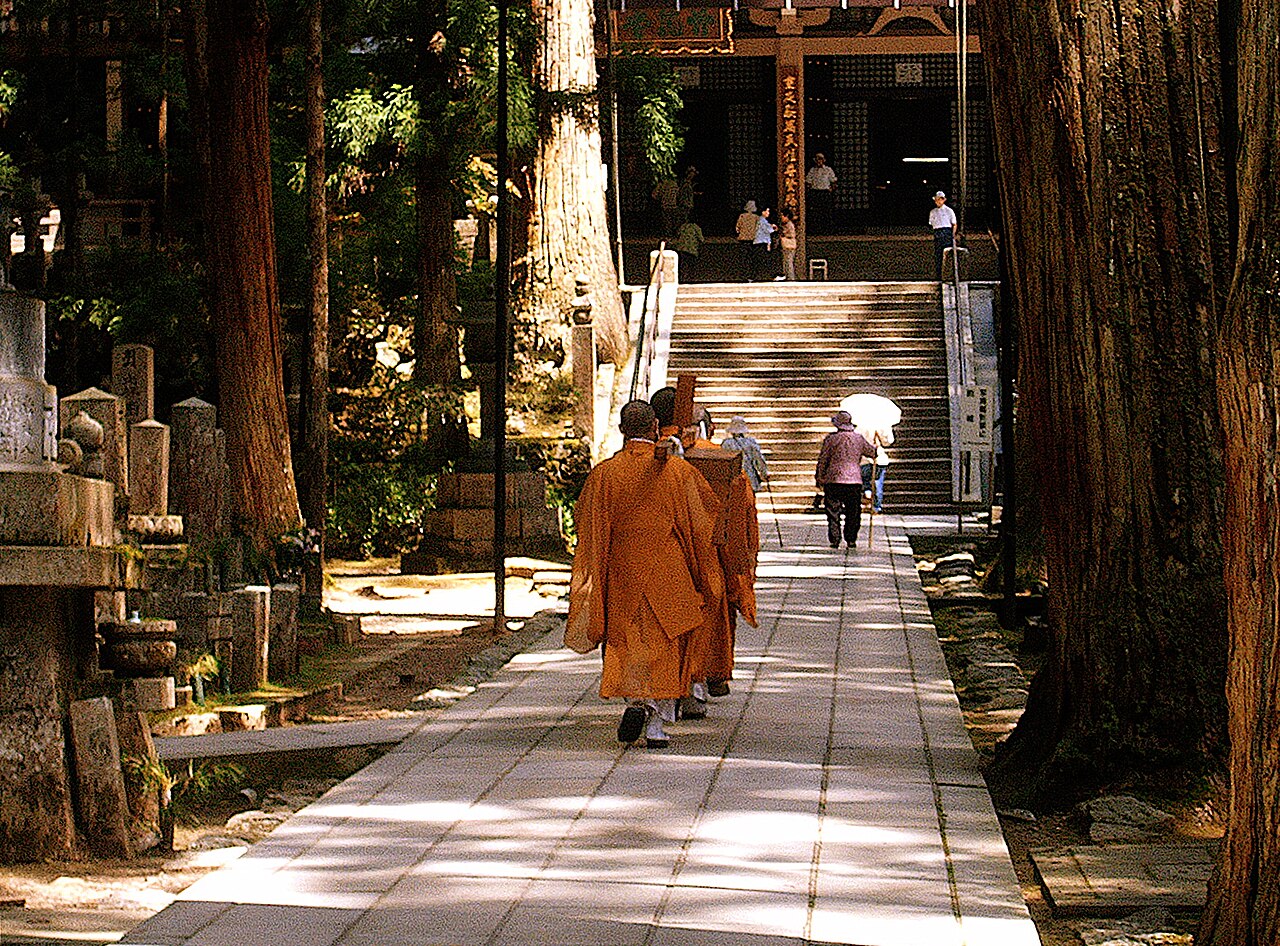
Koyasan is one of the most important Buddhist landscapes in Japan and has developed over centuries as a center of Shingon Buddhism.
Rather than treating Koyasan as a collection of temples to check off a list, spend your first day simply becoming familiar with the mountain.
Walk through the cedar forests.
Explore the temple town.
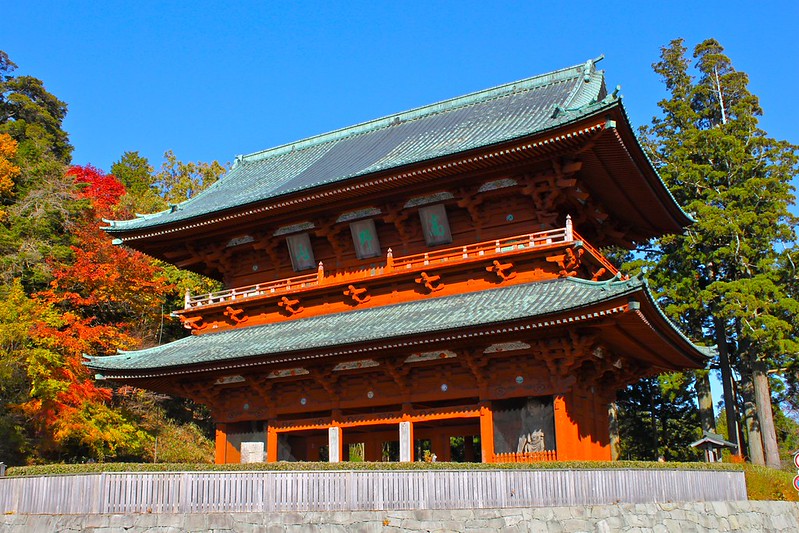
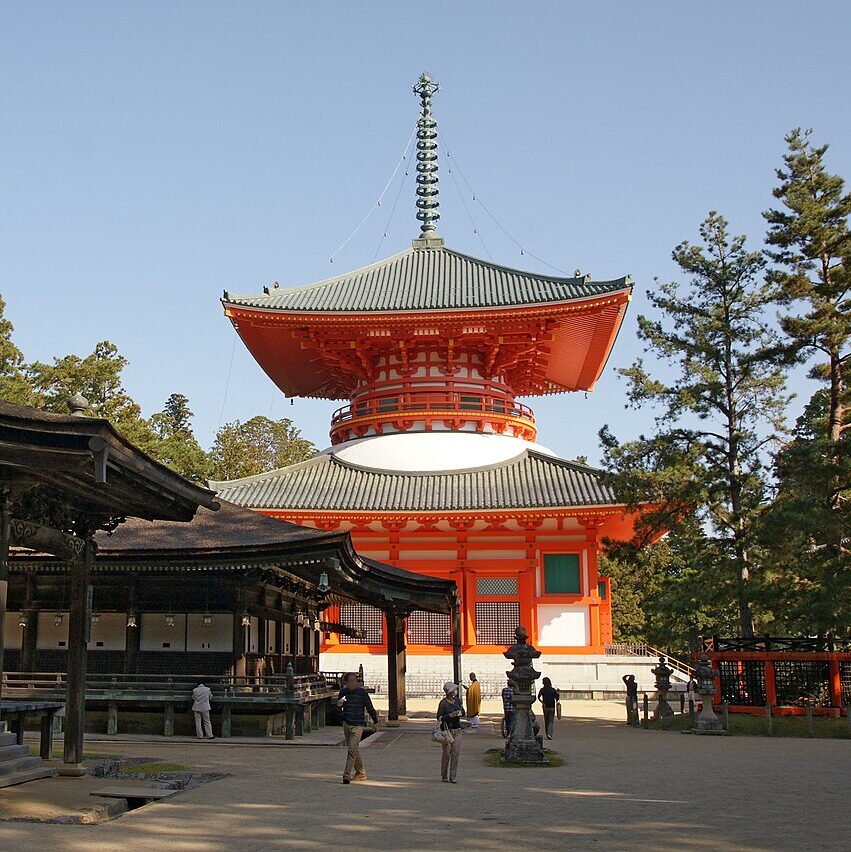
Visit Danjo Garan.
Take time to notice the relationship between architecture and forest.
And, if possible, stay overnight in a temple lodging.
The experience changes after the day visitors leave.
The mountain becomes quieter.
Dinner becomes part of the experience.
The following morning begins at a different pace.
This is an ideal introduction to slow travel in Wakayama.
Day 2 — Koyasan: A Deeper Day on the Mountain
A second day allows you to experience Koyasan beyond its most famous sights.
Visit:
- Okunoin
- Kongobu-ji
- Danjo Garan
- Konpon Daito
- Reihokan
- Nyonin-do and surrounding areas
But leave room for something less structured.
Walk.
Sit.
Drink tea.
Observe the cedar forest.
Explore small streets away from the busiest areas.
Koyasan works particularly well when the day is not completely filled with sightseeing.
The goal is not to “finish” Koyasan.
It is to understand why people have come here for centuries.
Day 3 — From the Sacred Mountain to the Sea
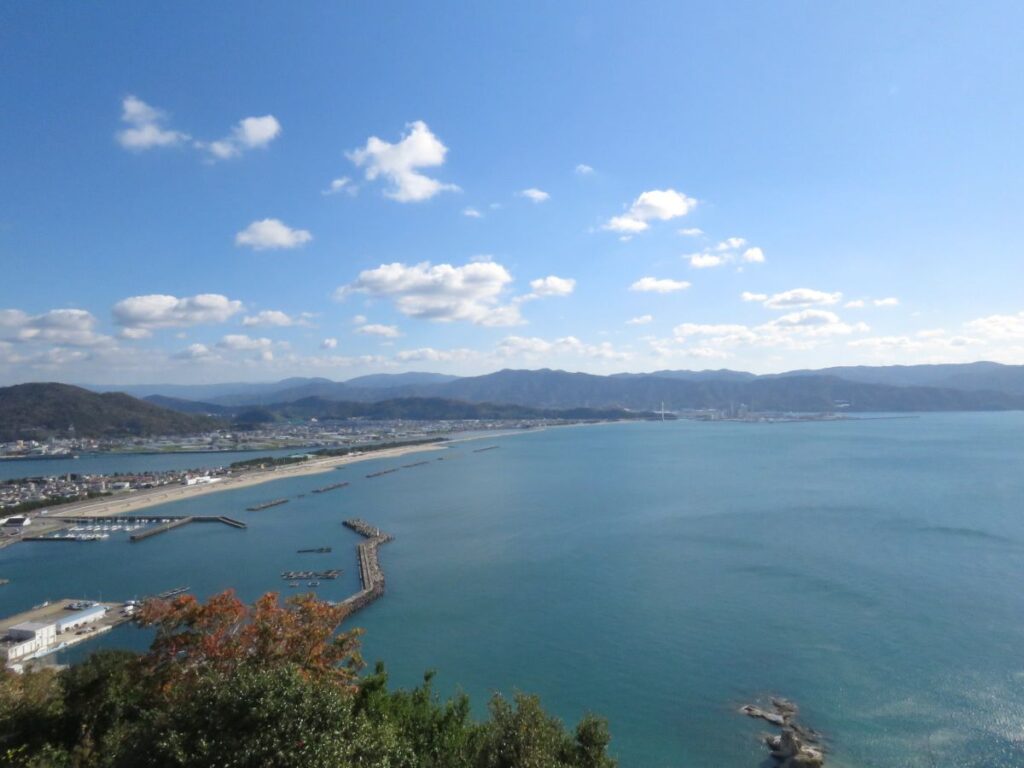
Today the character of the landscape begins to change.
The mountains gradually give way to valleys, towns, agricultural landscapes, and eventually the Pacific coast.
This transition is important.
One of the advantages of traveling slowly through Wakayama is that you can actually see the geographical relationships between its cultural landscapes.
The sacred mountain of Koyasan is not an isolated world.
Below it are the towns and valleys through which people, goods, pilgrims, and ideas have traveled for centuries.
Depending on your interests, this day can include a stop around the Koya foothills, such as Kudoyama or Koyaguchi.
These gateway towns reveal another side of the journey to Koyasan—one shaped by pilgrims, merchants, agriculture, and local communities.
By evening, continue toward the coast.
The atmosphere changes again.
The mountains are behind you.
The Pacific is ahead.
Day 4 — Wakaura: Where Landscape Becomes Culture
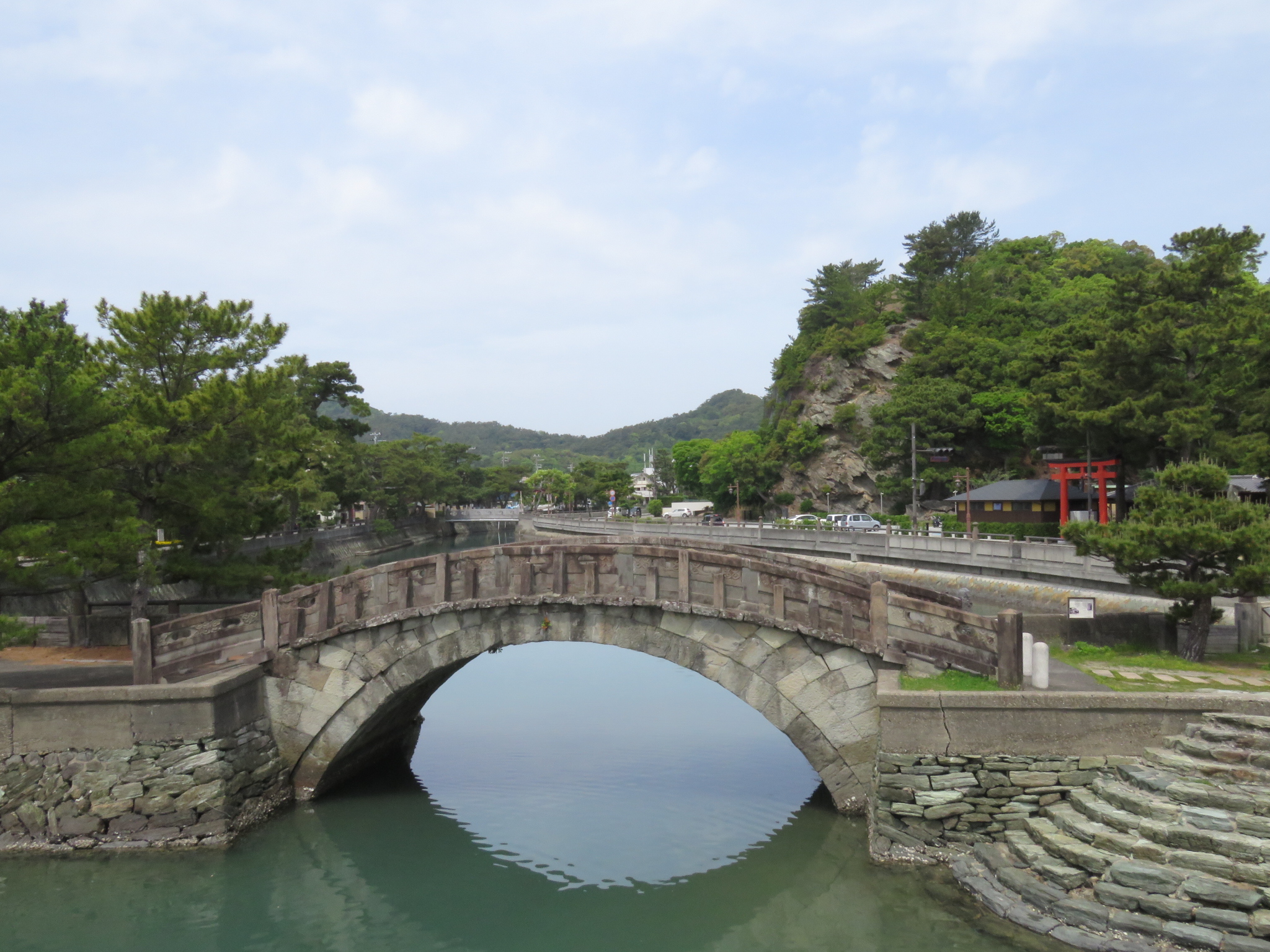
Wakaura is one of the best places to understand why Wakayama is more than a collection of tourist attractions.
The area combines:
- Ancient poetry
- Sacred sites
- Coastal scenery
- Fishing villages
- Gardens
- Local food
- Everyday life
Wakaura can be understood as a cultural landscape where poetry, pilgrimage, power, religion, and everyday life overlap.
Rather than simply visiting several sites, spend the day moving through the landscape.
Visit Tamatsushima Shrine.
Walk along the coast.
Explore the surrounding hills and viewpoints.
Continue toward Saikazaki if you want to experience a living fishing village with narrow lanes, working boats, and a completely different atmosphere from the historic center of Wakayama.
The point is not to collect landmarks.
It is to experience how the sea has shaped local life.
Day 5 — Kainan to Yuasa: Walk Through Coastal Culture
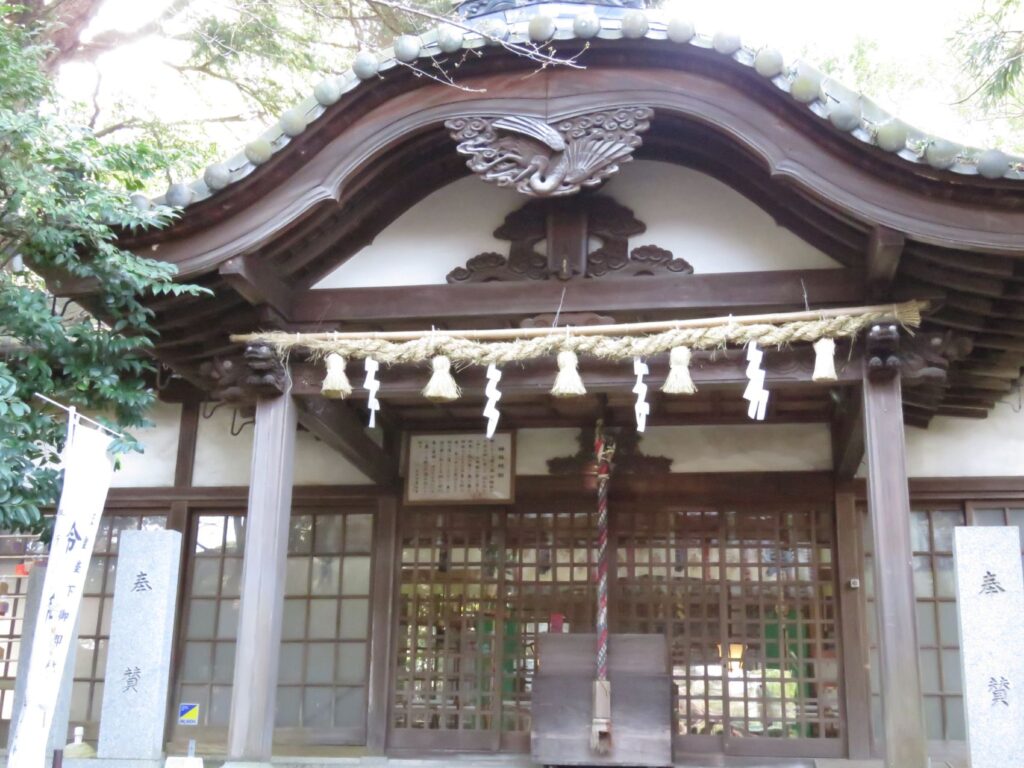
Now the journey becomes a walking journey.
The coastal section of the historic Kiiji Road offers something very different from the mountain sections of the Kumano Kodo.
You can walk shorter sections and combine them with trains, towns, food, and cultural stops.
This makes the area particularly suitable for slow travel.
Possible highlights include:
- Kuroe and its lacquerware traditions
- Historic gardens
- Coastal villages
- Fishing communities
- Local cafés
- Fermentation culture
- Sections of the old pilgrimage route
- The approach toward Fujishiro Oji
One particularly meaningful moment is reaching Fujishiro Oji.
Historically, Fujishiro marked an important threshold into the sacred world of Kumano.
The transition is gradual.
You move from coastal towns and everyday life toward quieter roads and rising hills.
This is where travel begins to become pilgrimage.
Day 6 — Yuasa: The Taste of Time
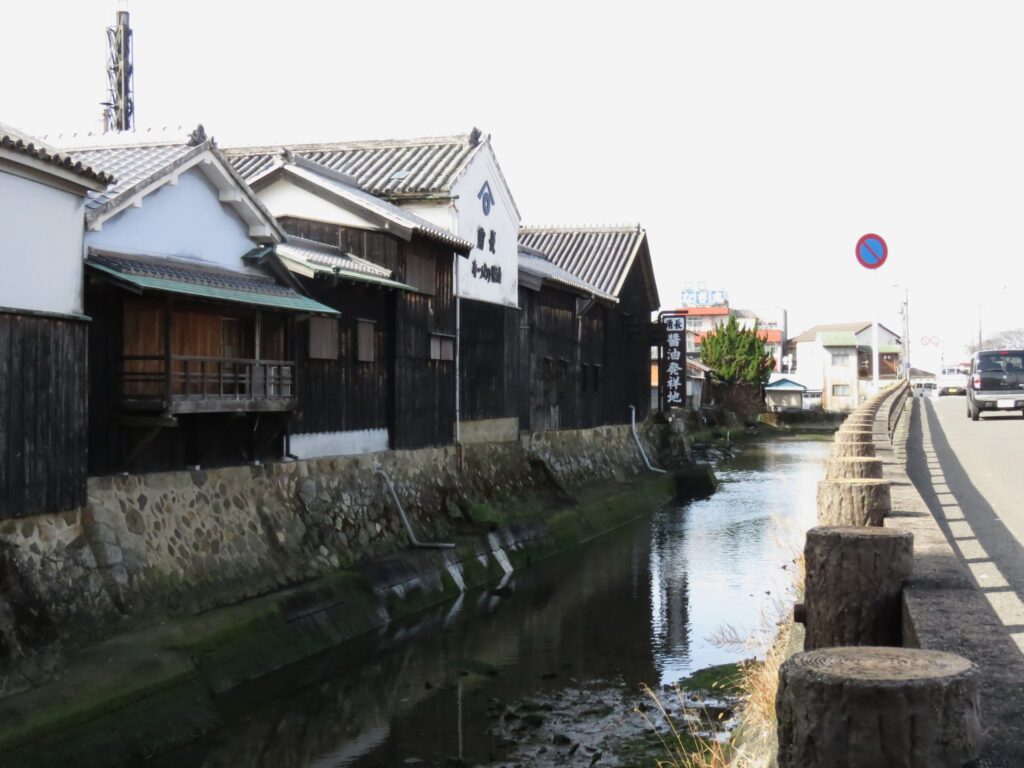
Spend today around Yuasa.
Yuasa is particularly valuable for travelers interested in food because its historic landscape is closely connected to fermentation and the development of soy sauce culture.
But the deeper story is not simply:
“Yuasa is the birthplace of soy sauce.”
The more interesting question is:
Why did fermentation culture develop here?
The answer leads into geography, trade, preservation, local food, and the relationship between coastal communities and inland resources.
Explore the historic townscape.
Learn about traditional soy sauce production.
Taste local food.
Take time for a quiet meal.
The journey can also connect Yuasa with the broader food culture of Wakayama, including fermented foods and traditional preservation techniques that supported people traveling along the pilgrimage routes.
This is one of the places where the philosophy of the journey becomes particularly clear:
Food is not separate from history.
It is one of the ways history survives.
Day 7 — Into the Kumano Landscape
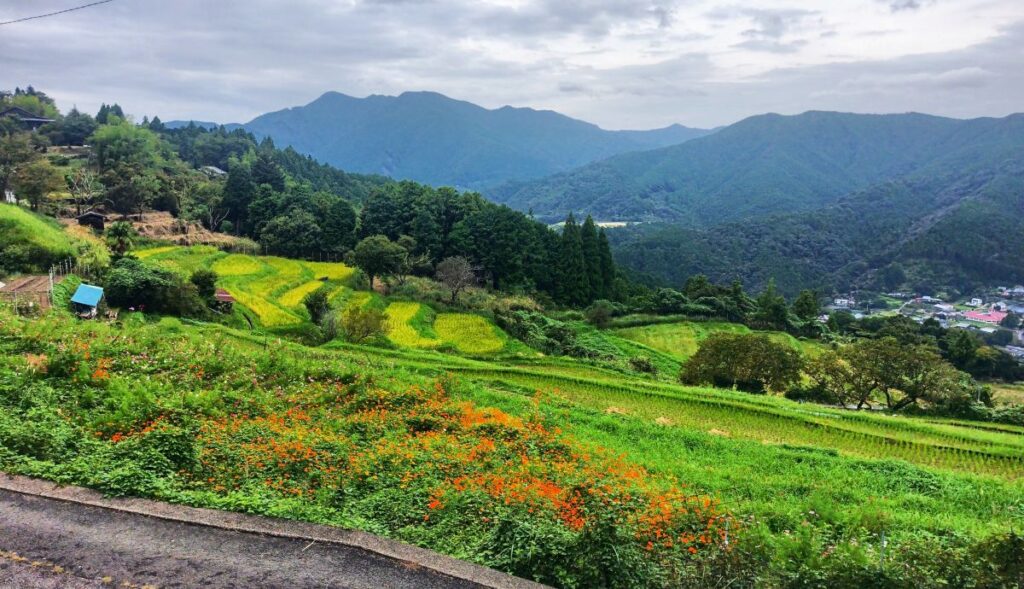
Today you head deeper into the Kii Peninsula.
The landscape changes again.
Coastal towns become smaller.
The mountains become more prominent.
The roads become quieter.
This is the point where many travelers begin to feel that they have truly left the Golden Route behind.
The journey toward Kumano should not be thought of simply as transportation between destinations.
It is a transition.
You are moving from:
city → coast → rural landscape → mountains → sacred landscape
That gradual change is part of the experience.
Depending on your preferred pace, this day can be used as a travel day with stops along the way, or combined with a shorter walking section.
For travelers who prefer a deeper experience, the route can be adjusted around walking ability, interests, food, photography, or cultural sites.
Day 8 — Walking the Kumano Kodo to Kumano Hongu Taisha
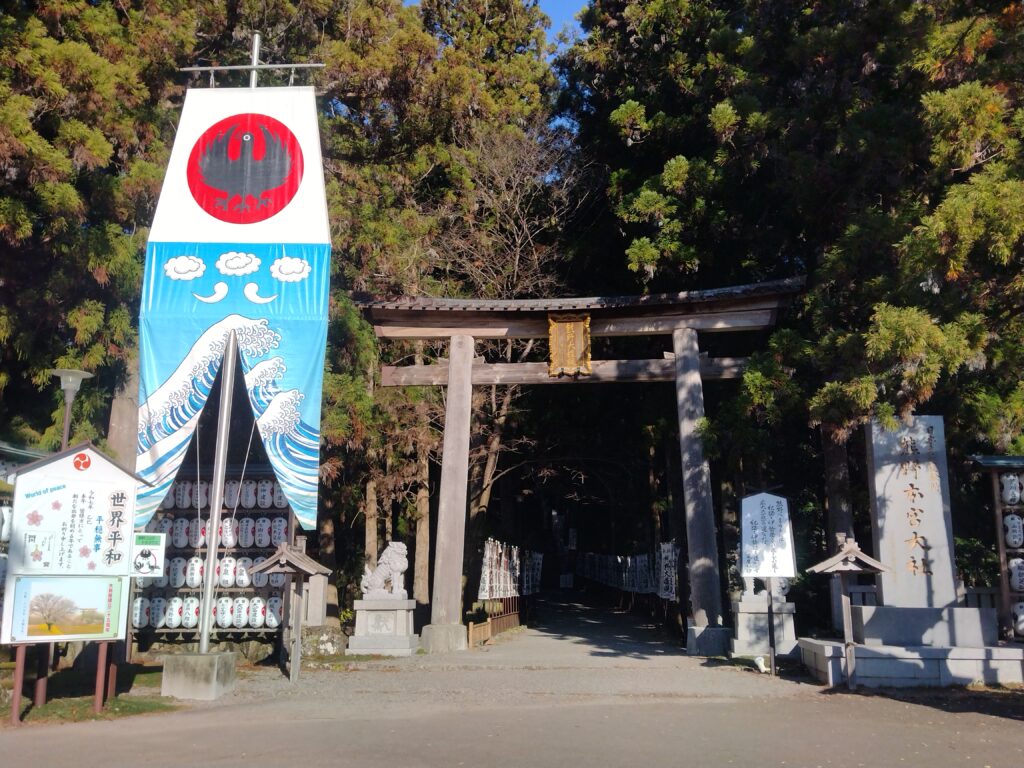
This is the day when the journey becomes a pilgrimage.
Rather than separating the Kumano Kodo from the destination, spend the day walking a carefully selected section of the route toward Kumano Hongu Taisha Shrine.
The experience is about more than distance.
The route is a cultural landscape shaped by centuries of movement.
Along the way, you may encounter:
- Stone markers
- Jizo statues
- Old roadside traces
- Small communities
- Forests
- Shrines
- Ancient paths
- Modern roads continuing the historic movement
The landscape gradually becomes quieter as you move deeper into Kumano.
Then, after walking through the forest and mountains, you arrive at Kumano Hongu Taisha.
This arrival is important.
The shrine is not simply another sightseeing stop.
You have spent the day moving toward it.
The physical journey gives greater meaning to the spiritual destination.
Take time at the shrine rather than immediately moving on.
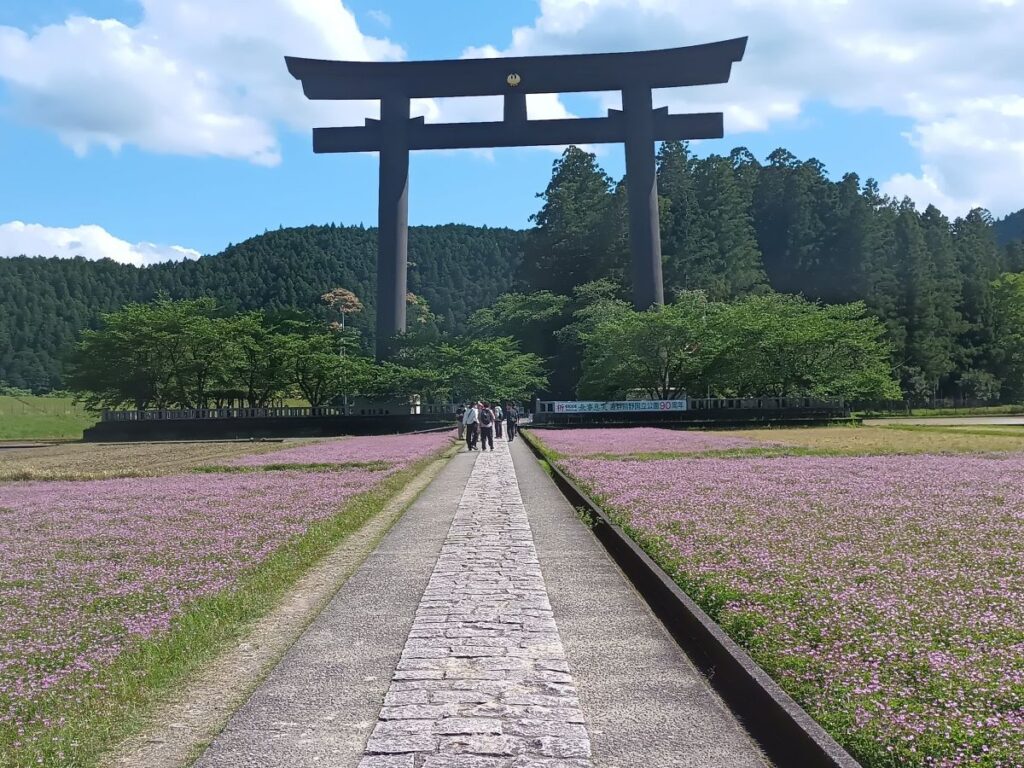
If energy allows, continue to the great torii at Oyunohara, where the scale of the sacred landscape becomes particularly striking.
This is one of the defining moments of the 10-day journey:
you do not simply visit Kumano—you arrive there on foot.
Day 9 — Nachi and Shingu: Waterfalls, Shrines, and the Pacific
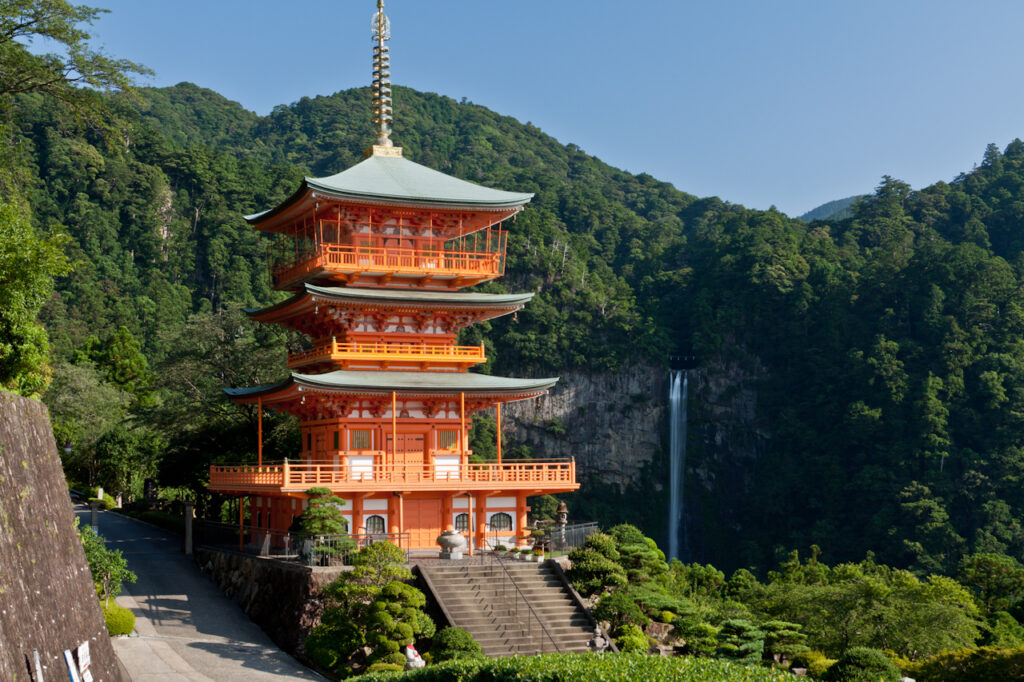
After the mountains of Hongu, today’s journey takes you toward the eastern side of Kumano and the Pacific.
The landscape changes once again.
The focus shifts from the forested pilgrimage route to the powerful relationship between mountains, water, shrines, and the sea.
Begin around Kumano Nachi Taisha Shrine.
Here, the combination of shrine, ancient forest, mountain, and waterfall creates one of the most dramatic sacred landscapes in Japan.
Walk through the approach to the shrine and continue toward Nachi Fa;;.
The waterfall is not simply a scenic attraction.
Water itself is part of the sacred character of the landscape.
After Nachi, continue toward Shingu.
Visit Kumano Hayatama Shrine, one of the three great shrines of Kumano.
Here the character of Kumano changes again.
After the deep forests of Hongu and the dramatic mountain landscape of Nachi, Hayatama brings you closer to the river and the Pacific.
Together, Hongu, Nachi, and Hayatama reveal different dimensions of Kumano.
- Hongu: the deep mountain sanctuary
- Nachi: mountain, forest, and sacred water
- Hayatama: river, coast, and the ancient gateway to Kumano
Because you have approached them gradually over several days, they feel less like three separate tourist sites and more like parts of one sacred landscape.
End the day in Shingu or another convenient base, with time for a relaxed local dinner.
Day 10 — A Slow Departure
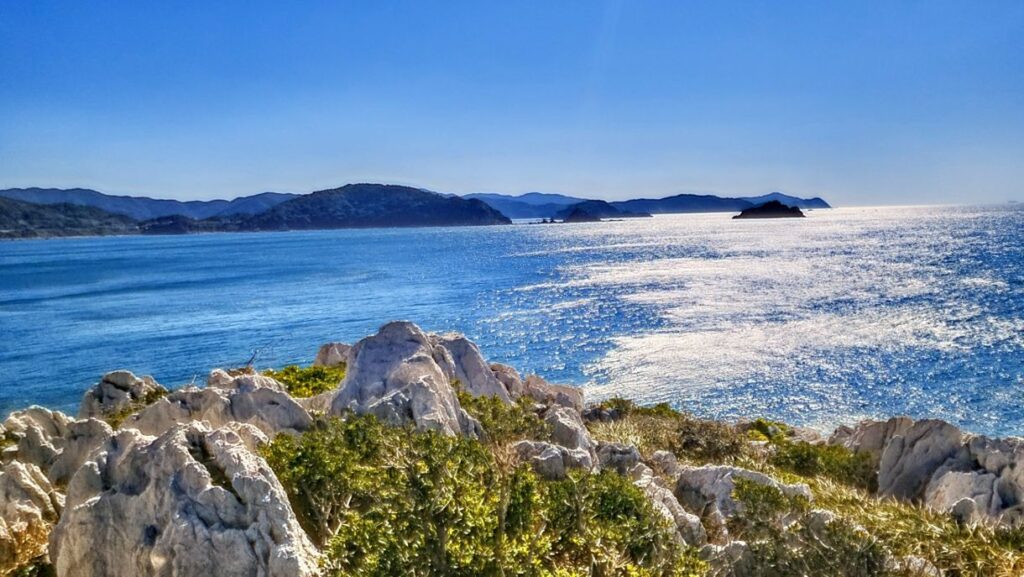
The final day should not feel like another sightseeing checklist.
Depending on your departure point, leave time for:
- A final walk
- A local breakfast
- A quiet café
- A short forest walk
- A final visit to a shrine
- A meal featuring local ingredients
Or simply do less.
That is part of slow travel.
After ten days, you have moved through several very different landscapes:
Sacred mountain → valley → coast → historic town → pilgrimage road → deep forest → Kumano’s sacred mountains → Pacific coast
And that is perhaps the greatest difference between this journey and a conventional Golden Route itinerary.
You have not simply visited Wakayama.
You have gradually moved through it.
What Makes This Journey Different?
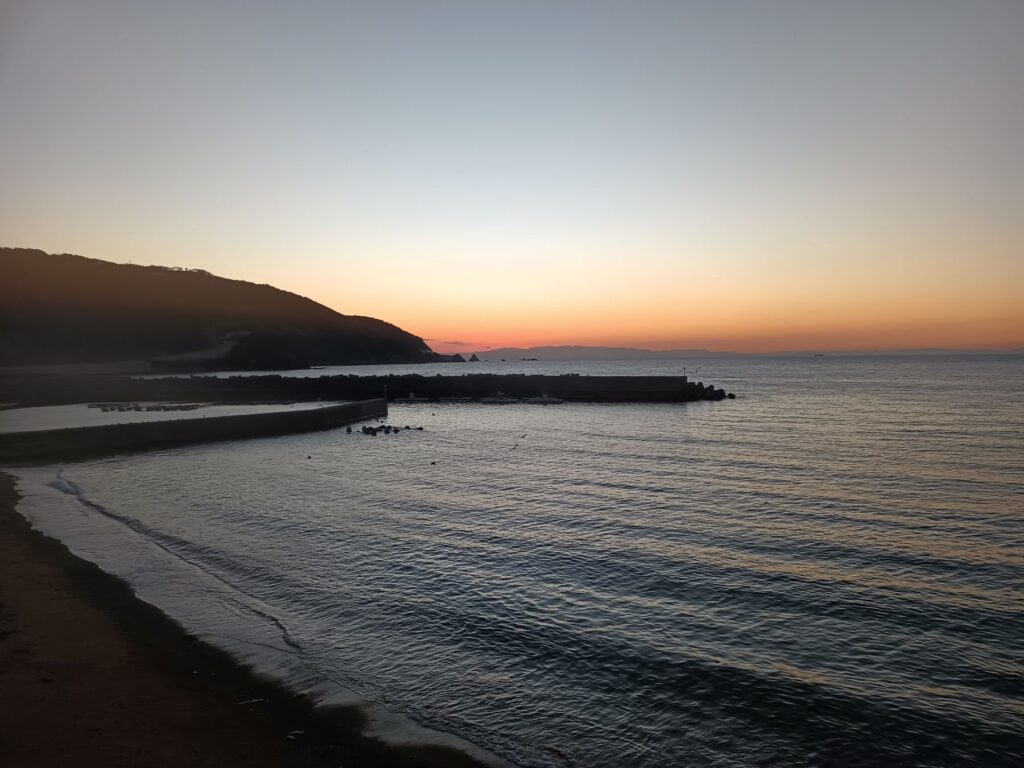
A conventional itinerary might ask:
“What are the best places to visit in Wakayama?”
A slow journey asks a different question:
“How are these places connected?”
Koyasan connects to the mountain valleys.
The valleys connect to the coast.
The coast connects to the old pilgrimage roads.
The roads connect to villages and food traditions.
The pilgrimage routes lead toward Kumano.
And Kumano itself unfolds gradually—from Hongu’s mountain sanctuary to Nachi’s sacred waterfall and Hayatama’s connection with the river and sea.
This is the story that becomes difficult to see when you travel too quickly.
More Than Koyasan and Kumano
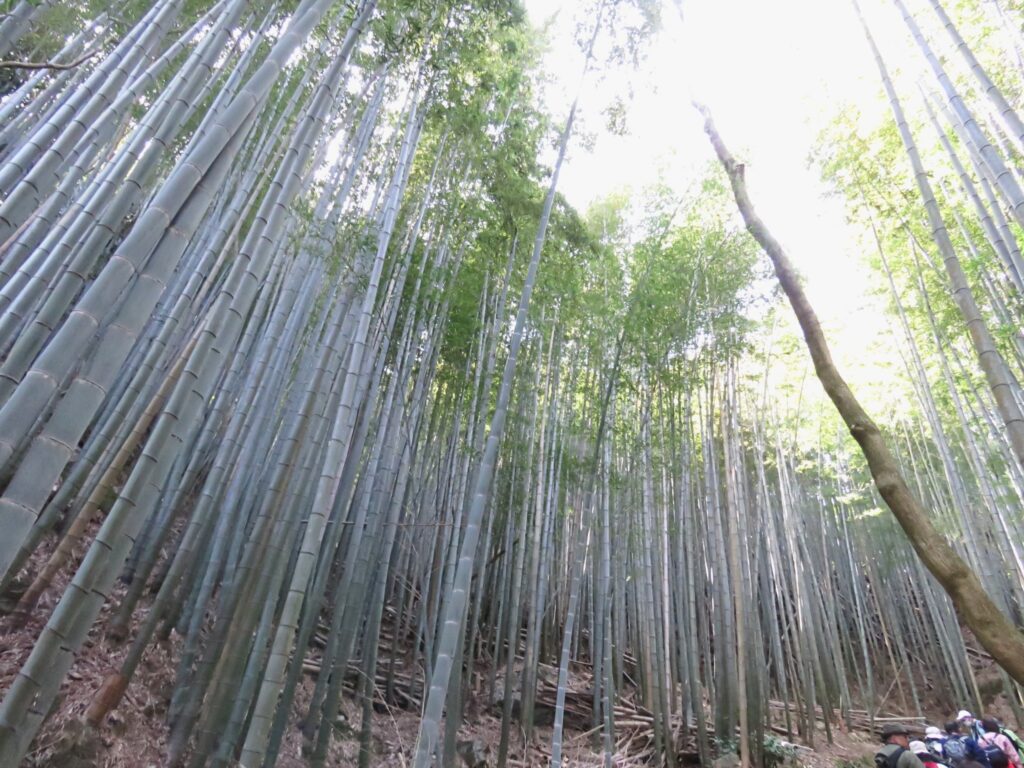
The most famous names in Wakayama may be Koyasan and Kumano.
But the spaces between them are what make a longer stay worthwhile.
You can add experiences according to your interests:
For Food Lovers
Explore fermentation, local seafood, shoyu soy sauce, ume, regional cuisine, and carefully selected dining experiences.
For Hikers
Combine Kumano Kodo with coastal walks, Kii Road sections, rural trails, and quieter landscapes beyond the famous pilgrimage routes.
For Photographers
Follow changing light from the Pacific coast to sacred forests, fishing villages, gardens, and mountain landscapes.
For Culture Lovers
Explore lacquerware, historic towns, shrines, temples, gardens, festivals, and local communities.
For Slow Travelers
Spend longer in fewer places and allow unplanned time to become part of the journey.
This flexibility is central to a curated journey rather than a fixed package tour.
A Different Way to Travel Through Japan
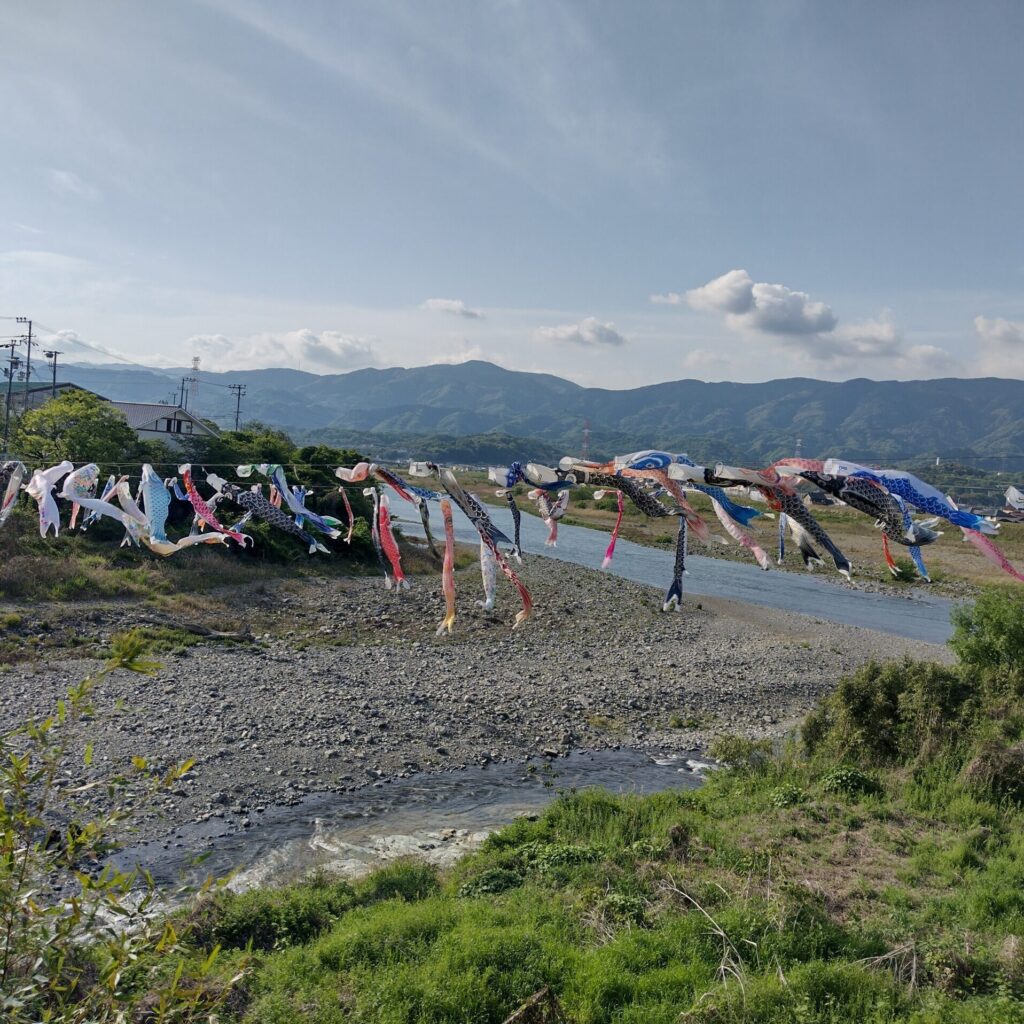
Wakayama is not a place that needs to compete with Kyoto or Tokyo.
It offers something different.
Here, the journey itself becomes the experience.
You can walk a pilgrimage route in the morning, eat local food in a small town, watch fishing boats return in the afternoon, and sit quietly in a temple or garden before dinner.
You can move between sacred mountains and the Pacific coast without feeling that you are simply moving between tourist attractions.
And after ten days, you may begin to understand something that is difficult to see on a faster trip:
Japan is not only found in its famous destinations.
It is also found in the roads between them.
Experience Wakayama at Your Own Pace
This 10-day itinerary is an example, not a fixed schedule.
A Curated Kii Peninsula Journey can be shaped around your interests, walking ability, preferred pace, food interests, and the places you most want to understand.
Possible combinations include:
- Koyasan + Wakayama City
- Koyasan + Wakaura + Kumano
- Kiiji Road + Yuasa + Kumano
- Food + pilgrimage + coastal culture
- Photography + hiking + local life
- Longer slow-travel stays in Wakayama
The idea is simple:
less rushing, fewer checklists, and more time to understand the place.
If you are looking for a different way to experience Japan beyond the Golden Route, Wakayama offers the space to slow down—and the cultural depth to make that extra time worthwhile.
Explore through Wakayama with Curated Kii Peninsula Journey.
Related Posts
- 5-Day Food Journey Through Wakayama: From Mountains to Ocean
- The Full Journey to Koyasan: From Sacred Peak to Valley Towns
- Kumano Kodo Guide: Walking Through Japan’s Living Traditions
- Yuasa Travel Guide: Discover the Birthplace of Shoyu Soy Sauce
- Wakaura: A Living Cultural Landscape in Japan
- Beyond the Kumano Kodo: Life Along the Ancient Kiiji Road
- Kinokawa Cultural Tour: Hanaoka Seishu, Historic Roads & Fruit Culture in Wakayama
No responses yet