
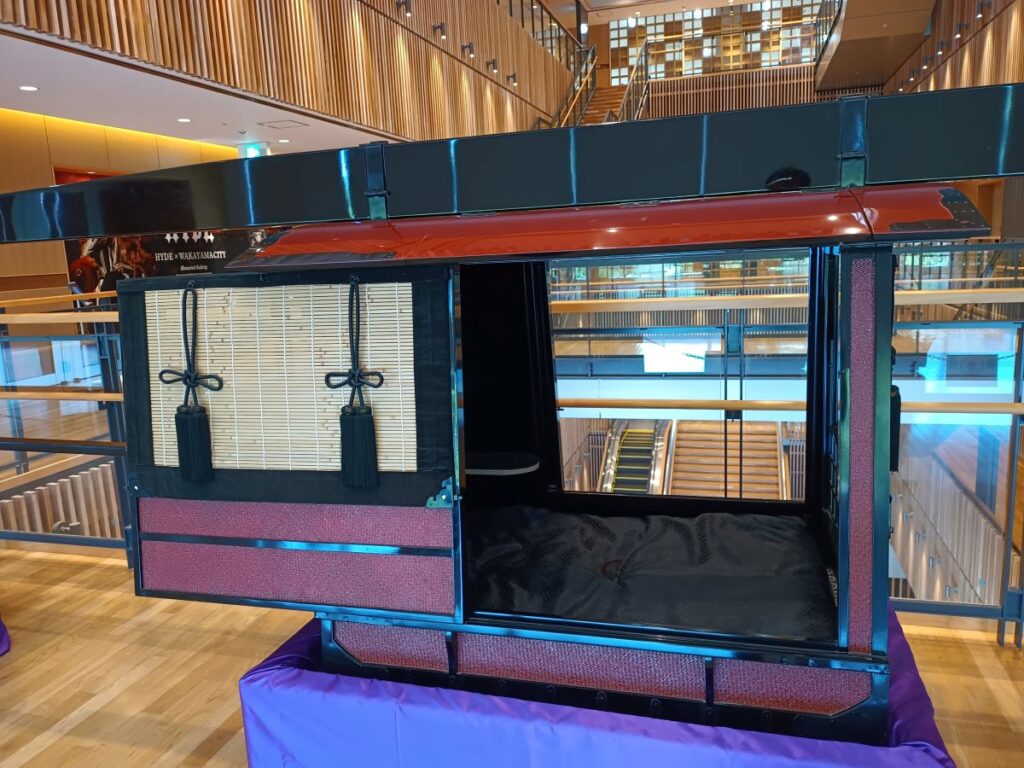
Many travelers come to Wakayama for its castle or as a gateway to the Kumano Kodo.
But beyond its famous landmarks lies another side of the city—one that cannot be understood through history alone.
Culture in Wakayama is not confined to museums or festivals. It lives in coastal landscapes celebrated for over a thousand years, shrines where traditions continue today, local cafés that preserve the atmosphere of the Showa era, museums that connect past and present, and festivals where entire communities still come together.
This journey explores the many layers of Wakayama’s living culture, revealing how art, religion, food, literature, and everyday life continue to shape the city today.
Stop 1 – Wakaura
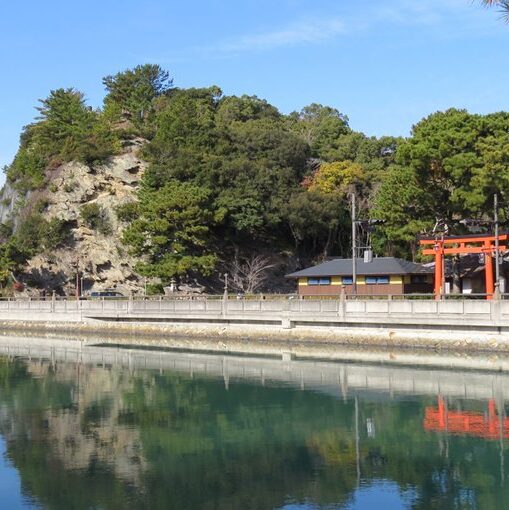
Where Landscape Became Poetry
Begin your journey in Wakaura, one of Japan’s most celebrated scenic landscapes.
For more than 1,300 years, emperors, nobles, monks, and poets have admired these shores. The beauty of Wakaura inspired countless poems in the Manyoshu and later imperial anthologies, making it one of the places where Japanese aesthetic appreciation of nature first took shape.
Walk between Tamatsushima Shrine, Furobashi Bridge, Saikazaki viewpoints, and the quiet coastline while discovering how scenery became an essential part of Japanese literature and artistic expression.
Rather than simply viewing the landscape, visitors experience the relationship between nature and culture that continues to influence Japan today.
Experience
- Wakaura Scenic Landscape
- Tamatsushima Shrine
- Furobashi Bridge
- Traditional poetry and Japanese aesthetics
- Coastal walking
Stop 2 – Kishu Toshogu Shrine
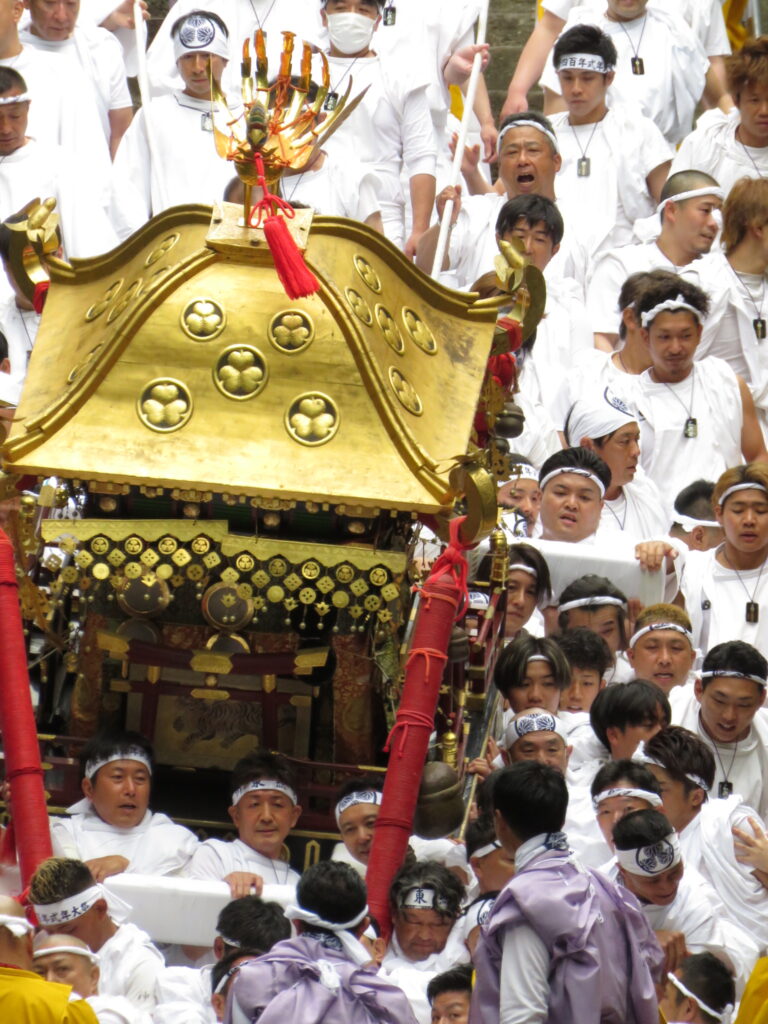
Samurai Culture and Festival Traditions
Next, visit Kishu Toshogu Shrine, dedicated to Tokugawa Ieyasu and closely connected with the Kishu Tokugawa family.
Its richly decorated architecture reflects the prosperity of the Edo Period, while its location overlooking Wakaura beautifully combines political power with sacred scenery.
The shrine also serves as the spiritual heart of the Waka Festival (Waka Matsuri), one of western Japan’s most spectacular traditional festivals.
Every spring, samurai processions, portable shrines, traditional dances, and centuries-old performances bring the castle town’s history back to life.
Here, architecture, religion, and community tradition merge into a single cultural experience.
Experience
- Kishu Toshogu Shrine
- Edo-period architecture
- Waka Festival
- Samurai traditions
- Living religious culture
Stop 3 – Museums that Tell Wakayama’s Story
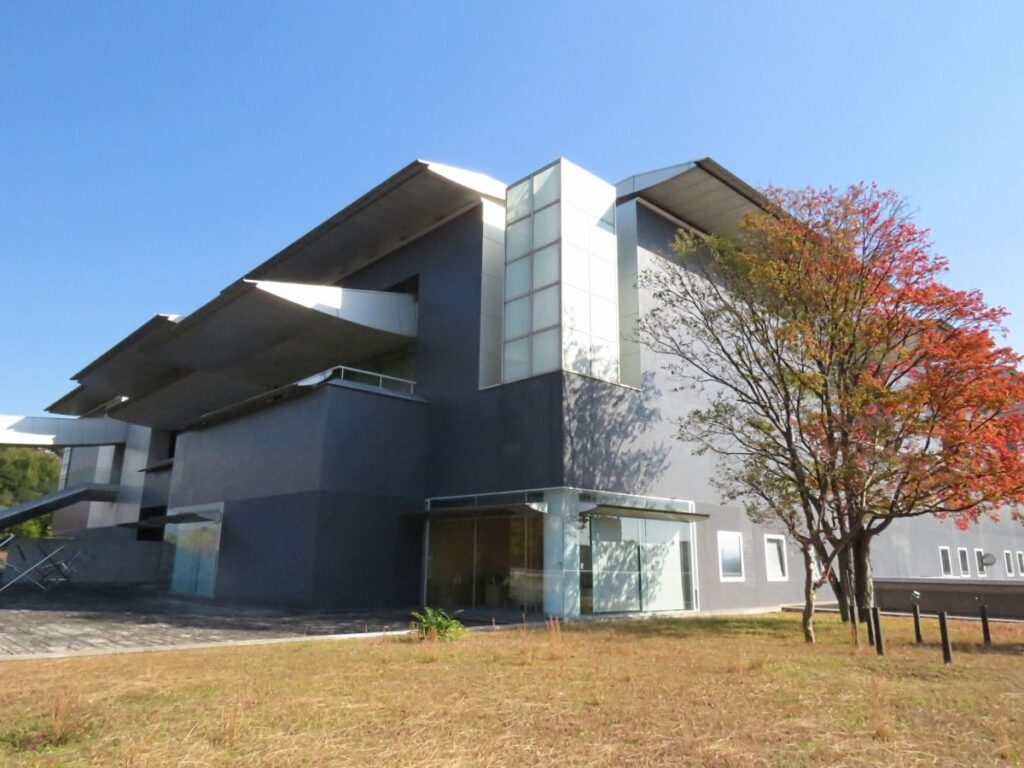
Understanding the Region Through Art and History
Culture is preserved not only outdoors but also within Wakayama’s museums.
The Wakayama City Museum introduces visitors to the city’s long history, from prehistoric settlements to the modern era.
The Wakayama Prefectural Museum showcases regional cultural treasures, including religious art, historical documents, and traditional crafts that help explain the identity of Kii Province.
Just next door, the Museum of Modern Art, Wakayama demonstrates how contemporary artists continue to interpret Japanese culture through modern perspectives.
Together, these institutions allow visitors to connect what they see throughout the city with the broader story of Wakayama.
Experience
- Wakayama City Museum
- Wakayama Prefectural Museum
- Museum of Modern Art, Wakayama
- Regional history
- Contemporary Japanese art
Stop 4 – Wakayama Castle and Castle Town Culture
Everyday Life in a Samurai City
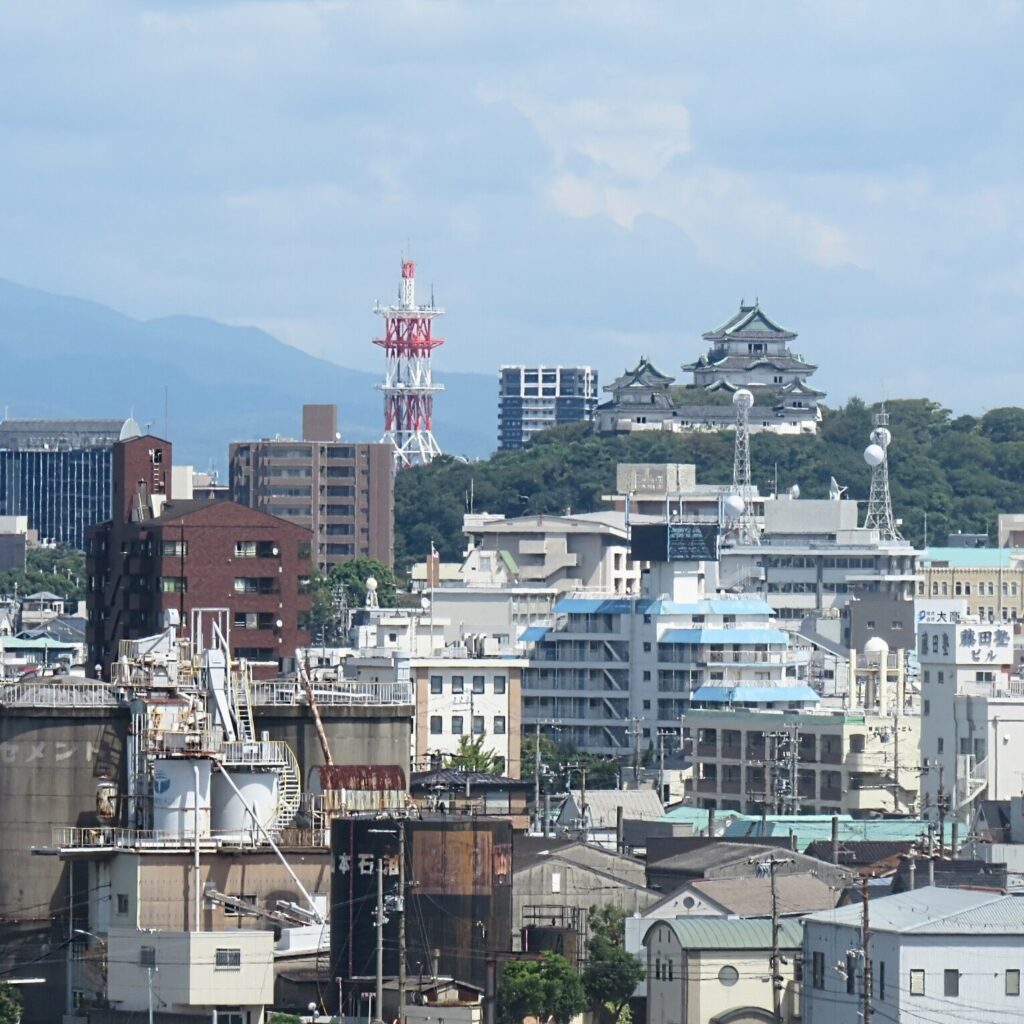
Rather than viewing Wakayama Castle solely as a military fortress, explore it as the center of everyday life during the Edo Period.
Walk through Momijidani Garden, once enjoyed by the Kishu Tokugawa family, before wandering the surrounding streets where merchants, craftsmen, and samurai once lived.
Many aspects of Japanese urban culture—from seasonal gardens and tea culture to neighborhood planning—can still be appreciated in the atmosphere surrounding the castle.
The castle reminds visitors that culture is shaped not only by great events, but also by ordinary daily life.
Experience
- Wakayama Castle
- Momijidani Garden
- Castle town history
- Traditional urban planning
Stop 5 – Everyday Wakayama
Living Culture Beyond the Tourist Trail
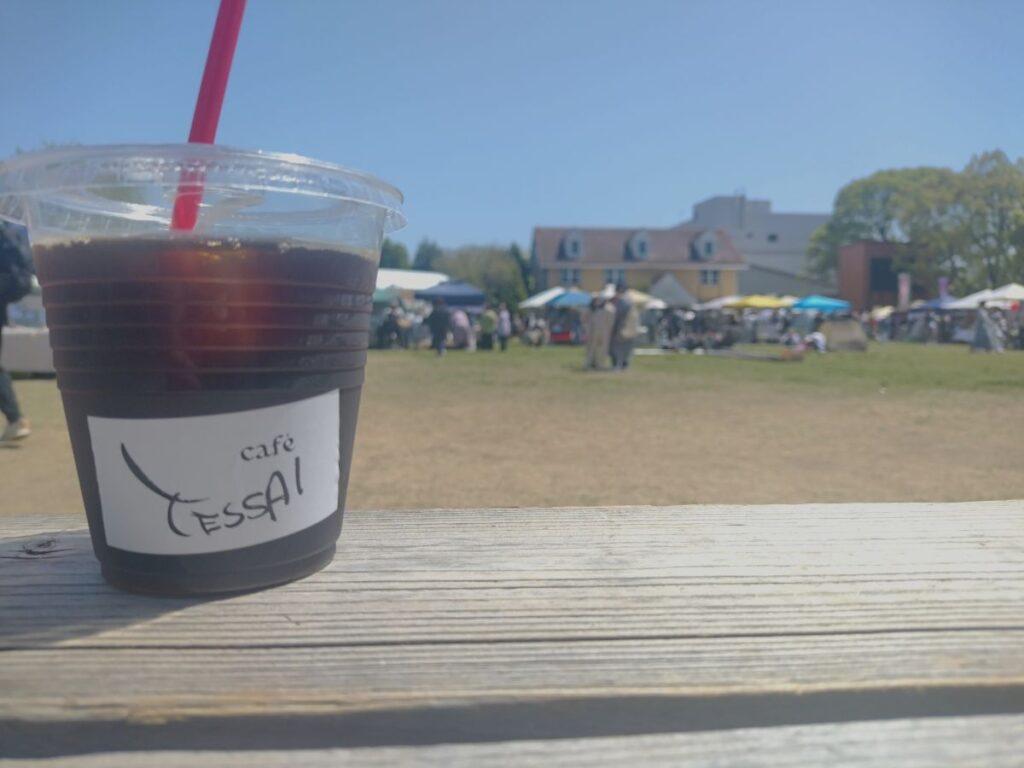
To understand Wakayama, spend time where local residents spend theirs.
Visit traditional shopping streets, long-established cafés, family-run restaurants, neighborhood shrines, and local markets.
Enjoy a cup of coffee in a classic kissaten, browse seasonal products, or simply observe the rhythm of everyday life.
These places may not appear in guidebooks, yet they preserve many customs and social traditions that continue to define the city.
This quieter side of Wakayama reveals that culture is not only inherited—it is lived every day.
Experience
- Traditional shopping streets: Burakuri-cho and Misono Shopping Street
- Showa-era kissaten cafés
- Local markets: Nanamagari Market
- Everyday food culture: Wakayama Ramen, Green Soft ice cream, yakitori, sea foods
- Community life
Optional Cultural Experiences
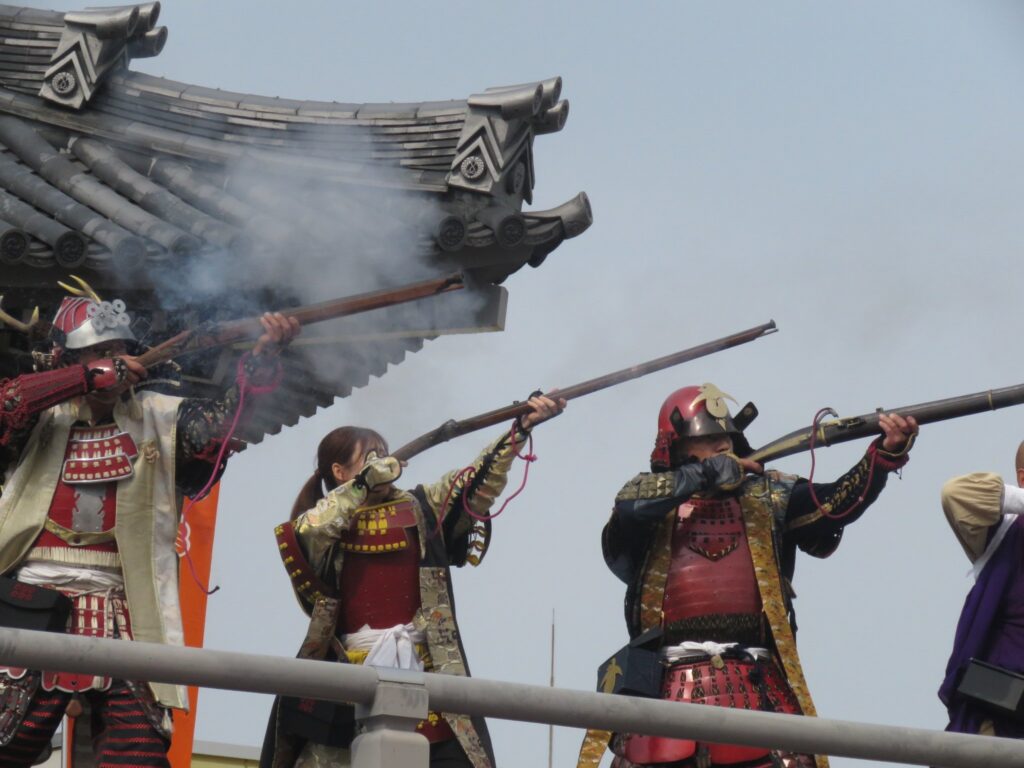
Depending on the season, visitors may also enjoy:
- Waka Festival
- Magoichi Festival
- Local Bon Odori dances
- Traditional performances
- Seasonal exhibitions at museums
- Tea and Japanese confectionery experiences
- Local seafood and Kishu cuisine
Each offers another opportunity to experience Wakayama not as a spectator, but as a participant.
Discovering the Rhythm of Life in Wakayama
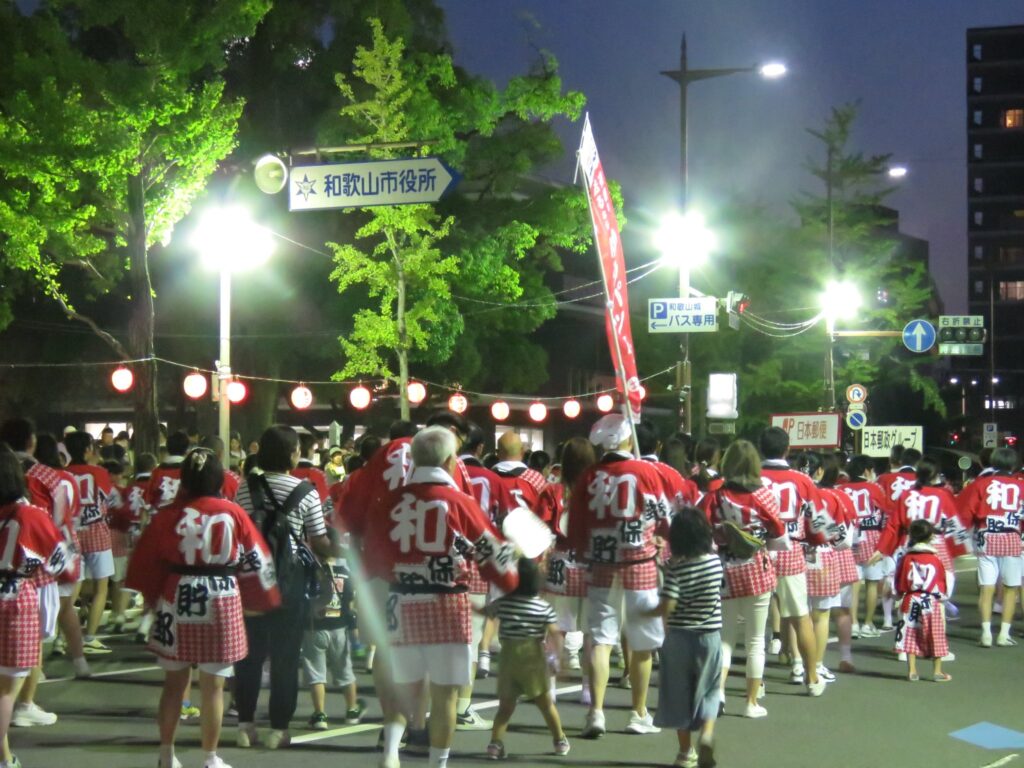
Culture is often described through famous artworks or historic monuments.
In Wakayama, however, culture is something broader.
It is found in a landscape that inspired poetry, in festivals passed down through generations, in museums that preserve regional memory, in shrines that continue ancient traditions, and in the quiet routines of local neighborhoods.
Rather than asking, “What should I see?” this journey asks a different question:
How do people in Wakayama live with their history, nature, and traditions today?
For travelers seeking a deeper understanding of Japan, this cultural journey offers not simply a collection of attractions, but an opportunity to experience the rhythm of everyday life that has shaped Wakayama for centuries.
Immerse yourself in Wakayama Culture through my Curated Kii Peninsula Journey.
Read More About Wakayama City
- The Story of Wakayama: A Journey Through 10,000 Years of History
- A Day in Wakayama Through Omakase
- Exploring Wakayama’s Traditional Shopping Streets
- Everyday Wakayama: Discovering a City Through Its Bus Routes
No responses yet