
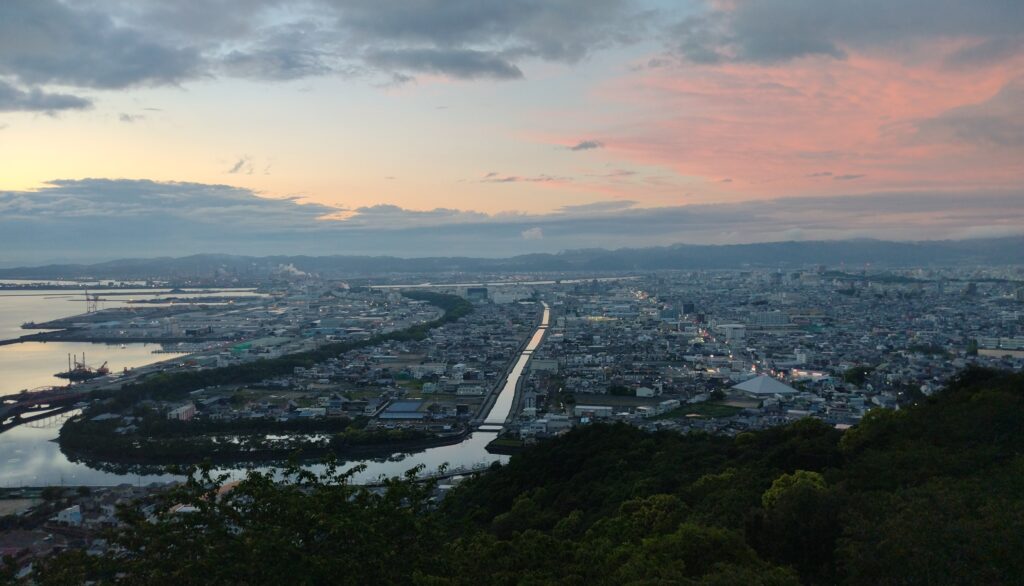
When most travelers visit Wakayama, they head straight for the castle, the beaches of Wakaura, or the sacred trails of the Kumano Kodo.
But long before castles rose above the city and pilgrims crossed the Kii Peninsula, people were already living here.
The history of Wakayama stretches back more than 10,000 years, from the first hunter-gatherers of the Jomon period to the modern port city of today. Across the city, archaeological sites, shrines, temples, museums, and historic neighborhoods preserve the story of how this landscape evolved through changing beliefs, political power, industry, and everyday life.
Rather than exploring Wakayama through isolated attractions, this multi-day journey follows the city’s history chronologically, allowing visitors to experience how one place has continually reinvented itself while preserving traces of every era.
Day 1 – The First People of Wakayama
From the Jomon Period to the Great Burial Mounds
Begin your journey at the foothills of Mt. Akiba, where archaeological discoveries—including distinctive Jomon artifacts such as clay vessels and ritual objects—reveal that people lived in this area thousands of years before written history.
These finds introduce the earliest chapter of Wakayama’s story, when communities survived through hunting, fishing, and gathering while developing unique spiritual traditions connected to nature.
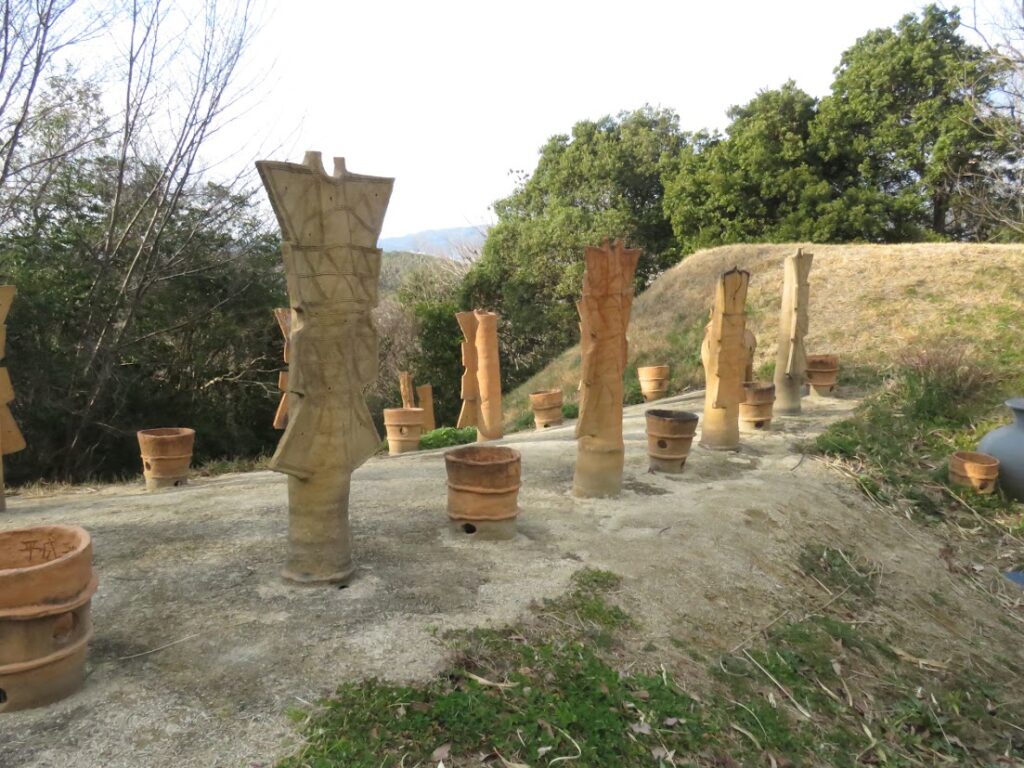
Continue to Kii Fudoki-no-Oka, home to the remarkable Iwase-Senzuka Kofun Cluster. Hundreds of burial mounds spread across the hillsides demonstrate the emergence of powerful local rulers during the Kofun period and illustrate how Wakayama became integrated into the developing Yamato state.
End the day at the Wakayama City Museum, where archaeological exhibits place these discoveries into a broader historical context.
Highlights
- Mt. Akiba archaeological discoveries
- Jomon culture
- Iwase-Senzuka Kofun Cluster
- Early political power
- Archaeological collections at Wakayama City Museum
Day 2 – Ancient Faith and the Birth of Kii Province
Sacred Landscapes Before the Samurai
The second day explores the spiritual foundations of Wakayama.
Visit the three great shrines that have shaped the region’s identity for centuries:
- Hinokuma Shrine
- Kunikakasu Shrine
- Itakiso Shrine
Together they tell the story of ancient Kii Province, local ruling clans, forest worship, and Japan’s earliest state formation.
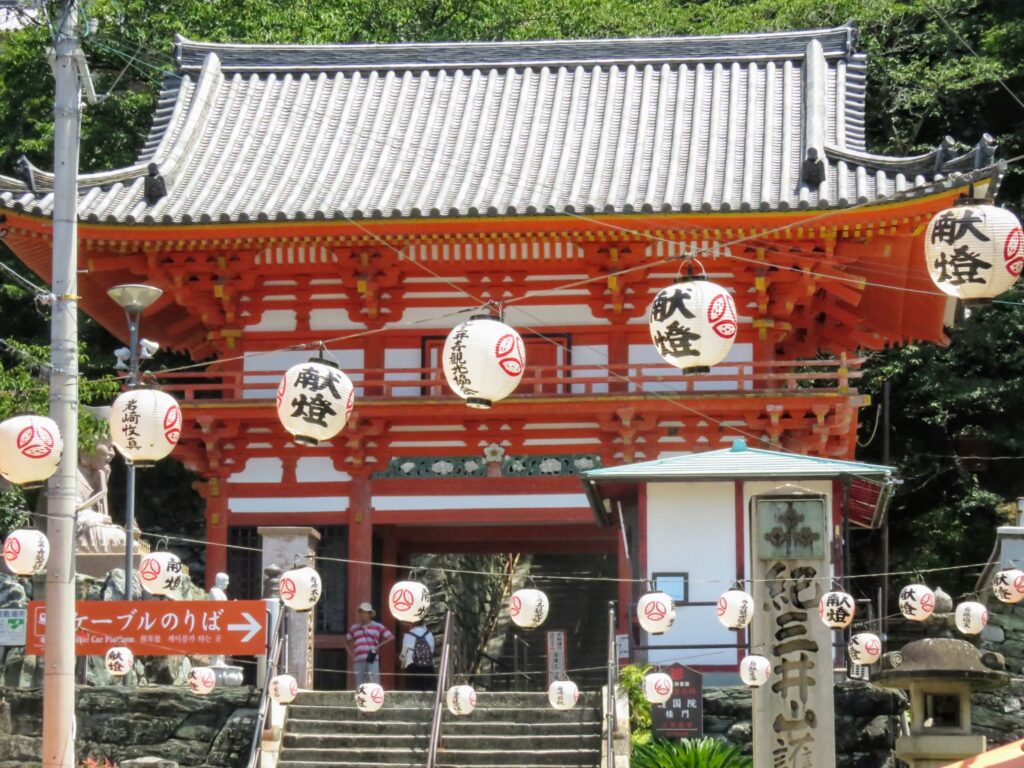
Continue to Kimiidera Temple, founded in the eighth century, where Buddhism became firmly established in the region.
Finally, arrive at Wakaura, one of Japan’s oldest celebrated scenic landscapes. At Tamatsushima Shrine, discover why emperors, aristocrats, and poets praised these shores in the Manyoshu and later imperial poetry anthologies. Here, landscape itself became a work of art.
Return to the museum to connect mythology, archaeology, and early historical records.
Highlights
- Wakayama Sannsha (Three Great Shrines)
- Ancient Kii Province
- Kimiidera Temple
- Tamatsushima Shrine
- Wakaura and Japanese poetry
Day 3 – Pilgrims, Warriors, and Civil War
Medieval Wakayama
Medieval Wakayama was shaped by both religion and conflict.
Begin at Fujishiro Oji, one of the important pilgrimage sites on the Kumano Kodo. For centuries, emperors, nobles, monks, and ordinary pilgrims passed through this gateway on their way toward Kumano.
The story then shifts dramatically to the age of civil wars.
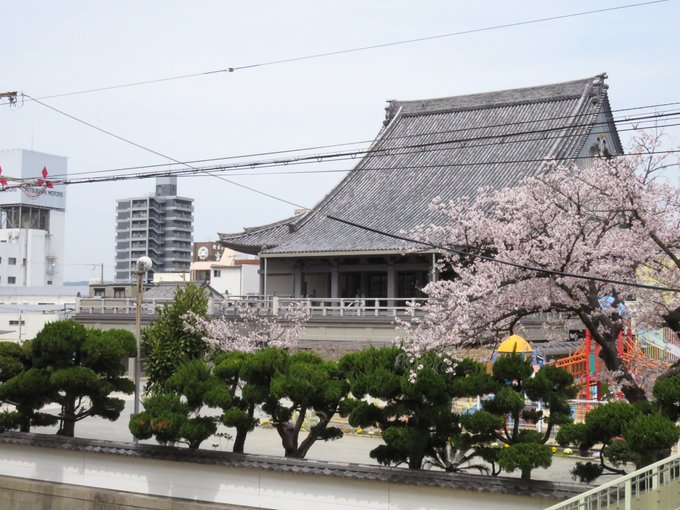
Visit Honganji Saginomiya Betsuin, reflecting the influence of the Jodo Shinshu tradition, before exploring the site of the Siege of Ota Castle, where Toyotomi Hideyoshi ordered one of the largest water sieges in Japanese history during his conquest of Kii Province.
Continue into the Saika area to learn about the famous Saika Ikki, the independent warrior communities renowned for their firearms, local autonomy, and resistance to centralized power.
The day concludes at the Hirai Historical Museum, where artifacts help bring this turbulent era to life.
Highlights
- Fujishiro Oji
- Honganji Saginomiya Betsuin
- Ota Castle Water Siege
- Saika Ikki
- Medieval military history
Day 4 – The Castle Town of the Tokugawa
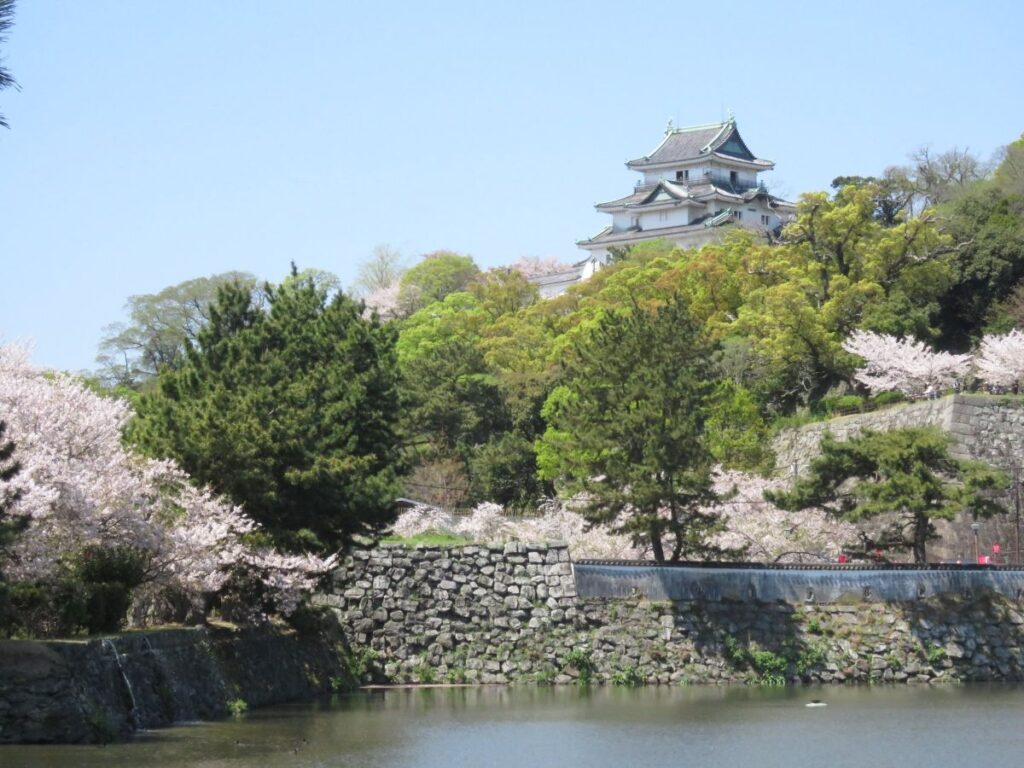
Peace, Gardens, and Samurai Culture
With the arrival of the Tokugawa period, Wakayama entered more than two centuries of relative peace.
Begin at Wakayama Castle, rebuilt under the Kishu Tokugawa family and transformed into the political heart of the domain.
Walk through the elegant Momijidani Garden, where landscape design reflected both political authority and refined aesthetics.
Continue to Yosuien Garden, the seaside villa garden built for the Kishu Tokugawa family. Unlike the castle, Yosuien reveals how feudal lords enjoyed nature, poetry, and leisure beyond official duties.
Explore the surrounding castle town before finishing at the Wakayama City Museum, whose collections explain the administration, economy, and daily life of the Kishu Domain.
Highlights
- Wakayama Castle
- Momijidani Garden
- Yosuien Garden
- Castle town culture
- Kishu Tokugawa family
Day 5 – Modernization, Industry, and War
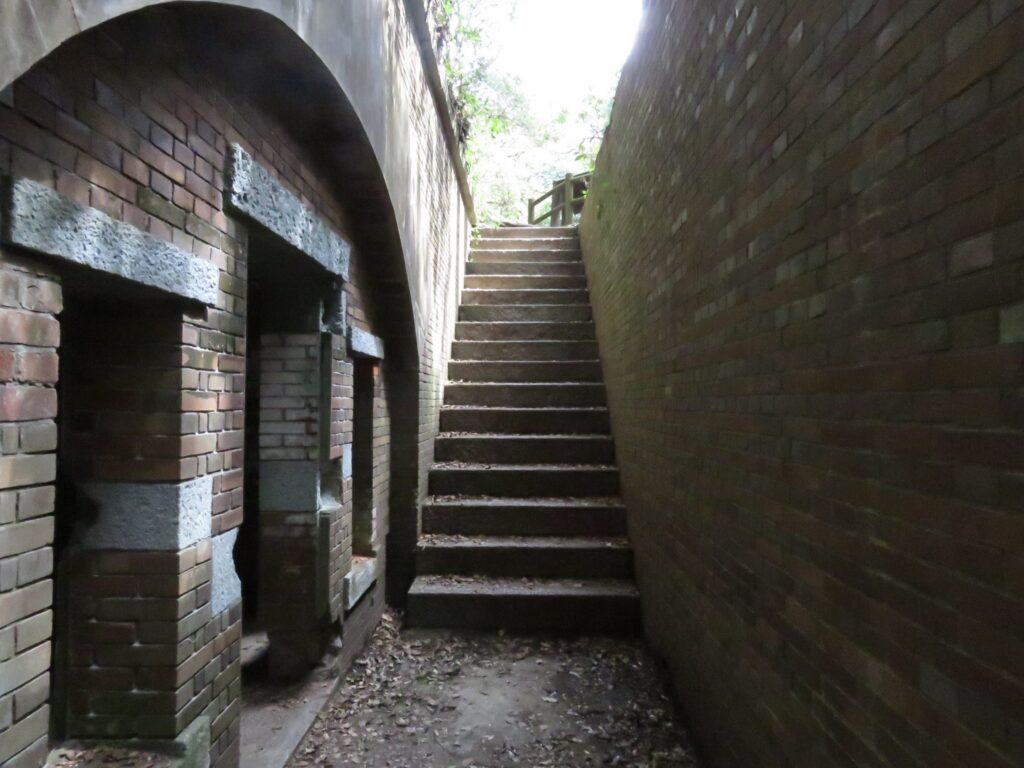
From Meiji Japan to the Twentieth Century
The final historical chapter explores the birth of modern Wakayama.
Begin at Kii-Nakanoshima Station, representing the arrival of railways and the rapid transformation of transportation.
Nearby, the former Kiyo Weaving Company Housing offers a rare glimpse into the lives of workers during Japan’s industrialization.
Travel to Miyama Battery Ruins in Kada, one of the coastal fortifications built to defend Osaka Bay during the modern military era. The abandoned artillery positions now overlook peaceful scenery, reminding visitors how landscapes can change with history.
Finish the journey at the Museum of Modern Art, Wakayama and the Wakayama Prefectural Museum, whose architecture and exhibitions symbolize the city’s transition into a modern cultural center.
Highlights
- Kii-Nakanoshima Station
- Former Kiyo Weaving Company Housing
- Miyama Battery Ruins
- Museum of Modern Art, Wakayama
- Wakayama Prefectural Museum
Understanding Wakayama Through Time
Many cities preserve historic buildings.
Wakayama preserves something even more remarkable: an uninterrupted story.
Within a relatively compact area, visitors can trace more than 10,000 years of human history—from prehistoric settlements and ancient shrines to medieval battlefields, feudal gardens, industrial communities, and modern museums.
Each site represents only one chapter. Together, they reveal how generations of people adapted to changing political systems, religions, technologies, and ways of life while remaining deeply connected to the surrounding mountains, rivers, and sea.
For travelers who wish to understand Japan beyond famous landmarks, Wakayama offers the opportunity to experience history not as isolated monuments, but as a continuous journey through time.
Explore historical travel through my Curated Kii Peninsula Journey.
Read More About History of Wakayama
- The Battle Before Wakayama Castle Existed
- World Heritage Pilgrimage to Koyasan: From Human Prayer to Sacred Realization
- Why Were Pilgrims Willing to Walk on Kumano Kodo for Weeks?
No responses yet