
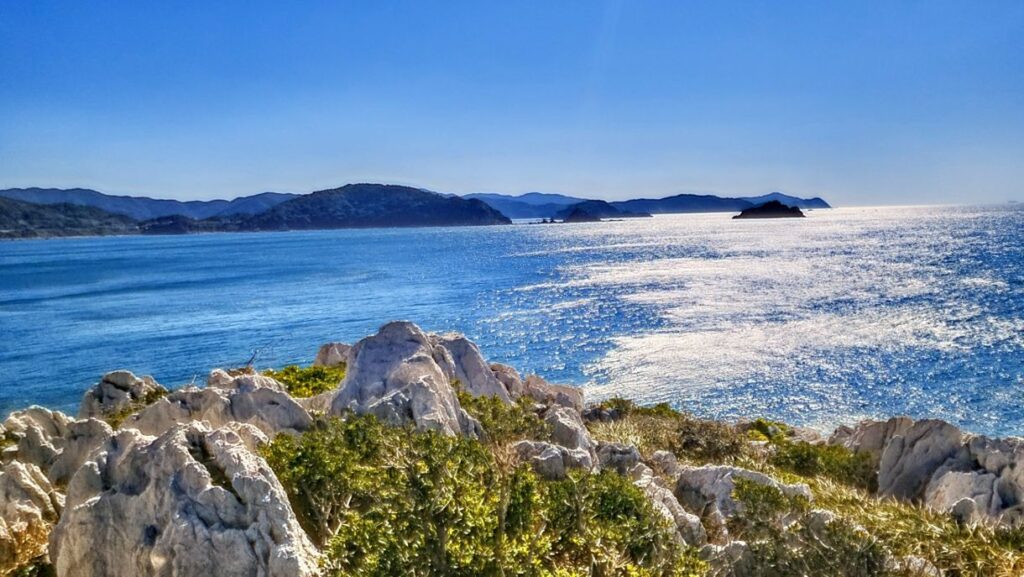
From Shirasaki Coast to the Birthplace of Shoyu Soy Sauce
Most visitors to Japan’s countryside choose between nature and culture.
Some seek dramatic landscapes. Others look for history, temples, and local food.
But in Wakayama, you don’t have to choose.
This journey connects all three through a single day of cycling along one of Japan’s most remarkable coastlines. From the white limestone cliffs of Shirasaki Coast to the historic streets of Yuasa, the birthplace of Japanese soy sauce, this experience reveals how landscape, community, spirituality, and food remain deeply connected in rural Japan.
Rather than rushing between famous tourist attractions, this is a journey designed to experience the rhythms of coastal life.
Morning: The White Cliffs of Shirasaki Coast
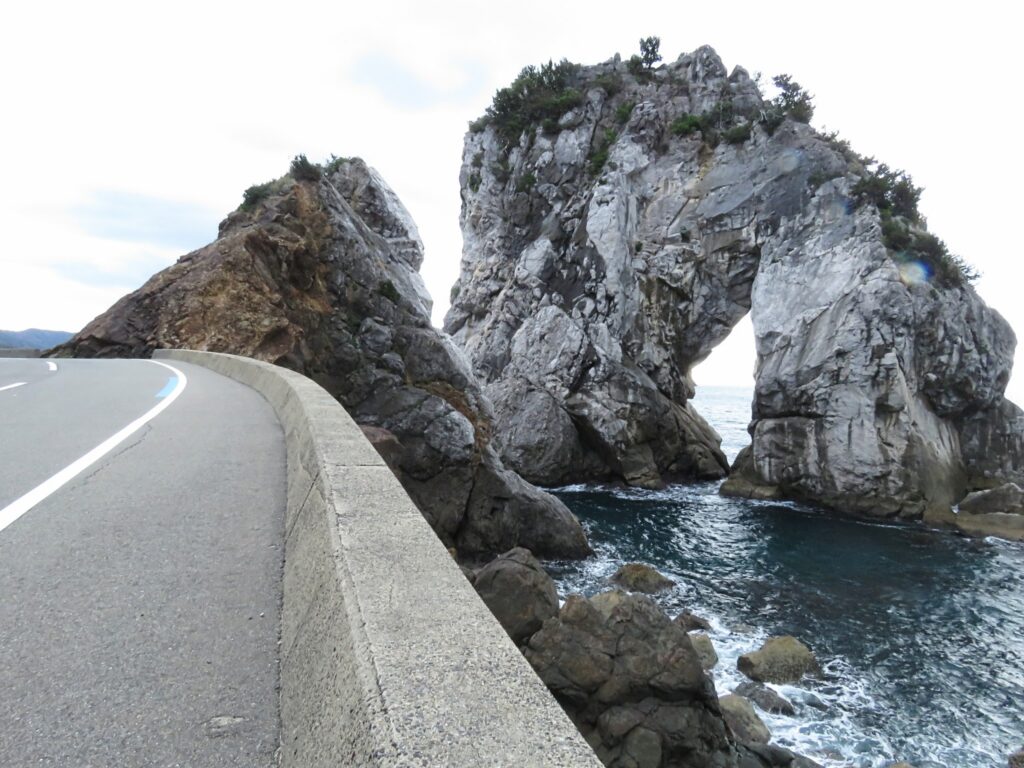
The day begins at Shirasaki Coast, one of Wakayama’s most spectacular natural landscapes.
Often compared to the Mediterranean for its brilliant white limestone formations and deep blue sea, Shirasaki feels unlike anywhere else in Japan. The cliffs were formed hundreds of millions of years ago and rise dramatically above the Pacific Ocean.
Yet despite its beauty, Shirasaki remains relatively unknown outside Japan.
Standing on the observation deck, visitors can watch fishing boats crossing the water below while seabirds circle above the cliffs. The contrast between the bright limestone and the ocean creates one of the most photogenic landscapes in the Kansai region.
This is where the journey begins.
Exploring the Coast by E-Bike
After taking in the views, we leave the main tourist area and follow quieter coastal roads by e-bike.
The electric assist allows riders of all fitness levels to enjoy the journey comfortably while covering more ground than a walking tour.
Along the route, you’ll discover:
- Small fishing villages hidden along the coastline
- Traditional harbors still used by local fishermen
- Terraced hillsides overlooking the sea
- Rural roads rarely visited by tourists
- Everyday scenes of life in coastal Wakayama
Cycling creates a different connection to the landscape.
You can stop when something catches your eye, talk with local residents, and experience the changing scenery at a human pace.
Related Post:
Beyond Koyasan: Cycling Through the Gateway Towns of Kudoyama and Koyaguchi
Seeing Shirasaki from the Sea
One of the highlights of the day is a local fishing boat cruise.
From the sea, the scale of Shirasaki’s limestone cliffs becomes even more impressive.
The coastline reveals hidden coves, rock formations, and fishing grounds that cannot be seen from land. Depending on weather and sea conditions, local fishermen may share stories about the waters that have sustained communities here for generations.
This is not a large sightseeing cruise.
It is a chance to experience the coast through the eyes of the people who know it best.
The sea is not simply scenery here—it is part of everyday life.
Related Post:
Photography in Wakayama: Hidden Photo Locations in Kansai
Lunch in a Former School Cafeteria
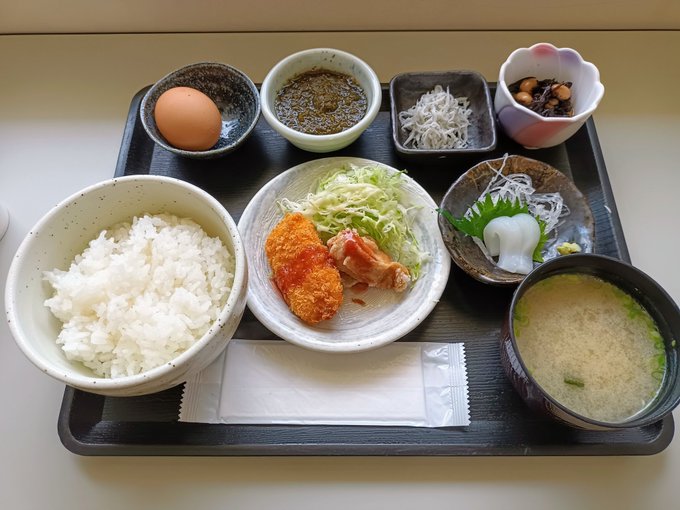
After the morning’s adventures, lunch offers a different perspective on the region.
Instead of a luxury restaurant, we visit a former school building that has been reimagined as a community space and dining venue.
Meals feature seasonal ingredients sourced from the surrounding area and reflect the agricultural and fishing traditions of Wakayama.
Eating in a former school cafeteria may seem simple, but it provides something many travelers seek:
A genuine connection to local life.
Here, visitors can experience how communities adapt historic spaces while preserving their identity and traditions.
Relate Post:
Omakase in Wakaura: A Curated Journey Through Local Taste and Landscape
A Zen Temple and the Origins of Fermentation Culture
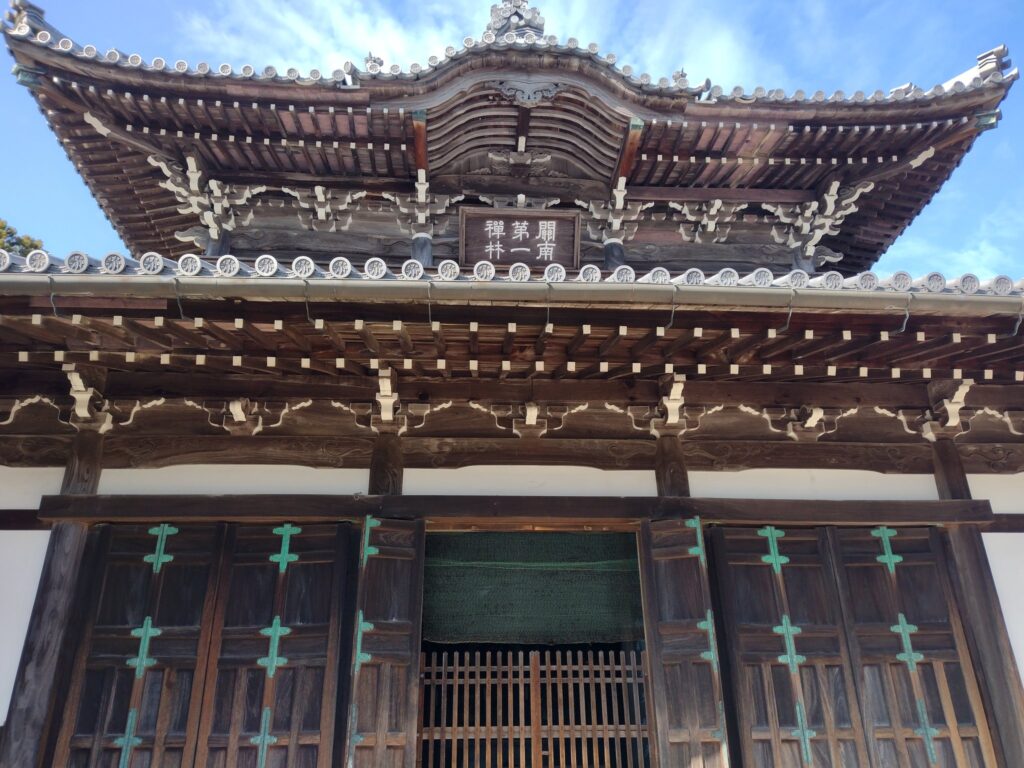
The afternoon continues at Kokokuji Temple.
Founded in the Kamakura period, Kokokuji is known not only as a Zen temple but also for its connection to Japanese food culture.
According to local tradition, the temple played an important role in the introduction of Kinzanji Miso, a fermented food that later contributed to the development of soy sauce production in the region.
Walking through the temple grounds, visitors encounter a quieter side of Wakayama.
The atmosphere shifts from sea breezes and fishing villages to meditation, contemplation, and centuries of spiritual tradition.
It is a reminder that Japanese food culture is deeply connected to religious practice, agriculture, and local history.
Yuasa: The Birthplace of Shoyu
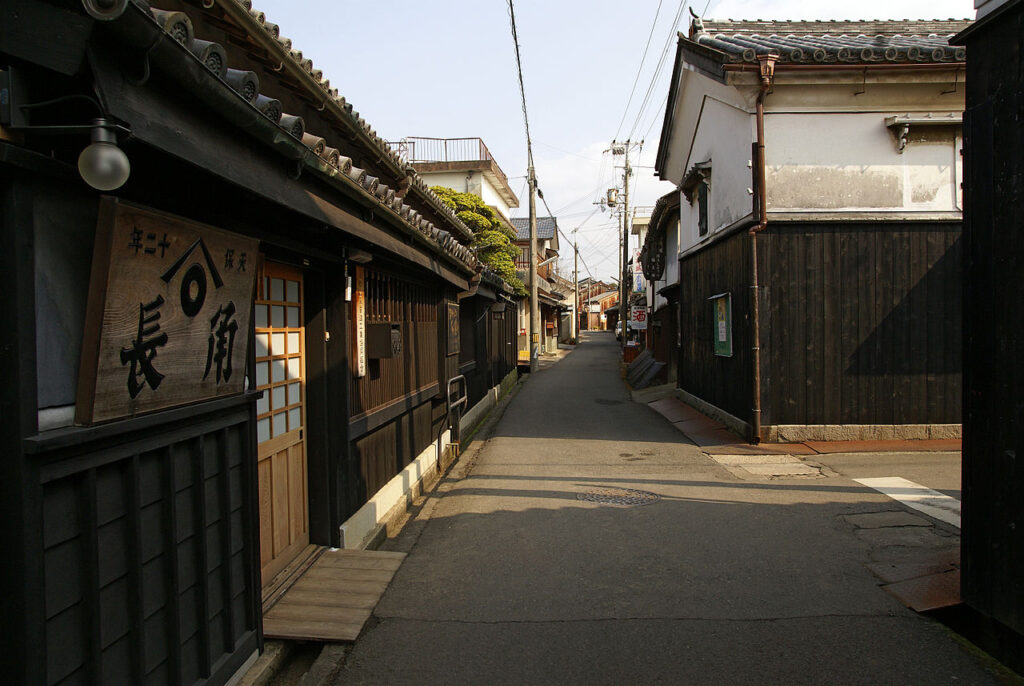
The final destination is Yuasa, a historic town widely recognized as the birthplace of Japanese soy sauce.
Here, narrow streets lined with traditional wooden buildings preserve the atmosphere of a merchant town that flourished through trade and fermentation.
Visitors can explore:
- Historic soy sauce breweries
- Traditional merchant houses
- Local shops selling fermented products
- Cafés and small restaurants featuring regional ingredients
- Streets designated as an Important Preservation District
The scent of fermentation still lingers in the air.
For travelers interested in food culture, Yuasa offers a rare opportunity to understand how one of Japan’s most important seasonings evolved from local craftsmanship into a global culinary ingredient.
Related Post:
An Omakase Ending
No two days in Wakayama are exactly the same.
Depending on the season, weather, and your interests, the journey can conclude with a curated food experience.
Perhaps a seafood dinner overlooking the coast.
Perhaps local dishes featuring Yuasa shoyu sauce.
Perhaps sake, craft beer, or seasonal specialties recommended by someone who knows the region well.
This omakase approach reflects the philosophy of the journey itself:
Not simply visiting places, but allowing the landscape, season, and local culture to guide the experience.
Related Post:
A Day in Wakayama Through Omakase
A Different Way to Explore Rural Japan
Many travelers visit Japan searching for authenticity.
What they often discover instead are crowded attractions and carefully staged experiences.
This journey offers something different.
White limestone cliffs rising above the ocean.
Fishing communities shaped by generations of maritime life.
A Zen temple connected to the history of fermentation.
The birthplace of soy sauce.
And the freedom to experience them all at a slower pace.
Cycling the White Cliffs of Wakayama is not simply about seeing beautiful places.
It is about understanding how nature, spirituality, food, and community continue to shape life along this remarkable coastline.
Plan your unique experience through Curated Kii Peninsula Journey
No responses yet