
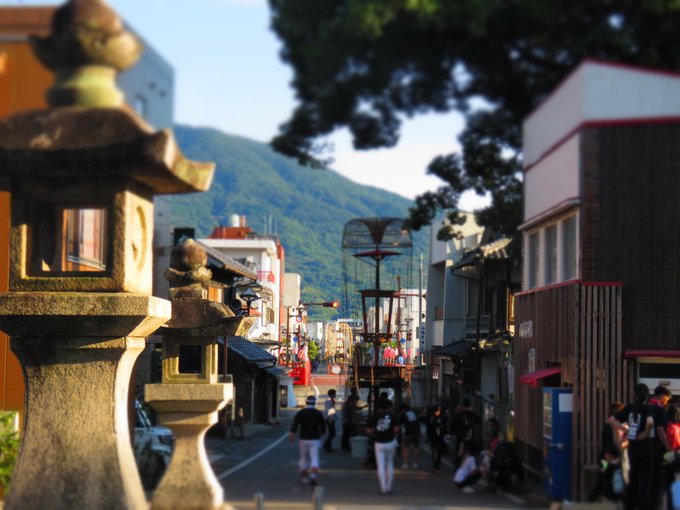
Temple, Shrine, and Danjiri Culture in Rural Wakayama
In the historic town surrounding Kokawa Temple, summer is not simply a season.
It is a time when the entire community begins to move together.
The Kokawa Festival is one of the region’s most important local celebrations, bringing together religious tradition, neighborhood identity, and the energy of beautifully decorated danjiri floats.
Unlike heavily commercialized festivals in larger cities, Kokawa Festival still feels deeply connected to local life.
Children, families, shrine members, musicians, and longtime residents all play visible roles in keeping the tradition alive.
For visitors, the experience offers a rare glimpse into a Japanese festival that remains rooted in community rather than tourism.
A Festival Connected to Temple and Shrine
One of the most distinctive aspects of the Kokawa Festival is the close relationship between:
- Kokawa Temple
and - Kokawa Ubusuna Shrine
The atmosphere of the town reflects centuries of interaction between Buddhist temple culture and local shrine traditions.
During the festival season, streets around the temple district become filled with:
- Lanterns
- Music
- Processions
- Gathering families
- Neighborhood activity extending into the evening
The celebration is not separated from daily life.
Instead, the festival feels woven into the identity of the town itself.
For many local residents, this is not simply an annual event —
it is part of the rhythm of the community.
The Pride of Kokawa: Danjiri Culture
At the center of the festival are the region’s beloved danjiri floats.
These wooden festival floats are carefully maintained by local neighborhoods and carried proudly through the streets during the celebration.
The danjiri are not merely decorations.
They represent:
- Community identity
- Local craftsmanship
- Generational tradition
- Neighborhood cooperation
Residents spend time preparing, repairing, organizing, and practicing long before the festival begins.
During the event, the sound of drums, shouting voices, and festival music echoes through the town as the floats move through narrow streets lined with spectators.
For many visitors, this energy becomes one of the most memorable parts of experiencing summer in rural Wakayama.
A More Local Festival Experience
What makes the Kokawa Festival especially appealing is its atmosphere.
Compared to the overwhelming scale of some famous urban festivals, Kokawa feels:
- More approachable
- More community-centered
- Less crowded
- More connected to everyday local culture
Visitors can walk alongside processions, observe neighborhood interactions, and experience the festival from close range.
Food stalls and festival snacks also add to the atmosphere, creating a lively yet relaxed summer evening.
Rather than being treated only as spectators, visitors often feel welcomed into the flow of the event itself.
The Historic Atmosphere of the Temple Town
One of the unique charms of the Kokawa Festival is the setting itself.
The historic temple town surrounding Kokawa Temple creates an atmosphere very different from modern urban festival spaces.
As evening arrives:
- Lantern light reflects against old streets
- Drums echo through the temple district
- Families gather outdoors
- Children in yukata run through the crowds
- Local shops remain active late into the night
The combination of religious history and living community culture gives the festival a distinctive sense of continuity.
It feels less like a performance staged for tourists and more like a tradition still belonging to the people who live there.
Related Post:
Hidden Sacred Landscapes Near Osaka
Experiencing Summer Beyond the Major Tourist Cities
Many travelers visiting Kansai focus on famous destinations such as Kyoto or Osaka.
But festivals like the Kokawa Festival reveal another side of Japan:
A quieter and more community-oriented summer culture.
In places like Kokawa, visitors can still experience:
- Local participation
- Historic town atmosphere
- Traditional neighborhood culture
- Temple-centered seasonal life
- Regional identity expressed through festival traditions
For travelers interested in slow travel and deeper cultural experiences, these local festivals often become more memorable than large-scale tourist events.
Discovering the Cultural Landscapes of Wakayama
The Kokawa Festival can also be combined with broader cultural journeys through northern Wakayama, including:
- Negoro Temple
- Fruit-growing landscapes along the Kinokawa River
- Traditional lacquerware culture in Kuroe
- Historic pilgrimage routes connecting mountain and river communities
Together, these experiences reveal how religion, seasonal life, craftsmanship, and local identity remain deeply connected across Wakayama.
For travelers seeking a more human and locally rooted experience of Japan, Kokawa Festival offers a beautiful introduction to the spirit of rural summer traditions.
Related Post:
From Sacred Mountains to Lacquerware Towns
→Plan your special night on Kokawa Festival Day through Curated Kii Peninsula Journey
No responses yet