
Why Old Japanese Coffee Shops Reveal a Different Side of Japan
When people think about coffee culture in Japan, they often imagine modern specialty cafés in Tokyo or trendy espresso bars in Osaka.
But long before third-wave coffee arrived, Japan had another kind of café culture:
The world of the kissaten.
Across Japan—and especially in quieter regional cities—these old-style coffee shops still survive quietly between train stations, shopping streets, and residential neighborhoods.
They are not simply places to drink coffee.
They are places shaped by habit, routine, conversation, and time.
And in many ways, they reveal a side of Japan that most travelers never experience.
What Is a Kissaten?
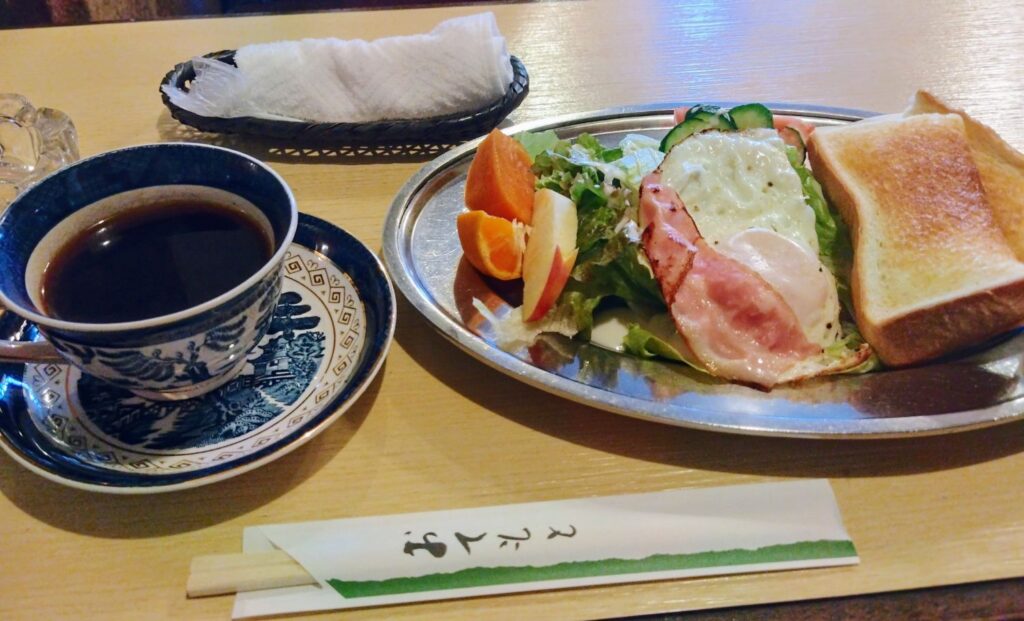
The word kissaten (喫茶店) literally means “tea-drinking shop,” but in practice it came to describe traditional Japanese coffee houses that became especially popular during the Showa era.
Unlike modern cafés designed for speed or social media aesthetics, kissaten developed around a different rhythm:
- Slow conversation
- Smoking and reading newspapers
- Carefully brewed coffee
- Jazz or classical music
- Long afternoons with little urgency
Many were independently owned family businesses, often run by the same owners for decades.
Each shop developed its own atmosphere:
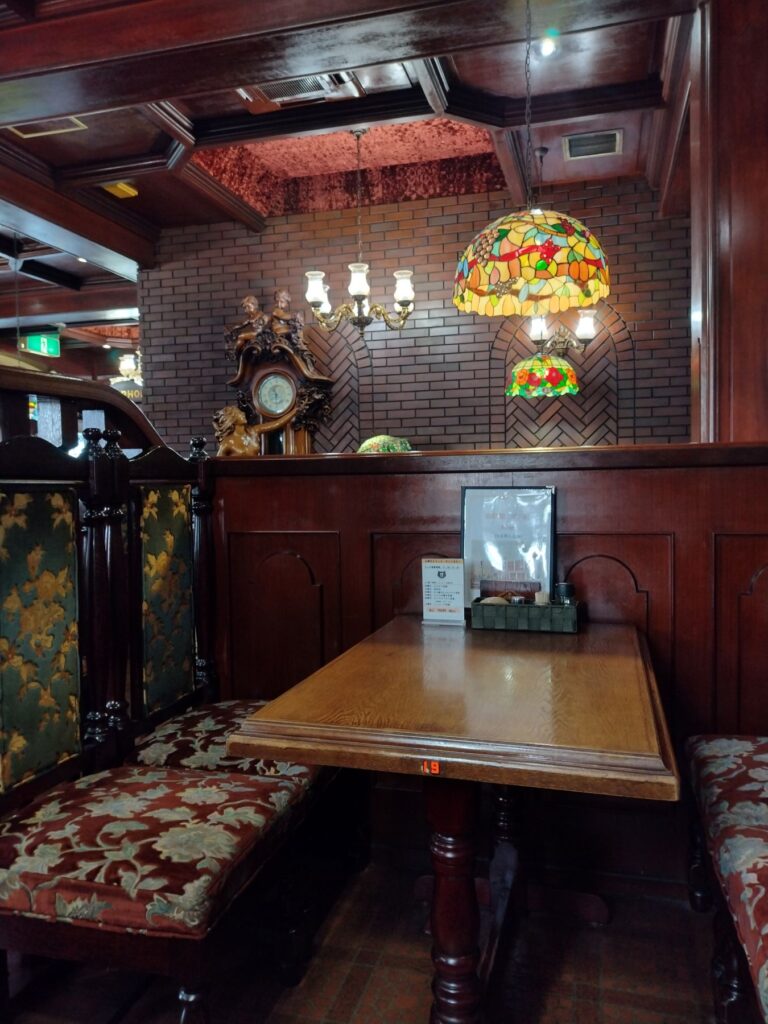
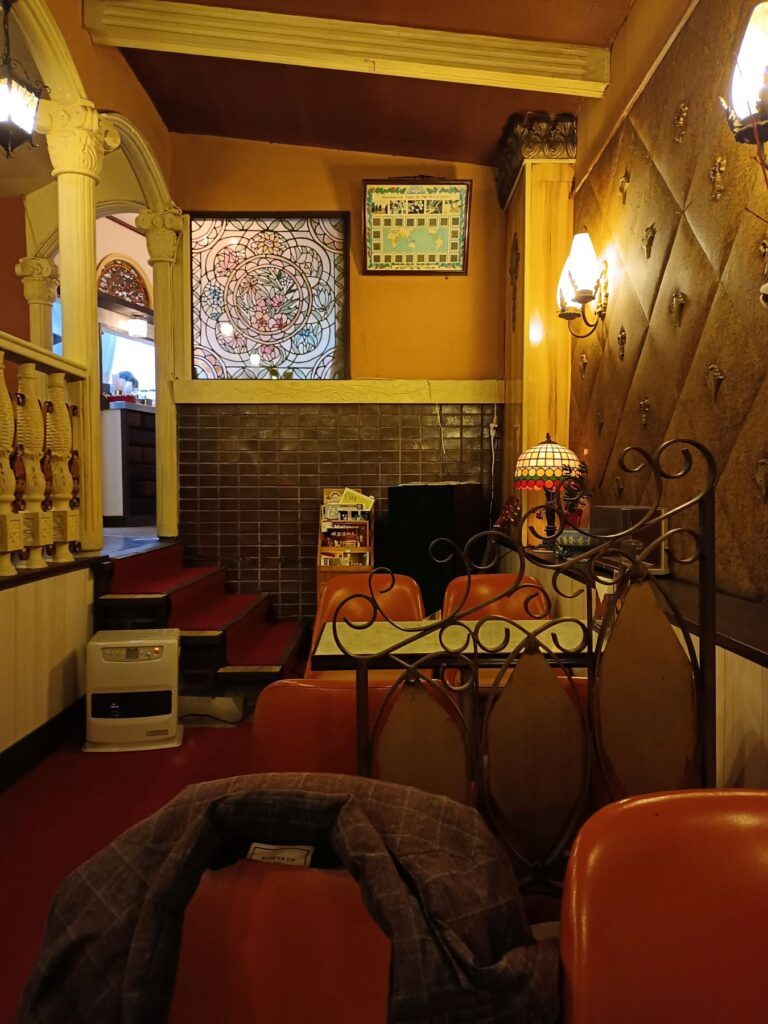
- Dark wooden interiors
- Velvet chairs
- Aging counters
- Handwritten menus
- Yellowed lamps and quiet background music
Some feel almost frozen in time.
More Than Coffee — A Space Between Home and Work
Part of what made kissaten culture unique was that these cafés functioned as a kind of “third place.”
Not home.
Not work.
But somewhere in between.
Office workers stopped by before trains.
Local regulars spent hours reading newspapers.
Elderly customers returned every morning for the same seat and same coffee.
In regional cities especially, kissaten often became part of the social infrastructure of daily life.
Even today, visiting one can feel less like entering a business and more like stepping into someone’s long-running routine.
Why Kissaten Culture Is Slowly Disappearing
The decline of kissaten culture reflects larger changes happening across Japan.
Several factors contributed:
- Aging owners with no successors
- Declining shopping streets
- Convenience store coffee culture
- Chain cafés replacing independent shops
- Faster urban lifestyles
Many old cafés quietly closed without much attention.
And yet, what disappears with them is not only architecture or menus.
It is a particular relationship to time.
In many kissaten, customers were never expected to leave quickly.
The atmosphere encouraged staying, observing, and slowing down.
That kind of space has become increasingly rare—not only in Japan, but globally.
The Beauty of Regional Kissaten
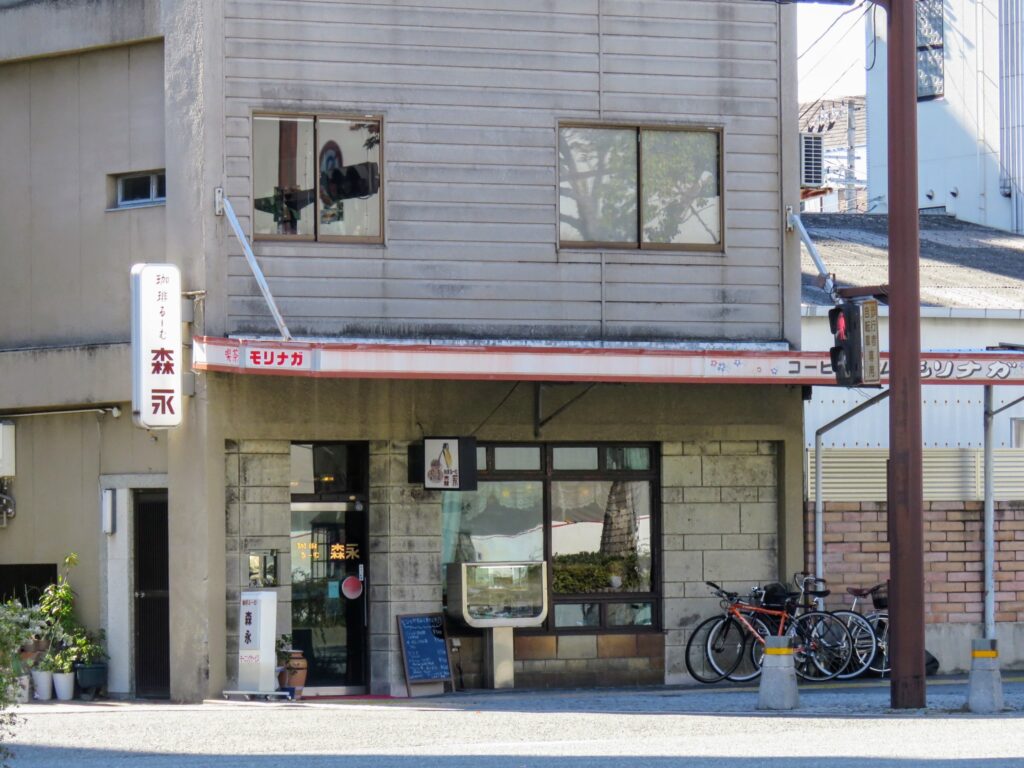
Large cities still have famous retro cafés.
But some of the most atmospheric kissaten remain in regional areas where tourism has not completely transformed everyday life.
In places like Wakayama City, old cafés continue to exist quietly beside local markets, small train stations, and residential neighborhoods.
These are often places where:
- Fishermen stop before work
- Elderly locals gather in the morning
- Students study after school
- Owners still remember regular customers by name
For travelers interested in “living culture,” these cafés can reveal more about Japan than famous landmarks.
Because they are not performances for tourists.
They are ordinary spaces where local life continues.
Kissaten and the Japanese Sense of Time
Part of the emotional power of kissaten comes from how they relate to time.
Modern travel often emphasizes efficiency:
- More destinations
- Faster movement
- Constant activity
But kissaten invite the opposite.
To sit quietly.
To watch light move across the room.
To listen to rain outside the window.
To remain in one place without needing productivity.
This slower atmosphere connects closely with older rhythms still visible in parts of regional Japan.
And for many visitors, this becomes one of the most memorable experiences—not because it is spectacular, but because it feels increasingly difficult to find elsewhere.
Read More:
A Slow Day in Wakaura Through Local Taste
Beyond Trendy Cafés
Japan’s modern café culture is creative and vibrant.
But kissaten represent something different:
- Continuity rather than novelty
- Atmosphere rather than branding
- Routine rather than performance
They are part of a quieter layer of Japanese culture that often survives outside major tourist routes.
For travelers exploring places beyond Tokyo or Kyoto, discovering these spaces can become a way of understanding everyday Japan more deeply.
Not through famous attractions, but through the unnoticed rhythms of ordinary life.
Related Post:
Coffee, Community, and Everyday Life in Wakayama
Experience Everyday Japan Through Slow Travel
Many visitors to Japan focus on temples, castles, and famous destinations.
But some of the deepest experiences come from smaller moments:
- Morning coffee near a local station
- Conversations with café owners
- Watching daily life unfold slowly around you
Throughout Wakayama Prefecture, these everyday cultural spaces still remain woven into the landscape.
Our private cultural tours explore not only famous sites, but also the quieter rhythms of local life:
- Historic neighborhoods
- Traditional cafés
- Local food culture
- Coastal communities
- Slow walks through lived-in spaces
For travelers seeking a deeper connection with Japan, these ordinary places often become the most unforgettable.
→Plan your slow travels in Wakayama
No responses yet